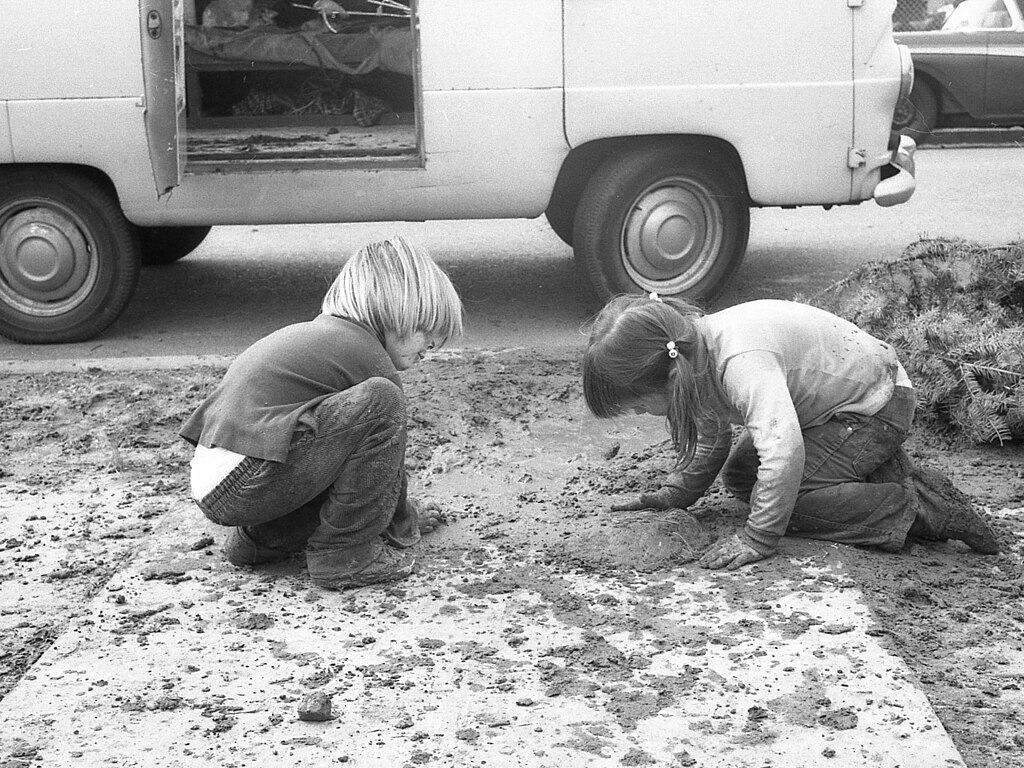
The 1970s were a kaleidoscope of change, color, and cultural revolution. It was a decade where bell-bottoms met political awakening, and home-cooked casseroles met space-age dreams. From disco lights to gas station lines, every snapshot tells a story of a nation caught between optimism and upheaval. These fifteen moments capture the essence of the ’70s – a time of transformation that still shapes how we see style, music, and identity today.
1. The Watergate Scandal Unfolds
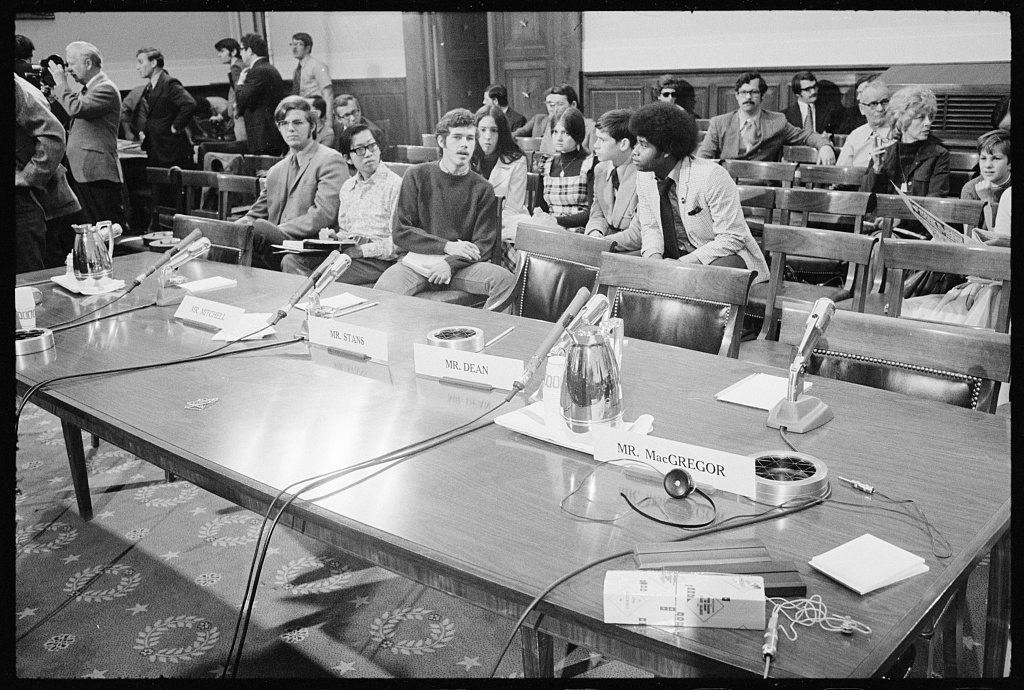
The Watergate scandal became a defining symbol of lost trust in government. What began as a break-in at the Democratic National Committee headquarters turned into a national crisis when journalists uncovered a web of corruption and deceit. Televised hearings and shocking revelations gripped the nation, eventually leading to President Richard Nixon’s resignation in 1974. The event changed how Americans viewed politics forever and set a new standard for media accountability and investigative reporting in the years that followed.
2. The End of the Vietnam War
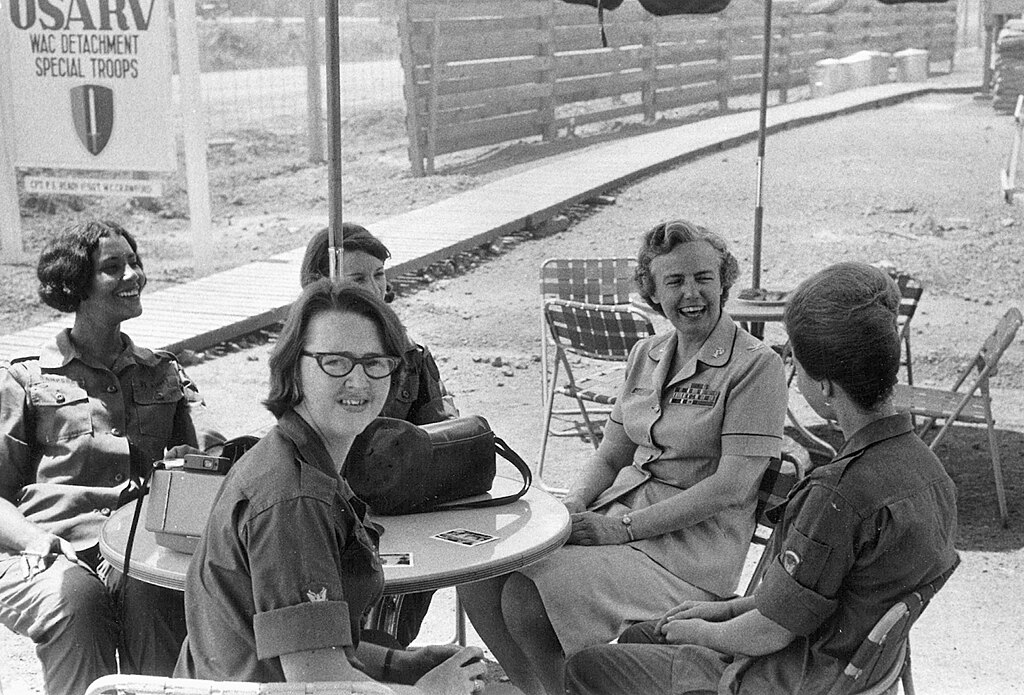
Few images from the 1970s are as haunting as the helicopters leaving Saigon in 1975. After years of conflict, protest, and heartbreak, the Vietnam War came to an end, closing one of America’s most turbulent chapters. The war divided generations and reshaped the nation’s sense of purpose. Families welcomed home soldiers to a changed country, and the public grew more skeptical of foreign intervention. The fall of Saigon marked not just a military withdrawal but a moral reckoning that still echoes through American history.
3. Long Lines During the 1973 Energy Crisis
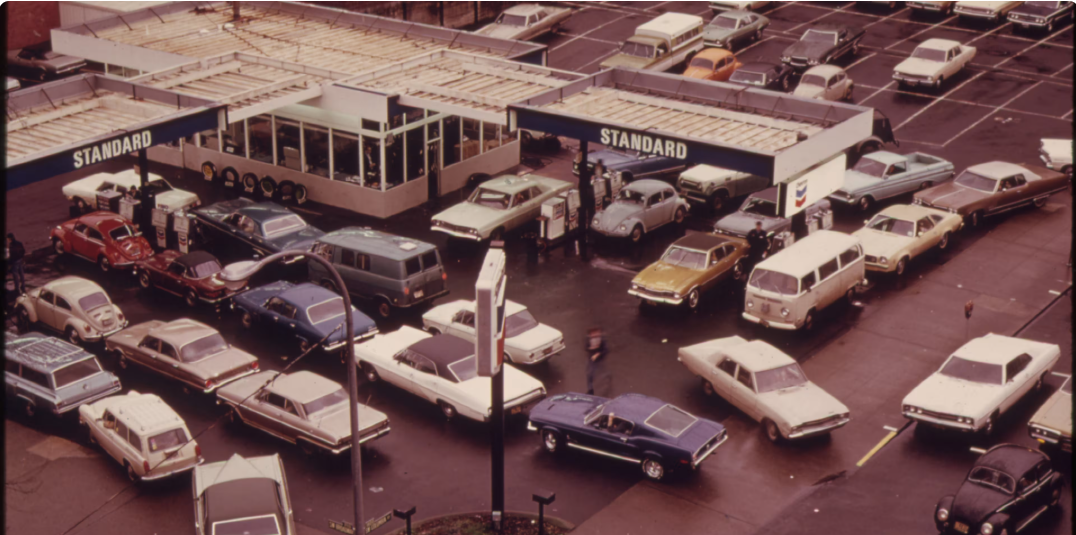
The photo of cars stretching endlessly at gas stations told the story of a country suddenly brought to a halt. The 1973 oil embargo caused massive fuel shortages, forcing Americans to rethink their relationship with consumption and dependence on foreign oil. Odd-even rationing days determined who could fill up, and the simple act of driving became a test of patience. It was an era that inspired smaller cars, carpool culture, and a new focus on energy awareness that continues to influence modern environmental policies.
4. Feminist Rallies Fill City Streets
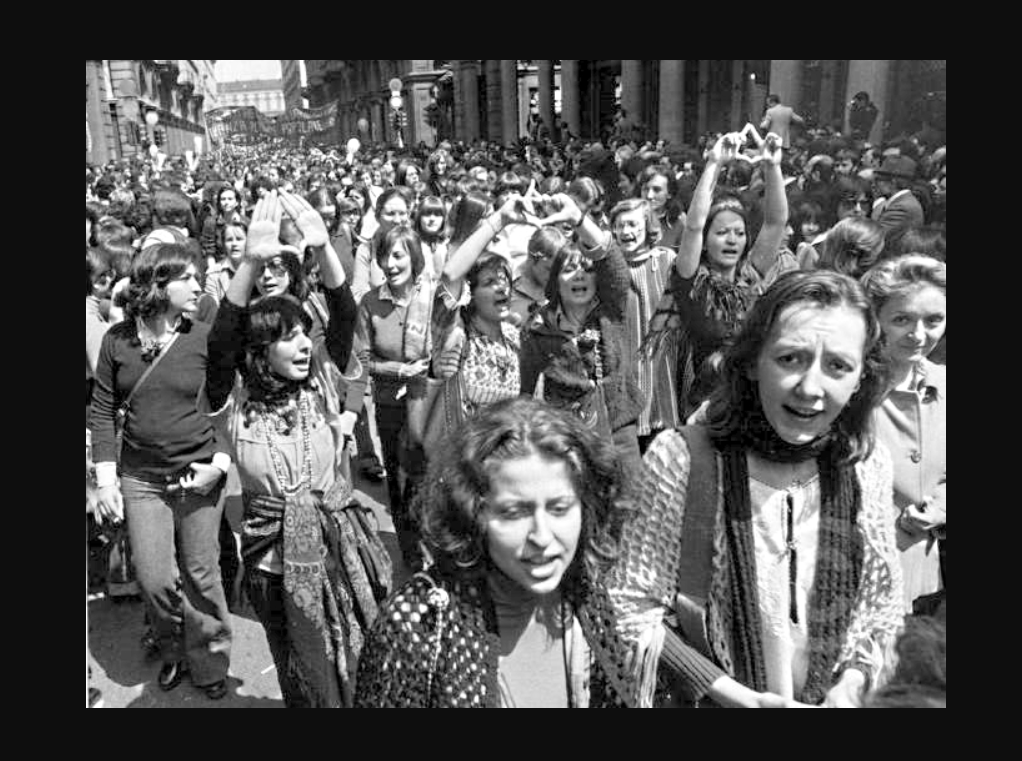
The feminist movement of the 1970s brought millions of women into the streets, demanding equality, opportunity, and representation. From picket signs to passionate speeches, these photos captured a moment when voices long ignored demanded to be heard. Figures like Gloria Steinem and Shirley Chisholm inspired a generation to question traditional gender roles. The Equal Rights Amendment debates, workplace reforms, and women entering professions once closed to them marked the decade as a turning point in the ongoing struggle for equality.
5. The Birth of Earth Day and Environmental Activism
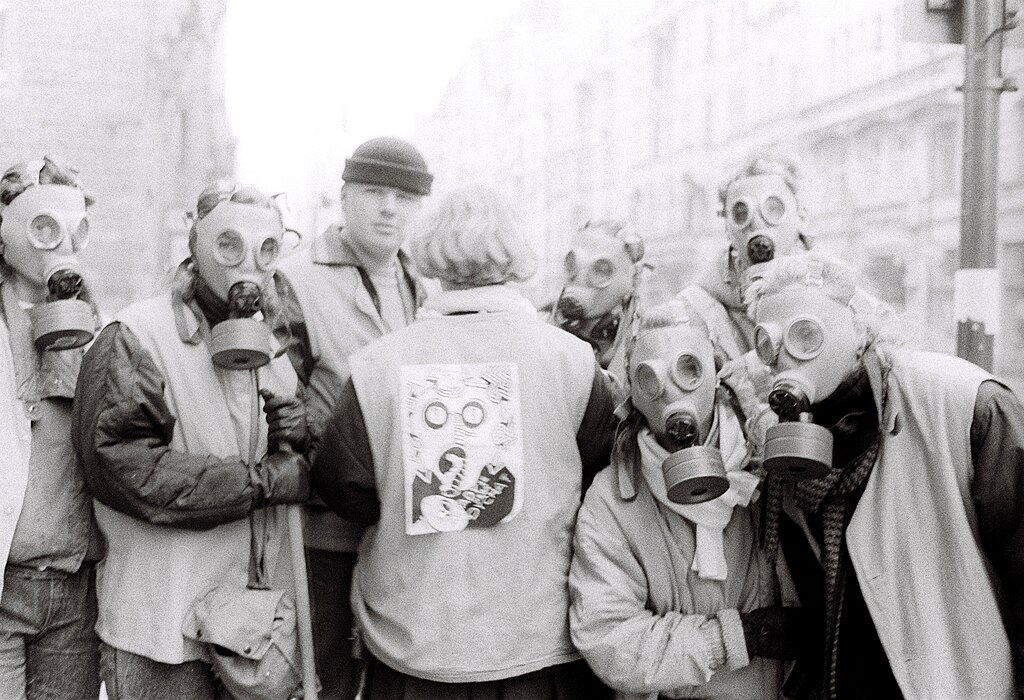
When the first Earth Day was celebrated in 1970, it marked a national awakening. Photographs of millions of Americans gathering with banners calling for clean air and water reflected a powerful shift in consciousness. The creation of the Environmental Protection Agency soon followed, and conservation became a mainstream concern. The sight of children planting trees and families cleaning parks showed a generation ready to protect the planet. These early environmentalists planted the seeds for movements that continue to shape our ecological future.
6. Roe v. Wade Redefines Women’s Rights
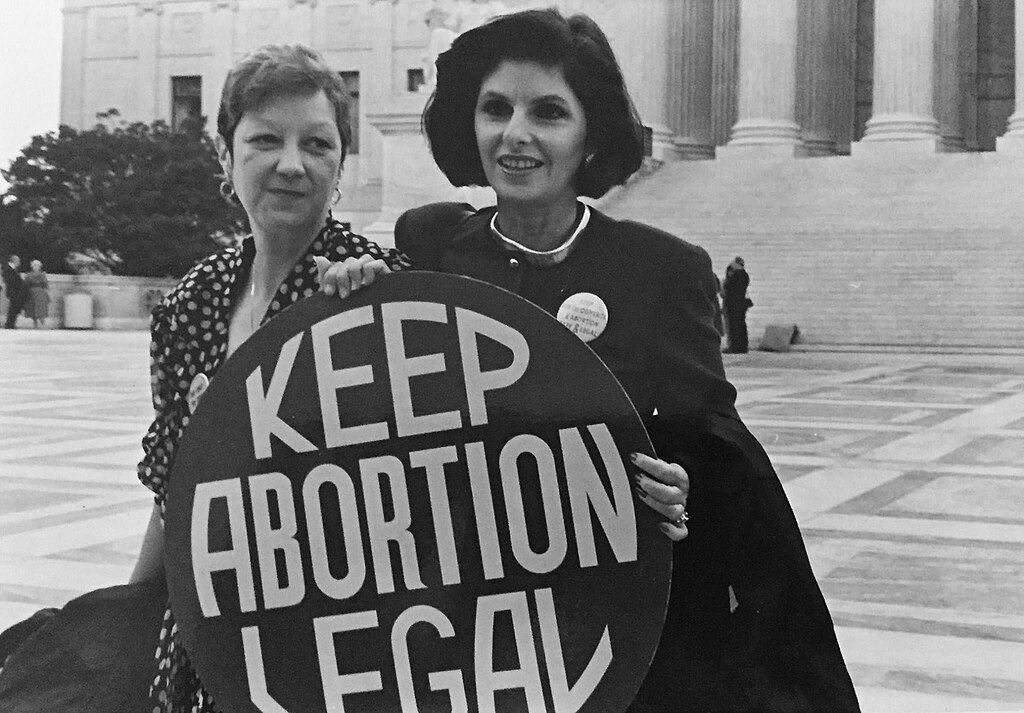
In 1973, a Supreme Court decision changed the national conversation about personal freedom. Roe v. Wade legalized abortion and became one of the most polarizing legal rulings in American history. The courtroom sketches and newspaper photos from that era reflect both celebration and outrage, showing how deeply personal issues could divide a nation. Beyond its immediate impact, the ruling ignited decades of debate over bodily autonomy, morality, and the role of government in private lives, a conversation still alive today.
7. The Bicentennial Brings Hope and Color
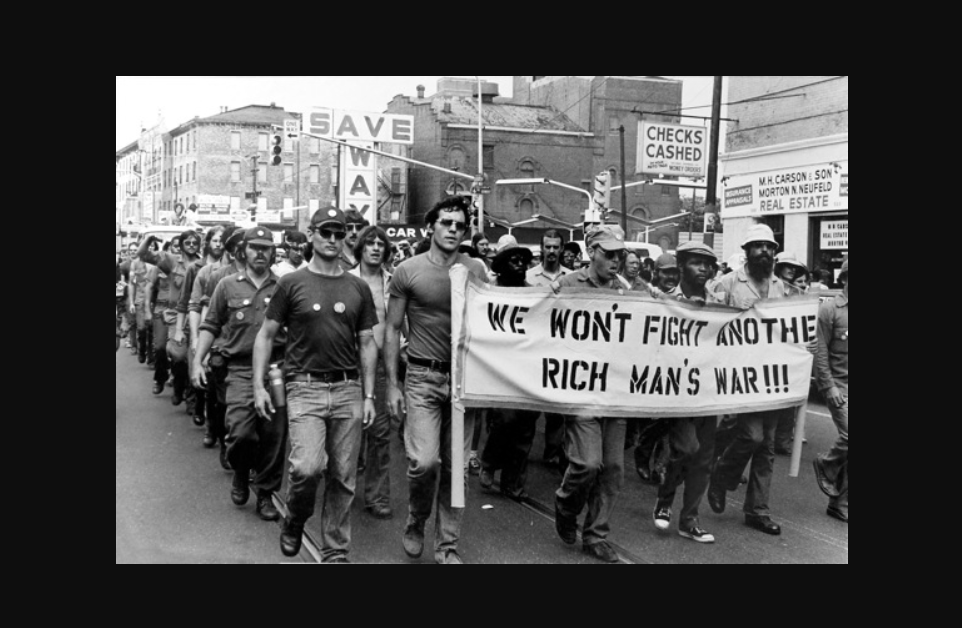
By 1976, America was ready to celebrate again. The Bicentennial offered a moment of unity and pride after years of tension and change. Streets filled with parades, fireworks, and flags as citizens celebrated 200 years of independence. Photographs from that summer capture small towns decked out in red, white, and blue, and children waving sparklers under night skies. It was a rare moment of collective joy that reminded people how far the nation had come, and how resilience could carry it forward once again.
8. Disco Fever Lights Up the Night
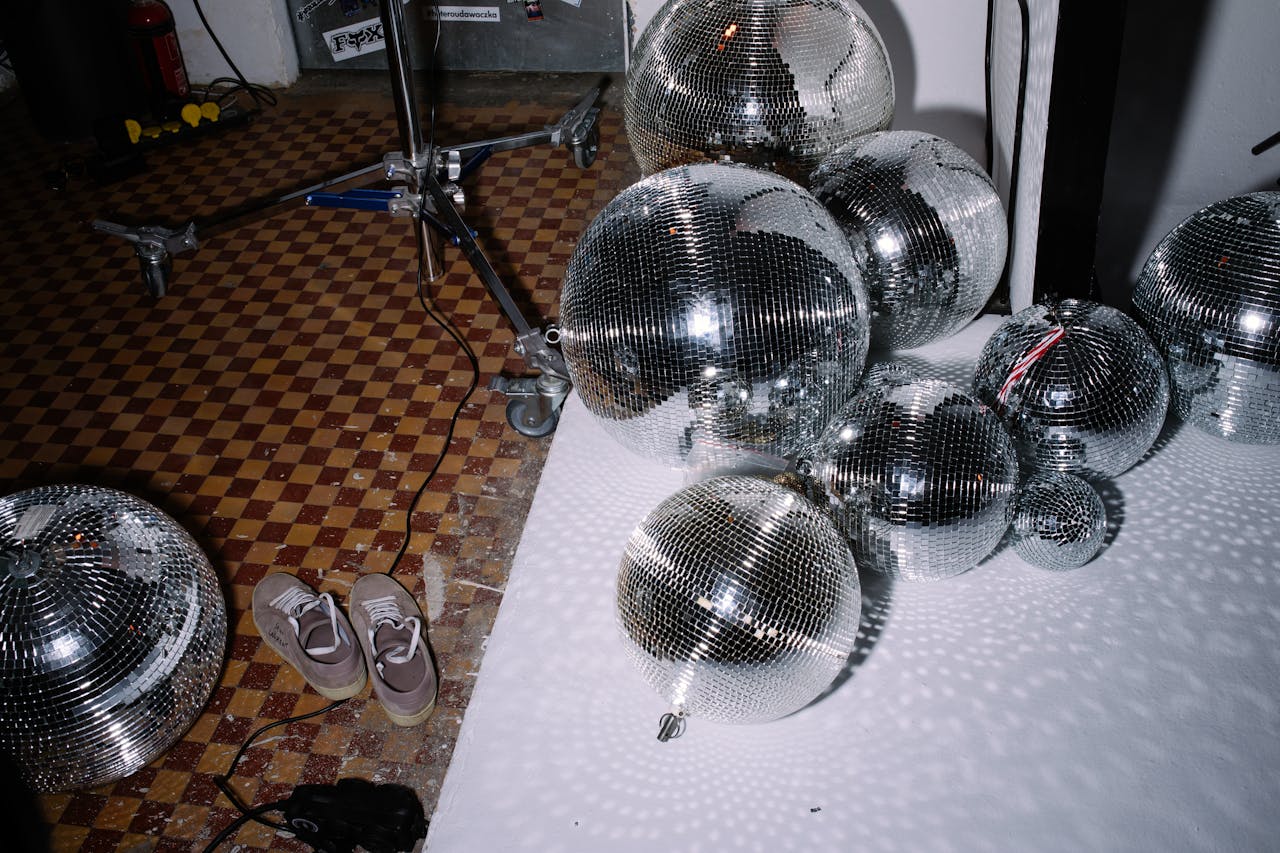
Disco was more than a sound; it was an experience. Glittering lights, mirrored balls, and dance floors pulsing with rhythm defined the nightlife of the late 1970s. Clubs like Studio 54 became cultural epicenters where everyone from working-class dancers to celebrities came to escape reality. Songs by Donna Summer, the Bee Gees, and KC and the Sunshine Band turned music into liberation. Photos of disco crowds remind us of a time when style, movement, and joy merged into a shimmering symbol of freedom.
9. The Kent State Protest Turns Tragic
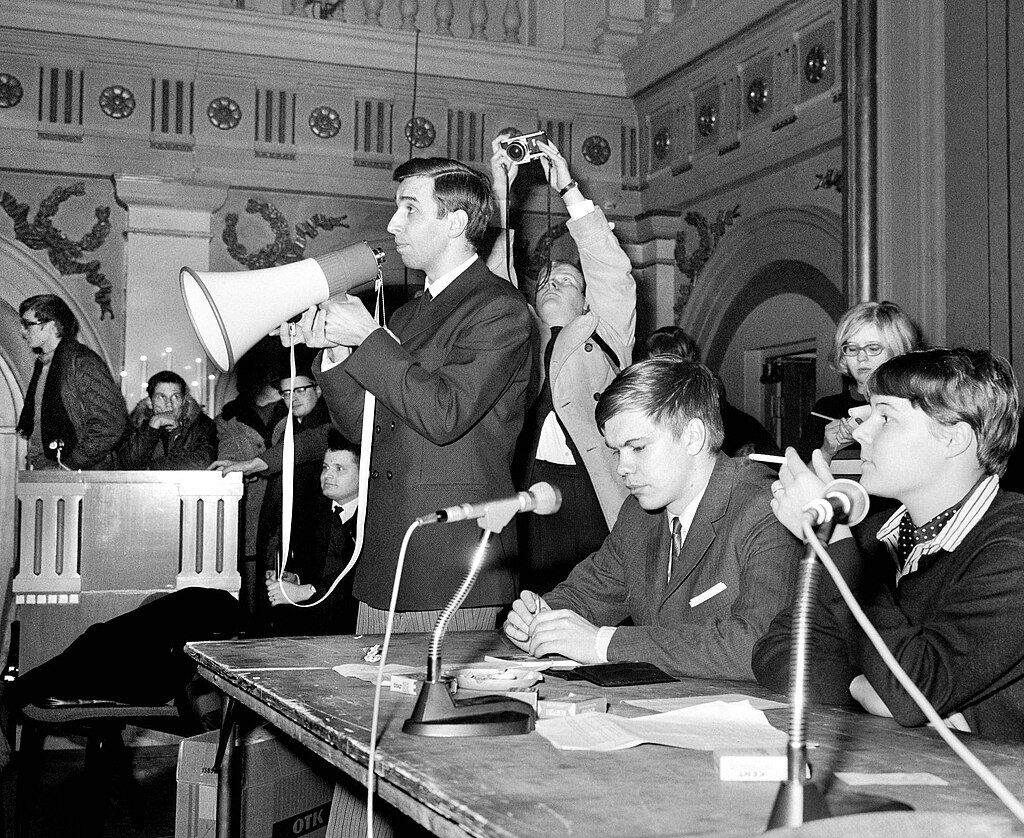
In 1970, a student protest at Kent State University turned deadly when the National Guard opened fire on demonstrators. The tragic photos of students kneeling beside the fallen became some of the most powerful images of the decade. The event galvanized opposition to the Vietnam War and forced the nation to confront the high cost of dissent. It revealed deep divides between authority and youth and became a rallying cry for peace and accountability across America’s campuses.
10. The Apollo-Soyuz Handshake in Space
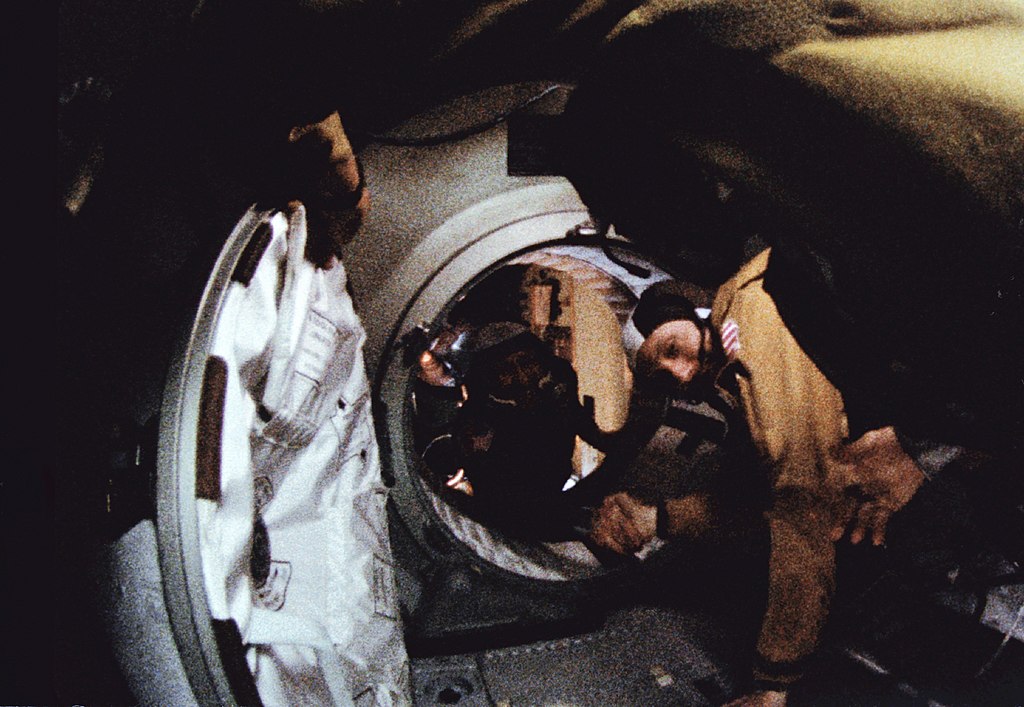
Amid the Cold War tension, 1975 brought a rare moment of unity. When American and Soviet astronauts met in orbit and shook hands, it symbolized hope in a time of rivalry. The Apollo-Soyuz mission was more than a scientific collaboration; it was a gesture of peace that proved cooperation was possible even between opposing superpowers. The photographs of smiling astronauts floating in zero gravity captured a quiet optimism for the future of human exploration and diplomacy.
11. Bell-Bottoms and Platform Shoes Take Over
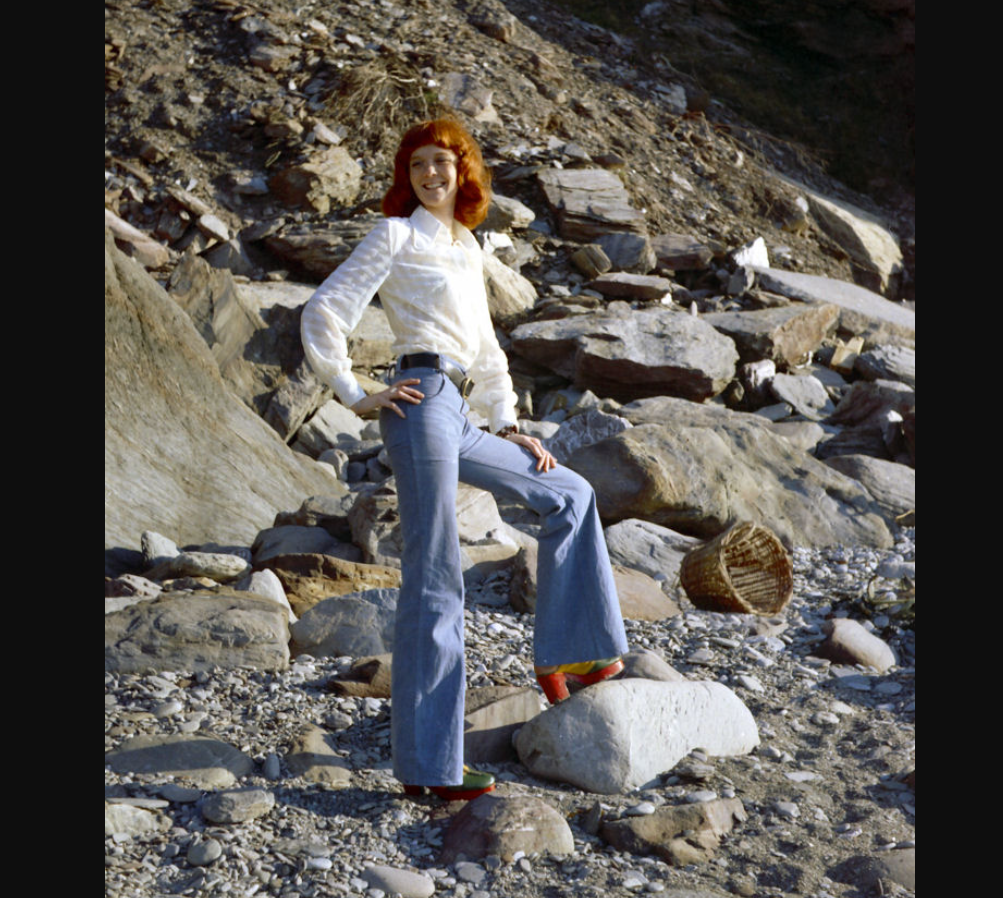
Fashion in the 1970s was unapologetically bold. Bell-bottom jeans, polyester shirts, and platform shoes became everyday wear, reflecting the decade’s free-spirited energy. Photos from the time show people strutting through city streets in bright patterns and oversized collars. It was a rejection of formality and a celebration of individuality. These styles may have faded, but their influence still appears in today’s fashion cycles, proving that self-expression never really goes out of style.
12. The Rise of Color Television
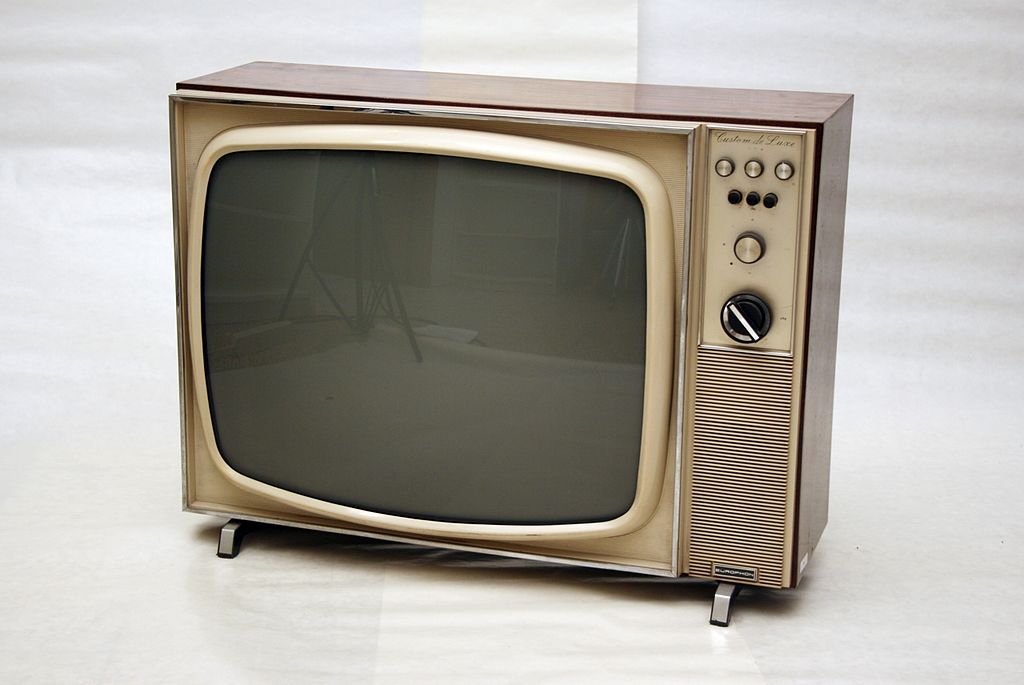
By the 1970s, color television had become a household staple, transforming how people experienced the world. Families gathered in living rooms to watch “The Brady Bunch,” “Happy Days,” and “All in the Family,” seeing vibrant hues on screen for the first time. It changed advertising, entertainment, and even national conversations. The living room photos from this era, filled with patterned sofas and wood-paneled walls, represent a golden age of shared moments and simple joys that brought people together night after night.
13. The Jonestown Tragedy
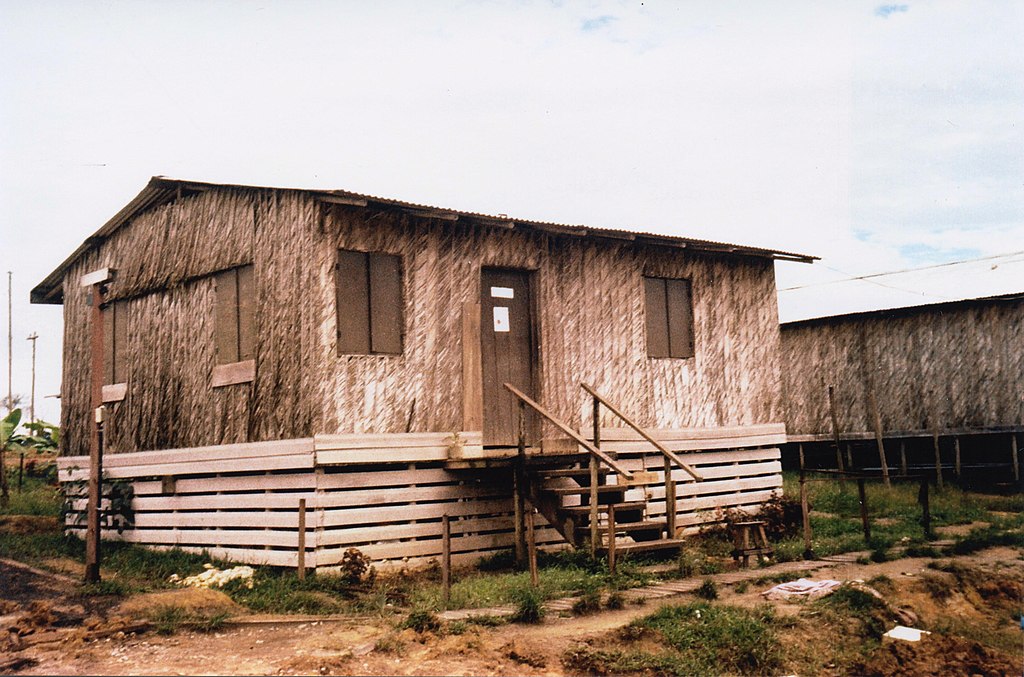
In 1978, news of the Jonestown massacre stunned the world. Over 900 followers of the People’s Temple died in a mass murder-suicide orchestrated by cult leader Jim Jones. Photographs of the site became haunting reminders of the dangers of manipulation and blind devotion. It was one of the darkest events of the decade, revealing how desperation for belonging could lead to catastrophe. Jonestown remains a chilling cautionary tale about control, faith, and the human need for community.
14. Saturday Night Live Redefines Humor
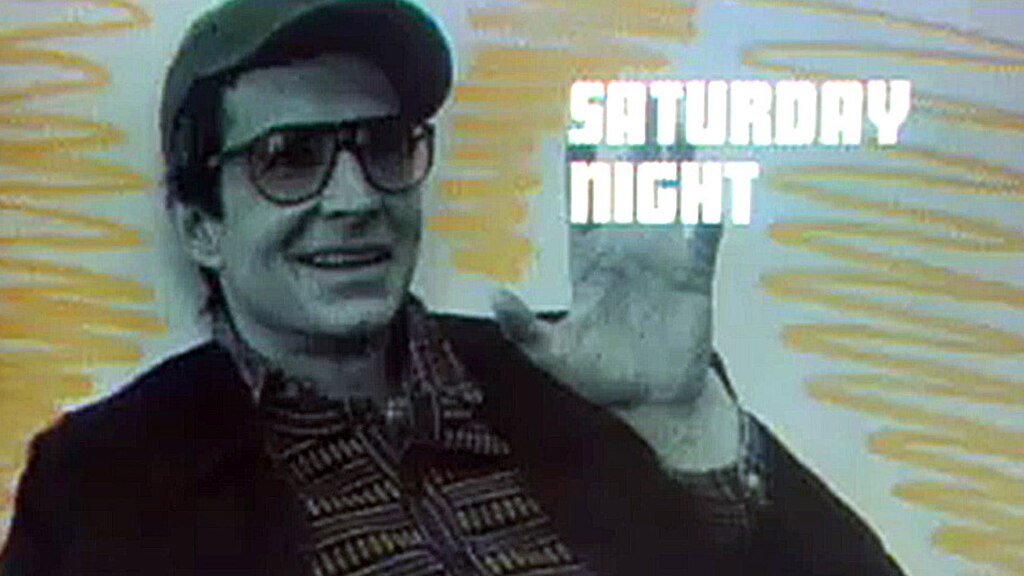
When “Saturday Night Live” premiered in 1975, it revolutionized television comedy. Live sketches, sharp political satire, and fearless improvisation created a new kind of entertainment that spoke directly to the mood of the era. Cast members like Chevy Chase and Gilda Radner became household names, while audiences tuned in weekly for unpredictable, rebellious fun. The early SNL photos show a young, daring team crafting cultural gold from chaos, capturing the decade’s irreverent spirit with wit and brilliance.
15. The Iran Hostage Crisis Grips the Nation
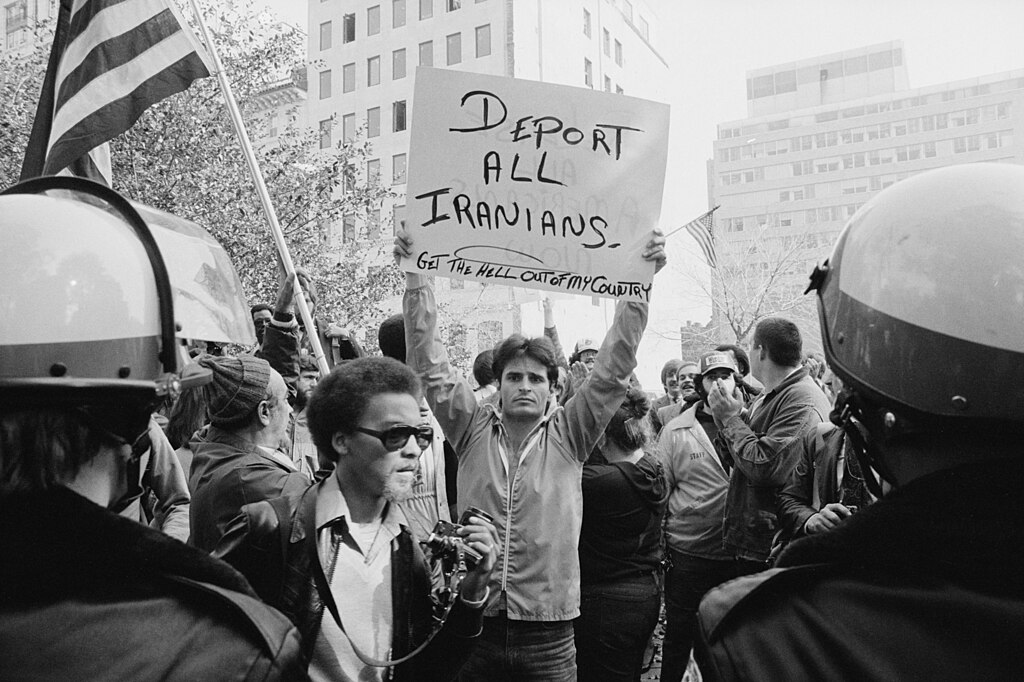
As the 1970s came to an end, America faced one of its most tense international standoffs. In 1979, Iranian militants stormed the U.S. embassy in Tehran and took 52 Americans hostage. For 444 days, the nation watched anxiously as diplomacy dragged on. The photos of blindfolded captives and protests in the streets became unforgettable images of the decade’s close. It marked a sobering shift in foreign relations and a prelude to the geopolitical challenges that would define the decades ahead.
The 1970s were a decade of contradictions; joy and sorrow, rebellion and reflection, glamour and grit were part of it. Every photo from the era tells a story of people trying to find balance in a rapidly changing world. Looking back, it becomes clear that the ’70s were not just a bridge between decades but a moment of reinvention that shaped the modern American identity we know today.