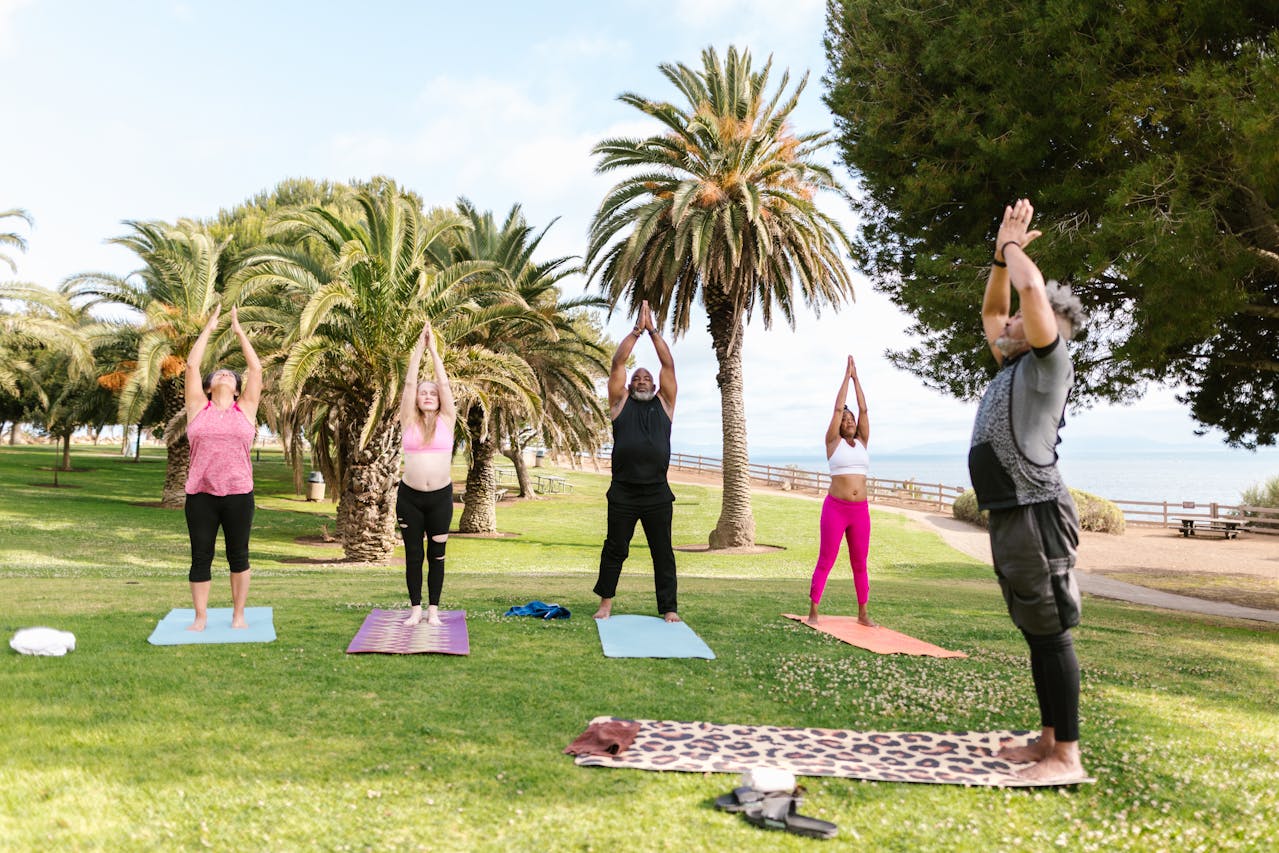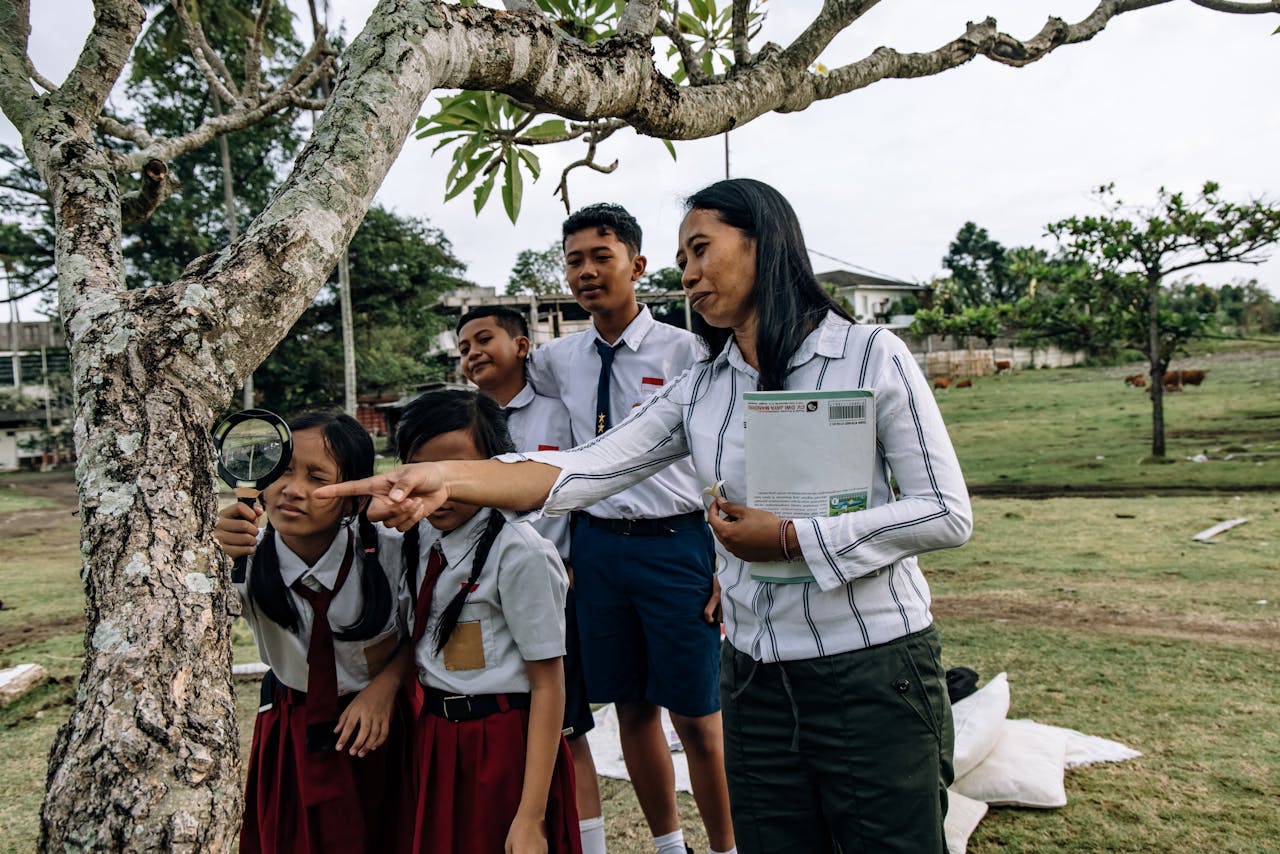
Most of us spent years in classrooms memorizing equations, dates, and grammar rules, but many people feel that the truly practical skills of adult life were left out. While school prepared us for exams, it often skipped over the day-to-day lessons that make life smoother, smarter, and less stressful. These are the real-life lessons many adults wish had been taught early on, because mastering them makes a huge difference in the real world.
Understanding Personal Finance
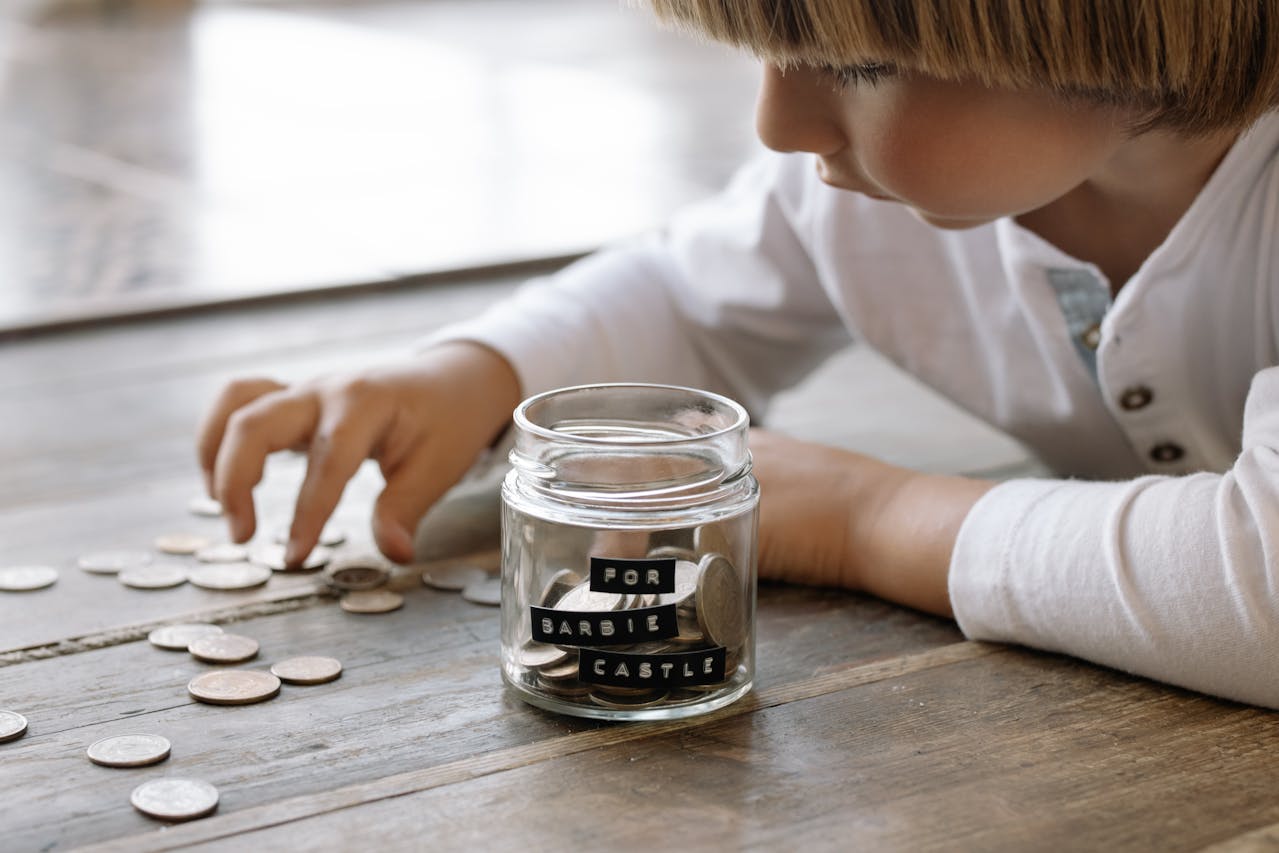
Budgeting, saving, managing credit, and understanding taxes are skills that impact nearly every decision in adult life. Many graduates leave school with little knowledge of how to manage a bank account or what compound interest means. This lack of financial education often leads to credit card debt, poor loan choices, and money stress later on. Learning the basics of financial literacy early would have set up generations for better success, and it is still one of the most frequently cited gaps in school curriculums today.
Basic Cooking and Nutrition

Knowing how to prepare simple, healthy meals can save money, improve health, and even reduce stress. Yet many students leave school only knowing how to heat packaged foods. Beyond recipes, understanding portion sizes, nutrition labels, and food safety are essential life skills. If schools had included hands-on cooking lessons, more adults would likely have developed healthier eating habits and the confidence to cook at home instead of relying on fast food or processed meals every night.
Effective Communication Skills

From job interviews to family discussions, strong communication skills shape how people connect and succeed. Schools often focused on essays and presentations, but rarely taught practical conversational skills like conflict resolution, negotiation, or active listening. Being able to express yourself clearly, while also understanding others, is one of the most powerful life tools. Without these lessons, many struggle in relationships or the workplace, where communication breakdowns can have lasting consequences.
How to Manage Stress

Life comes with deadlines, responsibilities, and unexpected challenges. Unfortunately, very few schools spent time teaching students how to cope with stress in healthy ways. Instead of cramming for exams without support, students could have learned techniques like breathing exercises, mindfulness, or simple planning strategies. Stress management is crucial for mental health and productivity, and it could prevent burnout later in life if introduced as a core part of education.
Practical Home Maintenance
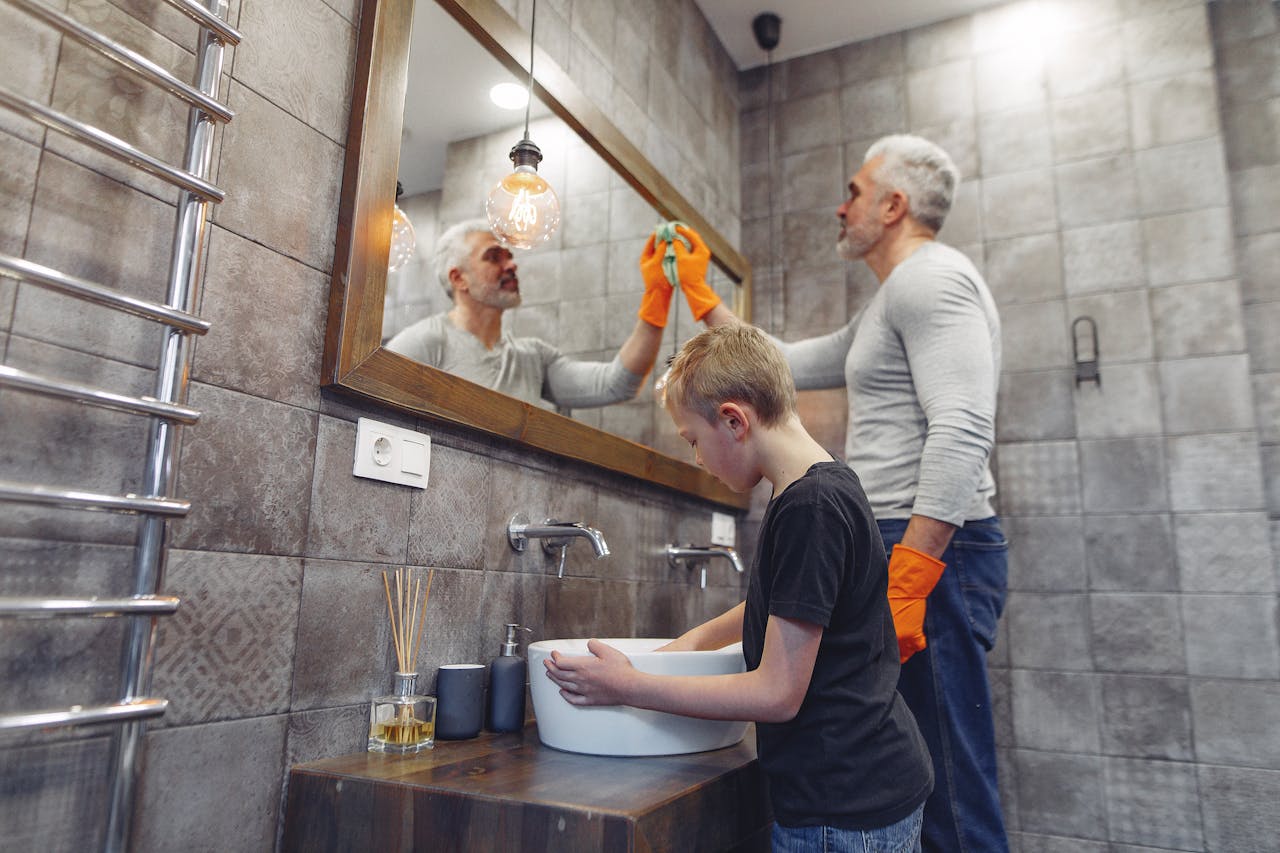
Hanging a shelf, unclogging a drain, fixing a leaky faucet, or safely using tools are skills that most people eventually need. However, many students never got the chance to practice these tasks before living on their own. This often leads to expensive repair calls for problems that could have been solved in minutes with basic knowledge. Teaching practical home skills in school would have empowered graduates to be more independent and confident in handling everyday issues.
Understanding Insurance
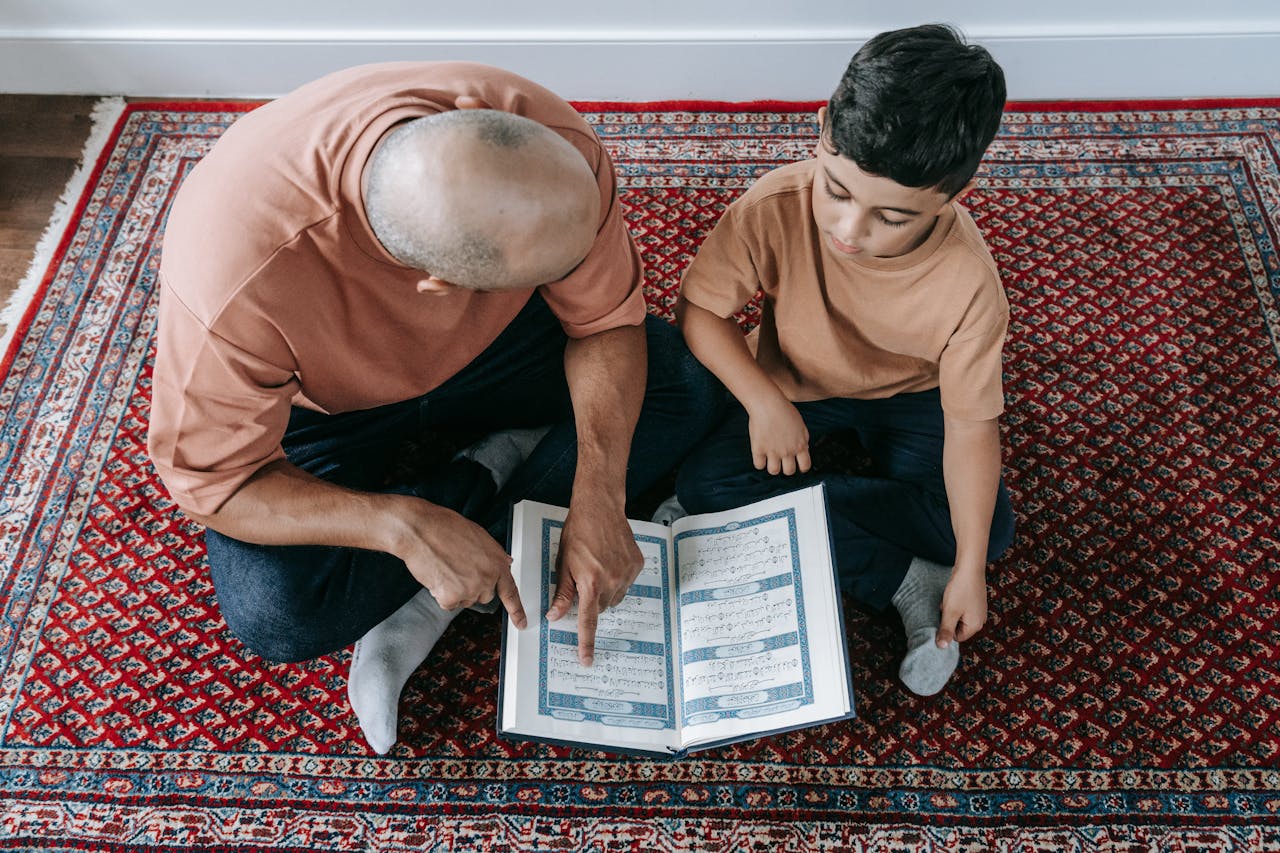
Car insurance, health insurance, renters insurance, and life insurance all come with complicated terms and conditions. Yet most young adults sign contracts without truly understanding what coverage means or how deductibles work. A simple course on the basics of insurance would help people avoid costly mistakes and ensure they are properly protected. Schools often skipped this entirely, leaving students unprepared for one of the most critical aspects of financial stability.
Digital Literacy and Online Safety

While many schools incorporated computers into lessons, few provided a thorough education on online safety, privacy, and the long-term effects of a digital footprint. Understanding how to spot scams, protect personal information, and behave responsibly online is more important than ever. As technology continues to dominate personal and professional life, digital literacy should be viewed as essential, yet it was often ignored when it mattered most during early education.
Time Management

Between work, family, and personal goals, time management is the foundation of success. Students learned to meet deadlines for homework, but they were rarely taught strategies for prioritizing, planning, and avoiding procrastination. Simple skills like creating to-do lists, setting realistic goals, and breaking down large tasks into smaller steps are invaluable. Without these skills, many adults feel constantly overwhelmed or stuck in cycles of stress and unfinished projects.
Basic Car Maintenance
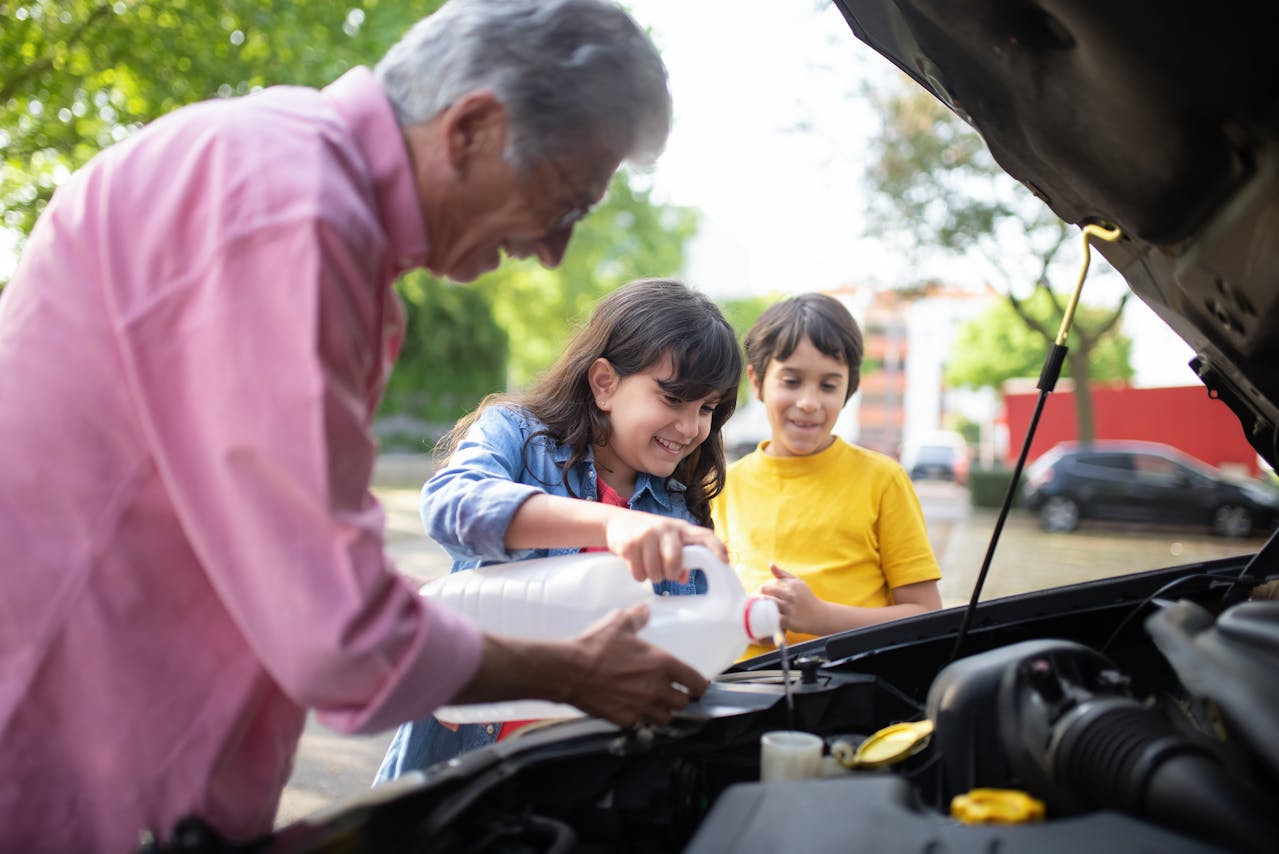
Cars play a huge role in everyday life, but most drivers were never shown how to check oil, change a tire, or recognize warning signs in their vehicles. Instead, breakdowns often lead to panic or unnecessary expenses. Teaching students basic car care would have saved countless people money and stress. Even if schools offered just a few practical lessons, it could have empowered young adults to be more self-reliant on the road.
Civic Engagement and Voting
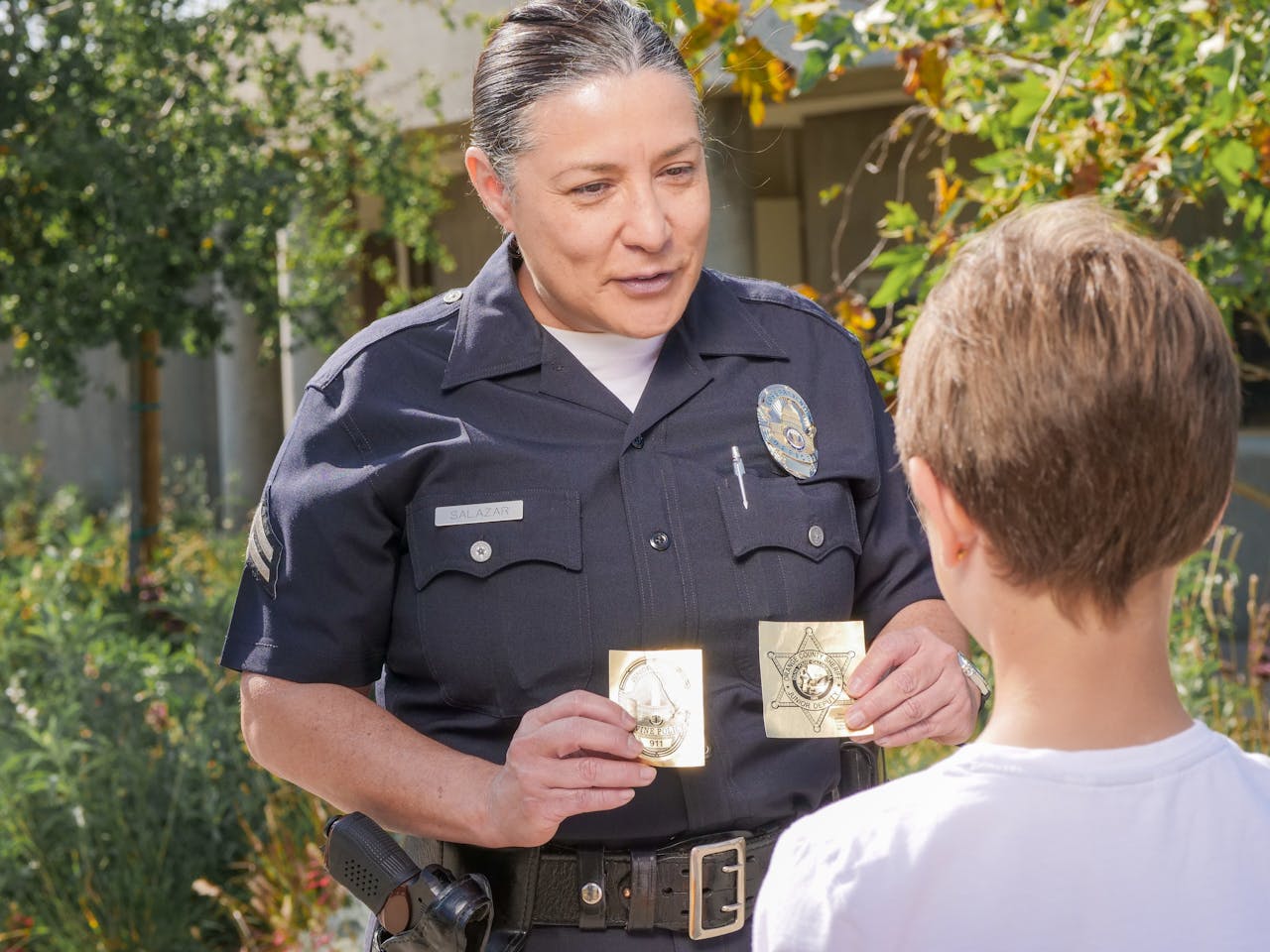
Students learned about government structures, but they were rarely taught how to actively participate as citizens. Understanding how to register to vote, research candidates, and advocate for change in local communities is crucial for democracy. Many people leave school without knowing the basics of civic participation, which leaves them disconnected from decisions that shape their daily lives. A stronger focus on civic engagement could have built more confident and informed citizens.
Emotional Intelligence

While intelligence was measured in test scores, emotional awareness was often left out of the classroom. Emotional intelligence, including self-awareness, empathy, and managing emotions, plays a key role in relationships and career success. Schools rarely emphasized it, yet workplaces today list it as one of the most valuable skills. Teaching students how to understand and manage emotions early would have helped them navigate adulthood with greater resilience and compassion.
How Credit Works

Credit scores, interest rates, and loans shape the ability to buy homes, get jobs, or even rent apartments. Yet most young adults never had a clear explanation of how credit works. Without this knowledge, many fall into debt traps or struggle to build strong credit histories. If schools had taken the time to explain how everyday actions, like paying bills on time, impact long-term financial health, many people would have avoided costly mistakes.
Job Search and Career Skills

While schools encouraged students to pursue higher education, many did not provide the practical tools for entering the workforce. Skills like writing resumes, preparing for interviews, networking, and understanding workplace etiquette are critical. Without them, many young adults feel lost when transitioning from school to career. A stronger focus on real-world job preparation would have bridged the gap between education and employment much more effectively.
Basic First Aid
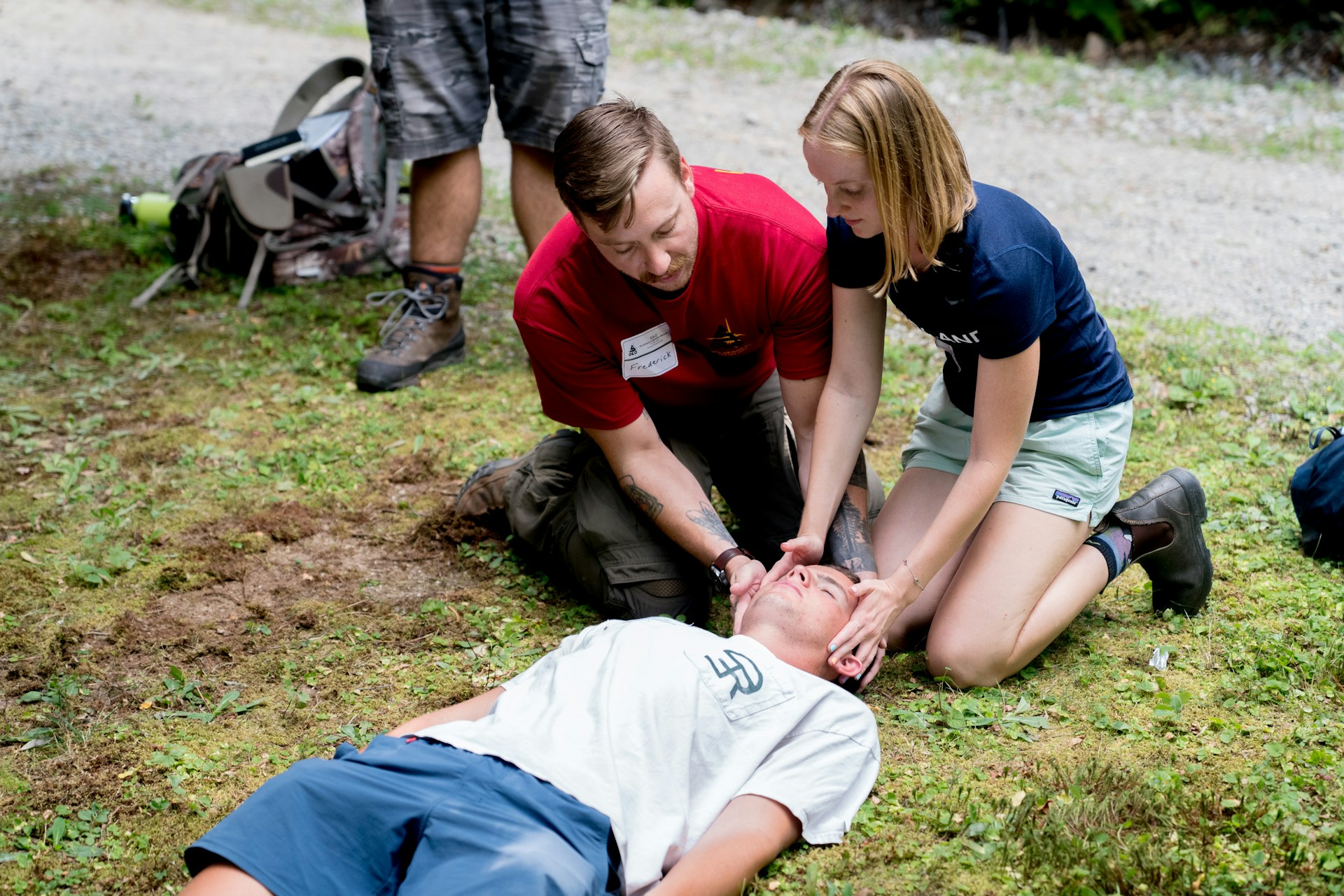
Emergencies happen, and knowing how to react quickly can save lives. However, very few students were trained in first aid or CPR before graduation. Even basic lessons on treating burns, cuts, or recognizing signs of a stroke would have been invaluable. By skipping these skills, schools missed an opportunity to prepare students for situations where knowledge and quick action make all the difference. First aid should have been a universal life lesson taught to everyone.
Conflict Resolution
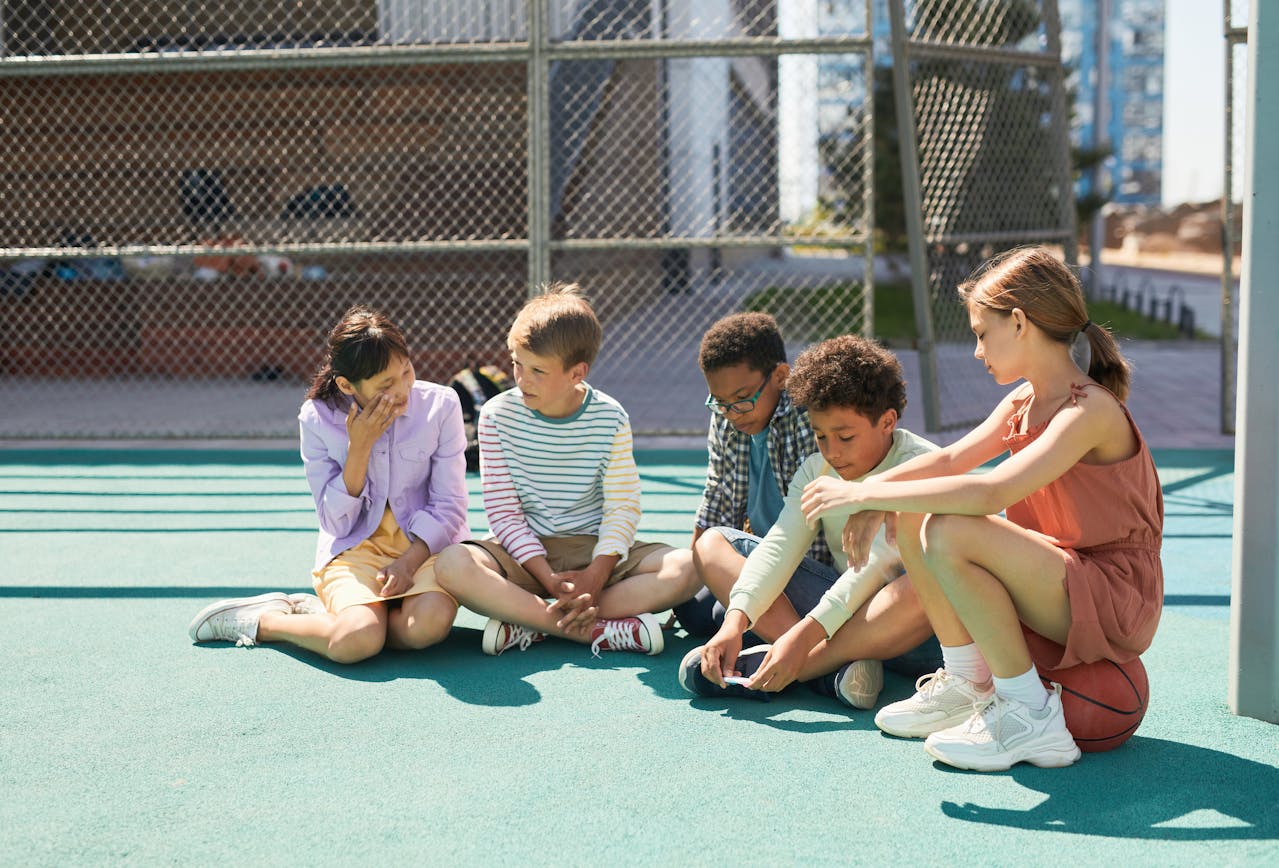
Disagreements are a natural part of life, whether in friendships, families, or workplaces. Yet schools often left students to figure out conflict resolution on their own. Learning how to remain calm, listen carefully, and find solutions without escalating tension is a critical skill. Without it, many adults struggle with misunderstandings and fractured relationships. If conflict resolution had been taught alongside academics, it would have improved both personal and professional life outcomes.
School gave us many tools, but it also left some significant gaps. From financial literacy to emotional intelligence, these missing lessons are often the ones people discover the hard way in adulthood. As conversations about education reform continue, these practical life skills remain at the top of the wish list for what schools should include. After all, preparing students for real life should mean more than preparing them for tests.