The 1980s were a golden era for toys—bright, bold, and often wildly competitive. Kids didn’t just want the latest toy; they needed it, and playgrounds turned into battlegrounds over who had what. Whether it was trading, borrowing, or just showing off, these toys sparked drama, envy, and more than a few arguments. Let’s take a nostalgic look at the 15 popular toys that were so coveted, they regularly caused fights at school.
1. Transformers
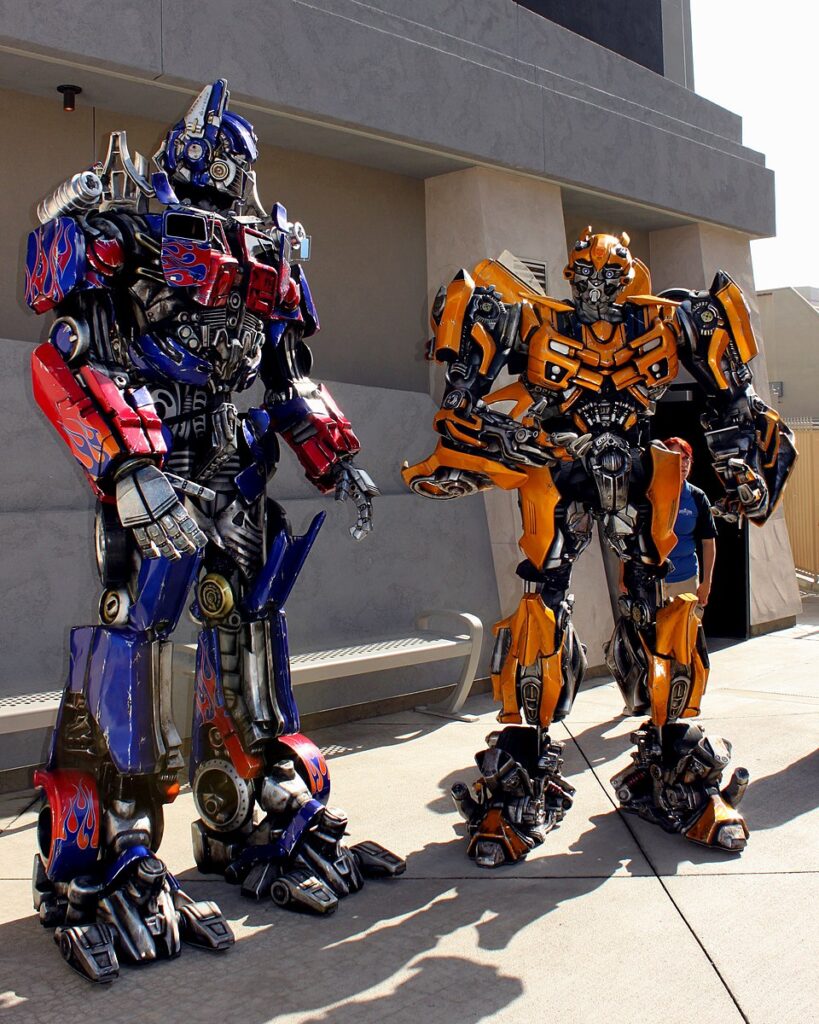
Transformers were more than just toys—they were puzzles, action figures, and collectibles all rolled into one. Kids fiercely competed to own the coolest Autobots or Decepticons. Rare characters like Optimus Prime or Megatron became instant playground status symbols. Borrowing one and not returning it was a sure way to start a feud.
2. Garbage Pail Kids Cards
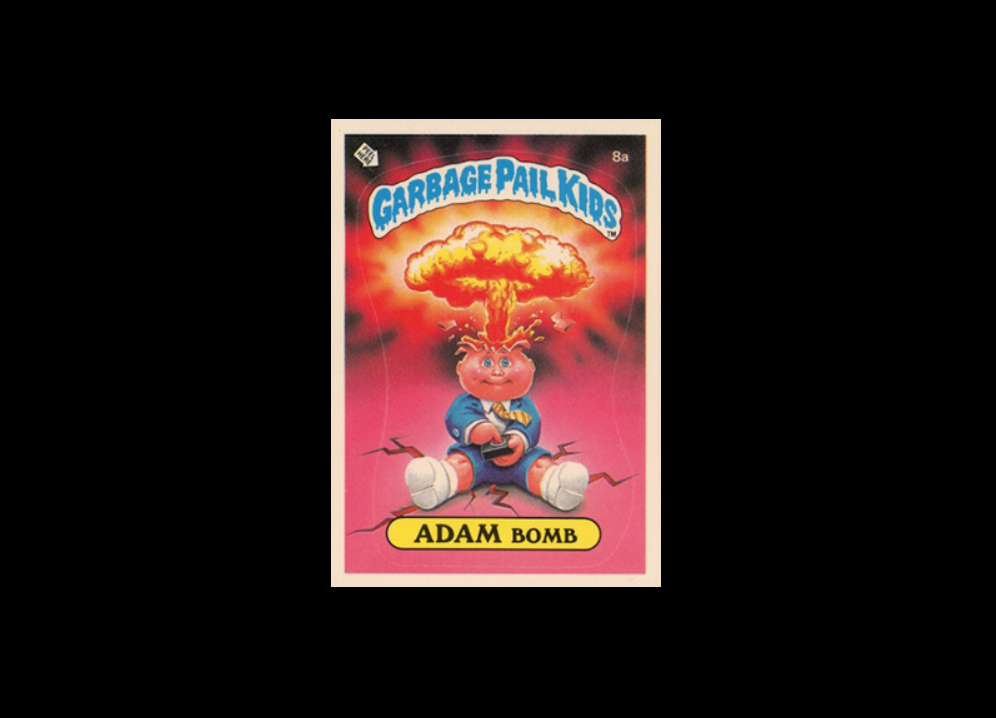
These gross-out trading cards were banned in many schools, but that only made them more desirable. Kids fought over trades gone wrong and accused each other of stealing prized cards. Complete sets were hard to come by, so jealousy was rampant. The more disgusting the character, the more valuable the card.
3. Cabbage Patch Kids
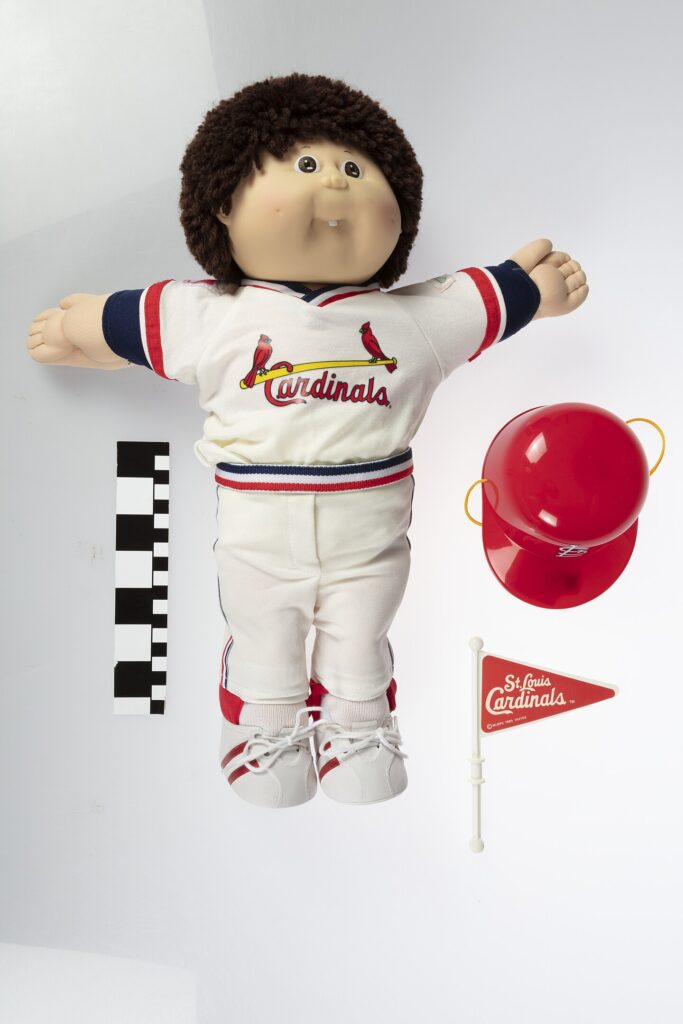
Getting a Cabbage Patch Kid was like winning the toy lottery in the ’80s. Parents lined up for hours to snag one, and kids guarded theirs like treasure. Bringing one to school was both a flex and a risk. Fights broke out over borrowed dolls or whose kid looked “cuter.”
4. G.I. Joe Action Figures
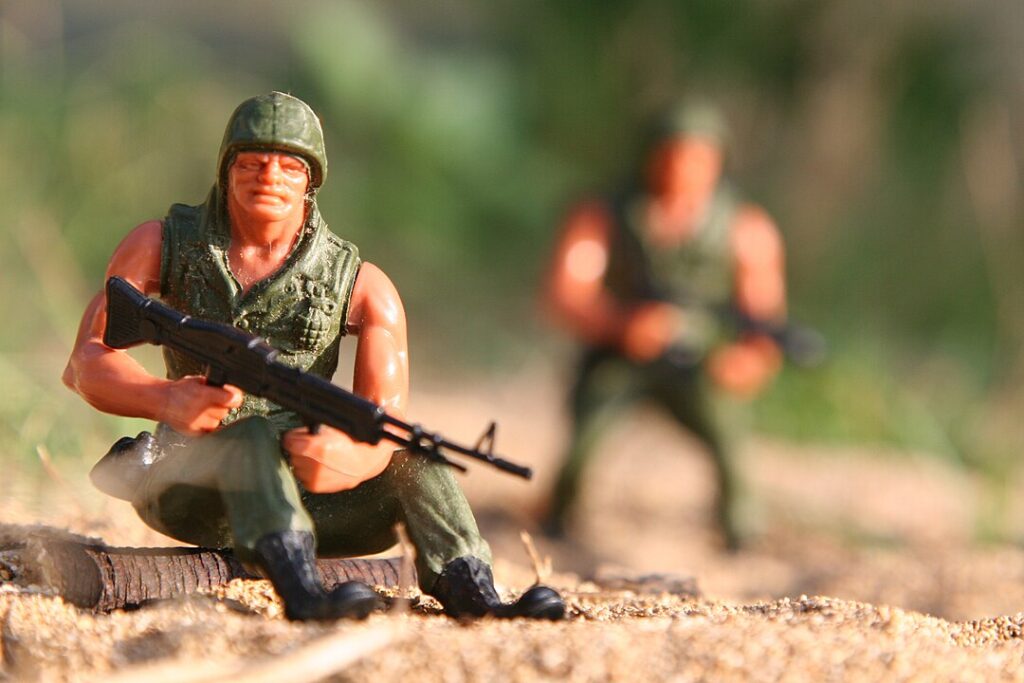
With their detailed uniforms and tiny accessories, G.I. Joe figures were major players in after-school drama. Kids compared collections and argued over who had the most “battle-ready” squad. Losing a missile or helmet sparked accusations and finger-pointing. Trading figures often ended in regret—and conflict.
5. Rubik’s Cube
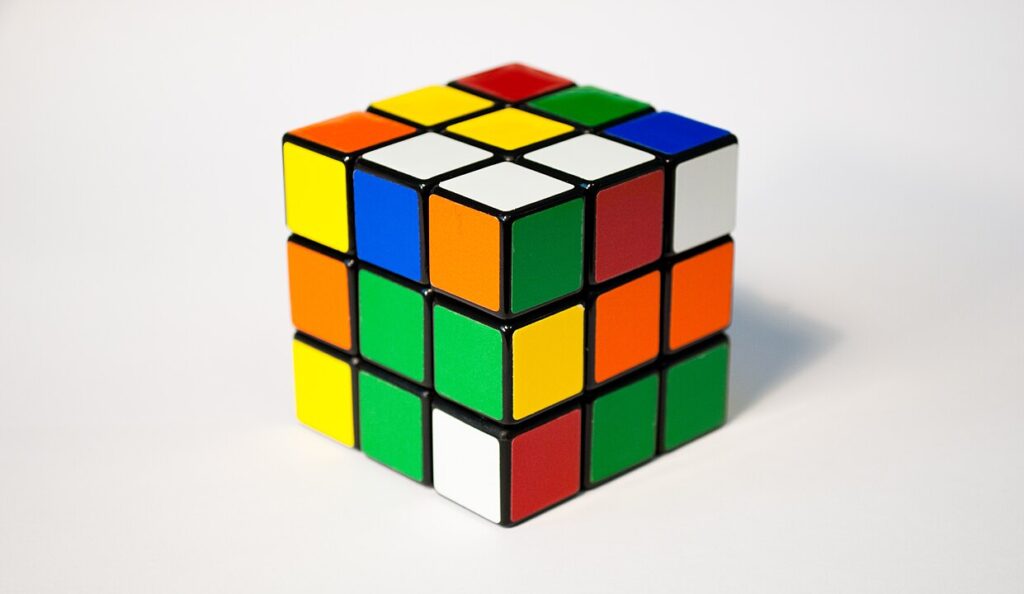
This colorful puzzle seemed innocent enough—until someone claimed they solved it faster than anyone else. Speed-solving became a point of pride, and cheating accusations were common. Fights broke out when a cube was borrowed and returned “messed up.” Plus, not having the real brand made you an easy target.
6. My Little Pony
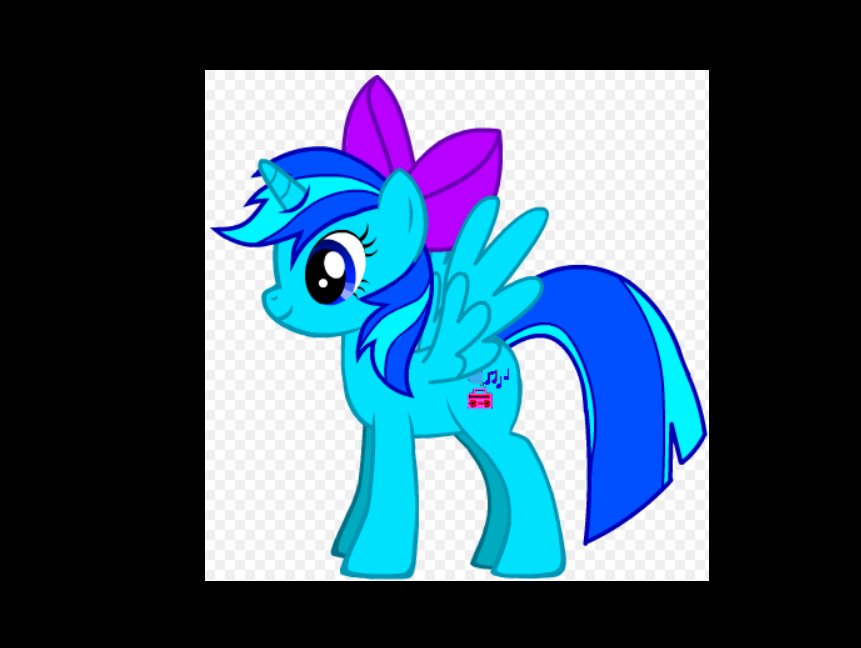
These pastel ponies weren’t just toys—they were a lifestyle for many kids. Disagreements flared over trades and accusations of swapping out accessories. Kids argued about whose collection was bigger or better cared for. Even the names and backstories became points of contention.
7. Micro Machines
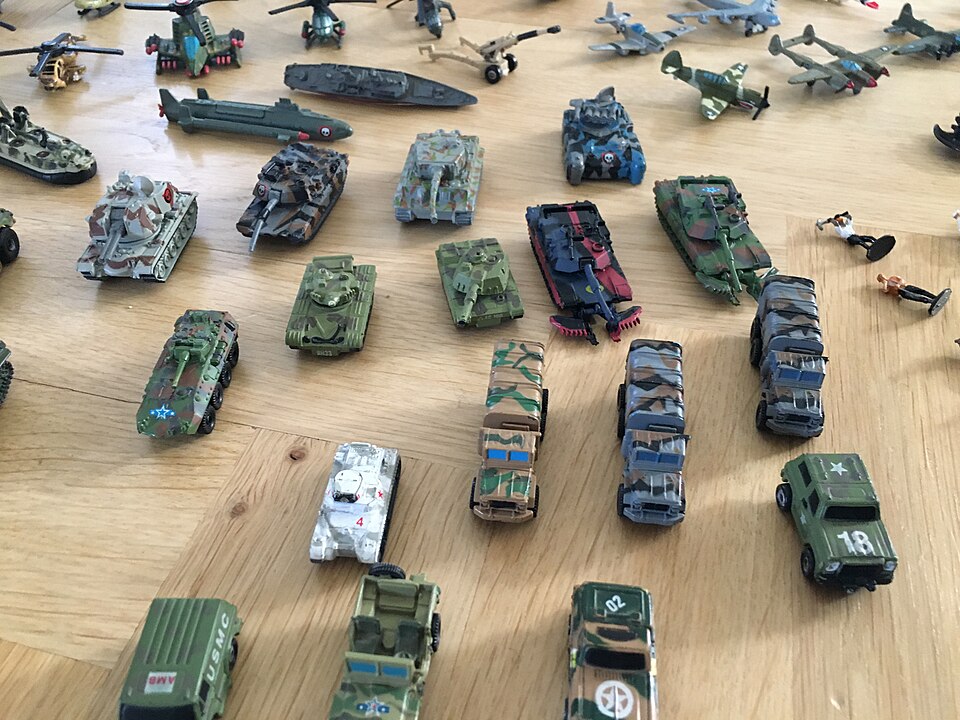
Tiny but mighty, Micro Machines were easy to bring to school—and even easier to lose. Kids got into fights over missing cars and claims of theft. Showing off a rare or fast-looking model led to jealousy-fueled tension. They may have been small, but the drama was huge.
8. Masters of the Universe Figures
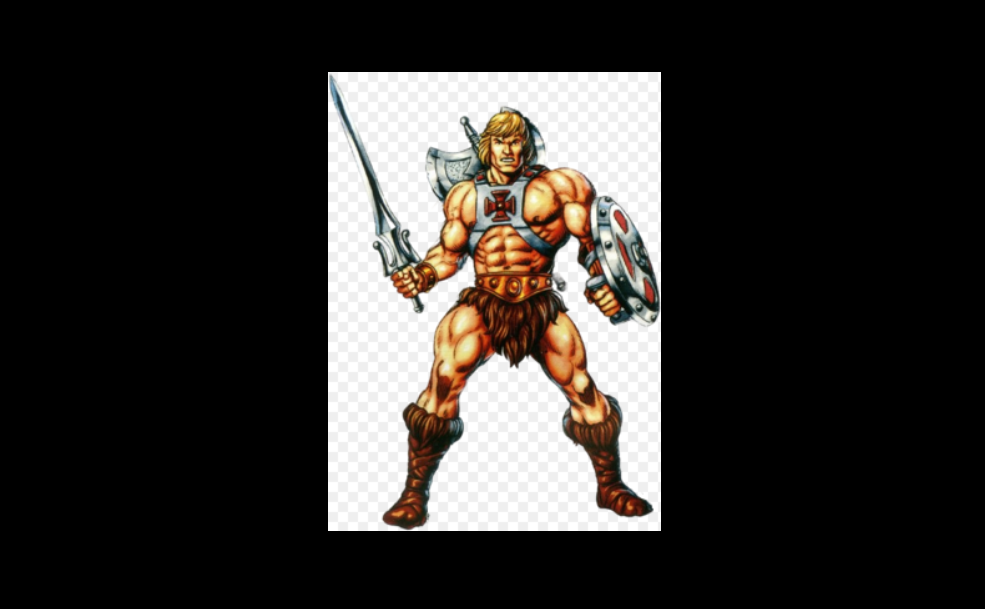
He-Man, Skeletor, and the rest of Eternia’s crew were hot property. Action figures were brought for bragging rights, but they often went home in someone else’s backpack. Disputes broke out during playtime battles and over who got to be which character. Broken weapons or missing accessories added fuel to the fire.
9. Yo-Yos
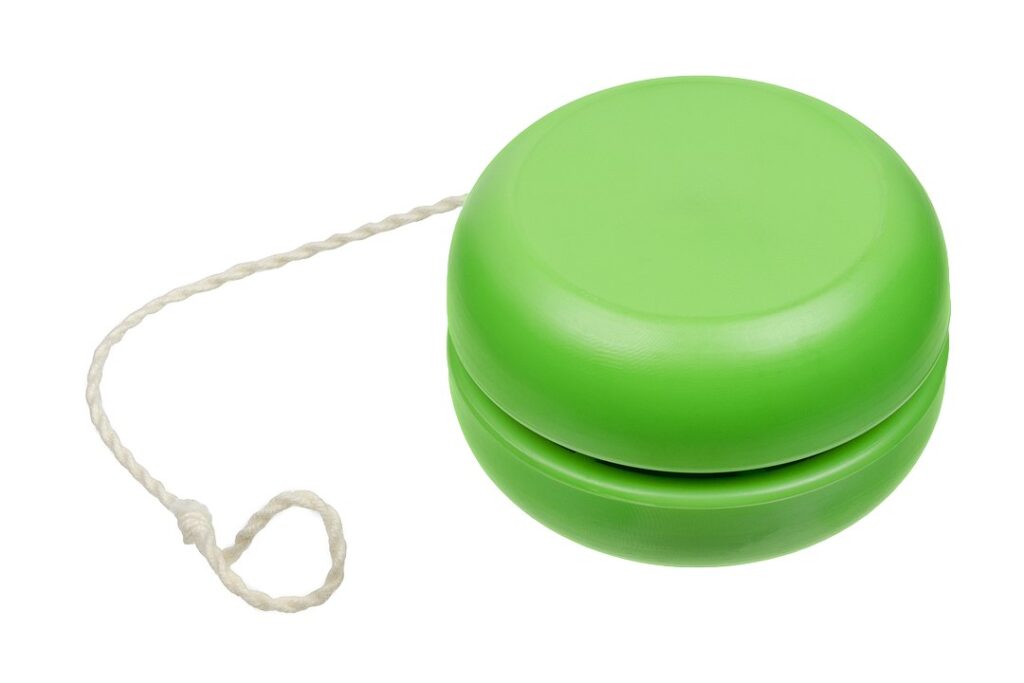
Yo-yos made a major comeback in the ’80s, and tricks like “Walk the Dog” and “Around the World” became competitive events. Kids argued over who was the best, and yo-yos that tangled or broke often led to shouting matches. Brand-name versions like Duncan were especially prized—and fought over.
10. Lite-Brite Pegs
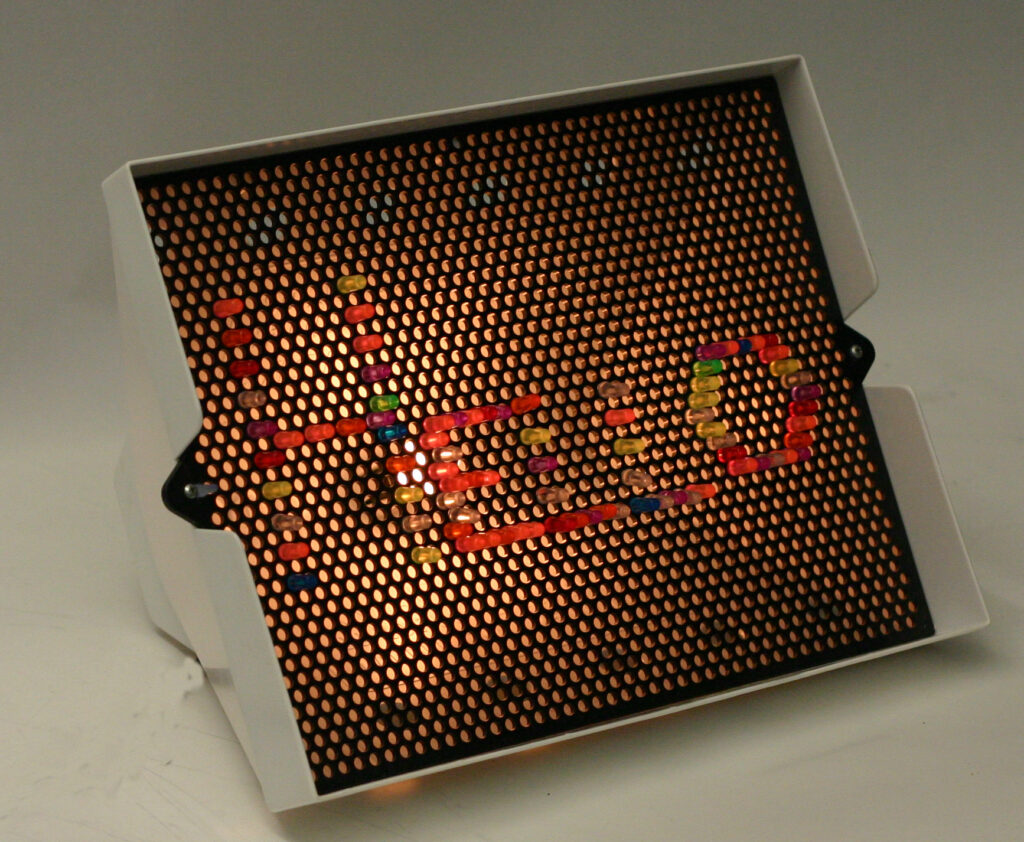
While Lite-Brite was mostly a home toy, kids often brought the colorful pegs to school as trade items. The rare or glowing ones were in high demand. Losing a peg meant drama, and lending them often led to “you never gave it back” fights. Who knew tiny plastic lights could cause such big problems?
11. Pound Puppies
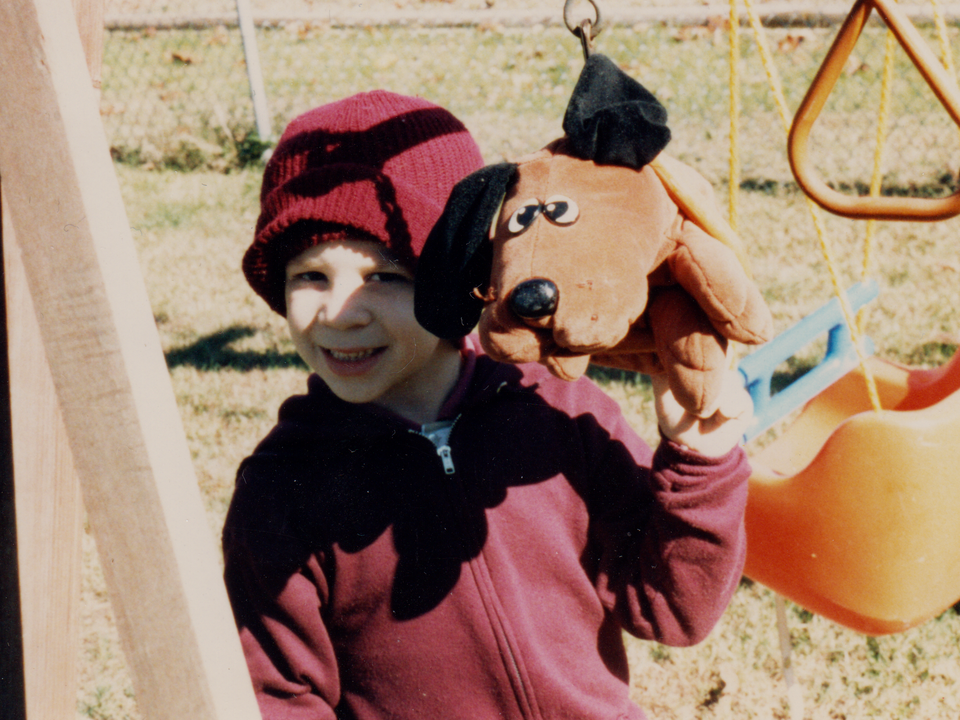
These soft, sad-eyed dogs were adorable—but also highly collectible. Bringing one to school often sparked arguments over who had which puppy or whose was “real.” Kids accused each other of swapping out the accessories or taking them without asking. They were meant to be cuddly, but they stirred up conflict too.
12. Popples
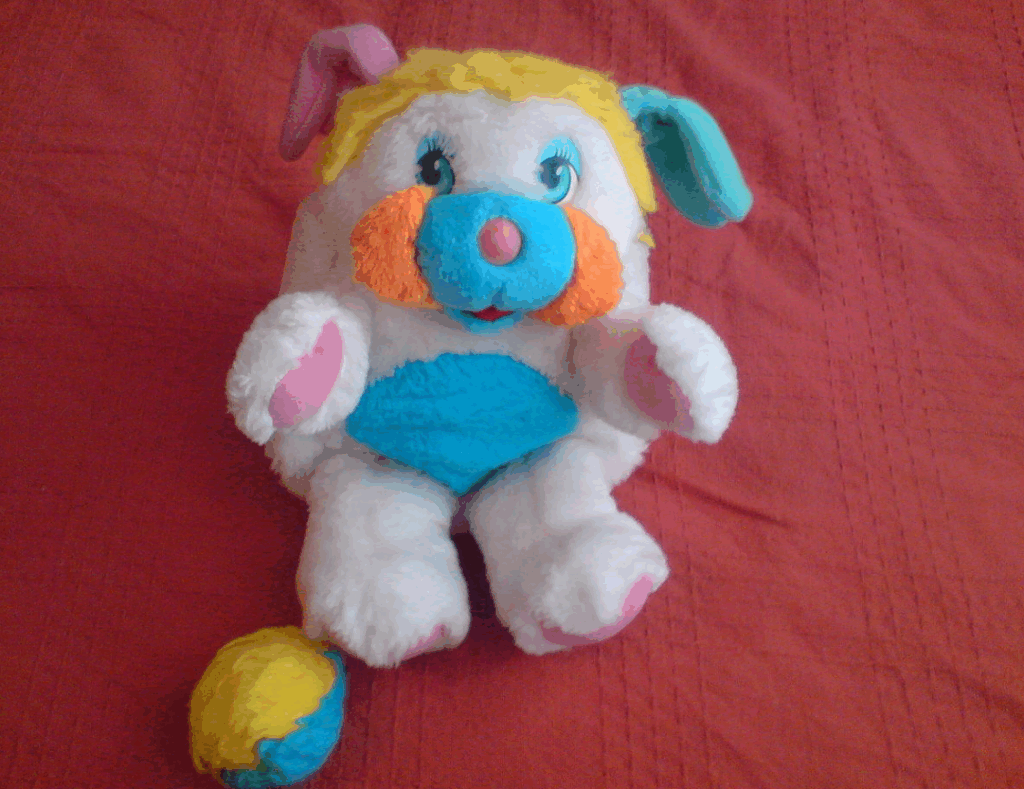
Popples were cute, colorful, and could transform into fuzzy balls—making them irresistible. But transforming them too roughly often led to ripped seams or broken zippers, and that sparked outrage. Kids argued over who got to play with which Popple or whose was cooler. What started as a show-and-tell turned into a showdown.
13. View-Master Reels
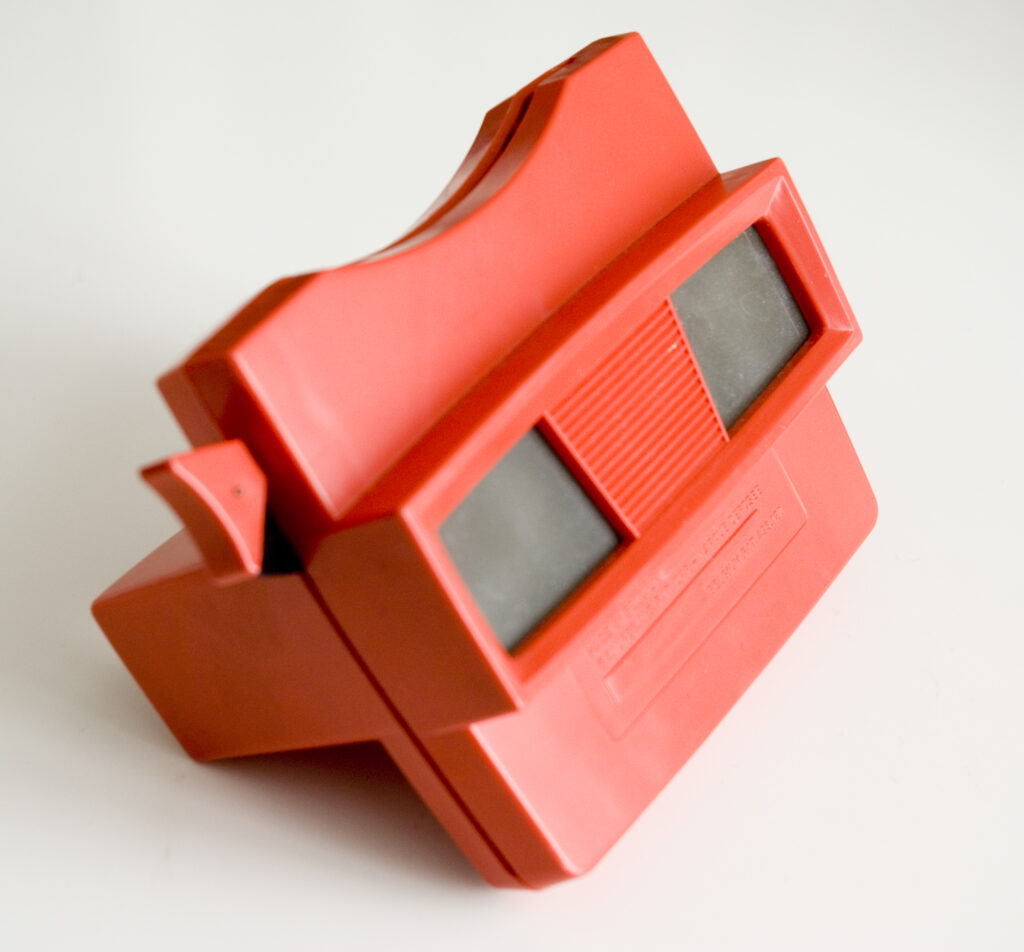
The View-Master and its reels were windows into magical worlds—from cartoons to travel scenes. Kids traded reels like currency, but borrowing and not returning them caused tension. The most popular ones—especially with TV characters—were guarded closely. Arguments broke out when reels went missing or got scratched.
14. Slap Bracelets
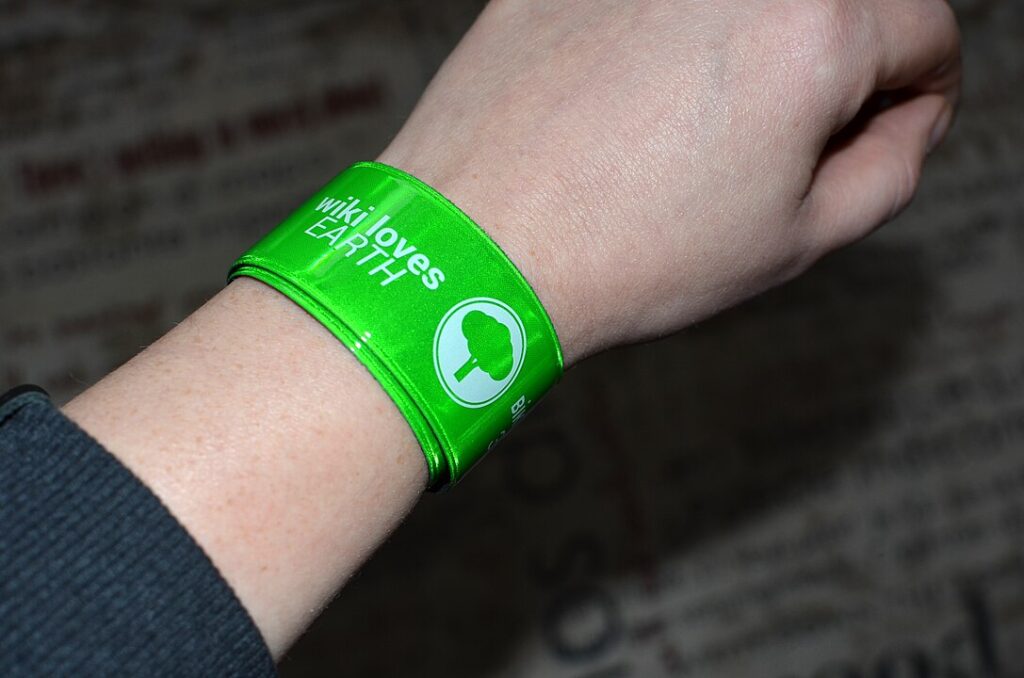
These springy fashion accessories were fun, flashy, and borderline dangerous. Kids loved collecting them in different colors and patterns. Fights happened when someone “borrowed” one without asking or when a slap got too aggressive. Despite school bans, slap bracelets kept showing up—and causing drama.
15. Nintendo Game & Watch
Before Game Boys, there were Game & Watch handhelds. If a kid brought one to school, it attracted a crowd instantly. Kids argued over whose turn it was, and playing without permission was a major offense. These devices were coveted, fragile, and a guaranteed way to start a playground war.