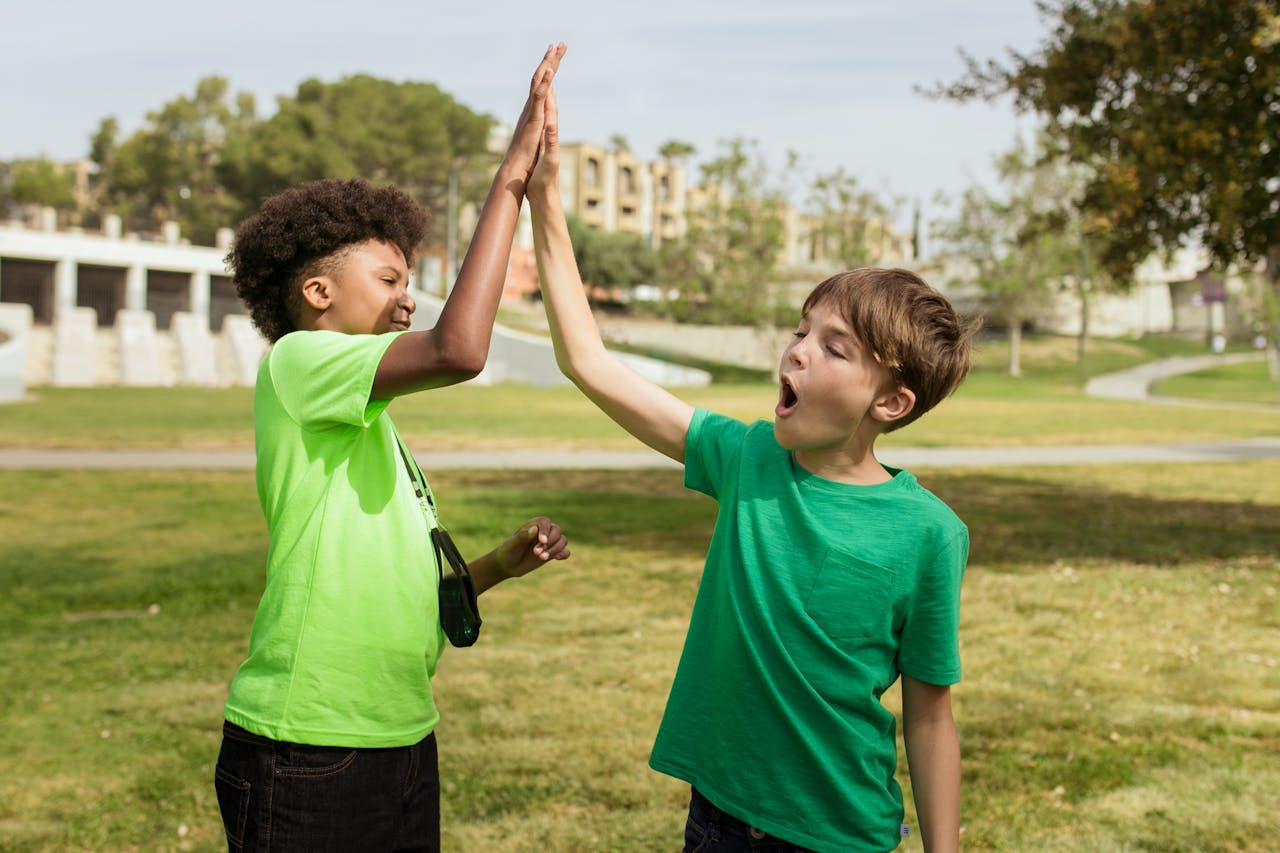
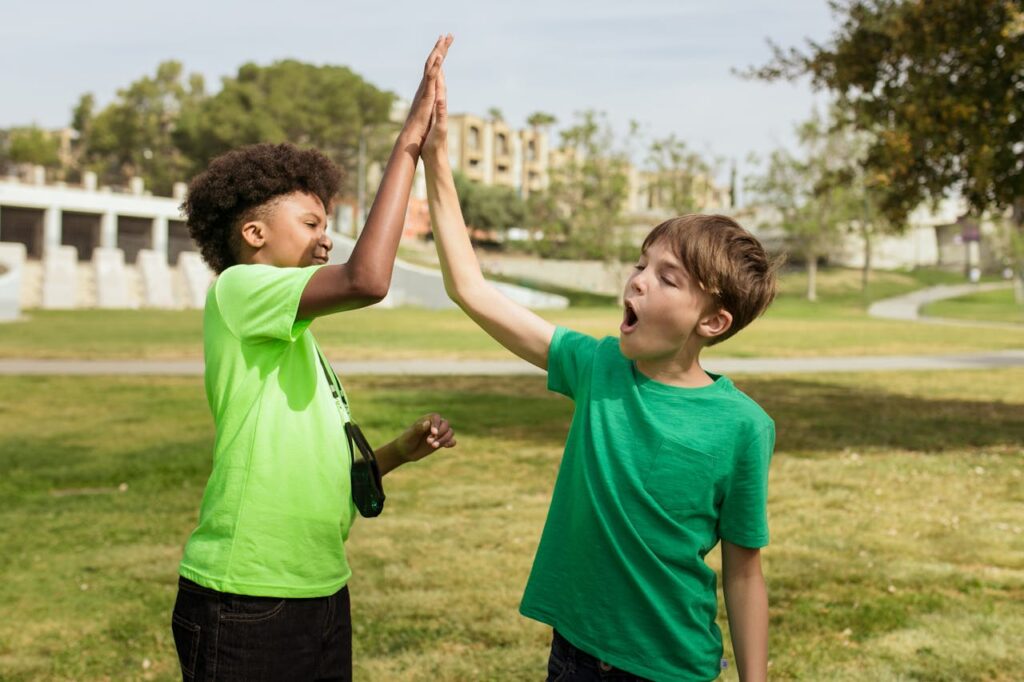
Back in the ’80s and ’90s, recess meant action, laughter, and low-tech games that kept us moving. But today, many of those cherished playground staples are banned in schools due to safety concerns, liability fears, or changing cultural norms. From classic team competitions to games based on tagging and climbing, what was once considered normal fun is now too risky for modern policies. Here are 15 iconic childhood games that have been surprisingly outlawed in many places.
1. Dodgeball
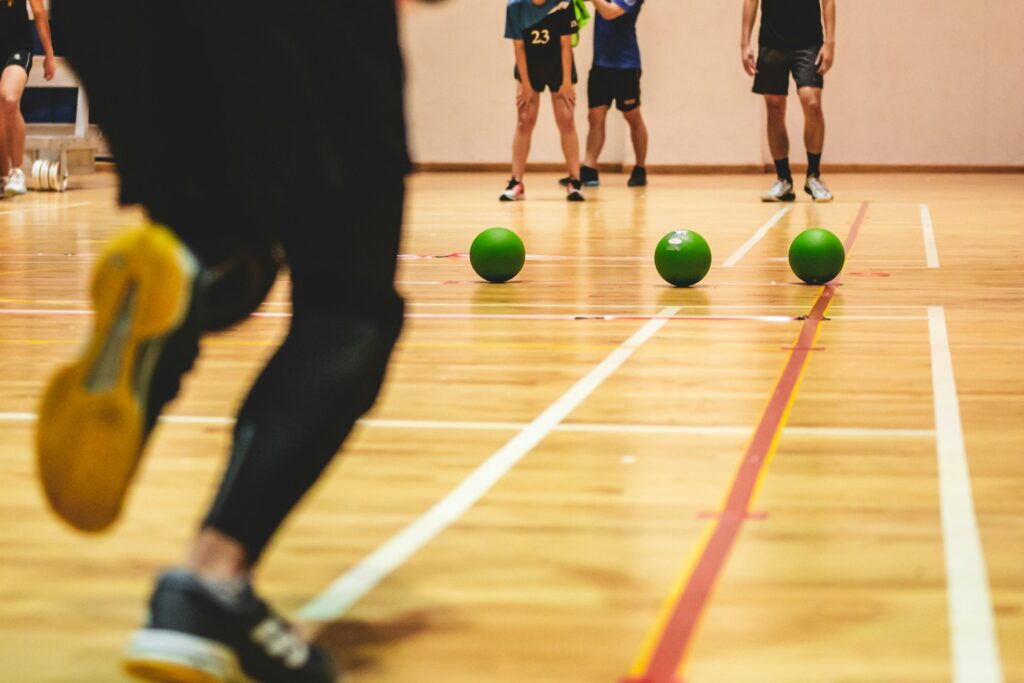
Dodgeball was once a gym class favorite, pitting kids against each other in a whirlwind of flying rubber balls. But the game’s competitive nature, potential for injury, and accusations of bullying led to widespread bans. Critics argued it singled out weaker players and encouraged aggressive behavior. Schools responded by removing dodgeball from curricula or replacing it with gentler alternatives. Once the ultimate test of reflexes and courage, dodgeball now lives mostly in nostalgic memory or modified formats.
2. Red Rover
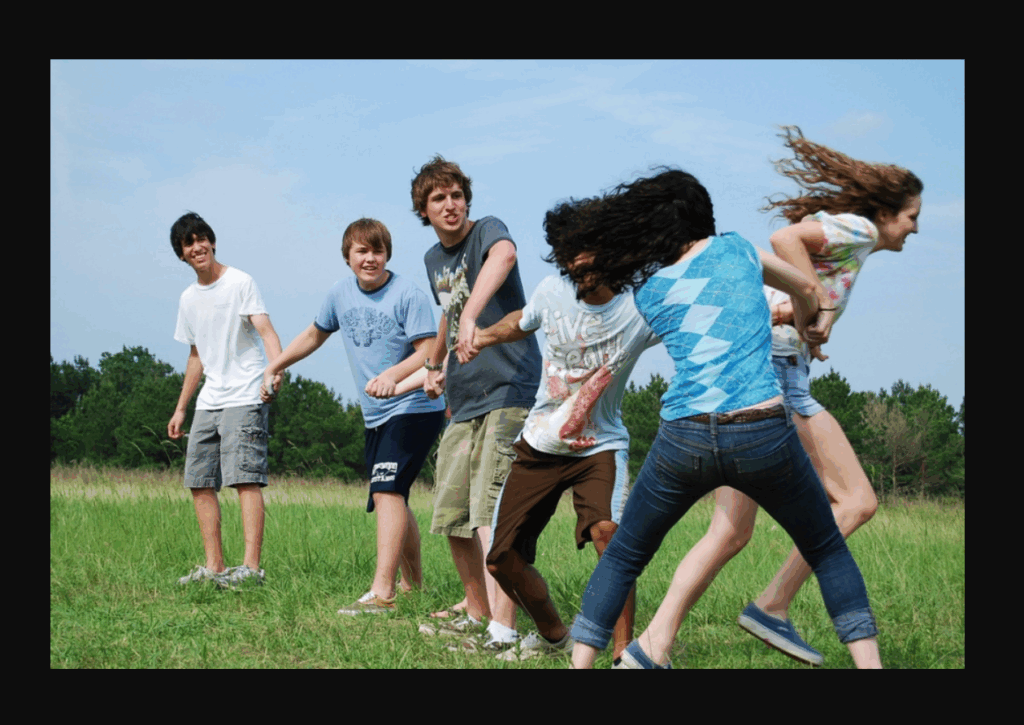
Red Rover involved players running full speed into clasped arms to break through a human chain. It was thrilling—and dangerous. Broken wrists, sprained shoulders, and even concussions were not uncommon. As injuries mounted, schools banned the game entirely. Its inherently rough nature clashed with rising safety standards. Though it fostered team spirit and bravery, Red Rover fell victim to modern concerns about physical harm and liability. Today, it’s more playground legend than reality.
3. Tag
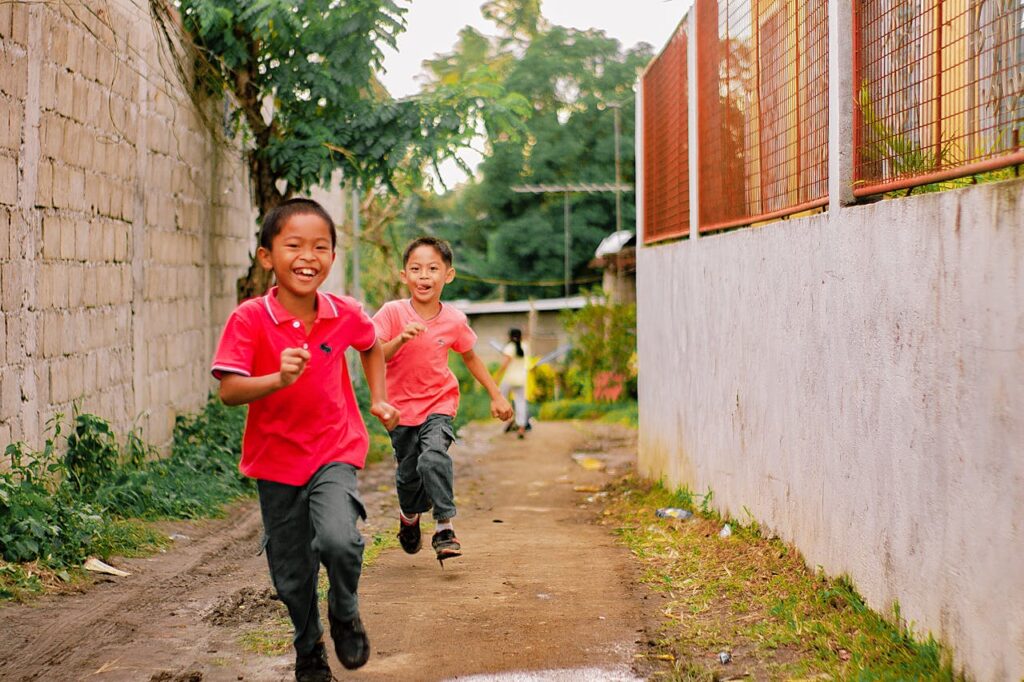
Tag, in all its forms, has faced bans in schools around the world. While seemingly harmless, some educators found it encouraged rough play, exclusion, or hurt feelings—especially for those constantly being “it.” There were also concerns about kids falling or colliding. As zero-tolerance policies and stricter supervision became common, tag was pushed aside. Modified versions like “shadow tag” or “freeze tag” survive in limited use, but the classic version is now surprisingly rare on many school grounds.
4. Musical Chairs
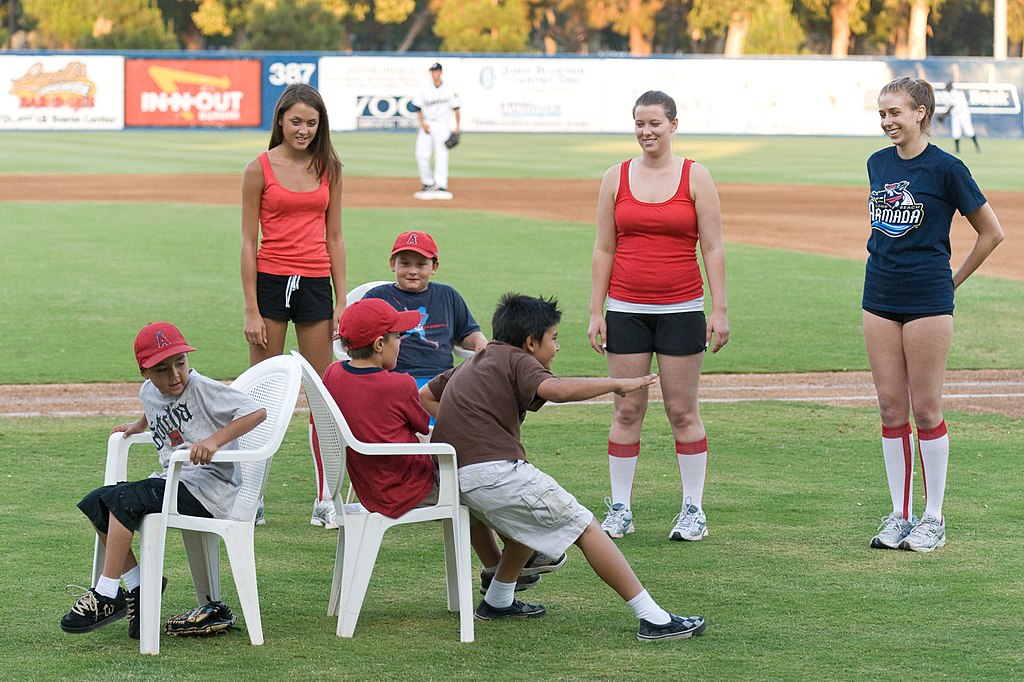
Musical Chairs may seem harmless, but its frantic rush to grab a seat has caused more than a few scraped knees and bruised egos. The competitive nature of the game, paired with physical shoving and occasional emotional fallout, led some schools to remove it from birthday parties and classroom activities. Educators cited anxiety and exclusion as major concerns. What was once a party staple now sits quietly on the sidelines of modern school events, deemed too chaotic for structured environments.
5. Tug of War
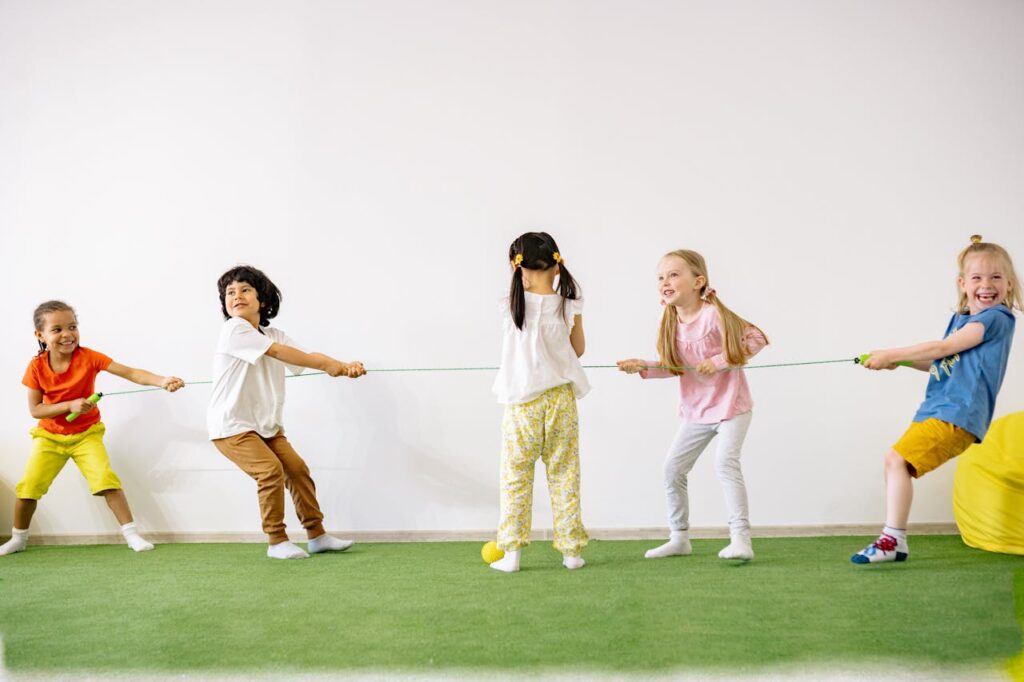
This classic strength game involved teams pulling against each other with all their might. But the tension sometimes led to sprains, rope burns, and even dislocated joints. In rare cases, severe injuries occurred. As physical education shifted toward inclusivity and injury prevention, Tug of War was phased out in many districts. Though it promoted teamwork and determination, safety policies pulled the plug on this high-tension favorite. It now appears mainly in summer camps or field day events.
6. Freeze Tag
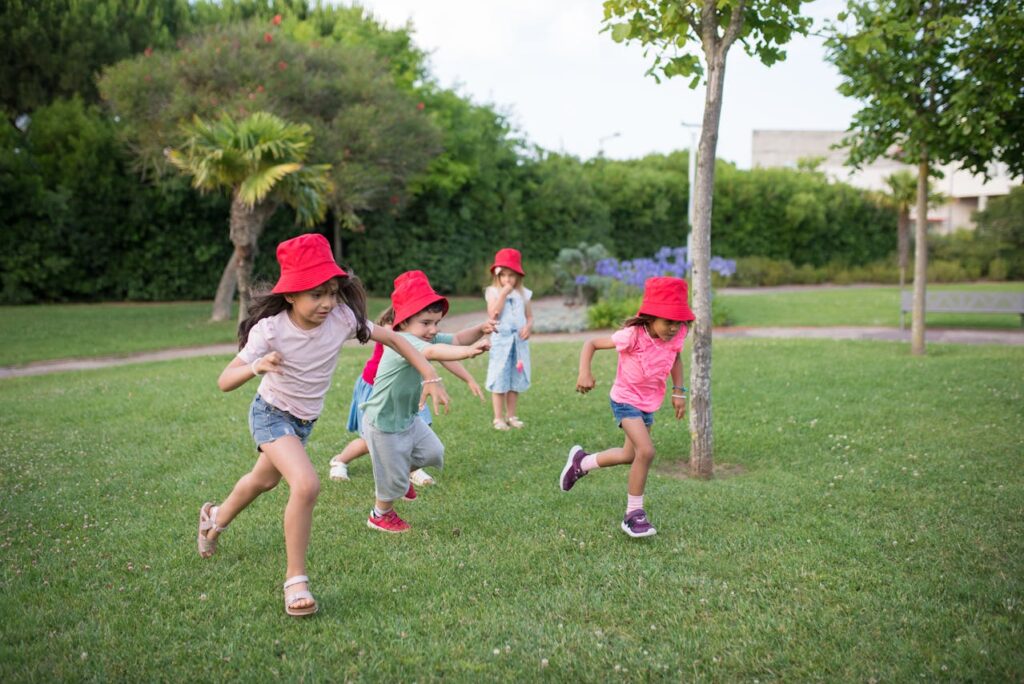
Freeze Tag added a fun twist to classic tag by requiring tagged players to freeze until a teammate rescued them. But some schools banned it due to too much running, frequent collisions, and the risk of kids being left frozen too long. Teachers also raised concerns about safety when multiple kids moved unpredictably across crowded playgrounds. Despite its playful spirit and teamwork focus, Freeze Tag has been restricted in many districts in favor of more controlled and less chaotic games.
7. Simon Says
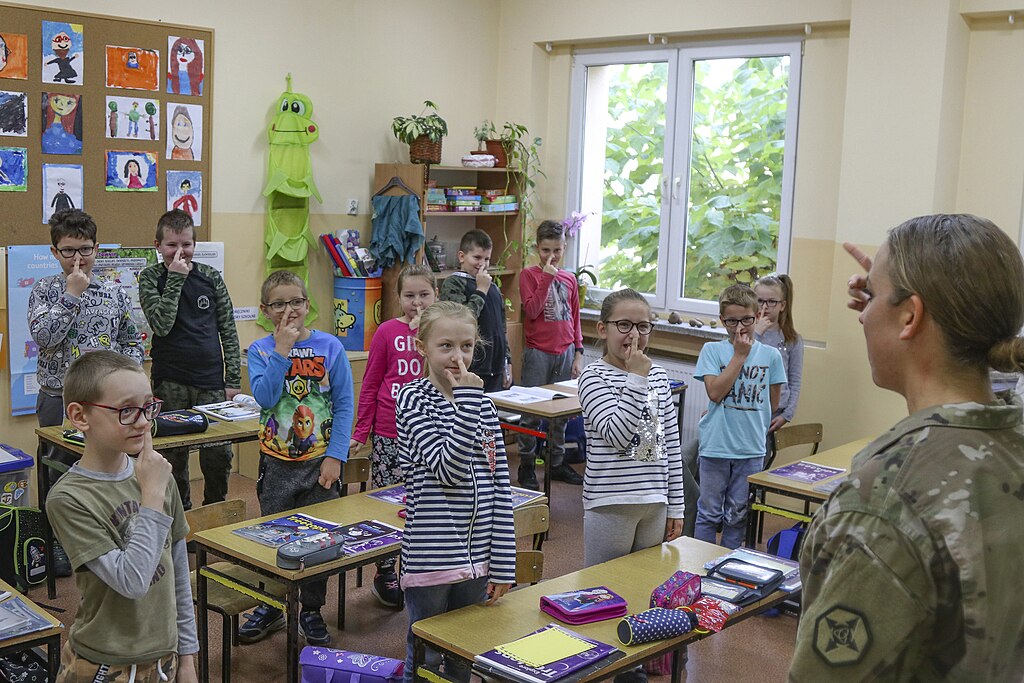
Simon Says was meant to boost listening skills and quick reactions, but in some classrooms, it became a source of frustration for younger kids who struggled to keep up. Getting “out” early often led to feelings of exclusion. Critics also argued it fostered embarrassment more than engagement. As a result, some schools quietly retired the game in favor of non-elimination activities that encourage participation from all students without penalizing those who fall behind in fast-paced instructions.
8. Kickball
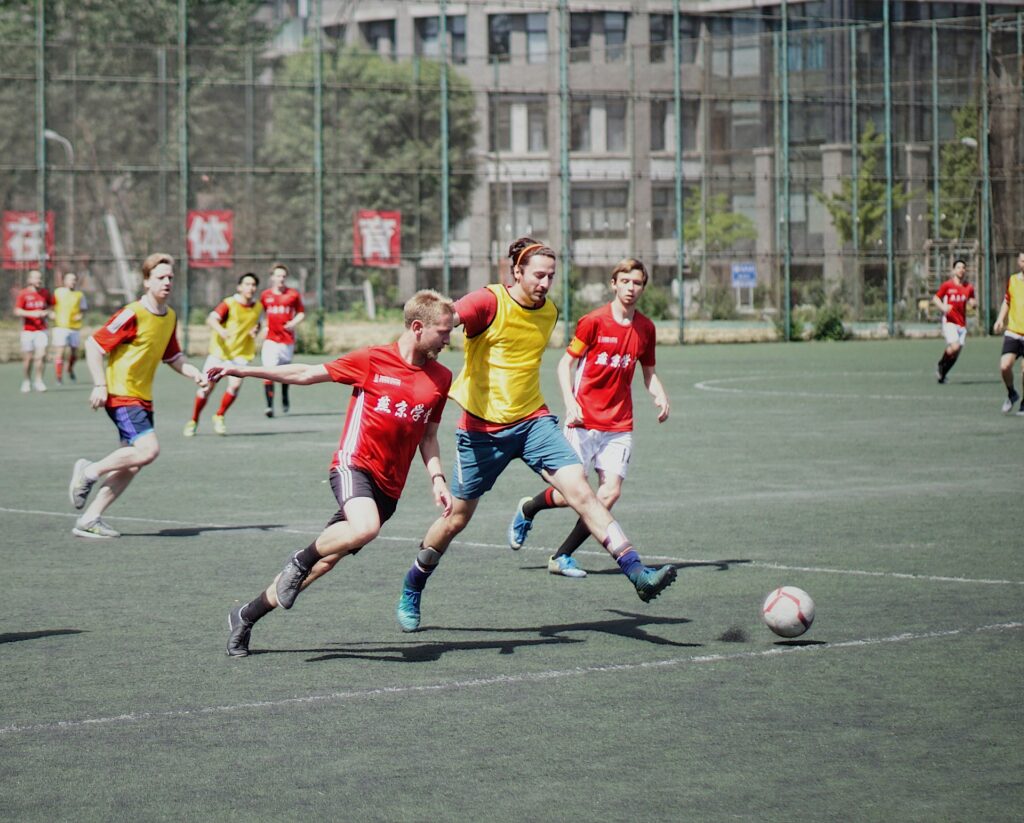
Kickball combined baseball and soccer into one fun playground staple. But over time, schools raised concerns about competitiveness, exclusion, and uneven participation. Less athletic kids were sometimes sidelined or targeted. Occasional injuries, disputes, and the game’s elimination format led to bans in some districts. Modified versions with softer balls and no outs exist, but traditional kickball has been sidelined in favor of inclusive, non-competitive activities that prioritize equal involvement.
9. Monkey Bars
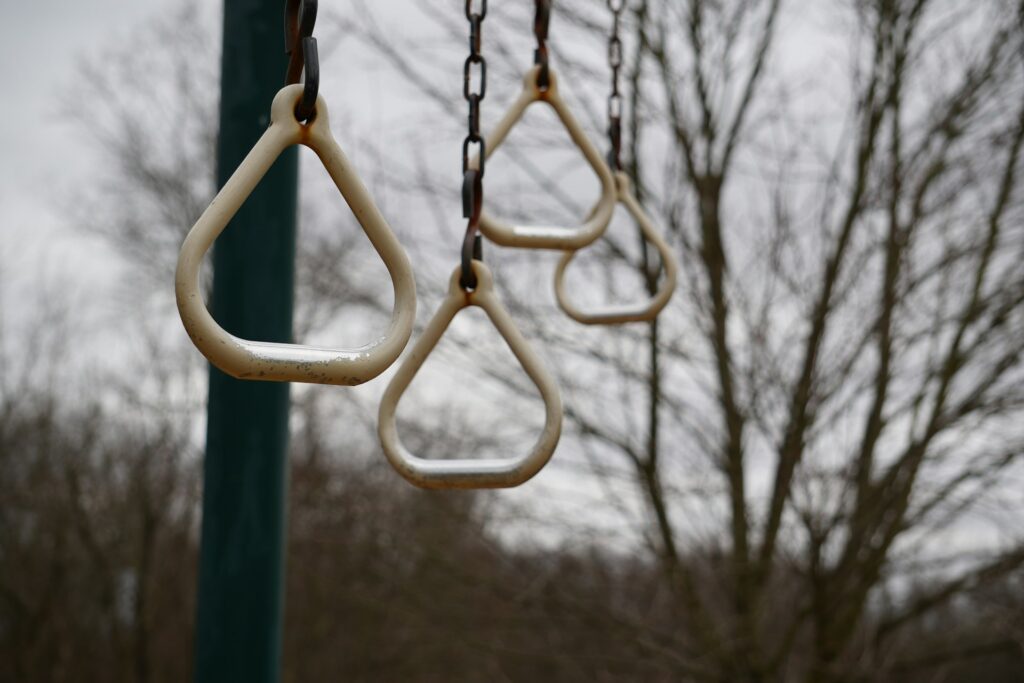
Monkey bars were once the crown jewel of playgrounds—climbing, swinging, and hanging upside down. But with them came broken arms, sprained wrists, and head injuries from high falls. As safety regulations evolved, many schools removed monkey bars altogether or replaced them with lower, padded alternatives. Liability risks and injury reports proved too much. Though they helped build coordination and courage, monkey bars have largely disappeared from modern schoolyards in the name of playground safety.
10. Hopscotch

Hopscotch was a quiet, rhythmic game involving chalk, a marker, and balance. Yet in some schools, it was banned for being a tripping hazard, especially when played on uneven concrete or in crowded areas. Concerns about kids pushing, skipping turns, or leaving permanent chalk marks on property contributed to its restriction. Once a peaceful solo or group activity, hopscotch’s fall from favor highlights how even low-impact games aren’t immune to scrutiny under modern safety and behavior policies.
11. Marbles

Marbles once filled pockets and coat linings everywhere, encouraging focus and hand-eye coordination. But they were also seen as choking hazards and potential projectiles. Schools banned them for being small, easily swallowed, and occasionally weaponized in disputes. Sharing and betting marbles also caused conflicts. What was once a timeless, low-tech pastime slowly disappeared under tightened safety policies and the push to eliminate small, loose items from school play zones.
12. Hide and Seek
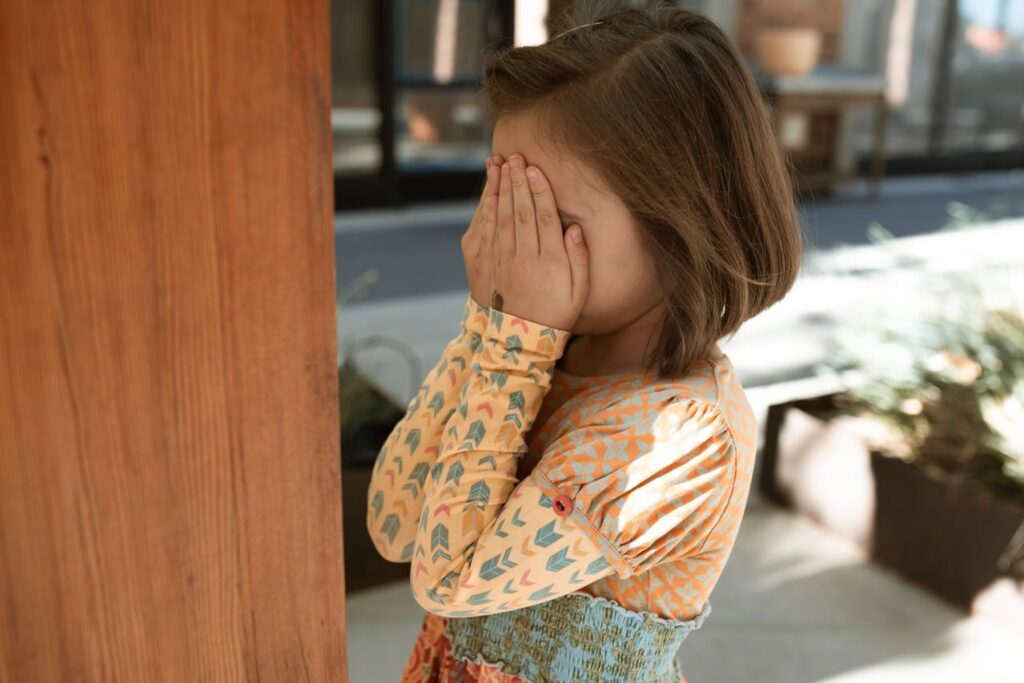
Hide and Seek encouraged imagination, stealth, and movement—but also concern. Schools began banning it due to fears of children hiding in unsafe or unsupervised areas, getting lost, or triggering panic. Some administrators worried about trust boundaries between students and staff. Although the game seems innocent, its reliance on unsupervised movement and concealment pushed it out of modern playgrounds. Today, it’s more likely to be seen at birthday parties or at home than on the schoolyard.
13. Jump Rope Rhymes
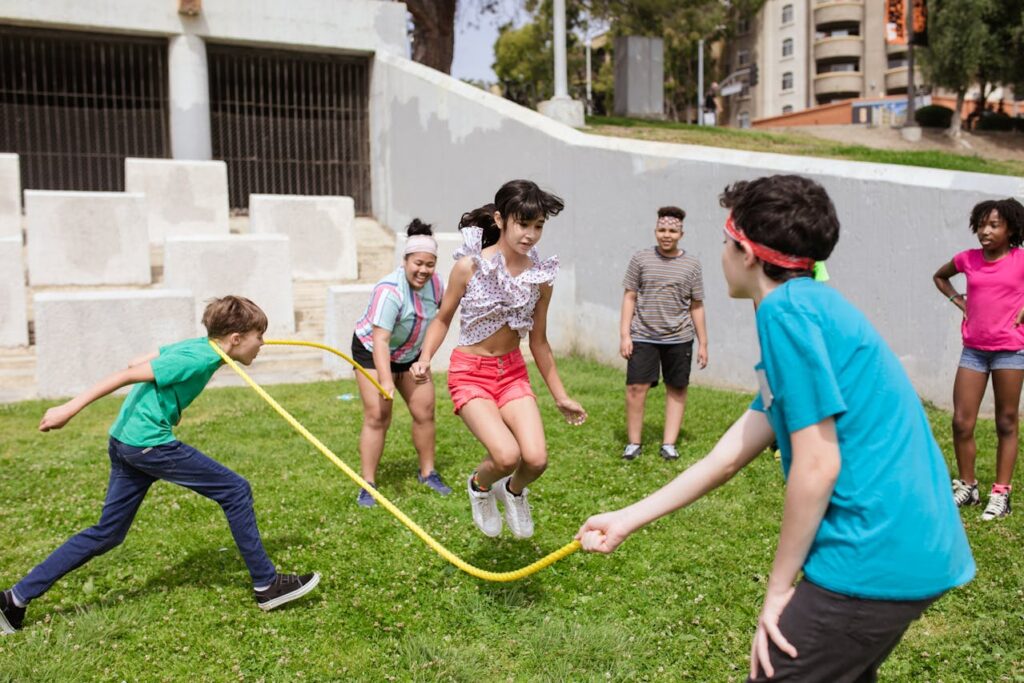
Jump rope and its associated rhymes were a core part of playground culture, combining rhythm, movement, and social bonding. But over time, the fast pace led to twisted ankles and bruises, while certain rhymes were flagged for outdated or inappropriate language. Teachers also struggled to supervise rope games safely. As concerns grew, especially in younger grades, many schools scaled back or banned unsupervised jump rope activities, favoring group games with clearer safety boundaries and adult oversight.
14. King of the Hill

King of the Hill turned any structure into a battleground as kids competed to stay on top and push challengers off. Though exhilarating, the game often led to shoving, falling, and conflict. Playground injuries, including head bumps and broken bones, spurred schools to remove the structures that enabled it. Some districts banned the game entirely for encouraging aggressive competition. Today, it’s remembered as one of the most physically risky games ever played on school soil.
15. Capture the Flag
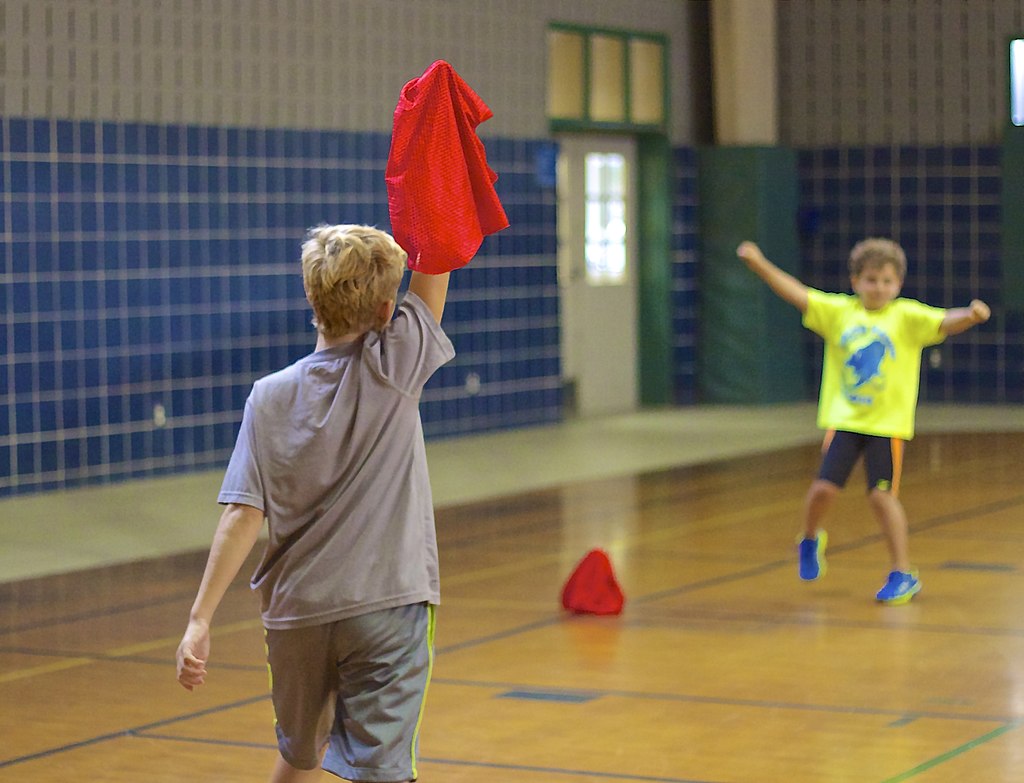
Capture the Flag promoted teamwork and strategy, but its large play area, fast pace, and frequent physical contact led to injuries and disputes. Players often ran into each other, trespassed off school property, or broke boundaries during recess games. Some teachers found it difficult to supervise, and the competitive tension sometimes escalated into arguments. Though still played in camps, Capture the Flag has largely vanished from schoolyards under stricter supervision and risk management policies.
These 15 games shaped recess for generations—but in today’s risk-averse environment, many have been banned or heavily restricted. Concerns over physical injuries, emotional exclusion, and lack of supervision have changed what schools allow on the playground. While some of these games may still live on in gym classes or summer camps, for many kids today, they’re relics of a freer time when scraped knees were just part of the fun.