

Before the age of smartphones, social media, and nonstop digital entertainment, the 1980s offered a very different kind of childhood. It was a time when kids played outside until the streetlights came on, families gathered around bulky TVs, and everyday life moved at a slower, more hands-on pace. These 15 photos capture moments that today’s kids might find surprising — a window into a world without Wi-Fi, where fun was simple, and community was face-to-face. Get ready to step back in time and see what real life looked like in the ’80s.
IBM Computer of the 80s
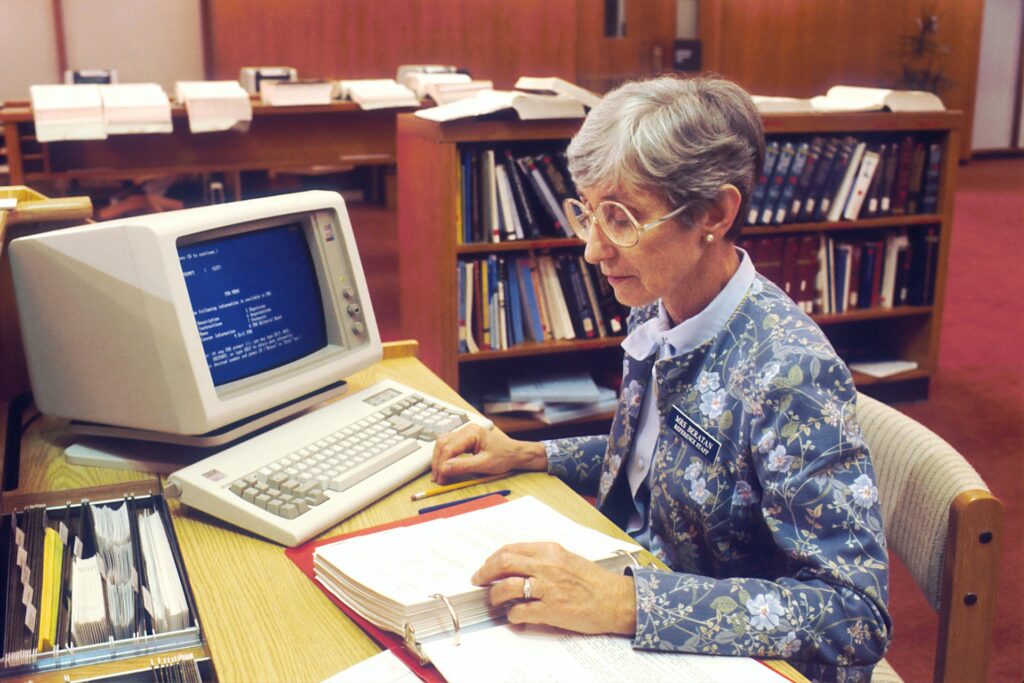
In the early ’80s, the IBM Personal Computer (PC) marked the beginning of the personal computer revolution. The IBM PC was bulky compared to today’s sleek laptops and desktops, but it was revolutionary at the time. With its floppy disk drives and monochrome monitors, it was the first computer that allowed individuals to have personal access to a device that could be used for business, school, and even home entertainment. The IBM PC paved the way for the digital world we live in today and became a household staple for many families. For many kids of the ’80s, the computer was the start of their journey into the digital age.
8-bit Nintendo Entertainment System (NES)
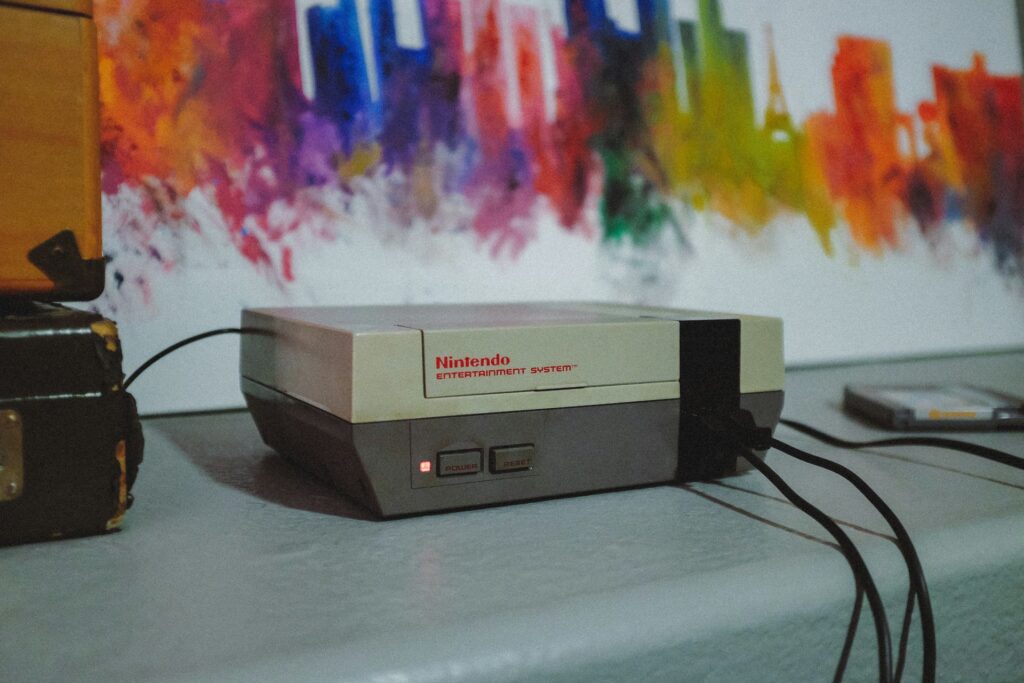
Released in 1985, the Nintendo Entertainment System (NES) brought arcade-quality games into homes. The 8-bit graphics were a step forward in gaming technology at the time, and classics like Super Mario Bros., Donkey Kong, and The Legend of Zelda quickly became household names. The NES created the modern gaming landscape and helped establish video games as a major form of entertainment. Kids spent countless hours playing their favorite games, either solo or with friends, making it one of the most iconic gaming consoles of all time. For many, the NES was their first introduction to the world of gaming, sparking a lifelong love for video games.
Cassette Tapes
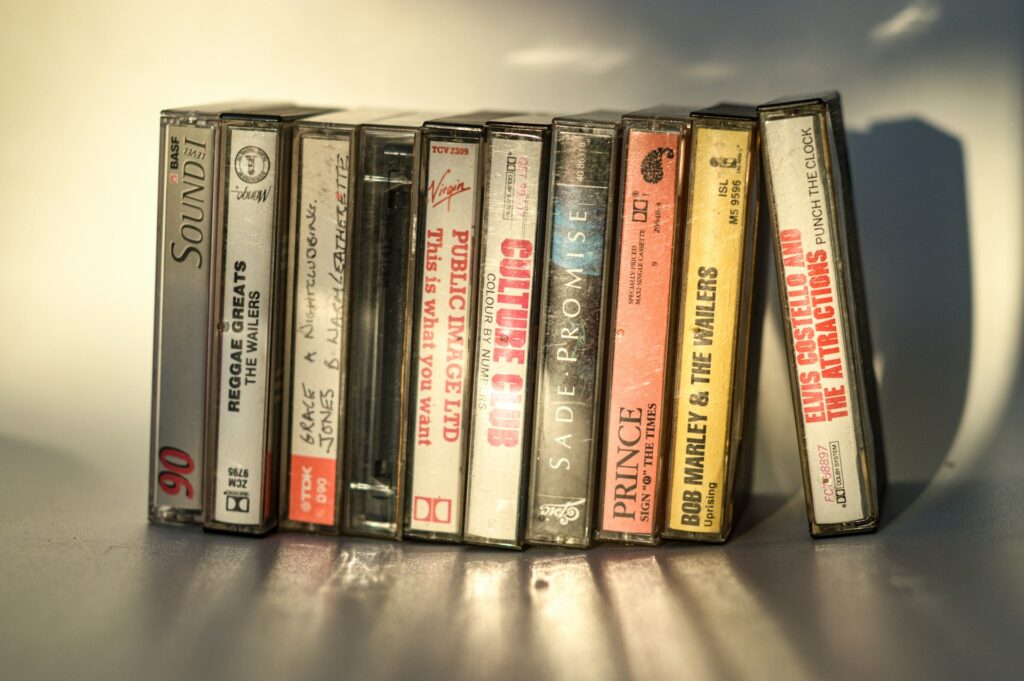
Cassette tapes were the primary way people listened to music in the 1980s. They were portable, affordable, and allowed people to create their own mixtapes by recording songs off the radio or from their favorite albums. Whether you were using a Walkman to listen on the go or playing tapes in your car or home stereo system, music was an integral part of everyday life in the ’80s. Creating and sharing mixtapes became a form of communication and personal expression, allowing people to share their favorite tracks with friends and loved ones. For teens especially, making a mixtape was a way to show affection, curate their tastes, and stay connected to friends.
80s Audio Tape Recorder
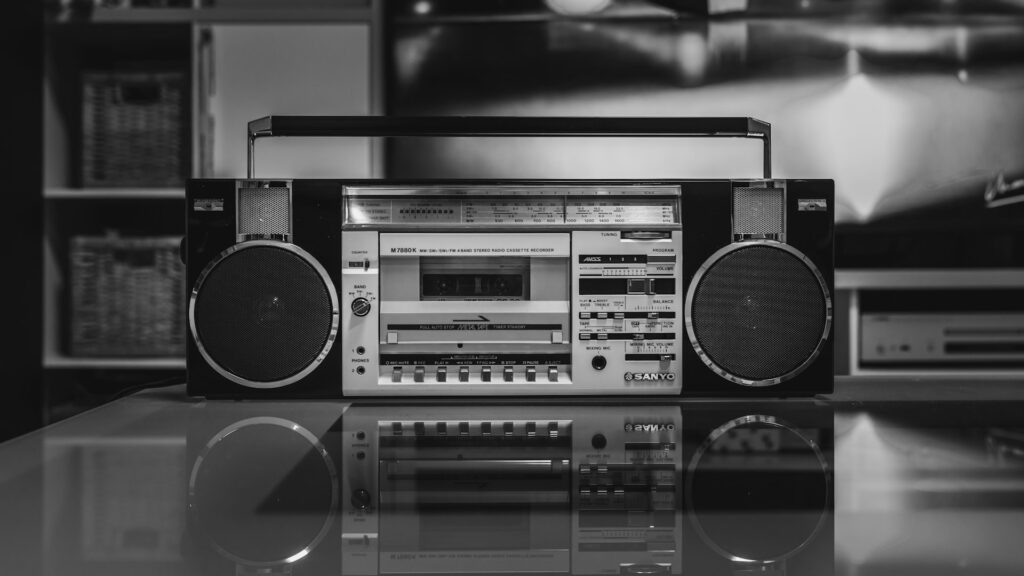
The audio tape recorder was a must-have gadget in the ’80s. These portable devices allowed kids and adults alike to record conversations, songs from the radio, or even their own music. Brands like Sony and Panasonic produced iconic models that became essential for capturing and sharing sound. Whether it was recording a favorite radio station or making homemade mixtapes, the audio tape recorder played an essential role in preserving memories and personal music collections during this era. It wasn’t just about recording music; it was also a tool for creativity, letting people record stories, messages, or even create their own radio shows.
80s Comic Collection
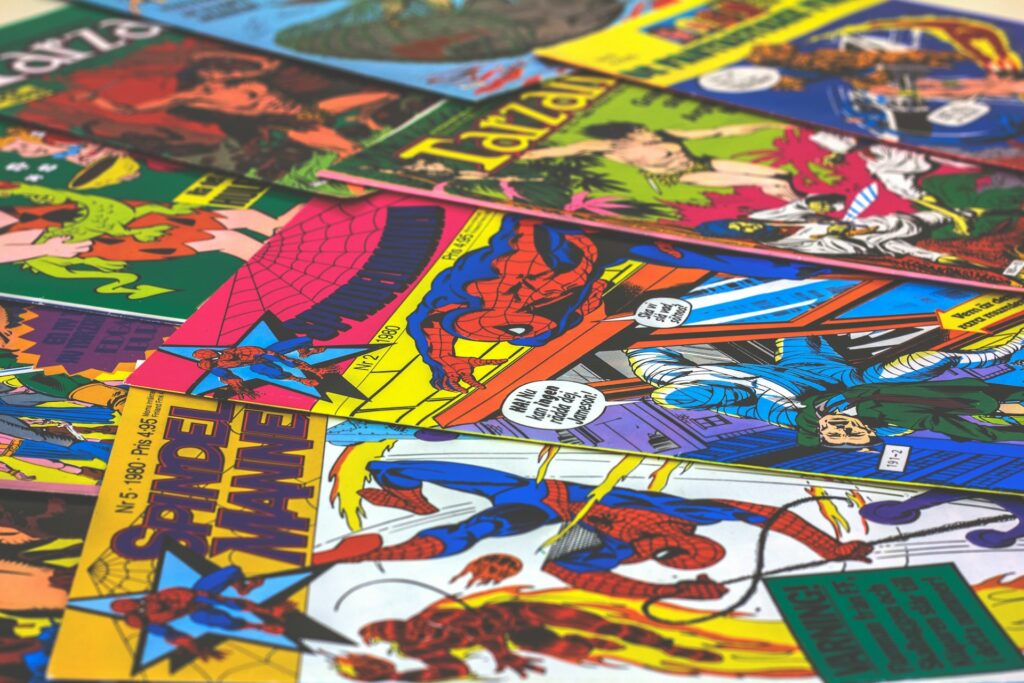
The 1980s were a golden age for comic books, with characters like Spider-Man, Batman, and The X-Men gaining unprecedented popularity. Kids eagerly collected comic books, trading them with friends or keeping them safe in plastic sleeves for future value. Major comic book events like Crisis on Infinite Earths and The Dark Knight Returns redefined storytelling in the genre and expanded its audience beyond just kids. The vibrant artwork, bold characters, and compelling stories made comics an essential part of pop culture, inspiring generations of artists, writers, and fans. For many, the ’80s comic collection represents a mix of entertainment, nostalgia, and the growing significance of superhero culture.
Vintage Classic Telephone
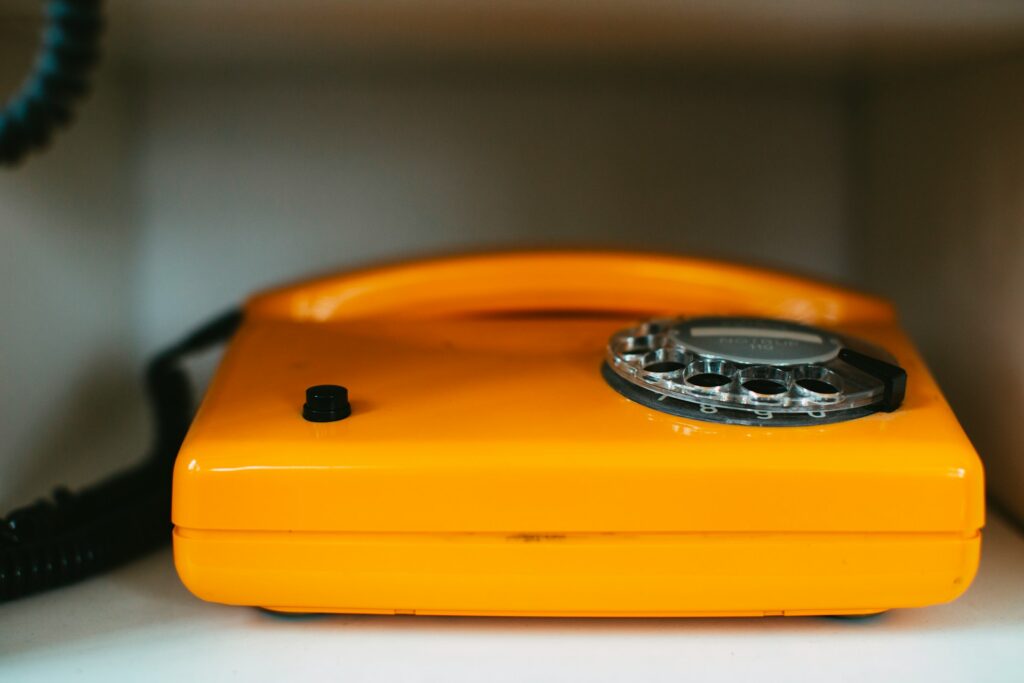
Before smartphones and cordless phones, the vintage classic telephone ruled the household. Whether it was the classic rotary dial phone or the early push-button models, the telephone was a fixture in every home. Kids would race to answer the phone when it rang, and conversations often took place while tethered to the wall, often sharing it with the entire family. These phones were more than just a communication tool—they were social hubs, where families stayed connected with friends, neighbors, and relatives. For many, the brightly colored telephones of the ’80s also became a quirky home decor piece that reflected the vibrant style of the time.
Roller Skating Rinks
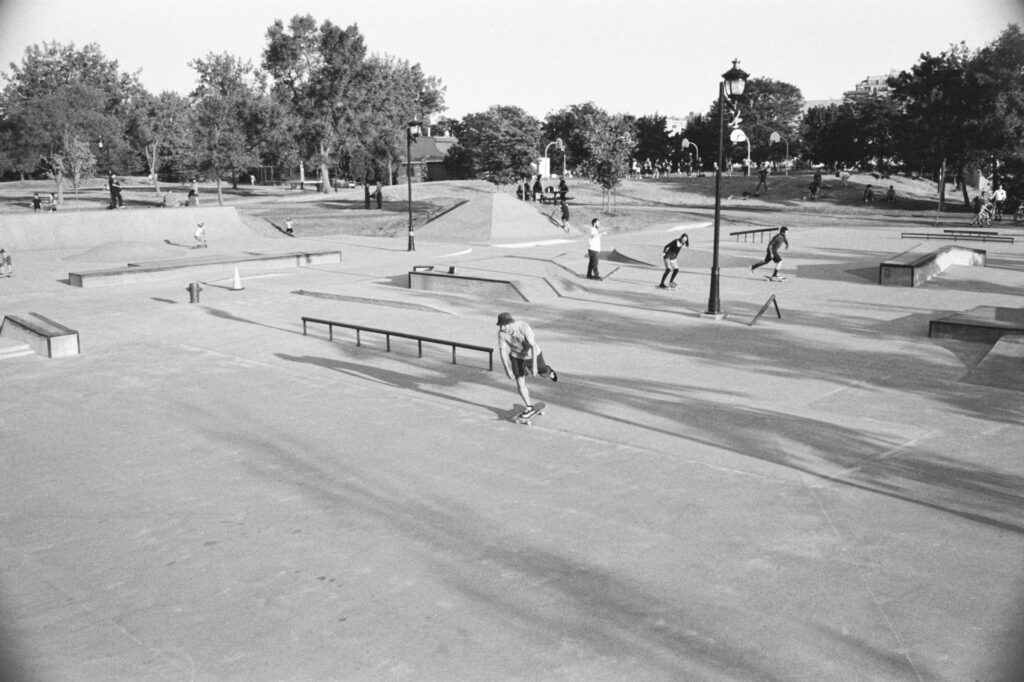
Back in the ’80s, open-air roller skating rinks were a regular part of everyday life for kids. These outdoor spaces, often set up in parks or local community areas, were where kids brought their own skates, spent hours circling the pavement, and learned to balance, fall, and get back up. With no music or flashing lights, the fun came from racing friends, practicing turns, or just coasting under the sun. It was simple, active fun — no screens, no tech — just a pair of skates and the freedom of a wide, smooth surface on a warm afternoon.
Pay Phones in Public
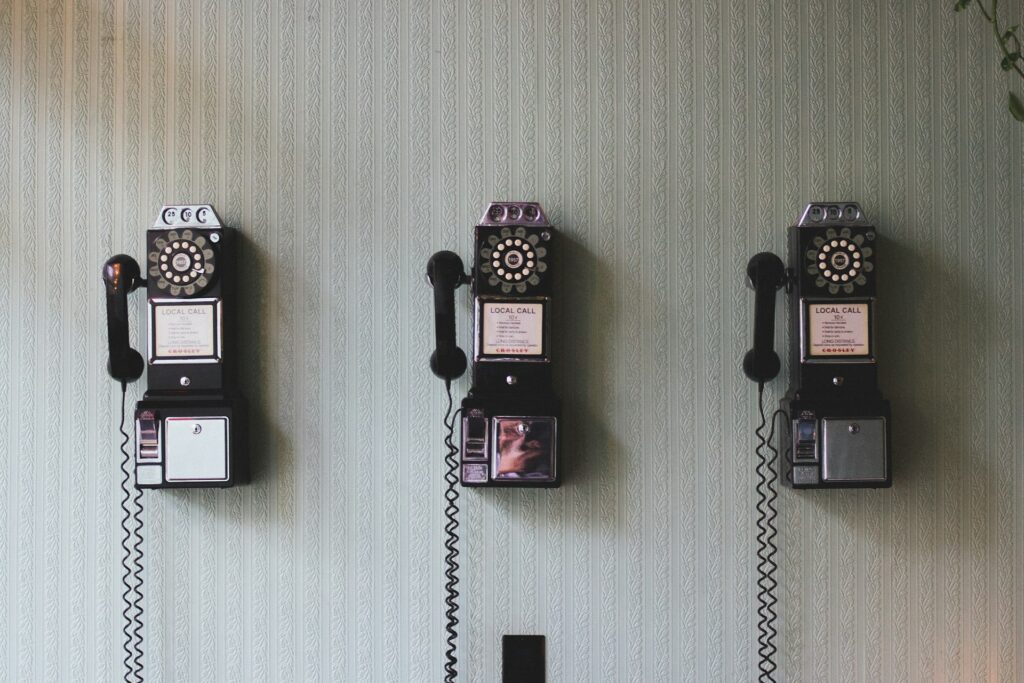
Back in the ’80s, pay phones were everywhere — on busy street corners, outside malls, and near schools. With no cell phones in sight, these coin-operated booths were essential for staying in touch, especially for kids and teens who needed to call home after school or during hangouts. You had to carry quarters or dimes, and sometimes wait in line for your turn. For many, the pay phone was a lifeline, a tiny public portal connecting people in an era before instant messaging and mobile calls. It’s a reminder of just how much communication has changed since then.
Family Meals Around the Dinner Table
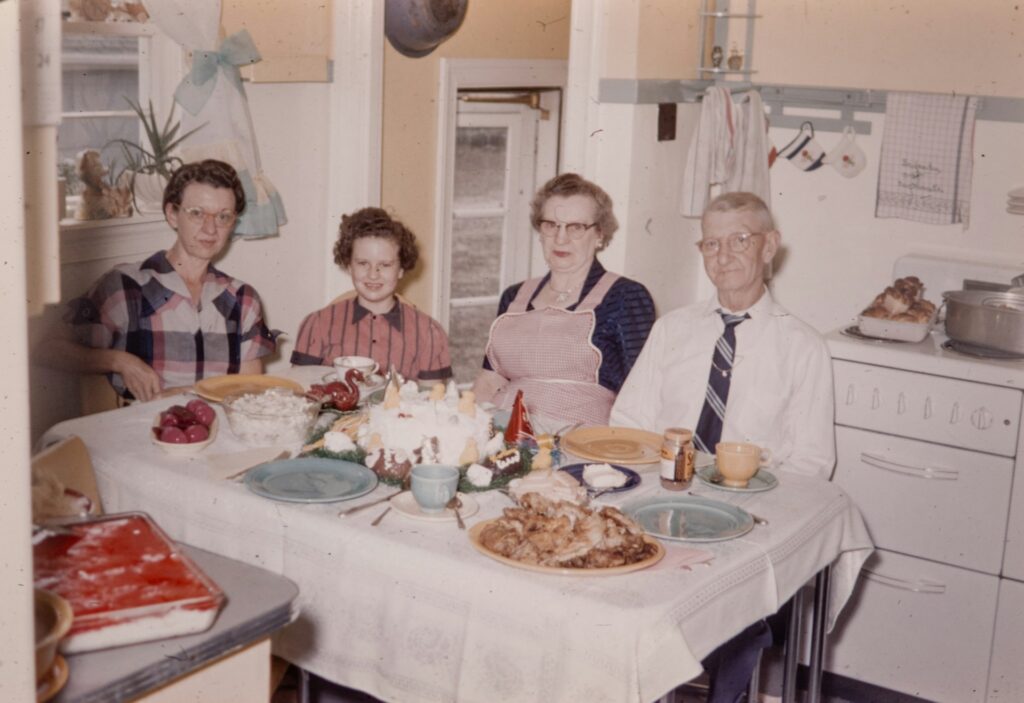
In the ’80s, sitting down together for family meals was a cherished daily ritual. Unlike today’s fast-paced, screen-filled dinners, families gathered around a table to share home-cooked meals, talk about their day, and connect face-to-face. Whether it was a hearty meatloaf, tuna casserole, or a classic Jell-O salad on the side, these meals were about more than just food — they were about building bonds, sharing stories, and creating lasting memories. The dinner table was often the center of the home, where parents, kids, and sometimes even extended family would come together to enjoy a moment of togetherness. It was a time when family time truly meant together time, and those conversations shaped childhoods and strengthened relationships.
Kids Playing Outside Unsupervised

In the ’80s, it was completely normal for kids to spend hours playing outside without parents hovering nearby. Neighborhood streets, parks, and empty lots became their playgrounds, filled with games like tag, kickball, and hide-and-seek. Parents trusted that kids knew the boundaries, and there was a strong sense of community watchfulness among neighbors. This freedom allowed children to explore, make friends, and develop independence in a way that feels rare today. It was a simpler time when the outdoors was the ultimate playground, and kids came home only when the streetlights flickered on.
Families hauling suitcases with no wheels
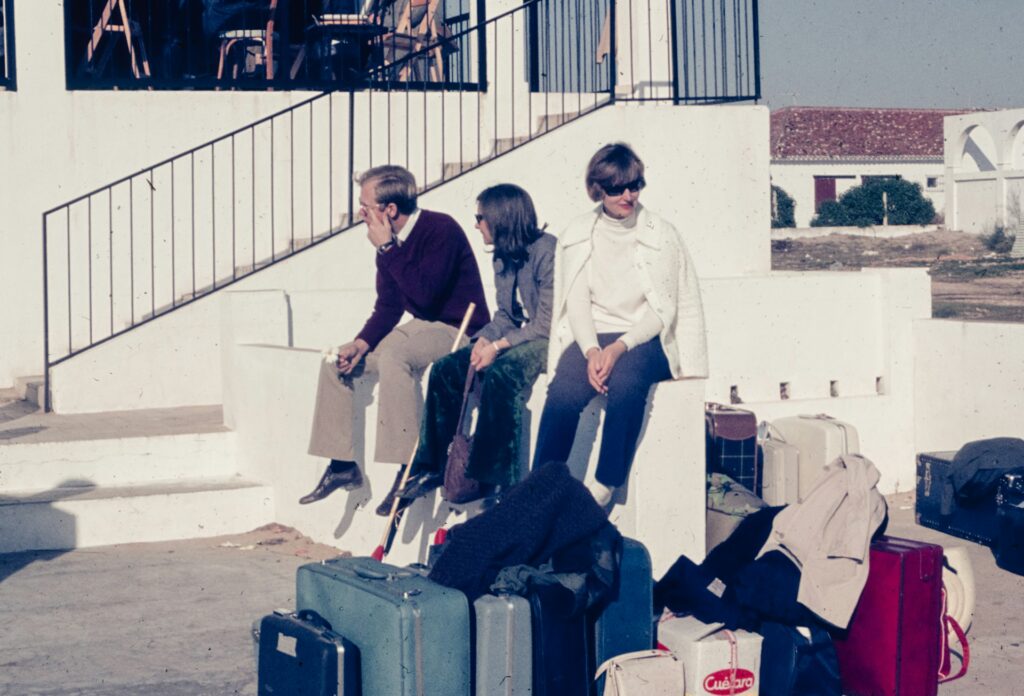
In the ’80s, rolling suitcases were still a rare sight, so families often lugged heavy, hard-sided suitcases without wheels through airports, train stations, and hotel lobbies. Packing for vacations meant stacking multiple bulky bags in trunks or overhead compartments, and the weight was always a challenge—especially for parents juggling kids and travel gear. Despite the hassle, these suitcases were built to last, often adorned with travel stickers from past trips. Traveling required a bit more muscle and patience, a sharp contrast to today’s easy-glide luggage and airport conveniences.
Motels with Neon Signs
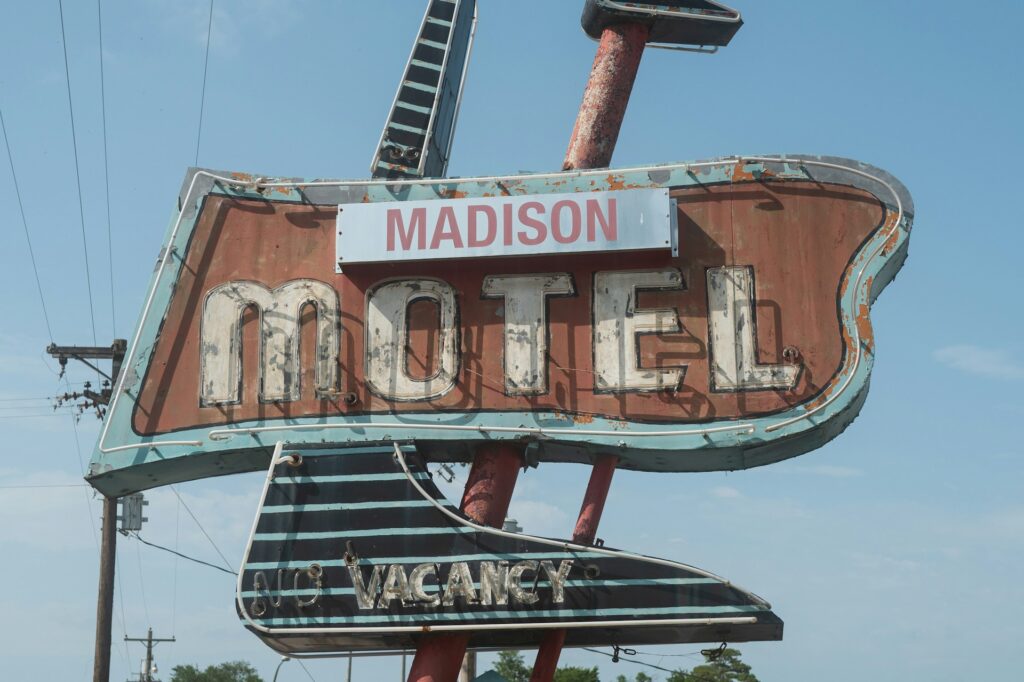
In the ’80s, roadside motels were hard to miss thanks to their bright neon signs glowing against the night sky. These signs, often flashing “Vacancy” or featuring bold colors, welcomed weary travelers and families on long road trips. Staying at a motel meant pulling up to a simple, no-frills room with easy parking right outside the door. For many, these motels were a temporary home on summer vacations or weekend getaways, full of the excitement of adventure and the charm of Americana. The neon glow created a distinct atmosphere, lighting up the road and signaling a warm place to rest before the journey continued.
The Iconic Mustang: ’80s Teen Fantasy on Wheels
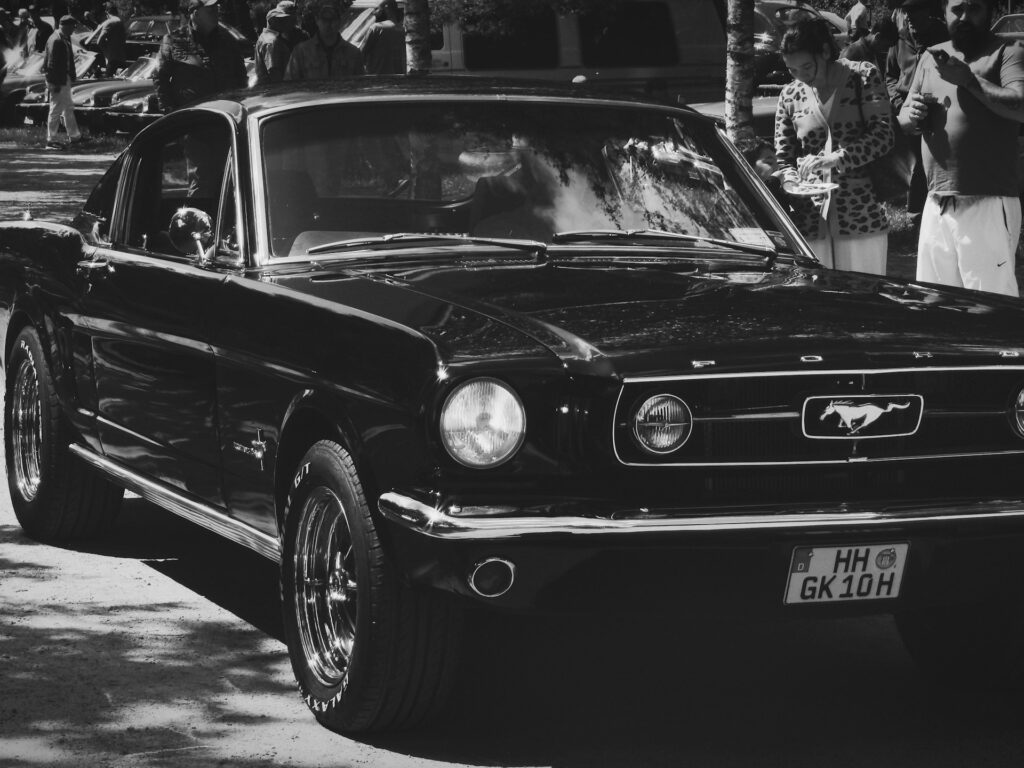
The Ford Mustang was the ultimate dream car for many teens in the ’80s, symbolizing freedom, style, and a bit of rebellion. With its sleek design and powerful engine, cruising around town in a Mustang was a rite of passage for high schoolers who wanted to turn heads and feel the wind in their hair. The Fox-Body Mustang, in particular, was affordable and customizable, making it a popular choice among young drivers who loved to personalize their rides. It wasn’t just a car — it was a statement, an icon of youth culture, and a key part of many unforgettable memories from that decade.
Walkman: The Soundtrack of the ’80s
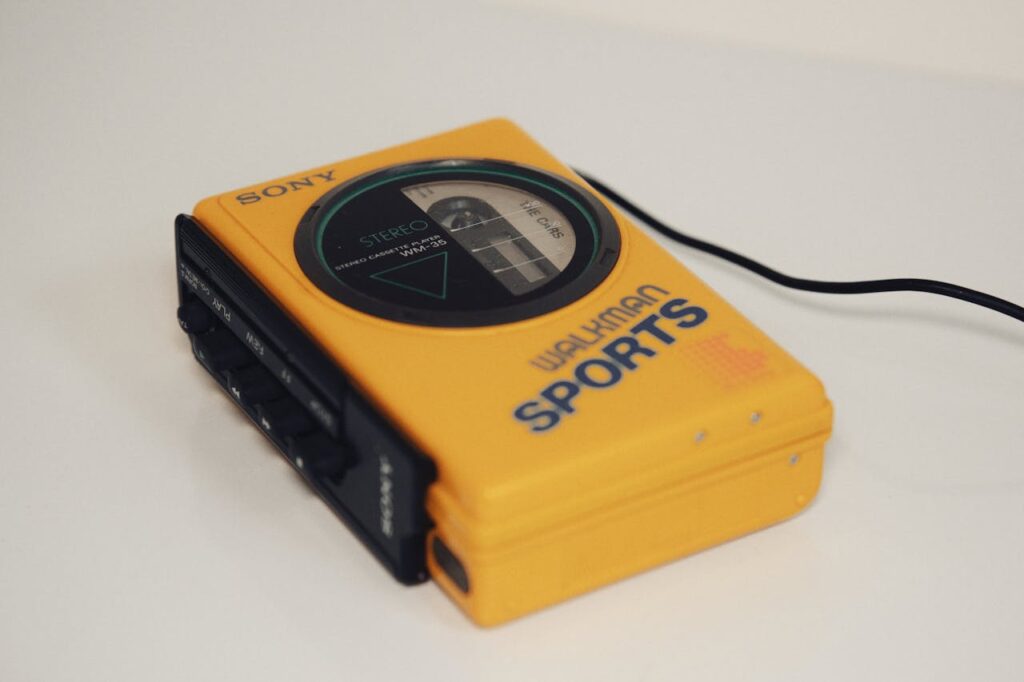
The Walkman was a game-changer in the ’80s, giving kids and teens the freedom to carry their favorite music everywhere they went. This portable cassette player let users create personalized mixtapes and listen on the go with headphones, making it a constant companion during bike rides, walks, or just hanging out. Owning a Walkman was almost a rite of passage, and it transformed how people experienced music—no longer tied to bulky stereos or family radios. It wasn’t just about the tunes; it was about owning your own soundtrack and expressing your personal style through music.
Polaroid Cameras: Instant Memories in a Flash
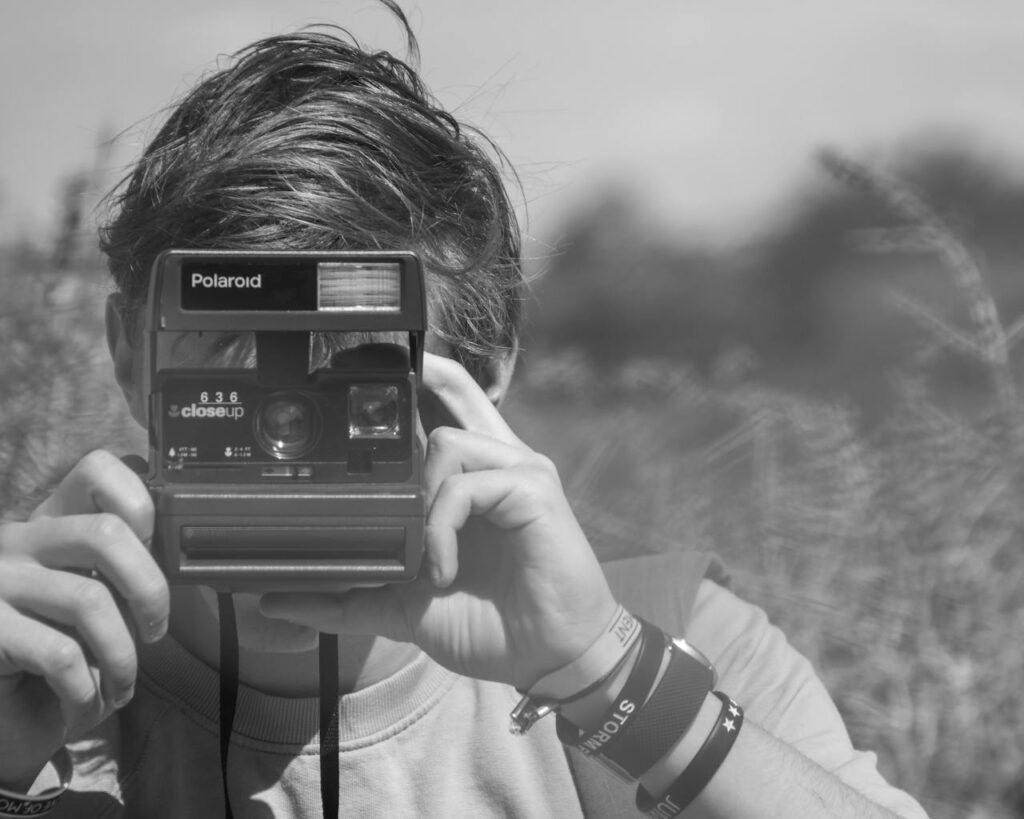
In the ’80s, Polaroid cameras were the go-to way to capture and instantly share memories with friends and family. Unlike today’s digital photos, Polaroids developed right before your eyes, giving you a tangible snapshot seconds after the picture was taken. These cameras were popular at parties, family gatherings, and school events, turning moments into keepsakes that could be held, stuck in albums, or gifted. The excitement of watching a photo slowly appear in your hand was a unique part of the experience, making Polaroids an iconic symbol of fun and nostalgia from that era.
Looking back at these snapshots of the ’80s, it’s clear just how much childhood and everyday life have changed over the decades. From pay phones to Polaroid cameras, and family dinners to cruising in Mustangs, these moments offer today’s kids a glimpse into a simpler, more hands-on era. While technology and lifestyles have evolved, the spirit of connection, adventure, and fun from the ’80s continues to inspire nostalgia and remind us of the timeless joy found in everyday experiences.