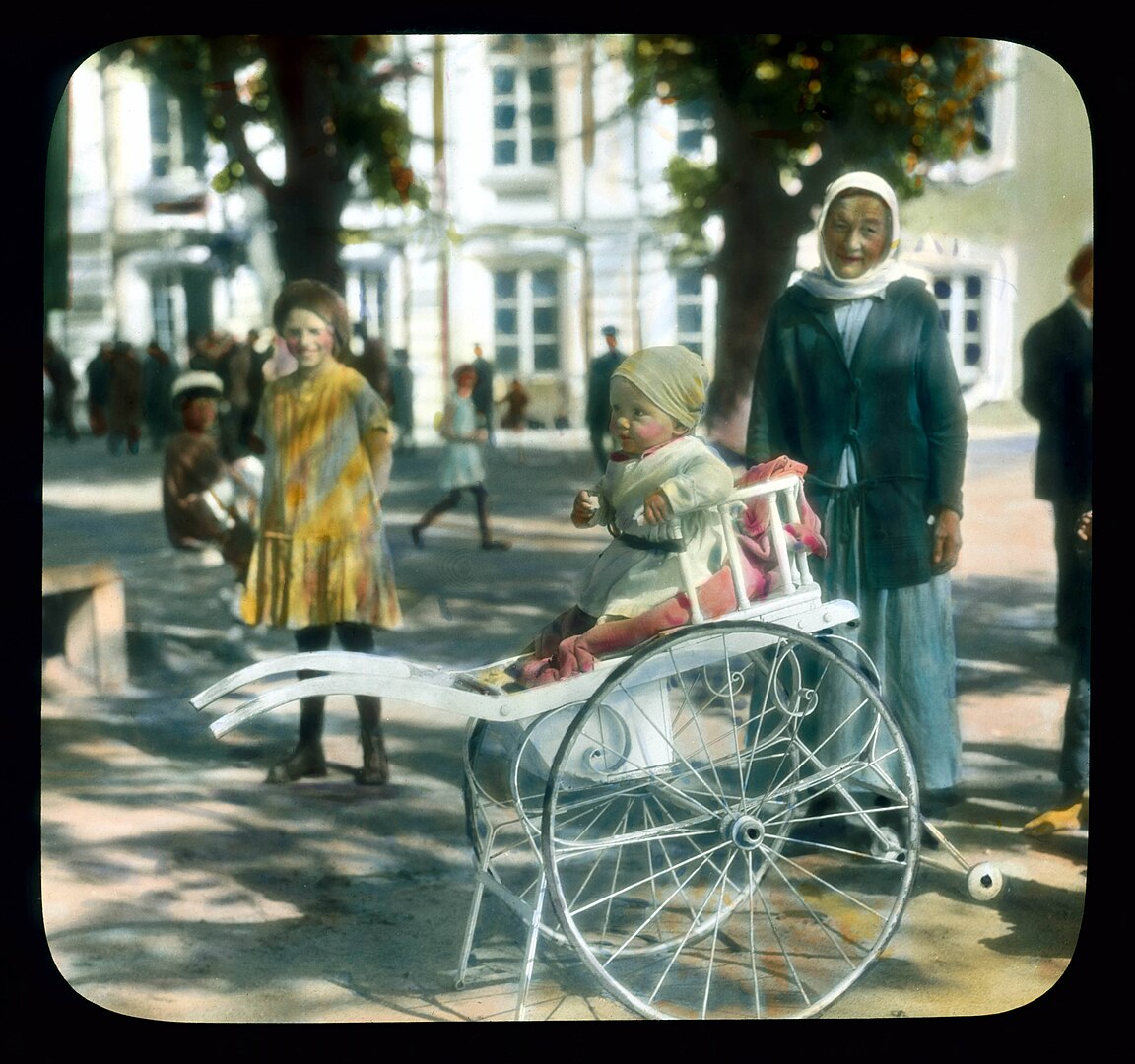
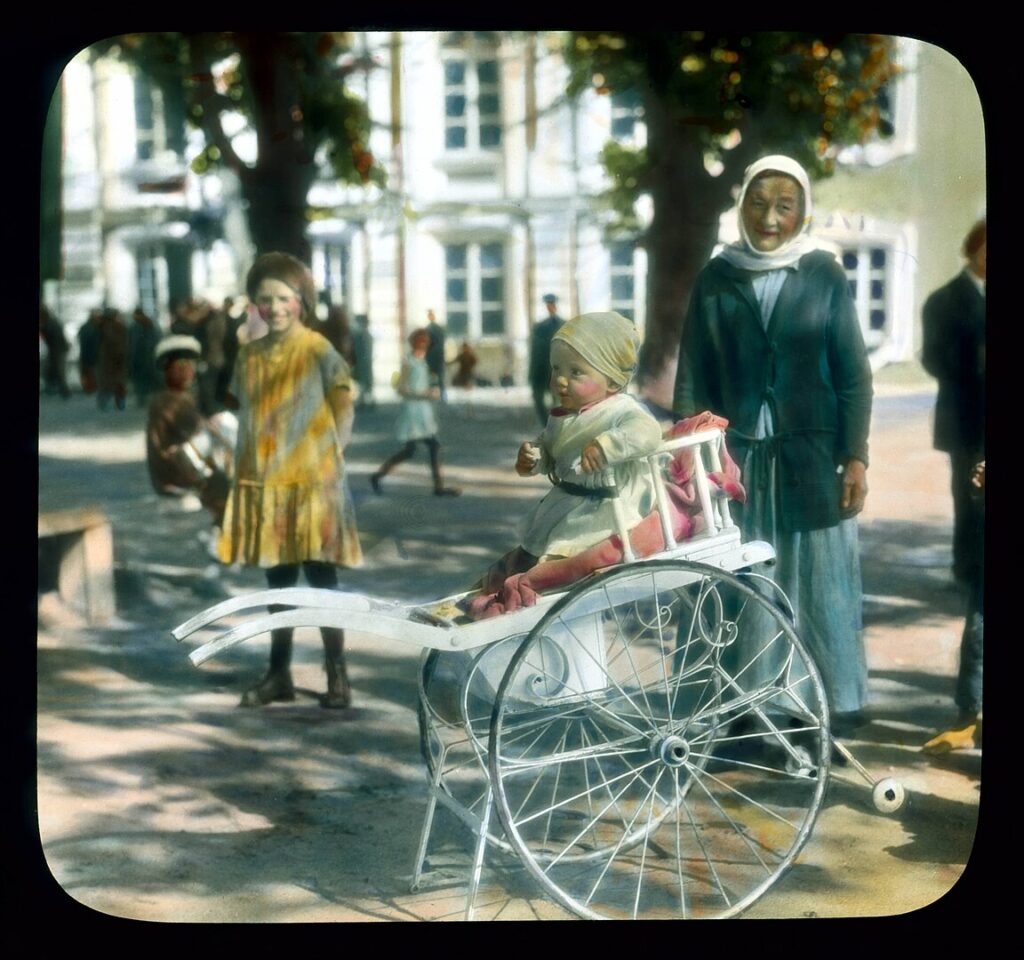
Parenting styles have evolved dramatically over the decades. What was once considered normal—or even good parenting—might now raise eyebrows or ignite heated debates. From outdated safety practices to discipline methods that have fallen out of favor, many trends of the past simply wouldn’t fly in today’s world. Here’s a look at 15 parenting trends from the past that would spark serious backlash if parents tried them now.
Spanking and Corporal Punishment
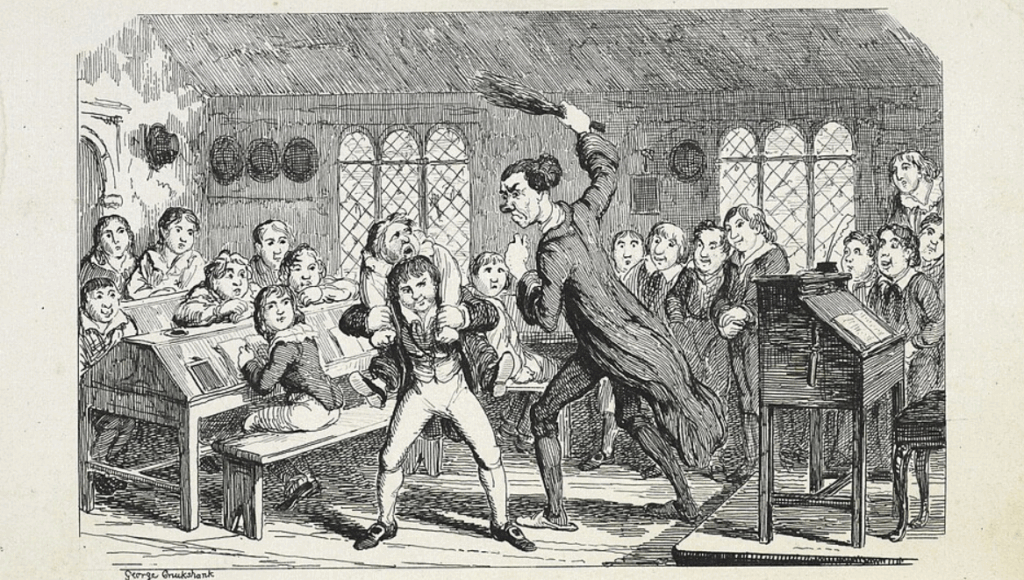
Decades ago, spanking was widely accepted as a form of discipline. Parents believed a quick swat would teach respect and obedience. Today, many experts and parents condemn corporal punishment, linking it to long-term emotional harm and aggression in children. Modern parenting emphasizes gentle discipline and positive reinforcement over physical punishment. Spanking, once common, is now a major parenting taboo.
Smoking Around Kids
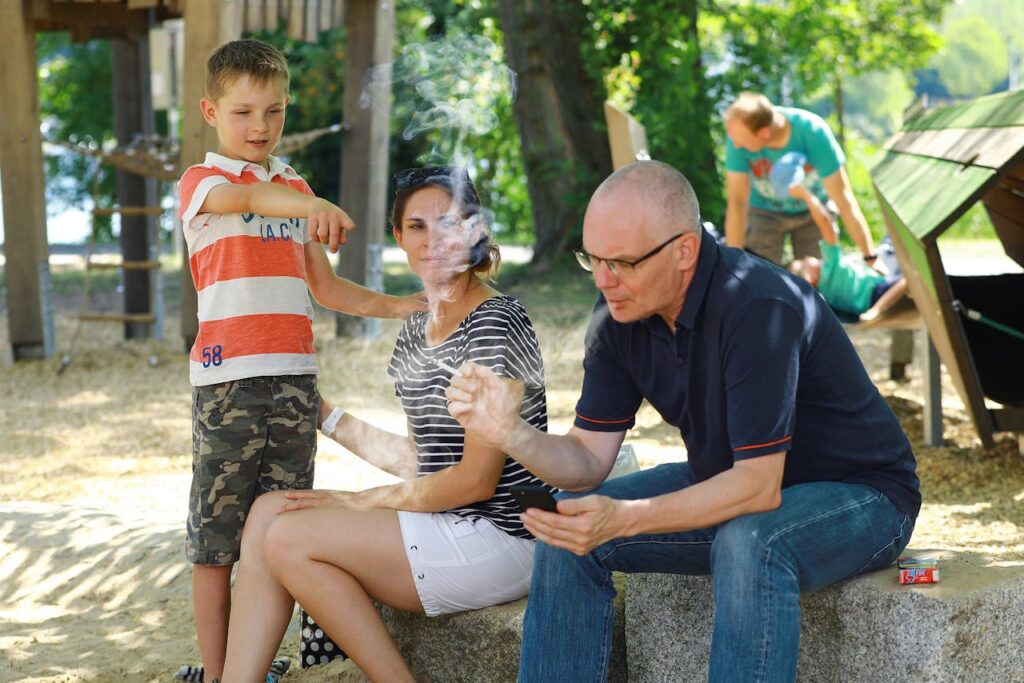
It wasn’t unusual for parents to smoke in cars, homes, or even hospitals back in the day. Cigarettes were everywhere, and few considered secondhand smoke harmful. Today, the dangers of passive smoking are well-documented, leading to strict rules and social stigma around smoking near children. Lighting up around kids is now seen as neglectful and dangerous. What was once casual is now widely condemned.
Letting Kids Ride Without Car Seats
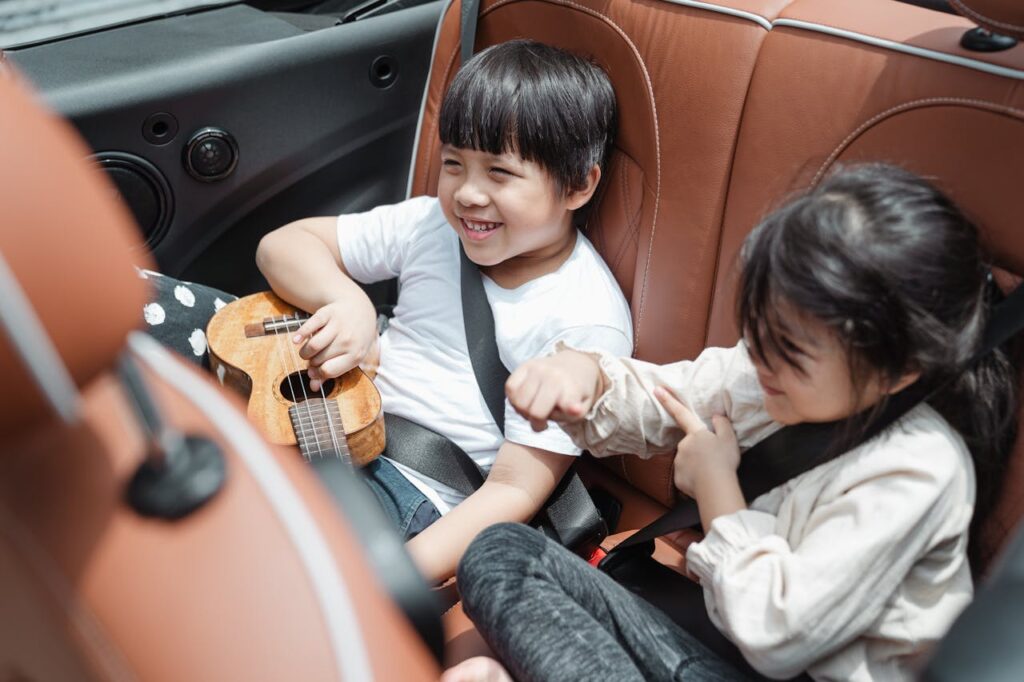
Before modern car seat laws, kids often bounced around in cars without seat belts or sat on parents’ laps. Safety wasn’t the priority it is today, and car seats were rare or poorly designed. Now, car seat regulations are strict, and parents face fines—and fierce judgment—if they skip them. Children’s safety in vehicles is non-negotiable in modern parenting. What seemed harmless then is shocking now.
Leaving Kids Home Alone at Young Ages

It wasn’t uncommon for parents to leave kids as young as six or seven home alone for hours. Parents trusted their kids to handle themselves responsibly. Today, leaving young children unattended can result in legal consequences and accusations of neglect. Parenting norms now emphasize constant supervision and safety. Independence is still valued, but the threshold for leaving kids alone has shifted significantly.
Dismissing Mental Health Struggles

In past generations, children’s emotions and mental health were often brushed off as “phases” or “acting out.” Therapy was stigmatized, and many families avoided discussing mental health at all. Now, there’s greater awareness of anxiety, depression, and neurodivergence in children. Modern parents are encouraged to seek support and listen to their kids’ emotional needs. Ignoring mental health struggles would spark backlash today.
Letting Kids Drink Alcohol at Family Events

Decades ago, it was common for parents to let kids have a sip of beer or wine during family gatherings. It was seen as harmless or even “teaching moderation.” Today, most parents and health authorities strongly advise against giving alcohol to minors. The legal and health implications are clear, and social norms have shifted toward stricter rules. What was once casual is now considered irresponsible.
Public Shaming as Discipline

Parents once believed in scolding or humiliating kids in public as a way to “teach a lesson.” Public punishment, like making kids hold embarrassing signs, was viewed as effective. Today, public shaming is widely criticized for causing emotional harm and damaging parent-child trust. Social media has also amplified the backlash against humiliating disciplinary tactics. Kindness and privacy are now core values in discipline.
Gendered Toys and Strict Gender Roles
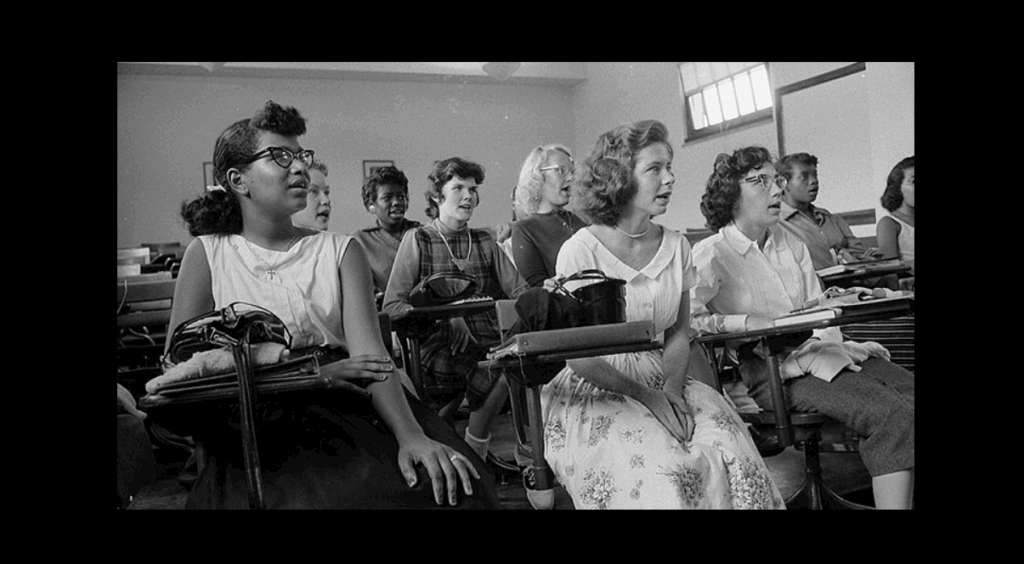
In the past, toys were heavily marketed as “for boys” or “for girls,” and parents discouraged kids from crossing those lines. Boys got trucks and science kits; girls got dolls and play kitchens. Today’s parents are more open to gender-neutral toys and letting kids explore their interests freely. Strict gender roles are seen as limiting and outdated. Parents now encourage kids to be themselves without stereotypes.
Allowing Kids Unrestricted Sun Exposure

Tanning was once trendy, and many parents believed sunlight was purely healthy for kids. Sunscreen use was inconsistent, and kids often played outside all day without protection. Today, parents are hyper-aware of skin cancer risks and sun damage. Sunscreen, hats, and shade breaks are musts for outdoor play. Unrestricted sun exposure for kids would cause serious backlash now.
Feeding Babies Solid Foods Too Early
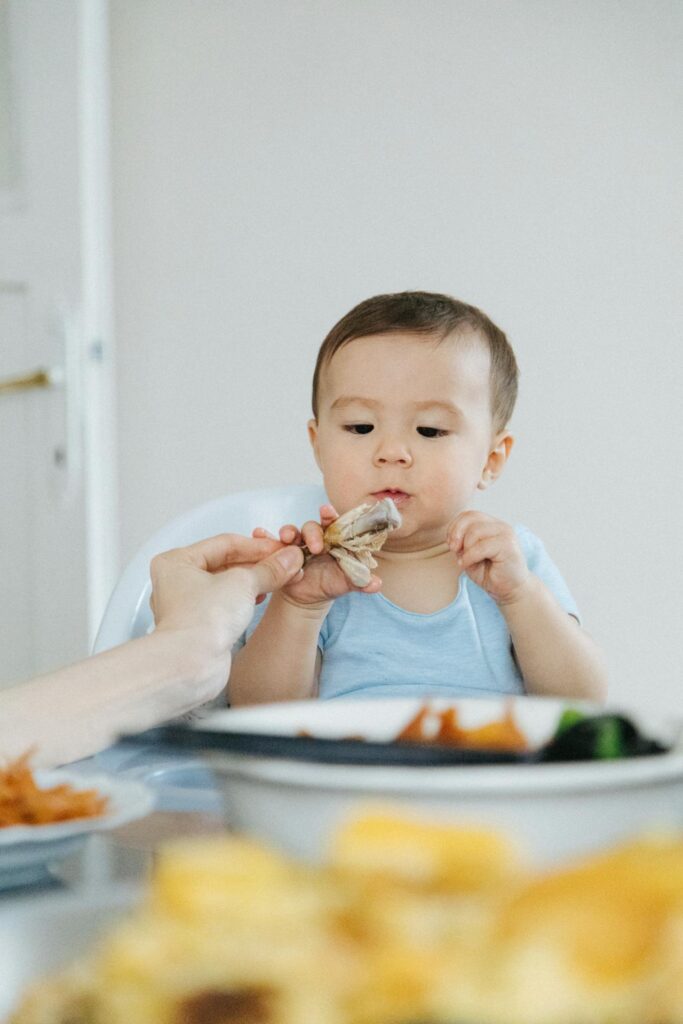
In past generations, parents were often told to introduce cereal or solids as early as a few weeks old. It was believed to help babies sleep longer or gain weight. Today, pediatric guidelines advise waiting until around six months to start solids. Early feeding is linked to allergies and digestive issues, and parents face criticism for starting too soon. Old advice would be met with concern today.
Using Unsafe Baby Gear
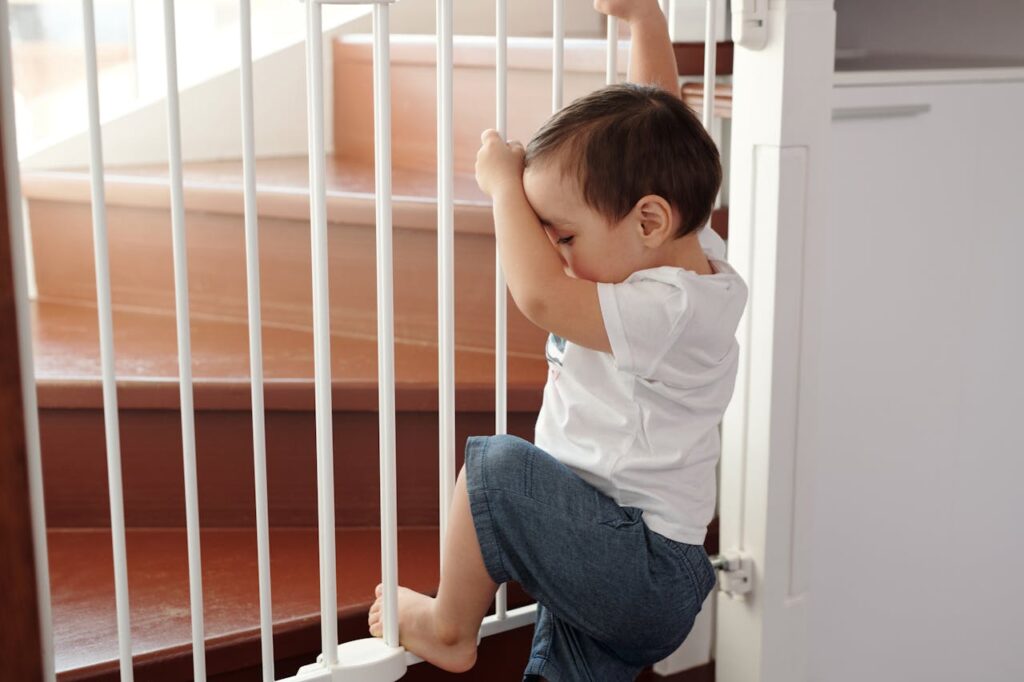
Parents used to rely on baby gear that would be considered dangerous now—like drop-side cribs, walkers, and old-fashioned playpens. Safety standards were looser, and recalls were less common. Modern parenting prioritizes tested, regulated products to prevent accidents and injuries. Using outdated or unsafe gear now sparks immediate backlash and concern. Safety has become non-negotiable.
Ignoring Food Allergies
Food allergies were less recognized in past decades, and parents might dismiss a child’s reaction as being “picky.” Schools and families often made little effort to accommodate allergies. Today, severe allergies are taken seriously, and avoiding allergens is a top priority. Parents advocating for safe environments are now the norm. Ignoring food allergies would be viewed as negligent and dangerous.
Encouraging Kids to “Toughen Up”

Decades ago, showing vulnerability was discouraged, especially for boys. Parents urged kids to “toughen up” and hide their feelings. Now, emotional intelligence and openness are valued traits. Parents are encouraged to teach empathy and allow kids to express emotions safely. The old “tough love” approach would be criticized as emotionally damaging today.
Allowing Unsupervised Outdoor Play for Long Hours

Parents once let kids roam the neighborhood until the streetlights came on, often with no way to check in. Today, many parents feel pressure to supervise or track their kids at all times due to safety fears. While some argue kids need more freedom, unsupervised play can spark backlash from concerned neighbors or authorities. The parenting landscape has shifted dramatically toward caution and vigilance.
Treating Parenting as Solely the Mother’s Job

In past decades, fathers were often less involved in day-to-day parenting, with moms expected to handle most childcare duties. Today, there’s greater emphasis on shared parenting roles and gender equality. Dads are more hands-on, and society expects fathers to be active caregivers. Suggesting that parenting is “mom’s job” would provoke backlash for being outdated and sexist. Modern families strive for balance and partnership.