
Artificial intelligence has already reshaped how we work, and it’s only getting started. While some roles will adapt and thrive, others may not survive the technological shift. Many stable, middle-class jobs that once felt safe are now on the chopping block as AI tools grow smarter and cheaper. From accountants to designers, automation is creeping into every industry. Here are fifteen middle-class jobs that experts warn could be among the first to feel AI’s full impact.
1. Customer Service Representatives

AI-powered chatbots can now handle everything from order tracking to troubleshooting. These digital helpers work nonstop, cost less than human staff, and never lose their patience. As natural language models improve, many call centers are already downsizing or shifting to automation. Human reps will still be needed for complex or emotional issues, but routine support jobs are fading fast as AI becomes the new voice on the line.
2. Paralegals

Paralegals once spent hours sorting through documents and preparing case files. AI software can now perform those same tasks in minutes, scanning thousands of legal pages for keywords and relevant data. Law firms are adopting automation to save costs and reduce errors, which means fewer entry-level opportunities for humans. The role may evolve into more client-facing and analytical work, but the document-heavy side of the job is nearly gone.
3. Accountants

Accounting used to rely on sharp minds balancing ledgers and tracking every number. Now, AI-driven bookkeeping systems can reconcile transactions and detect errors instantly. Tax preparation software has also grown more sophisticated, reducing the need for manual input. While accountants will still oversee compliance and strategy, many routine data-entry and auditing roles could disappear, turning a once-secure profession into a smaller, tech-dependent field.
4. Graphic Designers

AI tools like generative image creators and layout engines can produce ad-ready visuals in seconds. Companies that once hired full-time designers are now experimenting with automated branding tools. Human creativity still matters, especially for unique concepts, but low-level design work such as social media graphics and logos is being replaced. Designers who don’t embrace AI may find themselves competing with algorithms that never sleep or charge hourly rates.
5. Data Entry Clerks

No job symbolizes the automation wave more than data entry. AI can extract, process, and organize data with flawless accuracy. Businesses now rely on software to read receipts, scan forms, and compile spreadsheets in real time. Since it’s faster, cheaper, and doesn’t make typos, AI has almost eliminated the need for human clerks. What was once a common stepping-stone job is now a fading career in the age of machine precision.
6. Translators

Language translation has been revolutionized by neural networks that can understand context and tone. Tools like DeepL and ChatGPT now produce human-quality translations in seconds. While skilled interpreters will remain valuable for nuanced legal or literary work, much of the routine business and web translation has shifted to AI. The speed and affordability of these systems are making traditional translation roles increasingly rare in global workplaces.
7. Journalists

AI can already write sports recaps, financial reports, and even short news summaries. Many outlets use it to generate basic stories instantly, freeing editors to focus on deeper analysis. While human journalists still hold the edge in investigation and storytelling, AI threatens to dominate the quick-turn news cycle. Reporters who can’t adapt to using AI as a tool risk being replaced by systems that never miss a deadline.
8. Real Estate Agents

AI algorithms now handle property recommendations, pricing predictions, and even virtual home tours. Many buyers start and finish their searches online without ever meeting an agent. The profession is becoming less about personal connection and more about managing automated tools. As tech platforms simplify buying and selling, traditional agents could see their commissions shrink and their roles shift toward marketing and negotiation only.
9. Loan Officers

AI-based credit scoring and risk assessment tools are changing the lending industry. Automated systems can evaluate applications faster and more consistently than humans. Banks now rely on predictive models to decide who gets approved. Loan officers may still play a part in large or complex deals, but the bulk of routine evaluations are being handled by algorithms that never take breaks or make subjective calls.
10. Administrative Assistants

Scheduling meetings, writing emails, and managing records used to require dedicated office staff. Now AI tools like virtual assistants can perform these duties effortlessly. Many organizations are downsizing support roles as automation becomes more reliable. The new reality may favor hybrid positions where humans supervise AI systems rather than doing the repetitive work themselves, changing a once essential role into something far more technical.
11. Retail Sales Associates

From AI-powered kiosks to personalized shopping apps, automation is changing how people buy. Many stores are cutting back on sales staff as customers prefer self-checkout and online guidance. AI can predict preferences, recommend outfits, and process transactions instantly. While some high-end or boutique shops will keep human interaction, the typical retail associate is at serious risk as digital storefronts dominate the consumer experience.
12. Insurance Underwriters

AI can analyze massive amounts of data to determine risk profiles with stunning accuracy. That means insurance companies can price policies, detect fraud, and process claims faster than ever. Human underwriters are increasingly supervising rather than calculating, a shift that reduces the number of positions needed. Those who remain will need to focus on managing ethical, legal, and technical aspects instead of repetitive risk analysis.
13. Technical Writers

AI can generate clear, structured documentation faster than a person can type. Companies are starting to use language models for product manuals, software guides, and internal instructions. Skilled writers still hold the upper hand for creative or sensitive projects, but the demand for routine documentation is shrinking. The job will likely evolve toward editing, auditing, and guiding AI rather than creating every line from scratch.
14. Human Resource Specialists

AI now screens resumes, schedules interviews, and even predicts cultural fit based on applicant data. While HR will always need a human touch for conflict resolution and team engagement, many administrative and recruiting functions are being automated. This shift reduces the need for large HR teams, especially in mid-sized organizations. Future specialists may focus more on interpreting data than managing paperwork and scheduling.
15. Truck Drivers
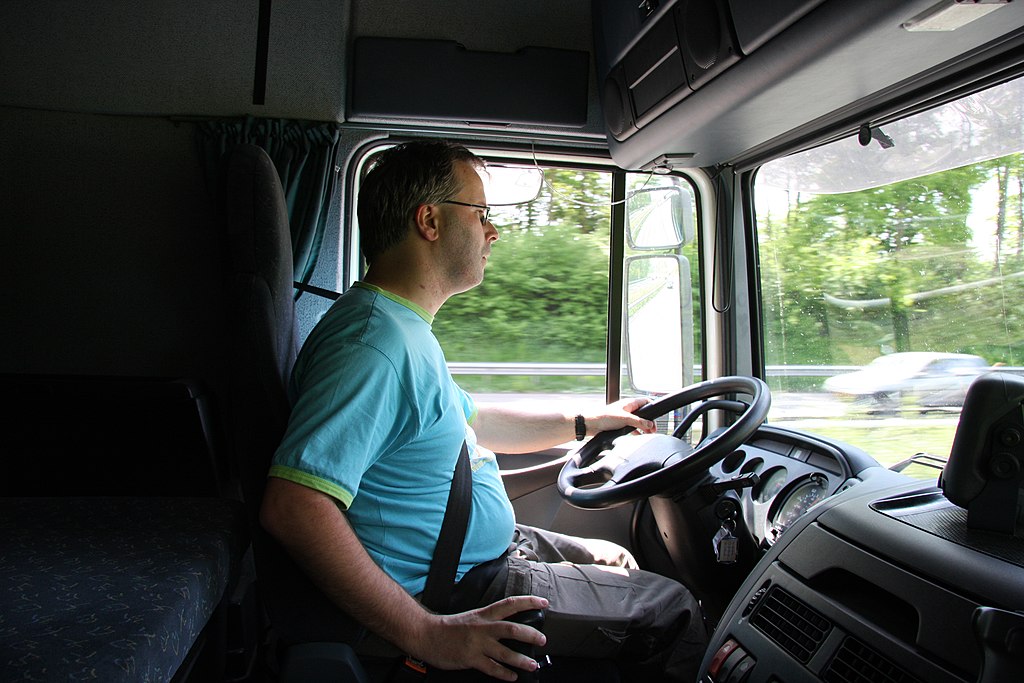
Self-driving technology is still in testing, but AI-assisted trucks are already on highways. Automated systems can handle long stretches of road, rest less, and reduce labor costs. While full autonomy is years away, companies are already preparing for a reduced workforce. Truck drivers could transition into monitoring or logistics roles, but once automation scales up, long-haul trucking as a middle-class career could be drastically reduced.
As AI continues to evolve, the nature of work will change rather than disappear entirely. The safest path forward lies in adaptability, creativity, and learning how to use AI instead of fearing it. The future belongs to those who can partner with technology rather than compete against it, redefining what middle-class success looks like in a world driven by machines.