Identity theft rarely begins with hacking or dramatic breaches. More often, it starts with ordinary social media posts that seem harmless on their own. Small details shared casually can be combined by scammers, data brokers, or impersonators into a surprisingly complete identity profile. Over time, context becomes access. What makes these posts dangerous is not intent, but accumulation. Each update adds another piece to the puzzle. Understanding how everyday sharing contributes to identity exposure helps people protect themselves without needing to disappear from social platforms entirely.
Birthday Posts That Include the Full Date

Sharing your birthday publicly feels celebratory, not risky. Yet a full date of birth is one of the most commonly used identity verification details across banks, utilities, and online services. When paired with your full name and general location, it becomes a powerful data point. Even when you do not post it yourself, tagged birthday posts from friends can expose the information. Over time, this detail can be used in phishing attempts, account recovery fraud, or impersonation schemes that rely on personal authenticity rather than technical hacking.
Photos of Boarding Passes or Travel Itineraries
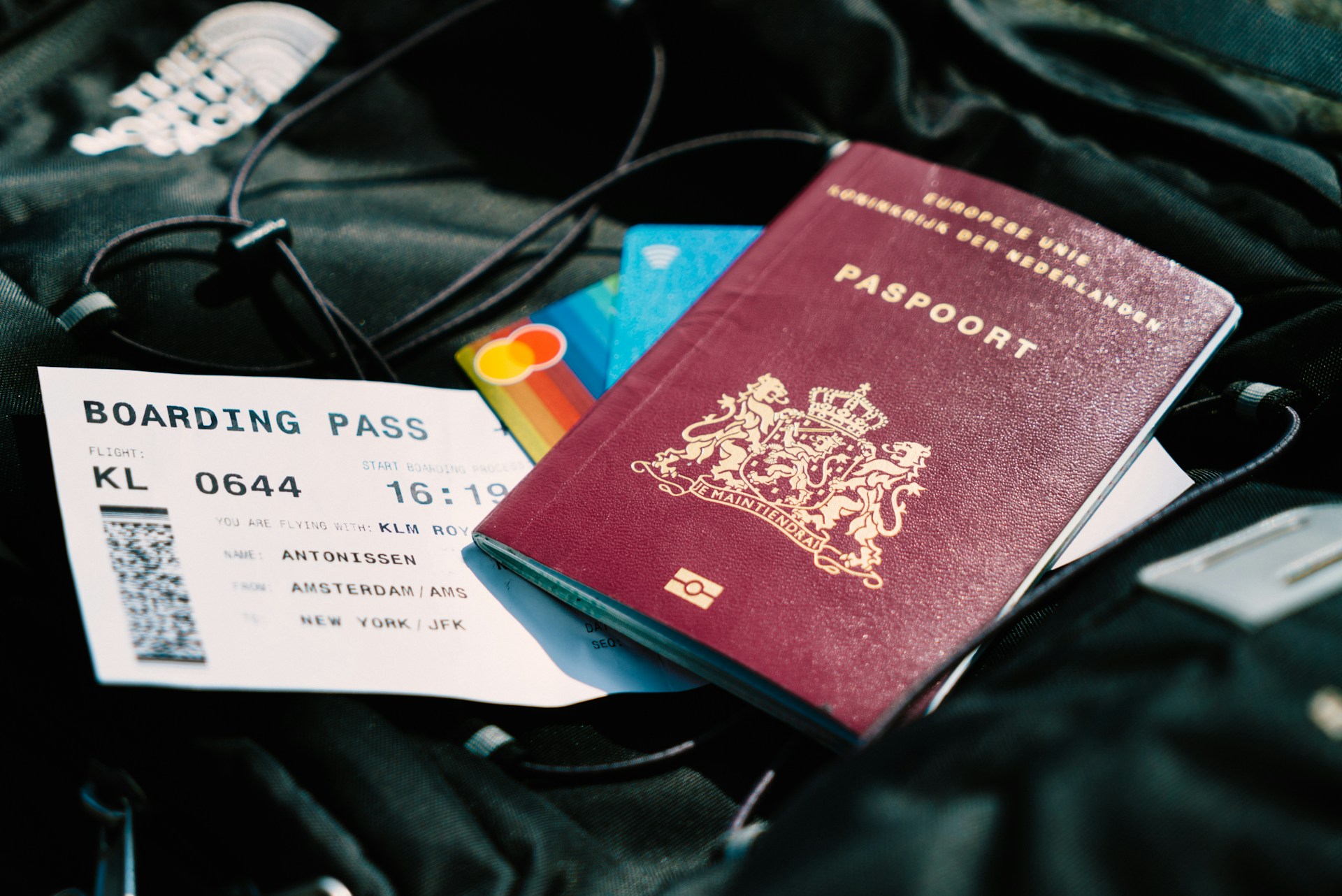
Travel posts often include photos of boarding passes, flight confirmations, or itinerary screenshots meant to share excitement. These images can contain barcodes, reservation numbers, and airline details that outsiders know how to exploit. Beyond account access, travel posts also signal absence from home and predictable timelines. Criminals do not need full access to cause harm. Partial information can be enough to impersonate travelers, redirect bookings, or time scams when someone is distracted and unreachable.
Announcing a New Job or Promotion in Real Time

Posting about a new job or promotion feels professional and positive, but it also reveals employer names, job transitions, and timing. Scammers use this information to craft targeted phishing emails that appear to come from HR, managers, or internal systems. These messages feel credible because the context is accurate. Career announcements help attackers sound informed rather than suspicious. What feels like harmless networking content can quietly increase exposure to highly convincing workplace fraud attempts.
Pet Photos That Reveal Names and Daily Patterns

Pet posts often include names, walking routines, favorite parks, or neighborhood landmarks. These details seem trivial but are frequently used as security question answers. Over time, repeated posts can reveal daily schedules and familiar locations. Scammers rely on familiarity to lower suspicion. Knowing a pet’s name or routine can make impersonation attempts feel personal. What begins as affectionate content can unintentionally map personal habits that others can exploit.
Throwback Photos Tagged With Schools or Hometowns

Throwback posts often include school names, hometowns, or graduation years. While these feel safely in the past, educational history remains a common identity verification factor. Many security questions rely on childhood or early adult details. When combined with current information, older data strengthens identity reconstruction. The risk does not fade with time. Historical context is often exactly what scammers need to bypass verification systems designed to confirm long term identity.
Home Photos That Accidentally Show Mail or Paperwork

Interior photos can unintentionally capture envelopes, packages, or documents in the background. Names, addresses, barcodes, or account information may be visible without the poster noticing. High resolution images allow zooming and data extraction. Unlike verbal sharing, visual information feels passive and is often overlooked. Yet it can expose multiple identity markers at once. The risk comes from what is not meant to be shared but remains visible to anyone looking closely.
Public Complaints About Being Locked Out of Accounts
Posting frustrations about account lockouts or access issues signals vulnerability. It tells scammers that someone is actively struggling with authentication. Fraudsters often monitor these moments and respond with fake support messages that appear helpful. Because the frustration is real, people are more likely to trust responses quickly. The danger lies in timing. Emotional stress combined with technical confusion creates ideal conditions for social engineering attacks.
Fitness App Screenshots With Location or Time Data
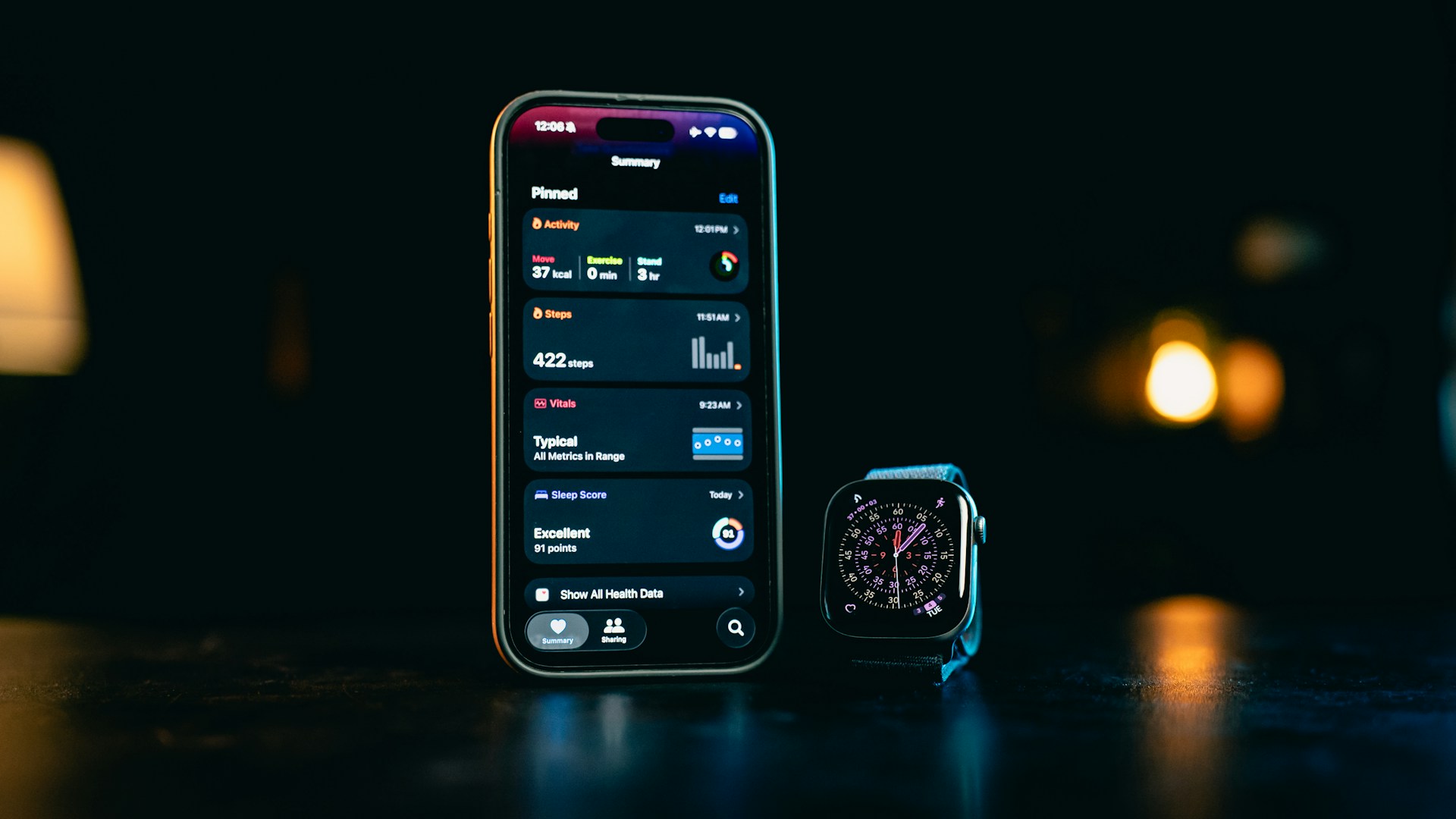
Sharing fitness achievements often includes route maps, timestamps, or location data. Over time, these posts reveal patterns such as daily schedules, frequently visited areas, or times when someone is away from home. Consistency is what creates risk. One post means little, but repeated sharing builds predictability. This information can be misused for stalking, targeted scams, or timing based exploitation. What feels like motivation content can quietly expose routine behavior.
Family Tree, Ancestry, or Genealogy Updates
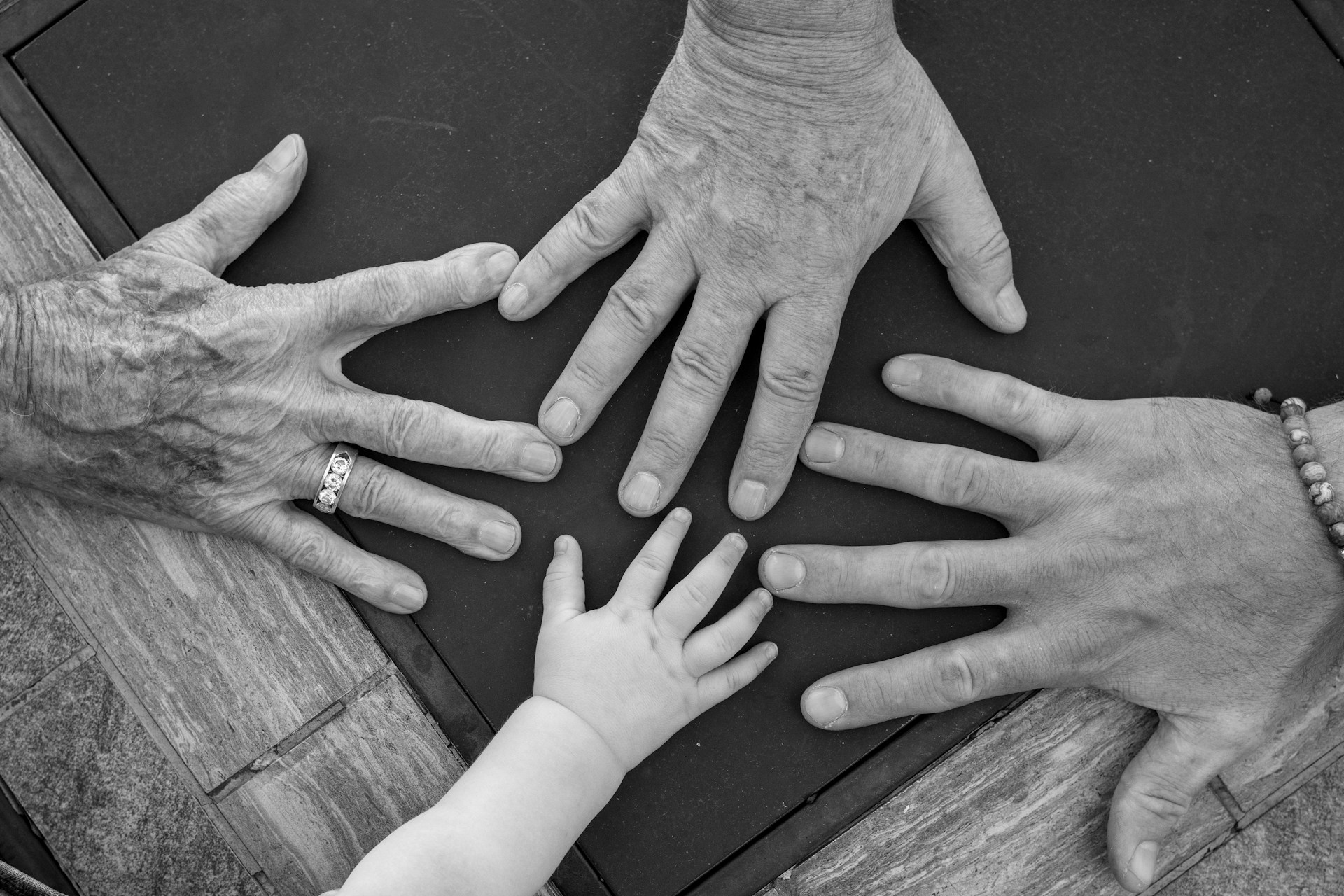
Genealogy posts often share full names, maiden names, birthplaces, and family relationships, sometimes spanning multiple generations. These details closely mirror the information used in security questions and identity verification systems. What feels like historical curiosity can quietly expose links scammers need to reconstruct identity profiles. Family connections also allow attackers to impersonate relatives convincingly. The risk is cumulative. Each relationship adds credibility. Identity theft often relies on relational data, not just individual facts, which is why genealogy sharing carries more exposure than most people expect.
Publicly Answering Viral Question Prompts
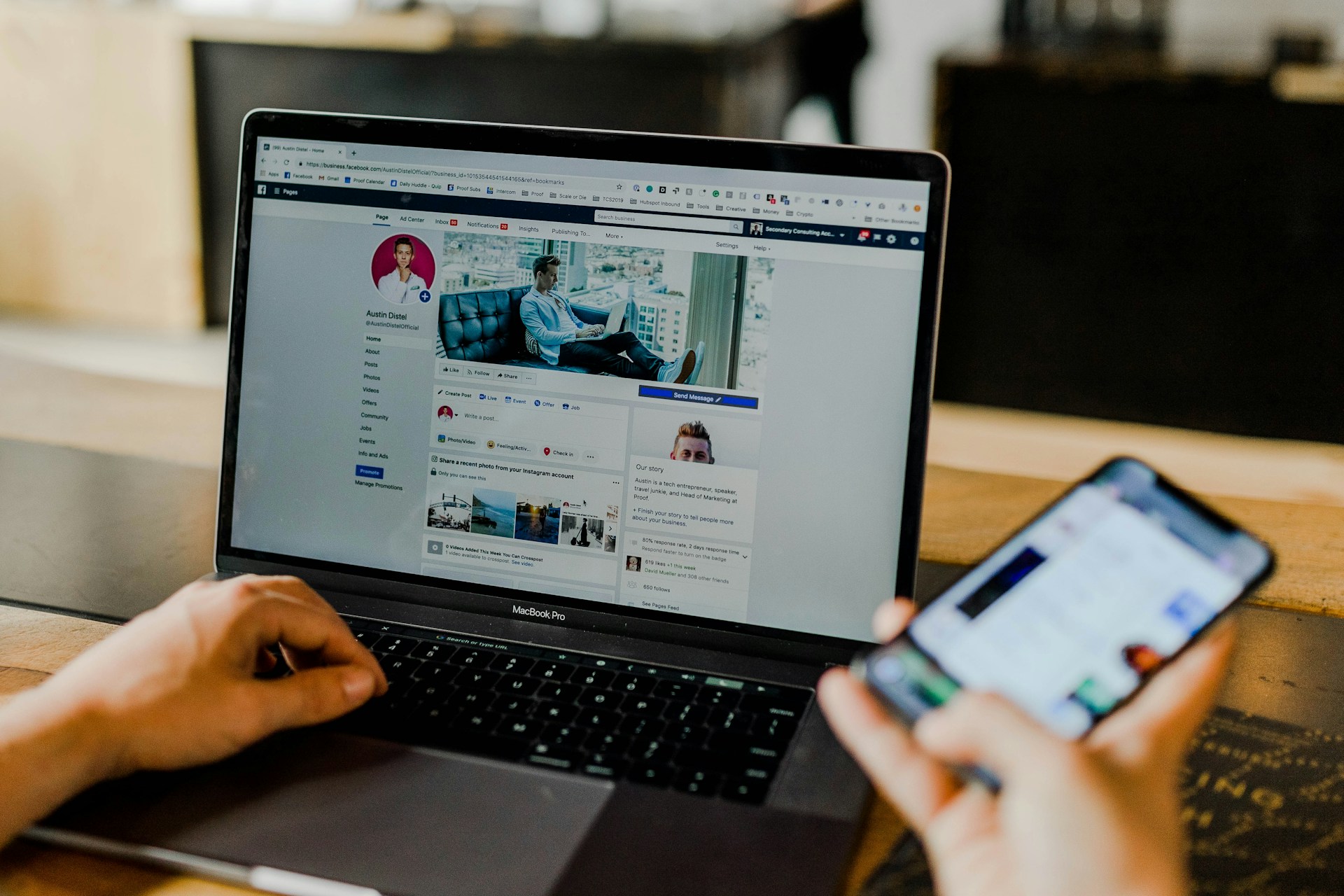
Seemingly fun prompts asking about first cars, childhood nicknames, favorite teachers, or street names are common across platforms. Unfortunately, these questions closely resemble security questions used by banks and online services. Answering them publicly creates a searchable record of personal identifiers. Individually, answers feel meaningless. Together, they form a profile that can be exploited during account recovery attempts. These posts are especially risky because they encourage oversharing through social participation rather than intent.
Photos of New Credit Cards, Packages, or Deliveries
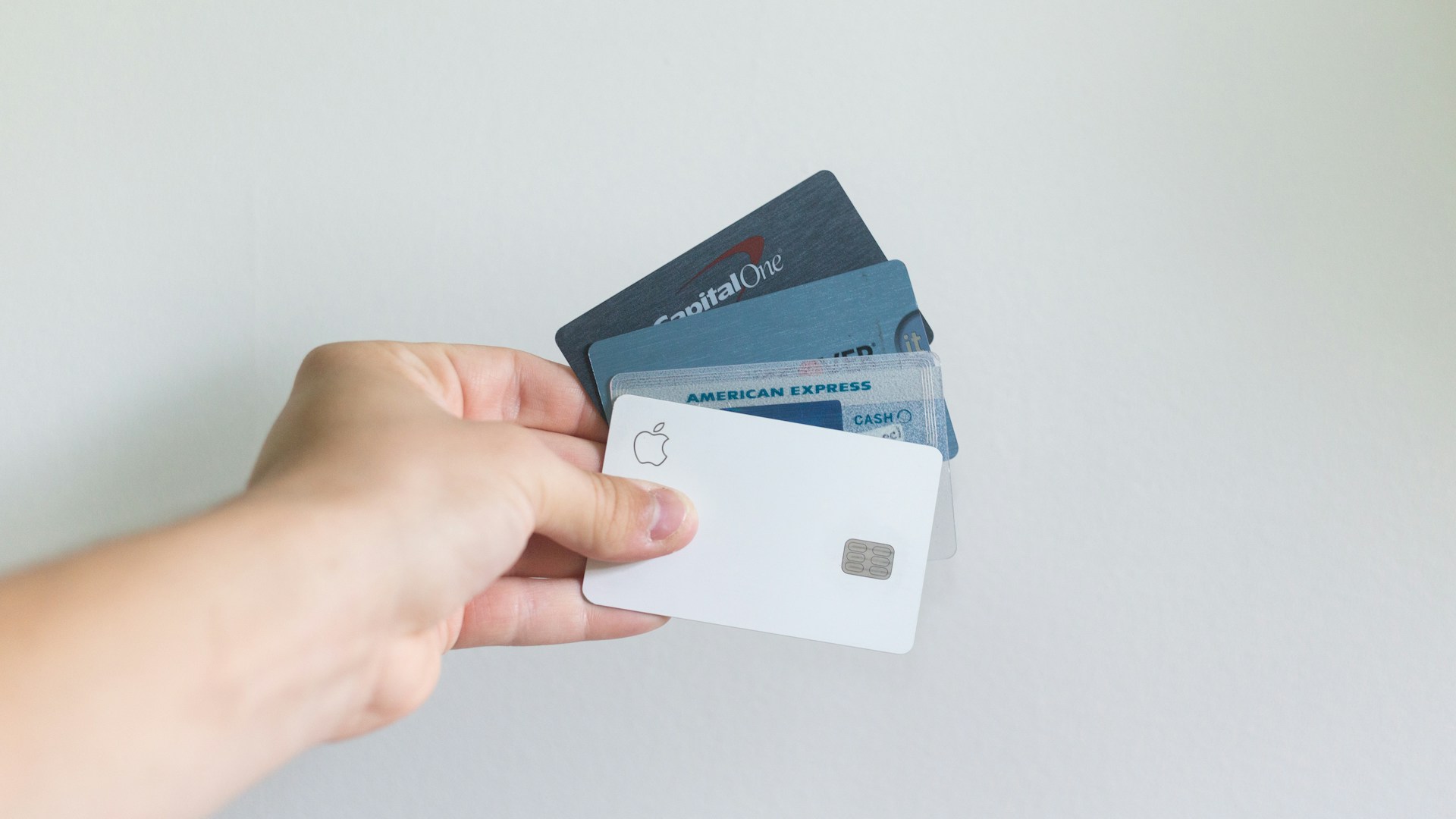
Posting new cards, packages, or mail deliveries can reveal issuing banks, card designs, delivery timing, and address confirmation. Even partially obscured details can be useful to scammers. Timing matters. New accounts are especially vulnerable during setup phases. Criminals use this information to craft targeted financial fraud attempts that feel legitimate. The excitement of receiving something new often overrides caution, making these posts quietly risky despite appearing celebratory.
Sharing Exact Move In Dates or Home Purchase Milestones

Posts about moving, closing on a home, or settling in often include exact dates and location context. These transitions involve paperwork, utility changes, and financial activity, making them attractive targets for fraud. Scammers know that people are distracted during moves. Public timelines help attackers time phishing attempts effectively. What feels like a joyful milestone can unintentionally signal vulnerability during periods when identity verification systems are actively in use.
Posting About Medical Visits or Health Providers

Medical posts shared for support or updates can reveal provider names, appointment timing, or insurance context. Health related information is increasingly valuable in identity theft and insurance fraud. Even vague references can be combined with other data points. Because people trust healthcare institutions, scams using medical context feel especially convincing. The risk lies not in seeking support, but in unintentionally revealing identifiers tied to sensitive systems.
Kids’ School Events, Uniforms, or Classroom Photos
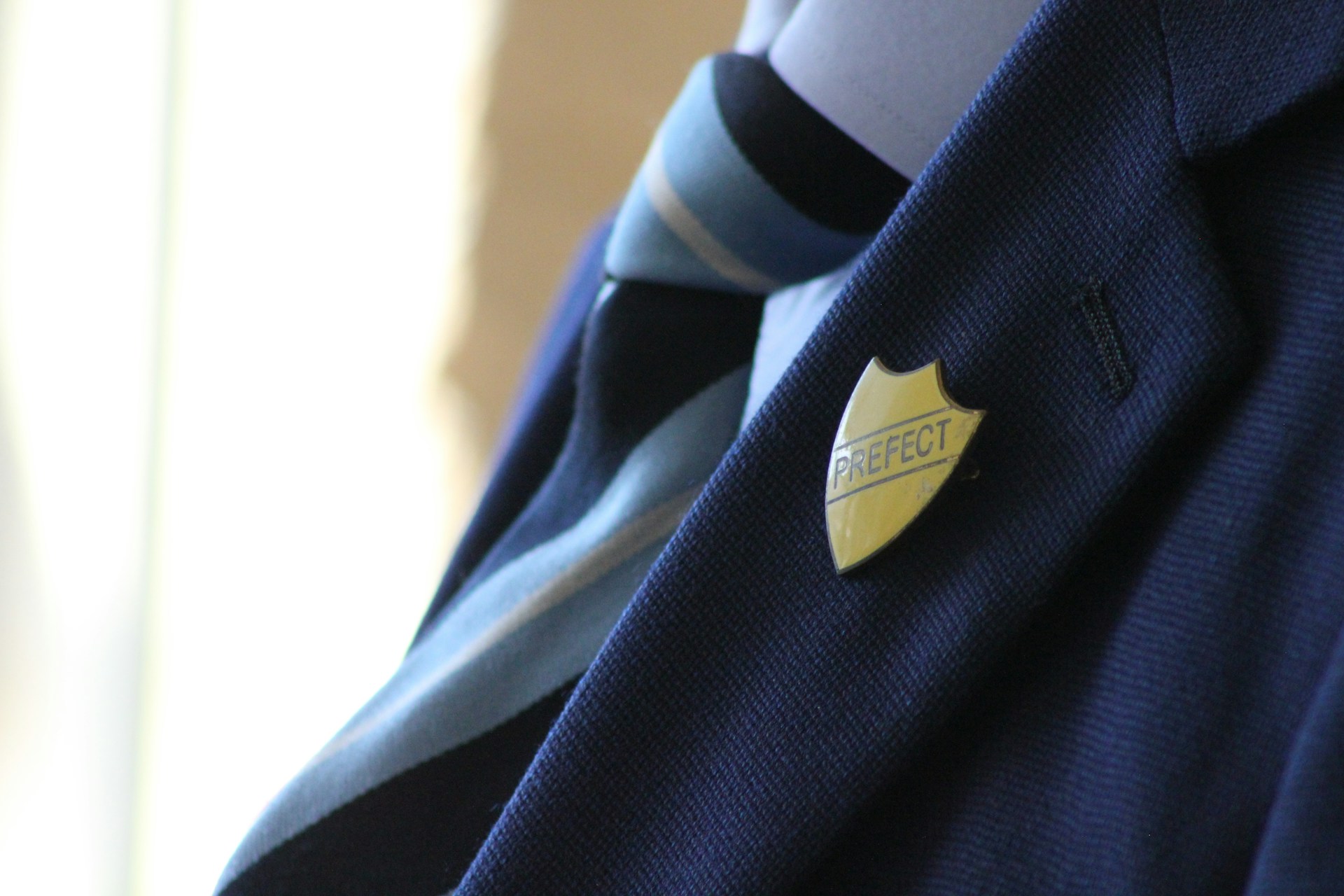
Photos of children at school events often reveal school names, mascots, uniforms, or schedules. These details can be misused for impersonation or social engineering attacks targeting families. Criminals rely on familiarity to gain trust. Knowing a child’s school creates credibility. While sharing pride is natural, public visibility increases exposure. Children cannot consent to long term data sharing, making parental awareness especially important.
Public Complaints About Banks, Airlines, or Service Providers

Posting frustrations about banks, airlines, or utilities signals opportunity to scammers. Fraudsters actively monitor complaints and respond with fake support accounts offering help. When emotions are high, people are more likely to click links or share details quickly. The danger is not the complaint itself, but the response it attracts. Public frustration creates a window where trust is lowered and urgency is high.
Identity risk rarely comes from one obvious mistake. It builds quietly through everyday sharing that feels safe in isolation. Awareness does not require fear or withdrawal, only intention. Understanding how small details combine into usable identity profiles allows people to share more thoughtfully. Social media does not need to disappear from daily life, but it does need clearer boundaries. Protection begins with recognizing patterns, not eliminating connection.