History is filled with odd, dangerous, and downright shocking jobs that no one would dare do today. From climbing through chimneys to collecting leeches from swamps, people once did whatever it took to make a living. As technology evolved and safety laws improved, these strange occupations disappeared for good. Let’s explore fifteen historical jobs that thankfully remain buried in the past, reminding us how far progress and common sense have brought us as a society.
1. Leech Collector
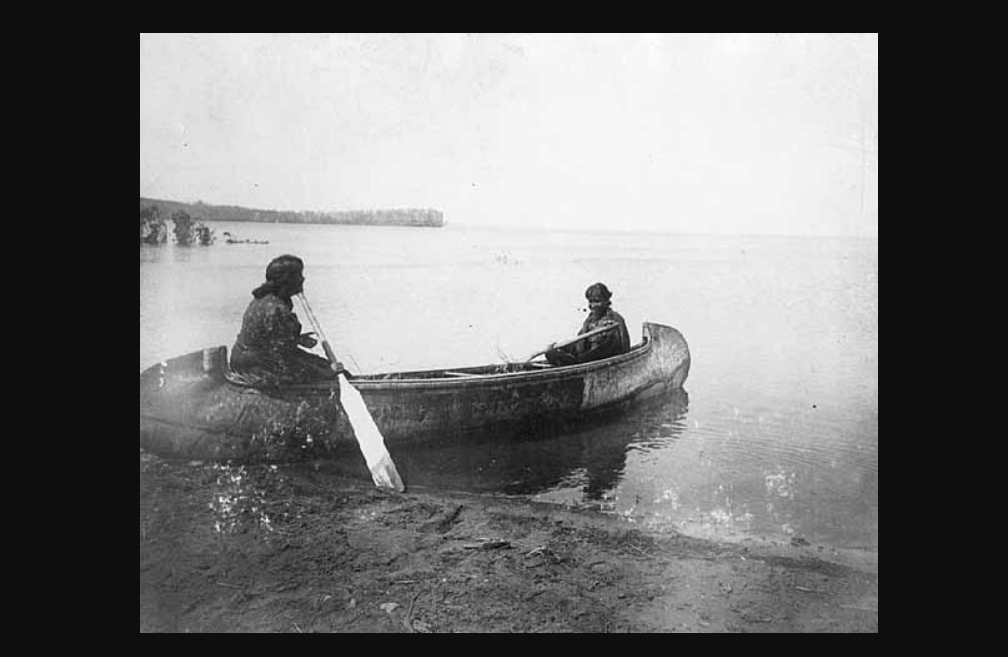
Leech collectors worked in marshes and ponds, letting leeches attach to their legs so they could harvest them for medical use. Doctors believed that bleeding a patient cured many illnesses. The collectors often suffered infections, blood loss, and fevers. It was a miserable and painful job done for very little pay. Thankfully, modern medicine replaced this medieval practice, and leech collecting has vanished into the murky corners of history where it belongs for good.
2. Chimney Sweep
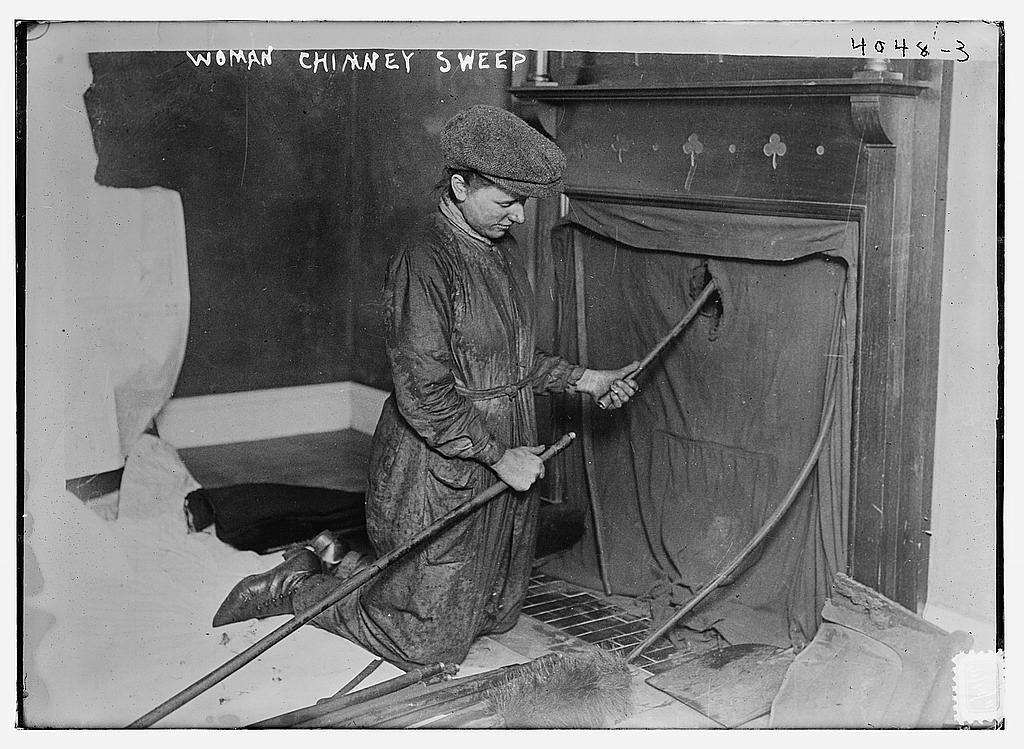
Chimney sweeps were often small children sent up narrow chimneys to scrape soot and ash from the walls. It was filthy, dangerous work that caused breathing problems and burns. Some even got stuck and died in the chimneys they cleaned. As safety laws were introduced and better tools were invented, this heartbreaking trade slowly disappeared. Today, chimney cleaning is done with brushes and machines, not children risking their lives for a few coins a day.
3. Knocker-Up
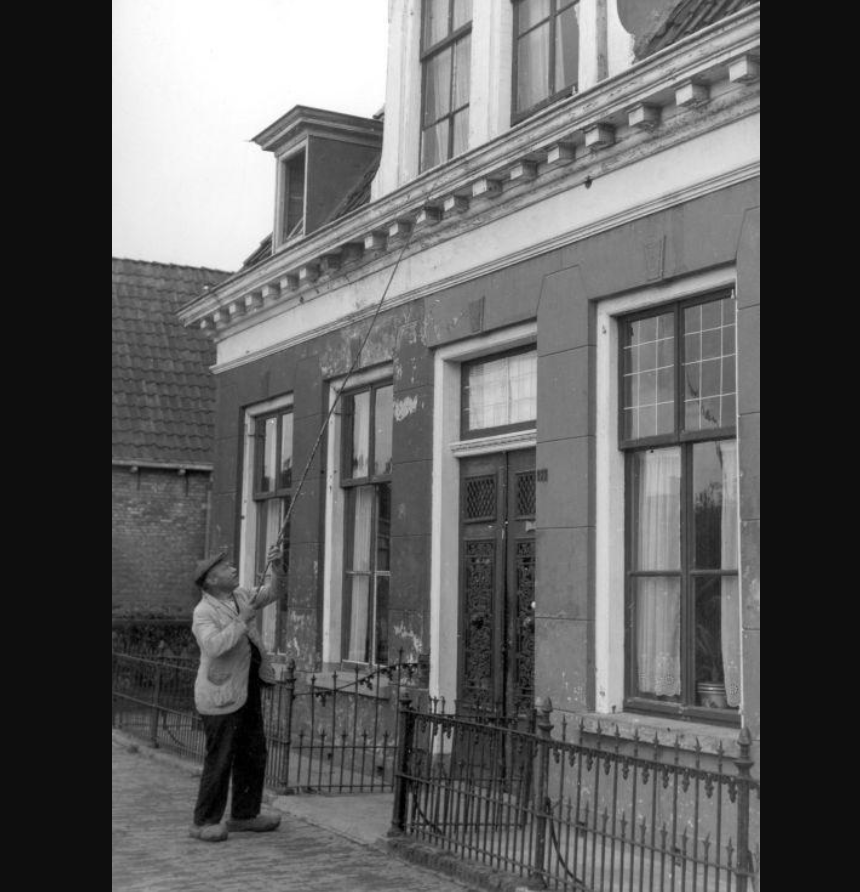
Before alarm clocks were common, people hired knocker-ups to wake them for work. Armed with a stick, they would tap on windows or doors early in the morning. They often had to walk long distances in the cold, rain, or snow just to rouse sleepy workers. When affordable alarm clocks arrived, their role quickly became unnecessary. It is hard to imagine depending on someone with a stick instead of setting an alarm on your phone before bed.
4. Rat Catcher
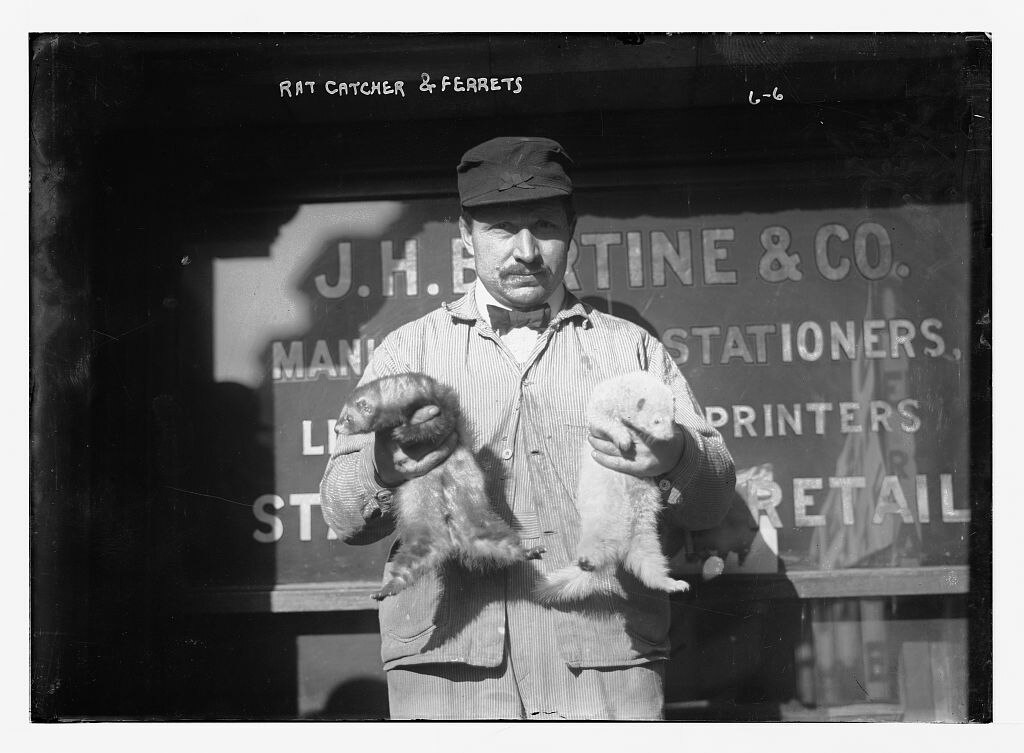
In crowded cities, rat catchers hunted rodents to prevent infestations and disease. They used traps, sticks, or their bare hands, facing bites and infections daily. Some even carried rats in cages to show proof of their work. Although they provided an essential service, the job was filthy and hazardous. Modern pest control methods eventually made rat catchers obsolete, sparing future generations from this gruesome and dangerous way of earning a living.
5. Lamplighter
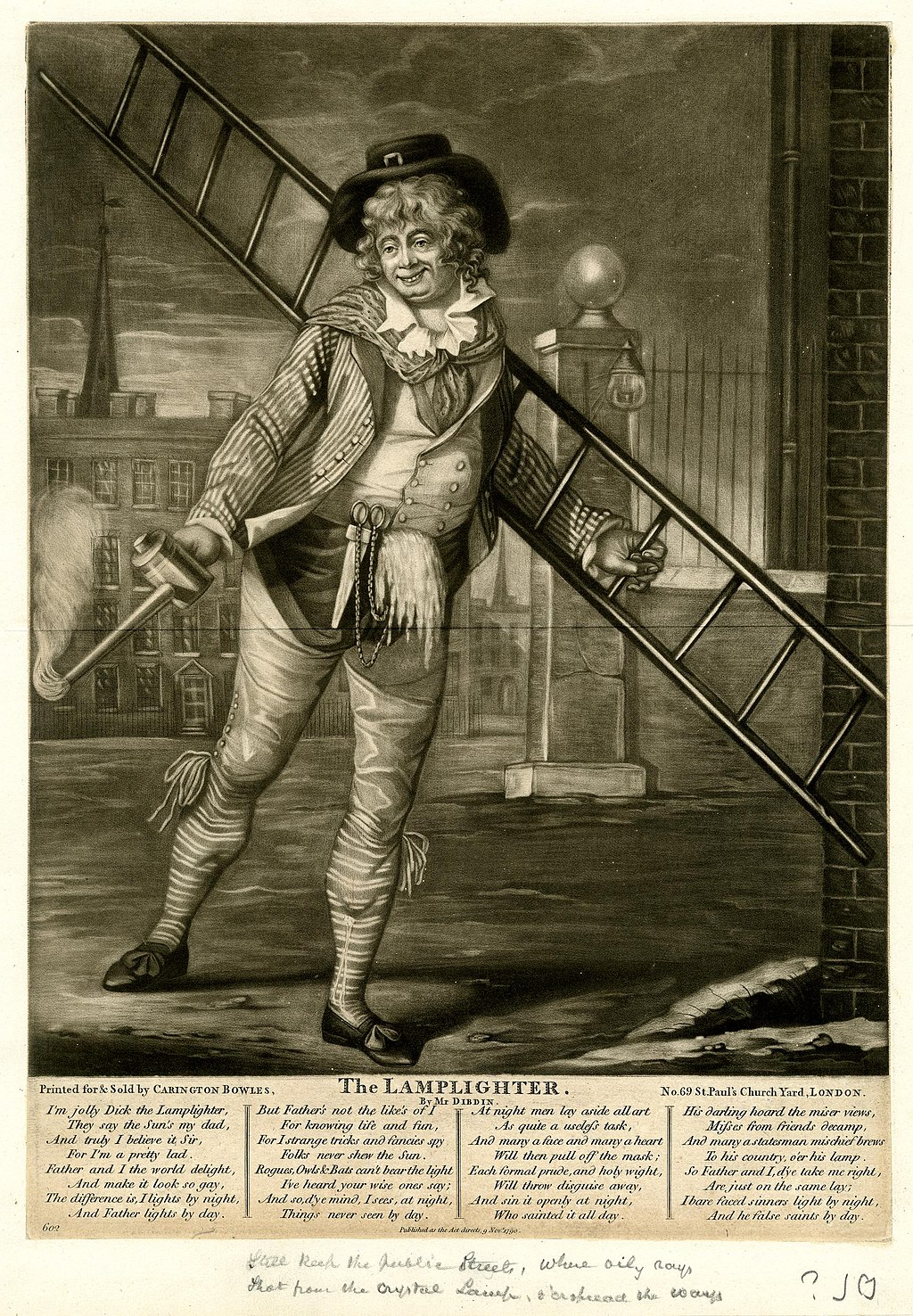
Before electricity, lamplighters climbed ladders each evening to light the gas lamps that lined city streets. They returned at dawn to extinguish them. The job required long hours, precision, and bravery, especially during storms or freezing nights. While it was once an important duty, electric lighting made it unnecessary. Today, the romantic glow of lamplighters remains only in memory, their craft replaced by switches and sensors that never sleep or tire.
6. Resurrectionist
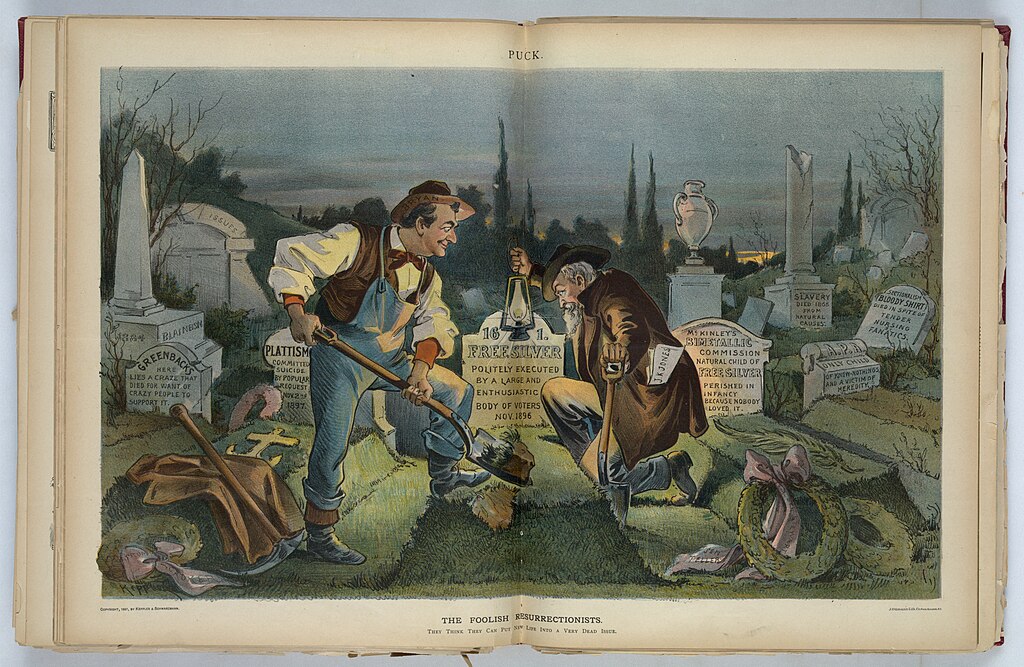
In the 1800s, medical schools desperately needed human bodies for anatomy lessons. Since legal donations were rare, resurrectionists secretly dug up fresh graves to sell corpses to doctors. It was illegal, dangerous, and horrifying work that often led to violence and public outrage. New laws allowing ethical study and donations ended the trade. This grim chapter in science reminds us how desperation and greed once overpowered respect for human dignity.
7. Switchboard Operator
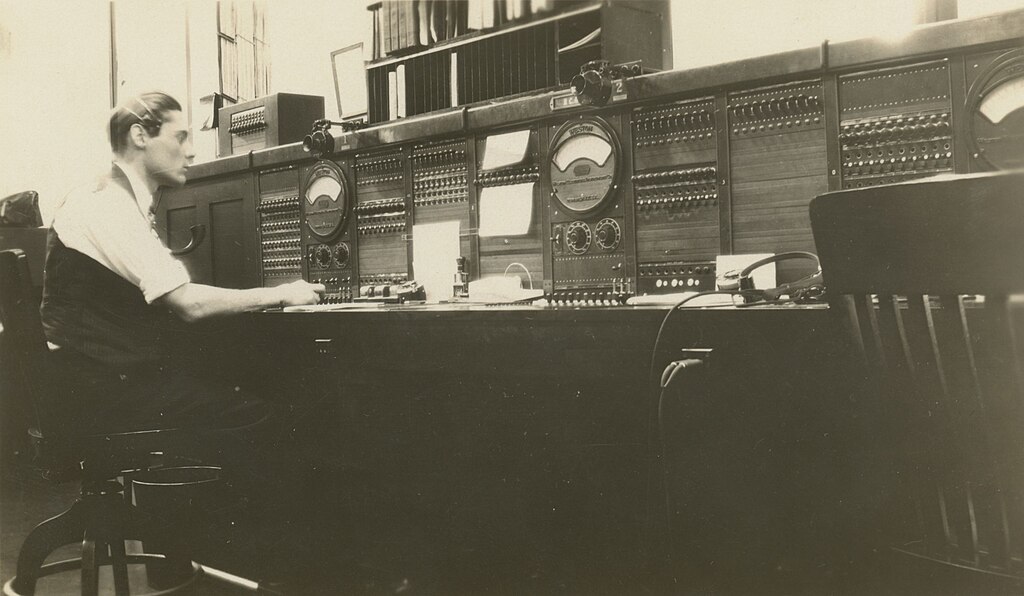
Before automatic dialing, switchboard operators connected phone calls by manually plugging wires into circuits. It was demanding work requiring attention and calm under pressure. Operators often handled hundreds of calls each day, juggling voices and emotions through tangled cords. As technology advanced, their job vanished, but they remain an important part of communication history. They connected people long before the world went digital and made connection effortless.
8. Ice Cutter
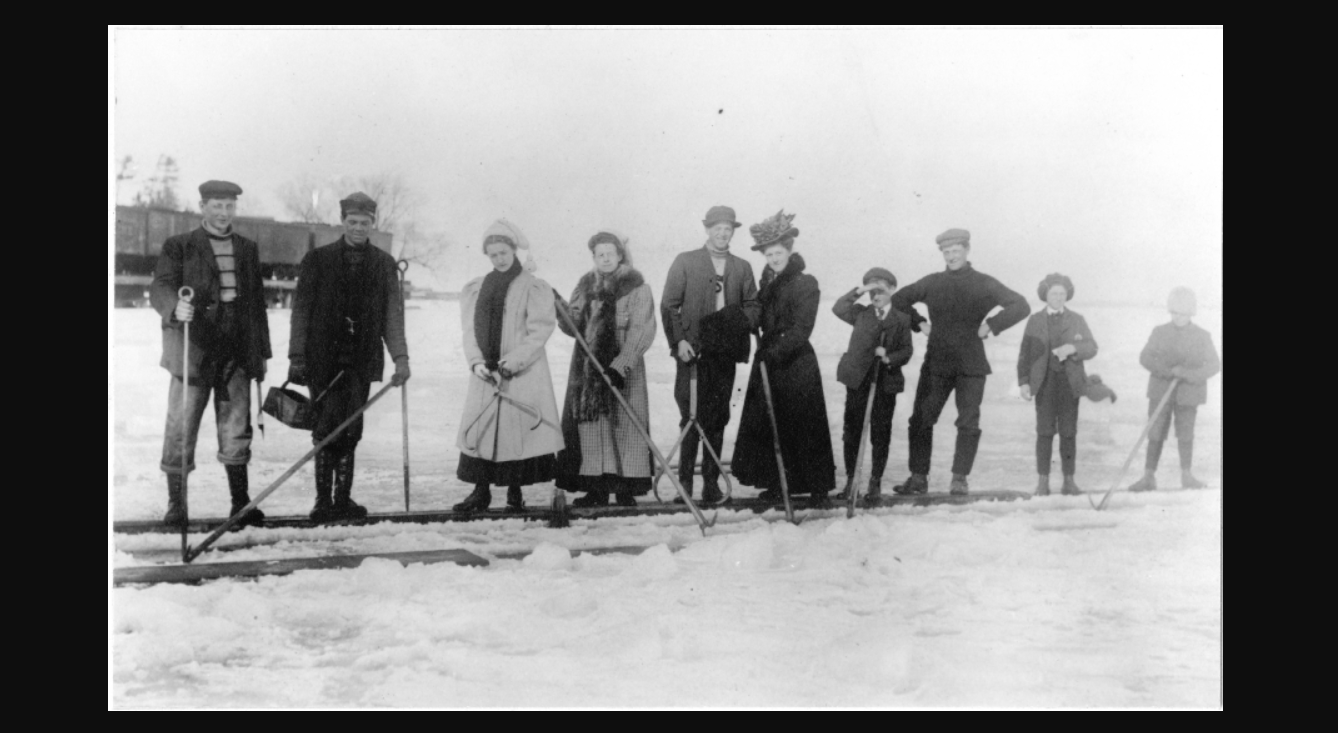
Before refrigerators, ice cutters worked on frozen lakes in winter, sawing massive ice blocks by hand and hauling them to icehouses. It was freezing, backbreaking labor done in dangerous conditions. Many workers fell into icy waters or lost limbs to saws. When electric refrigeration arrived, ice cutting disappeared almost overnight. Today, we open a freezer and take cold for granted, forgetting the brutal effort that once kept food from spoiling.
9. Powder Monkey
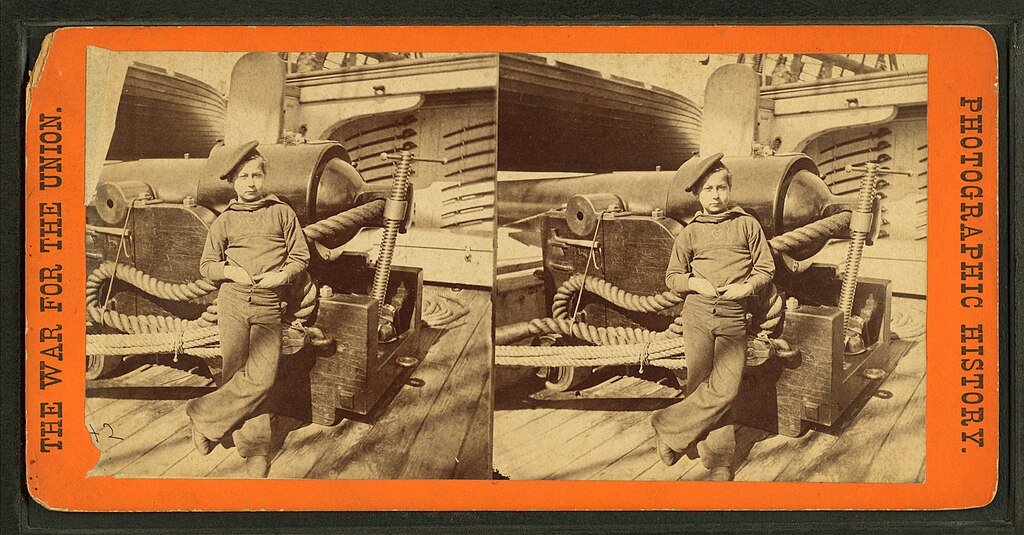
On naval ships, powder monkeys were usually young boys tasked with carrying gunpowder to cannons during battles. The job demanded speed and nerve, as one spark could end their lives instantly. It was considered an honor yet came with terrifying danger. As warfare evolved and new technology replaced manual loading, this deadly occupation was erased from naval life, leaving behind a stark reminder of the risks young sailors once faced at sea.
10. Lector
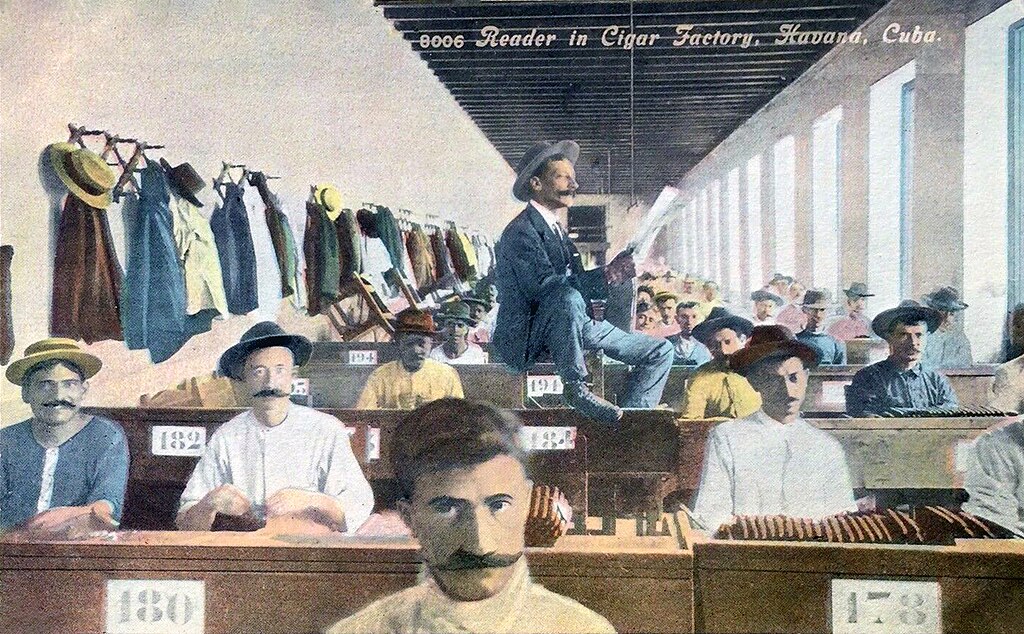
In early 20th century cigar factories, lectors were hired to read newspapers, books, and stories aloud to workers. They brought knowledge and entertainment to long days of repetitive labor. When radios became affordable, lectors were no longer needed. Yet their role symbolized a time when education and connection were shared by voice alone, proving that even in tough jobs, people have always craved words, stories, and the power of human expression.
11. Milkman
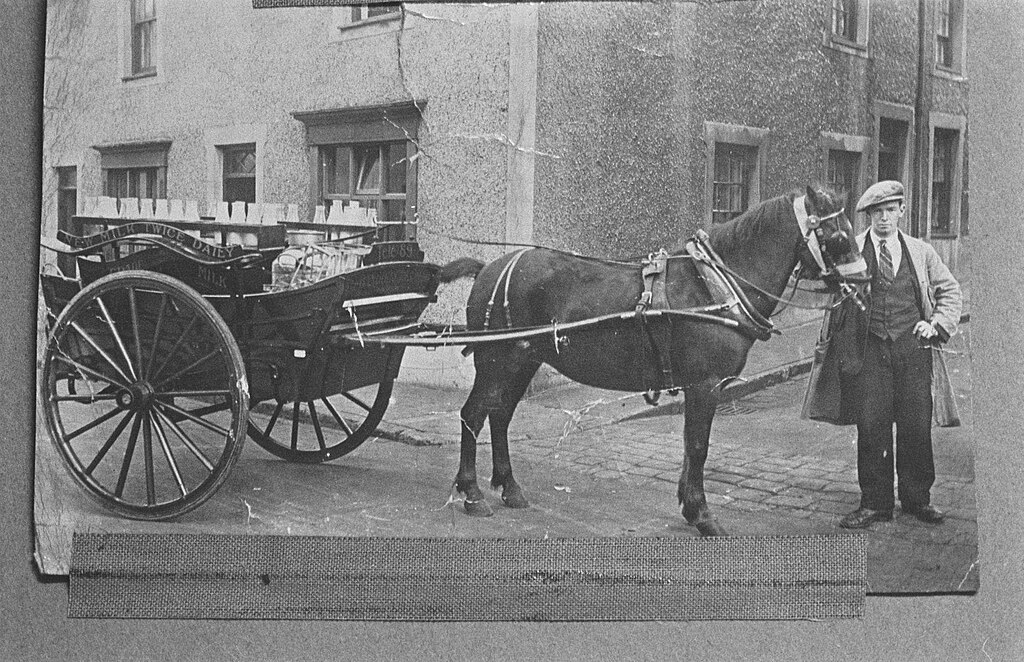
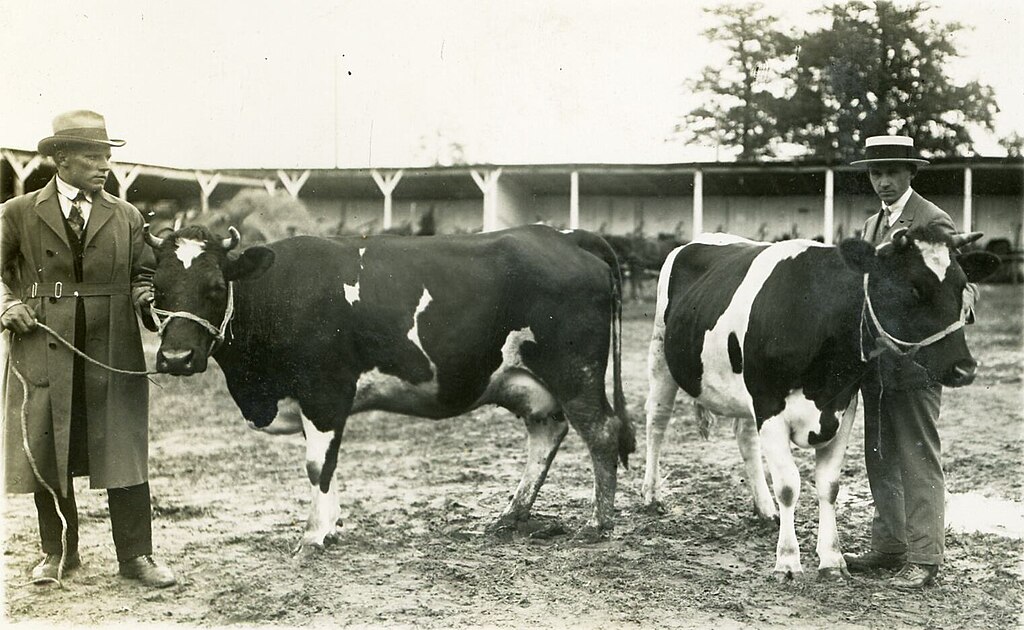
Every morning, milkmen delivered fresh bottles right to people’s doors, collecting empties for reuse. It was a reliable and friendly service that connected neighborhoods. As grocery stores grew and refrigeration spread, the need for daily delivery faded. The milkman became a nostalgic memory of simpler times when morning routines were marked by the clink of bottles and friendly greetings instead of hurried supermarket runs and plastic packaging waste.
12. Pinsetter
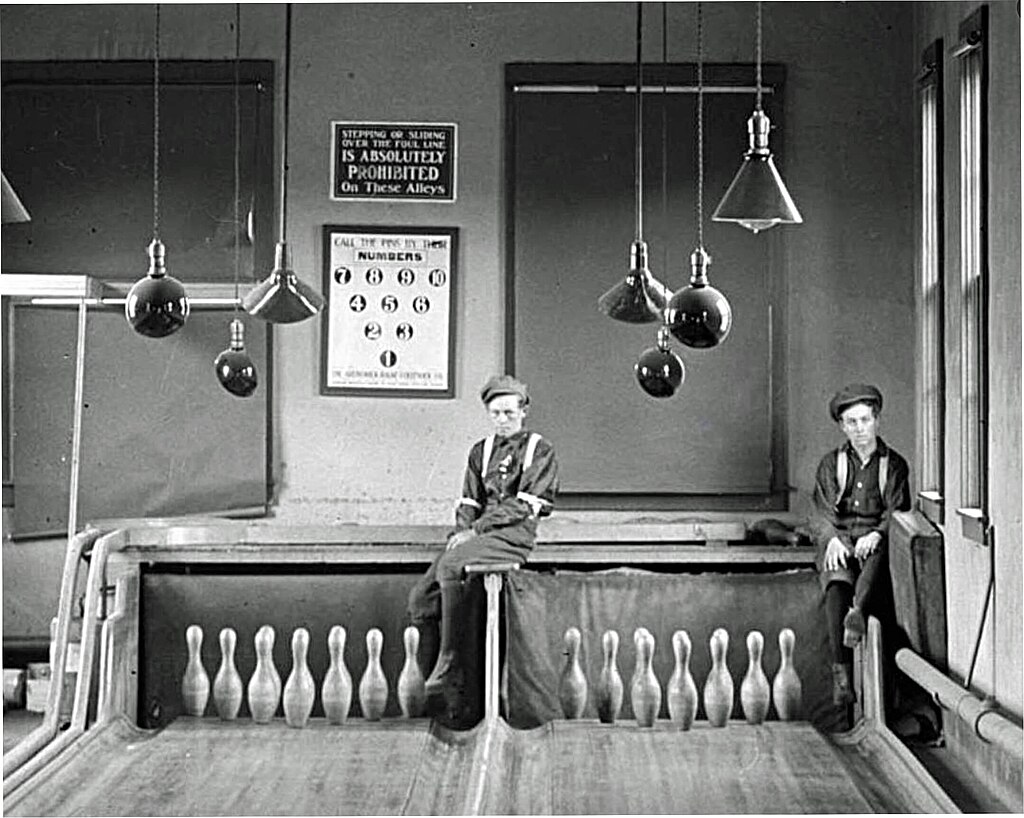
Before bowling alleys were automated, young workers called pinsetters reset pins and returned balls by hand. It required fast reflexes and focus to avoid getting hit by rolling balls. It was exhausting, noisy, and often unsafe work. Automatic pinsetting machines eventually took over, creating a safer and more relaxed bowling experience. Today, the job survives only in stories from older players who remember the sound of pins set by hand.
13. Gong Farmer
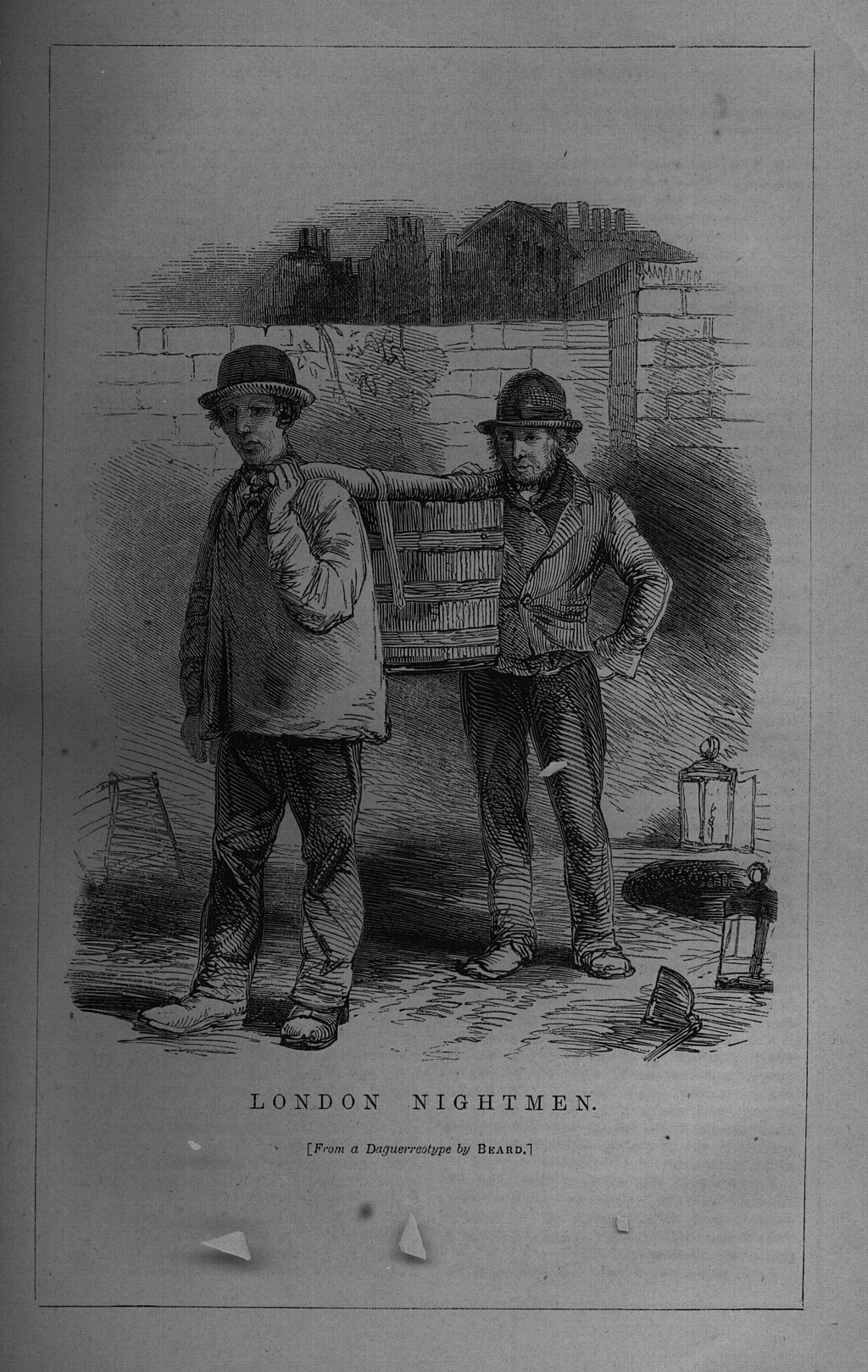
In medieval times, gong farmers were responsible for cleaning out cesspits and collecting human waste. They worked at night, endured unbearable smells, and faced serious disease risks. Despite the disgusting nature of their work, it was necessary for public health. Thankfully, sanitation systems and plumbing replaced this job entirely. Modern sewage networks ensure cleanliness without forcing anyone to handle such an unthinkable task ever again.
14. Typist Pool Worker
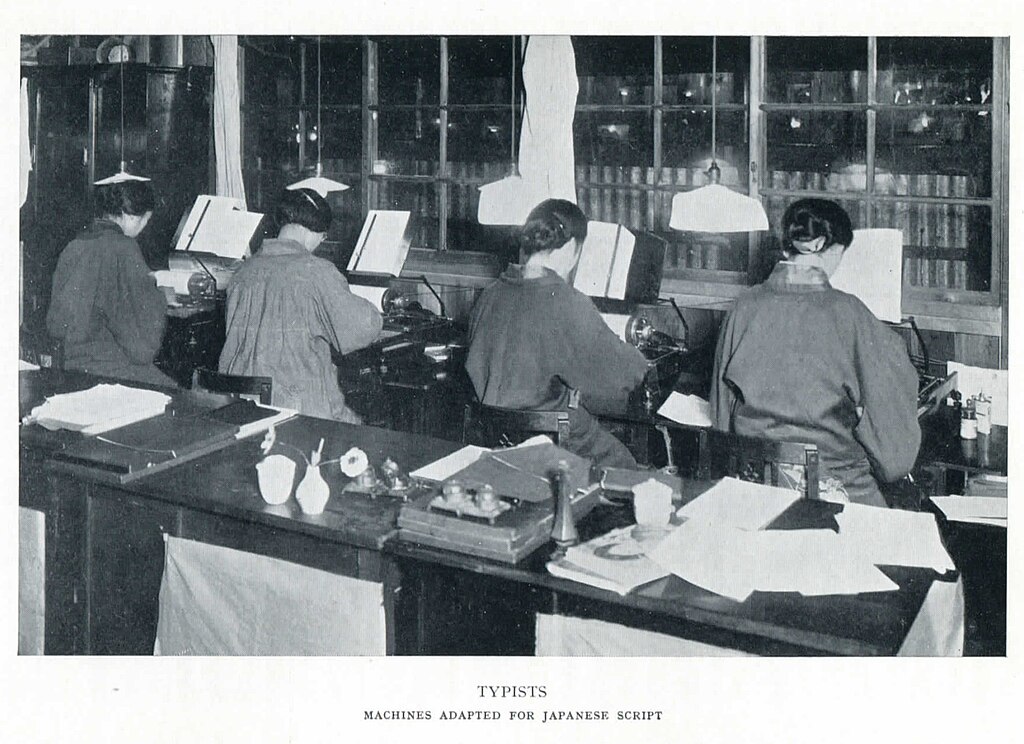
Before computers, offices employed pools of typists who spent hours transcribing letters and documents. The job required accuracy and endurance, with supervisors often standing by to check for errors. The arrival of personal computers and word processors changed everything, making typing a part of everyone’s daily routine. While the role no longer exists, typist pools played a key part in the rise of modern office life and professional communication.
15. Human Alarm Clock
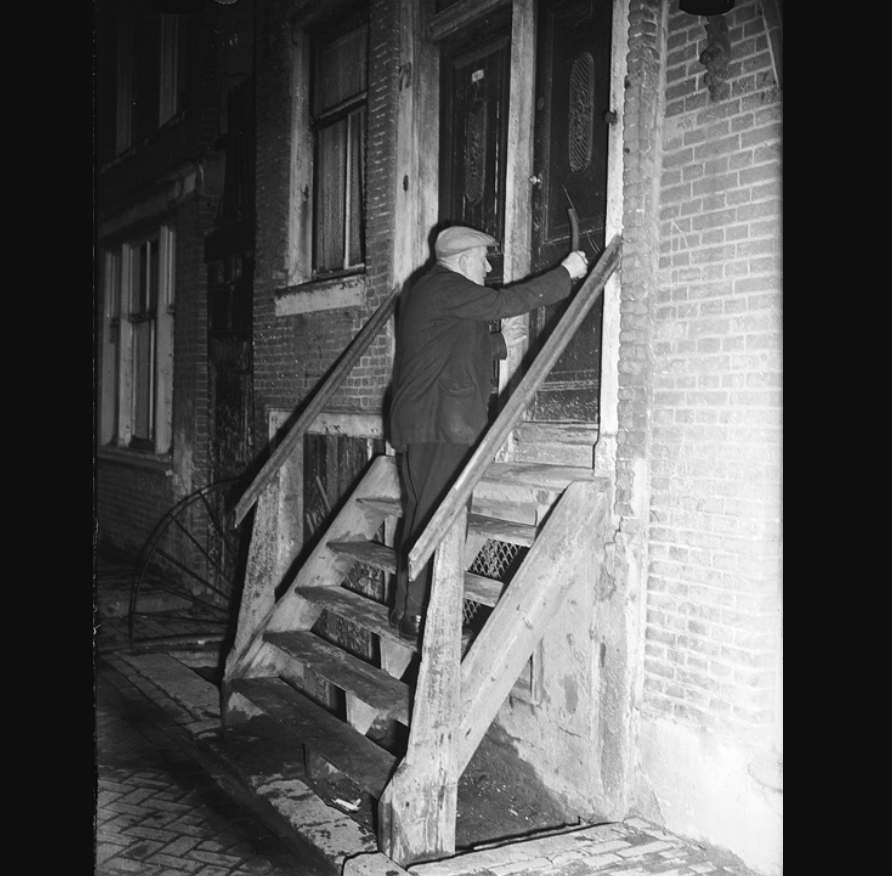
Before clocks were affordable, some people worked as human alarm clocks, knocking on doors or ringing bells to wake clients on time. They were expected to be reliable, rain or shine. Though once a valued job, it quickly disappeared when mechanical clocks became cheap and dependable. Today, the idea seems almost charming, a reminder of when waking up on time required trust, not just a tap on a glowing screen beside your bed.
These strange and sometimes tragic professions remind us how far humanity has advanced in comfort, safety, and innovation. Every vanished job tells a story about perseverance and progress, showing how technology and compassion gradually shaped a better world. While it is easy to laugh at some of these roles now, they represent the foundation of modern life, proof that even the hardest work can help build a more humane future for everyone.