Across the United States, dozens of lesser-known islands offer quiet beauty, untouched landscapes, and a break from the crowds of more famous destinations. These islands range from historic sites and wildlife habitats to peaceful coastal retreats that feel worlds away from daily life. While they may not appear on typical travel lists, many of them allow visitors to explore them responsibly and appreciate their natural or cultural significance. Whether nestled in lakes, off rugged coastlines, or tucked within protected regions, these hidden islands show a different, more intimate side of America’s geography.
Cumberland Island, Georgia
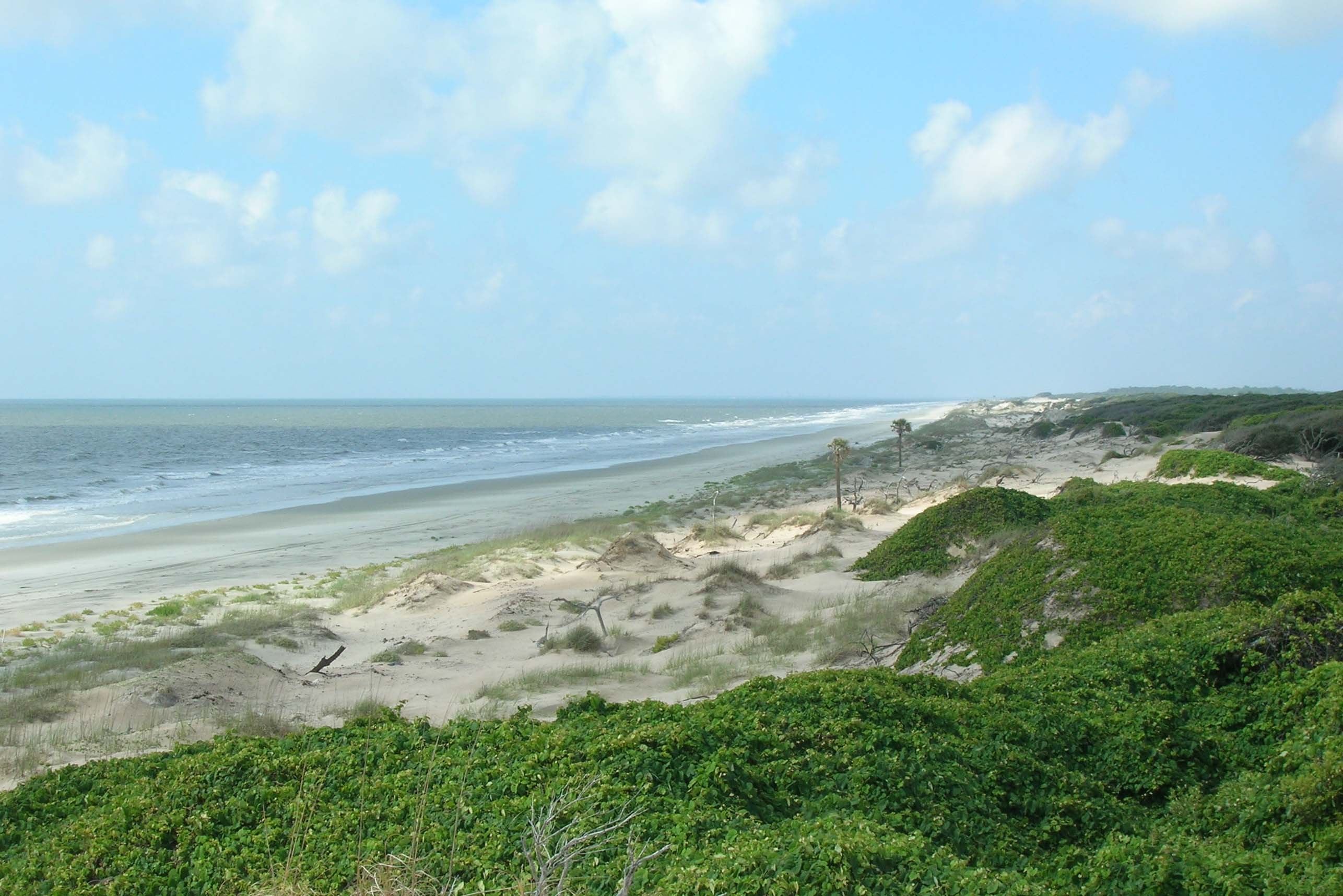
Cumberland Island remains one of the most unspoiled barrier islands in the country, known for its wild horses and oak-lined paths. Visitors can explore miles of secluded beaches, historic ruins, and quiet maritime forests. Access is limited by a passenger ferry, helping to preserve the island’s delicate ecosystem. The lack of commercial development creates a rare sense of solitude. Its combination of wilderness and subtle history makes it a remarkable hidden retreat.
Santa Rosa Island, Florida

Santa Rosa Island offers a stretch of pristine shoreline within the Gulf Islands National Seashore. Its white sand beaches and clear waters feel far removed from Florida’s more crowded destinations. The island is ideal for birdwatching, beachcombing, and peaceful snorkeling along calm coastal areas. Protected zones help maintain the natural habitats of wildlife throughout the island. Visitors experience a quieter version of Florida’s coast, emphasizing nature over nightlife.
Goat Island, New York
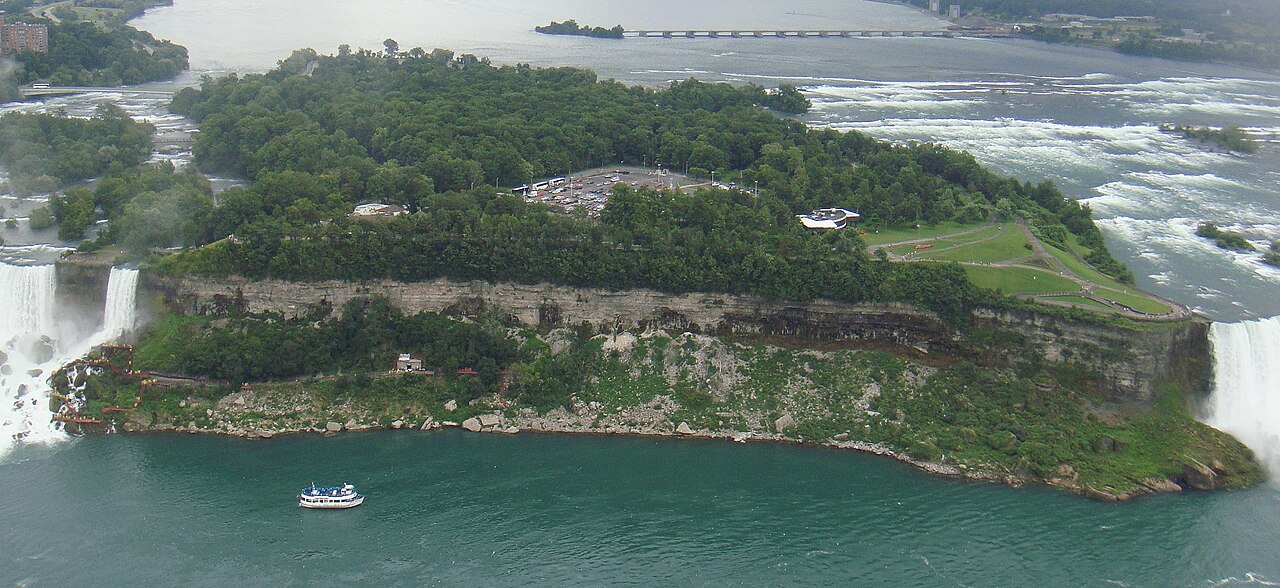
Located near Niagara Falls, Goat Island provides an unexpectedly serene perspective of one of America’s most famous landmarks. The island sits between the American and Horseshoe Falls, offering stunning views without overwhelming crowds. Trails lead through forested paths, small bridges, and scenic overlooks. Its accessibility makes it a surprising escape despite being surrounded by major tourist activity. Many visitors find Goat Island offers the best close-up experience of the falls.
South Manitou Island, Michigan
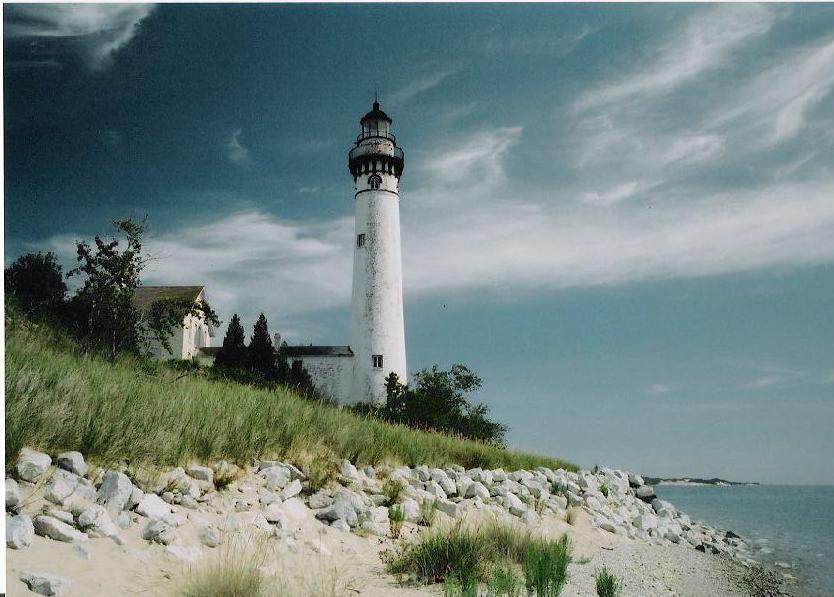
South Manitou Island, situated in Lake Michigan, features dramatic dunes, historic lighthouses, and shipwreck sites. Accessible by ferry, it feels remote yet rich with natural variety. Backpacking, camping, and guided tours allow visitors to explore the island’s forests and windswept beaches. Its isolation creates a sense of stepping back in time. The quiet, rugged atmosphere appeals to outdoor enthusiasts seeking uncrowded wilderness.
Assateague Island, Maryland and Virginia
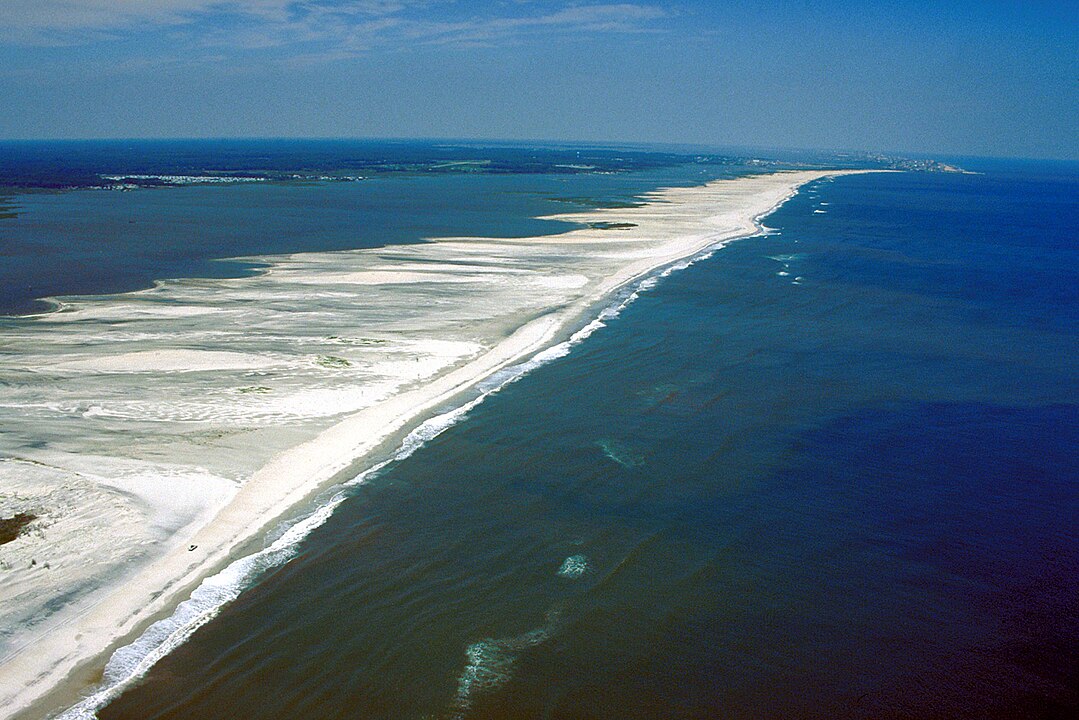
Assateague Island is known for its wild horses that roam along beaches and salt marshes. Visitors can hike, kayak, or relax on quiet stretches of coastline protected by the National Park Service. The island’s shifting sands and coastal habitats make it an important ecological region. Even with its growing popularity, large portions remain wonderfully undeveloped. Its blend of wildlife and coastal beauty gives it a peaceful, untamed character.
Channel Islands, California
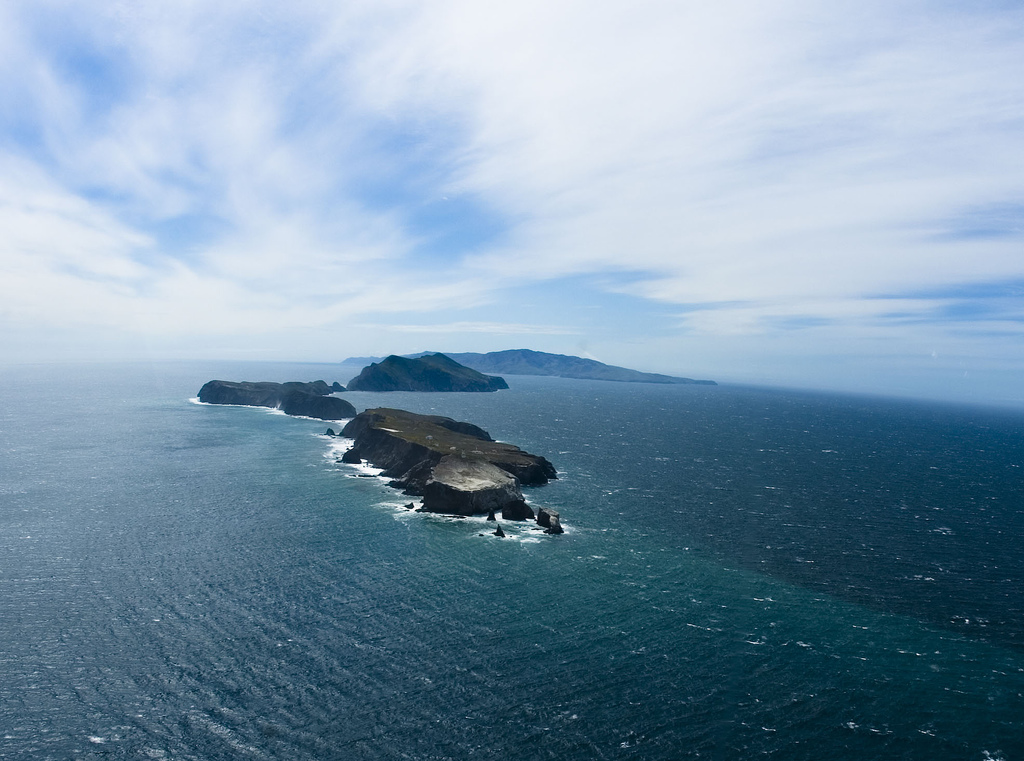
The Channel Islands offer a collection of distinct ecosystems just off the Southern California coast. Their isolation has preserved rare plants, animals, and dramatic cliffs that feel far removed from mainland life. Visitors arrive by boat and explore quiet trails, sea caves, and protected marine areas. Kayaking and snorkeling reveal crystal-clear underwater habitats. The islands provide a rare glimpse of California’s original coastal wilderness.
Sapelo Island, Georgia
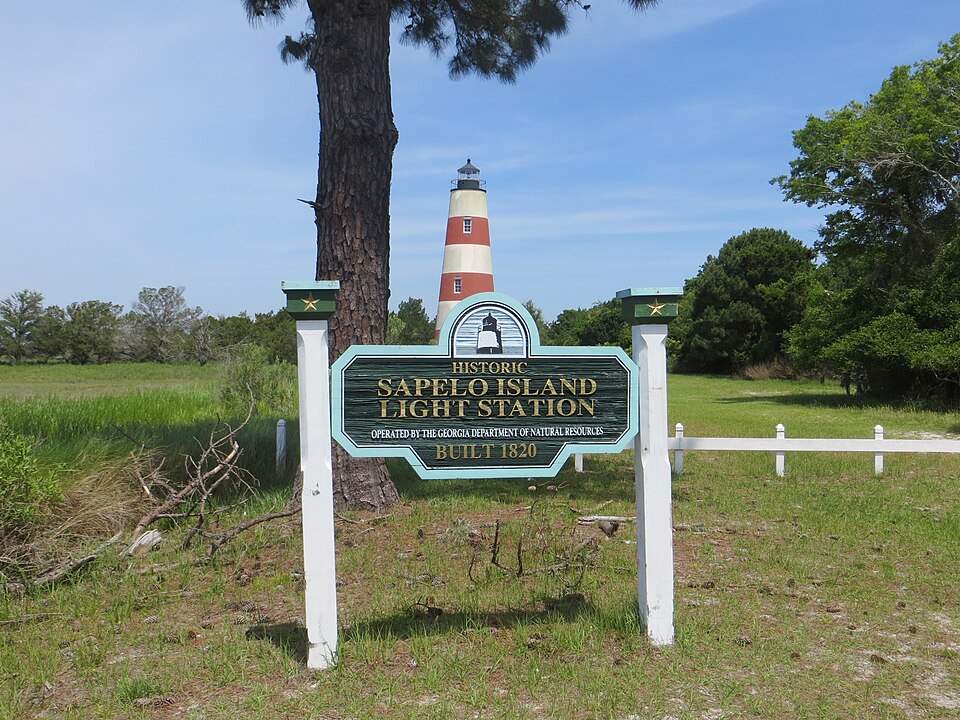
Sapelo Island is accessible only by ferry and is home to a small, historic Gullah-Geechee community. Its beaches, marshlands, and wildlife make it a peaceful, culturally rich destination. Visitors can explore preserved plantation sites, nature trails, and research facilities focused on coastal ecology. Limited access helps protect the island’s heritage and natural balance. It remains one of the most unique and educational hidden islands in the Southeast.
Angel Island, California
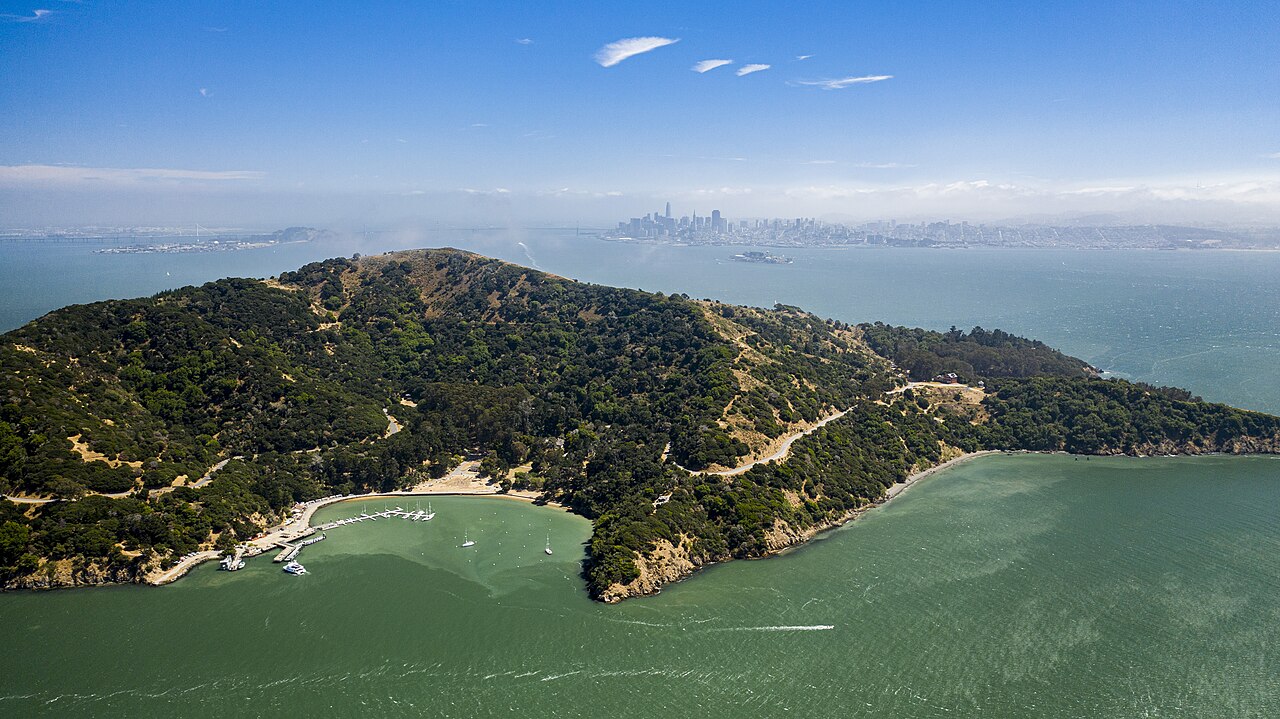
Angel Island in San Francisco Bay combines sweeping views with layered historical significance. Visitors can hike or bike around the island to discover military sites, old immigration stations, and scenic lookouts. Despite its urban surroundings, it feels surprisingly calm and secluded. The ferry ride itself offers a beautiful introduction to the bay. Many travelers are surprised by how quickly the island transports them into quieter, reflective spaces.
Fire Island, New York
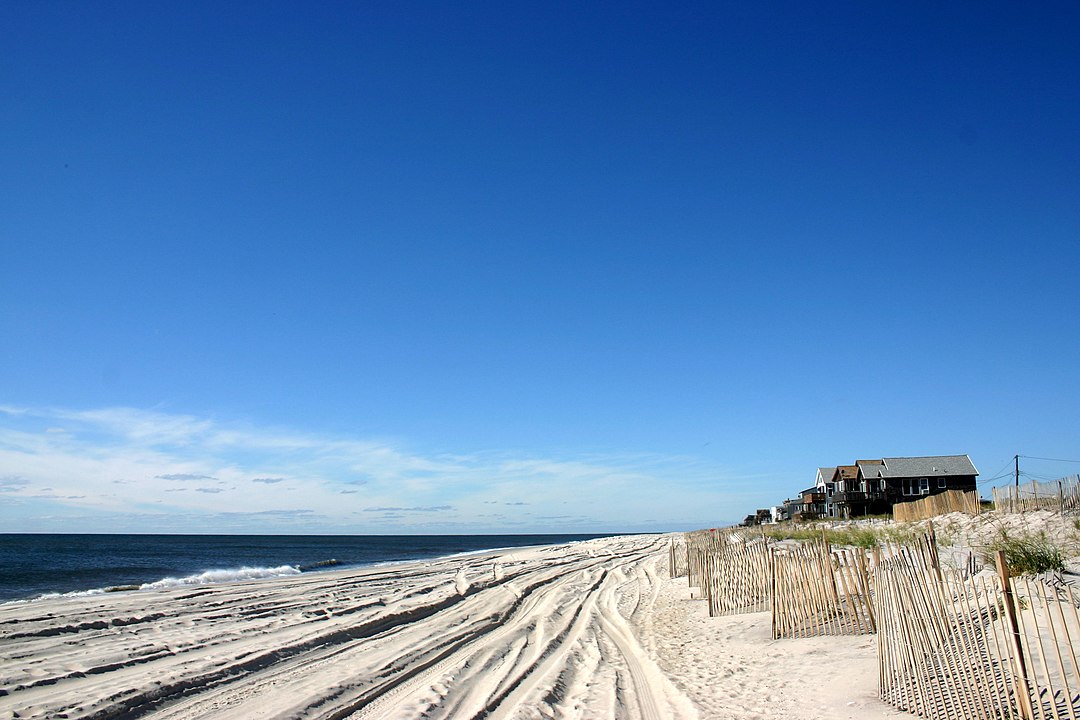
Fire Island lies just south of Long Island and offers a car-free environment filled with dunes, small communities, and tranquil beaches. Its protected national seashore areas allow visitors to enjoy long walks without commercial interruption. Wildlife habitats thrive throughout the island, especially in forested and marshy regions. The absence of vehicles creates a relaxed pace rarely found near major cities. It’s a favored retreat for those seeking simplicity and natural beauty.
Dry Tortugas, Florida
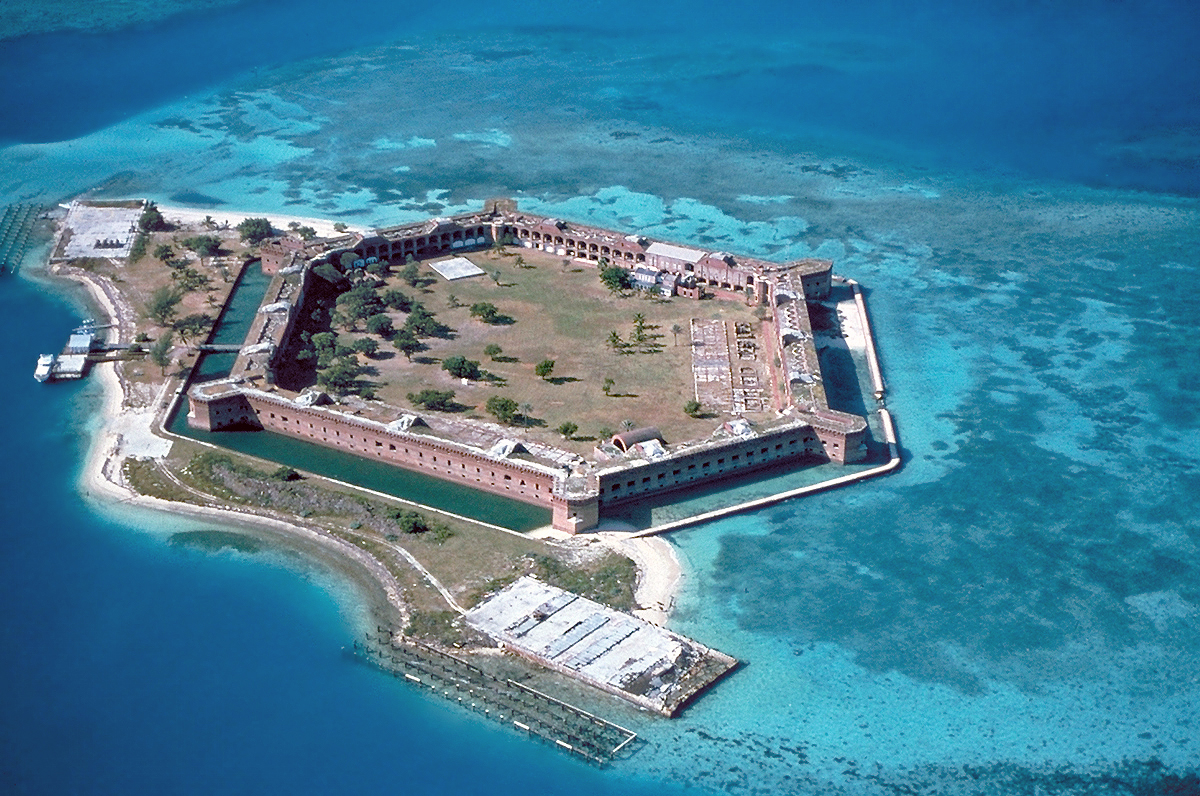
Located west of Key West, Dry Tortugas National Park features turquoise waters and the historic Fort Jefferson. The island chain is accessible only by boat or seaplane, adding to its secluded charm. Snorkeling around coral reefs and shipwreck remnants offers exceptional underwater experiences. The quiet, remote setting contrasts starkly with the vibrancy of the nearby Keys. Its preserved landscapes make it a hidden treasure for adventurers.
Block Island, Rhode Island
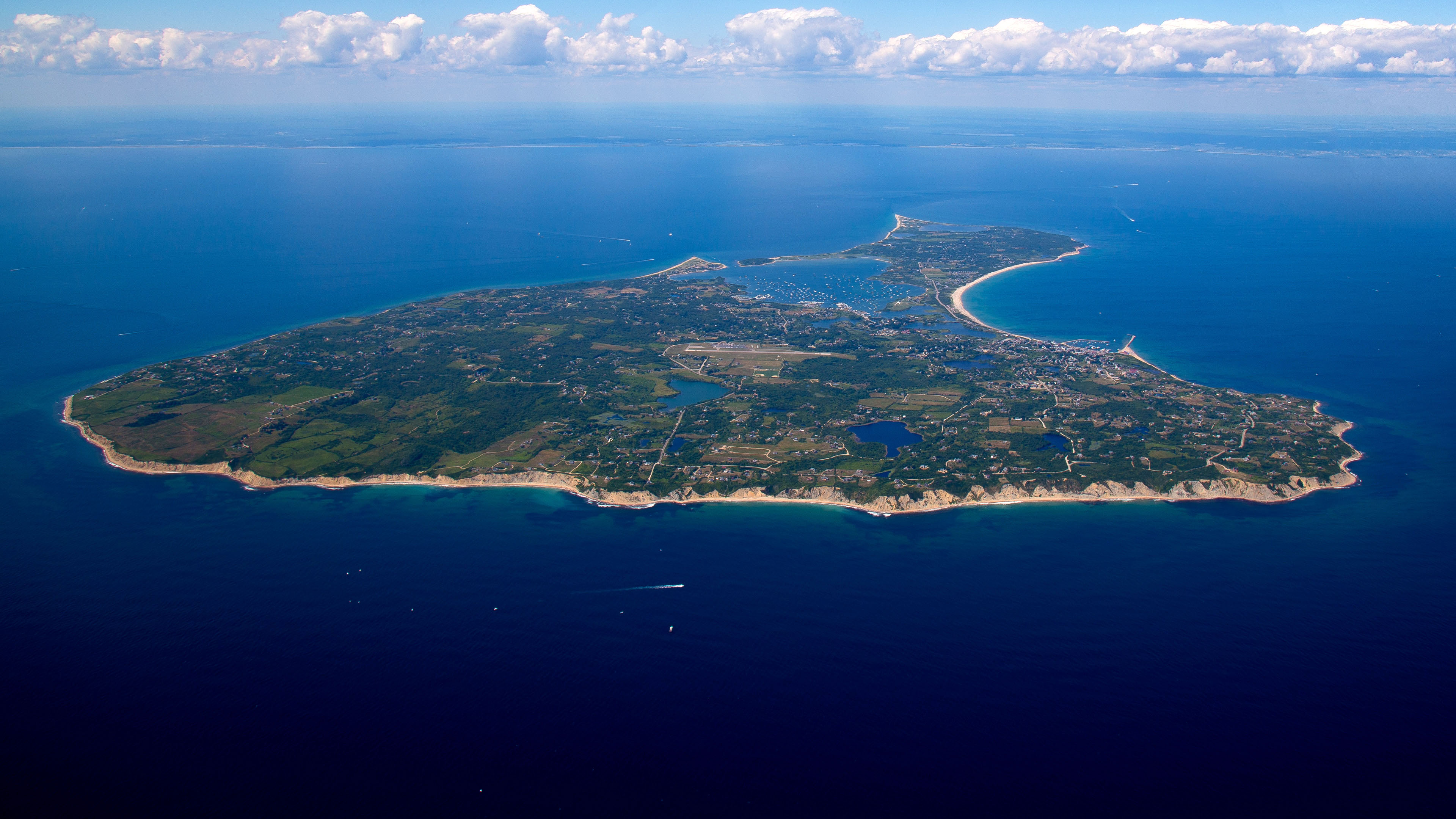
Block Island is a small coastal gem known for its bluffs, winding trails, and small-town charm. Its landscapes mix rugged shorelines with open meadows and preserved habitats. Visitors enjoy biking, exploring lighthouses, and relaxing on peaceful beaches. Despite its accessibility, it retains an authentic, uncommercialized atmosphere. The island’s beauty lies in its simplicity and natural calm.
Orcas Island, Washington
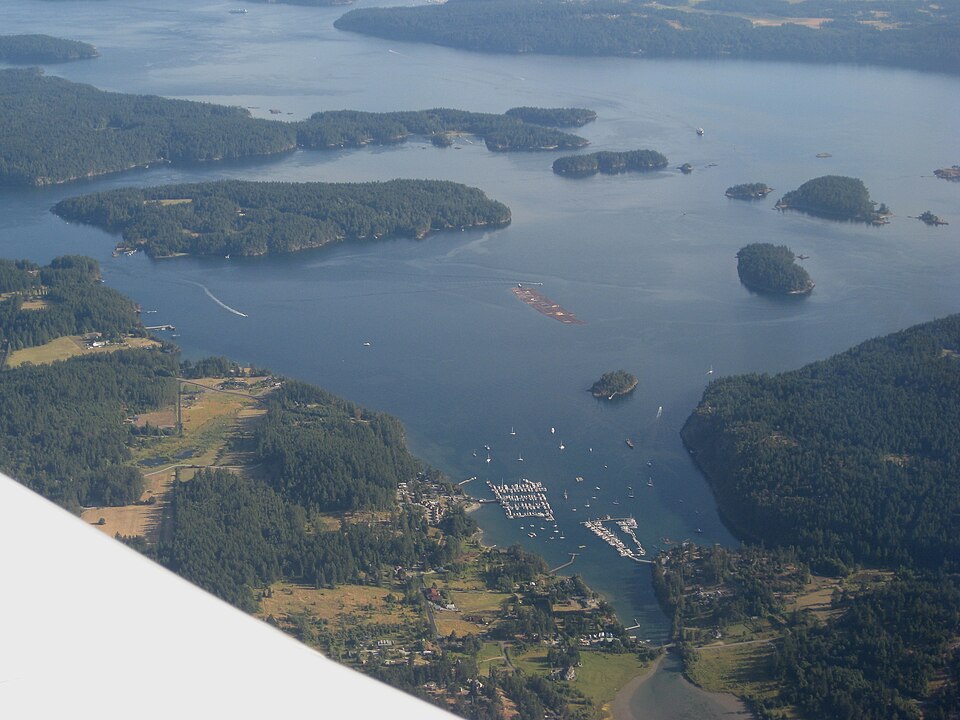
Orcas Island is part of the San Juan archipelago and is defined by forested hills, quiet farms, and breathtaking ocean views. Its accessible trails and scenic byways make it ideal for slow, intentional travel. Wildlife sightings, including orcas and bald eagles, add to the island’s appeal. Small local shops and communities contribute to its warm character. Visitors often describe the island as both grounding and rejuvenating.
Dauphin Island, Alabama
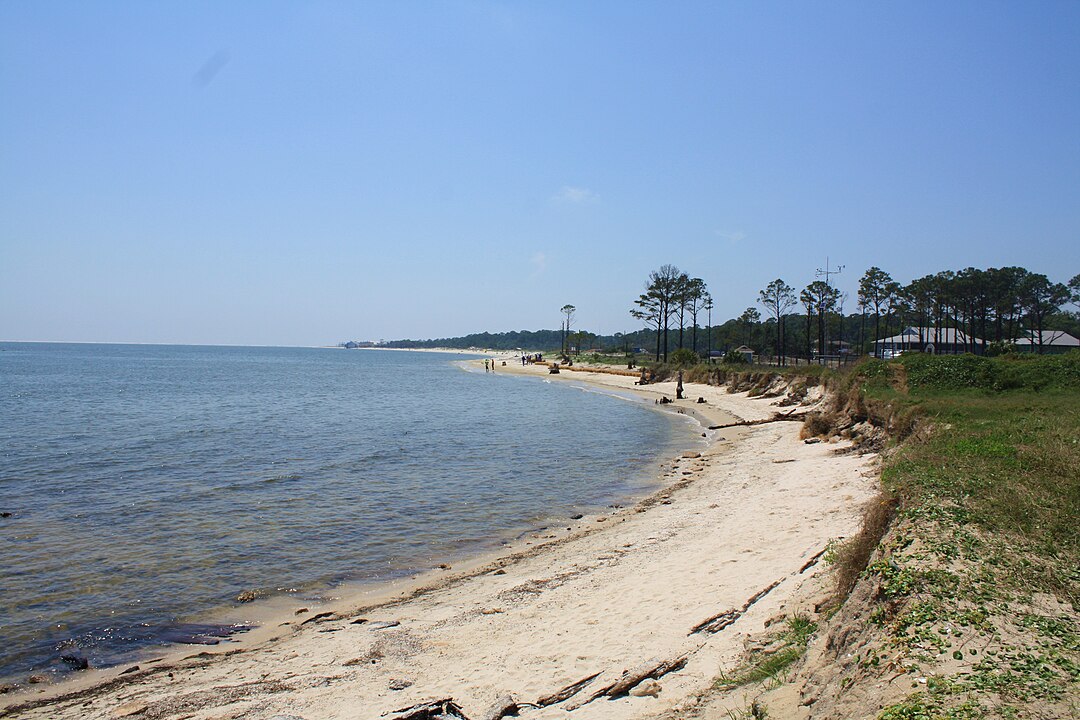
Dauphin Island offers a laid-back coastal environment with rich birdwatching opportunities. Its beaches are quiet, and its wildlife refuge areas protect migratory species throughout the year. The island’s history includes Civil War-era structures and preserved lighthouses. Visitors can enjoy low-key outdoor activities without heavy tourism. Its peaceful nature makes it a refreshing alternative to more commercialized Gulf destinations.
Jekyll Island, Georgia
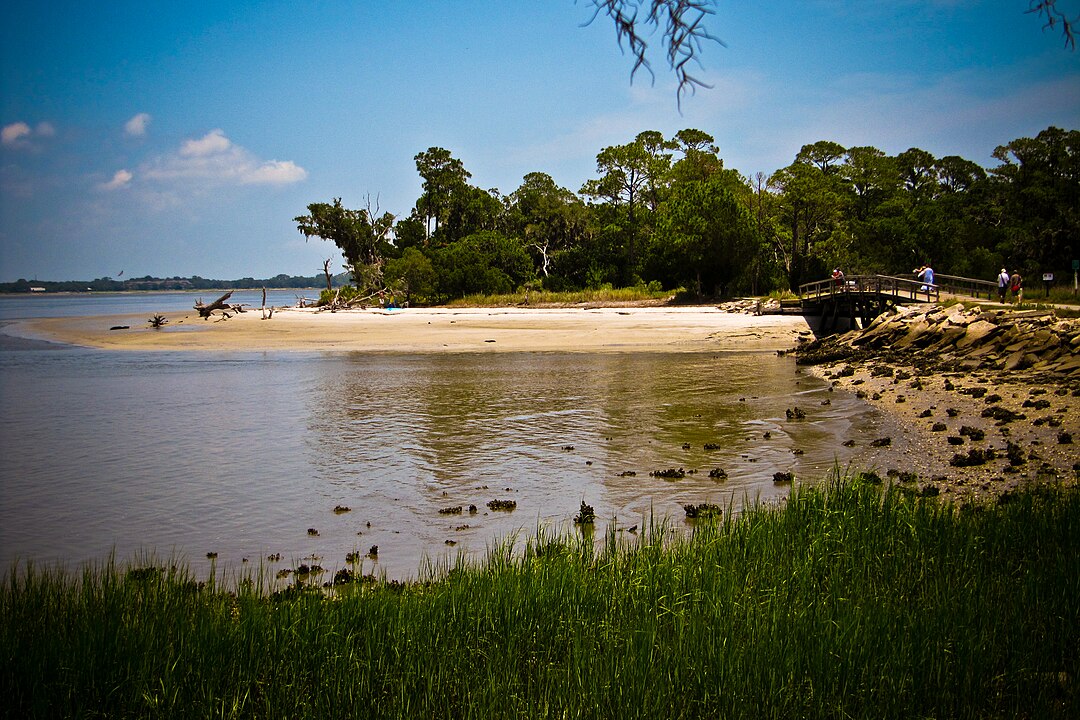
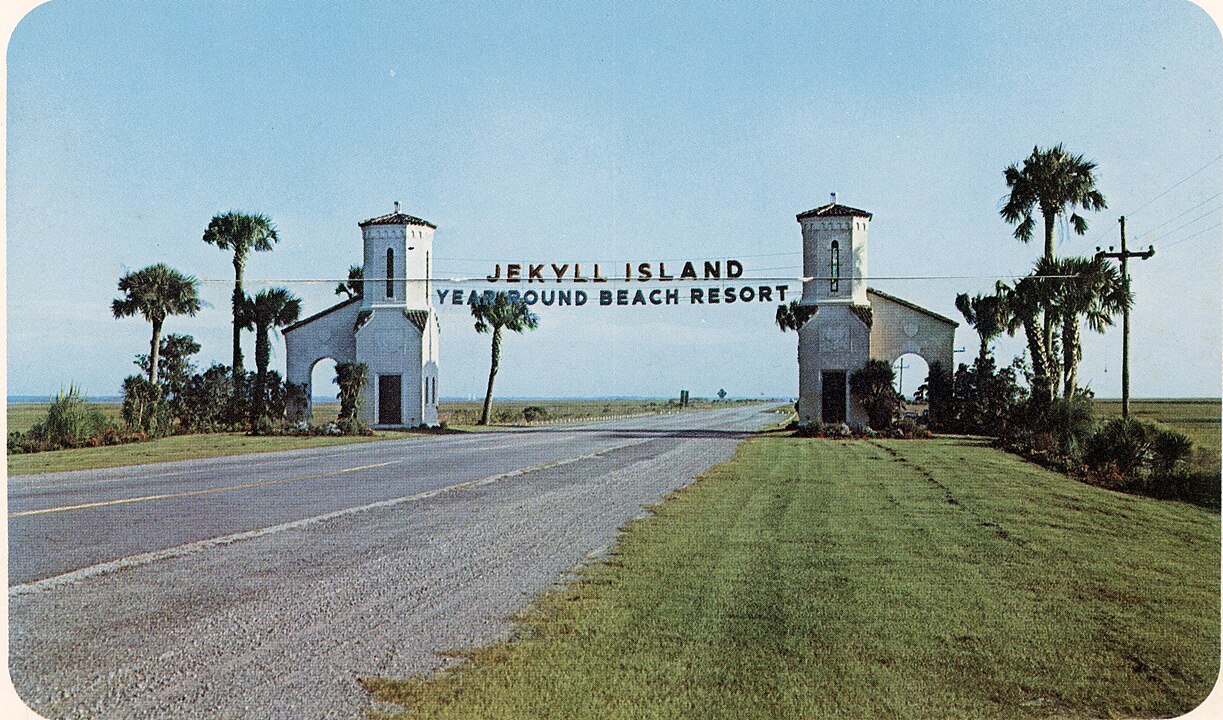
Jekyll Island blends natural marshlands with historic districts and scenic beaches. Limited development ensures the island retains a sense of spaciousness and serenity. Visitors explore driftwood-strewn shores, bike along tree-lined paths, or visit preserved estates. Its conservation efforts help protect native species and forest habitats. The result is a destination that balances history, nature, and quiet recreation.
Mackinac Island, Michigan
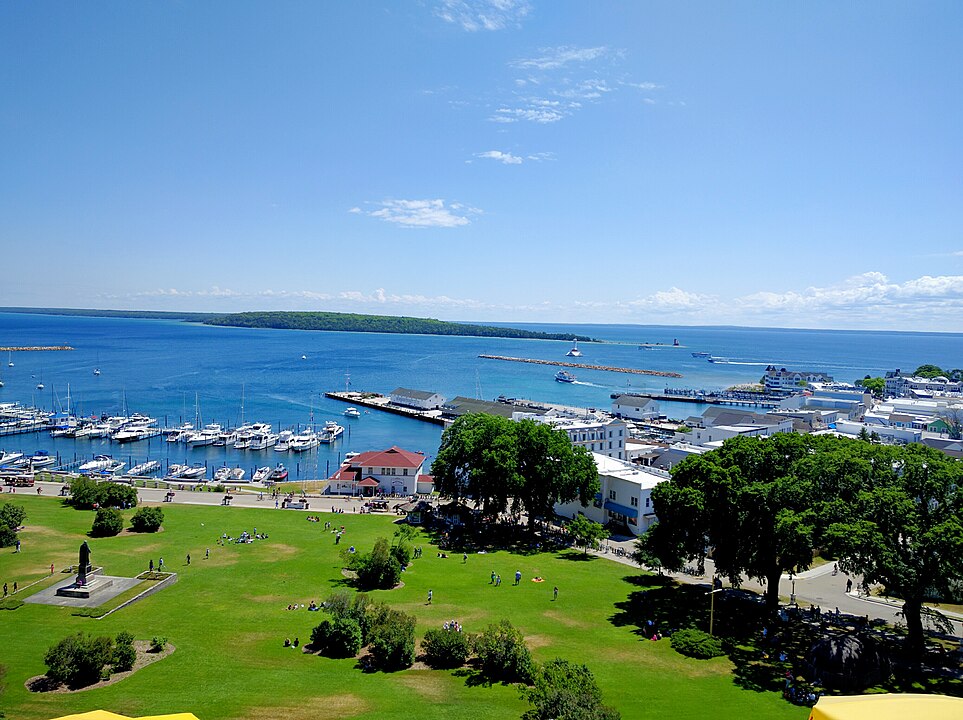
Mackinac Island is known for its charming ban on motor vehicles, replacing cars with bicycles and horse-drawn carriages. This creates an atmosphere reminiscent of earlier centuries. Visitors enjoy scenic waterfront paths, historic forts, and small shops in the town center. The island’s slower pace encourages full immersion in its natural and cultural beauty. Its tranquil environment makes it a memorable and unique American island escape.