America’s food culture extends far beyond famous hubs like New York or Los Angeles. Across the country, smaller cities and lesser-known regions have developed vibrant culinary scenes worth celebrating. These hidden-gem food cities offer flavors shaped by local traditions, immigrant communities, and innovative chefs. Here are fifteen food destinations to add to your travel plans.
Asheville, North Carolina
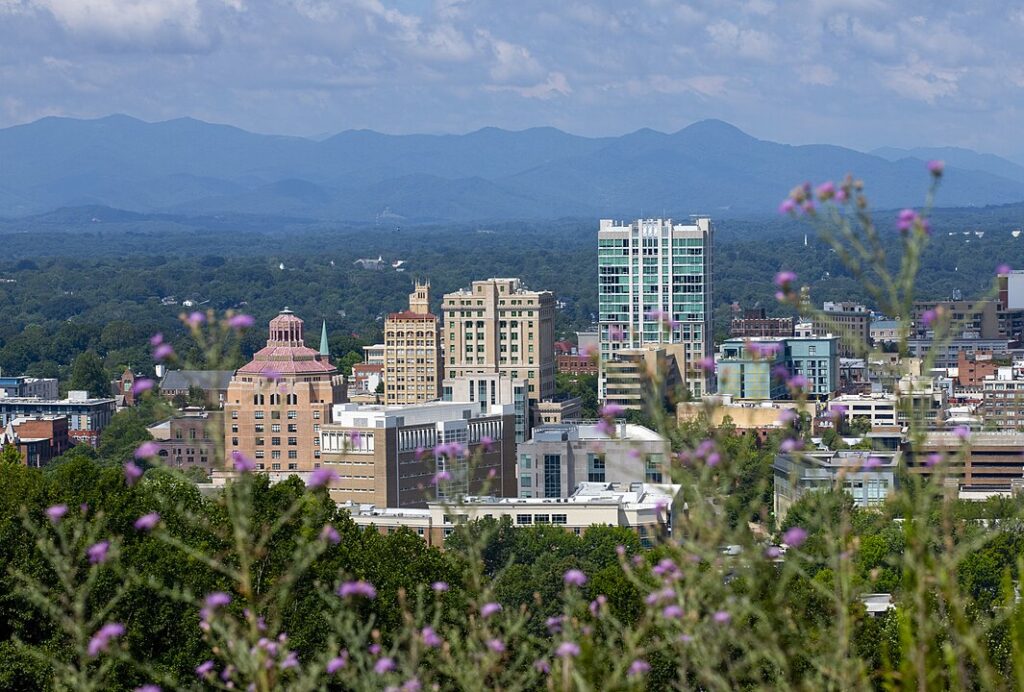
Asheville blends Southern comfort food with a creative, farm-to-table movement. The city’s breweries are nationally recognized, pairing perfectly with its eclectic dining. Restaurants emphasize local ingredients from nearby farms and mountains. From barbecue to vegan fare, Asheville surprises visitors with its range. Its lively downtown scene adds to the flavor experience.
Providence, Rhode Island
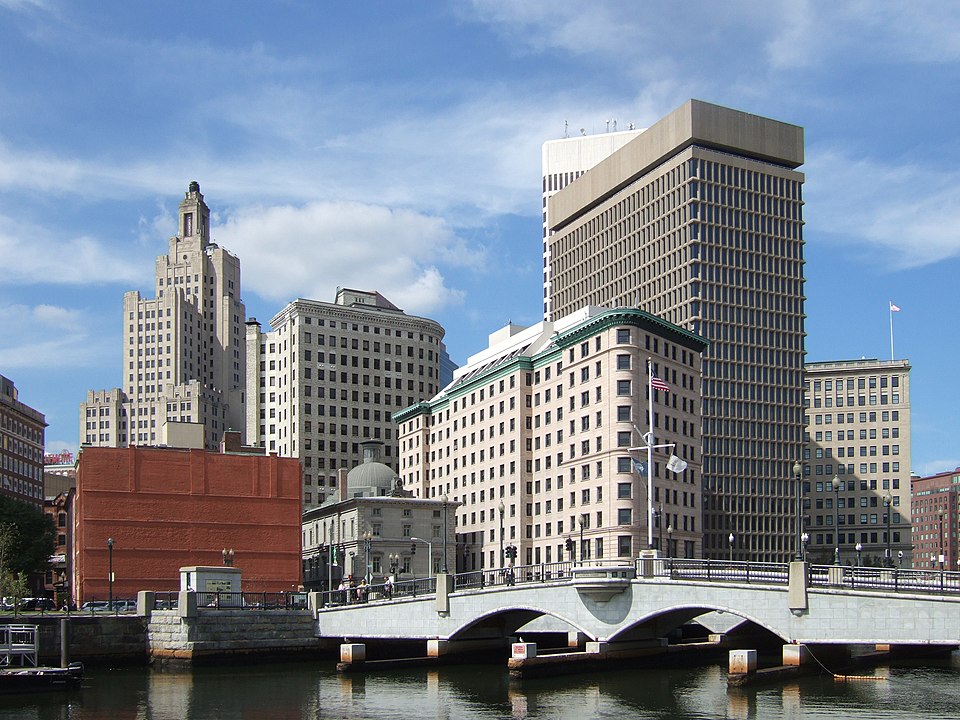
Providence’s culinary culture is shaped by Italian and Portuguese heritage. Federal Hill remains famous for authentic Italian dining. The city also boasts innovative restaurants led by graduates of Johnson & Wales culinary school. Seafood, especially calamari, is a regional highlight. Providence proves that small cities can offer world-class dining.
Tucson, Arizona
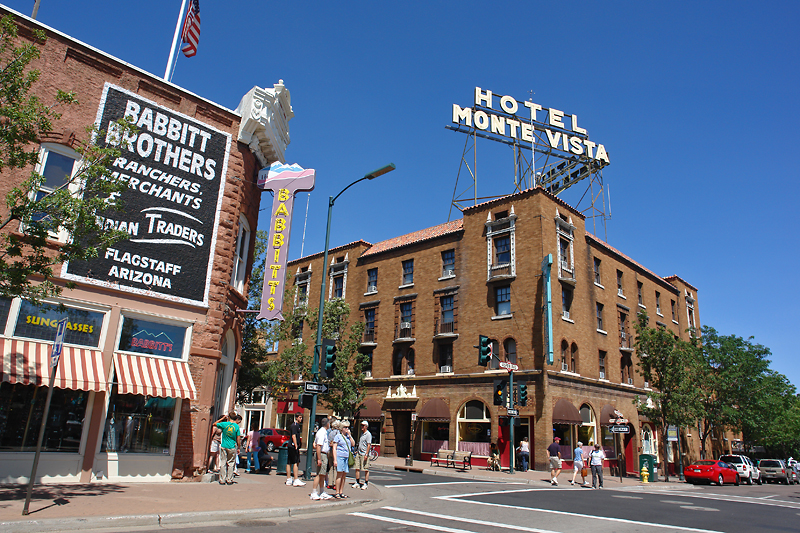
Tucson is recognized as a UNESCO City of Gastronomy, thanks to its unique blend of Mexican and Native American influences. Dishes like carne seca and fresh tortillas reflect centuries of tradition. Local chefs emphasize sustainable, heritage ingredients from the desert. The city’s food festivals celebrate its cultural depth. Tucson’s culinary identity is deeply tied to its history.
Charleston, South Carolina
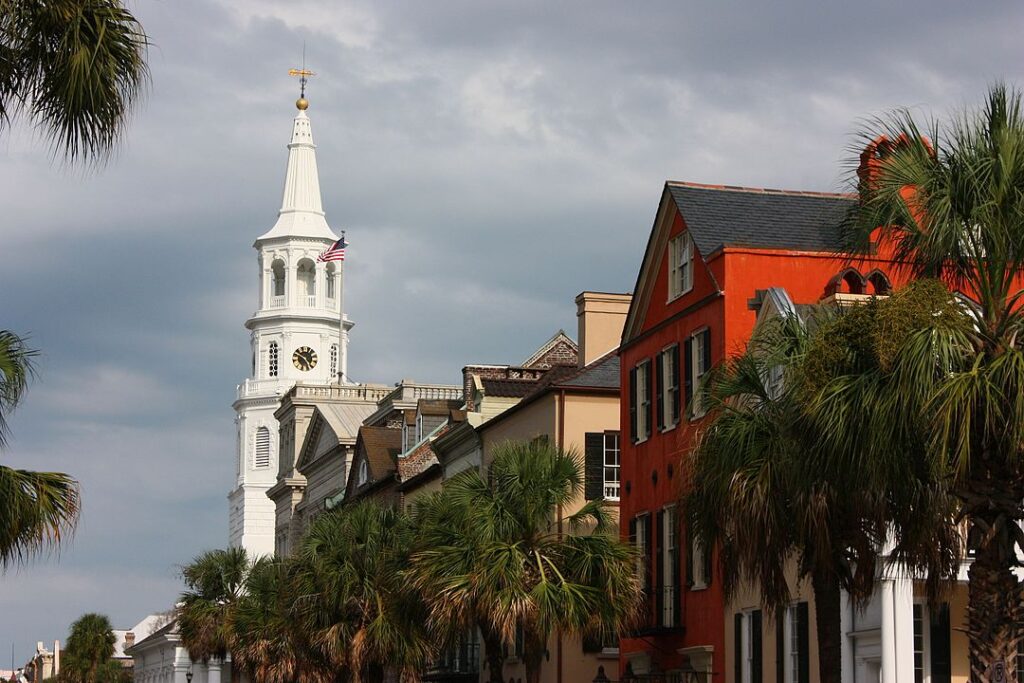
Charleston blends Lowcountry cooking with modern creativity. Shrimp and grits, she-crab soup, and benne wafers highlight its traditional flavors. Its chefs have gained national acclaim for elevating Southern cuisine. The city’s dining scene mixes historic charm with innovation. Charleston is both a cultural and culinary destination.
Portland, Maine
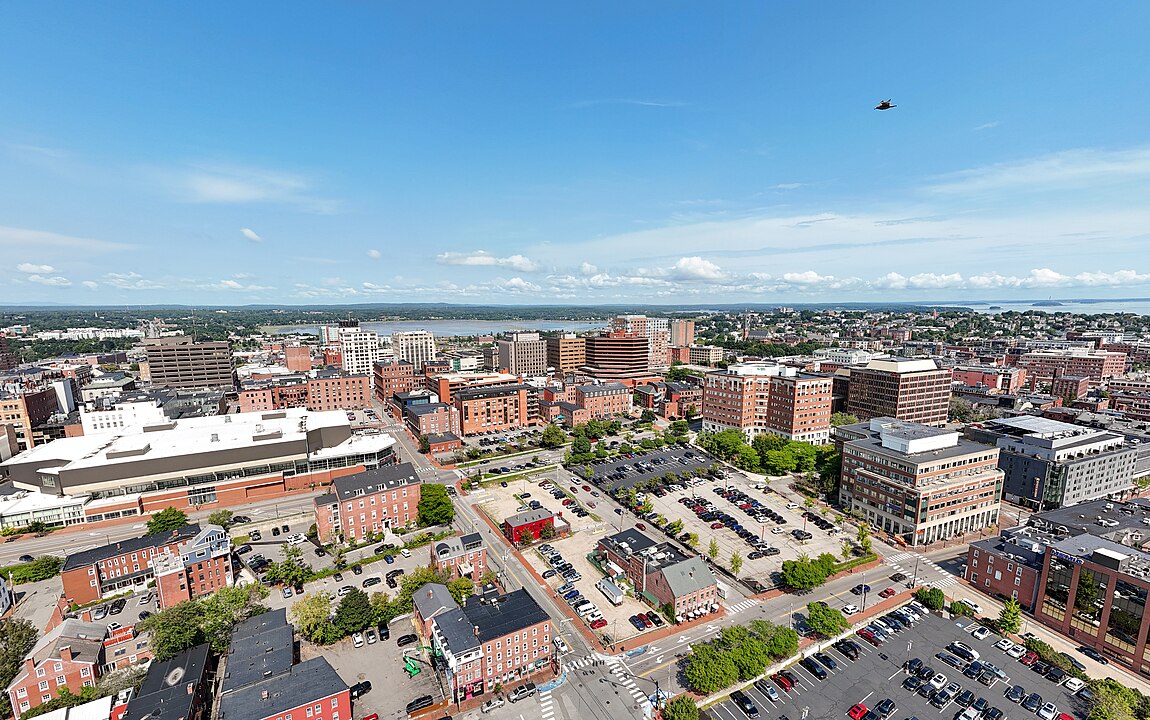
While known for lobster, Portland offers far more than seafood. Its food trucks, bakeries, and craft breweries make it a foodie haven. Chefs experiment with fresh, local ingredients from the coast and countryside. The city balances casual eats with fine dining. Portland is a culinary capital of New England.
Louisville, Kentucky
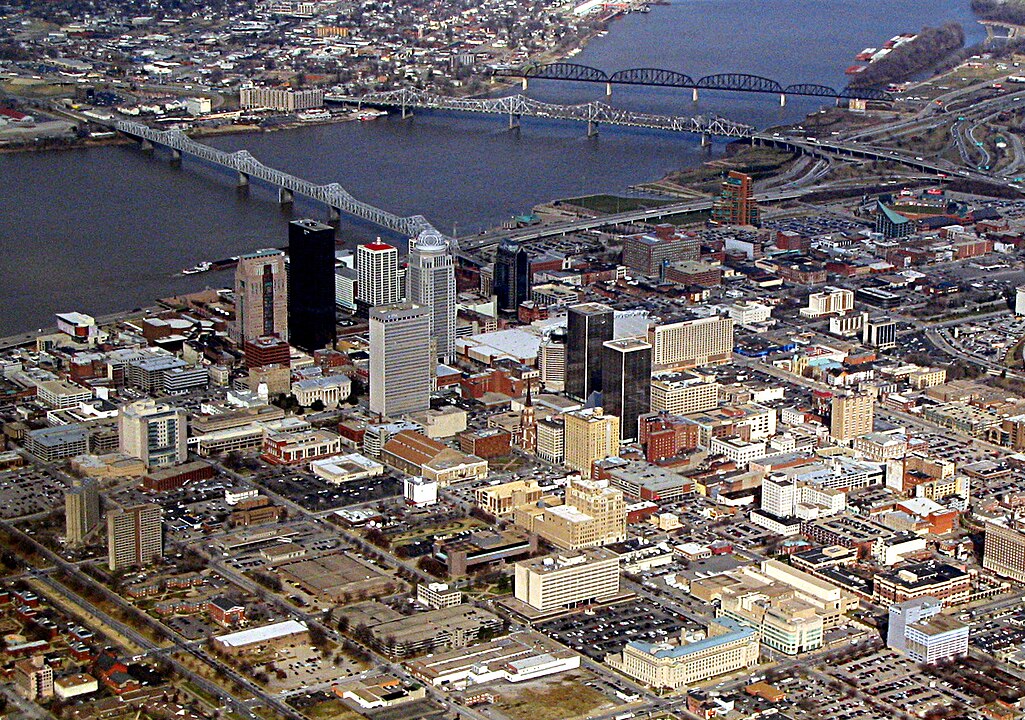
Louisville’s culinary fame extends beyond bourbon and the Kentucky Derby. The city is known for its Hot Brown sandwich, soul food, and growing farm-to-table restaurants. Local bourbon enhances dishes and desserts alike. Louisville’s diverse neighborhoods add global flavors to the mix. It’s a surprising gem for both tradition and innovation.
Madison, Wisconsin
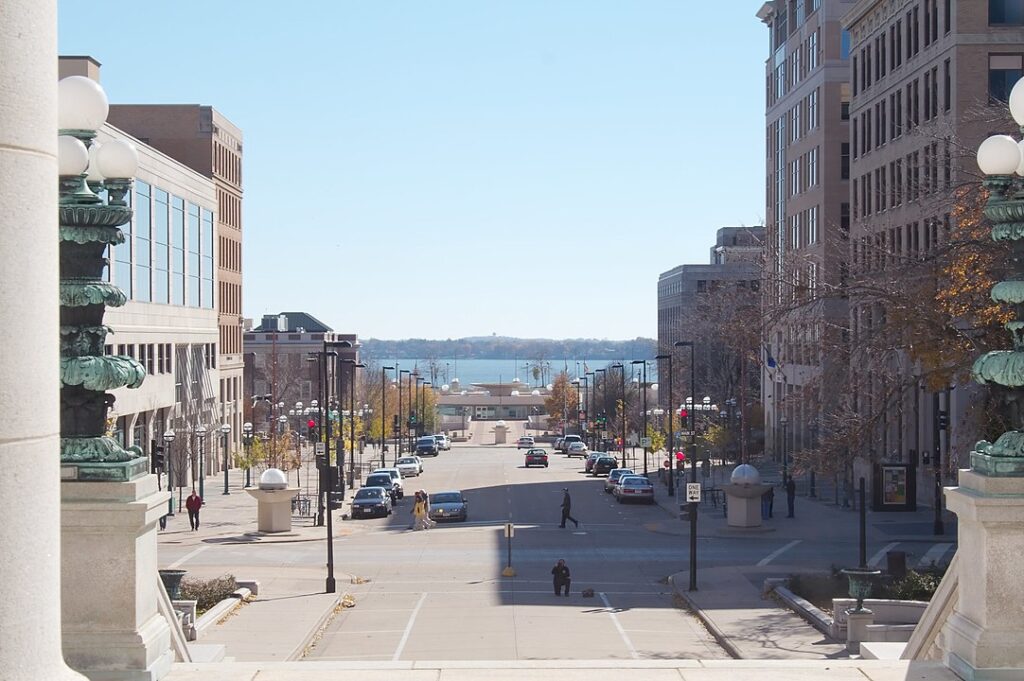
Madison combines Midwestern comfort with fresh, innovative dining. Farmers’ markets supply restaurants with local produce and cheeses. The city’s German heritage influences its food culture. Its progressive spirit creates a thriving food and beer scene. Madison proves Wisconsin offers more than dairy.
Boise, Idaho
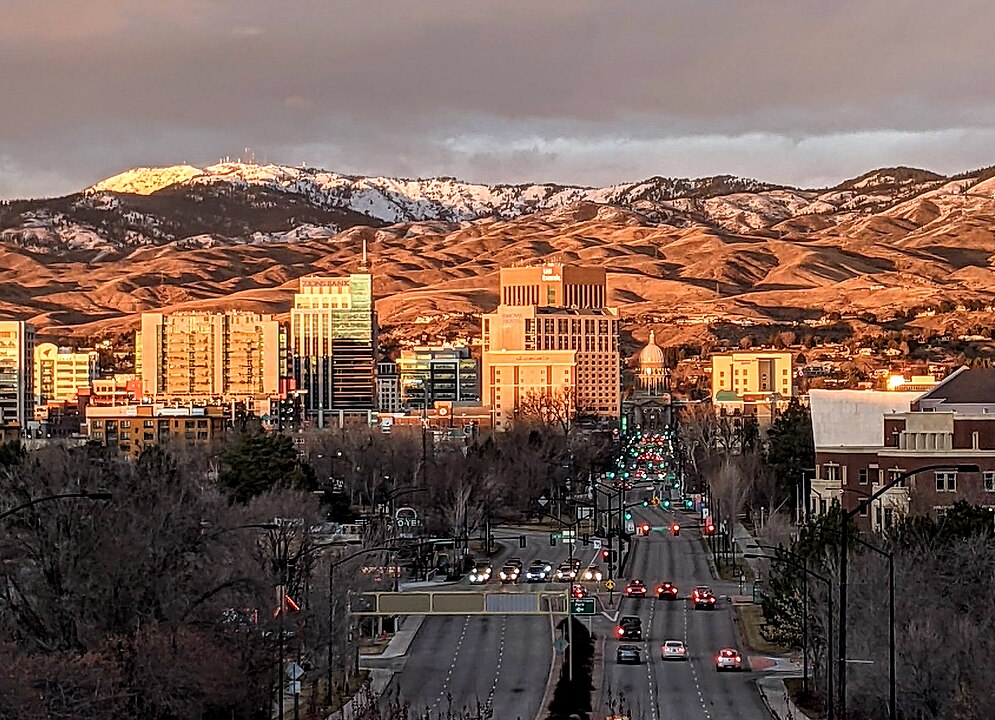
Boise has quietly developed a reputation for farm-fresh, sustainable cuisine. The Basque community adds unique cultural flavors to the city’s dining. Local breweries and coffee shops thrive alongside fine dining. Idaho potatoes also inspire creative dishes beyond the basics. Boise is an emerging food capital of the Northwest.
Santa Fe, New Mexico
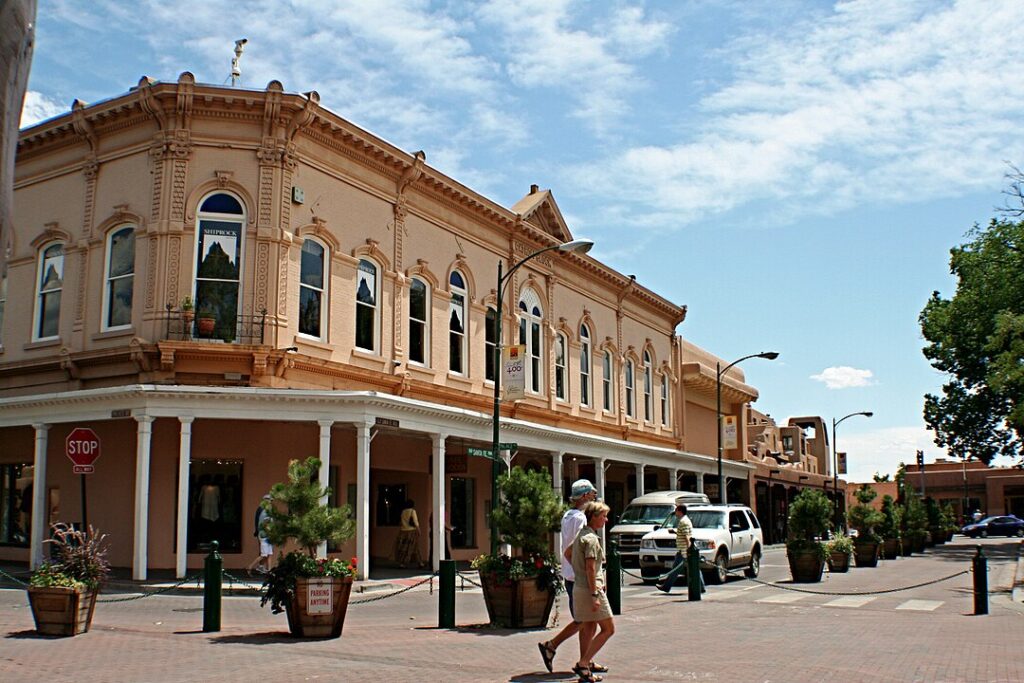
Santa Fe’s food culture celebrates chili peppers, blue corn, and Native American traditions. Hatch green chile is a staple across restaurants. The city’s artistic influence extends into its culinary scene. Traditional New Mexican dishes sit alongside upscale dining experiences. Santa Fe combines heritage and creativity in every bite.
Birmingham, Alabama
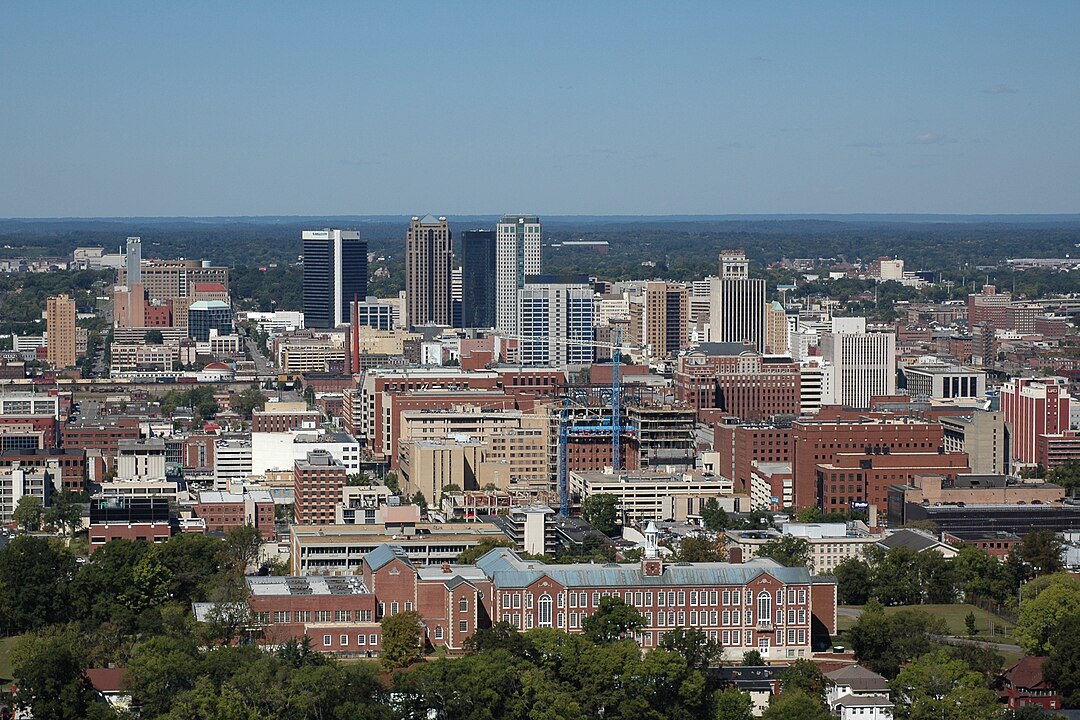
Birmingham is one of the South’s most underrated food cities. Known for barbecue, it also features upscale restaurants with national acclaim. Chefs blend Southern flavors with global influences. The city’s food festivals highlight its rich culinary diversity. Birmingham is redefining Southern dining.
Ann Arbor, Michigan
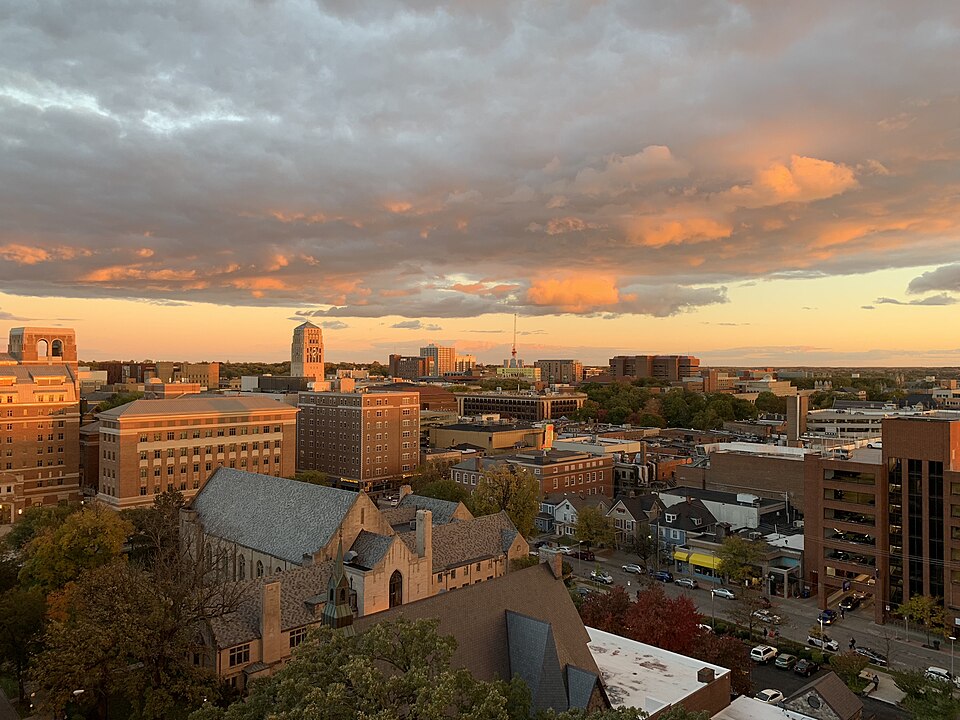
Ann Arbor’s food scene thrives on diversity and creativity. Restaurants range from Middle Eastern eateries to inventive vegetarian spots. The University of Michigan adds youthful energy and global influences. Farmers’ markets support the city’s emphasis on local food. Ann Arbor is a culinary gem in the Midwest.
Spokane, Washington

Spokane surprises visitors with a growing culinary reputation. Farm-to-table dining is central, with ingredients sourced from the fertile Inland Northwest. Craft breweries and coffee shops energize the food culture. The city balances casual and upscale options. Spokane is an emerging foodie destination.
Greenville, South Carolina
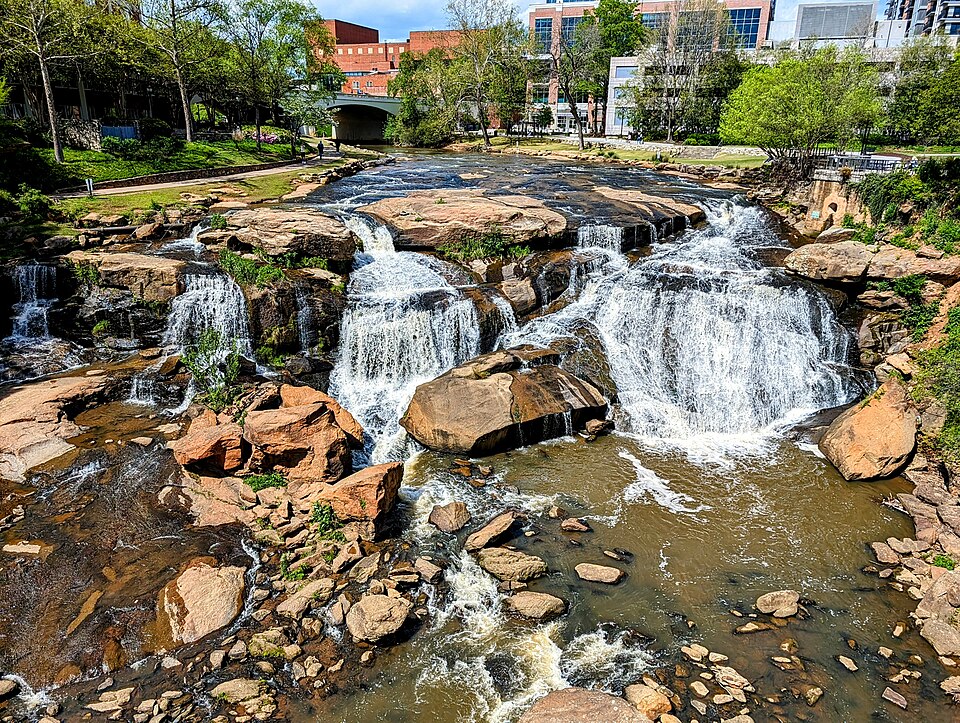
Greenville has transformed into a Southern culinary hotspot. Its downtown features a range of restaurants showcasing both traditional and modern Southern dishes. Local chefs emphasize fresh, regional ingredients. The city’s food scene is vibrant yet approachable. Greenville is quickly gaining national recognition.
Albuquerque, New Mexico

Albuquerque highlights Native and Hispanic culinary traditions. Red and green chile dominate the local flavors. The city’s street food and casual eateries provide authentic, affordable dining. Its annual Balloon Fiesta pairs perfectly with food festivals. Albuquerque offers flavors deeply tied to its cultural roots.
Richmond, Virginia
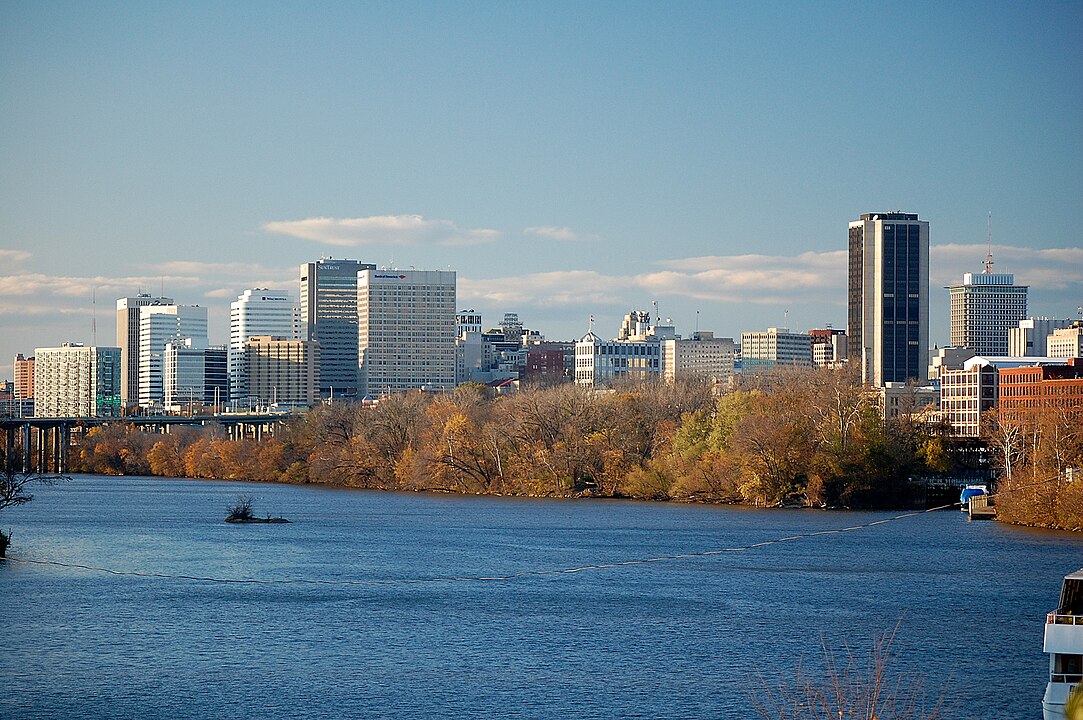
Richmond blends Southern staples with contemporary dining trends. The city’s restaurants highlight creativity, affordability, and variety. Food trucks and breweries add youthful energy. Historic neighborhoods bring charm to the dining experience. Richmond’s food scene deserves far more recognition.