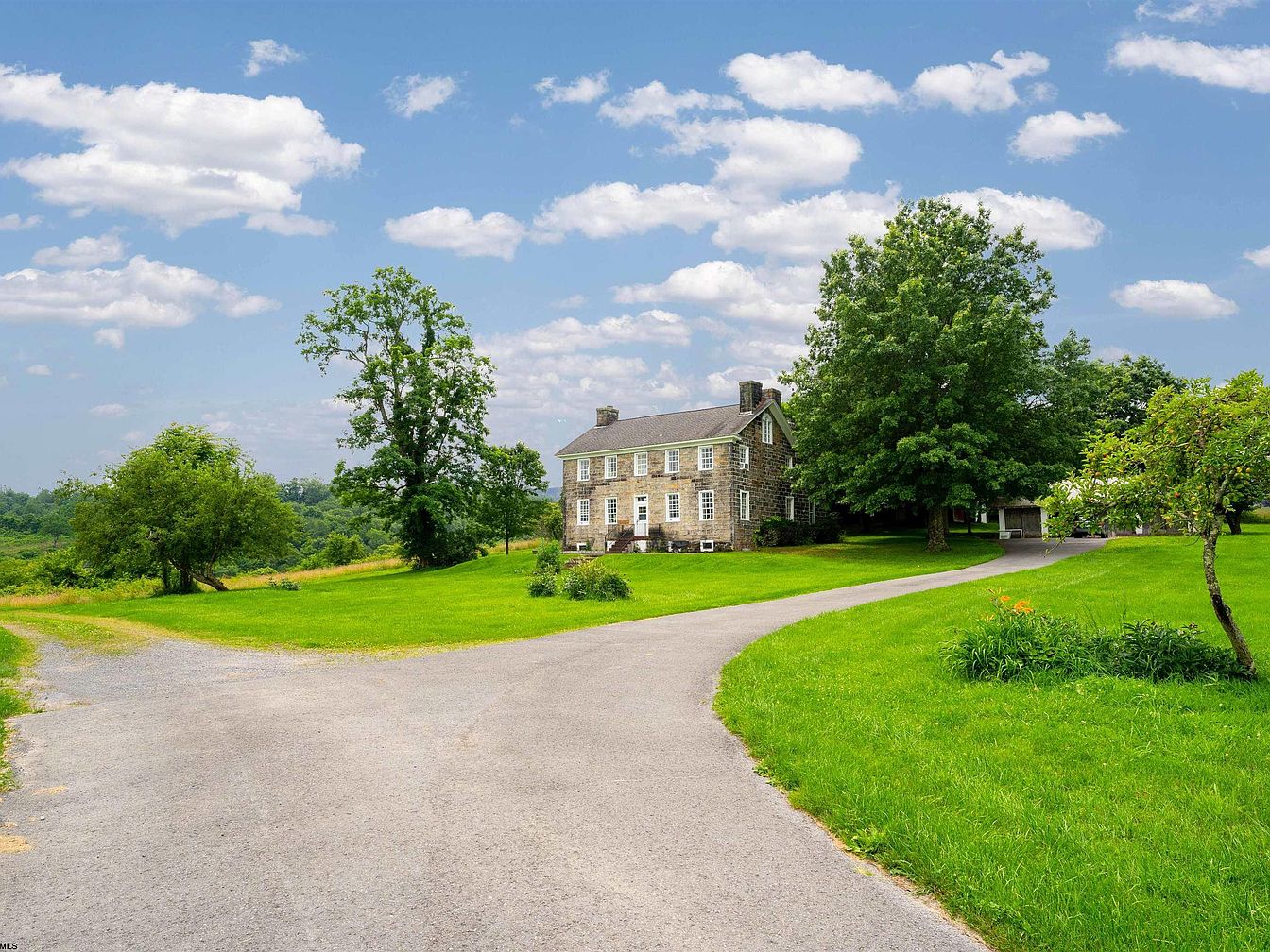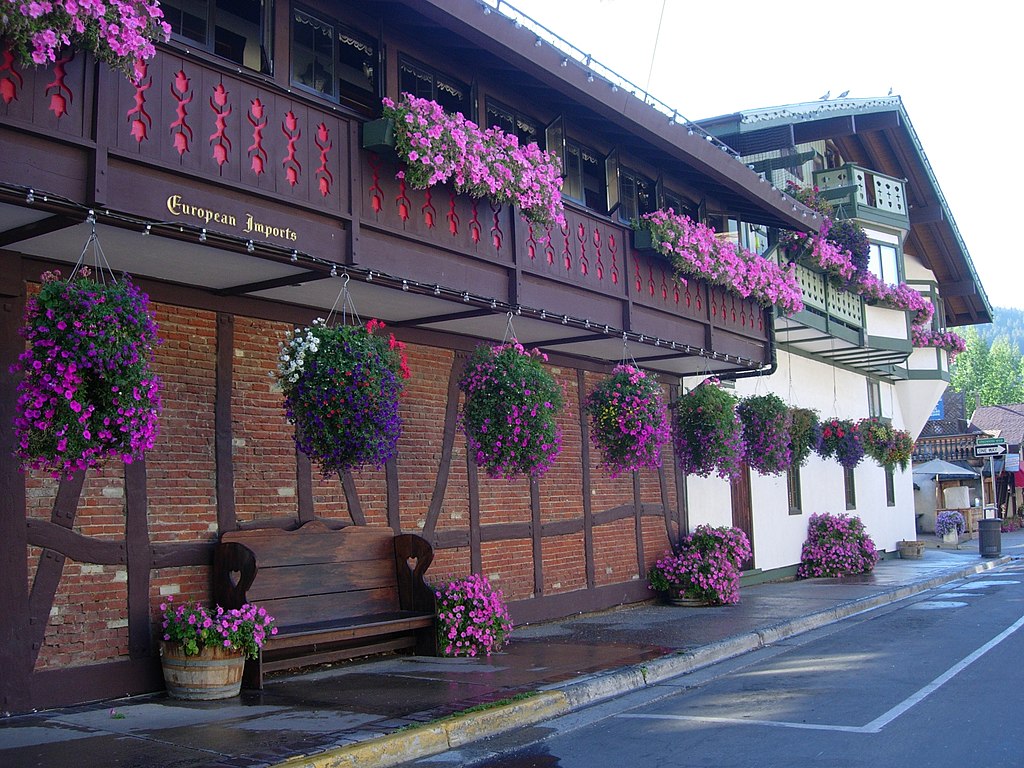
America’s history is dotted with towns that were once vital to commerce, politics, or culture, yet today they are rarely remembered. These towns helped shape industries, launch revolutions, and influence national policies, but their fame has faded. Exploring their stories reveals hidden chapters of American history and shows how even small communities can leave a lasting impact. Here are fifteen towns whose contributions deserve recognition long after their peak years.
1. Brattleboro, Vermont
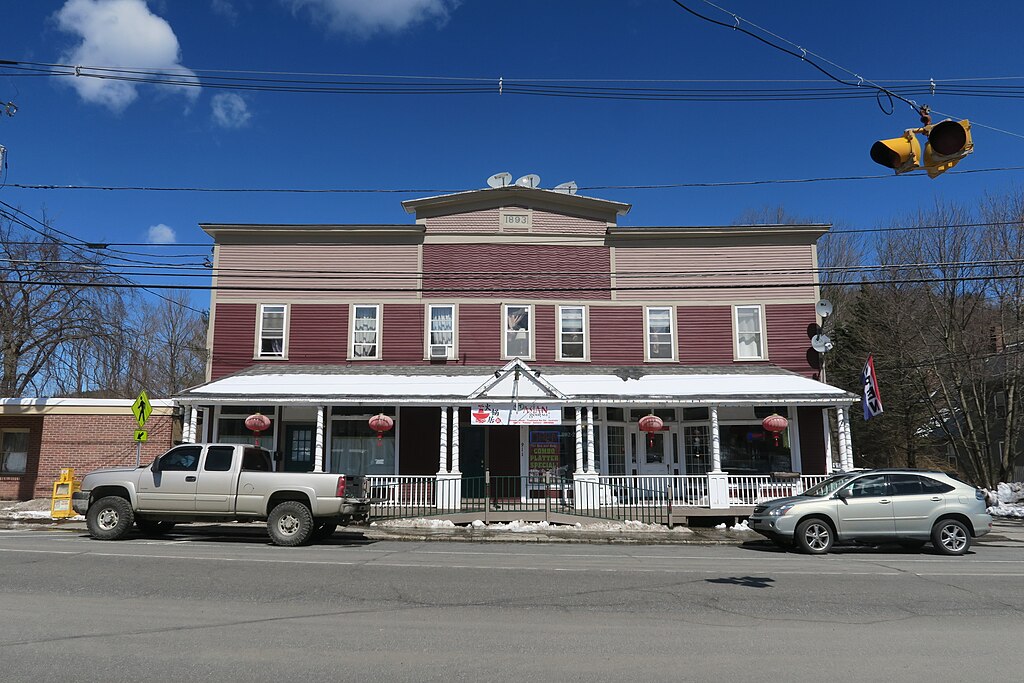
Brattleboro was a key stop for early American writers and reformers, including abolitionists and suffragists. Its riverside location powered mills that supported local industry and trade, while the town hosted meetings that influenced social movements across New England. Brattleboro’s newspapers and publications helped spread progressive ideas during the 19th century, making it a hub of cultural and political thought despite its modest size. Today it retains quaint streets but few remember its pivotal role in reform.
2. Harpers Ferry, West Virginia
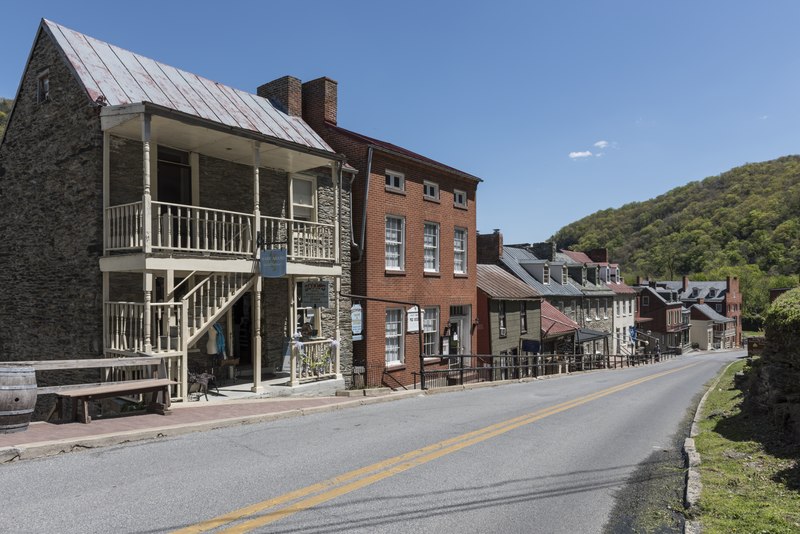
Harpers Ferry played a strategic role during the Civil War and was the site of John Brown’s famous raid in 1859, which intensified national debates over slavery. Its location at the confluence of the Potomac and Shenandoah rivers made it a key transportation and manufacturing hub. The town’s federal armory produced weapons that influenced military outcomes. Despite its small size today, Harpers Ferry’s historical significance in shaping the nation’s struggle over freedom remains profound, often overshadowed by larger cities.
3. Natchez, Mississippi
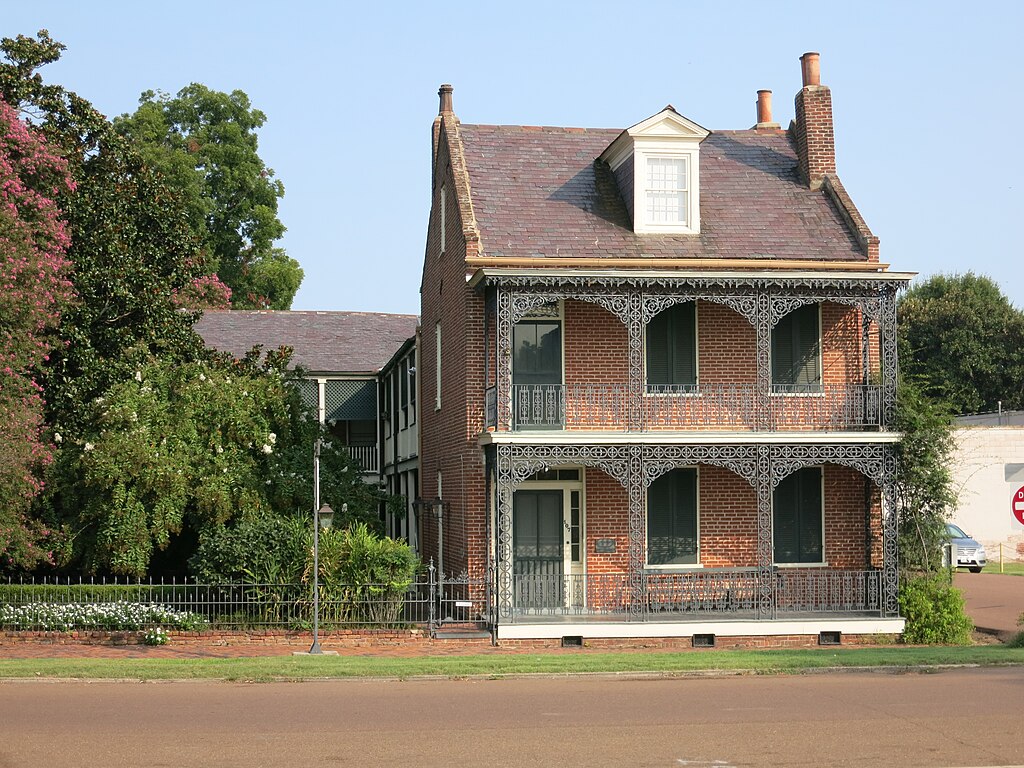
Natchez was a vital Mississippi River port in the antebellum South, facilitating trade, especially cotton, which powered the regional economy. Its wealthy planter class built elegant homes that reflected early American wealth and European influences. Natchez also became a cultural crossroads, hosting figures who shaped music, literature, and politics. Though its prominence declined after the Civil War, the town’s architecture and history testify to its past economic and social importance in shaping southern society and commerce.
4. Marietta, Ohio
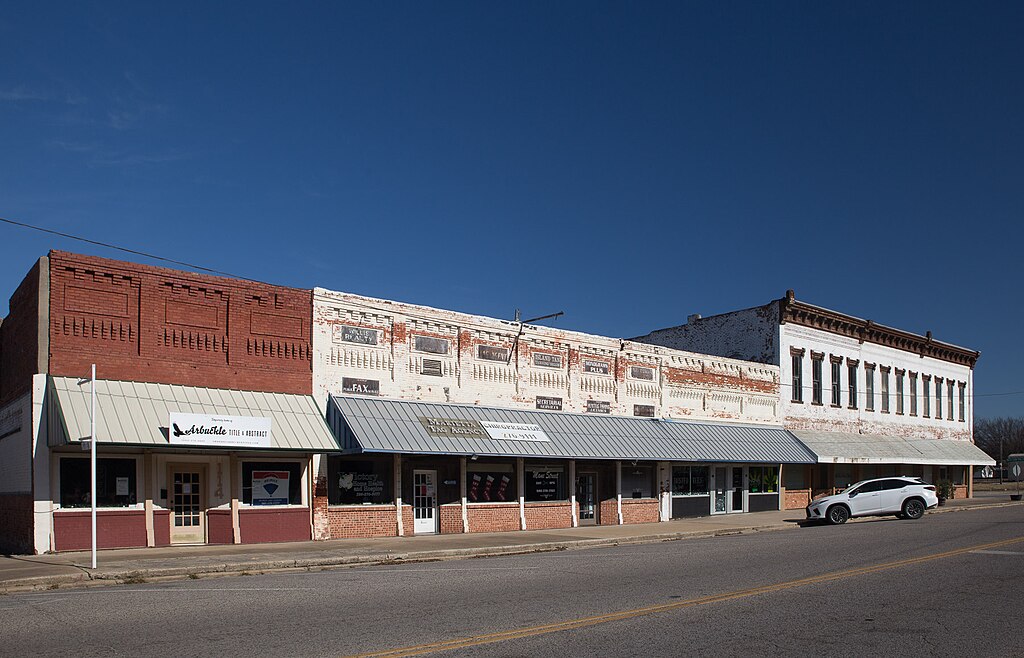
Marietta was the first permanent settlement in the Northwest Territory, serving as a model for American expansion into the Ohio Valley. Its strategic location on the Ohio River allowed early settlers to transport goods and establish trade networks. Marietta became a political and social hub, attracting pioneers who influenced regional governance and development. Though overshadowed by larger Midwestern cities today, Marietta’s role in pioneering westward expansion and shaping early frontier society remains a critical but underappreciated part of American history.
5. Staunton, Virginia
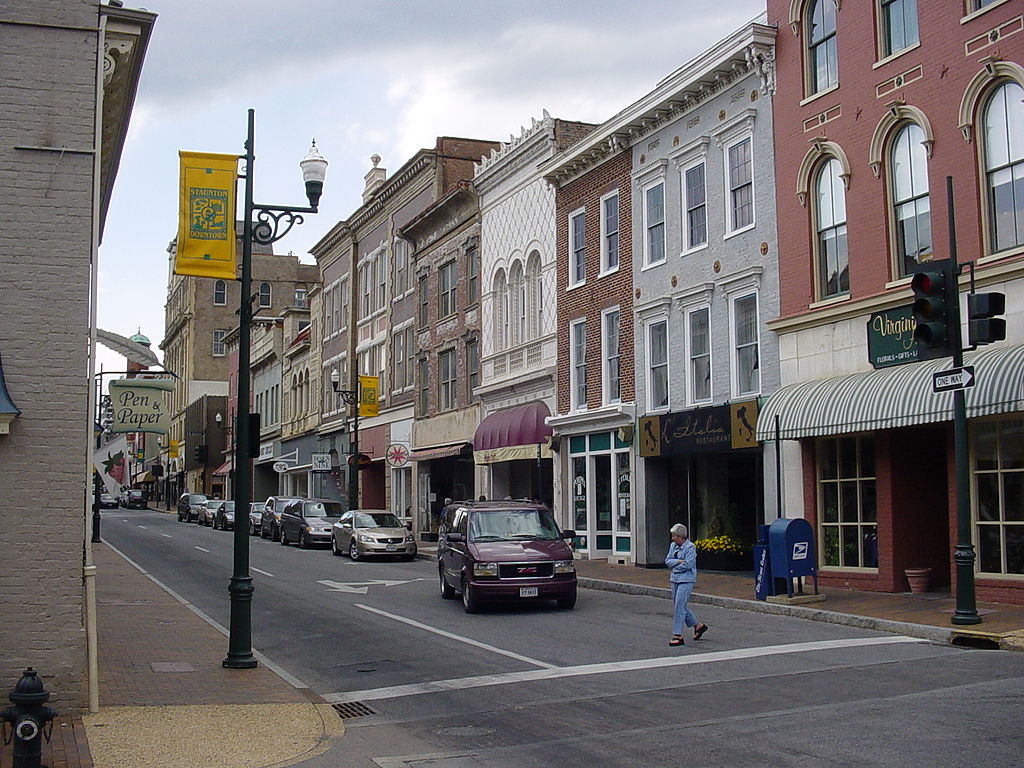
Staunton became an important cultural and educational center in the 19th century, home to influential colleges and theaters that nurtured political and literary talent. Its location along the Shenandoah Valley Turnpike made it a key stop for trade and troop movements during the Civil War. Staunton residents contributed to regional governance and the arts while maintaining local industries. Today it is largely overlooked outside Virginia, yet its historical impact on education, transportation, and culture illustrates how smaller towns shaped broader American society.
6. Galena, Illinois
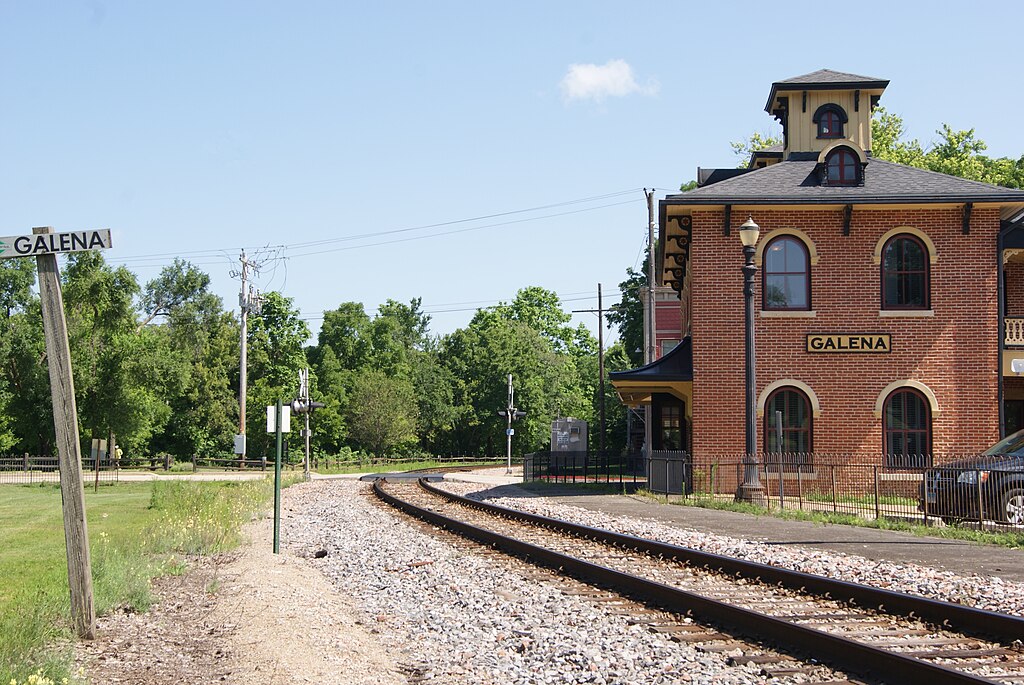
Galena flourished as a lead mining town and river port, producing economic wealth that funded local infrastructure and schools. It also served as a home base for Ulysses S. Grant before his presidency. Galena’s commercial and strategic significance in the 19th century influenced regional trade, military planning, and early politics in Illinois. While tourists now visit its historic streets, many remain unaware of its foundational contributions to the state’s economy and political history during America’s formative years.
7. Concord, Massachusetts
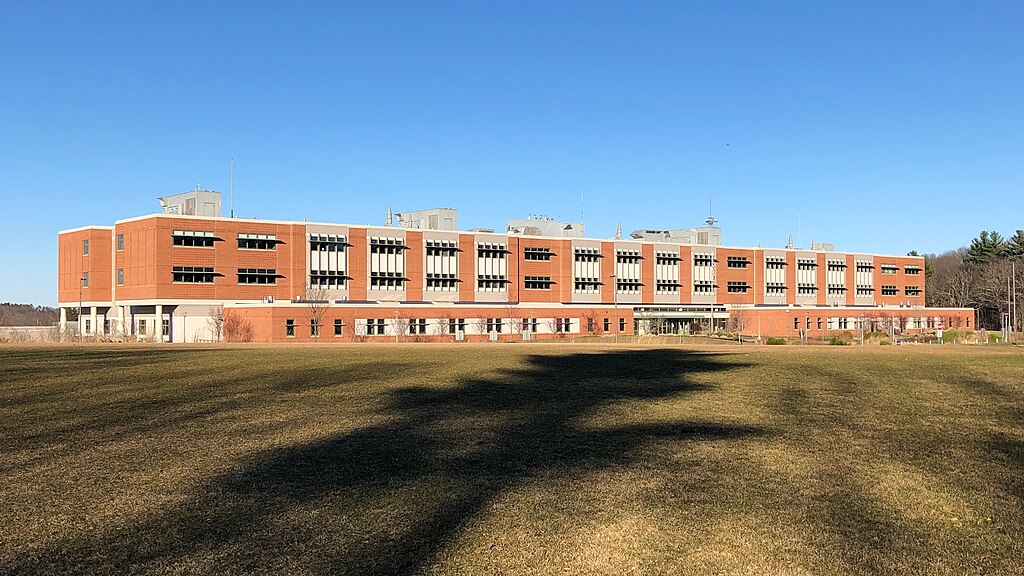
Concord is remembered for the first shots of the American Revolution, but its broader contributions are often forgotten. The town nurtured writers, philosophers, and reformers who shaped American thought. Its industries and local governance provided models for self-reliance and civic responsibility. Concord’s intellectual and revolutionary activity created ripples far beyond Massachusetts, influencing national ideals and education. While frequently romanticized for its revolutionary history, its role in fostering cultural and political leadership is less celebrated.
8. Leavenworth, Kansas
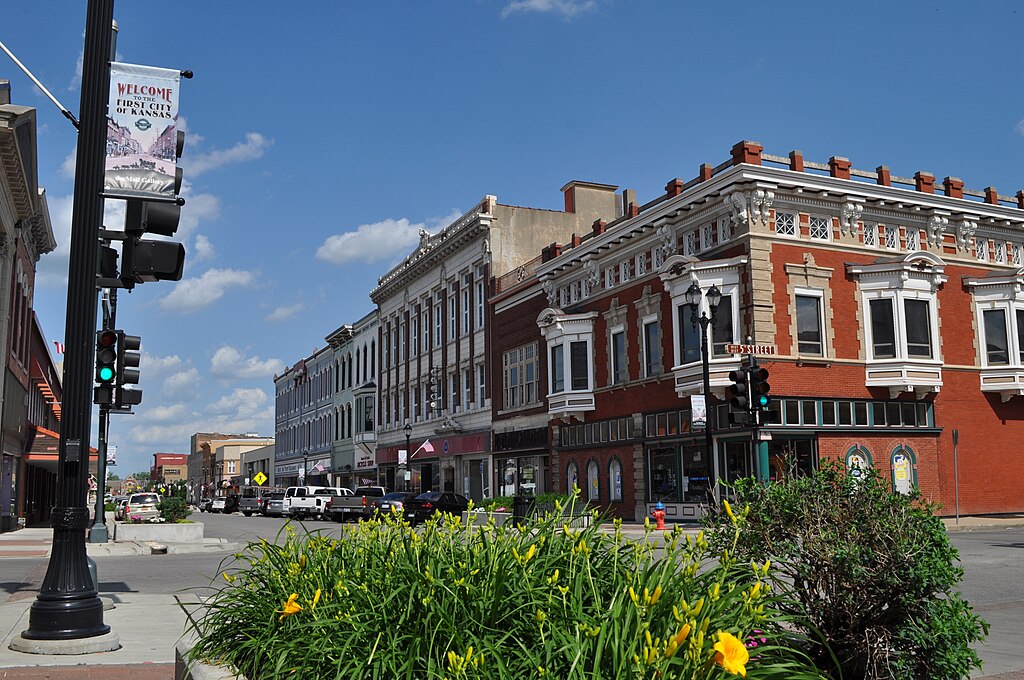
Leavenworth played a central role in westward expansion and the tensions leading to the Civil War. It was a supply hub for settlers, soldiers, and trade along the Missouri River. The town also became a site of political debates over slavery and territorial governance. Its early growth influenced migration patterns, military strategy, and regional commerce. Today, Leavenworth is best known for its federal prison, yet its critical contributions to shaping midwestern politics and society are often overlooked in broader historical narratives.
9. Bennington, Vermont
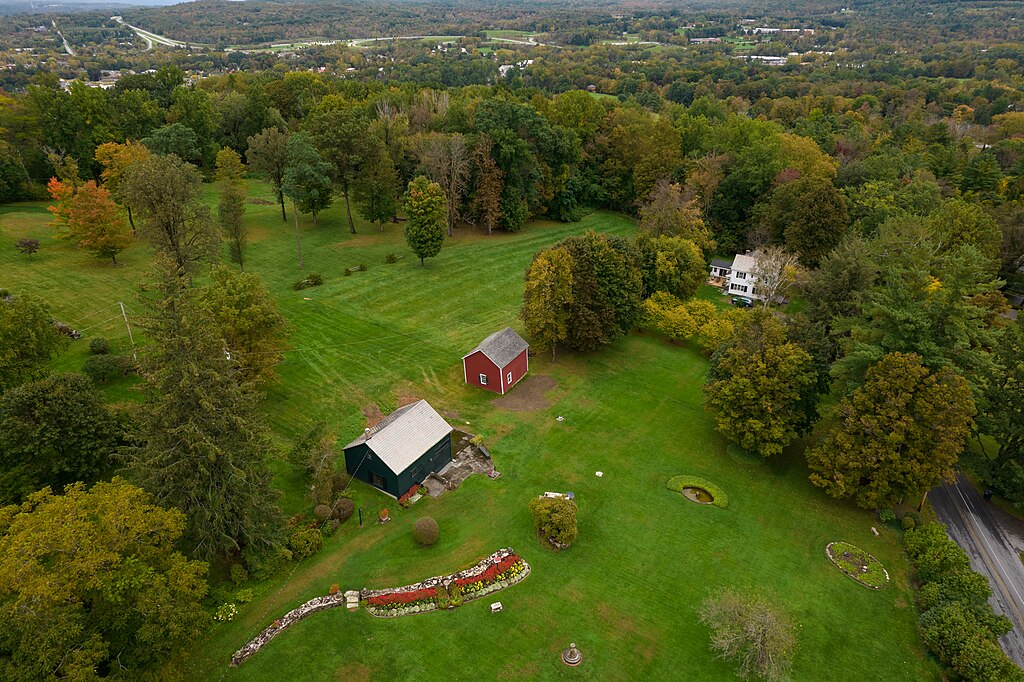
Bennington’s strategic location and strong militia made it a key site during the Revolutionary War, notably at the Battle of Bennington. Beyond military significance, it became an early industrial center, producing textiles and tools that supported regional trade. Bennington also fostered education and arts, with institutions that influenced New England culture. Its contributions to the founding and defense of the nation, combined with early economic development, highlight a town that shaped both local and national history, though its name rarely reaches beyond regional recognition.
10. Frederick, Maryland
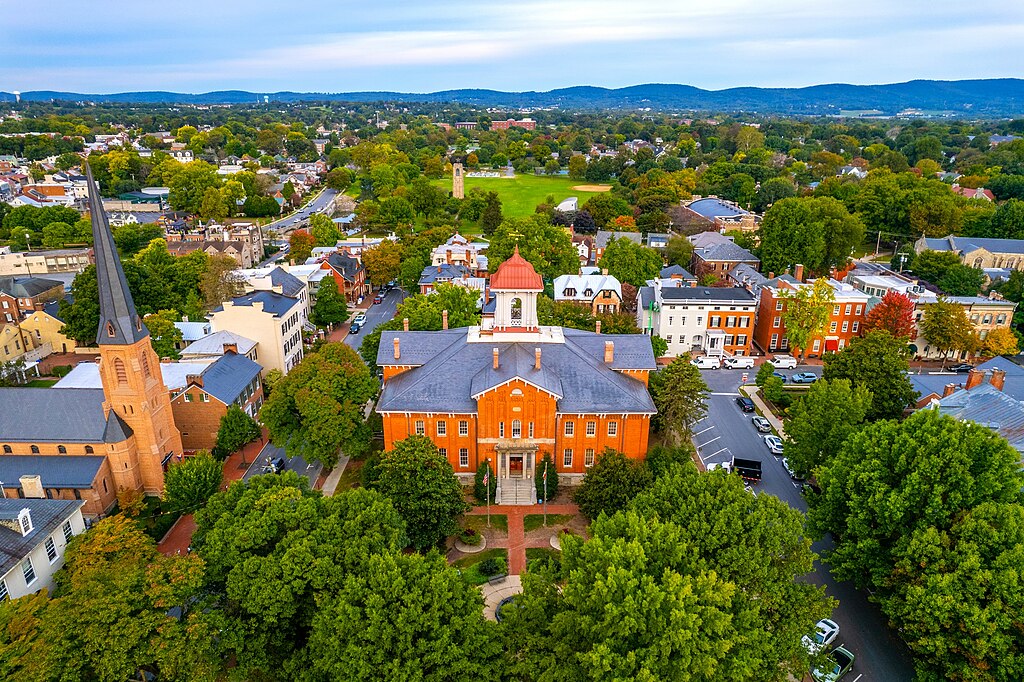
Frederick served as a major crossroads during the Civil War and an agricultural hub supporting the surrounding region. Its residents played key roles in political negotiations and military planning, and the town hosted hospitals, supply depots, and rallies that shaped wartime strategy. Frederick’s historic homes and streets tell stories of governance, industry, and social organization during the 18th and 19th centuries. Despite its pivotal role, the town remains overshadowed by larger Maryland cities, leaving its historical contributions underappreciated.
11. Taos, New Mexico
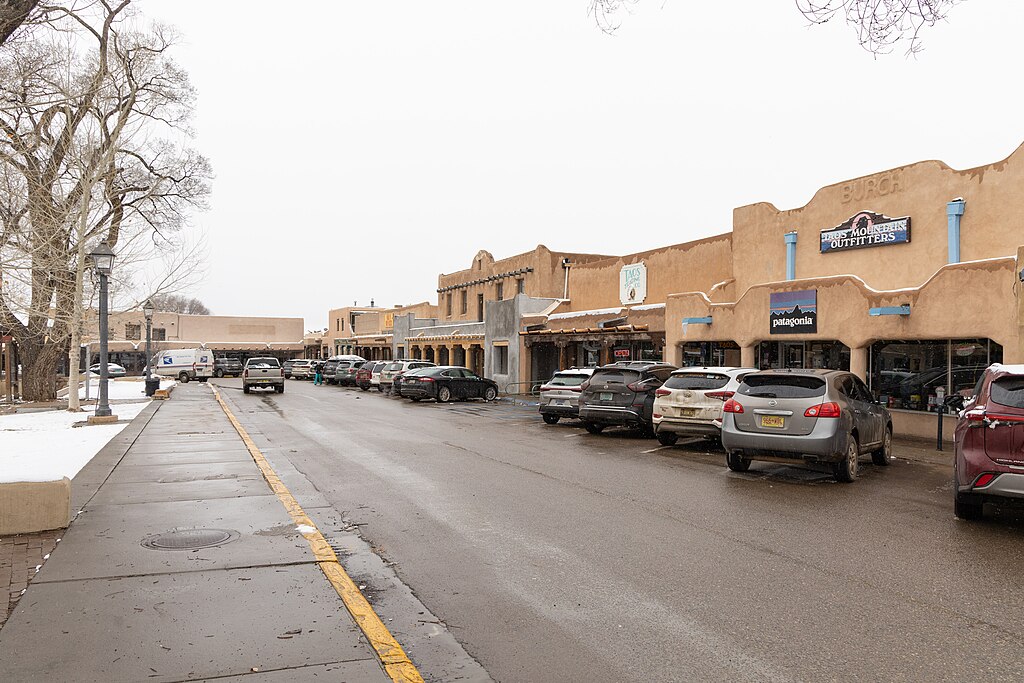
Taos was a cultural and economic bridge between Native American, Spanish, and later Anglo communities. Its early trade routes and art communities influenced the region’s social and economic development. The town also played a role in early resistance movements during territorial conflicts. Taos’s architecture, markets, and cultural traditions shaped southwestern identity and commerce. Today, its artistic reputation overshadows its crucial contributions to early trade, cultural integration, and regional influence that helped define New Mexico’s history.
12. Salem, Massachusetts
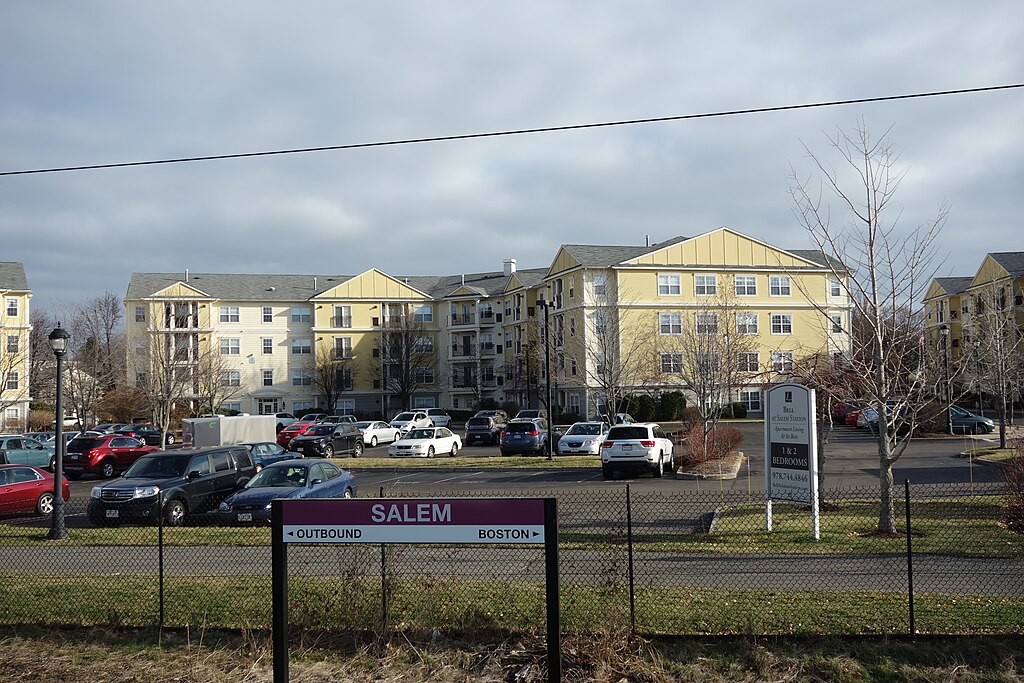
Beyond the infamous witch trials, Salem was a maritime powerhouse that influenced early American trade and global commerce. Its shipyards, merchants, and trading networks connected the U.S. to Asia and Europe, shaping economic patterns that lasted for decades. Salem residents contributed to political thought and social reform, with ideas spreading along New England’s coast. While tourism often focuses on the witch trials, the town’s economic and political influence during early American development is a critical yet overlooked part of its legacy.
13. Savannah, Georgia
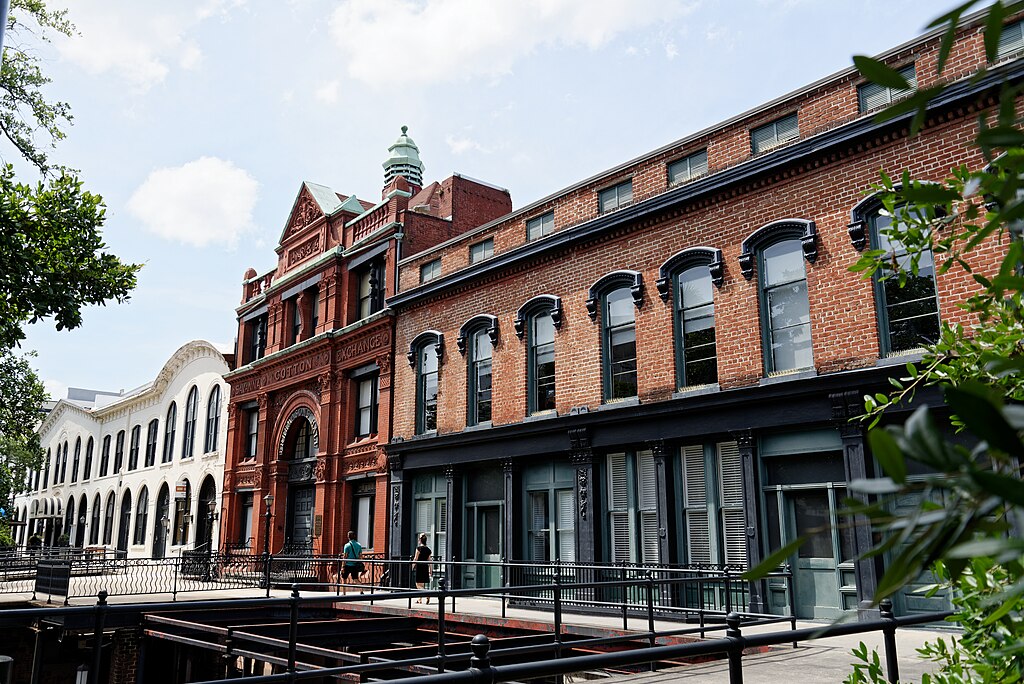
Savannah was a major port and colonial hub, driving trade in rice, cotton, and indigo during the 18th century. Its planning, architecture, and civic systems became models for other southern cities. Savannah also played a role in the Revolutionary and Civil Wars as a strategic location for supply and defense. Though it is now a tourist destination, few remember its lasting impact on southern urban design, commerce, and governance that helped shape regional and national history during critical early periods.
14. Alexandria, Virginia
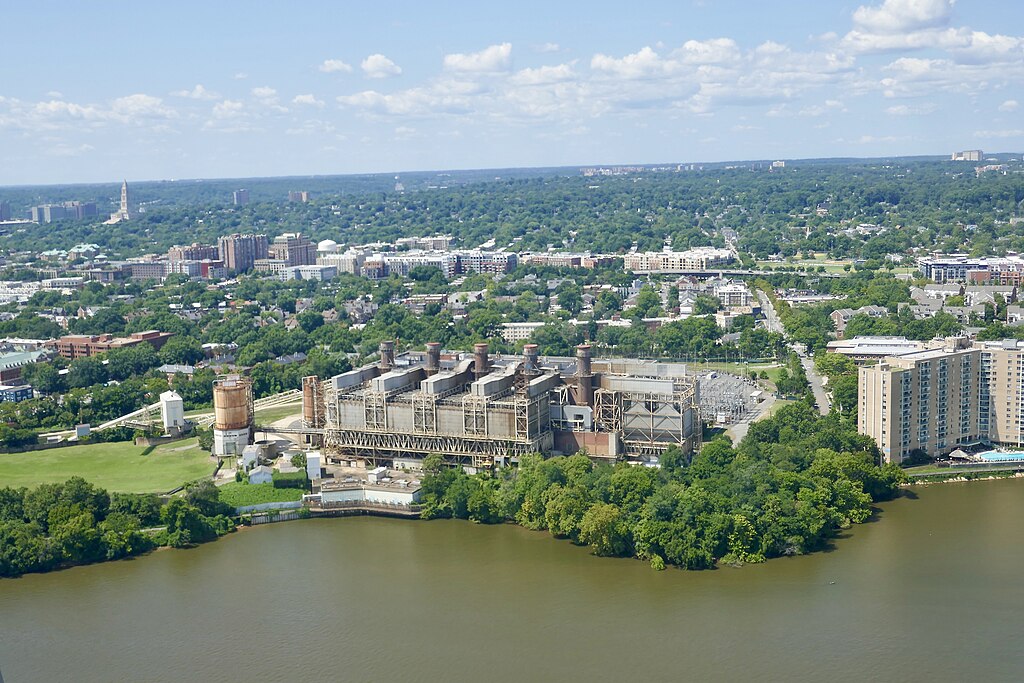
Alexandria’s port and trade routes positioned it as a critical economic center near the early capital, influencing commerce, diplomacy, and politics. During the Revolutionary and early federal eras, residents participated in civic life, trade, and governance that affected Virginia and the nation. Alexandria also played a role in early abolitionist movements. Despite its proximity to Washington D.C., the town’s unique contributions to trade, policy, and civic organization are often overshadowed by the capital, leaving its historical significance underrecognized.
15. Portsmouth, New Hampshire
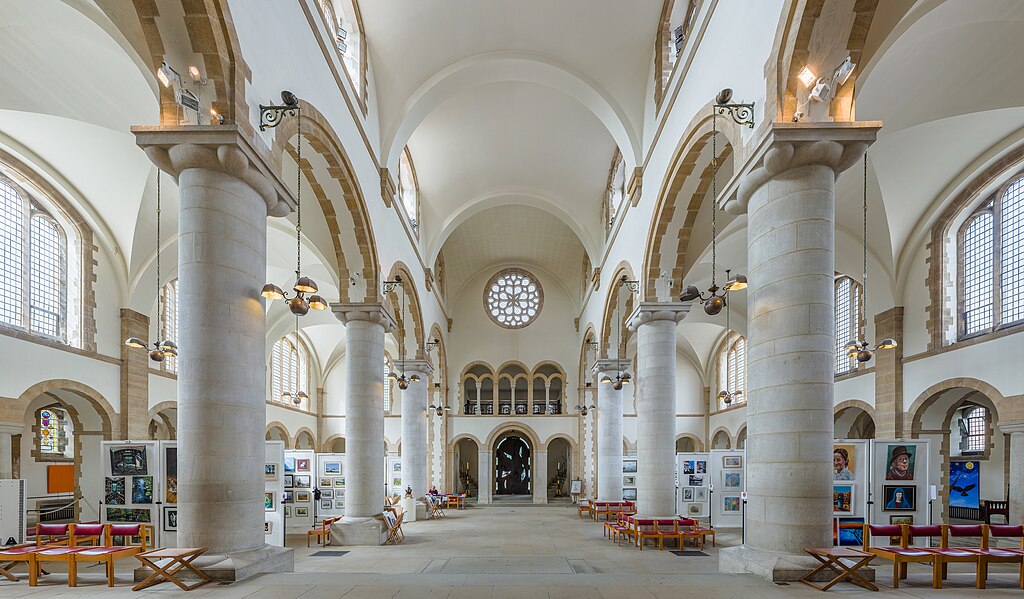
Portsmouth was one of the first colonial ports and a center of shipbuilding, fishing, and trade in New England. Its residents influenced commerce, maritime law, and revolutionary politics. The town supported naval operations and became a hub for early industry, education, and social organization. While Portsmouth survives as a picturesque town, its deep influence on early American economic and political life is often overlooked, even though it played a critical role in shaping regional and national identity during formative periods.
These towns may no longer dominate maps or textbooks, but each left a mark on America’s growth. Recognizing their stories reminds us that history is not only built in capitals or major cities: even small towns have shaped the nation in profound ways.