Long before algorithms and automation reshaped work, America was built by hands-on professions that powered daily life. These forgotten jobs laid the foundation for modern industries across the United States. Though many have vanished or evolved, their impact remains woven into infrastructure, culture, and community identity. Understanding these roles offers insight into how society functioned before screens replaced tools.
Switchboard Operators

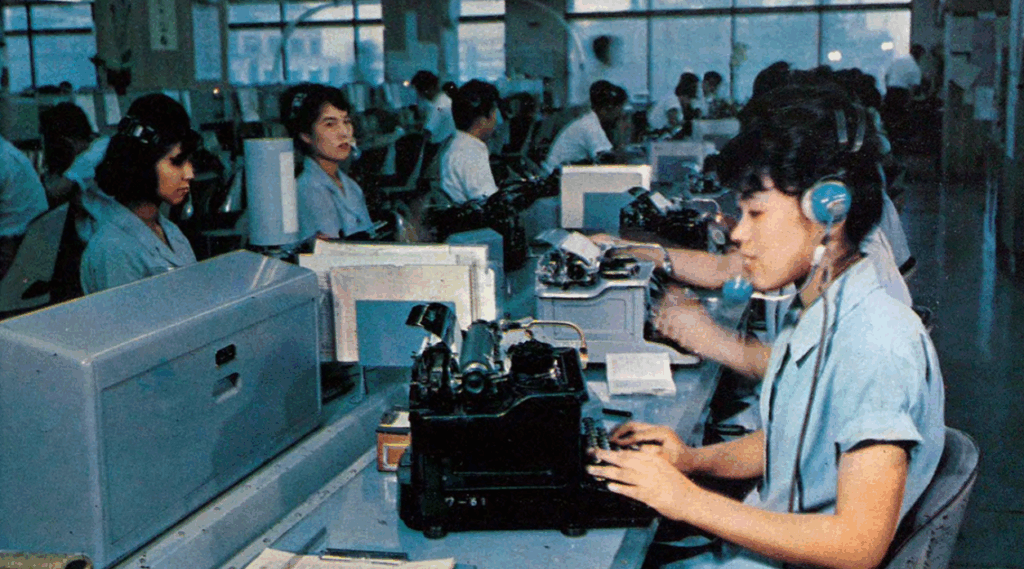
Switchboard operators manually connected phone calls in homes and offices nationwide. These workers memorized local numbers and facilitated communication long before automation. Their speed and accuracy kept businesses running smoothly. This role shaped early telecommunications infrastructure.
Ice Harvesters
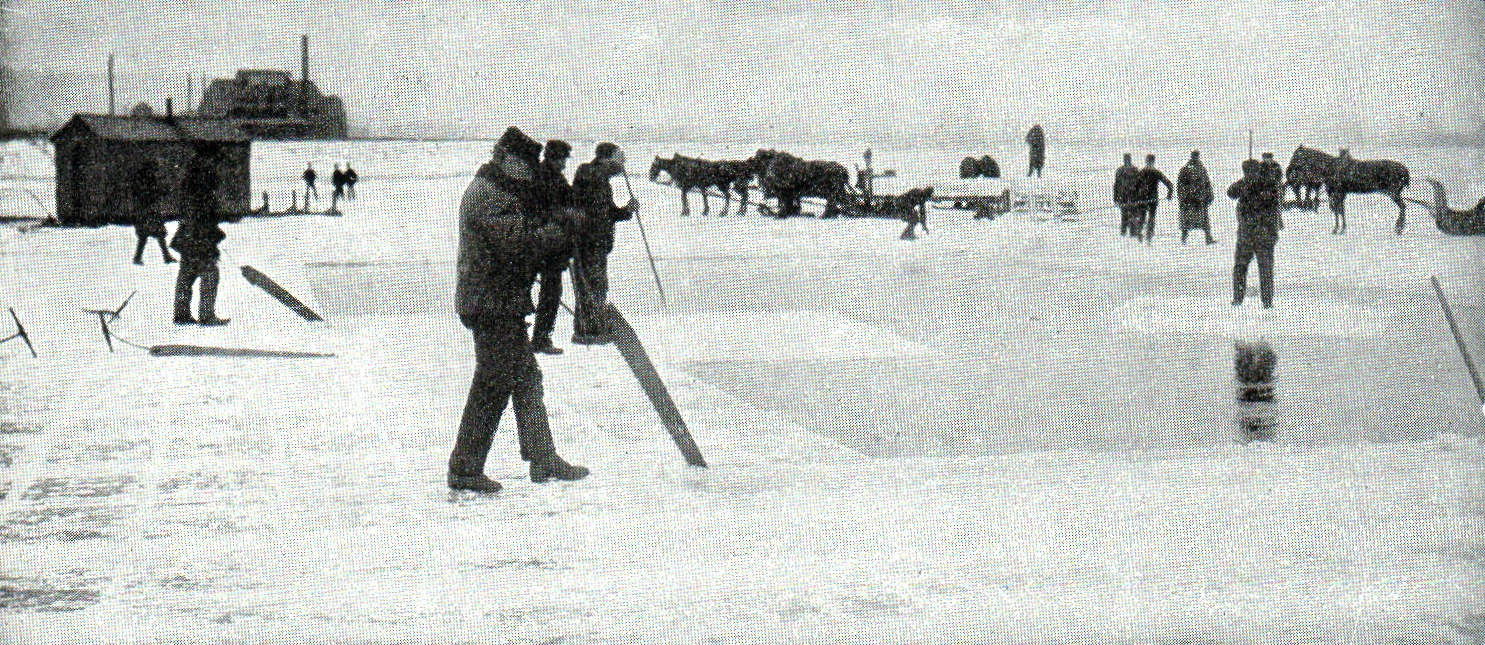
Before refrigeration, ice harvesters cut frozen lakes into massive blocks for storage and sale. Communities depended on them for food preservation year-round. The job required physical endurance and precise timing. It supported entire supply chains in urban areas.
Lamplighters

Lamplighters illuminated streets by hand each evening and extinguished lamps at dawn. Their work ensured safety and extended productive hours in cities. The role disappeared with electric lighting. It symbolized the transition from manual to modern infrastructure.
Telegraph Operators
Telegraph operators transmitted coded messages across vast distances. Their work revolutionized communication speed in business and government. Accuracy was critical, as errors carried serious consequences. This profession paved the way for modern data transmission.
Typesetters

Before digital printing, typesetters arranged individual letters by hand. Newspapers and books relied on their precision. The job required literacy, patience, and craftsmanship. It shaped how information was distributed for centuries.
Elevator Operators
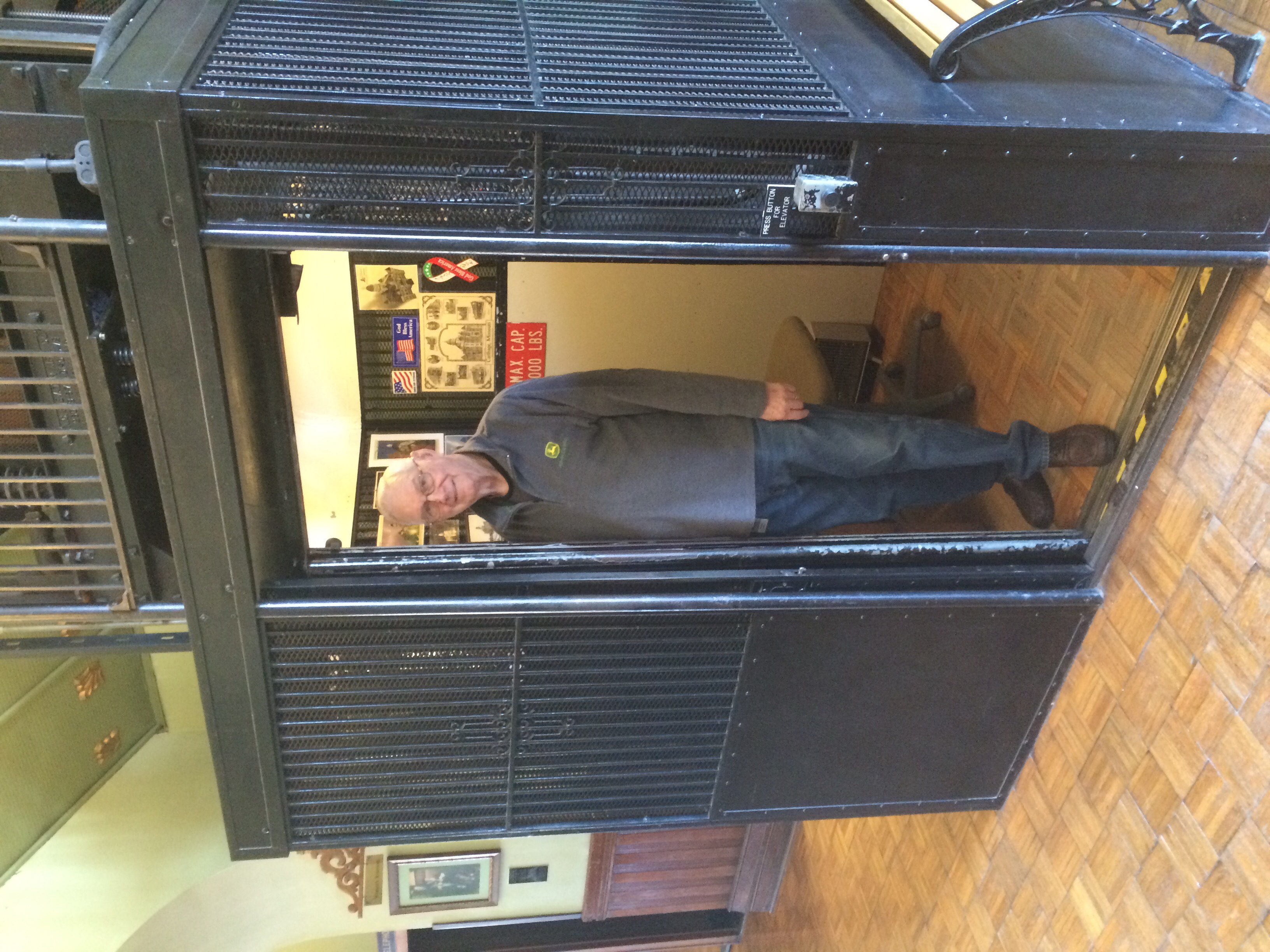
Elevator operators managed manual lifts in hotels and offices. They ensured passenger safety and smooth operation. The role added a human touch to urban life. Automation eventually made it obsolete.
Milkmen
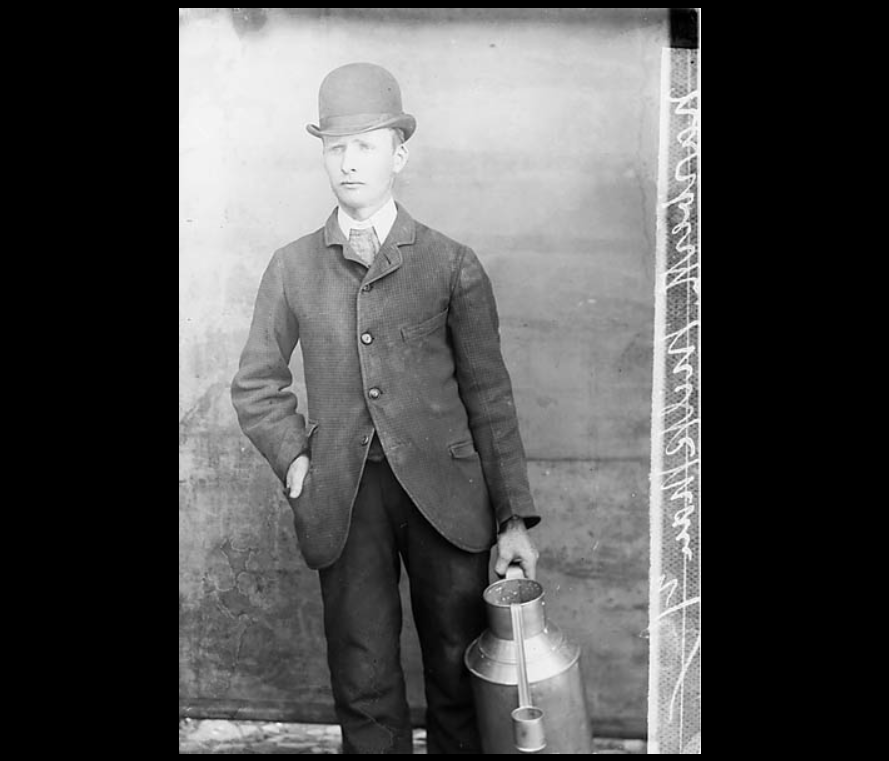
Milkmen delivered fresh dairy directly to homes daily. They built strong neighborhood relationships. This job ensured food safety before modern refrigeration. It reflected a trust-based economy.
Coal Stokers
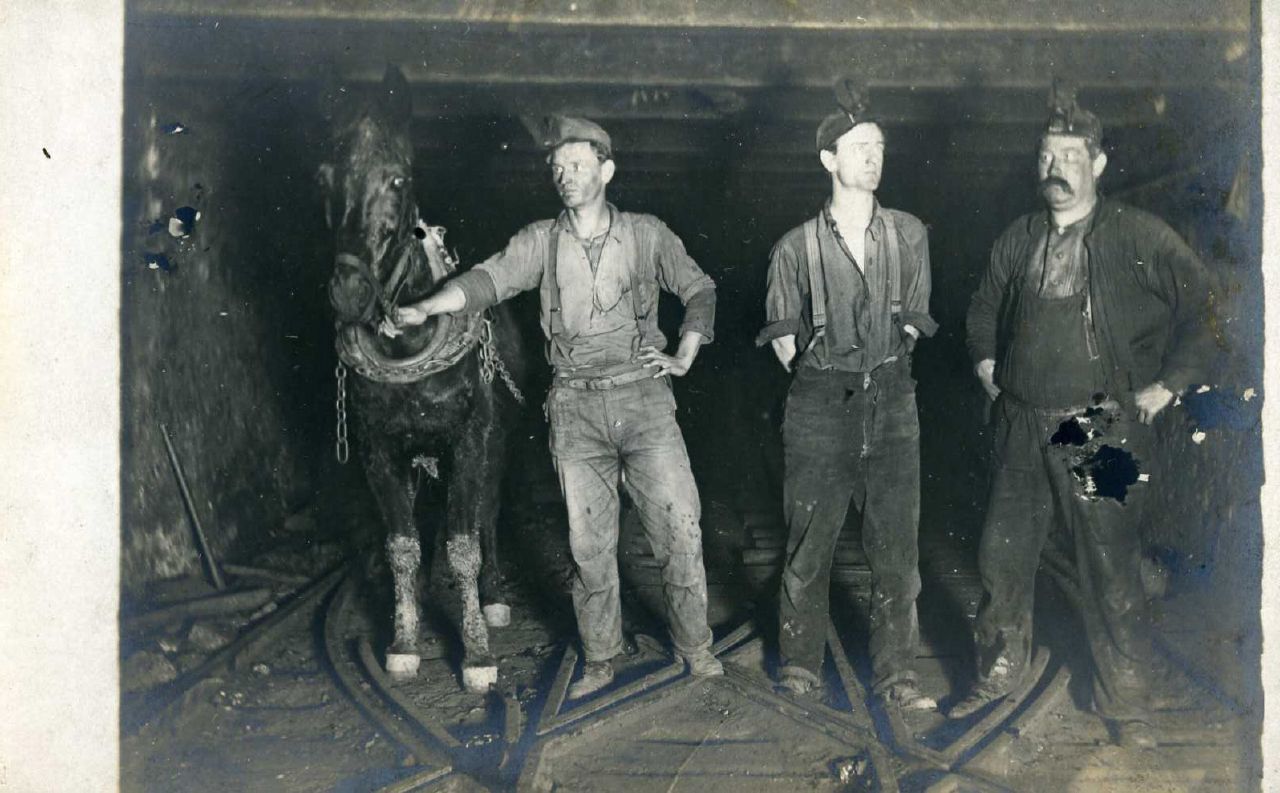
Coal stokers fueled factories, trains, and ships by hand. Their labor powered industrial growth. The job was physically demanding and dangerous. It was essential during America’s industrial expansion.
Streetcar Conductors
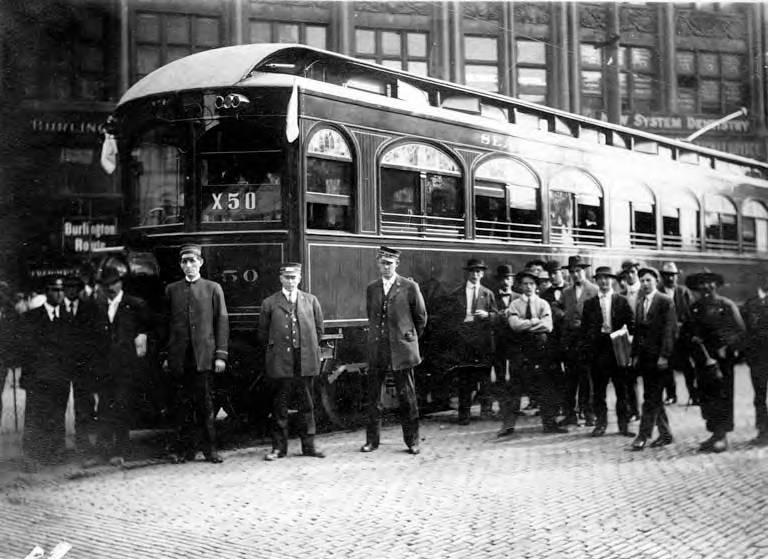
Streetcar conductors collected fares and managed passenger flow. They kept cities moving efficiently. Their role supported early public transportation systems. It faded as automated systems emerged.
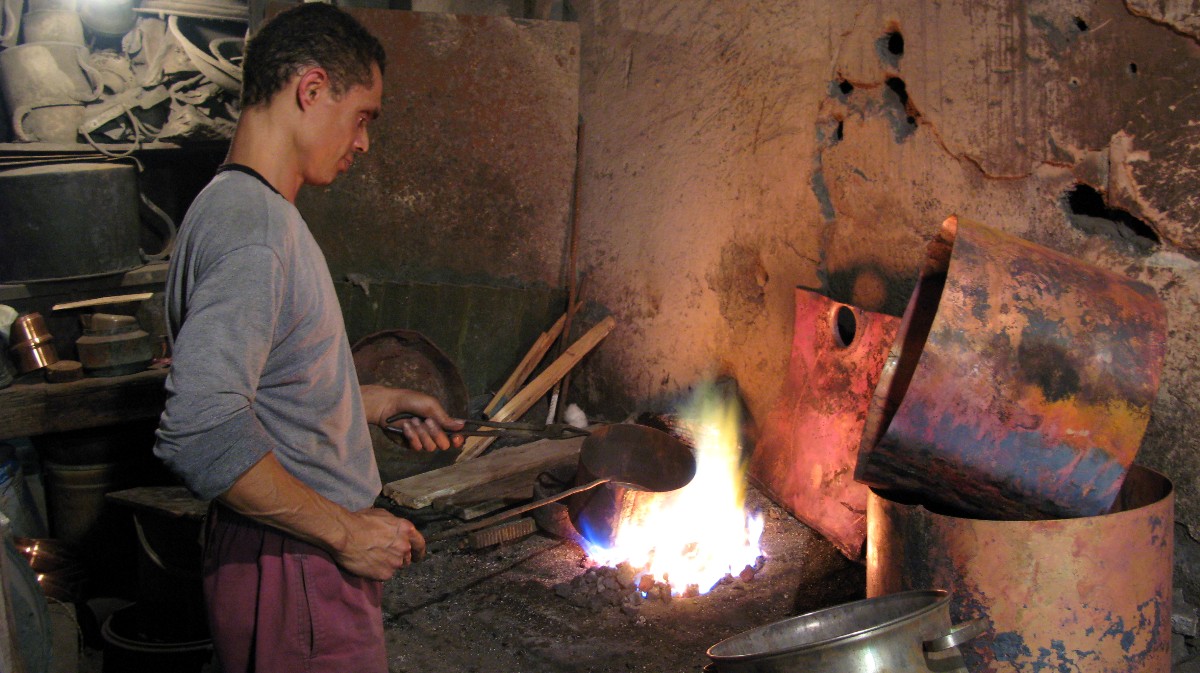
Tin Smiths
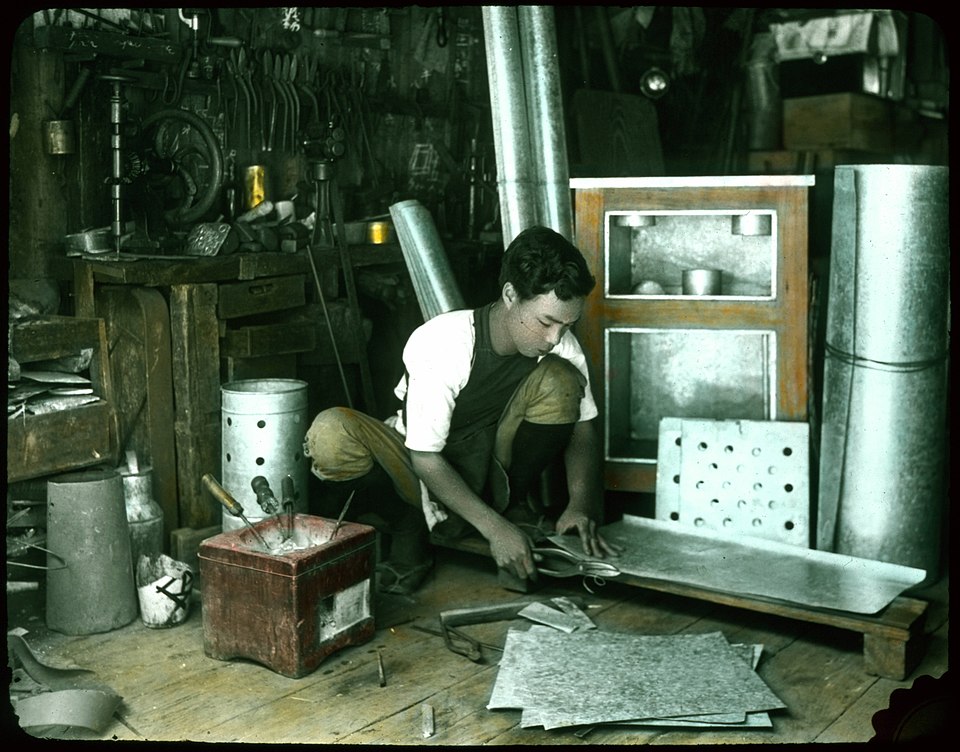
Tin smiths crafted household goods from metal sheets. Their skills supported domestic life before mass production. Each item was handmade and durable. This trade laid groundwork for modern manufacturing.
Cobbler Repair Specialists
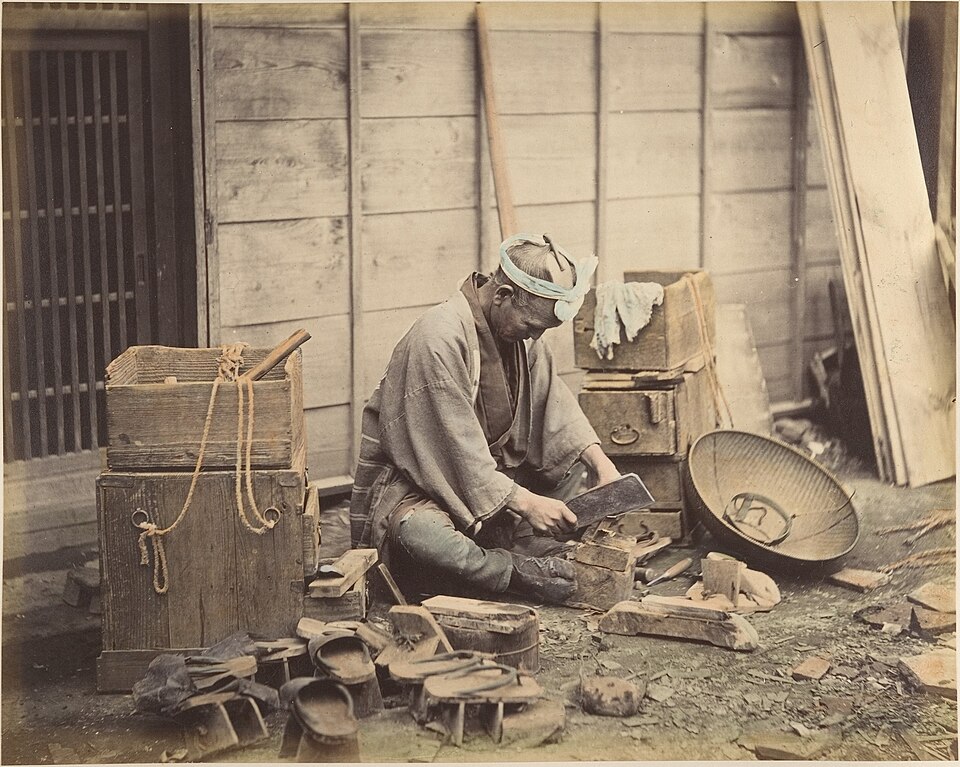
Cobblers repaired footwear when replacement was costly. Their work extended product life. Communities relied on their craftsmanship. The role declined with cheap mass production.
Water Carriers
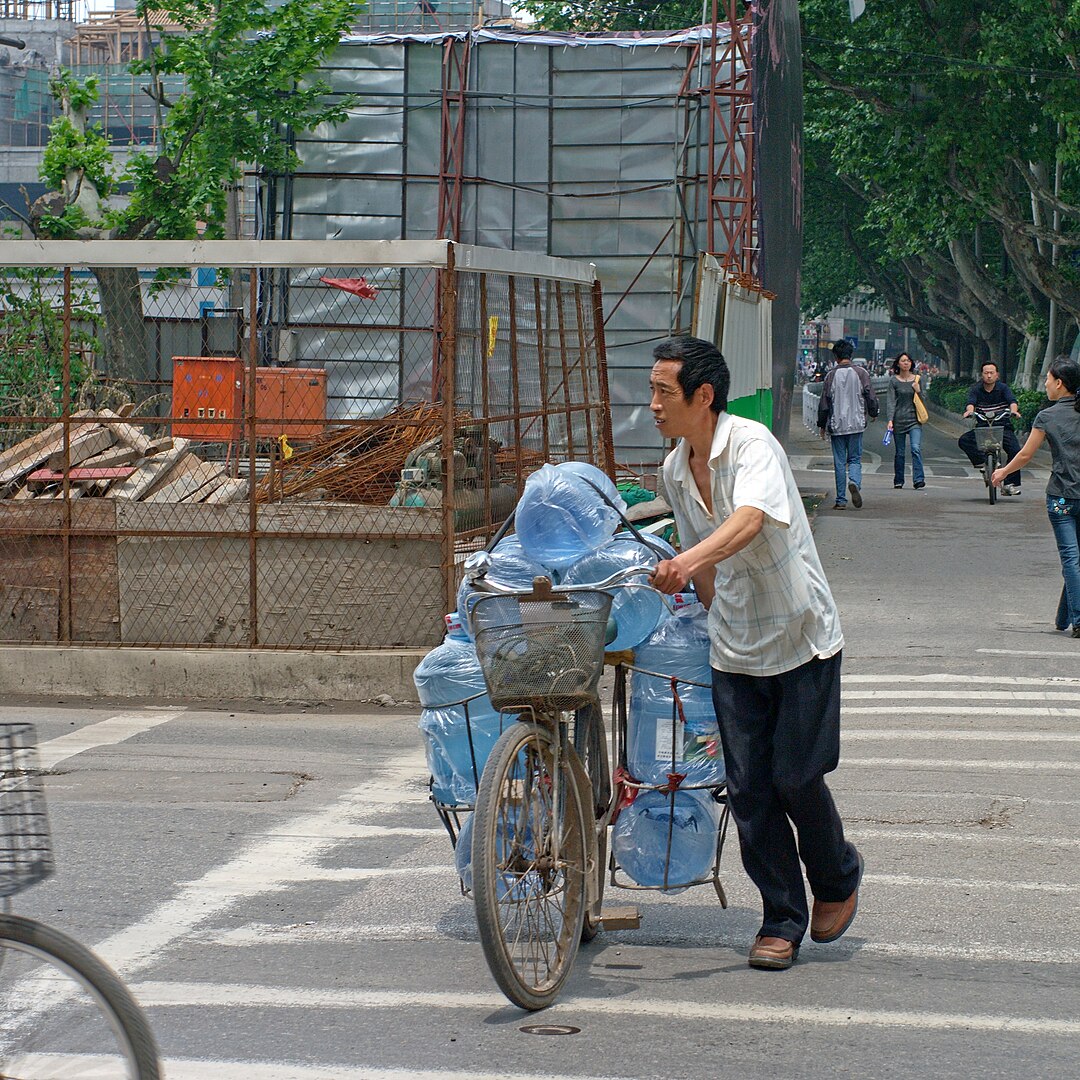
Water carriers delivered clean water before plumbing systems. Their work prevented disease and supported urban growth. It was labor-intensive and essential. Infrastructure advancements replaced the role.
Button Makers

Button makers produced fasteners by hand from bone or metal. Their products were vital for clothing. This niche craft supported garment industries. Mechanization ended the trade.
Linotype Operators
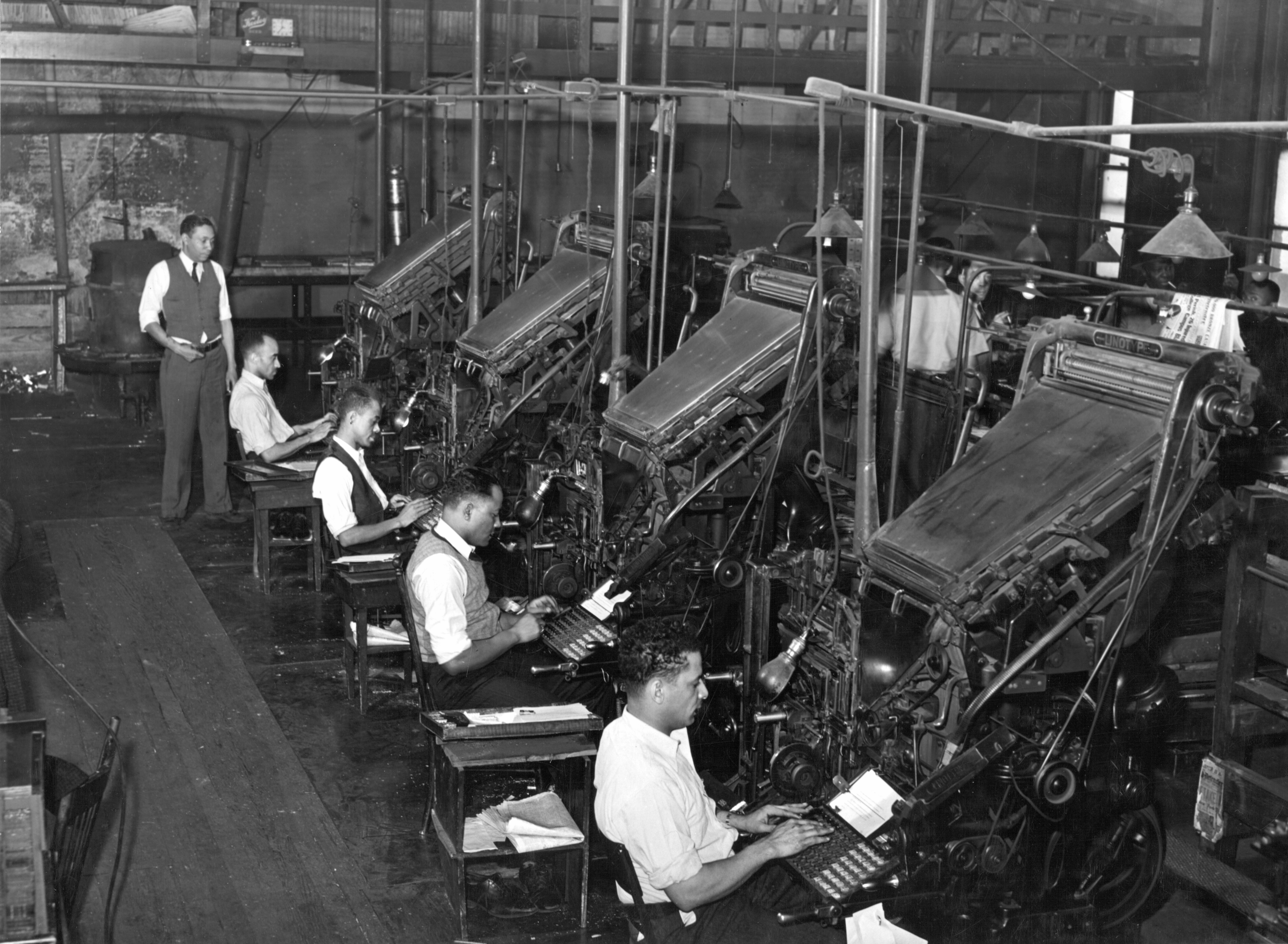
Linotype operators mechanized typesetting but still required skill. They bridged manual and industrial printing eras. Newspapers depended on them for speed. Digital publishing replaced the role.
Town Criers

Town criers announced news publicly before mass media. Their voices spread information quickly. They served as trusted messengers. The profession vanished with print and broadcast media.