
American innovation is filled with celebrated names, yet many transformative thinkers have been forgotten over time. Their unnoticed contributions shaped technologies, industries, and everyday conveniences that define modern living. As historians uncover buried patents and biographies, these innovators are finally receiving recognition. Their stories remind us that progress often comes from individuals whose brilliance went unacknowledged in their era.
Elijah McCoy
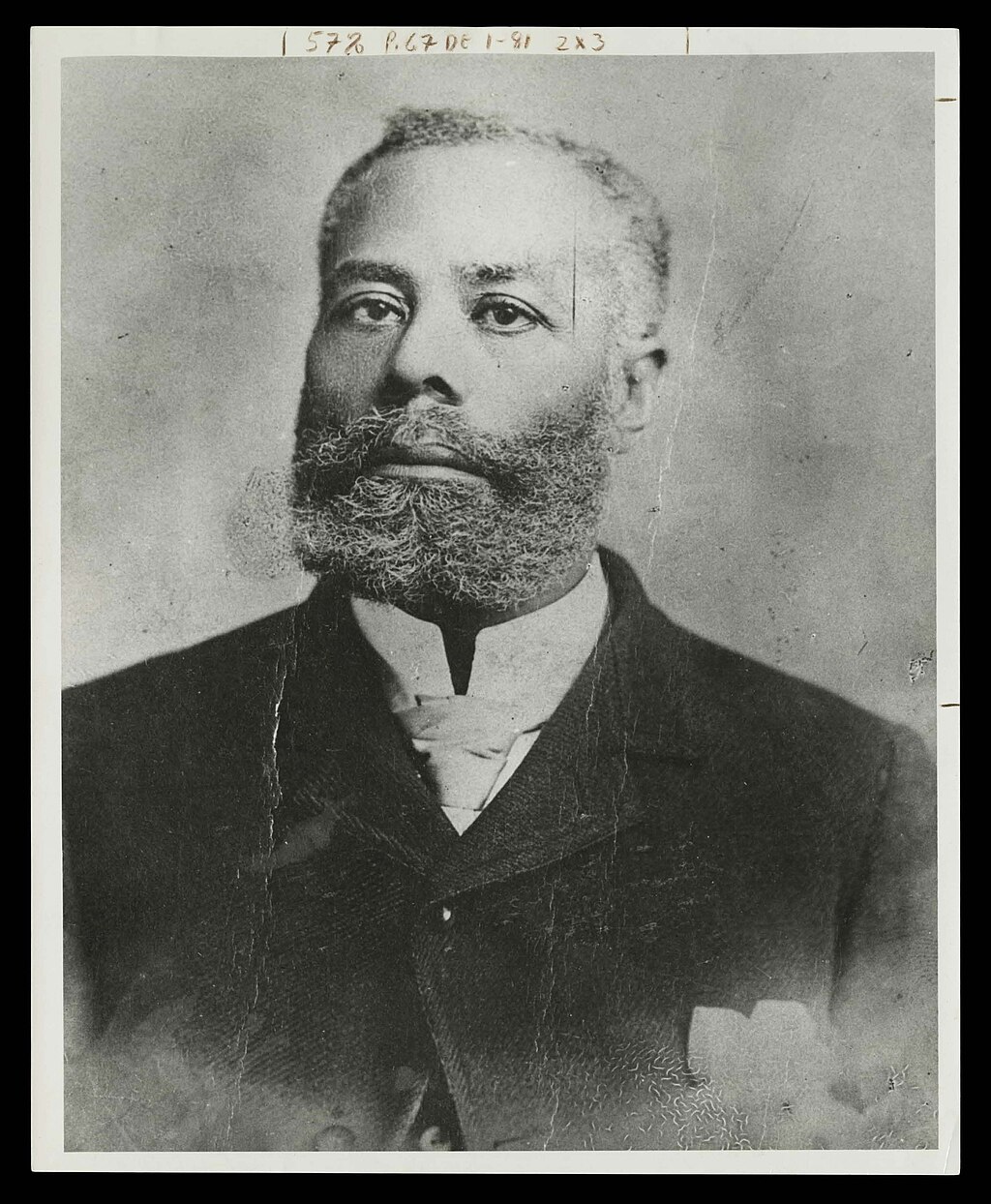
Elijah McCoy’s automatic lubricator revolutionized machinery during the industrial age, allowing trains and factory equipment to run efficiently. His invention eliminated constant manual lubrication, increasing productivity nationwide. Though widely used, his name remained underappreciated beyond engineering circles. Historians note that the phrase “the real McCoy” may have originated from the reliability of his designs. His work matters today as automated systems remain central to industry.
Margaret Knight
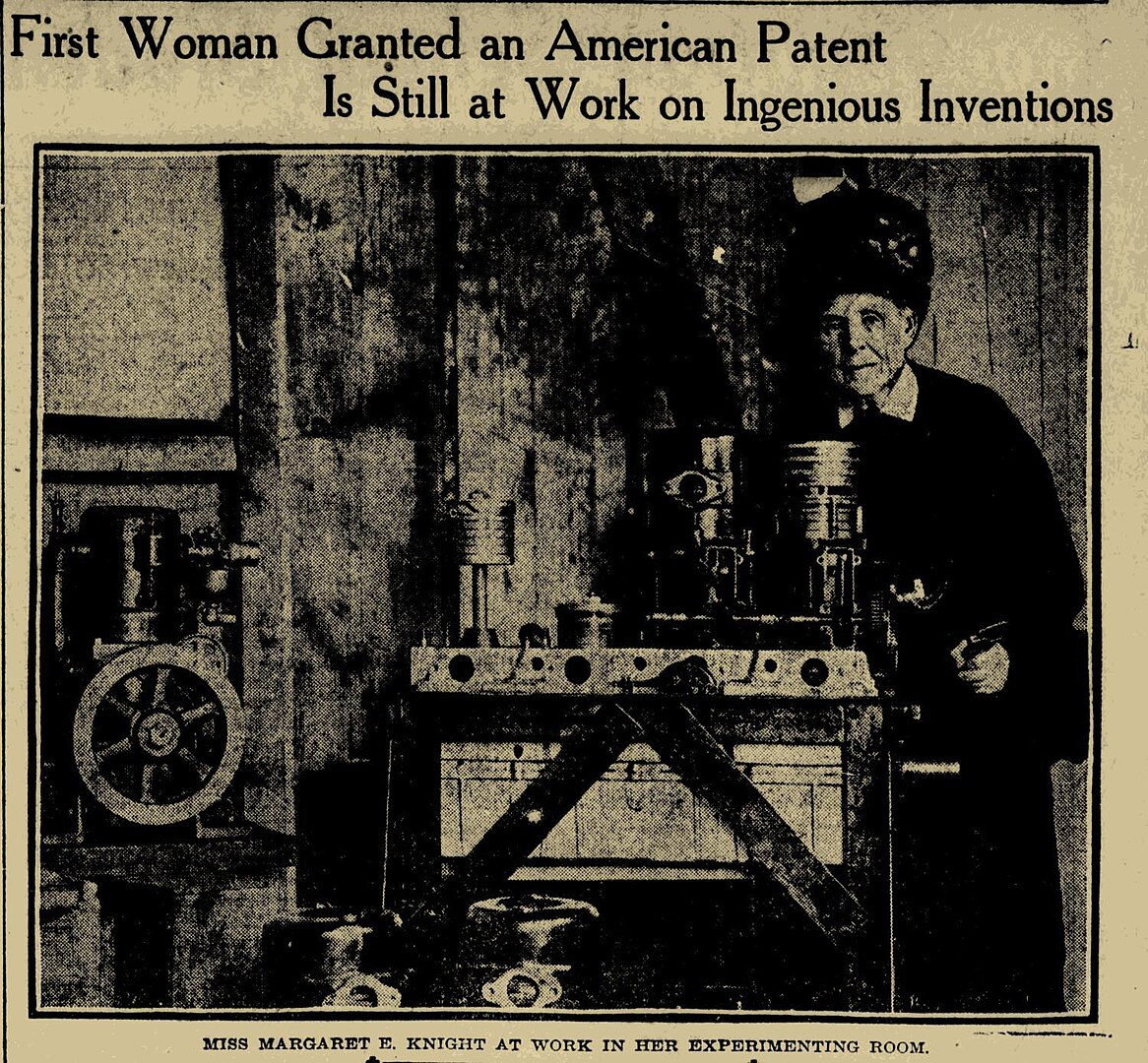
Often called the female Edison, Margaret Knight created the flat-bottom paper bag machine that transformed consumer packaging. Her invention made mass production of durable bags possible, reshaping shopping and retail practices. Despite holding numerous patents, her legacy was minimized for decades due to gender bias. Renewed attention highlights her persistence in defending her intellectual property against challengers. Her story emphasizes women’s overlooked role in industrial innovation.
Lewis Latimer
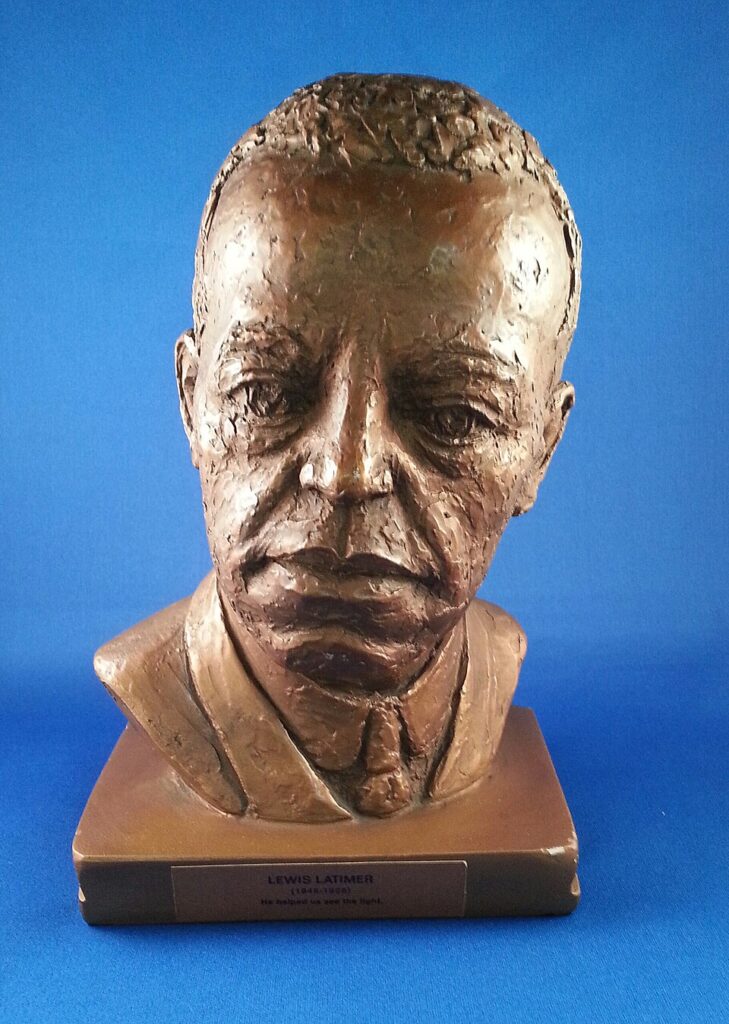
Lewis Latimer improved the carbon filament used in early light bulbs, making electric lighting more accessible. He drafted key patents and contributed to the development of the telephone. Despite working alongside major inventors, he rarely received equal recognition. His technical writing and engineering expertise helped standardize electrical systems. His rediscovered influence shows the collaborative nature of technological evolution.
Stephanie Kwolek
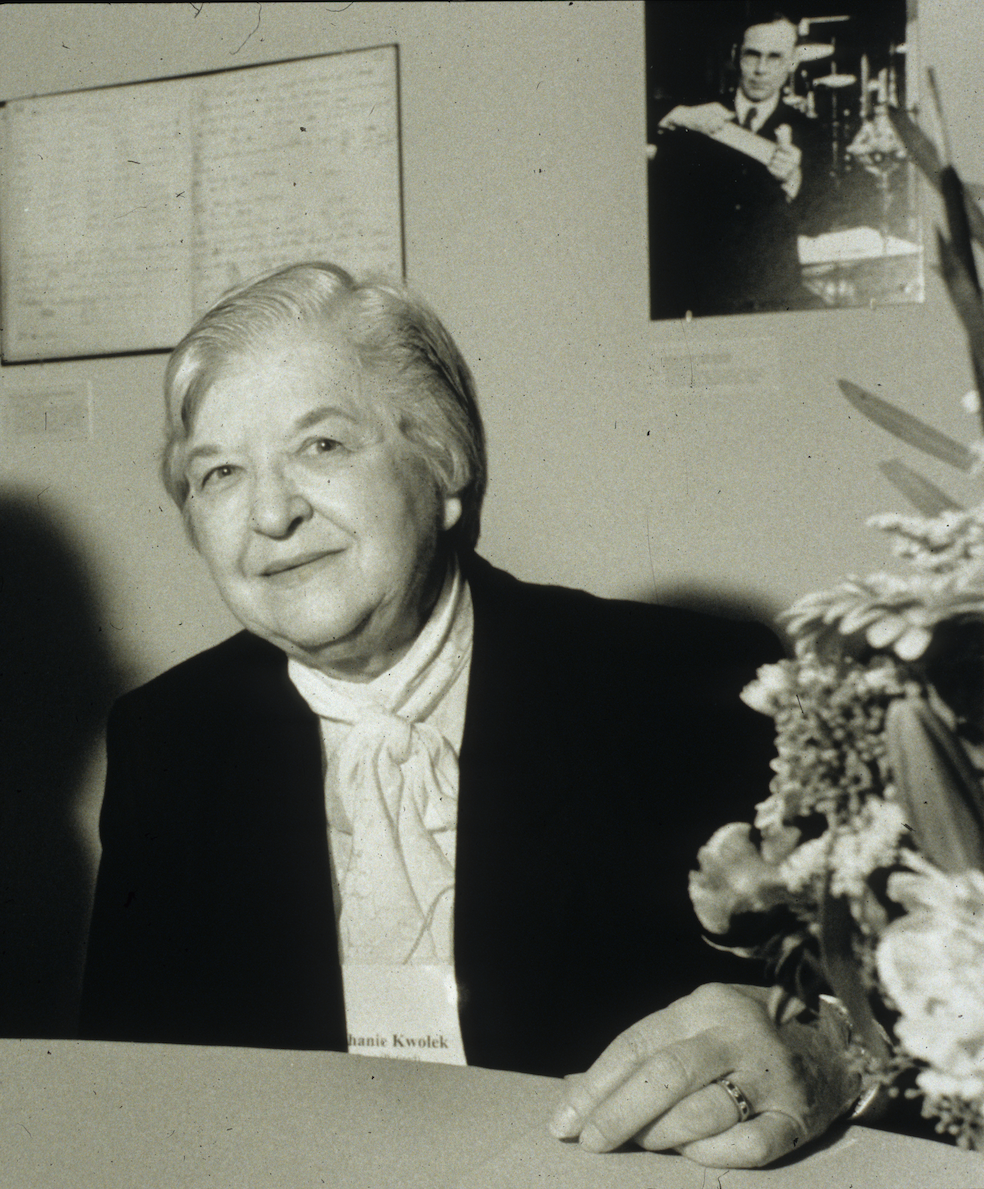
Stephanie Kwolek created Kevlar, the lightweight but incredibly strong fiber used in body armor, aerospace equipment, and countless safety applications. For years, her groundbreaking work remained overshadowed by male-dominated fields. Her invention continues saving lives worldwide. Modern reevaluations highlight her curiosity-driven approach to chemistry. Her legacy demonstrates how scientific breakthroughs often come from persistence and experimentation.
Otis Boykin
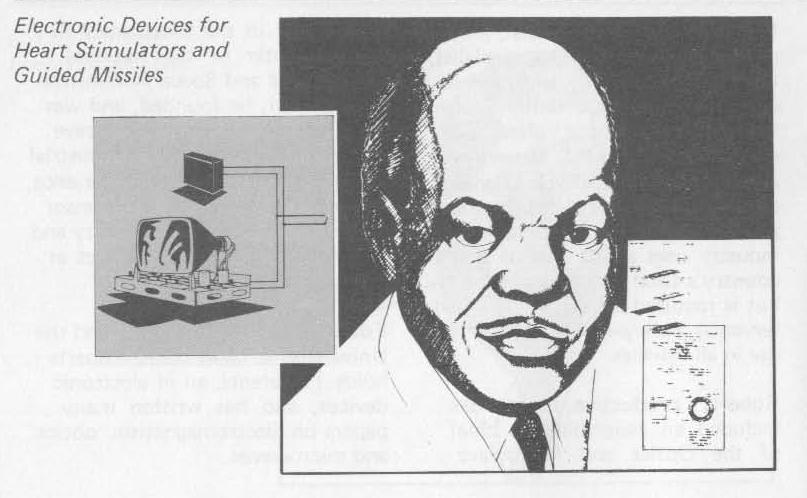
Otis Boykin’s improved electrical resistor helped advance computing, military, and medical devices, including pacemakers. His innovations provided more reliable and affordable components. Though widely adopted, his contributions remained largely uncelebrated in mainstream history. Renewed recognition emphasizes his role in high-performance electronics. His work continues shaping modern circuit design.
Ellen Ochoa
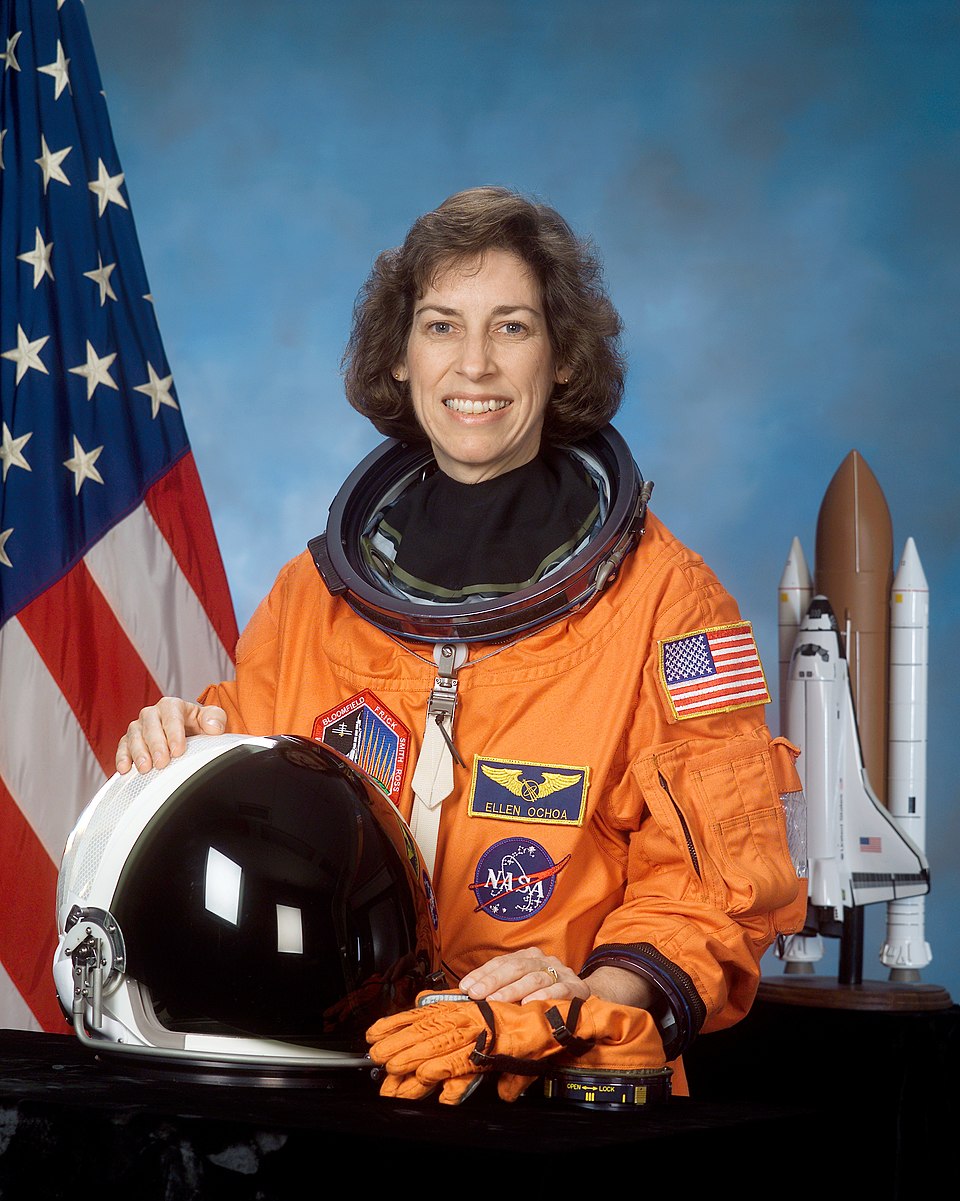
Ellen Ochoa, the first Latina astronaut, also pioneered optical systems used in manufacturing and aerospace. Her engineering achievements were overshadowed by her historic spaceflight milestone. Recent scholarship highlights her broader technical leadership. Her innovations improved automated inspections and processing systems. Her rediscovered contributions emphasize diversity in engineering excellence.
Granville Woods
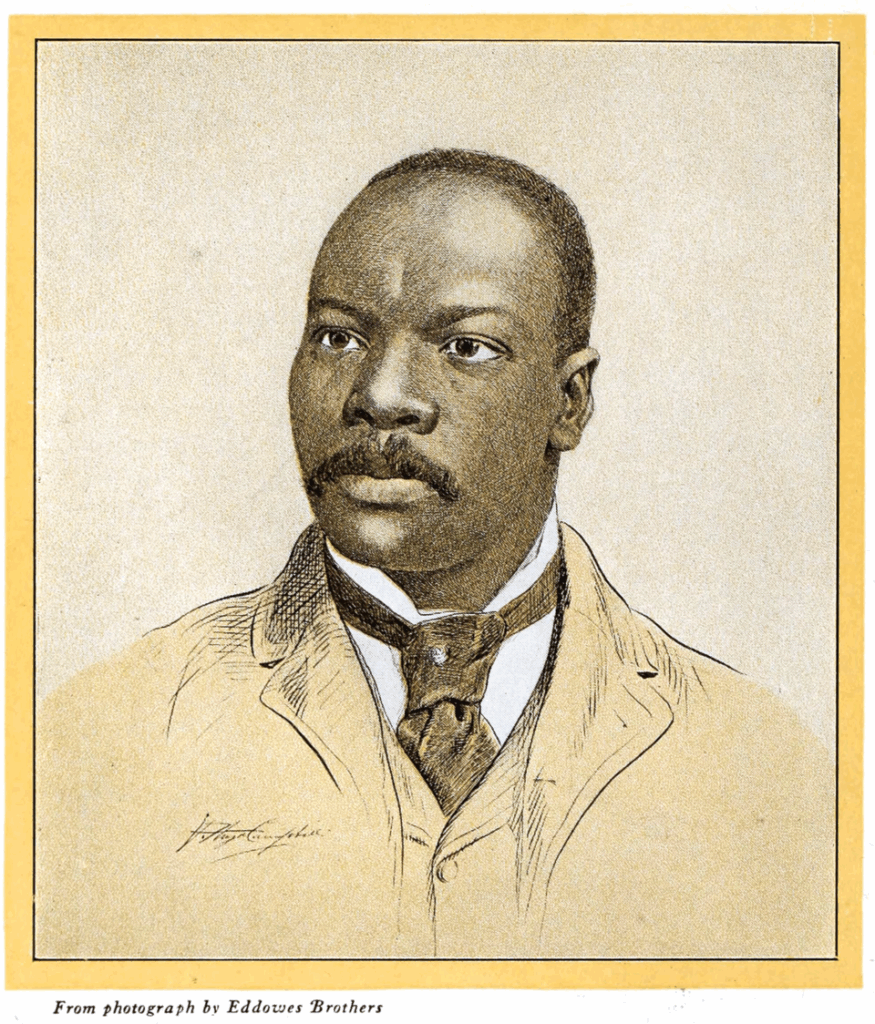
Known as the “Black Edison,” Granville Woods held dozens of patents involving railroad communication and electrical systems. His inventions improved transportation safety and efficiency, including telegraph devices used on moving trains. Despite corporate battles over patents, he continued refining groundbreaking technologies. His legacy faded over time but is now receiving renewed appreciation. His work underpins aspects of modern transportation networks.
Marion Donovan
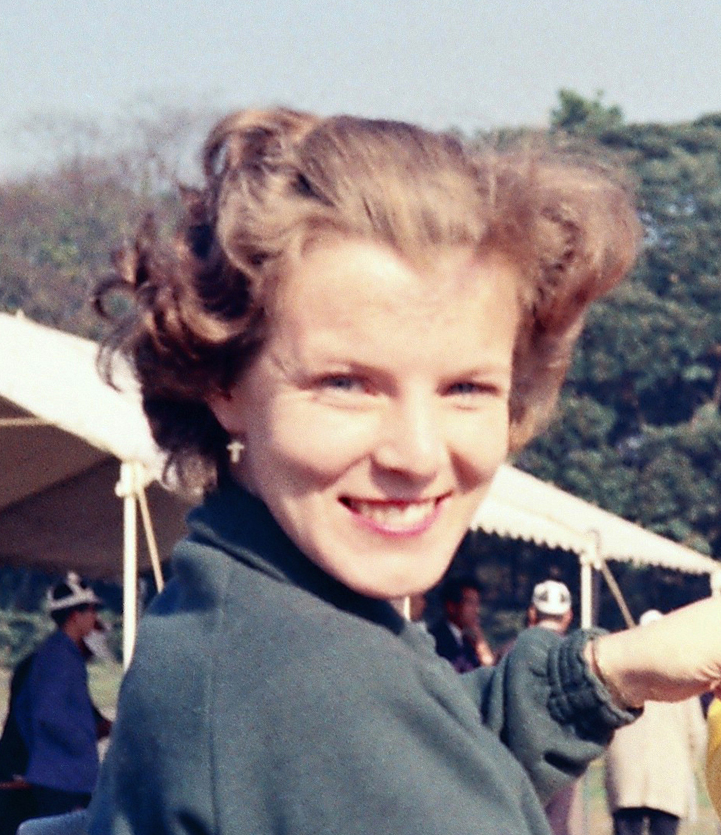
Marion Donovan invented the precursor to the disposable diaper, transforming childcare worldwide. Her early designs used waterproof materials and thoughtful ergonomics. Despite initial skepticism, her invention addressed a universal practical need. Historians now emphasize her impact on consumer goods innovation. Her work illustrates the overlooked contributions of domestic inventors.
Charles Drew
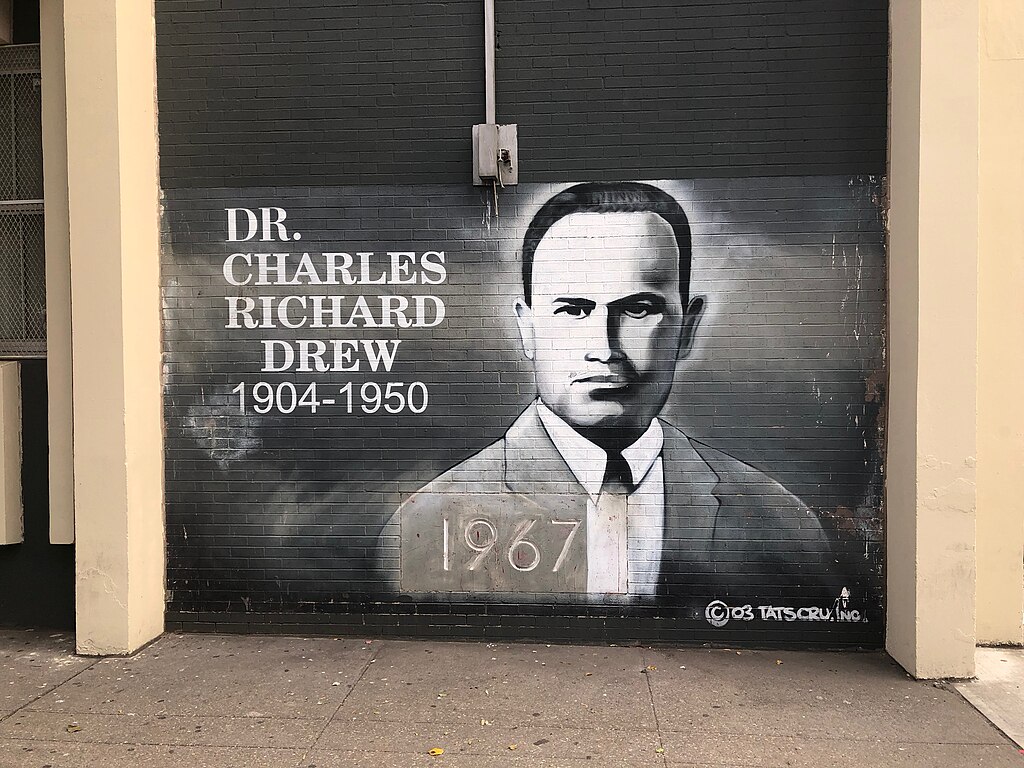
Dr. Charles Drew revolutionized blood storage and transfusion practices, establishing large-scale blood banks. His systems became crucial during World War II and remain foundational in modern medicine. Though recognized in medical circles, his broader public legacy faded over time. Renewed focus highlights his leadership in medical logistics. His innovations continue saving lives daily.
Hedy Lamarr

While famous as an actress, Hedy Lamarr co-created frequency-hopping technology that laid the groundwork for Wi-Fi and Bluetooth. Her scientific achievements were dismissed in her era due to her Hollywood persona. Only recently has her technical genius received mainstream recognition. Her work exemplifies cross-disciplinary innovation. Her rediscovery shows how preconceived notions can obscure brilliance.
John Boyd Dunlop in America’s Adoption of Pneumatic Tires
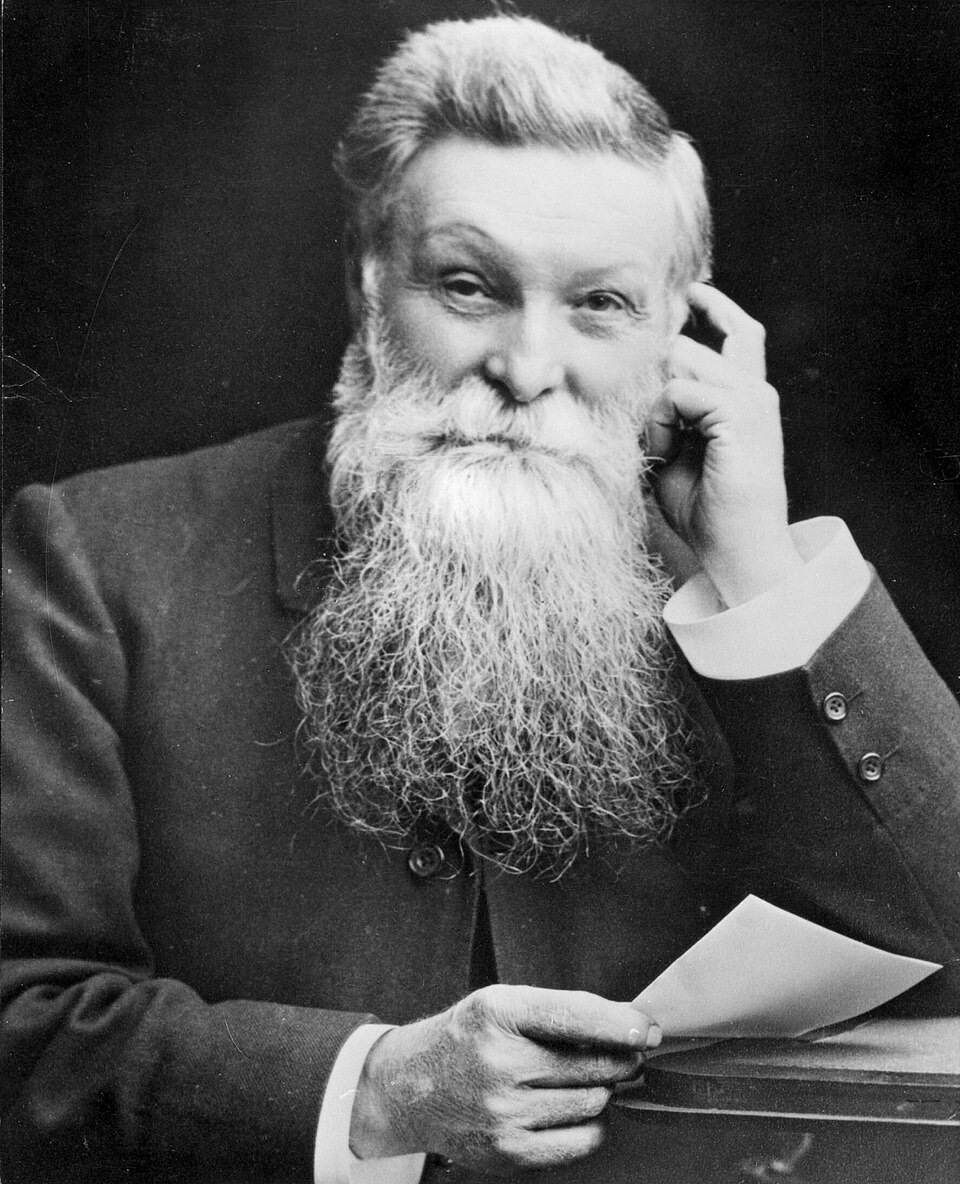
Though initially known in Europe, Dunlop’s work with pneumatic tires transformed American transportation. Improved comfort and efficiency reshaped the bicycle and automobile industries. His contributions were overshadowed by U.S. auto giants’ narratives. Renewed studies acknowledge his influence on mobility innovation. His ideas remain embedded in everyday transportation.
Lillian Gilbreth
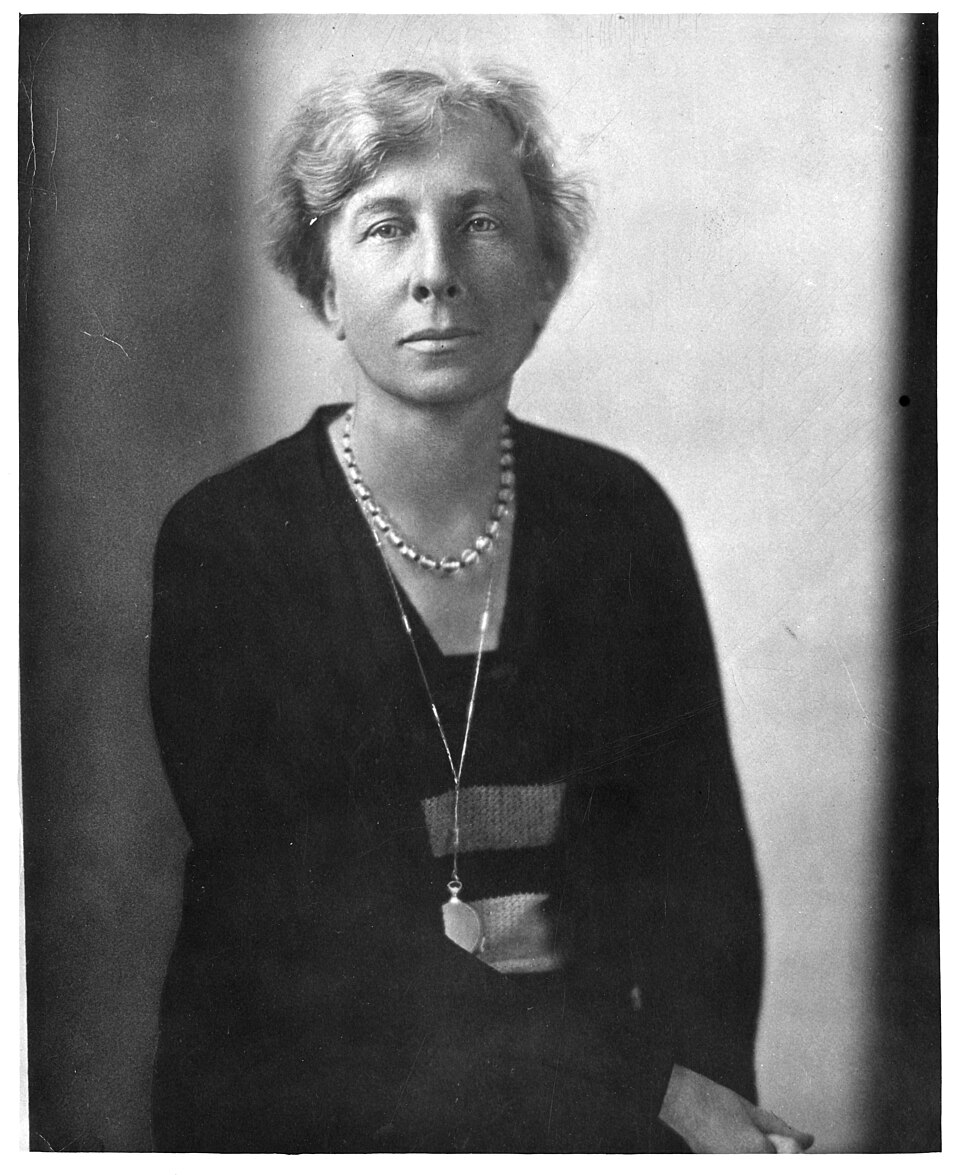
An early pioneer in industrial psychology, Lillian Gilbreth introduced time-motion studies that enhanced workplace efficiency. Her research improved ergonomics and influenced modern management practices. Despite her significant contributions, she was long overshadowed by her male counterparts. Today, her work is recognized as foundational in organizational development. Her rediscovery enriches our understanding of human-centered design.
Willis Carrier
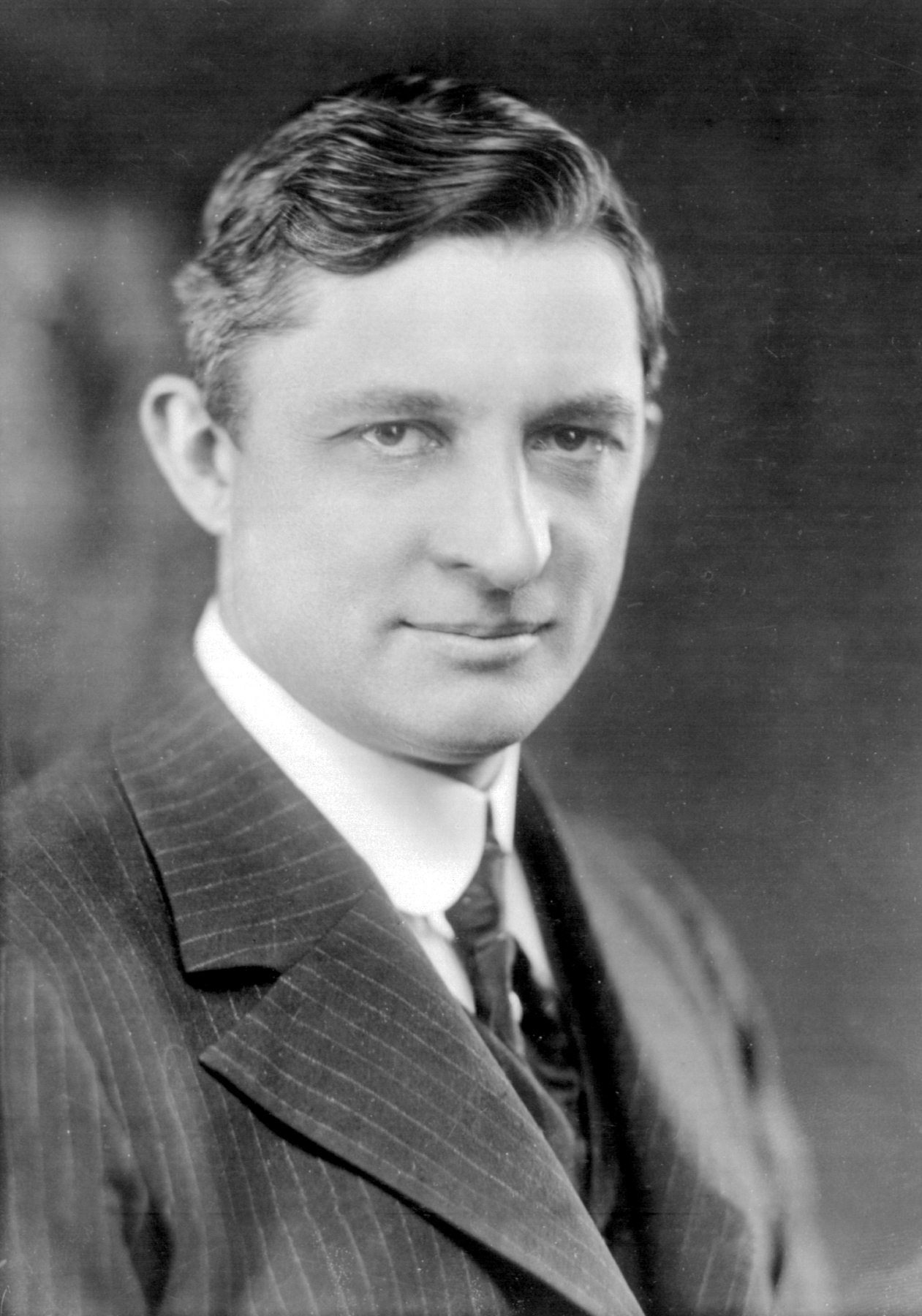
Though eventually better known, Willis Carrier’s invention of modern air conditioning was initially downplayed. His technology reshaped architecture, labor patterns, and population migration across the U.S. Air conditioning made modern computing, medicine, and manufacturing possible. Historians now emphasize its transformative societal impact. His legacy shows how overlooked innovations reshape human behavior.
Mary Engle Pennington
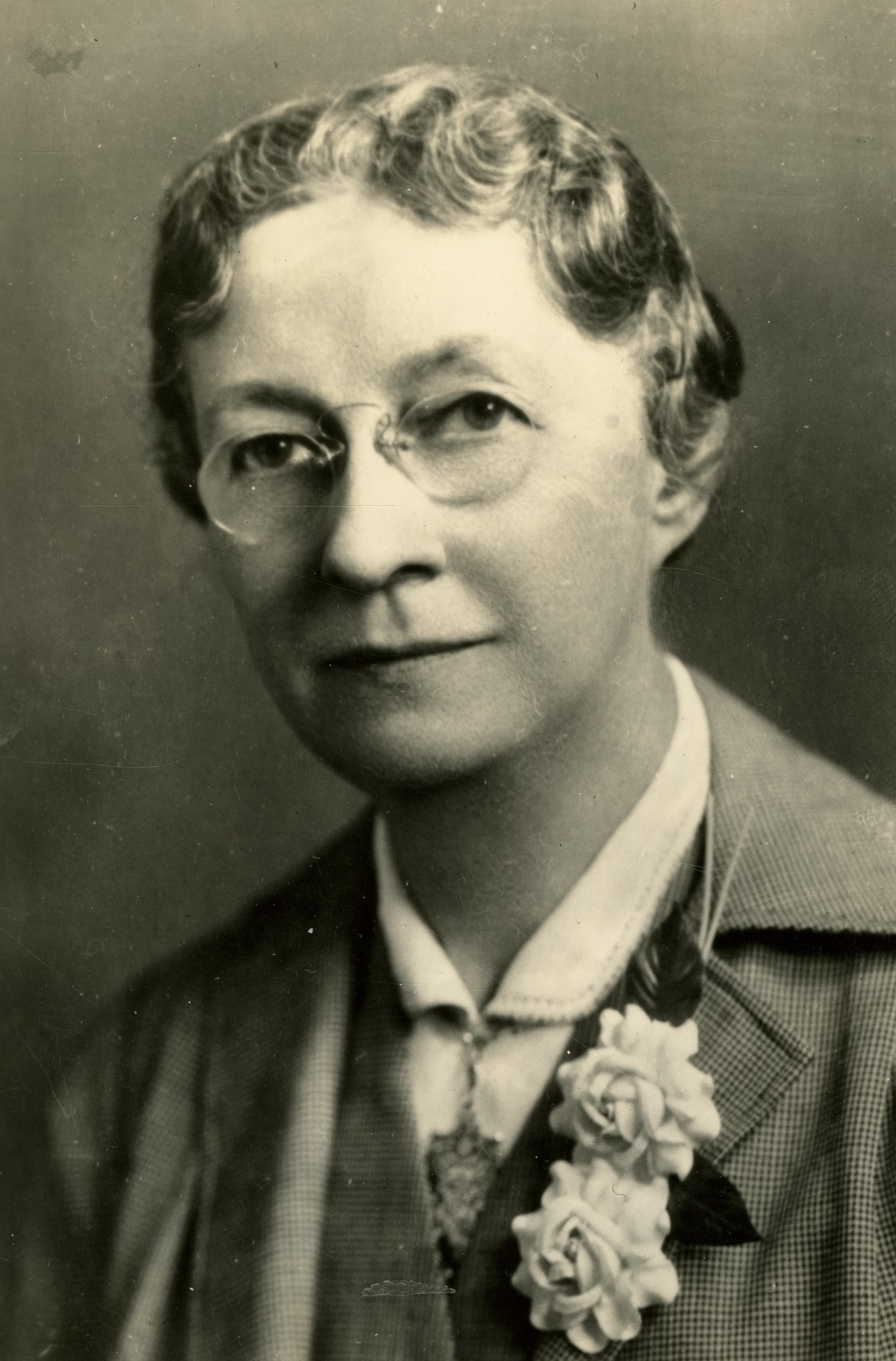
Mary Engle Pennington revolutionized food safety by improving refrigeration and storage standards. Her research shaped laws that protect consumers from contamination. Despite her central role, she remained largely unknown outside regulatory circles. Renewed attention highlights her scientific rigor and advocacy. Her work is the backbone of modern food safety systems.
Norbert Wiener
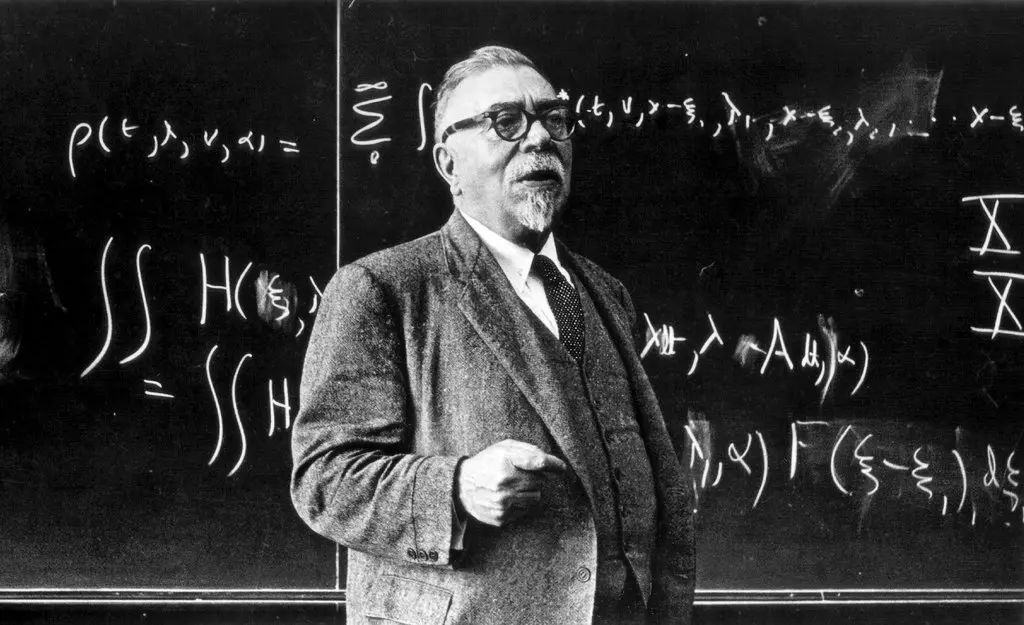
Norbert Wiener developed cybernetics, a field foundational to computing, automation, and robotics. His theories were far ahead of their time, influencing modern AI indirectly. For decades, his contributions were overshadowed by more commercially visible figures. Scholars now revisit his writings to understand early systems theory. His rediscovery emphasizes the intellectual origins of today’s digital world.