American history is full of larger-than-life figures, but many important heroes have quietly faded from textbooks and mainstream stories. These men and women played crucial roles in shaping the nation, whether through bravery in war, groundbreaking discoveries, or tireless work for justice. Yet their names rarely appear in classrooms today. Revisiting these forgotten figures not only honors their contributions but also reminds us that history is richer and more complex than the simplified version we often hear. Here are fifteen heroes who deserve to be remembered.
Sybilla Masters
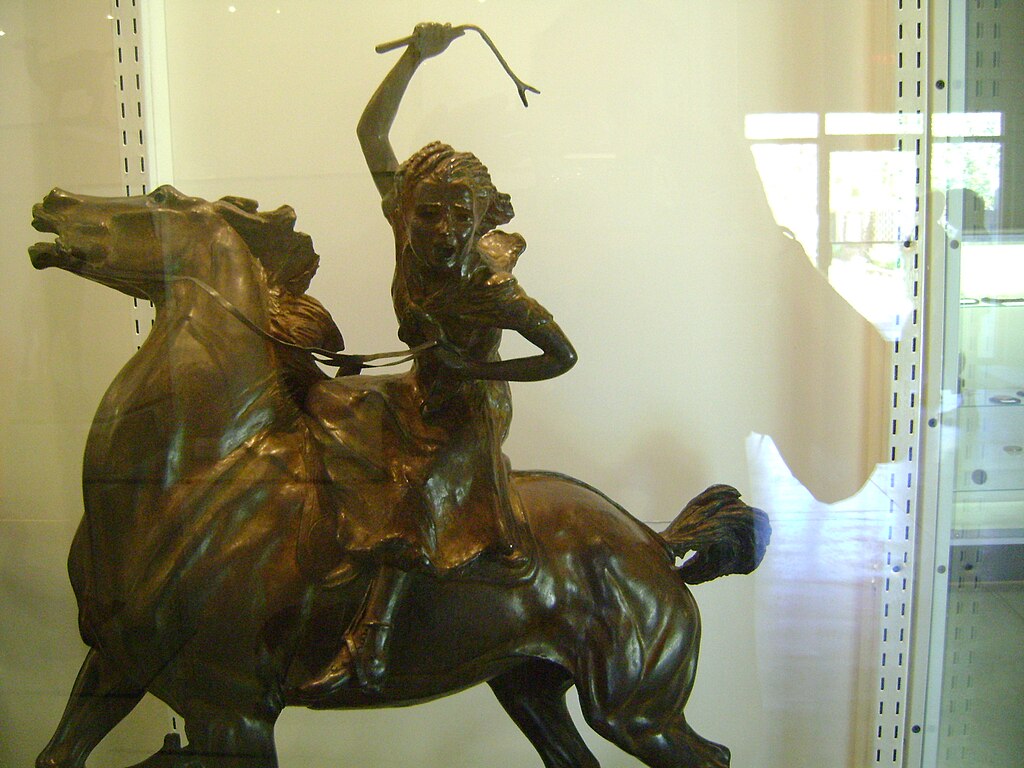
In the early 1700s, Sybilla Masters became one of the first American women to hold a patent, although laws at the time forced it to be issued in her husband’s name. She created a process for turning corn into cornmeal more efficiently, a critical innovation for colonies that relied heavily on corn as a food source. Despite being denied official recognition in her lifetime, Masters represents the ingenuity of women whose work helped sustain early America but was often overlooked. Her story is a reminder of how women contributed to progress even when laws excluded them.
Robert Smalls
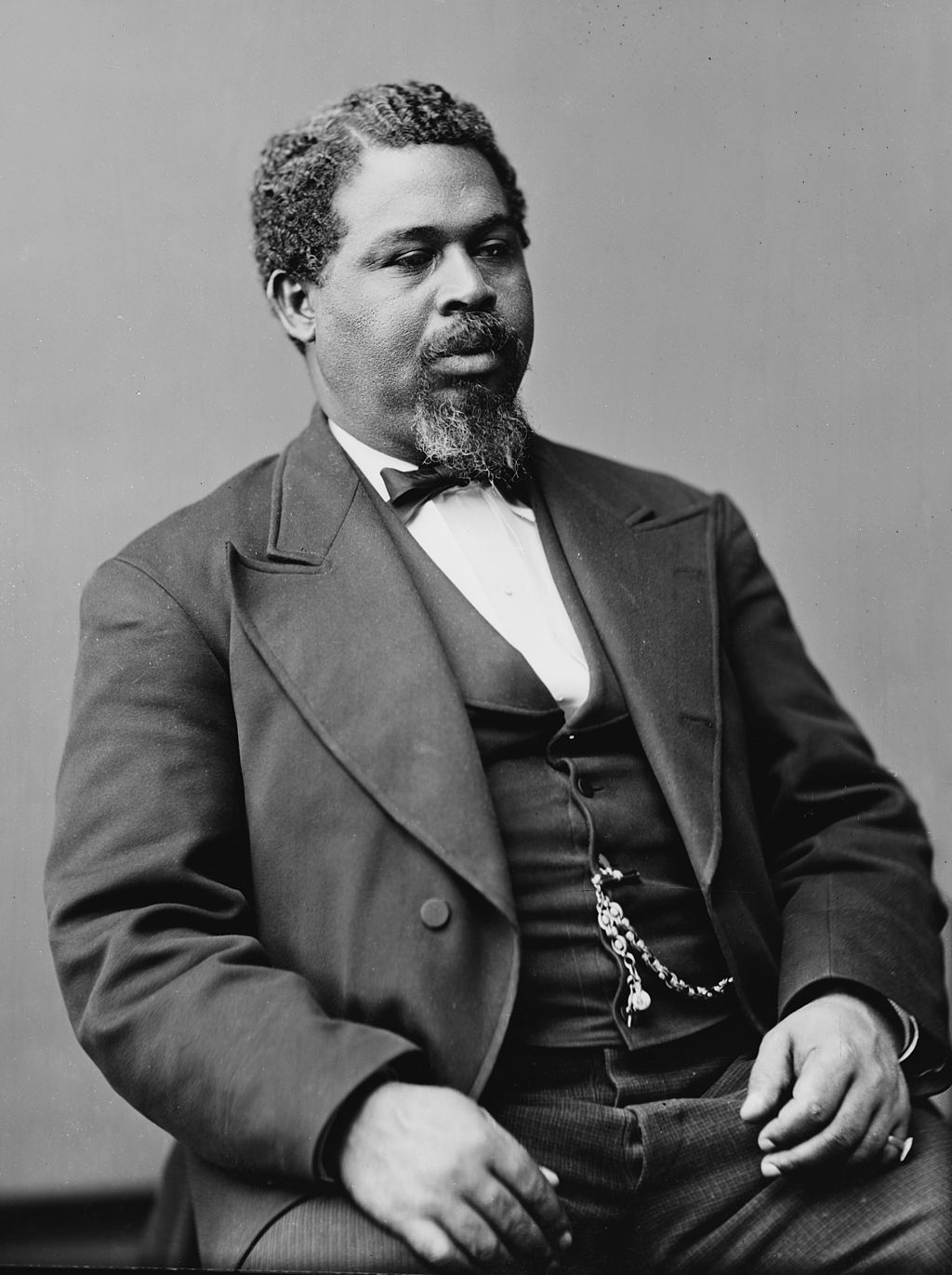
Born into slavery, Robert Smalls made history during the Civil War when he commandeered a Confederate ship and sailed it to freedom, delivering it to Union forces. His daring act freed not only himself but also his crew and their families. Smalls later became a successful politician, serving in the U.S. House of Representatives and advocating for African American rights during Reconstruction. His bravery and leadership had a lasting impact, yet his story is too often reduced to a footnote despite its significance in American history.
Bessie Coleman
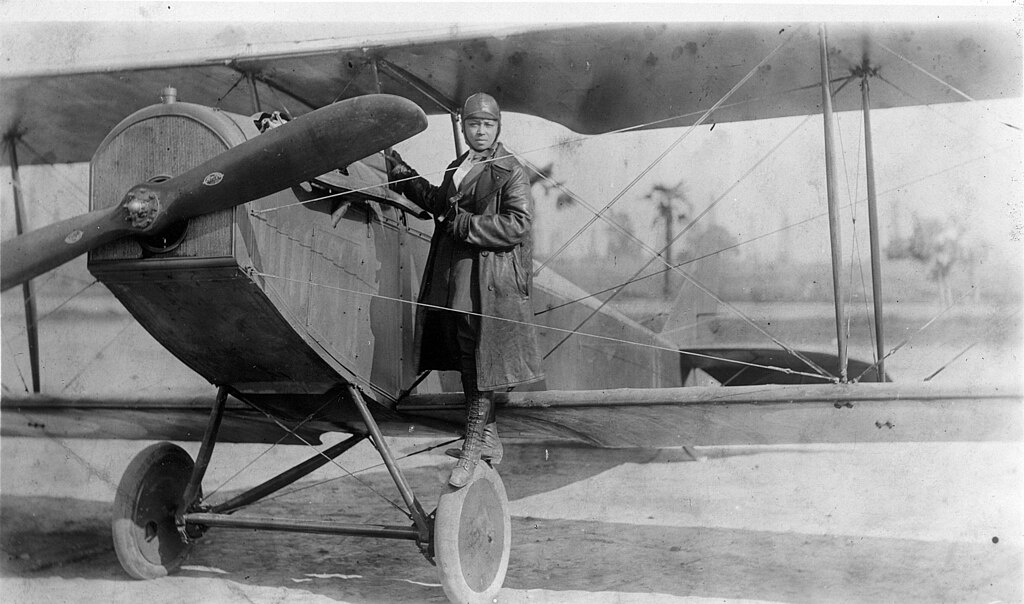
Bessie Coleman broke barriers as the first African American and Native American woman to earn a pilot’s license, doing so in 1921 at a time when both race and gender discrimination kept her from U.S. flight schools. She traveled to France to learn aviation, then returned to America to perform daring stunts at air shows, inspiring audiences across the country. Coleman refused to perform at venues that excluded Black people, making her not only a pioneering aviator but also a quiet activist for equality. Tragically, her life was cut short in a plane crash in 1926, but her courage and determination helped pave the way for future generations of aviators.
Bass Reeves
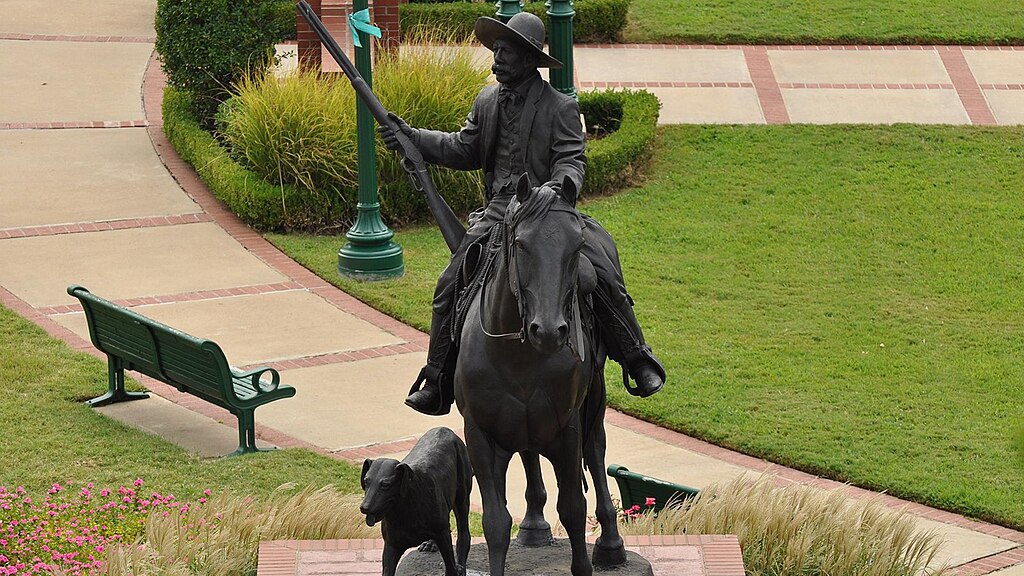
Bass Reeves was one of the first Black U.S. Deputy Marshals west of the Mississippi and an extraordinary lawman of the late 1800s. Known for his impeccable tracking skills, bravery, and fairness, he is believed to have arrested more than 3,000 criminals during his career. Many historians argue that Reeves may have inspired the fictional Lone Ranger character, though his real-life exploits were far more impressive. Despite his accomplishments, Reeves is still not widely taught in schools, even though he shaped the lawless frontier into safer territory.
Mary Edwards Walker
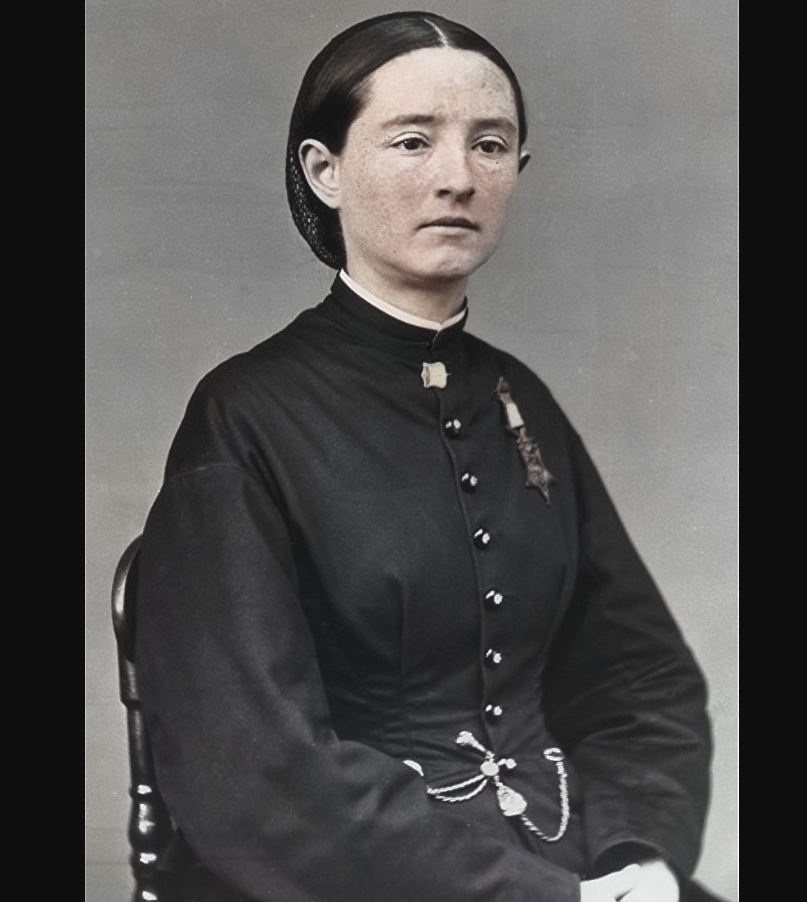
Mary Edwards Walker was a Civil War surgeon, abolitionist, and the only woman to ever receive the Medal of Honor. At a time when women were barred from medical positions in the military, she insisted on serving and eventually became an Army contract surgeon, treating wounded soldiers on the battlefield. Beyond her medical contributions, she was an outspoken advocate for women’s rights and dress reform, often arrested for wearing pants in defiance of gender norms. Her Medal of Honor was controversially revoked decades later, only to be reinstated in 1977. Walker’s life reflected both incredible courage and relentless determination to break through barriers, leaving behind a legacy of resilience and progress.
Ferdinand Magellan Bailey
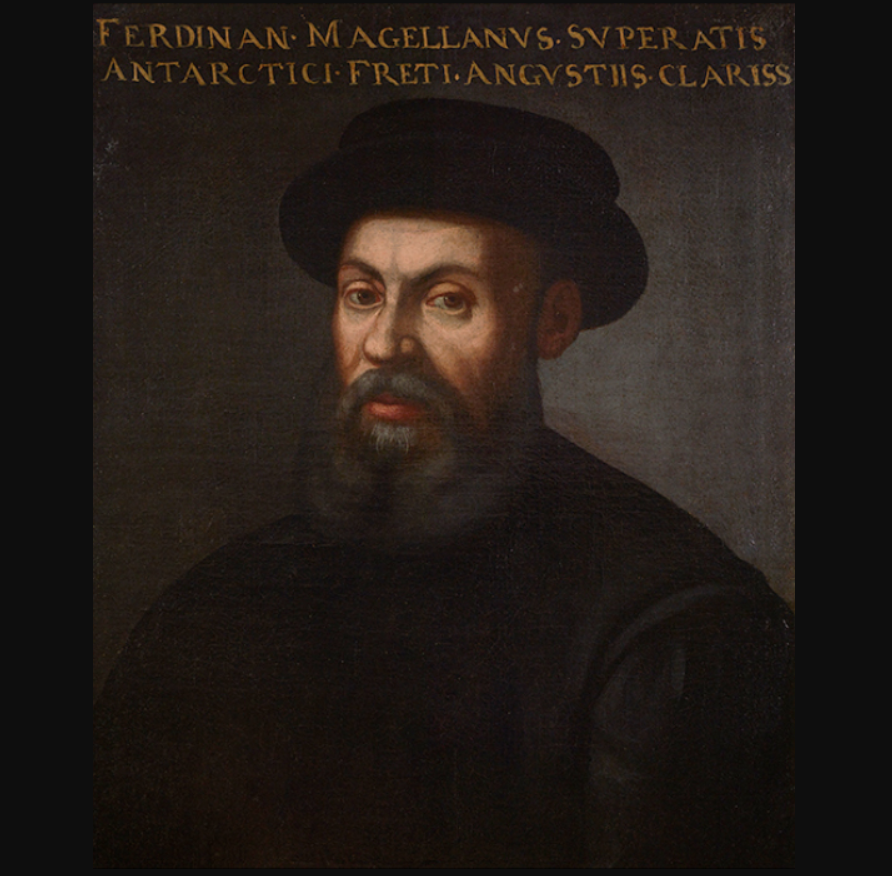
Known as “The Paul Revere of the South,” Ferdinand Magellan Bailey was a messenger for the Confederacy who repeatedly risked his life riding through dangerous territory to deliver crucial information. What makes his story remarkable is that he later renounced his Confederate ties and became a strong supporter of reconciliation. His complex legacy reveals the messy realities of the Civil War era and highlights how individuals could evolve and shape both sides of a divided nation.
Deborah Sampson
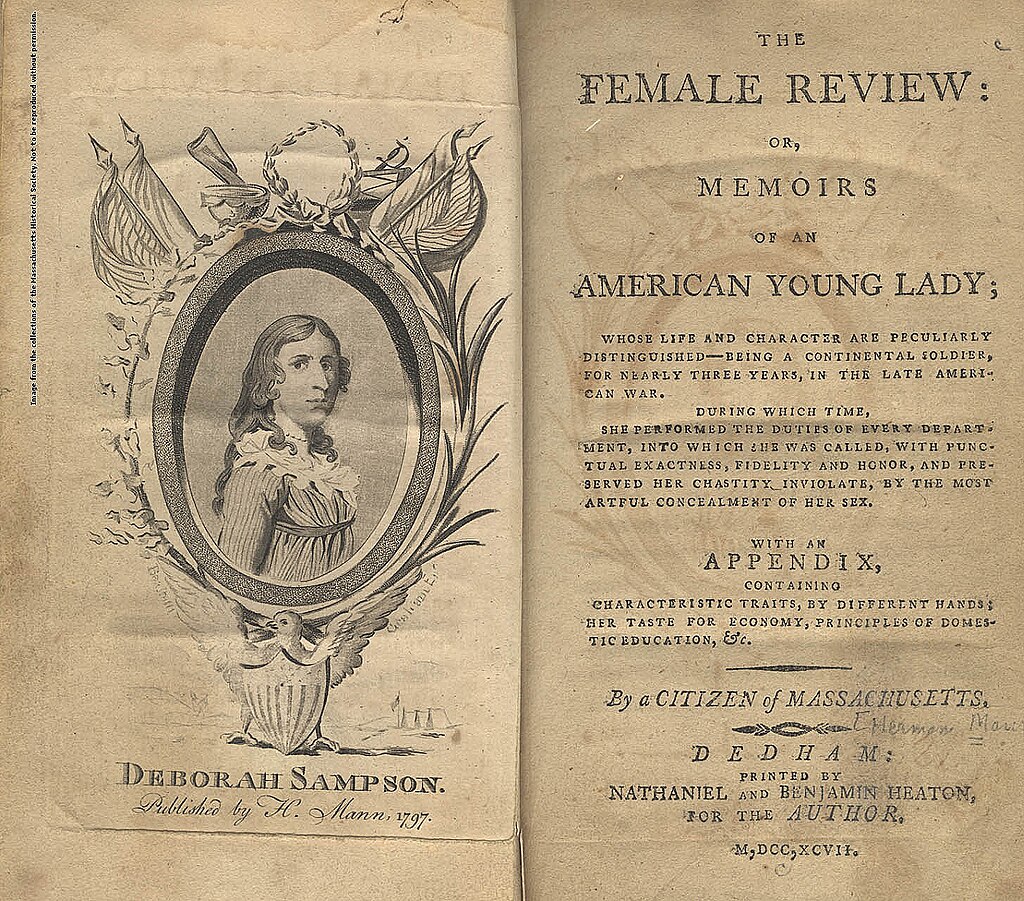
During the Revolutionary War, Deborah Sampson disguised herself as a man and enlisted in the Continental Army. She fought bravely for years, tending to her own battle wounds in secret to avoid discovery. When her identity was revealed, she was honorably discharged and later received a military pension. Sampson’s story highlights both the sacrifices women made during the war and the extraordinary lengths they had to go to in order to serve a country that did not officially allow them in combat roles.
Ira Hayes
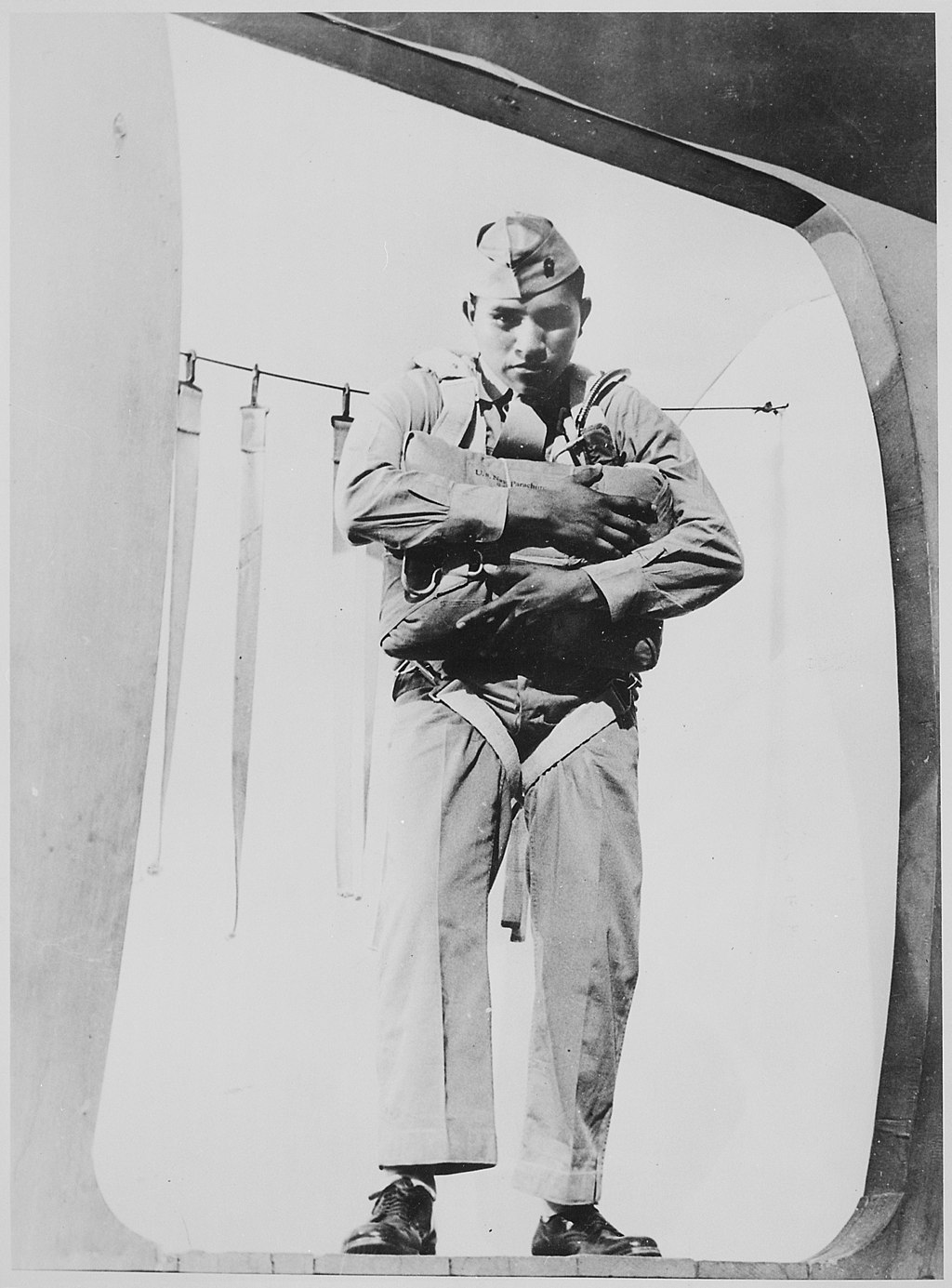
Ira Hayes, a Pima Native American, became one of the six Marines immortalized in the iconic photograph of the flag raising at Iwo Jima. Despite his heroism, he struggled with post-war life, facing racism and the challenges of reintegration into civilian society. Hayes’s story reflects both the bravery of Native American soldiers and the injustices they often faced after serving their country. His legacy is bittersweet, reminding us of the sacrifices Indigenous people made in defense of a nation that often marginalized them.
Frances Perkins
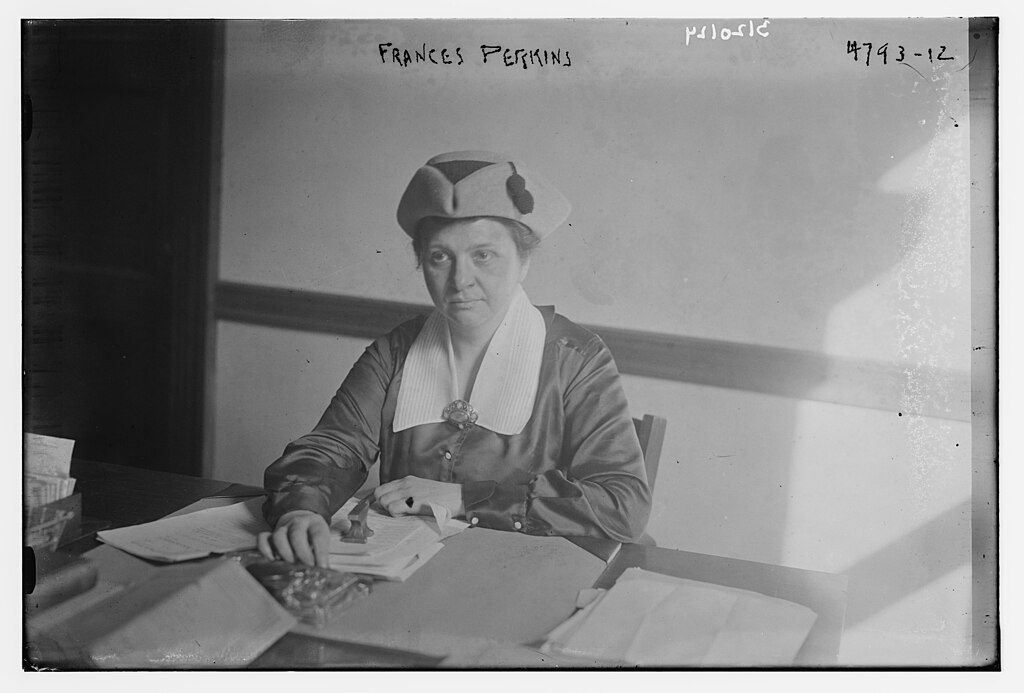
Frances Perkins served as the first female member of a U.S. presidential cabinet, holding the position of Secretary of Labor under Franklin D. Roosevelt. She was the driving force behind many New Deal policies, including Social Security, the 40-hour workweek, and workplace safety regulations. Perkins’s influence shaped much of modern American labor law, yet her name is not as widely recognized as the reforms she championed. Her life demonstrates the enormous impact of dedicated public service on the everyday lives of citizens.
John Basilone
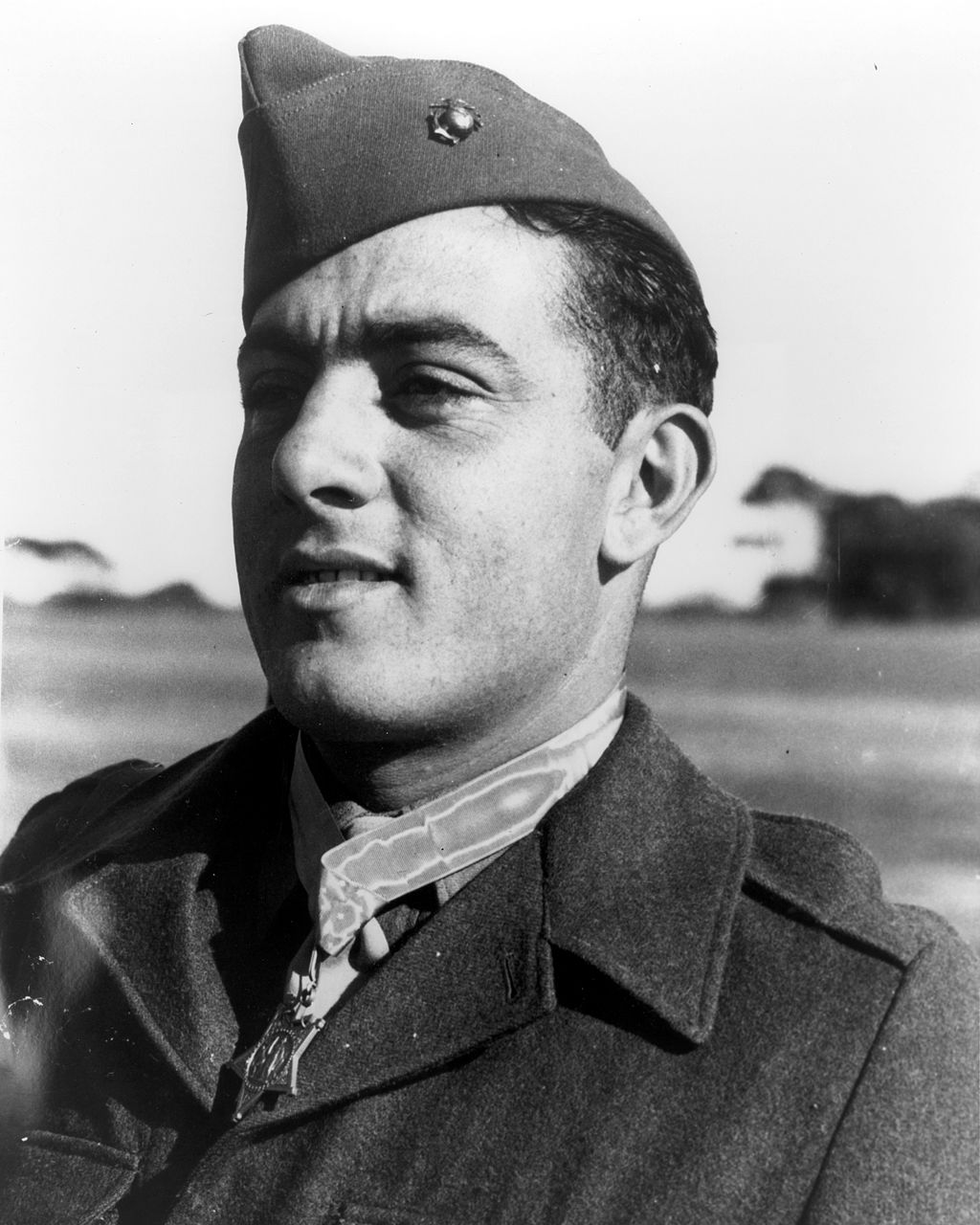
John Basilone was a Marine Corps gunnery sergeant who became a national hero during World War II for his extraordinary defense of a position on Guadalcanal, holding off a massive Japanese assault almost single-handedly. Awarded the Medal of Honor, he later returned to combat and was killed at Iwo Jima. Basilone’s story was once well known but has faded outside of military circles. Remembering him honors not only his courage but also the countless others who made the ultimate sacrifice.
Esther Reed
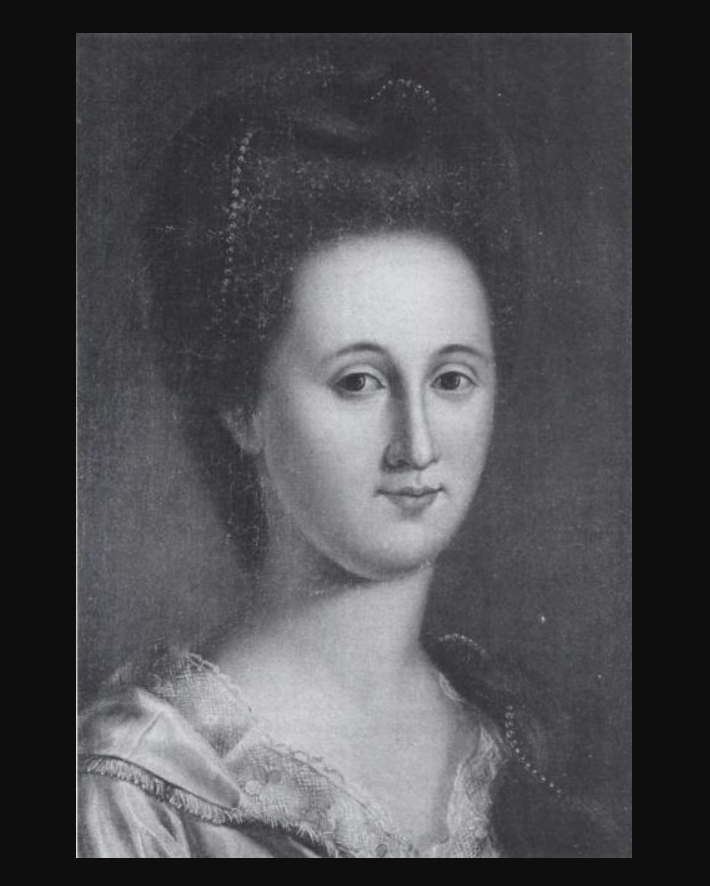
Esther Reed was a Revolutionary War patriot who organized women to sew clothing for soldiers and raised funds to support the Continental Army. She wrote one of the earliest published political pamphlets by an American woman, calling on women to contribute to the war effort. Reed’s vision of women as active participants in shaping the nation was ahead of its time. Her contributions show that patriotism was not limited to the battlefield but extended to the homes and communities that sustained the fight for independence.
Henry Johnson

Henry Johnson, an African American soldier in World War I, became famous for single-handedly fighting off a German raiding party despite being wounded multiple times. His bravery earned him France’s highest military honor, but he was largely ignored by the U.S. government during his lifetime. Johnson’s story reflects both the heroism of Black soldiers and the discrimination they faced. He was finally awarded the Medal of Honor in 2015, decades after his death, giving long-overdue recognition to his sacrifice.
Sarah Winnemucca
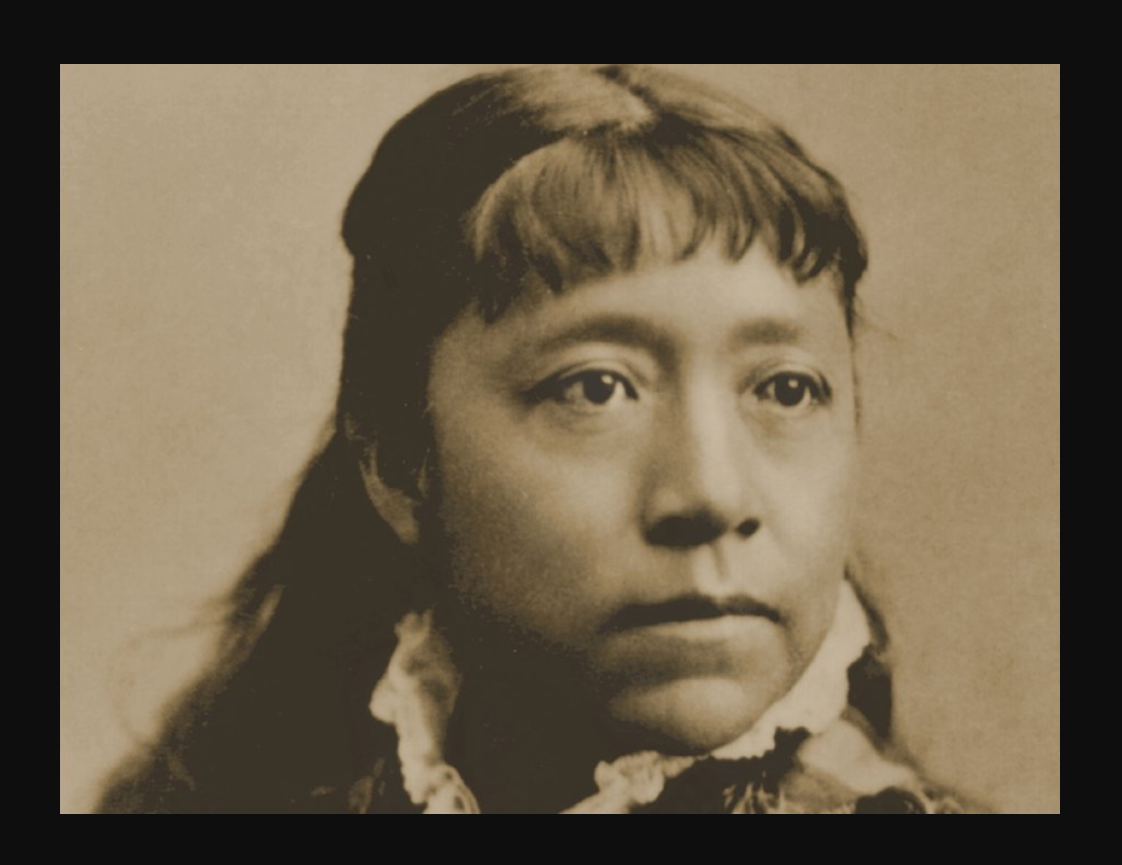
Sarah Winnemucca, a Northern Paiute author, educator, and activist, tirelessly advocated for Native American rights in the 19th century. She wrote the first autobiography published by a Native American woman and spoke across the country about injustices faced by Indigenous people. Her work combined storytelling, education, and advocacy to push for better treatment and policies. Although she was once a prominent voice, her name is rarely mentioned in history classes, despite her groundbreaking contributions to literature and civil rights.
Whitney Young Jr.
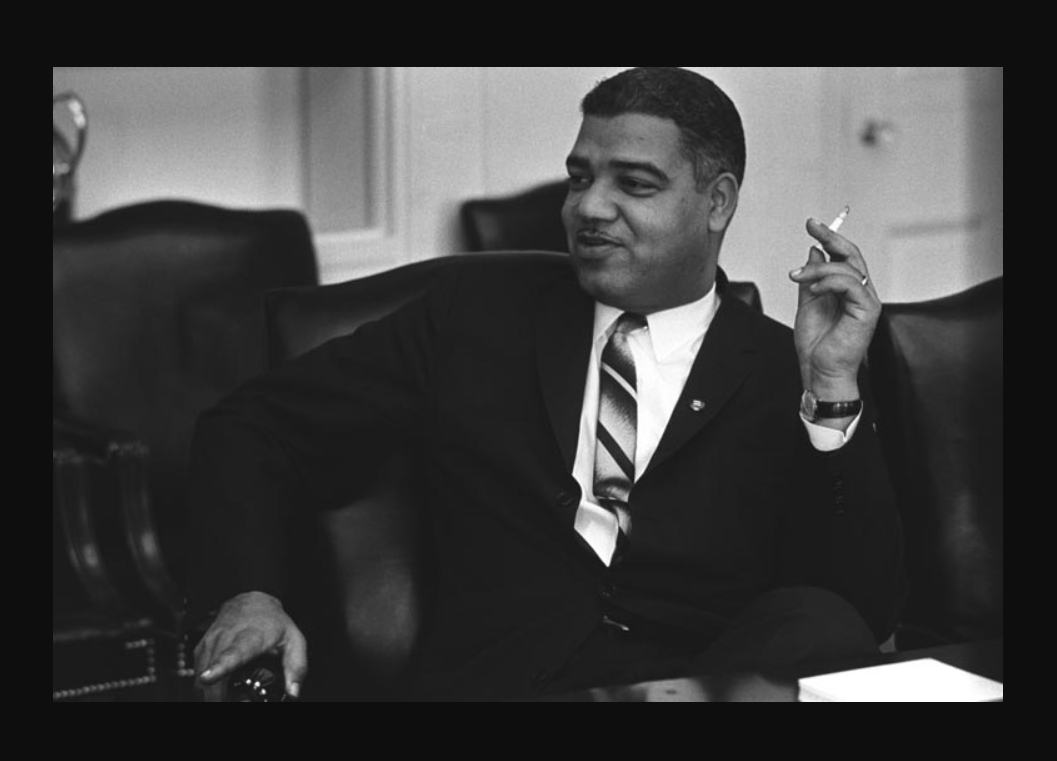
As head of the National Urban League in the 1960s, Whitney Young Jr. worked tirelessly to promote civil rights, economic opportunity, and workplace integration. Unlike some contemporaries, he focused on working with corporations and political leaders to create real change in employment and education. His quiet but powerful approach made him one of the most influential but less celebrated figures of the civil rights movement. His legacy shows that leadership can take many forms, not just the most visible or dramatic.
Olaudah Equiano
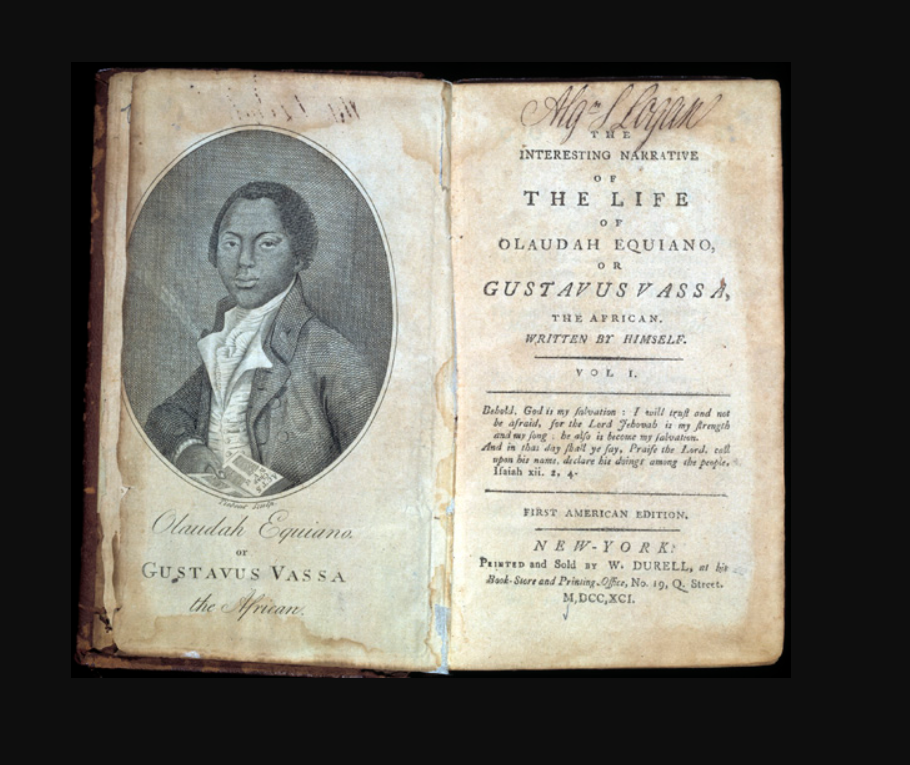
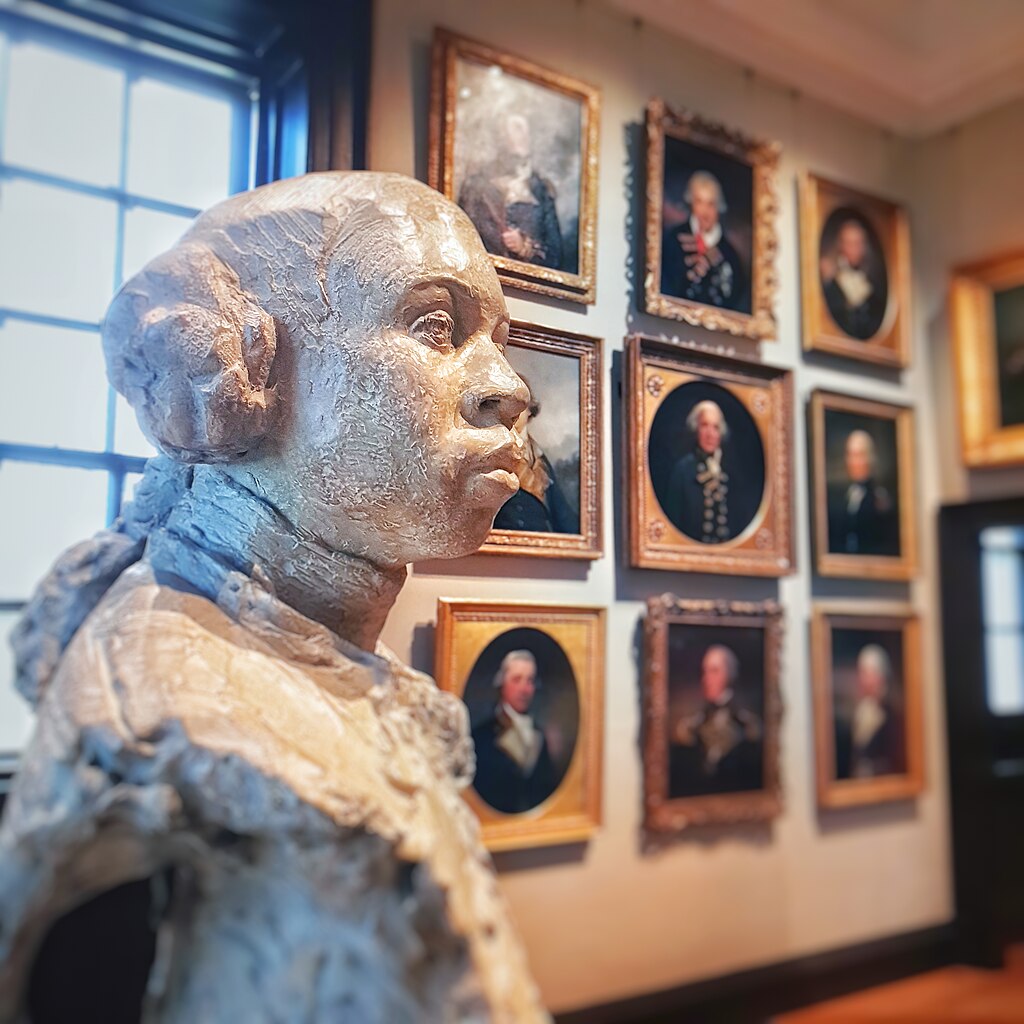
Though born in Africa, Olaudah Equiano’s life became deeply tied to American history. Enslaved as a child and later freed, he wrote a powerful autobiography that detailed the horrors of slavery and helped fuel the abolitionist movement. His words gave a human face to the suffering endured by millions and influenced both American and British debates on slavery. Equiano’s story reminds us of the global dimensions of American history and the voices that challenged injustice long before it became a national conversation.
These forgotten heroes deserve recognition for their courage, vision, and impact. By remembering them, we honor the fuller story of America, one that includes diverse voices and contributions often left out of mainstream history. Their legacies continue to inspire, showing that true heroism is not always about fame but about making a lasting difference in the lives of others.