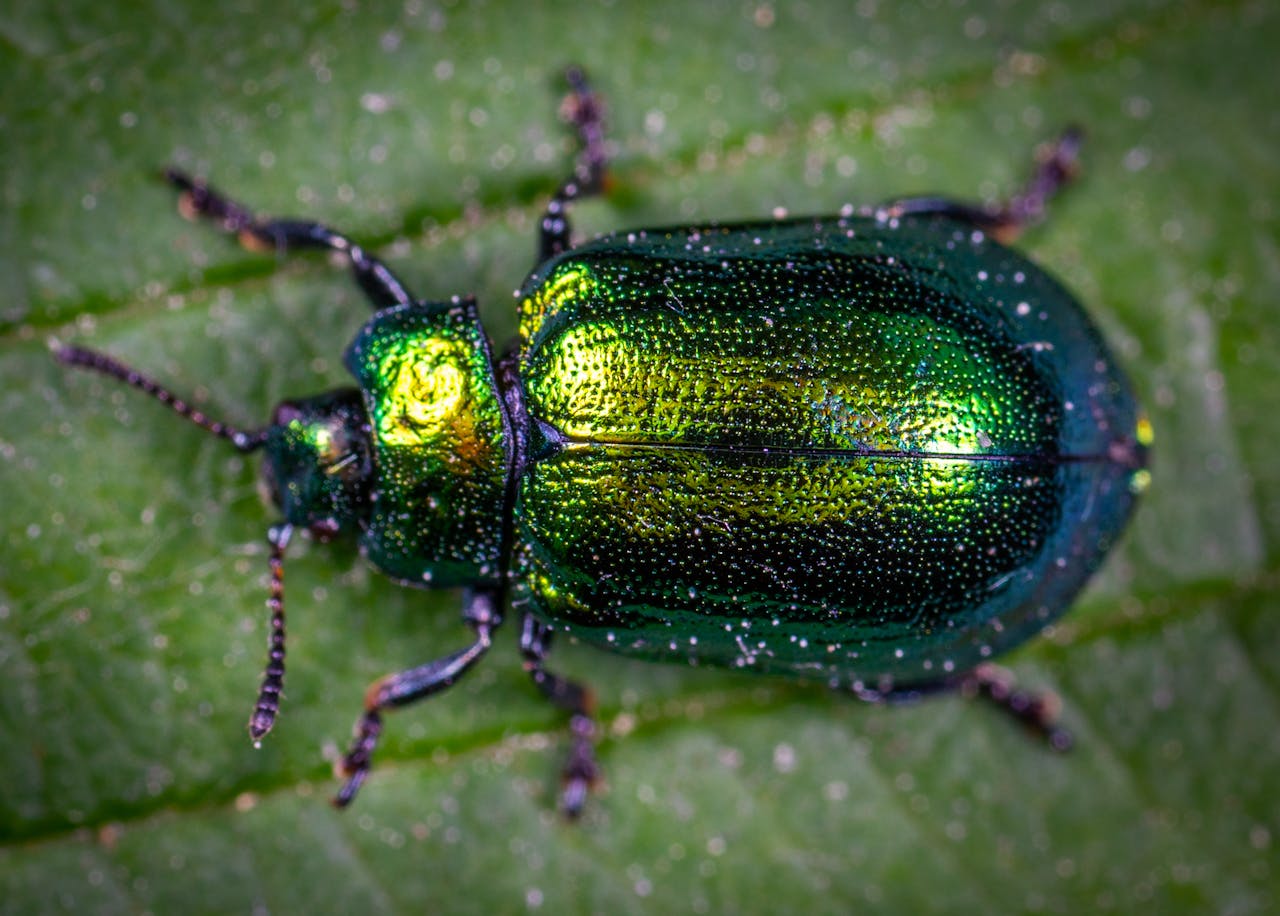
America’s landscapes are home to some of the most extraordinary insects on the planet. From the deserts of Arizona to the forests of Maine, these tiny creatures show just how diverse and surprising nature can be. They crawl, fly, glow, and even sing their way into the country’s wild identity. Each of them plays a vital role in the ecosystem, reminding us that even the smallest wings and legs help keep the natural world in balance and wonder.
1. Luna Moth
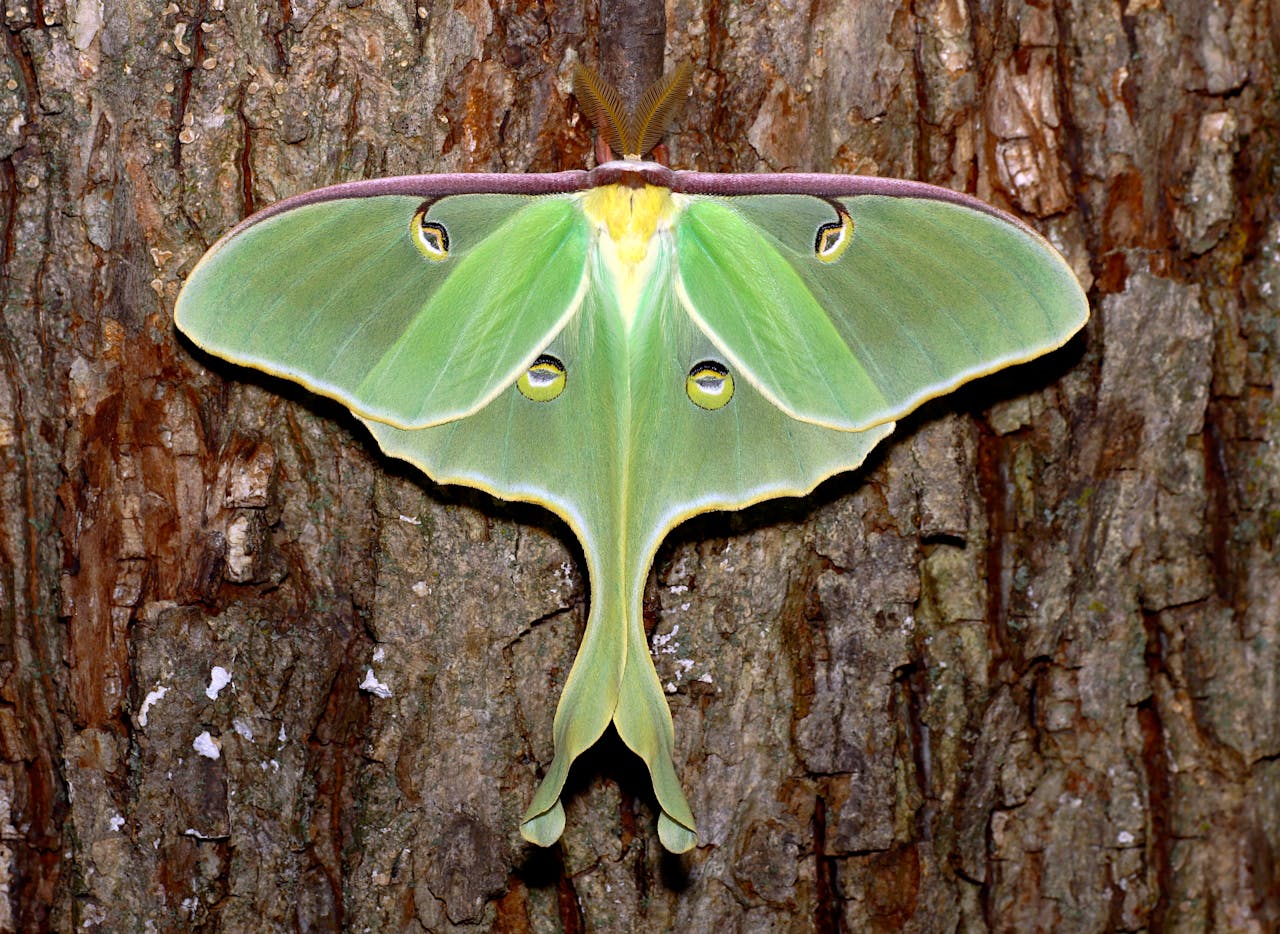
The Luna Moth looks like it belongs in a fairy tale with its pale green wings and long tails that shimmer in the moonlight. Found across the eastern United States, it lives only about a week, never eating as an adult. Its sole purpose is to mate and continue its fragile lineage. Despite its short life, it has become a symbol of transformation and beauty, a fleeting reminder that some of nature’s wonders are meant to be admired briefly and cherished deeply.
2. Tarantula Hawk Wasp
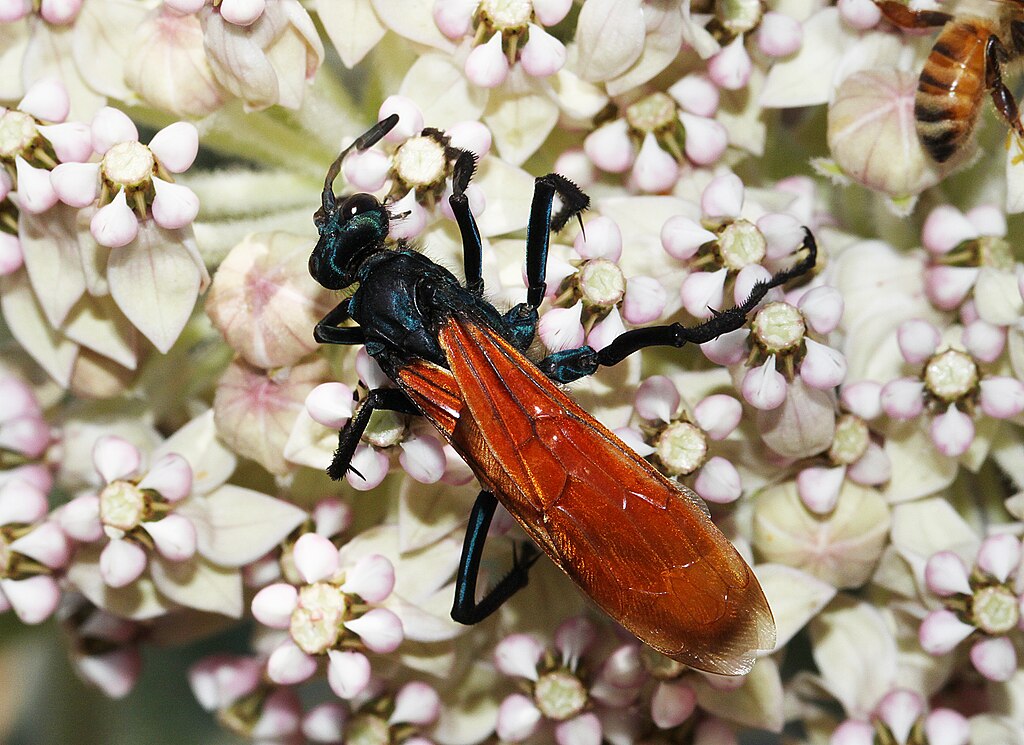
This striking insect is one of the largest wasps in North America, known for its deep blue wings and orange antennae. Its sting is among the most painful in the insect world, though it rarely attacks humans. Females hunt tarantulas, paralyzing them to lay eggs inside their bodies. Despite its fearsome nature, it’s a vital predator that helps control spider populations. Watching it fly through the desert is both intimidating and mesmerizing.
3. Monarch Butterfly
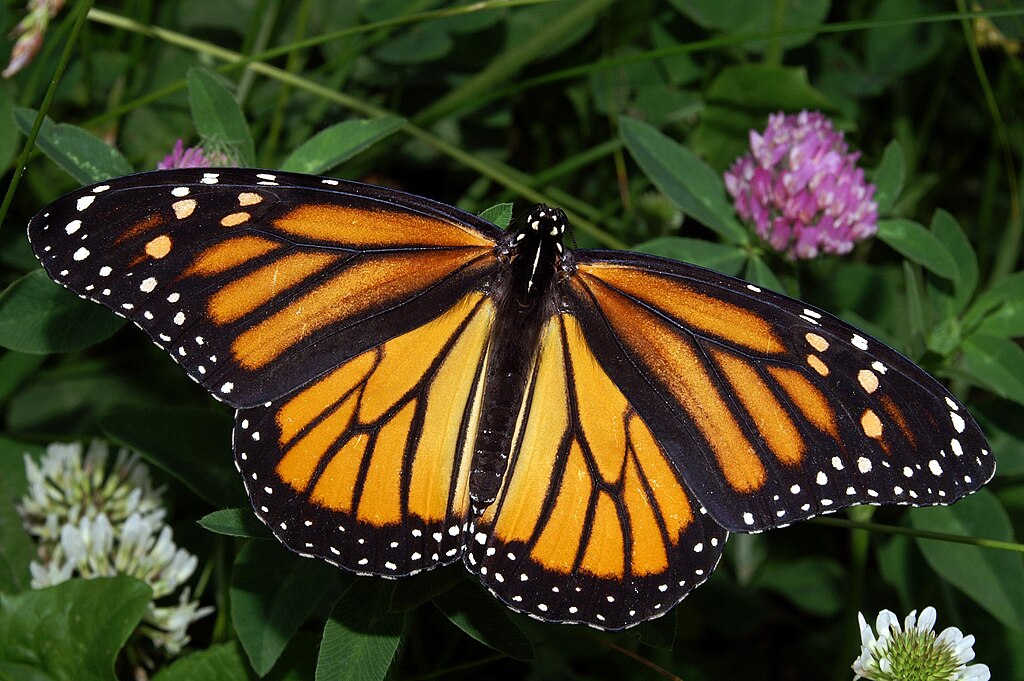
Famous for its cross-continental migration, the Monarch Butterfly travels thousands of miles between Canada, the United States, and Mexico every year. Its bright orange wings make it instantly recognizable and deeply loved. Monarchs rely on milkweed for survival, making conservation efforts crucial to their future. Their epic journeys remind us that even delicate creatures can embody courage, endurance, and the spirit of freedom that defines the wild.
4. Hercules Beetle
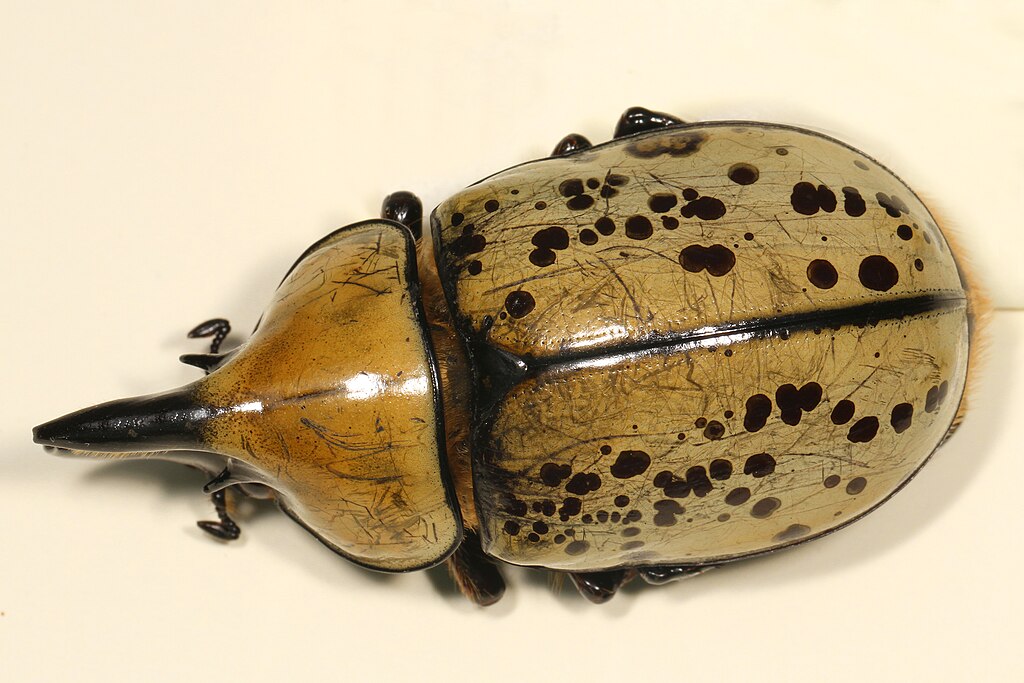
One of the largest beetles in the world, the Hercules Beetle can lift objects nearly a hundred times its own weight. Found in the southeastern United States, males use their massive horns to wrestle over mates. Despite their intimidating looks, they are harmless to humans and vital in breaking down decaying wood. Their strength and persistence make them one of nature’s quiet powerhouses, proving that size and might can serve peaceful purposes too.
5. American Burying Beetle
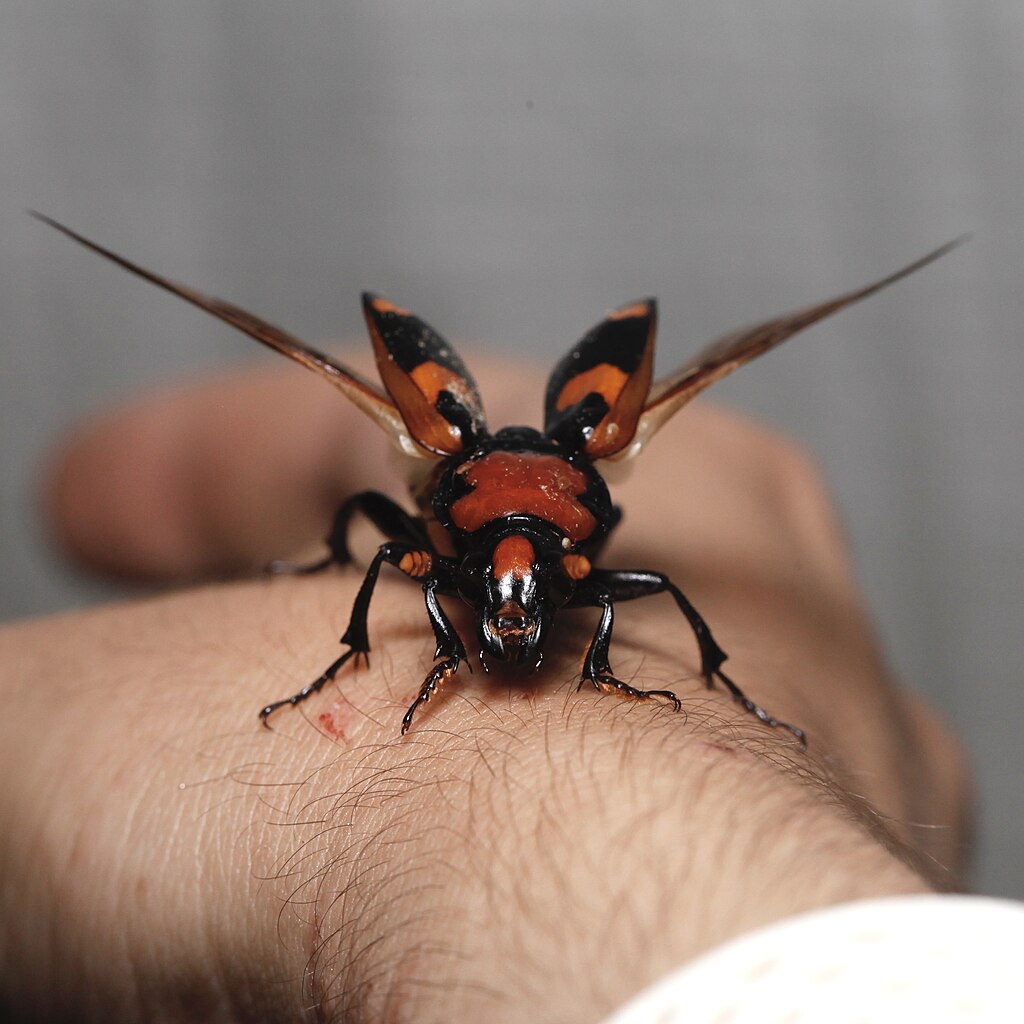
This endangered beetle has one of the most unusual parenting habits in the insect world. It buries small animal carcasses underground to feed its larvae, caring for them like few insects do. Once common across the U.S., habitat loss has pushed it to the brink. Conservation programs are working hard to save this devoted parent of the insect kingdom. Its story reminds us how delicate nature’s balance truly is when even small lives disappear.
6. Giant Water Bug
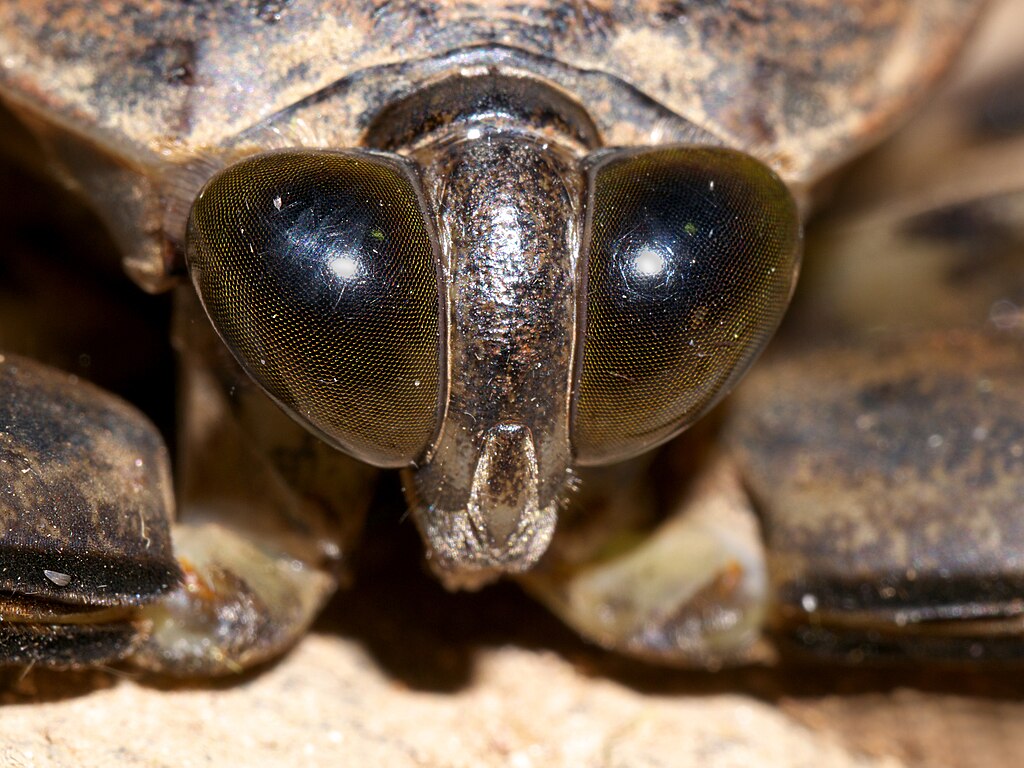
Known as the “toe biter,” this large aquatic insect is both feared and fascinating. Males are devoted parents, carrying eggs on their backs until they hatch. Found in ponds and streams, they’re powerful predators capable of taking down small fish and frogs. Their strange habits make them a favorite among scientists and nature enthusiasts. Though intimidating, they play a vital role in keeping freshwater ecosystems balanced and thriving.
7. Praying Mantis
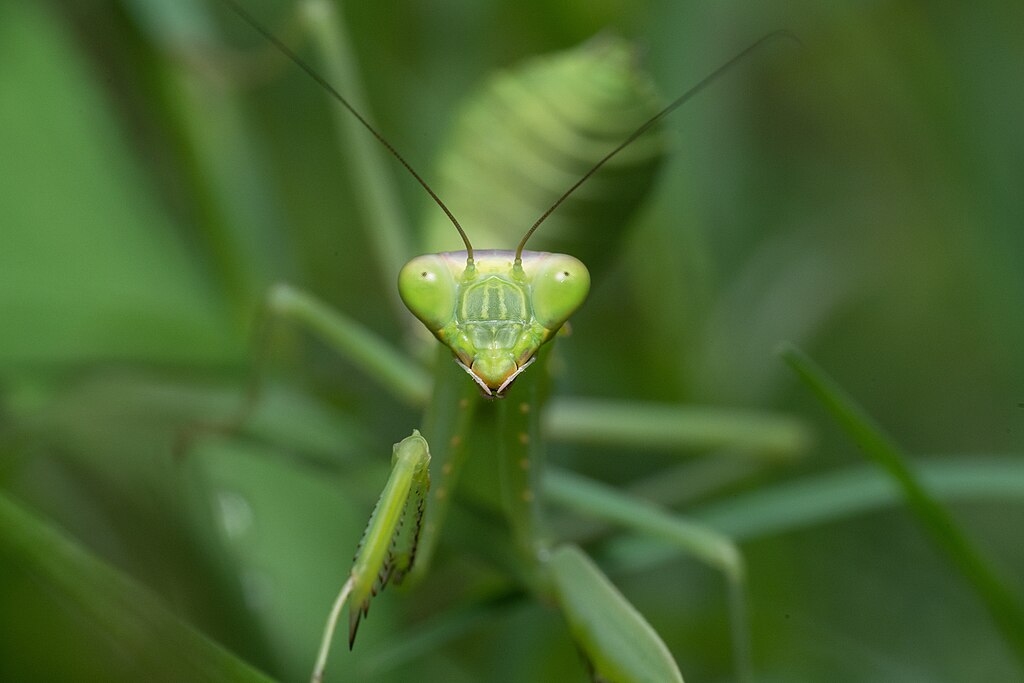
The Praying Mantis is a master of patience and precision. Found throughout America, it waits motionless before striking with lightning speed. Its triangular head and graceful pose make it look almost spiritual, though it’s a ruthless predator. Despite its fierce nature, many cultures see it as a symbol of stillness and focus. Its alien-like beauty and quiet confidence make it one of the most captivating insects to observe in the wild.
8. Firefly
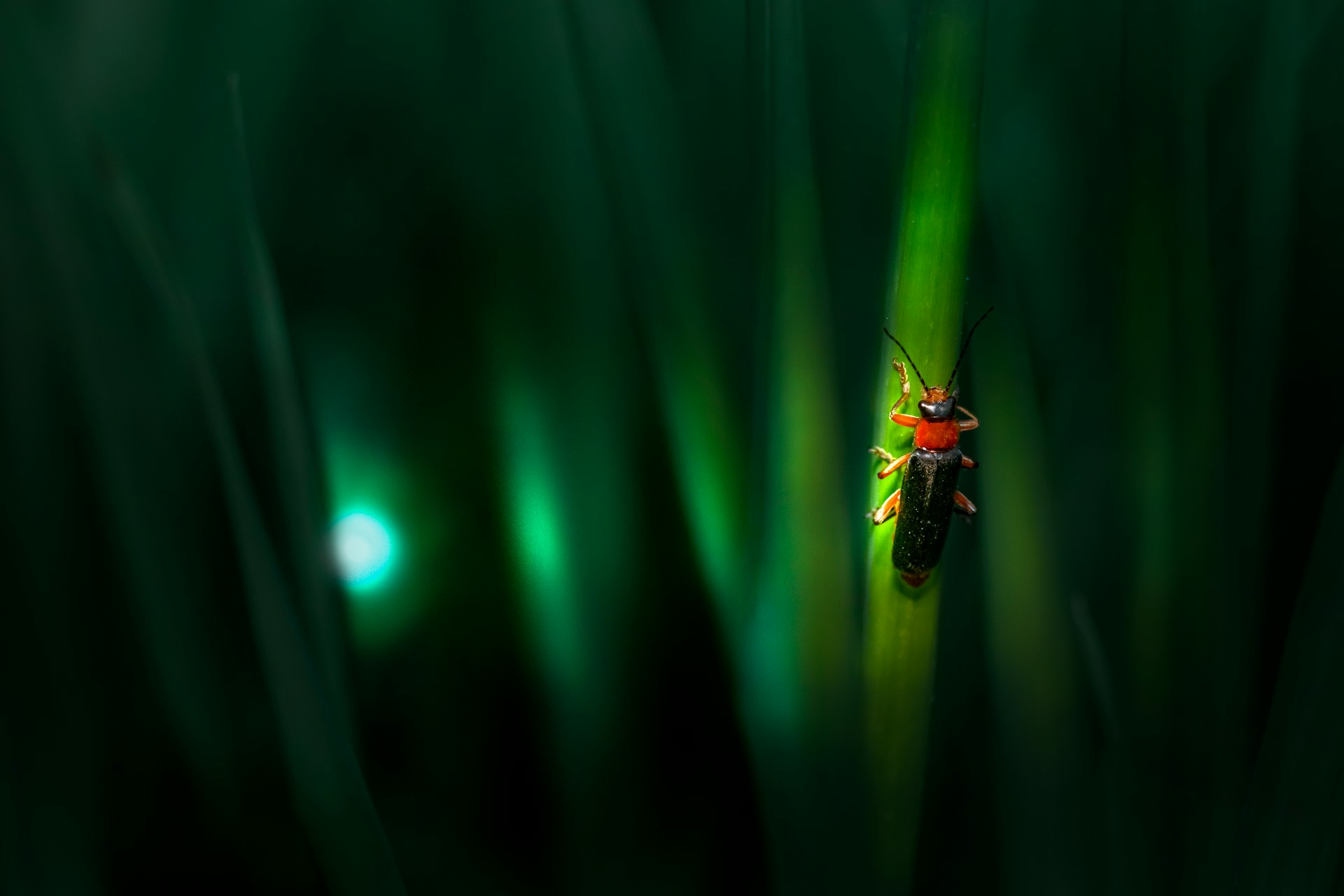
Summer nights across the U.S. come alive with the glowing rhythm of fireflies. These beetles create light through a chemical process called bioluminescence, using it to attract mates and communicate. Each species flashes in its own pattern, turning fields and forests into living constellations. Their glow is a timeless reminder of childhood wonder and the fragile magic hidden in ordinary places when the sun goes down.
9. Walking Stick
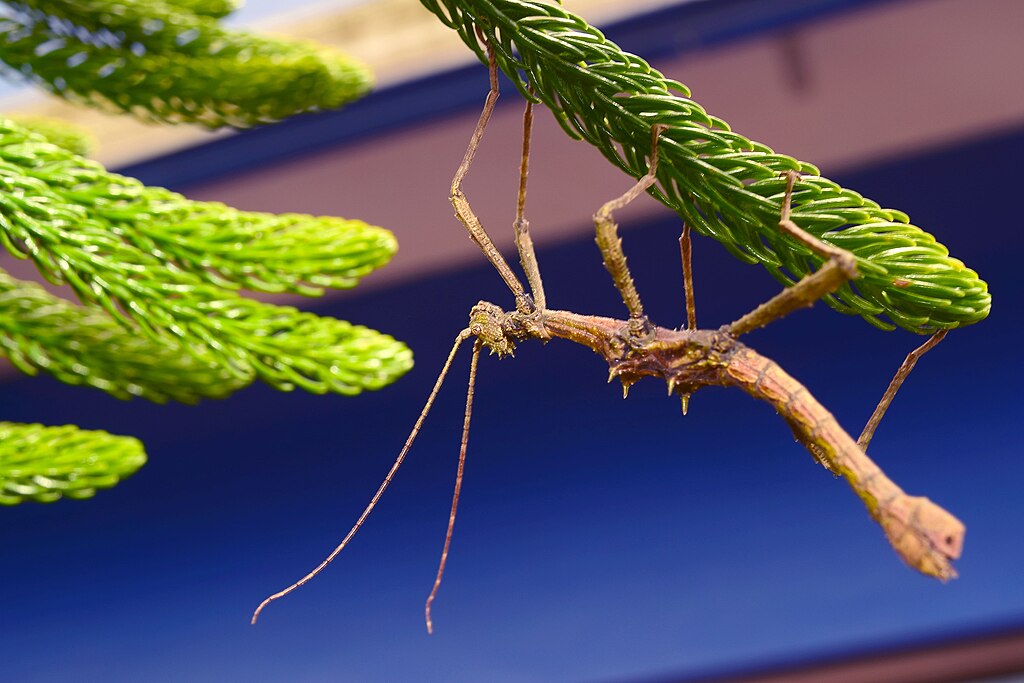
Masters of camouflage, Walking Sticks blend perfectly into their surroundings, looking exactly like twigs or branches. Found across the southern and western United States, they move slowly and deliberately, avoiding predators through invisibility. Females can even reproduce without males through a process called parthenogenesis. Their simple elegance and survival strategy prove that invisibility can be one of nature’s most brilliant designs.
10. Blue Death Feigning Beetle
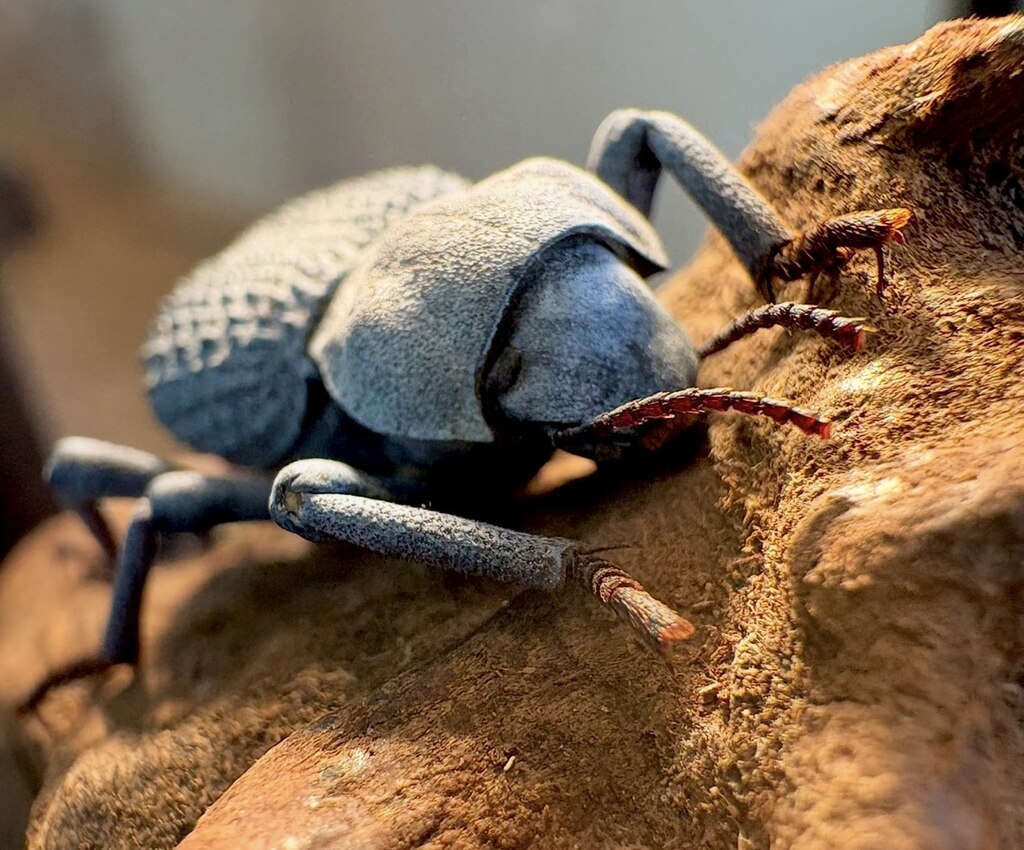
Native to the deserts of the American Southwest, this beetle has a fascinating defense mechanism. When threatened, it plays dead and turns a dusty blue color to blend in with its surroundings. It thrives in harsh environments, feeding on decaying plants and insects. Its name may sound grim, but it’s a survivor that turns the desert’s challenges into an art form. Its resilience captures the spirit of adaptation at its finest.
11. Green Darner Dragonfly
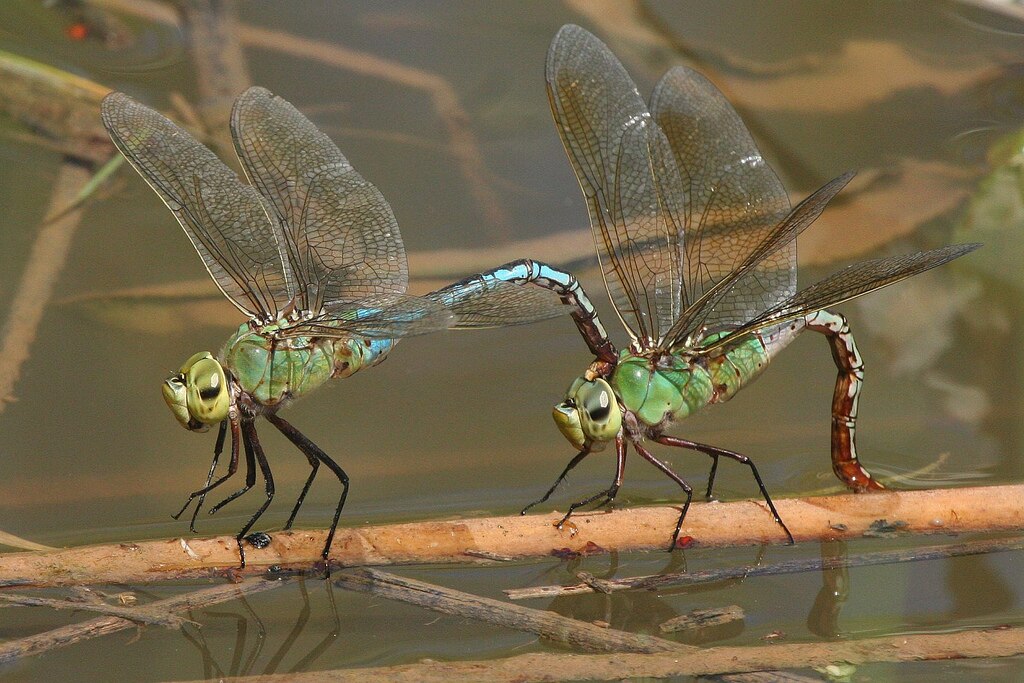
The Green Darner is a dazzling dragonfly that migrates across the United States much like birds. Its bright green and blue body flashes like a jewel in sunlight. Known for agility and speed, it helps control mosquito populations and maintains ecological balance. These dragonflies symbolize agility and transformation, gliding gracefully across lakes and rivers with precision and beauty that feels almost otherworldly.
12. Periodical Cicada
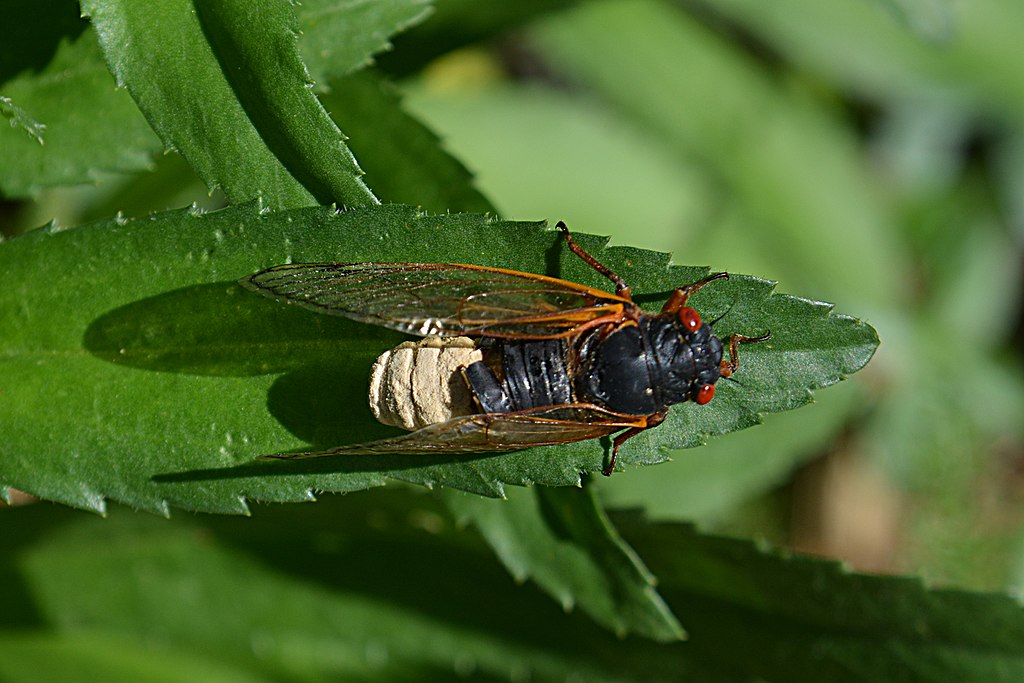
Emerging from the ground every 13 or 17 years, periodical cicadas are one of nature’s most mysterious spectacles. They blanket forests with their loud chorus and sudden appearance, living only weeks above ground. Their synchronized life cycles confuse predators and ensure survival. Though brief, their mass emergence reminds us of nature’s strange rhythms and how time itself can become part of an insect’s secret defense strategy.
13. Assassin Bug
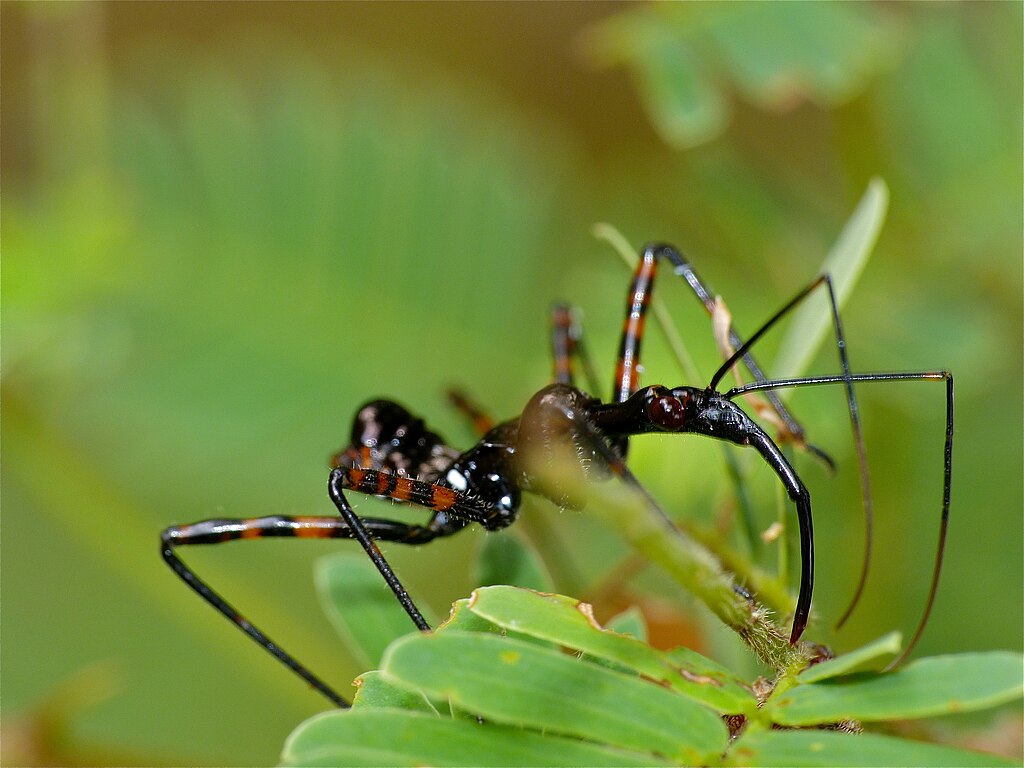
Feared by other insects, the Assassin Bug lives up to its name. It injects a paralyzing toxin through its needle-like mouth to liquefy its prey from the inside. Found across the United States, it’s a top insect predator that helps control harmful pests. While its methods are gruesome, it’s a vital part of the food chain. Its stealth and skill make it one of nature’s most efficient hunters in miniature form.
14. Atlas Moth
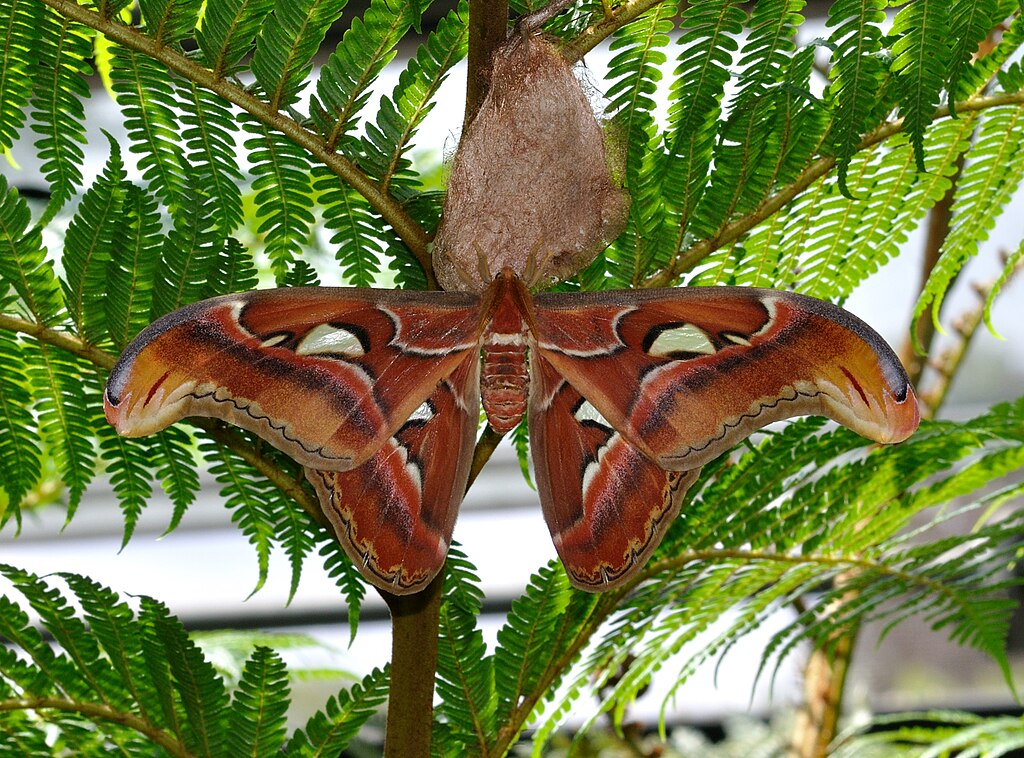
Though mostly found in tropical Asia, the Atlas Moth’s American relatives are equally breathtaking. With wings spanning up to ten inches, they resemble floating leaves, confusing predators with natural artistry. Adults don’t eat, living only to mate before their brief lives end. Their size and beauty make them living masterpieces that capture the magic and mystery of transformation through delicate wings and fleeting grace.
15. Bumblebee
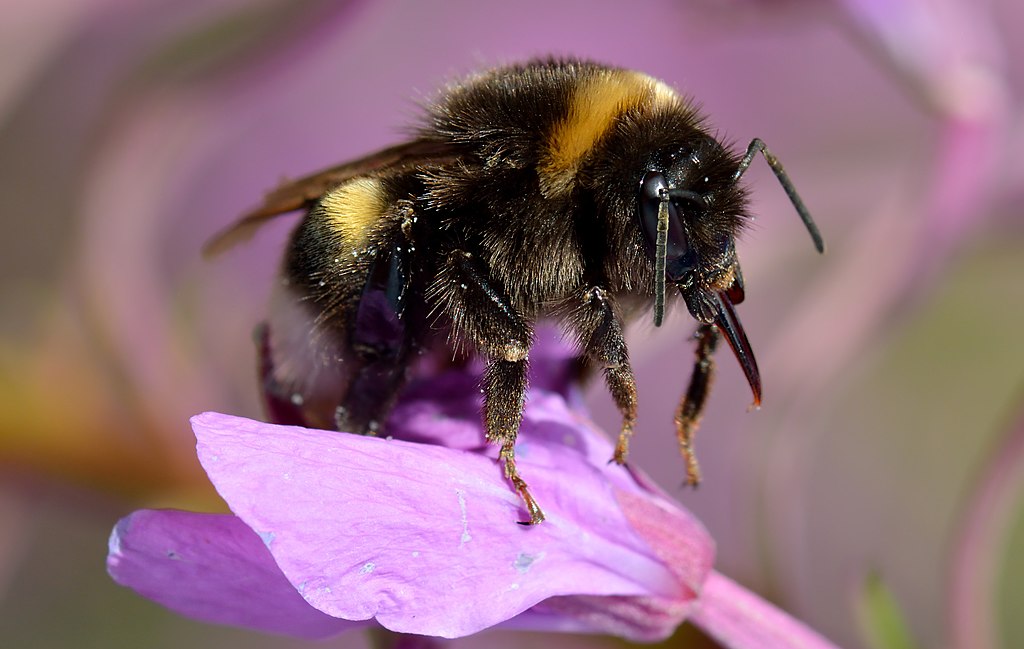
Round, fuzzy, and endlessly hardworking, the Bumblebee is one of the most beloved insects in America. Its clumsy flight hides its incredible strength and efficiency in pollination. Bumblebees are vital to ecosystems and agriculture, supporting crops and wildflowers alike. Their gentle hum represents nature’s quiet persistence. Each one reminds us how even small creatures with simple lives can keep entire worlds thriving through tireless teamwork and purpose.
From glowing fireflies to colossal beetles, these fifteen insects reveal how diverse and imaginative America’s wild life truly is. They teach us about survival, beauty, and the fragile connections that sustain the natural world. Whether admired for their colors, strength, or strangeness, these creatures prove that wonder often hides right beneath our feet, buzzing, crawling, and glowing with life worth protecting.