Small-town America has long been a surprisingly fertile breeding ground for some of the biggest names in fast food. Long before these brands filled highways and city centers, many began as humble mom-and-pop operations built on local flavor, regional pride, and personal relationships. These early beginnings shaped the culture, recipes, and values that later defined their nationwide success. Understanding where they came from offers a deeper look at how simple ideas, when fueled by grit and community support, can grow into lasting cultural icons.
McDonald’s

McDonald’s began as a small barbecue stand in San Bernardino, California, a modest town that became the unlikely birthplace of the world’s largest fast-food chain. The McDonald brothers introduced the revolutionary “Speedee Service System,” focusing on efficiency rather than elaborate menus. Their simple approach transformed the way food could be prepared and served, making it faster and more consistent. Ray Kroc later expanded the concept, but the DNA of small-town innovation remained central to the brand’s identity.
Wendy’s
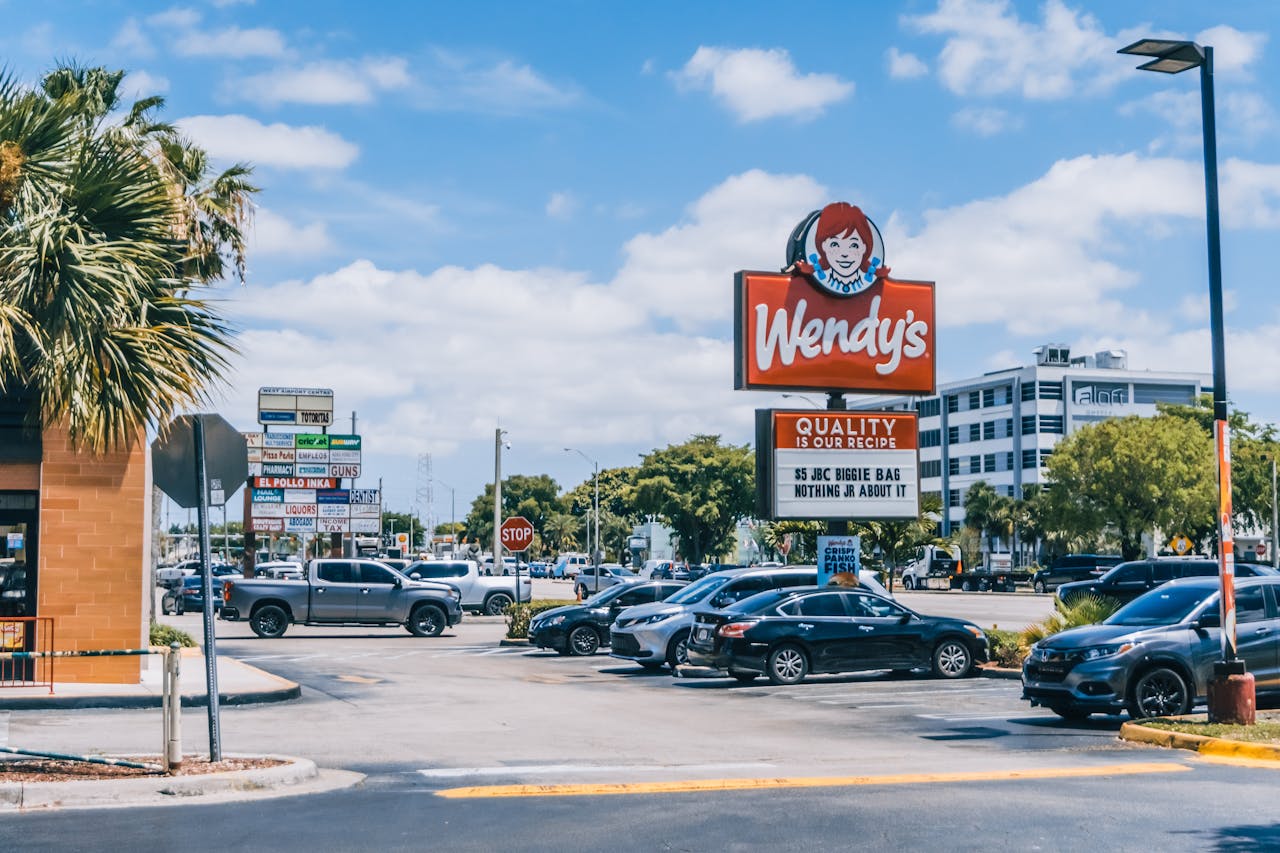
Wendy’s was founded in Columbus, Ohio, which, while not tiny, still reflected the warmth and close-knit values often found in smaller communities. Dave Thomas created a restaurant inspired by homemade meals and friendly service rather than industrial style operations. His focus on fresh, never frozen beef separated Wendy’s from its competitors early on. This hometown sincerity became a defining part of the chain’s marketing and culture.
Dairy Queen
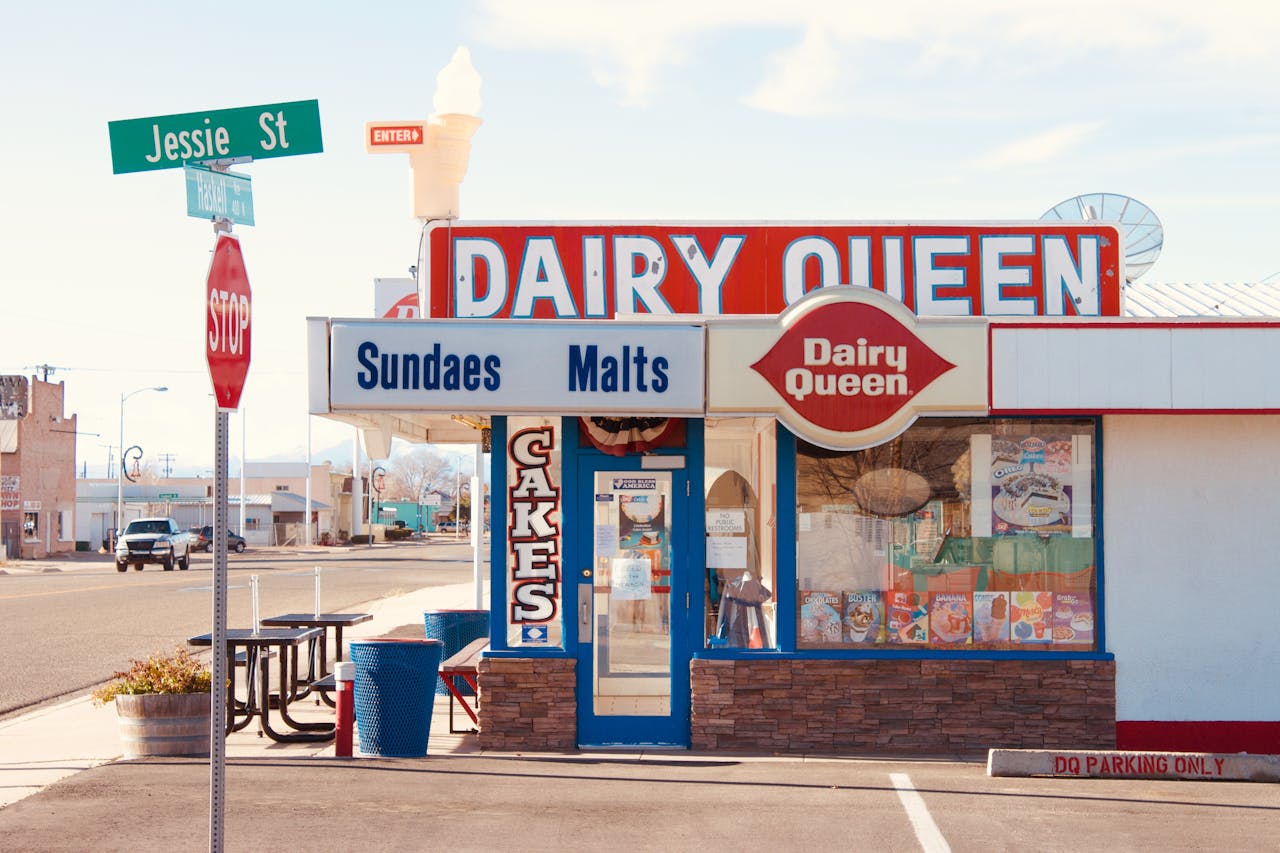
Dairy Queen’s story began in Joliet, Illinois, where a new method of soft-serve production created instant excitement. This small community helped test and refine the original formula, shaping the chain into an American classic. Dairy Queen thrived because its early stores felt like neighborhood hangouts rather than large franchises. The brand’s small-town roots still influence its family-friendly reputation today.
Sonic Drive-In
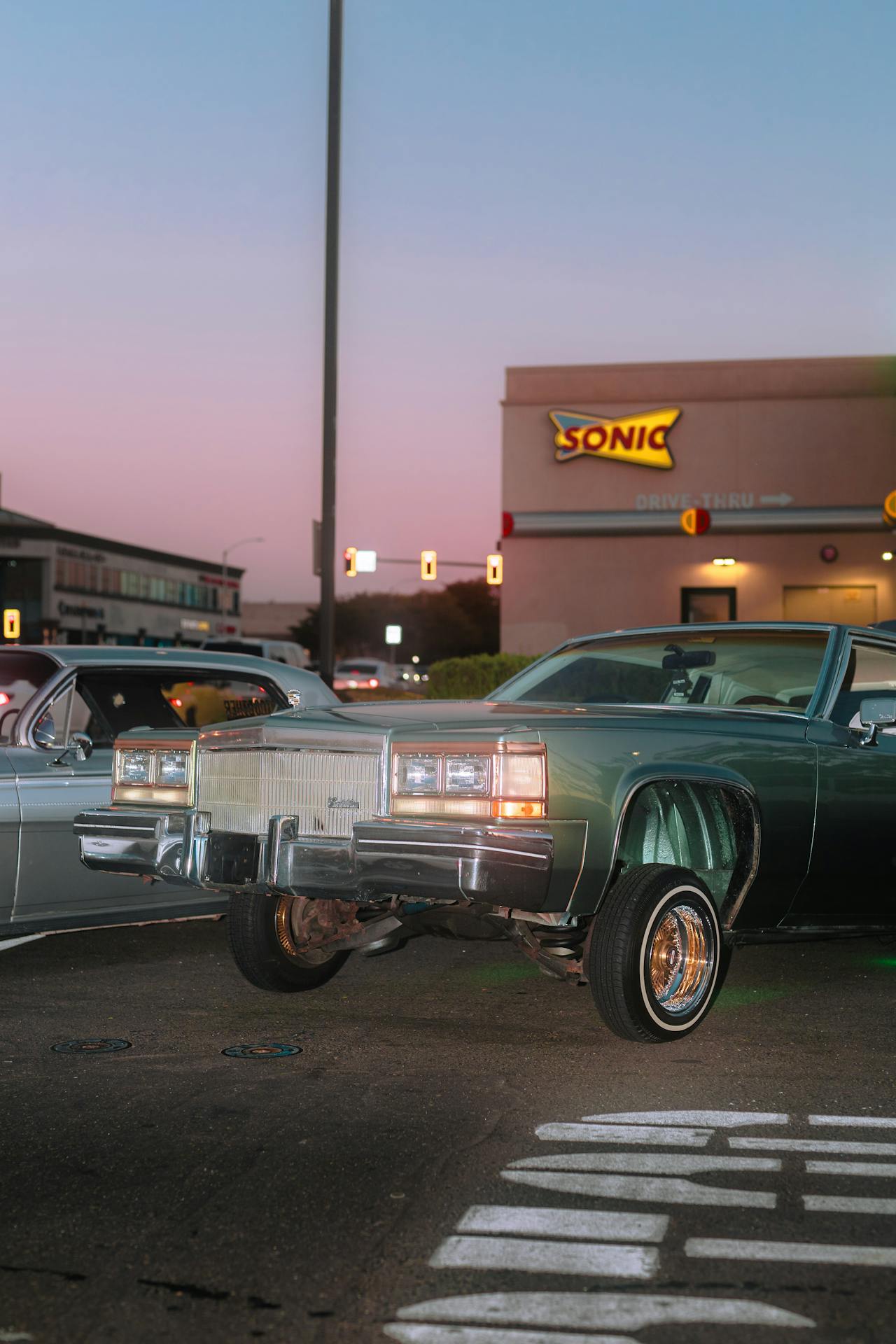
Sonic emerged from Shawnee, Oklahoma, a modest town where drive-in culture thrived during the 1950s. Its founders capitalized on the charm of carhop service, delivering meals directly to parked cars. This nostalgic approach became the chain’s defining feature as it expanded across the country. Sonic’s small-town style hospitality continues to shape the way it markets its menu and customer experience.
KFC
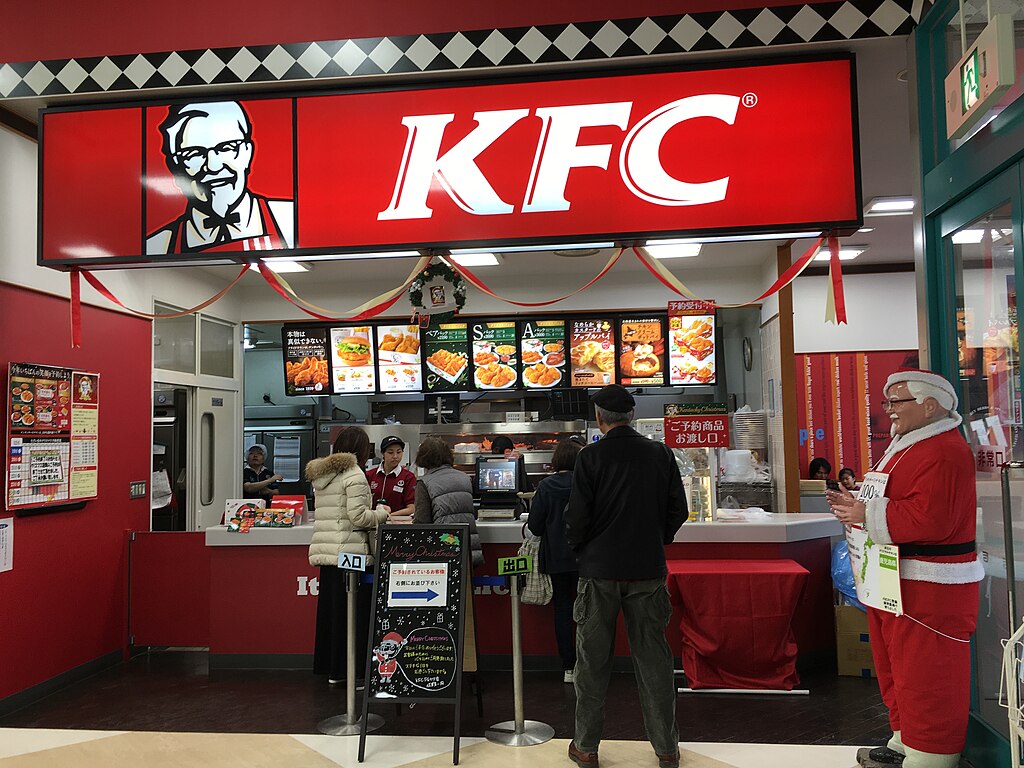
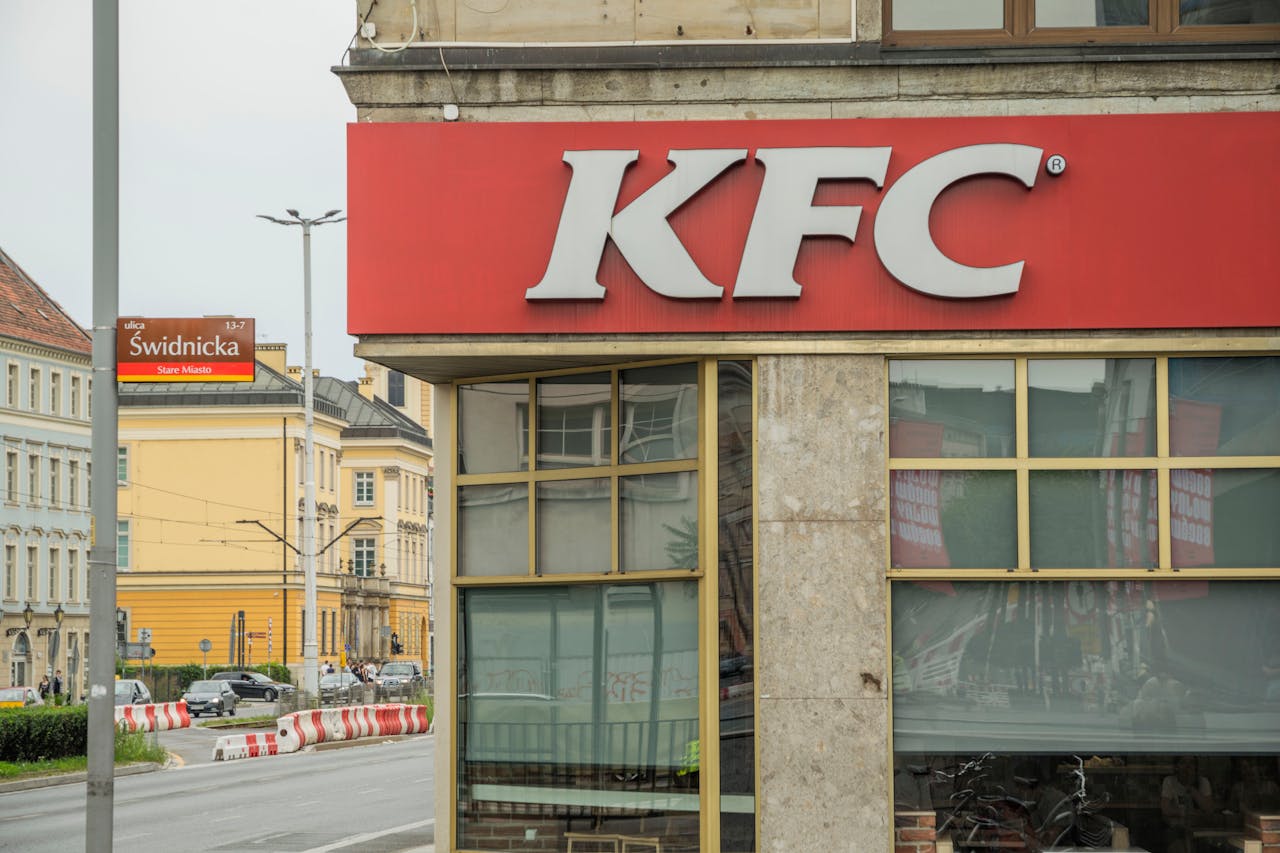
Colonel Harland Sanders began selling fried chicken from a gas station in Corbin, Kentucky, a rural community that shaped his legendary recipe. Locals became his first loyal customers, helping refine the original seasoning blend. Sanders’ insistence on quality and consistency later became the foundation for the chain’s global growth. The hometown authenticity behind the recipe remains an essential part of KFC’s brand identity.
Domino’s

Domino’s origins in Ypsilanti, Michigan reflect the grit and practicality of small-town America. The chain began as a single pizza shop serving college students and working families. Its founders developed a streamlined delivery model that prioritized speed and reliability. This grassroots efficiency ultimately helped Domino’s expand into a global delivery powerhouse.
Pizza Hut

Pizza Hut was born in Wichita, Kansas, when two brothers started selling pizzas from a tiny brick storefront. Their simple menu and welcoming atmosphere resonated with the local community, giving them the momentum to expand. The brand’s hometown image helped solidify it as a family-friendly dining option. Even as it grew into a global name, Pizza Hut retained its Midwestern warmth.
Arby’s
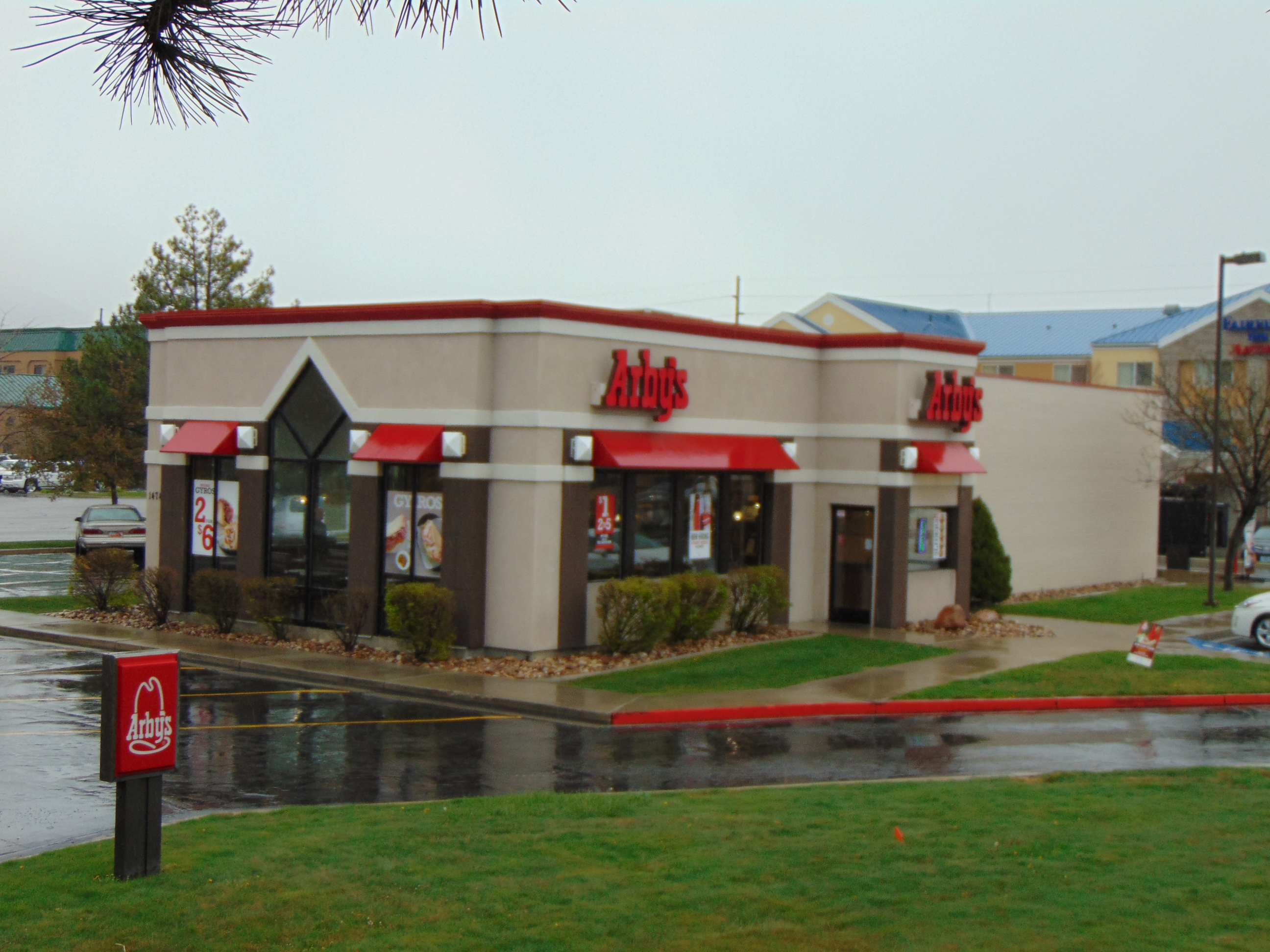
Arby’s grew out of Boardman, Ohio, where its founders believed customers were ready for something beyond typical burgers. Their roast beef sandwiches offered a unique alternative, setting the brand apart early on. The chain’s small-town hospitality helped build a loyal following. Its straightforward menu and neighborly sensibility remain central to its appeal.
Hardee’s
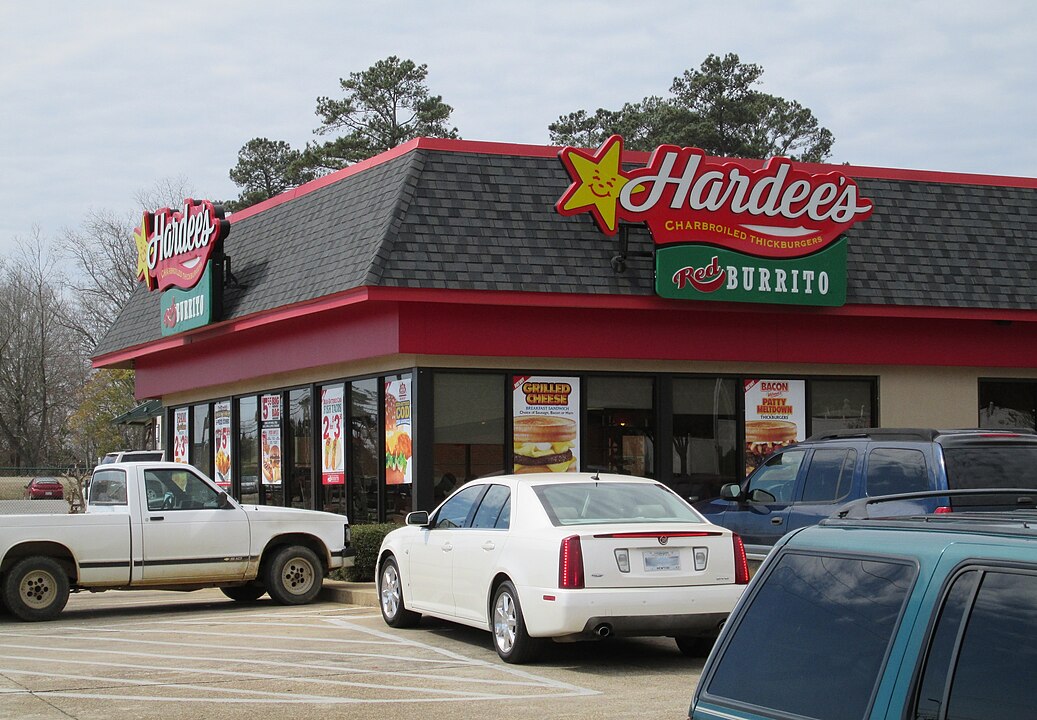
Hardee’s was founded in Greenville, North Carolina, where local influences shaped its original recipes and service style. Its early success came from serving hearty, Southern-inspired meals with genuine friendliness. As the chain expanded, it blended small-town charm with innovative menu ideas. Hardee’s ability to honor its origins contributed to its long-lasting popularity.
Dunkin’

Dunkin’ started as a small coffee and doughnut shop in Quincy, Massachusetts. Its founder focused on fast service and affordable prices, values that resonated with working-class locals. This simplicity formed the backbone of Dunkin’s business model as it grew. The brand’s everyday, community-focused spirit continues to reflect its small-town beginnings.
Baskin-Robbins
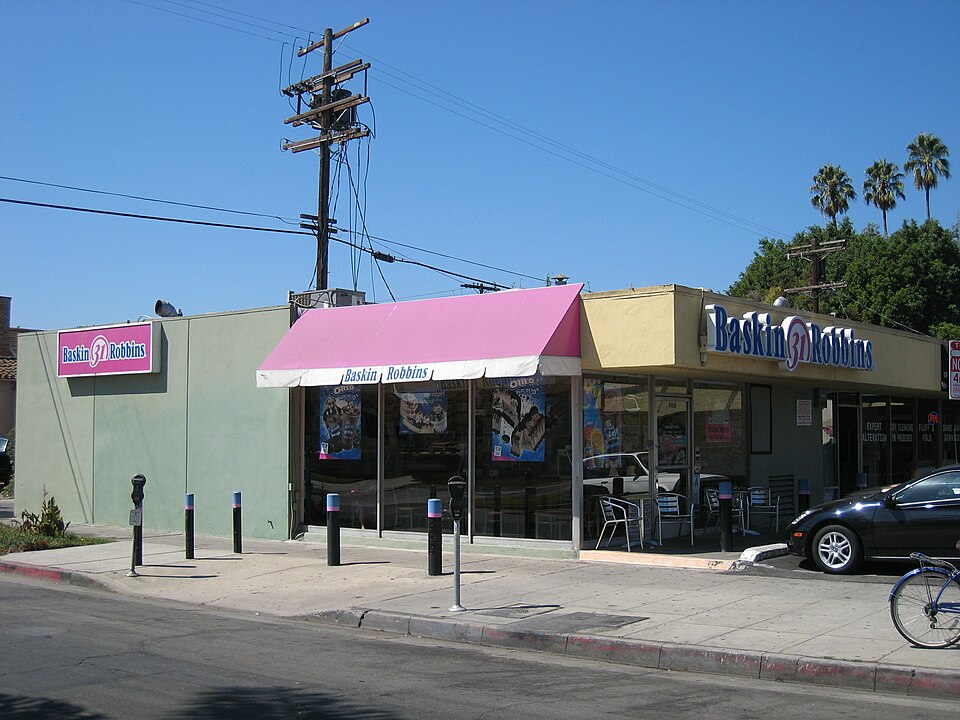
Baskin-Robbins began in Glendale, California, where two brothers-in-law introduced the idea of offering 31 flavors. The local community helped shape the menu through feedback and experimentation. This creative approach allowed the brand to flourish and differentiate itself from traditional ice-cream shops. Its playful, family-oriented identity still echoes its small-town roots.
A&W
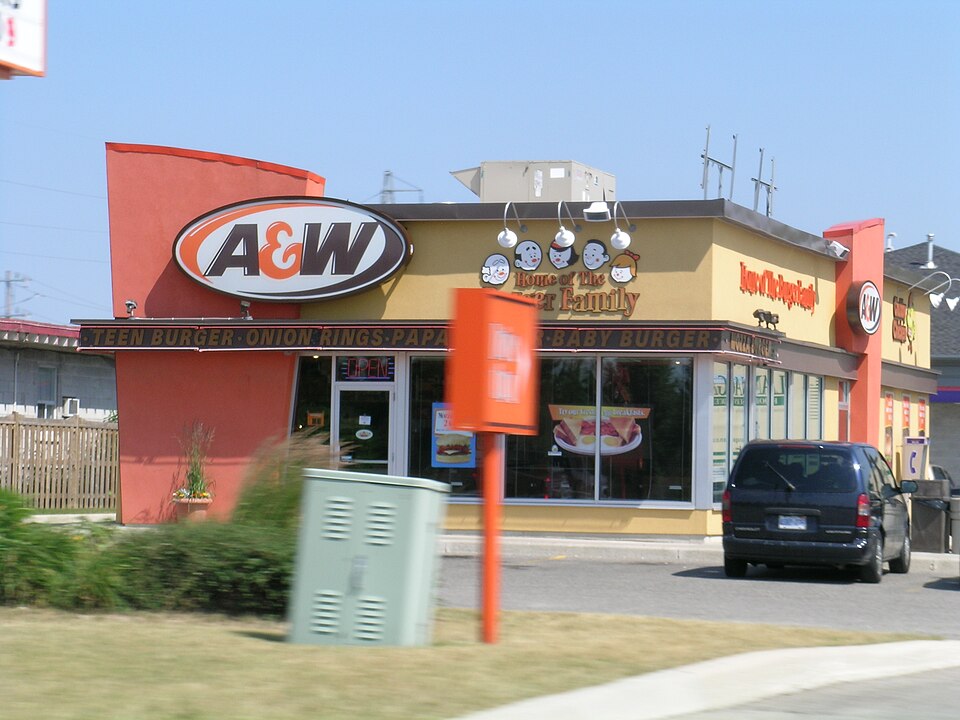
A&W started as a roadside stand in Lodi, California, selling root beer to travelers and farmers. Its founders expanded by building community-based restaurants that emphasized hospitality. These early locations became gathering places for small-town residents. A&W’s original values of simplicity and camaraderie remain central to its legacy.
Popeyes
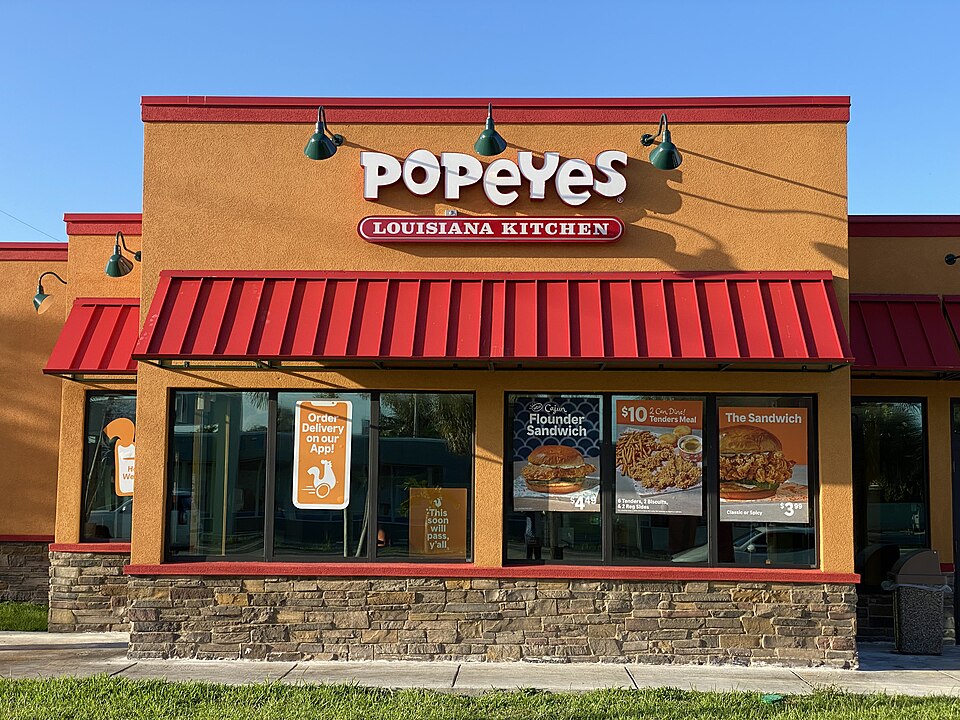
Popeyes began in Arabi, Louisiana, a small suburb of New Orleans that influenced its bold flavors. Its founders experimented with spicy, Cajun-inspired recipes that quickly gained local love. This vibrant regional identity set Popeyes apart as it expanded. The chain’s roots remain essential to its branding and culinary style.
Culver’s
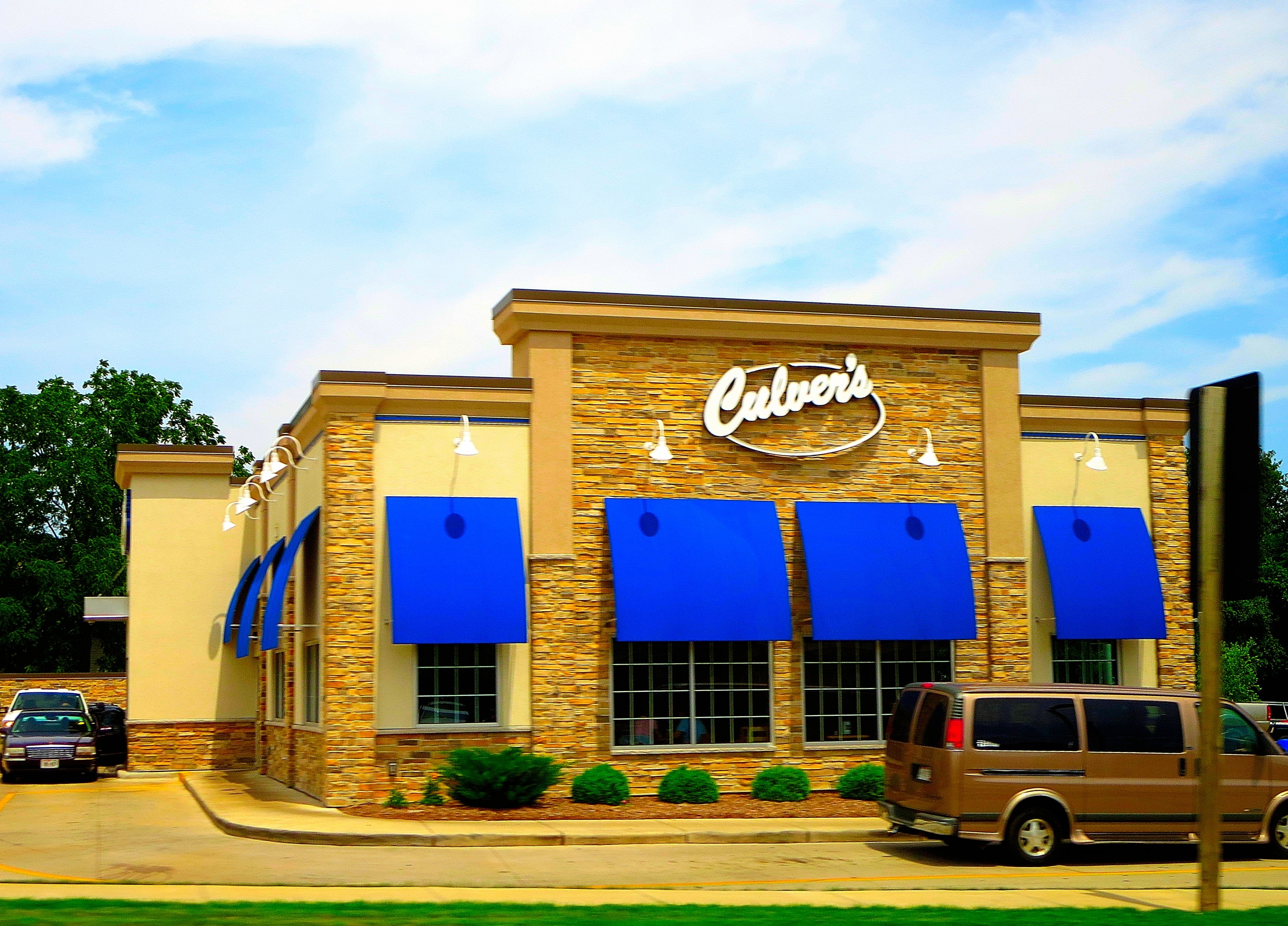
Culver’s was founded in Sauk City, Wisconsin, where its signature ButterBurger and custard quickly became community favorites. The chain embraced Midwestern friendliness and slow-crafted quality from the start. This commitment to comfort-food authenticity helped it expand nationwide. Culver’s still carries the hallmark warmth of its humble beginnings.
Chick-fil-A
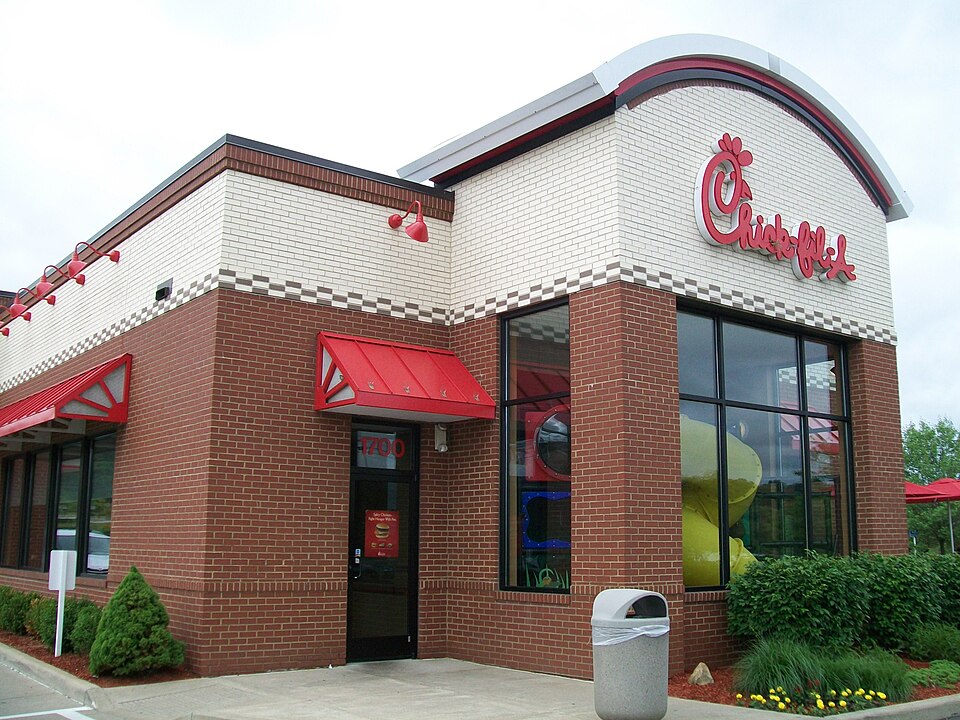
Chick-fil-A originated in Hapeville, Georgia, where the original sandwich recipe was perfected in a small diner. Its founder prioritized kindness, hospitality, and efficient service. These values, rooted in a tight-knit community, helped the brand define a unique service culture. That same small-town courtesy remains central to its national success.