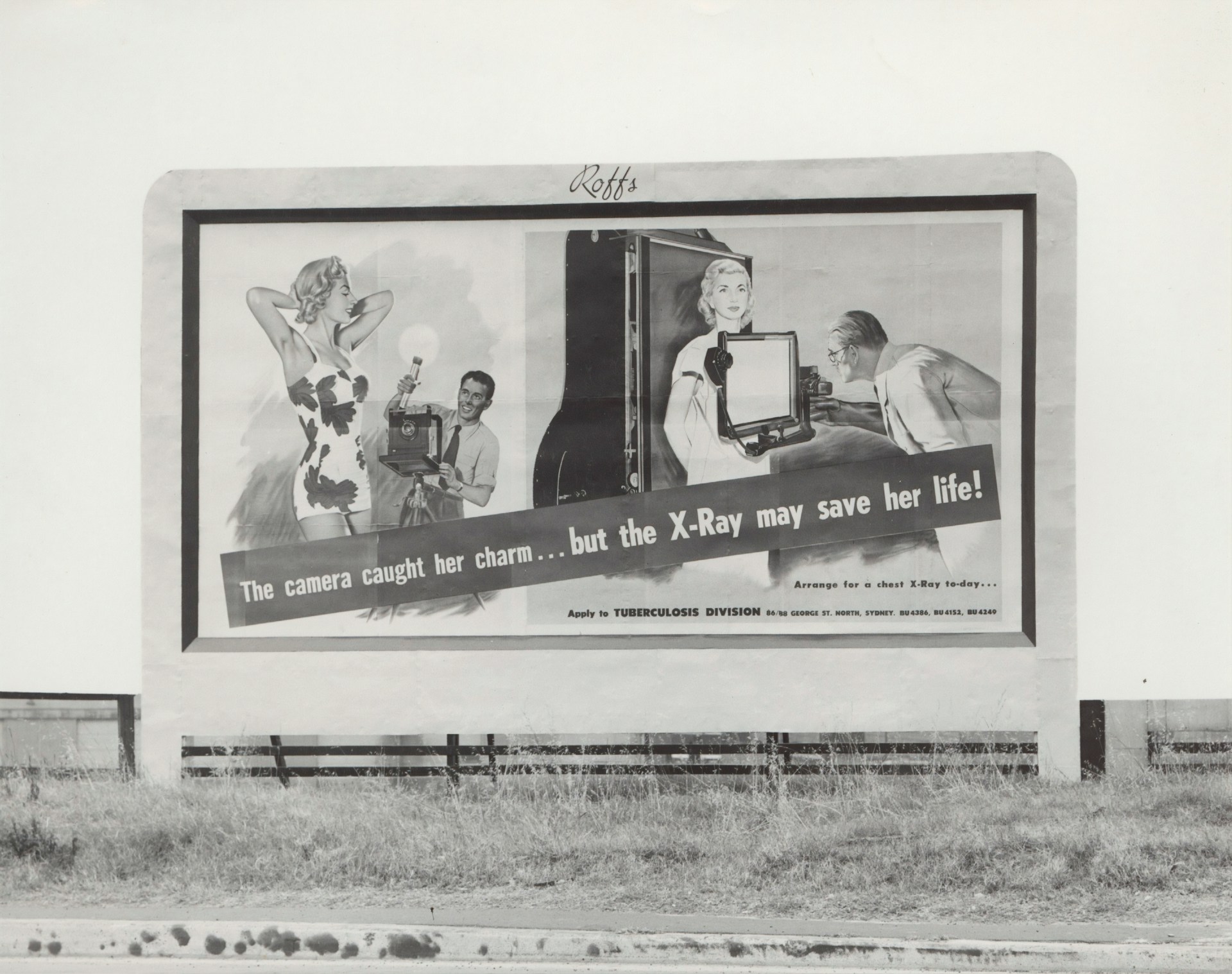
The 1970s were a bold era for advertising, full of creativity but also controversy. With fewer regulations and less societal awareness, many commercials pushed boundaries that would be completely unacceptable today. From exaggerated stereotypes to shock tactics, advertisers often relied on humor, fear, or glamour in ways that modern audiences would find offensive or inappropriate. Here are 15 ’70s commercials that reflect this time and would never get approved in today’s world.
1. Tobacco Ads Targeting Young Adults
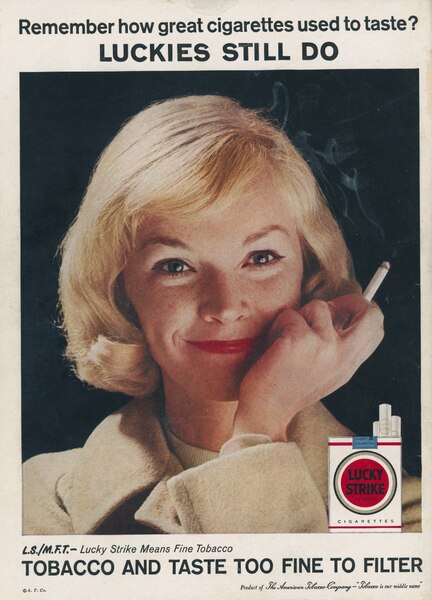
During the 1970s, cigarette commercials often portrayed smoking as glamorous, sophisticated, and socially desirable, targeting young adults with images of stylish, attractive people enjoying cigarettes in exotic or urban settings. Health risks were ignored or downplayed, and the ads implied that smoking was essential for popularity, success, or adventure. Today, such advertising would be strictly prohibited due to regulations preventing marketing to minors, mandatory health warnings, and societal awareness of smoking-related illnesses. The stark contrast highlights how cultural norms and laws surrounding tobacco promotion have evolved.
2. Gender Stereotypes in Household Products
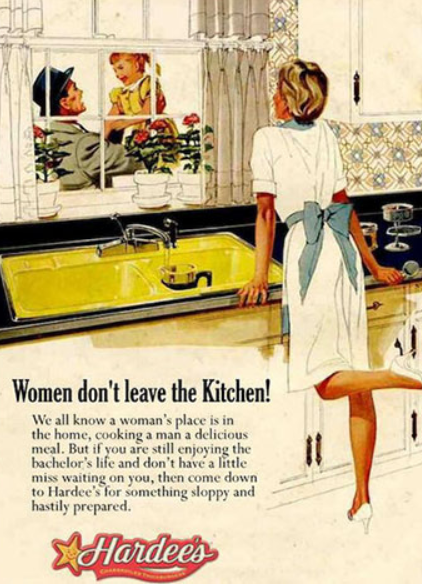
Many commercials for household cleaning products assumed that only women were responsible for domestic chores, portraying them as perfection-driven homemakers while men were largely absent or incompetent. These ads reinforced rigid gender roles and societal expectations of women as solely responsible for housekeeping. Modern advertising would reject such messaging, promoting inclusivity and shared household responsibilities. Today, brands aim to avoid alienating audiences by showing diverse households and breaking gender stereotypes, making these old commercials appear outdated and offensive.
3. Racial Stereotyping
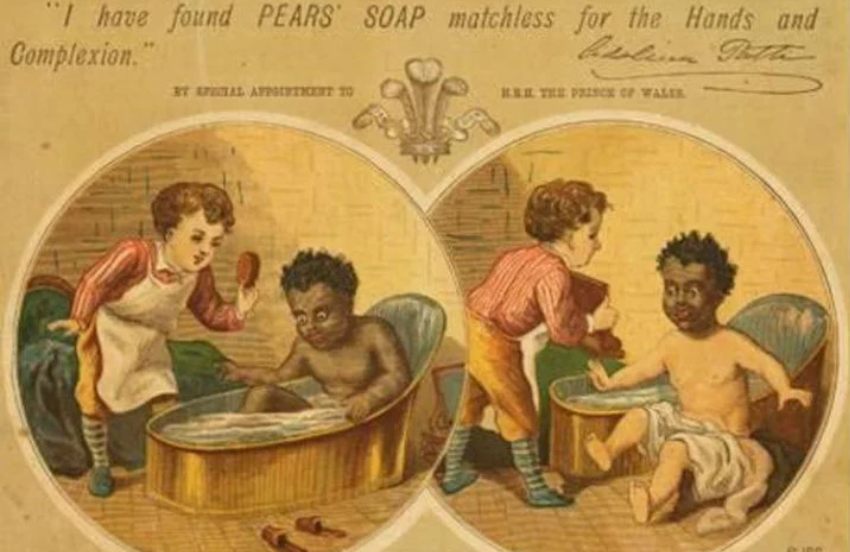
Some commercials relied on racial caricatures, using exaggerated accents, attire, or behaviors to convey humor or exoticism. These ads often reinforced negative stereotypes and trivialized cultures, portraying minority groups inappropriately for marketing purposes. Modern advertising standards demand cultural sensitivity and authenticity, with a strong emphasis on avoiding offensive depictions. Campaigns today prioritize respectful representation, making the once-common practice of racial stereotyping in commercials unacceptable and socially condemned.
4. Alcohol Ads Glamorizing Excess
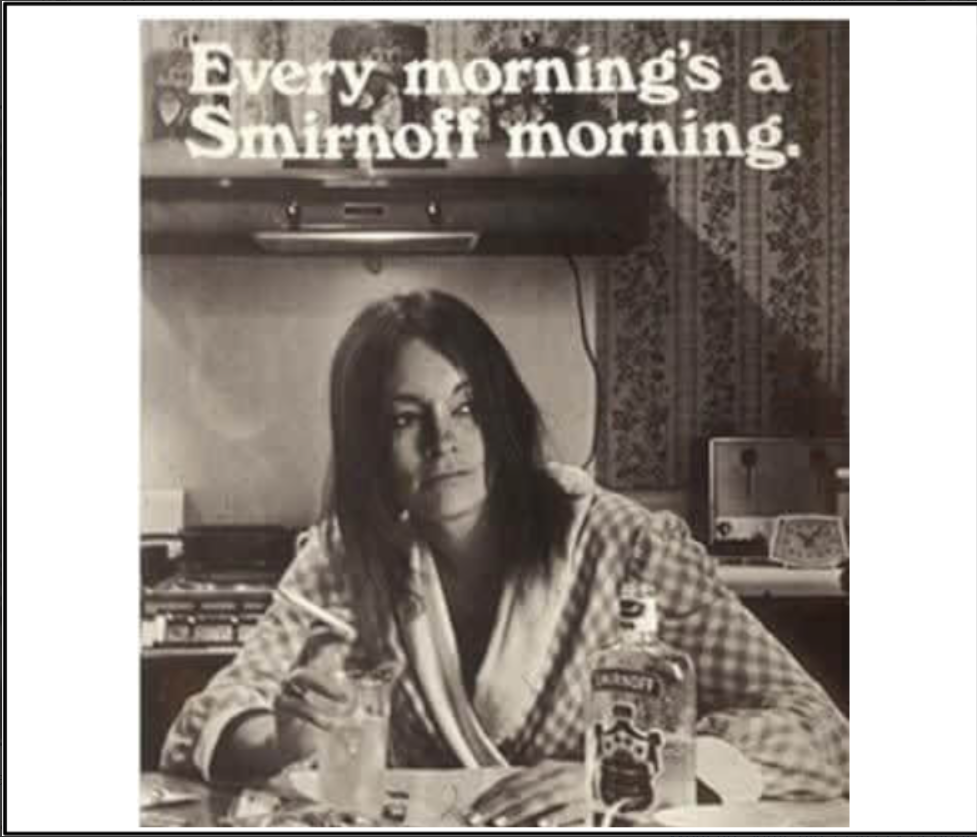
Beer and liquor commercials frequently glorified heavy drinking, depicting rowdy parties, sexual encounters, and reckless behavior as desirable or entertaining. The ads suggested that consuming alcohol was the key to social success, attractiveness, or confidence. Today, such representations are heavily restricted, with regulations requiring disclaimers, promoting responsible consumption, and limiting exposure to minors. The overt glamorization of excessive drinking in ’70s ads would likely be illegal or censored in modern media, reflecting society’s increased focus on public health and safety.
5. Dangerous Product Demonstrations
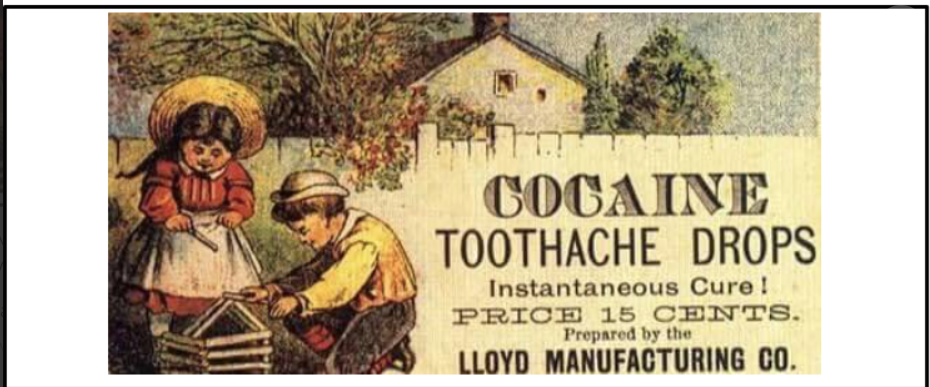
Some commercials showcased products being used in unsafe ways, such as children handling cleaning chemicals without supervision or people performing stunts with household items. These ads implied that risky behavior was acceptable, ignoring potential injuries. Modern advertising regulations and liability concerns demand that demonstrations highlight safety and proper use, often including warnings or disclaimers. Such careless portrayals from the ’70s would not meet today’s standards, as advertisers must now ensure that consumers are not encouraged to endanger themselves while using a product.
6. Body Image Exploitation in Beauty Ads
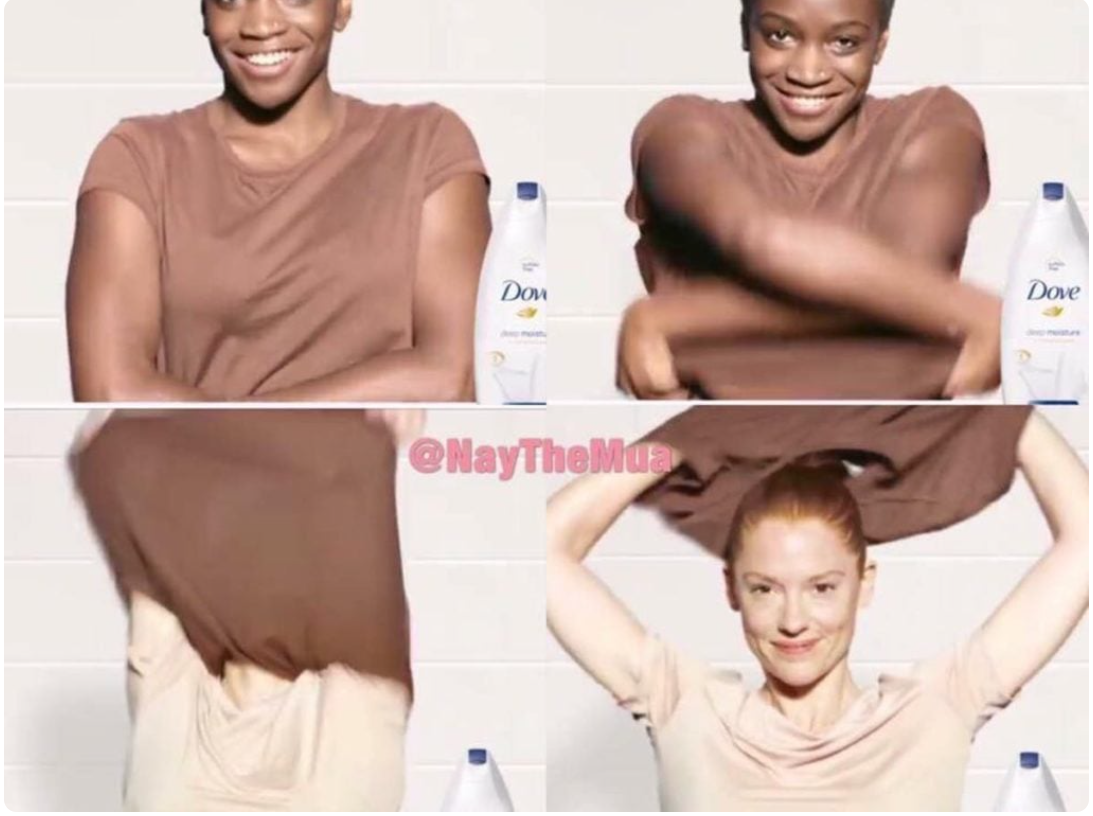
Many beauty product commercials suggested that women needed to conform to strict and unrealistic physical standards to be attractive or successful. The messaging often implied that self-worth and social acceptance depended entirely on appearance, creating psychological pressure. Today, advertising campaigns are increasingly mindful of body image, promoting diversity, inclusivity, and self-acceptance. Regulatory oversight, social media criticism, and cultural awareness make such exploitative messaging unacceptable, highlighting how societal understanding of mental health and body positivity has shifted dramatically since the ’70s.
7. Animal Abuse or Exploitation
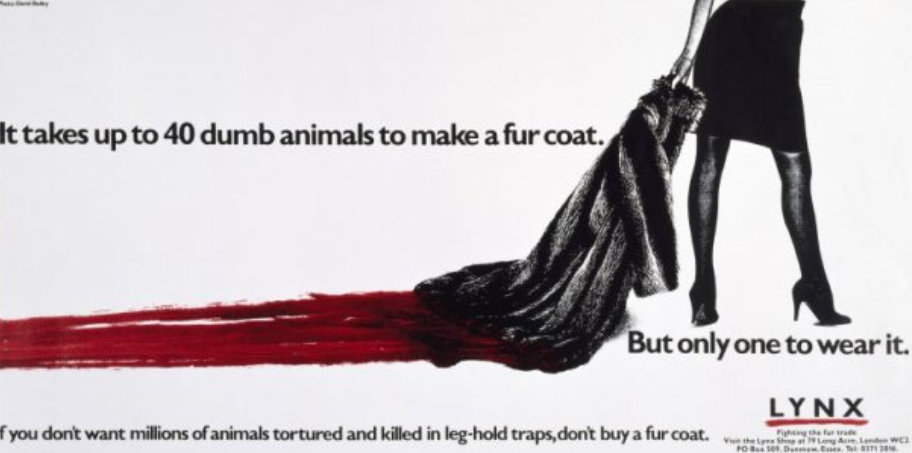
Some commercials in the ’70s used animals in ways that were unsafe or cruel for comedic or promotional purposes, including stressful stunts or dangerous situations. These portrayals would be considered unethical today, as animal welfare laws and guidelines have become far stricter. Modern advertising ensures humane treatment, often featuring disclaimers, professional handlers, and safe staging for animal actors. The cavalier approach to animals in ’70s commercials demonstrates how cultural and legal standards around animal ethics have evolved, making such content unacceptable by contemporary norms.
8. Shock Advertising and Fear Tactics
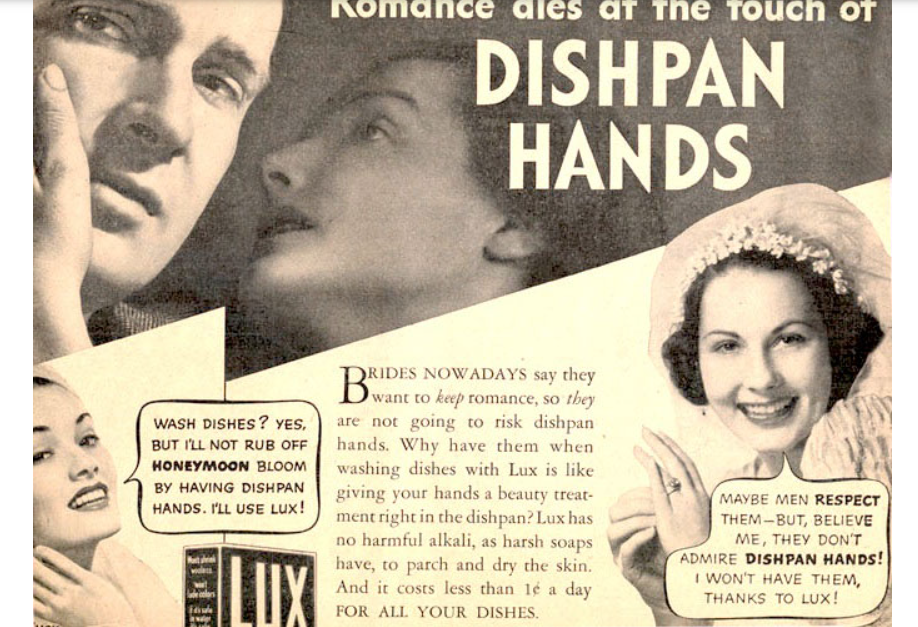
Advertisers often used frightening or shocking imagery to sell products, from hygiene items to home security systems. Scenes included exaggerated accidents, threatening figures, or graphic depictions designed to grab attention through fear. Modern standards discourage fear-based marketing for general audiences, especially when content may be distressing. Today, ads emphasize positive persuasion, clear messaging, and responsible storytelling. Shock tactics from the ’70s would likely trigger complaints and regulatory review, illustrating how ethical standards for advertising have shifted over time.
9. Exploitative Humor
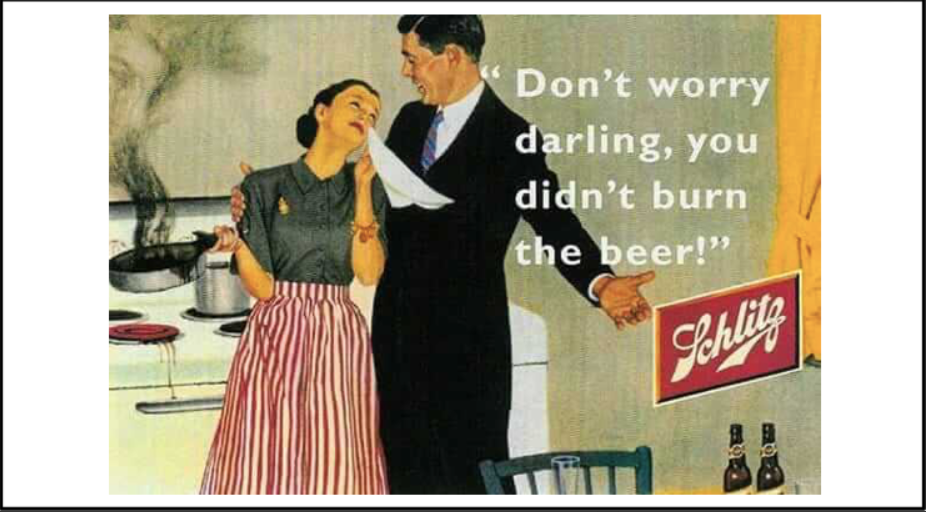
Humor in many ’70s commercials relied on mocking or belittling certain groups based on race, gender, age, or ability. Jokes often reinforced negative stereotypes or social hierarchies to generate laughs. Modern advertising standards prioritize inclusivity and sensitivity, avoiding derogatory or offensive humor. Brands today aim for clever, broad-appeal comedy that entertains without marginalizing audiences. The blatant exploitation of humor in ’70s campaigns would be widely criticized and likely censored under current ethical guidelines, showing how humor has evolved in marketing practices.
10. Misleading Health Claims
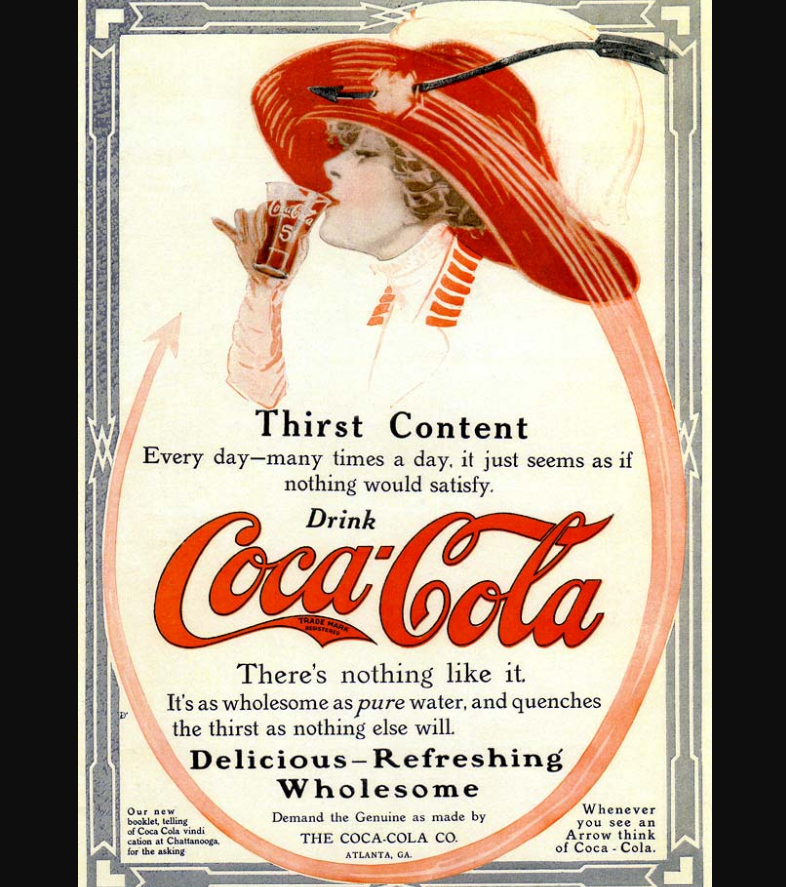
Health-related products, including foods, drinks, and supplements, were sometimes marketed with exaggerated or false claims, promising miraculous weight loss, disease prevention, or instant benefits. Today, agencies like the FDA and FTC enforce strict regulations requiring evidence-backed claims, disclaimers, and transparency in advertising. Misleading or unsubstantiated messaging could result in fines or legal action. The lax standards of the ’70s allowed these exaggerated claims to flourish, but modern consumer protection emphasizes accuracy and honesty, making such marketing practices unacceptable now.
11. Child Exploitation in Advertising
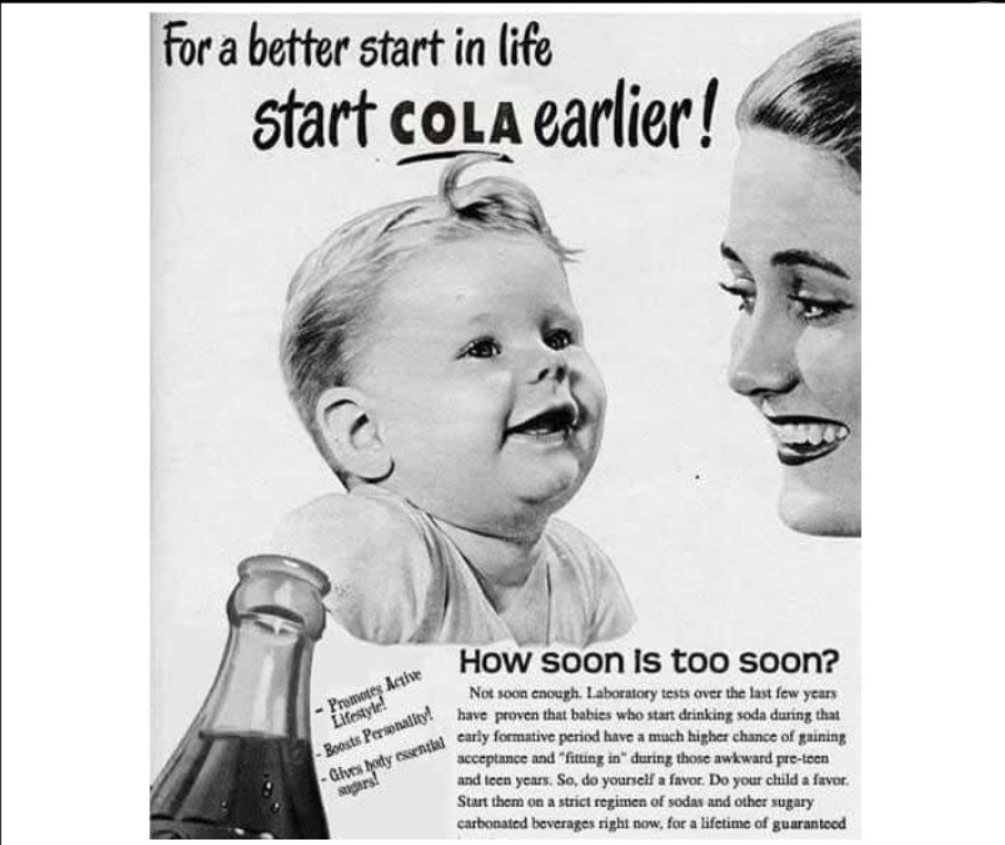
Some commercials targeted children with aggressive marketing tactics, including emotional appeals, bright colors, and catchy jingles to encourage consumption of unhealthy snacks or toys. These practices exploited children’s impressionability and were largely unregulated. Today, there are strict guidelines limiting direct marketing to children, especially for products impacting health, like sugary foods. Ethical standards now prioritize the protection of young audiences, making the ’70s approach of manipulative child-focused advertising inappropriate and unacceptable by contemporary norms.
12. Objectification in Car Ads
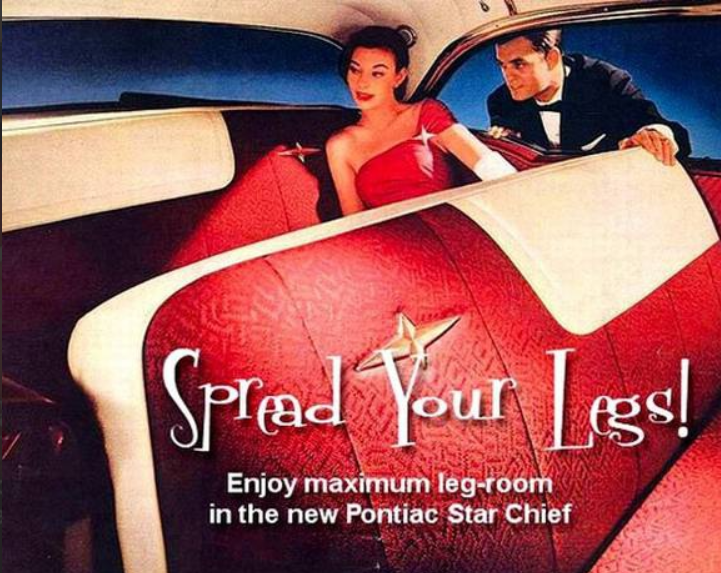
Automobile commercials often used sexualized images of women, implying that owning a particular car would increase desirability or romantic attention. Women were treated as props rather than participants, reducing them to objects to sell a product. Modern advertising standards emphasize ethical representation, gender equality, and avoiding objectification. Current campaigns focus on performance, safety, and lifestyle benefits instead. These ’70s car ads would generate significant backlash today for sexism and inappropriate messaging, highlighting a cultural shift in media accountability.
13. Stereotypes About Professions

Some commercials reinforced simplistic or negative stereotypes about professions, portraying office workers as boring, mothers as incompetent without certain products, or men as incapable in domestic tasks. These depictions were exaggerated for comedic or dramatic effect. Modern advertising seeks to reflect realistic, diverse roles, avoiding caricatures that perpetuate bias. Such stereotypical portrayals from the ’70s would likely receive criticism and potentially legal scrutiny today, reflecting an increased focus on social responsibility and accuracy in media representation.
14. Smoking and Alcohol Combined with Children
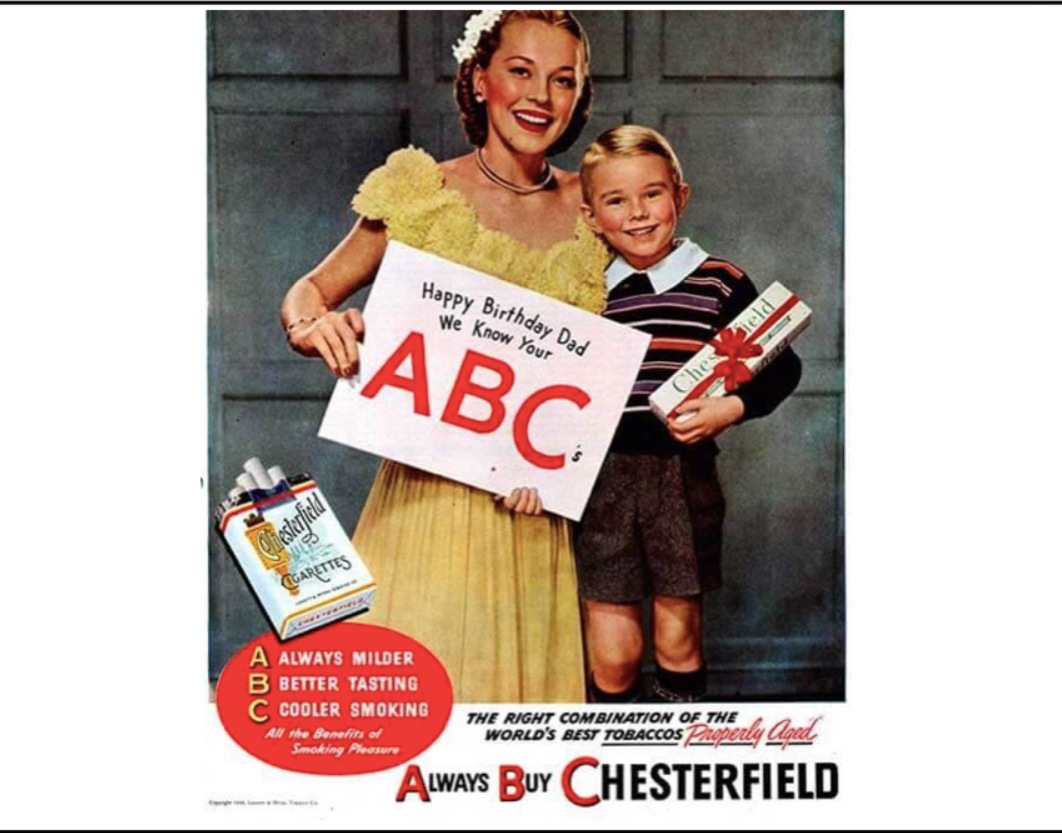
Certain commercials irresponsibly showed children in environments with adults smoking or drinking alcohol, normalizing unsafe behavior. These ads ignored potential harm and were directed at audiences without emphasizing danger. Today, strict regulations prevent promoting tobacco or alcohol near minors, and campaigns emphasize protective messaging for children. ’70s commercials with such content would be considered both unethical and illegal in many jurisdictions, demonstrating how advertising standards have evolved to protect vulnerable populations.
15. Exaggerated Product Endorsements
Celebrity endorsements were sometimes highly exaggerated, claiming that using a product could completely transform a person’s life, attractiveness, or abilities. Such overstatements misled consumers and lacked verification. Today, advertising must be truthful, evidence-based, and transparent about sponsorships. Misleading claims could trigger legal action or fines. These ’70s practices would fail under contemporary standards, reflecting how consumer protection, ethical marketing, and accountability have become central to modern advertising.
Looking back at ’70s commercials, it’s clear that many tactics would never fly today. Changes in regulations, social awareness, and ethical standards have dramatically transformed how products can be marketed. While entertaining as historical artifacts, these commercials highlight the importance of responsible advertising in modern media.