Plumbing problems rarely stay small for long. What starts as a drip, clog, or shaky DIY fix can snowball into water damage, mold, ruined floors, and repair bills that sting for years. This gallery walks through the most common plumbing mistakes homeowners make, why they get so expensive, and the habits that can save you serious money.
1. Ignoring a Small Leak
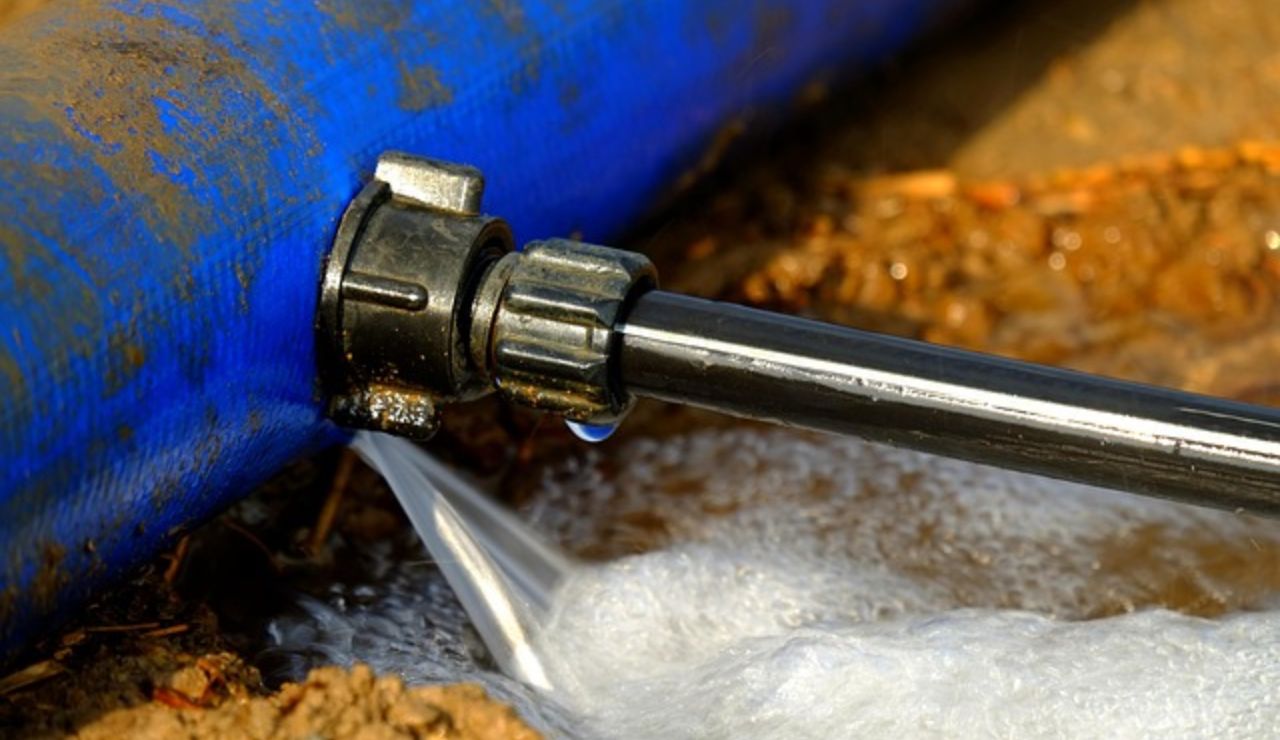
That slow drip under the sink or tiny ring of water around a toilet may not seem urgent, especially if it appears harmless. But minor leaks have a way of quietly soaking cabinets, subfloors, drywall, and insulation long before you realize the damage is spreading.
The real cost usually is not the water bill. It is the warped wood, mold cleanup, and hidden repairs behind walls or beneath flooring that make a small leak so expensive. Catching it early is almost always the cheapest move you can make.
If you notice damp smells, peeling paint, or unexplained moisture, do not wait for a bigger sign. Plumbing problems love to hide until they become renovation projects.
2. Using Too Much Drain Cleaner
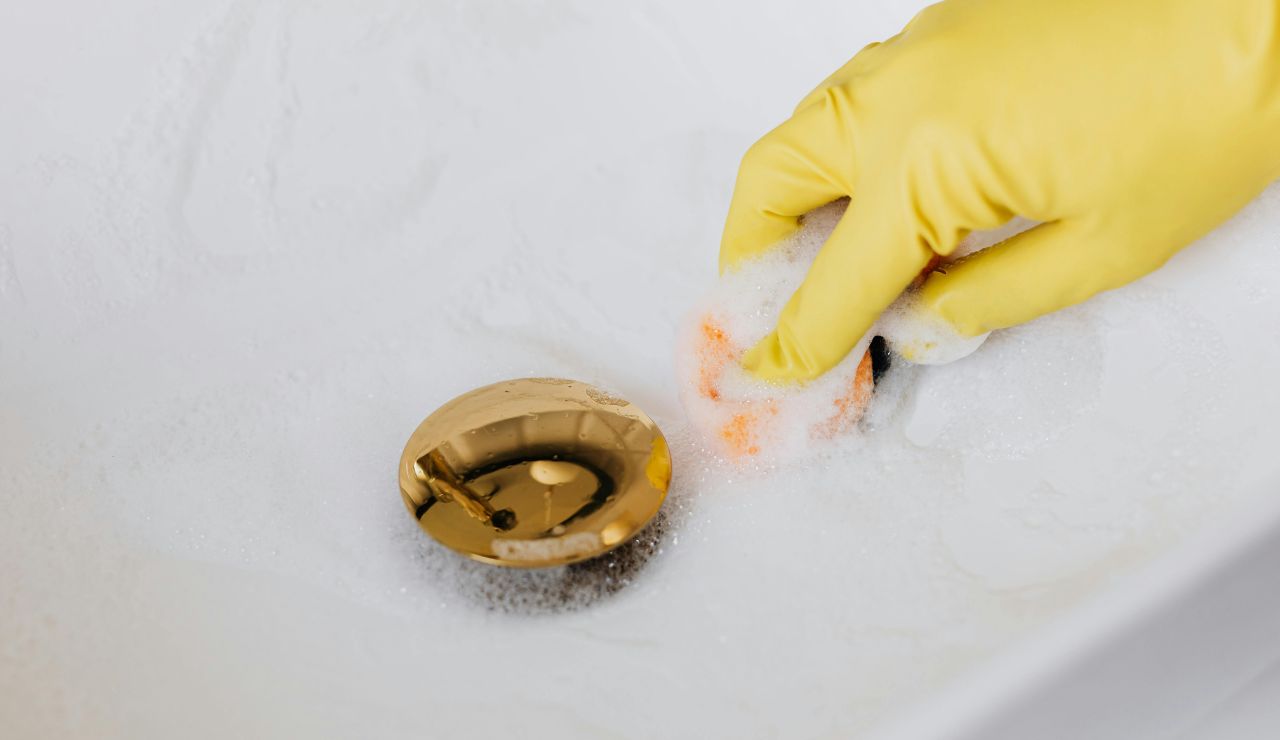
When a drain slows down, it is tempting to pour in a heavy dose of chemical cleaner and hope for the best. The problem is that repeated use can eat away at certain pipes, especially older plumbing, while never truly solving the clog that caused the issue.
These products can also sit in the line if the blockage is stubborn, creating a harsh chemical trap that becomes dangerous for whoever opens the pipe later. That turns a simple fix into a safety issue and a repair call.
If clogs keep coming back, the answer is usually not more cleaner. It is finding out whether grease, hair, soap buildup, or a deeper blockage is causing the backup.
3. Flushing the Wrong Things
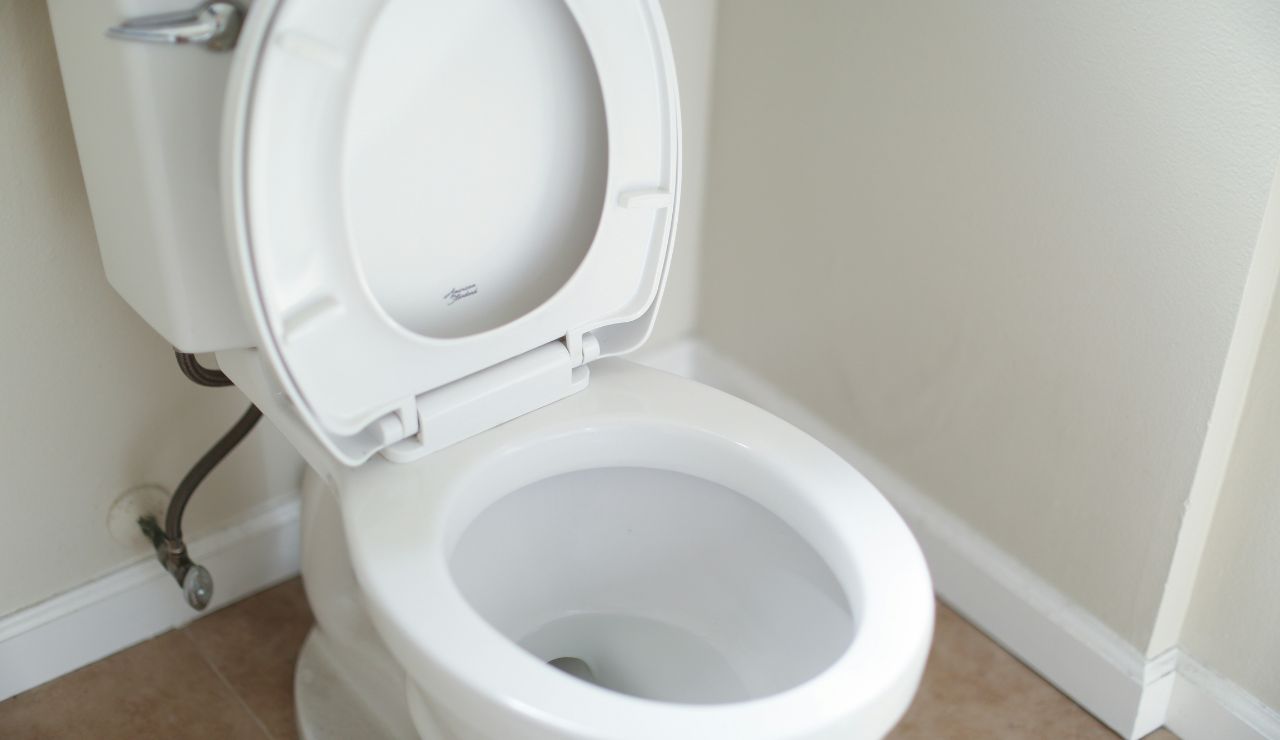
Plenty of products say flushable, but your plumbing may strongly disagree. Wipes, paper towels, hygiene products, cotton pads, and even excessive toilet paper can create thick blockages that stop waste where you least want it to stop.
The trouble does not always happen immediately. Material can snag in the line and slowly collect more debris until the toilet backs up, the sewer line strains, or wastewater ends up where it absolutely should not be.
Once a major clog forms, the bill can jump fast, especially if sewage cleanup is involved. Toilets are built for human waste and toilet paper, and honestly, they do best when you keep it that simple.
4. Pouring Grease Down the Kitchen Sink
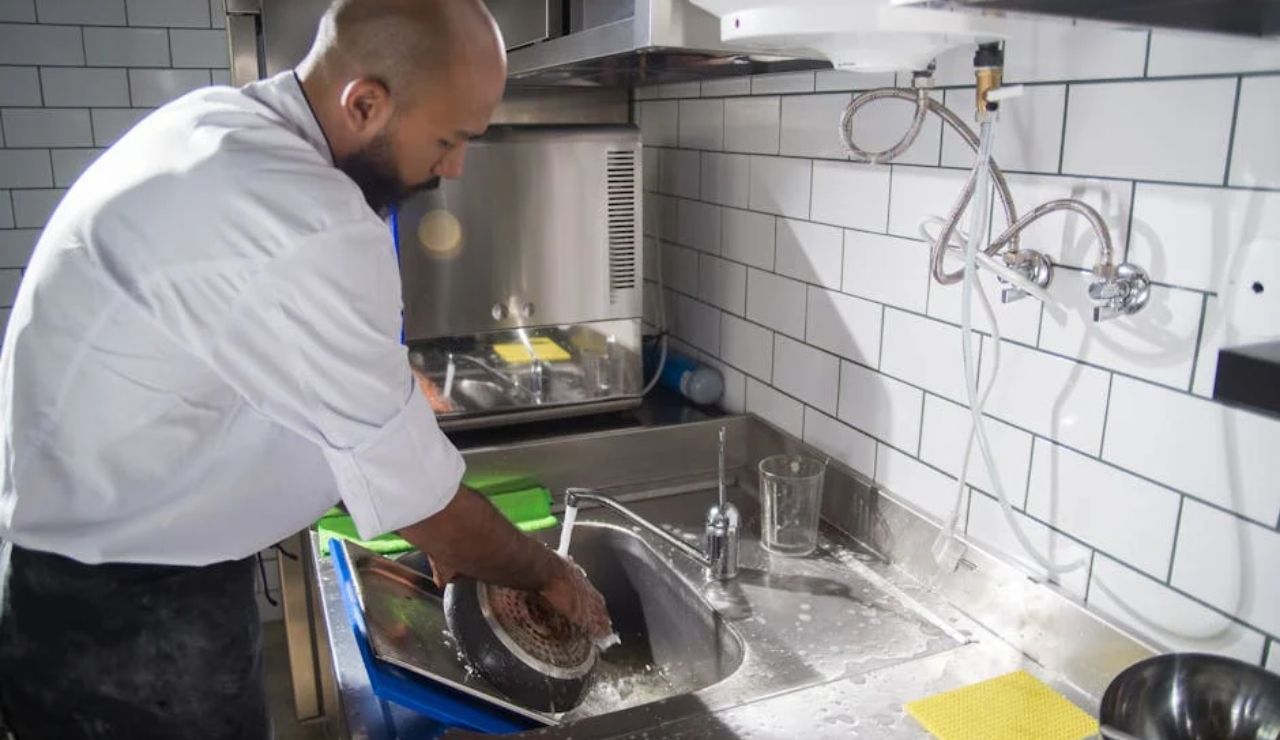
Hot grease looks harmless when it is still liquid, which is exactly why so many people pour it down the drain. A few minutes later, it cools, thickens, and starts coating the inside of the pipe like a sticky trap for every crumb and scrap that follows.
Over time, that buildup narrows the line and invites major clogs that can affect more than just the kitchen sink. In bad cases, backups spread to dishwashers or branch lines, making the cleanup much messier and pricier.
Even if you have a garbage disposal, grease is still a bad idea. Let it cool, collect it in a container, and throw it away instead of asking your pipes to deal with it.
5. Treating the Garbage Disposal Like a Trash Can
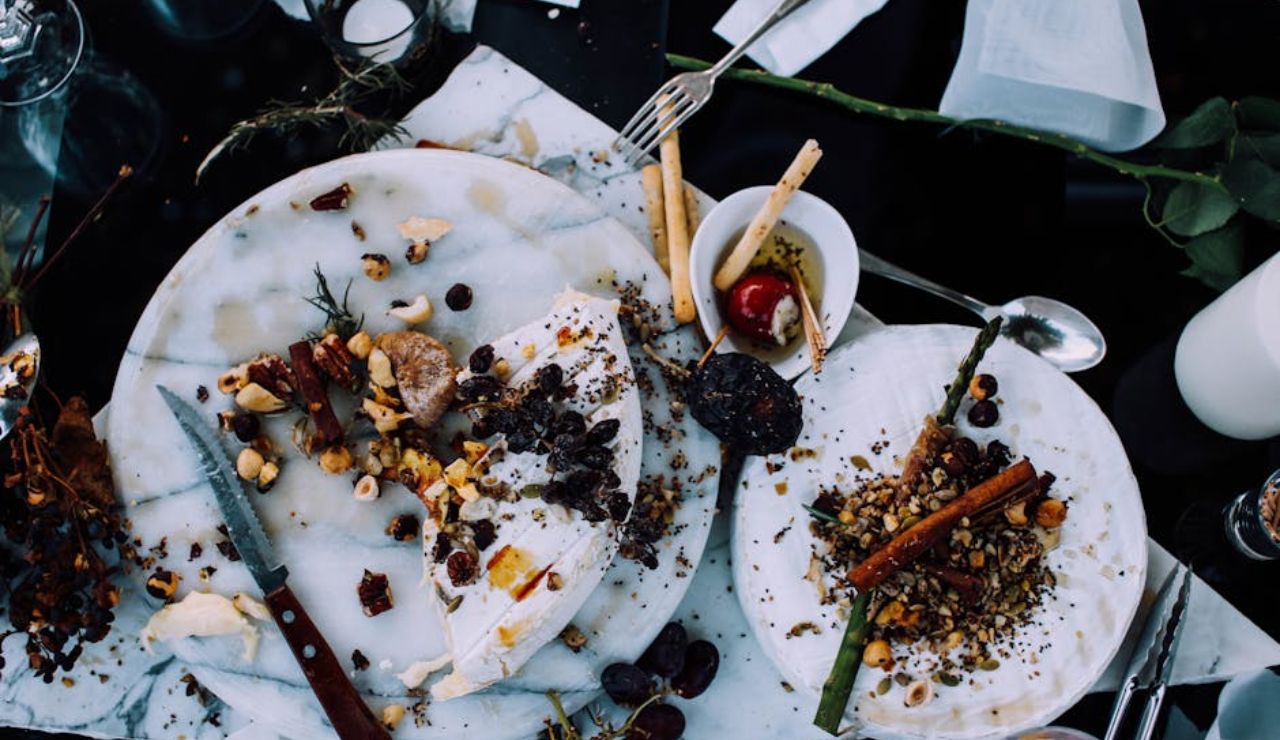
A garbage disposal can be convenient, but it is not a free pass to grind up everything left on your plate. Fibrous vegetables, eggshells, coffee grounds, pasta, bones, and starchy scraps can jam the blades or create sludge that settles farther down the line.
That means the disposal may sound fine while the real blockage starts building where you cannot see it. Before long, your sink drains slowly, odors linger, and water backs up at the worst possible moment.
Using the disposal sparingly keeps both the unit and your plumbing happier. Think of it as a helper for small leftovers, not a full-scale replacement for scraping food into the trash or compost.
6. Overtightening Pipe Connections
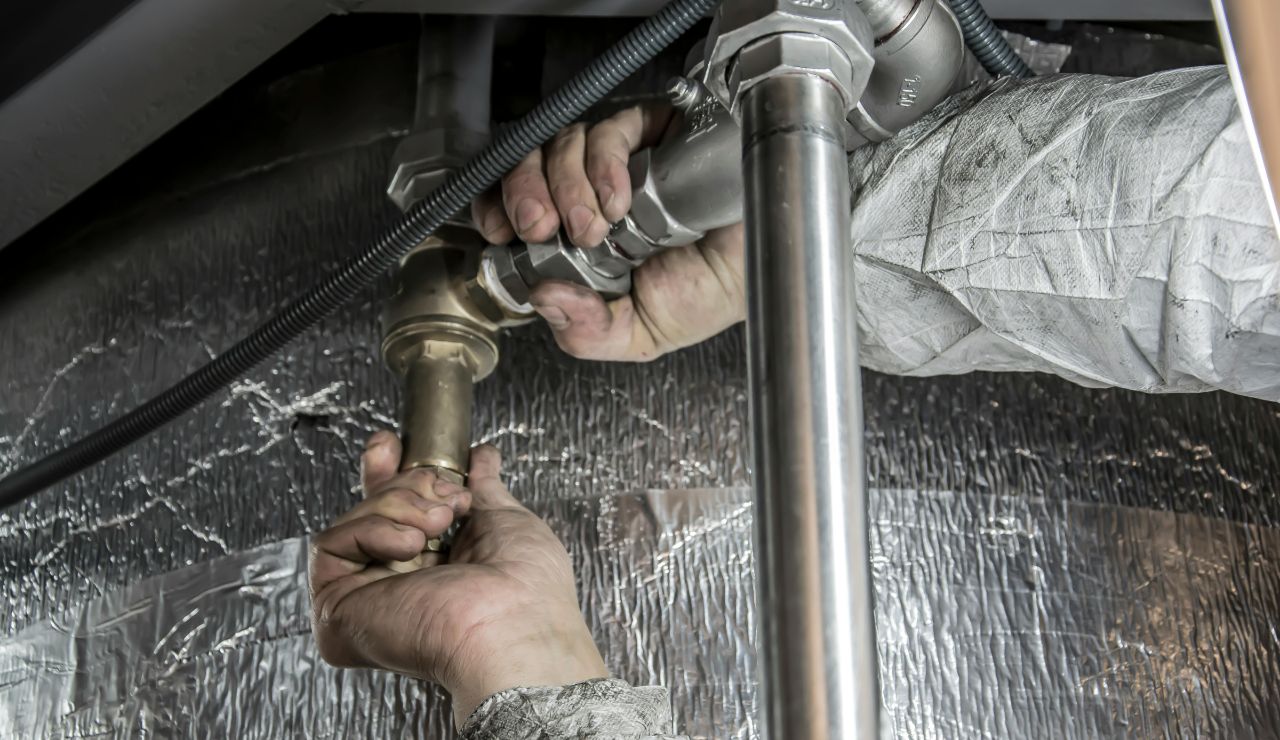
DIY confidence is great right up until a wrench turns one time too many. Overtightening fittings, supply lines, and connectors can crack plastic parts, strip threads, or deform seals, creating leaks that may not show up until pressure builds later.
This is one of those mistakes that feels secure in the moment. In reality, a crushed washer or damaged fitting can fail unexpectedly, and the leak may happen inside a cabinet, behind an appliance, or while nobody is home.
Plumbing connections usually need a snug fit, not brute force. If something keeps leaking, the solution is often a new washer, proper thread sealant, or the correct part rather than simply tightening harder.
7. Skipping Shutoff Valve Maintenance
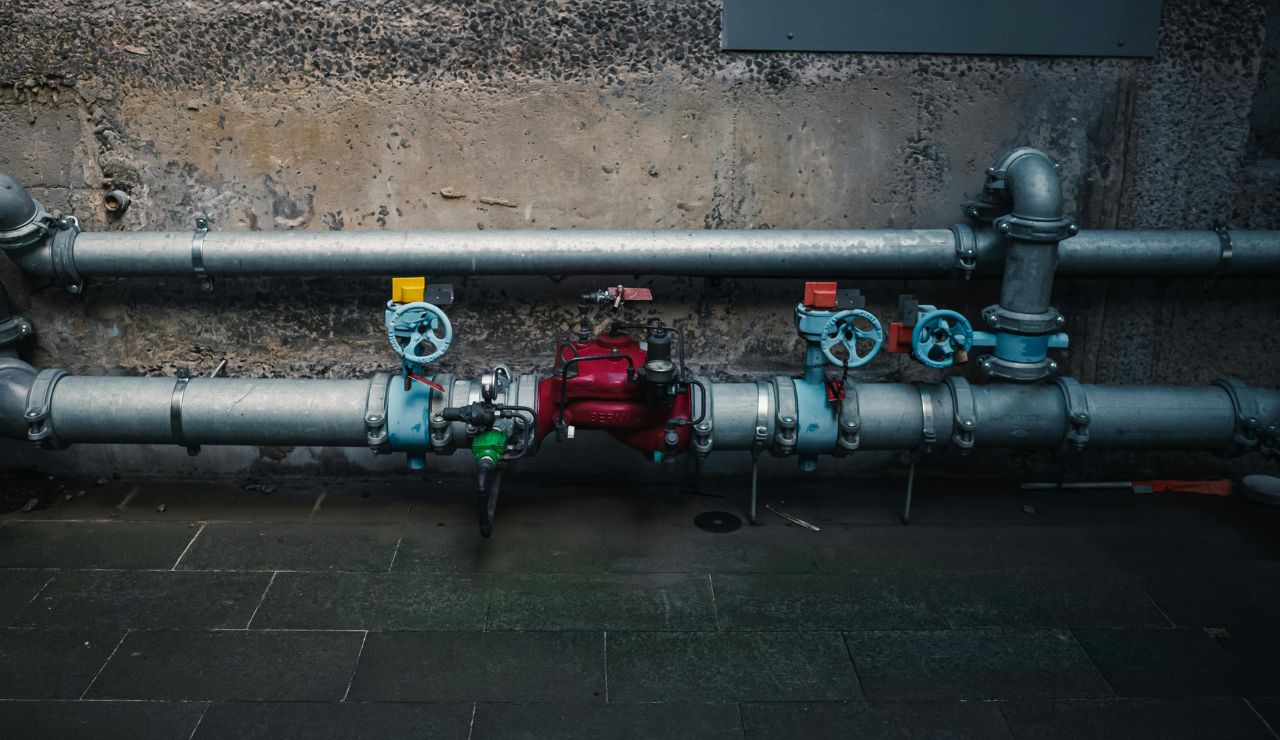
Most homeowners do not think about shutoff valves until there is water spraying somewhere it definitely should not be. By then, a valve that has not been touched in years may be stuck, corroded, or unable to close fully, which is a terrible surprise during an emergency.
A working shutoff valve can be the difference between a quick repair and a major flood. If it fails, every extra minute of running water increases the odds of soaked drywall, damaged cabinets, and ruined flooring.
Testing valves occasionally is not glamorous, but it is smart. A valve that turns smoothly and seals properly gives you control when a toilet supply line bursts or a faucet connection suddenly gives out.
8. Installing the Wrong Pipe Materials
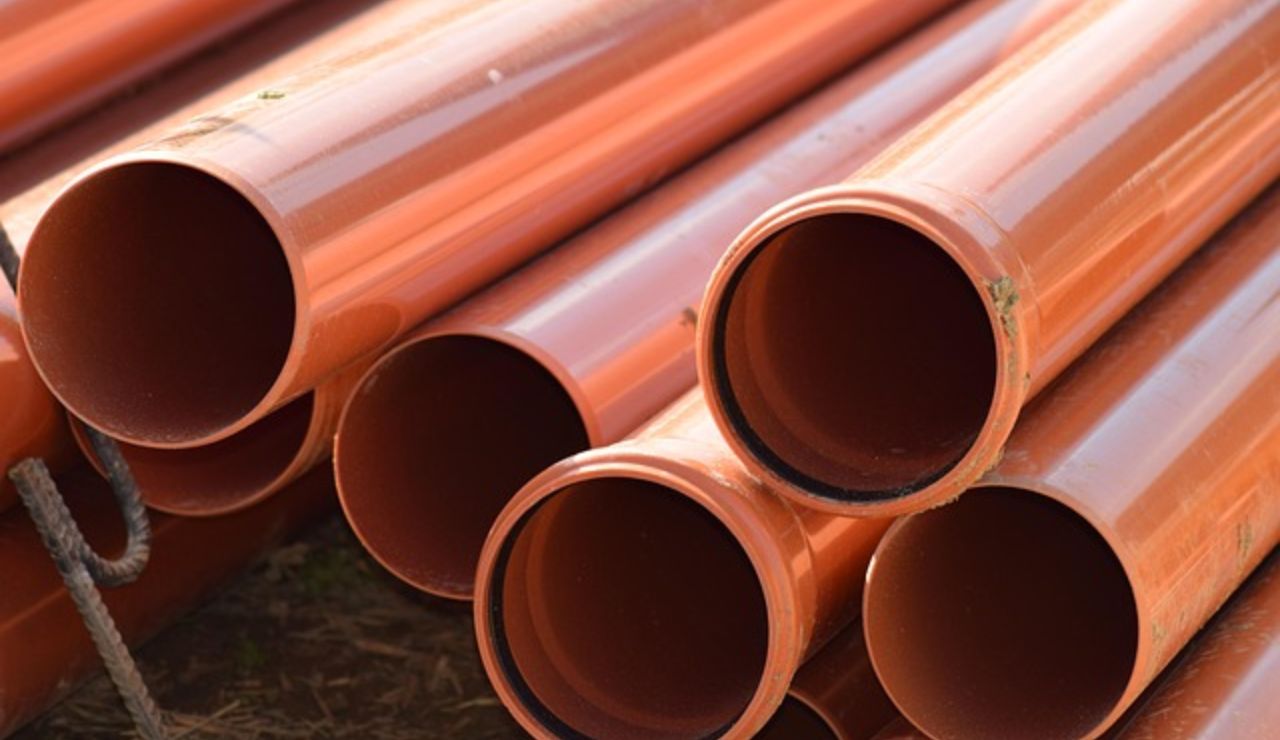
Not all pipes play nicely together, and not every material is right for every job. Mixing incompatible metals can lead to corrosion, while choosing the wrong pipe for temperature, pressure, or code requirements can shorten the life of the whole repair.
This is where a cheap shortcut can become a very expensive redo. Pipes may leak prematurely, fittings can fail, and hidden corrosion may continue quietly behind walls while everything appears fine on the surface.
If you are replacing sections of plumbing, material choice matters as much as the installation itself. The right pipe is not just about fit. It is about durability, local code, water quality, and avoiding long-term damage.
9. Ignoring Water Pressure Problems
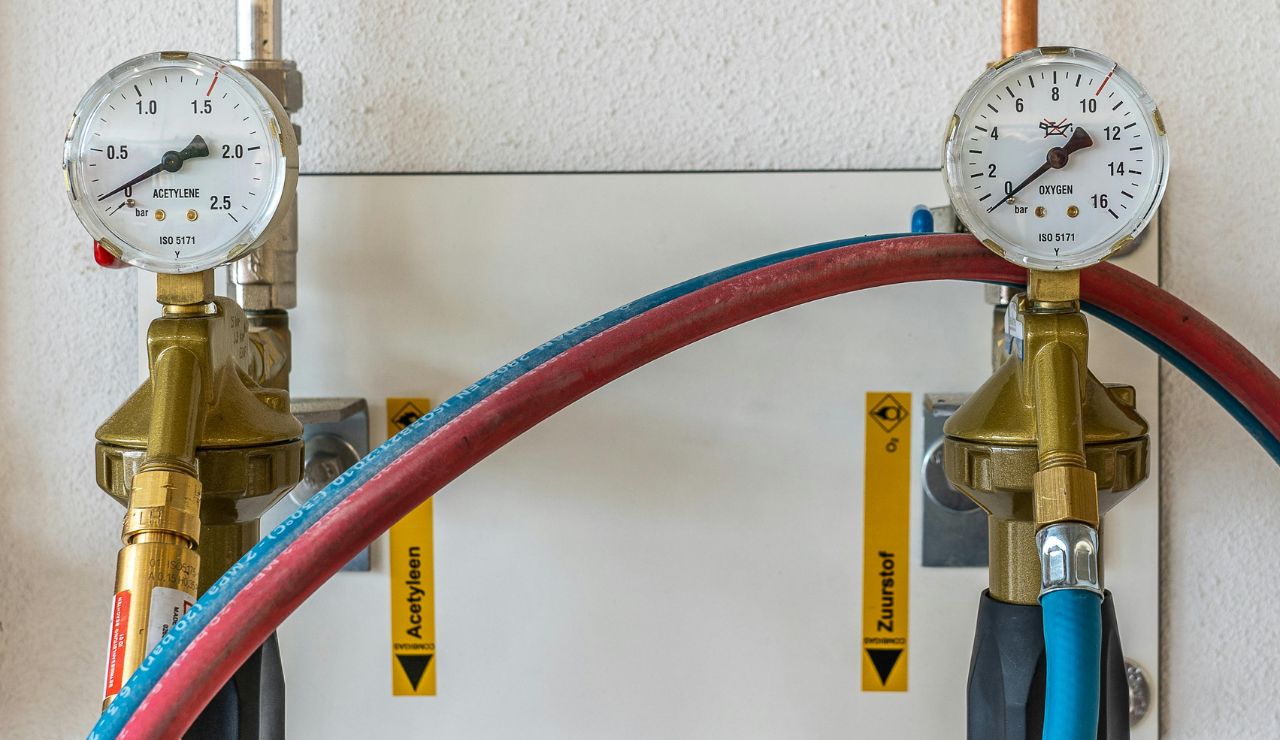
Strong water pressure feels great in the shower, but pressure that is too high can quietly punish your plumbing system. Pipes, hoses, valves, water heaters, and appliances all wear out faster when they are constantly dealing with excessive force.
Low pressure can be a warning too. It may point to leaks, mineral buildup, failing fixtures, or bigger supply issues that deserve attention before they trigger more damage.
If pressure suddenly changes, do not just adapt and move on. A pressure gauge or a quick inspection can reveal whether your system needs a regulator, a repair, or a closer look before a hidden weakness turns into a burst line.
10. Letting Pipes Freeze
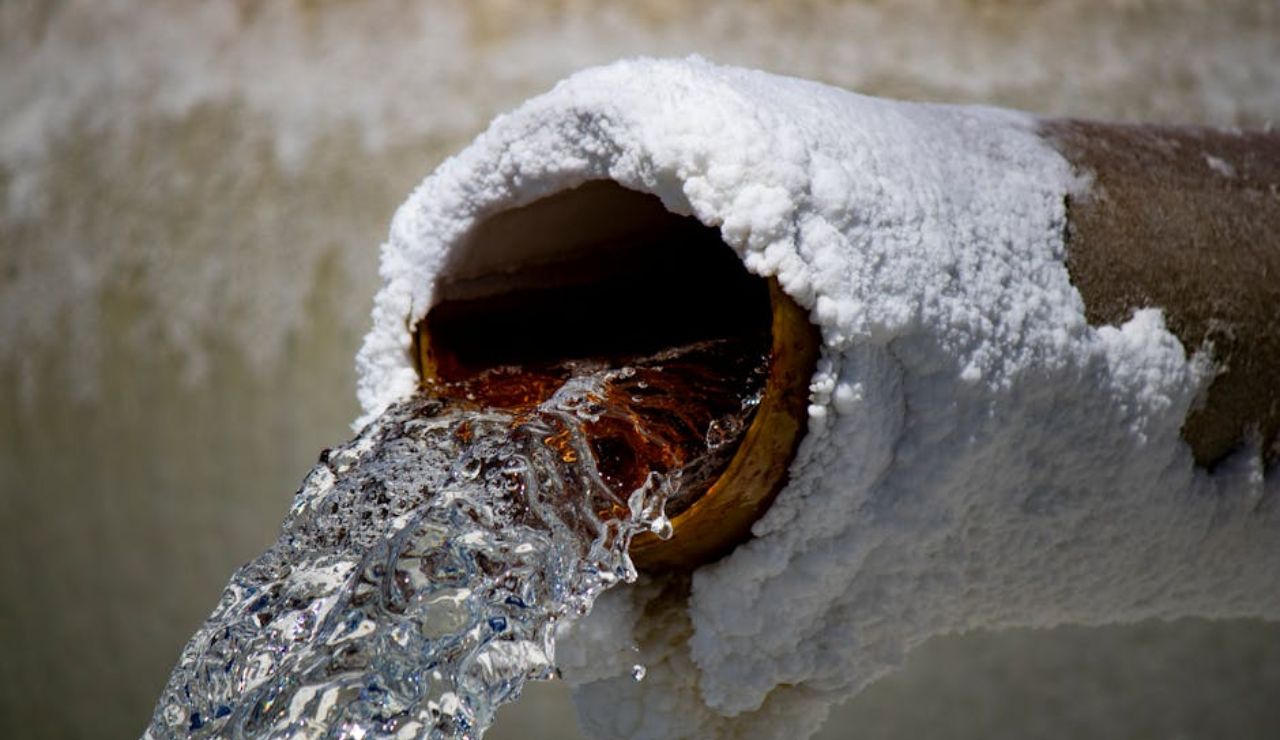
Frozen pipes are one of those disasters that seem to happen overnight. When water freezes, it expands, and that pressure can split pipes from the inside, especially in crawl spaces, attics, garages, exterior walls, or any poorly insulated area.
The worst part is that the pipe often bursts only after the ice starts melting and water begins flowing again. That delay can trick homeowners into thinking they escaped the problem, right until water pours into the house.
A little prevention goes a long way here. Insulation, sealing drafts, keeping indoor heat steady, and disconnecting outdoor hoses can spare you a repair bill that includes both plumbing work and serious water damage restoration.
11. Hiding Leaks With Cosmetic Fixes
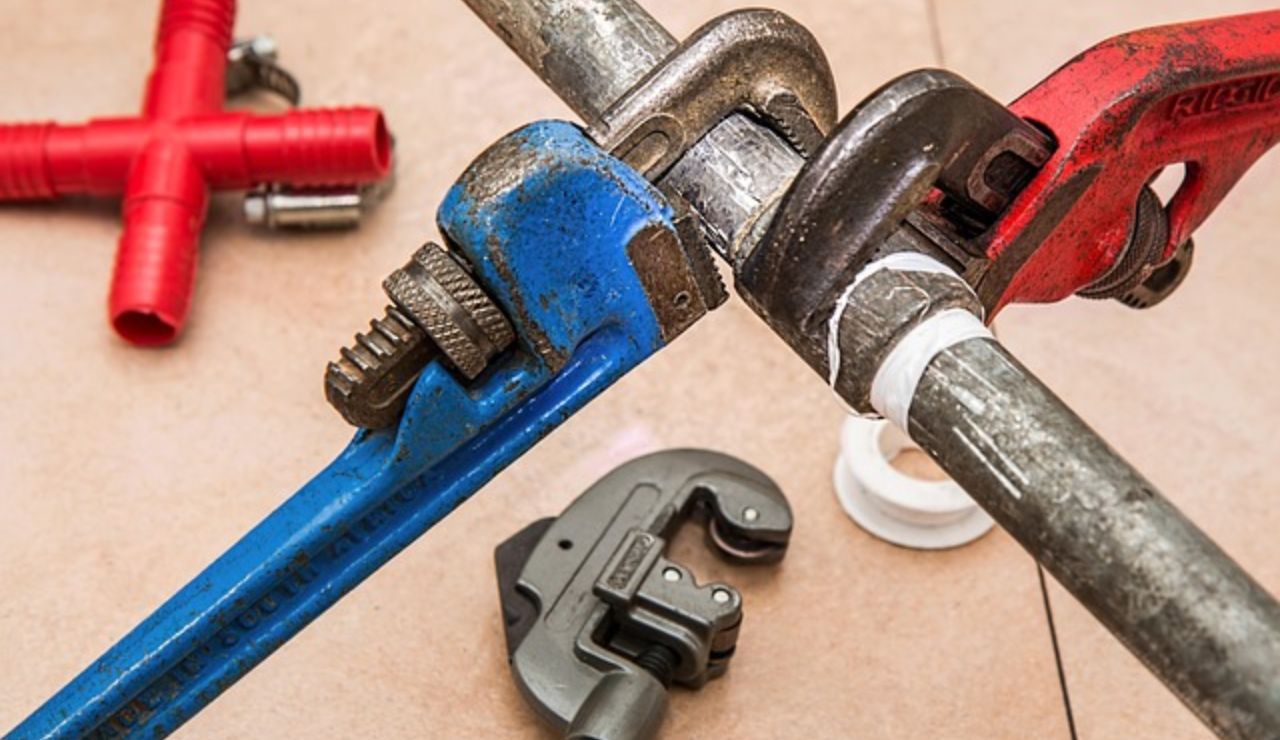
Painting over a water stain or placing a rug over a damp spot might buy you a little visual peace, but it does nothing for the actual problem. Moisture trapped behind walls or under floors keeps spreading, feeding mold and weakening materials while everything looks temporarily under control.
Cosmetic cover-ups are especially risky because they delay the moment when someone investigates the source. By the time the damage becomes obvious again, the repair may involve drywall replacement, flooring removal, and remediation work that far exceeds the original leak.
If a stain keeps returning, it is not being dramatic. It is trying to tell you something. The smartest fix is always finding the source, not redecorating around it.
12. Neglecting the Water Heater
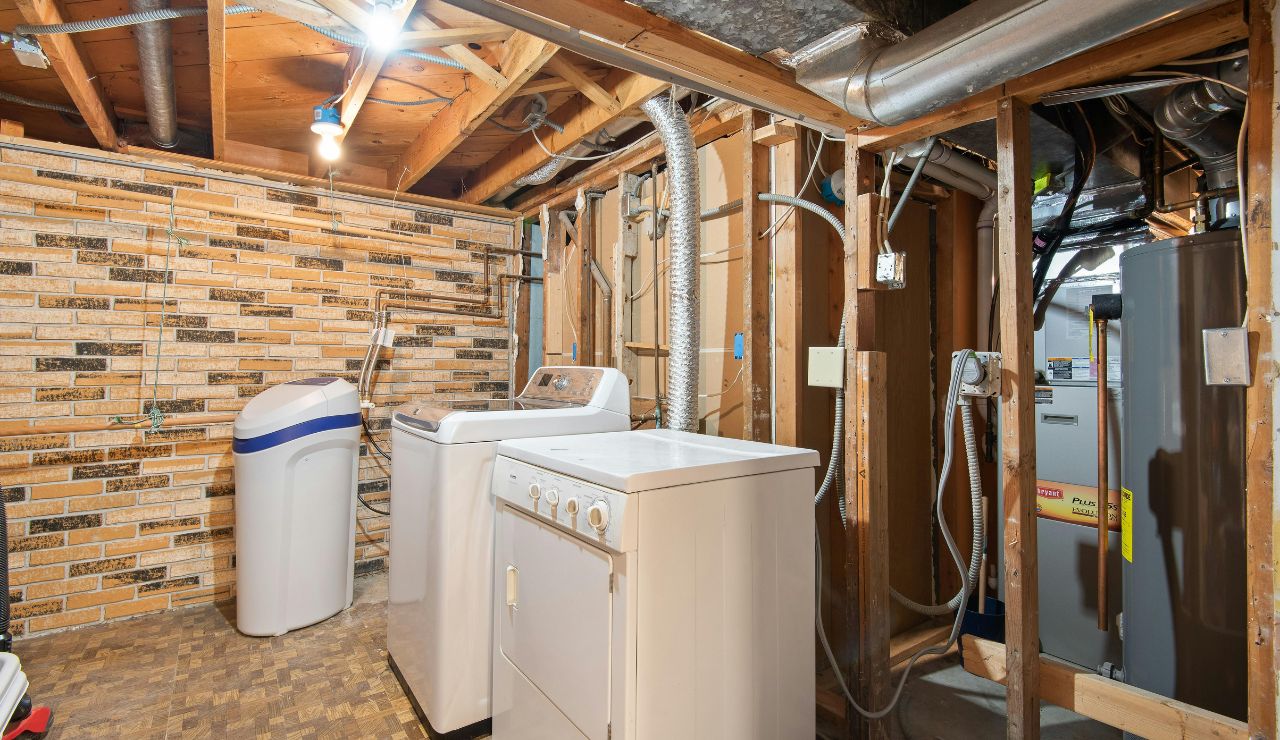
Water heaters are easy to ignore because they sit quietly until they do not. Sediment buildup, corrosion, aging valves, and neglected maintenance can reduce efficiency, shorten the unit’s life, and eventually lead to leaks or even tank failure.
A failing water heater can do more than leave you with a cold shower. If the tank ruptures, it can flood the surrounding area and damage flooring, walls, and stored belongings in a hurry.
Routine flushing, checking for rust or pooling water, and paying attention to strange noises can help you catch trouble early. Replacing a worn part is annoying, but replacing a flooded utility room is much worse.
13. Starting DIY Repairs Without Knowing the Basics
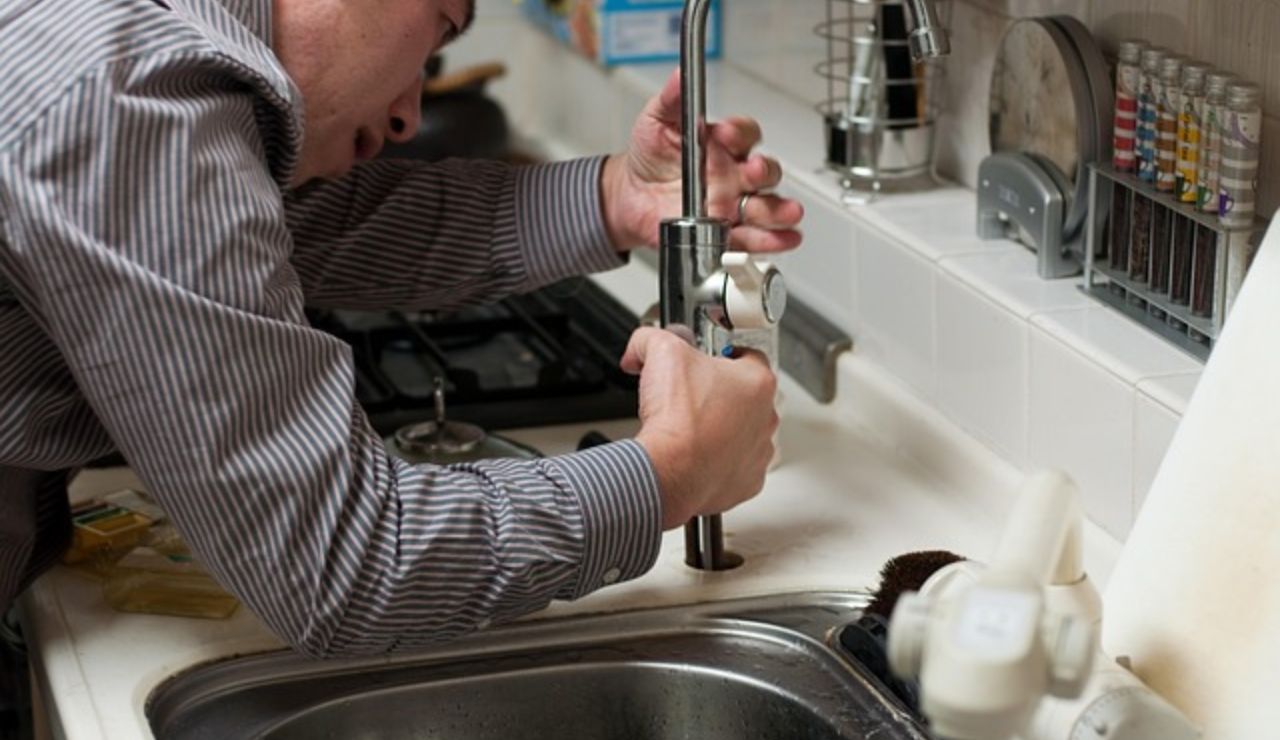
There is nothing wrong with wanting to handle simple home repairs yourself, but plumbing can get expensive fast when enthusiasm outruns knowledge. Using the wrong parts, skipping prep, or misunderstanding how a system is pressurized can turn a small repair into a full-on mess.
One loose connection behind a wall or under a sink is all it takes. Water does not need much time to damage particleboard, drywall, trim, and flooring, especially if the mistake goes unnoticed for a few hours.
The smartest DIYers know when to stop. Learning the basics, shutting off water first, and recognizing when a job needs a pro can save you from paying twice for the same repair.
14. Forgetting About Sewer Line Warning Signs
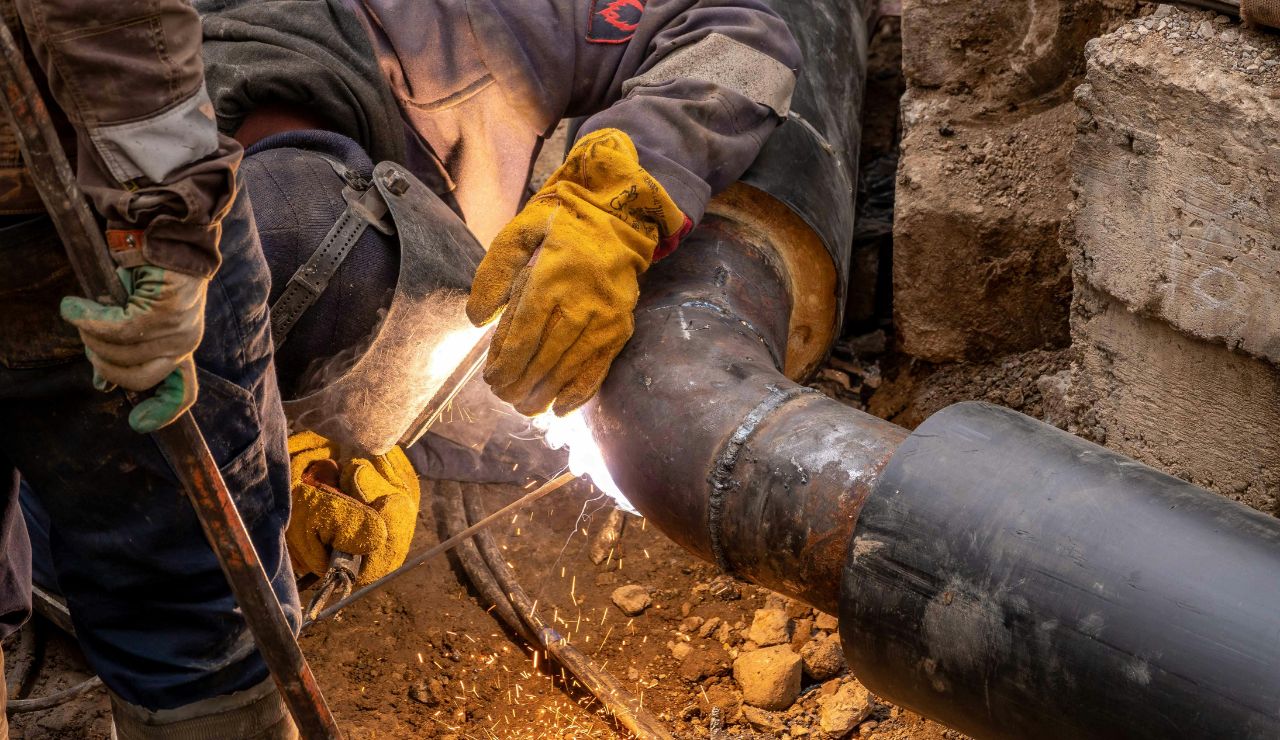
A single slow drain might be annoying, but several slow drains at once can hint at something much bigger. Gurgling toilets, bad smells, recurring backups, and water appearing where it should not are classic signs that the main sewer line may be struggling.
This is not a problem to put off until next weekend. Sewer issues can escalate into contaminated backups, yard excavation, pipe replacement, and cleanup costs that rise quickly once wastewater enters the picture.
Tree roots, old pipes, shifting soil, and buildup can all play a role. The earlier you investigate suspicious symptoms, the better your chances of fixing the issue before it turns into a truly ugly and expensive ordeal.
15. Delaying Professional Help Too Long
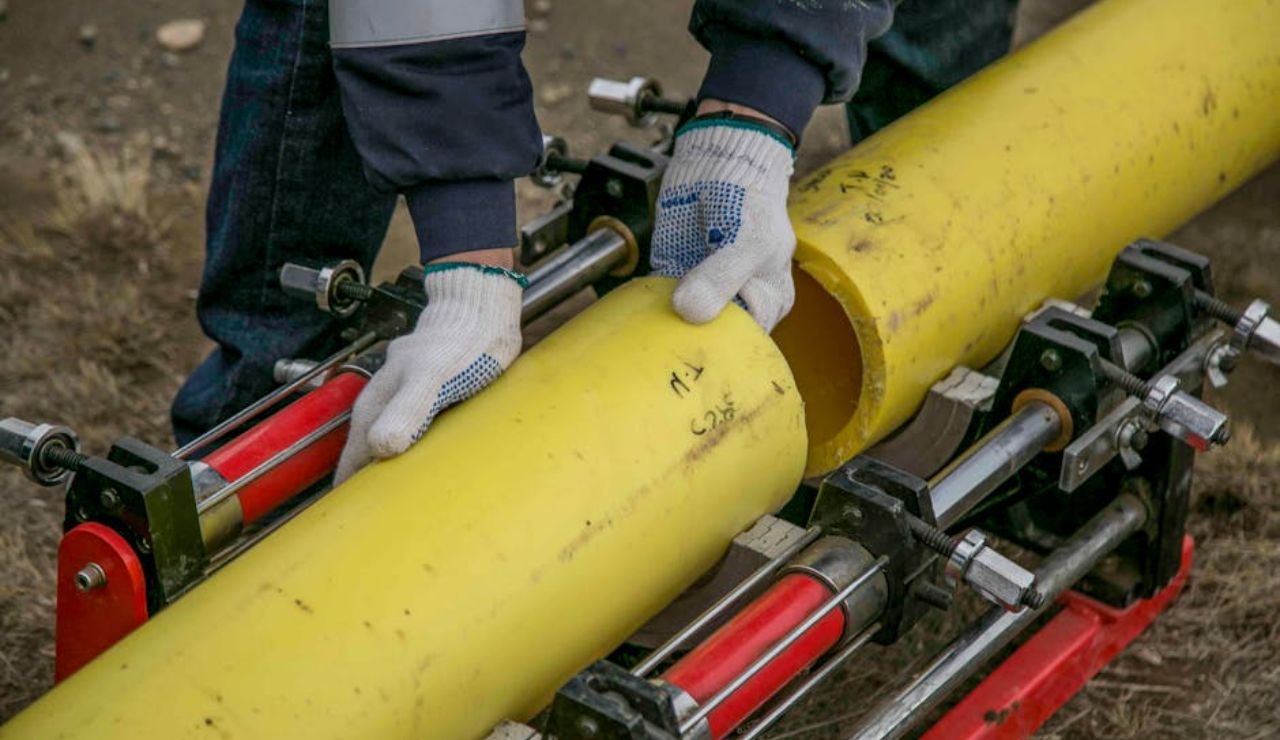
One of the most expensive plumbing mistakes is waiting until the damage feels undeniable. People often put off calling a pro because they hope the leak will stop, the clog will clear, or the strange noise will somehow disappear on its own.
Unfortunately, plumbing problems tend to move in one direction, and that direction is worse. What might have been a modest service call can become an emergency visit, after-hours rates, larger repairs, and restoration work once water damage spreads.
Getting expert help early is not admitting defeat. It is often the most budget-friendly decision in the entire process. Fast action can protect your home, your time, and a surprising amount of money.