
Some books do more than tell a story, they shape how we think and feel. These fifteen classics have inspired generations by exploring love, courage, justice, ambition, and the human condition. Each story offers insight that remains relevant today, whether it is about moral choices, human flaws, or the pursuit of meaning. Reading them reminds us why literature endures and why these stories are essential for every reader seeking wisdom and perspective.
1. Pride and Prejudice by Jane Austen
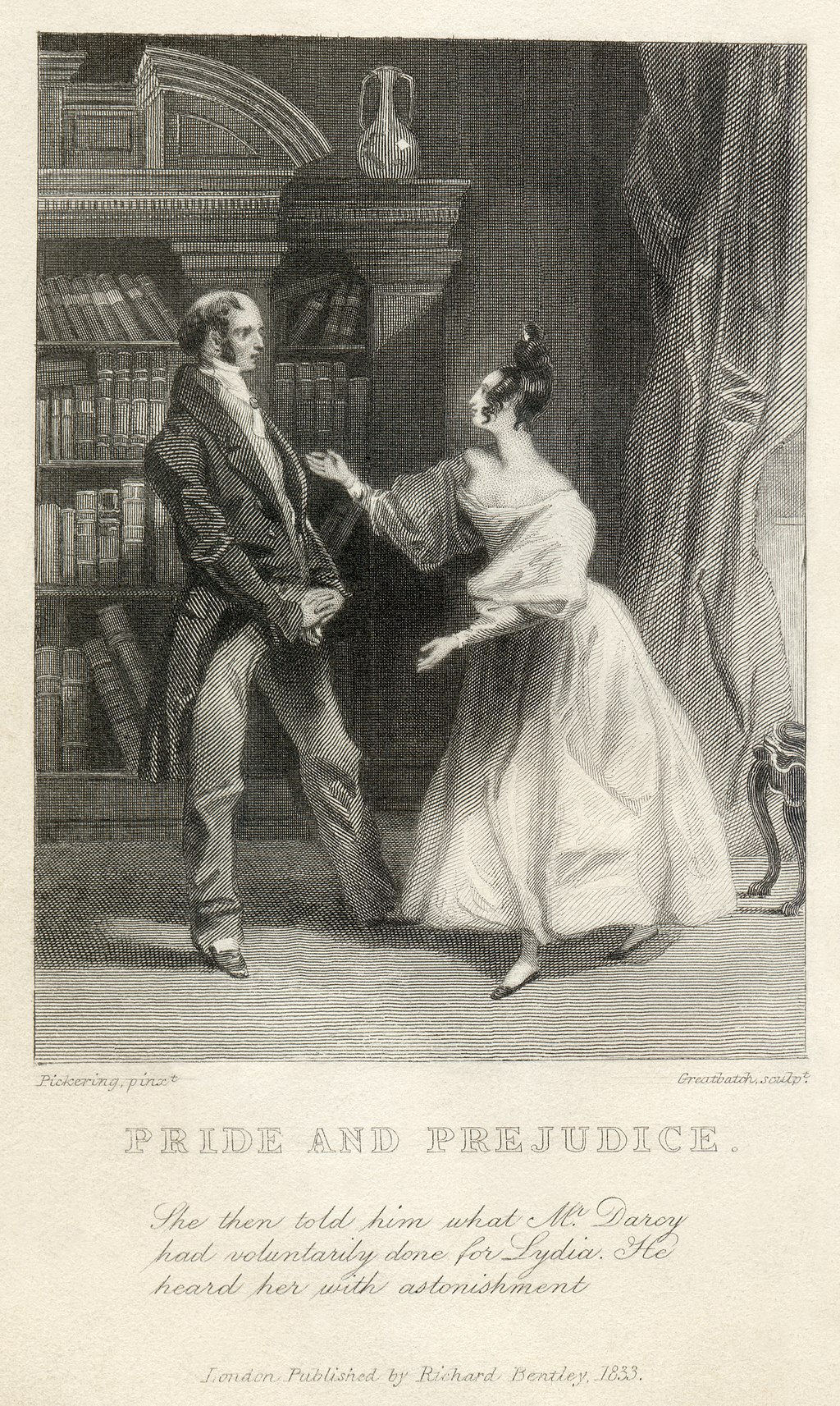
Pride and Prejudice captures the wit and insight of Jane Austen at her finest. Elizabeth Bennet’s intelligence and determination clash with Mr. Darcy’s pride in a story of love and self-discovery. Beyond the romance, Austen explores class, gender expectations, and personal growth with subtle humor. The novel remains endlessly readable because it balances romance, sharp social critique, and timeless lessons about understanding and empathy, making it a cornerstone of classic literature.
2. To Kill a Mockingbird by Harper Lee

To Kill a Mockingbird explores morality, justice, and human empathy in the racially divided American South. Through Scout Finch’s eyes, readers witness her father, Atticus, demonstrate courage and integrity in the face of prejudice. The story teaches the importance of standing for what is right, even when it is unpopular. Harper Lee’s vivid characters and compassionate storytelling make this novel a timeless reminder of kindness, fairness, and the power of moral courage in a complex world.
3. 1984 by George Orwell

In 1984, George Orwell creates a haunting vision of a totalitarian society where freedom and truth are suppressed. Winston Smith struggles against oppressive surveillance and propaganda, revealing the human desire for individuality and truth. The novel explores power, control, and resistance in a world where lies are enforced and rebellion is dangerous. Its cautionary tale continues to resonate in the modern era, reminding readers of the importance of privacy, honesty, and independent thought in society.
4. The Great Gatsby by F. Scott Fitzgerald
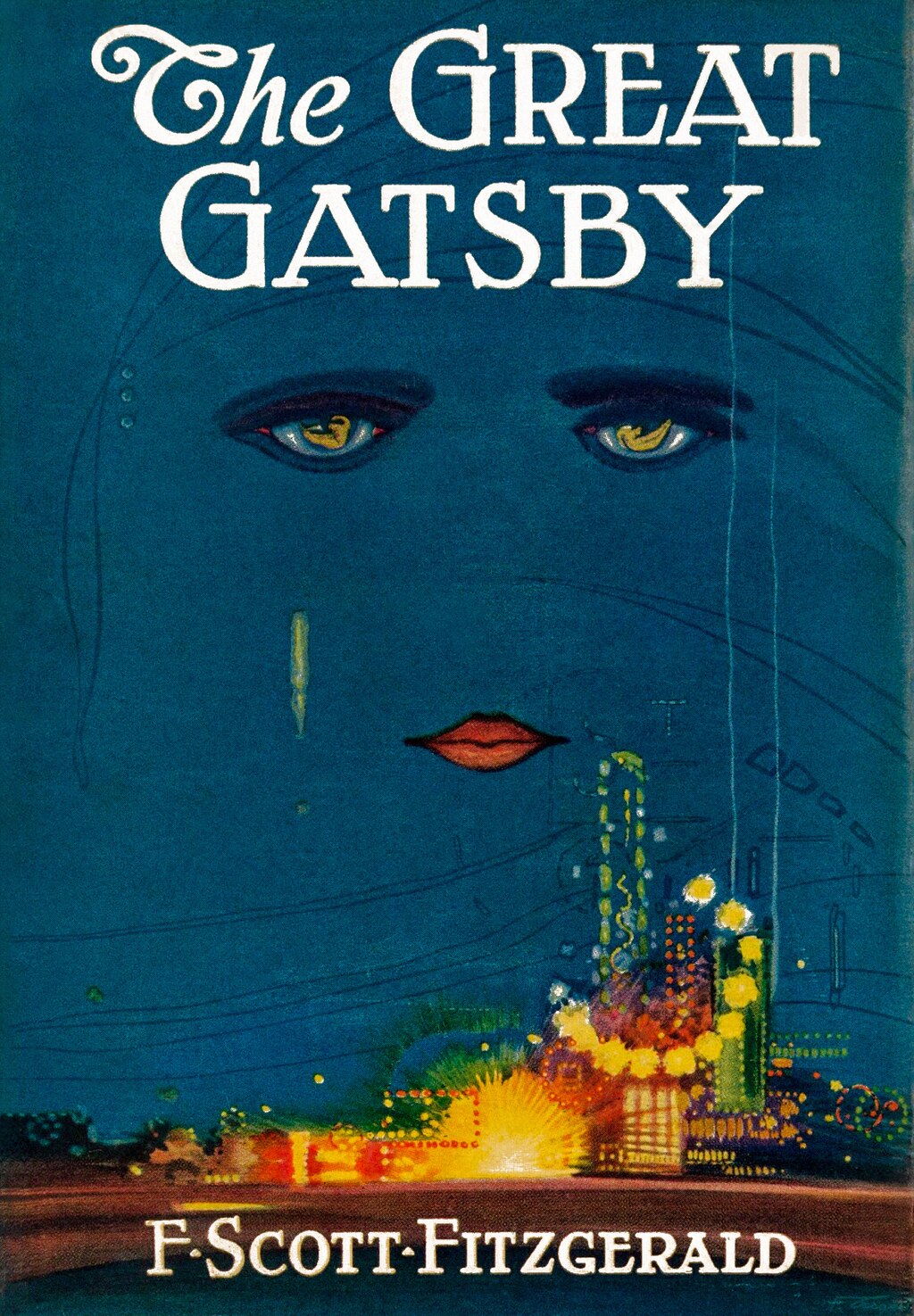
The Great Gatsby portrays the glamour and tragedy of the American Dream in the 1920s. Jay Gatsby’s relentless pursuit of Daisy Buchanan reflects both desire and illusion. Fitzgerald captures the sparkle of wealth and the hollowness that can accompany ambition. The novel explores love, longing, and the consequences of chasing dreams built on false foundations. Its lyrical prose and timeless themes make it an enduring examination of hope, aspiration, and the cost of obsession.
5. Moby-Dick by Herman Melville

Moby-Dick tells the story of Captain Ahab’s obsessive pursuit of a white whale, blending adventure with profound philosophical exploration. Melville examines human ambition, obsession, and the struggle against fate through rich, poetic language. The novel also explores morality, the natural world, and the limits of human understanding. Its epic scope and layered symbolism make it a challenging but rewarding experience, offering insights into obsession, consequence, and the human condition that remain relevant today.
6. Jane Eyre by Charlotte Brontë
Jane Eyre follows the journey of a strong and independent woman overcoming hardship and injustice. Jane’s intelligence, resilience, and moral strength allow her to navigate a world filled with inequality and oppression. Charlotte Brontë combines gothic elements with romance and personal growth to create a story of empowerment. Jane’s unwavering sense of self-worth and determination to live with integrity make this novel an enduring inspiration for readers seeking courage, dignity, and authenticity in their own lives.
7. Crime and Punishment by Fyodor Dostoevsky
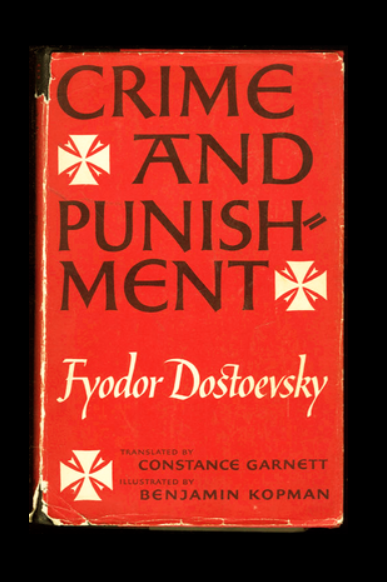
Crime and Punishment delves deeply into the psychology of guilt and morality. Raskolnikov’s crime triggers intense inner conflict as he grapples with ethical dilemmas and the consequences of his actions. Dostoevsky explores the struggle between pride, conscience, and the human need for redemption. The novel combines suspense with profound philosophical insight, illustrating the torment of self-examination and the possibility of moral transformation, making it a timeless study of human nature and responsibility.
8. Wuthering Heights by Emily Brontë
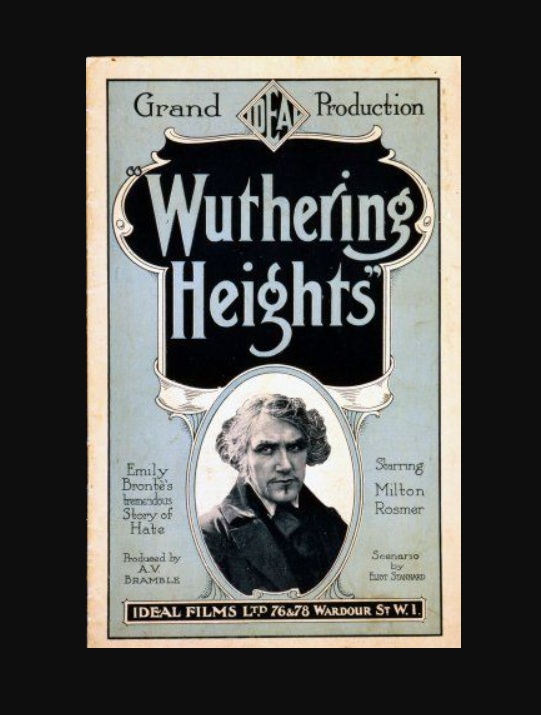
Wuthering Heights is a dark and passionate tale of love, revenge, and obsession. Set on the wild Yorkshire moors, it tells the story of Heathcliff and Catherine, whose intense bond influences generations. Emily Brontë’s only novel captures raw emotion and complex human relationships with a gothic intensity. The novel examines the destructive nature of obsession and the consequences of choices driven by desire. Its haunting atmosphere and powerful narrative ensure it remains a compelling classic.
9. The Catcher in the Rye by J.D. Salinger
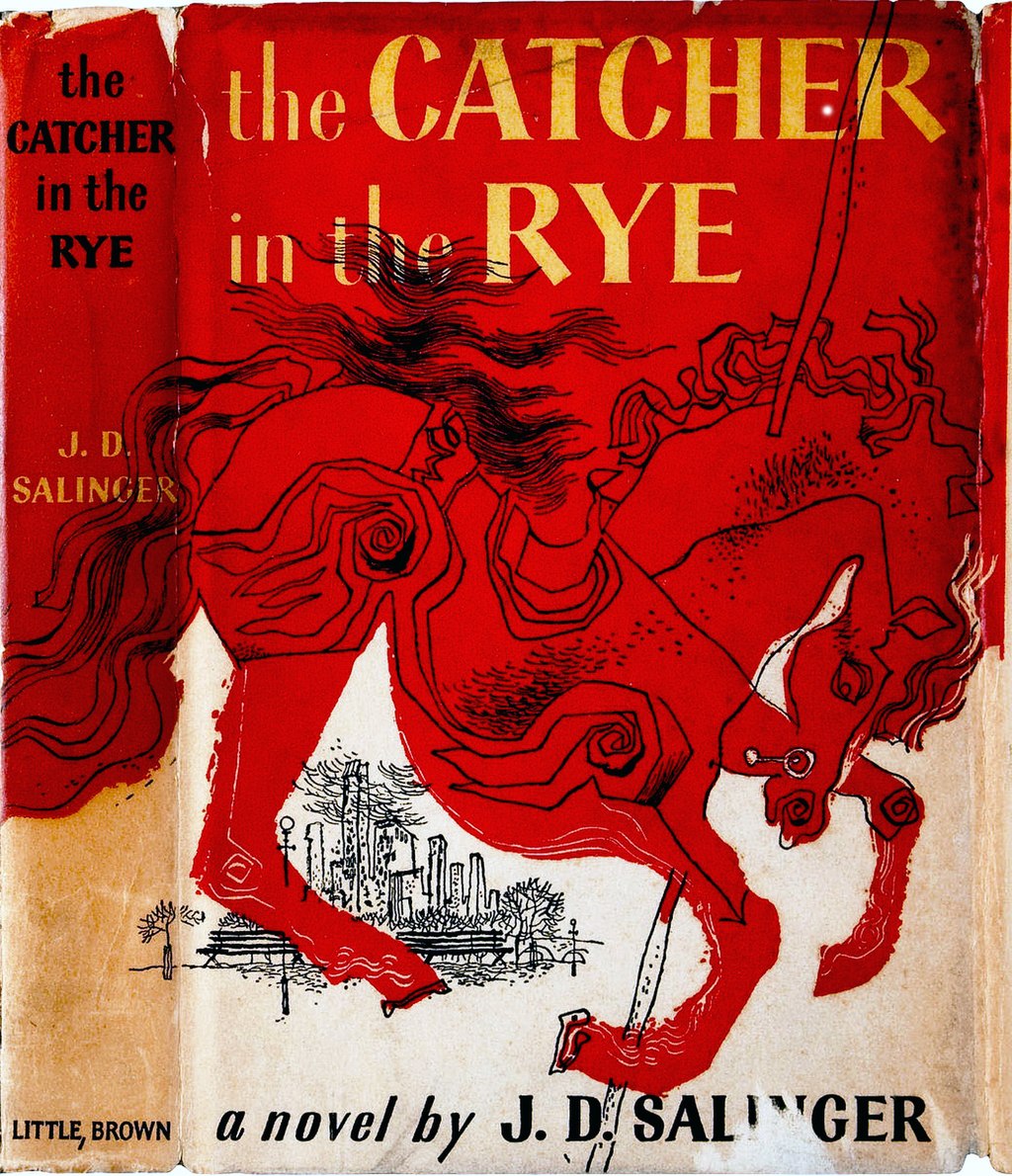
The Catcher in the Rye follows Holden Caulfield as he navigates teenage alienation and confusion in New York City. His voice is cynical yet vulnerable, revealing the struggles of growing up and feeling disconnected from society. Salinger’s novel explores identity, innocence, and the search for authenticity. Its honest portrayal of adolescent emotions resonates with readers across generations, making Holden’s journey a classic reflection on self-discovery and the challenges of entering adulthood.
10. Frankenstein by Mary Shelley

Frankenstein examines ambition, responsibility, and the consequences of human creation. Victor Frankenstein brings life to a being that struggles to understand humanity while facing rejection and isolation. Mary Shelley explores themes of ethics, scientific curiosity, and the impact of neglect on development. The novel is both a gothic horror story and a philosophical reflection on morality, loneliness, and empathy. Its enduring relevance continues to spark discussion about human nature and innovation.
11. Brave New World by Aldous Huxley
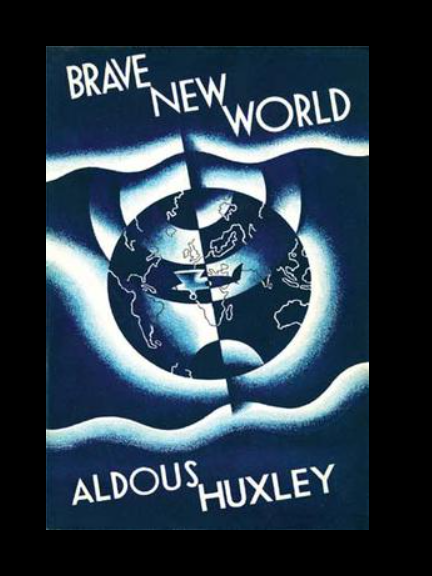
Brave New World imagines a society engineered for comfort and conformity, where individuality is suppressed. Huxley explores the tension between pleasure, control, and freedom in a world that sacrifices creativity for stability. The novel asks readers to consider the costs of a painless, predictable society and the value of struggle, emotion, and autonomy. Its prescient ideas remain strikingly relevant, prompting reflection on the relationship between progress, morality, and personal identity.
12. Little Women by Louisa May Alcott
Little Women chronicles the lives and growth of the March sisters as they navigate love, ambition, and family responsibilities. Each character pursues her own path, facing challenges with resilience and kindness. Alcott’s novel celebrates perseverance, empathy, and the strength of ordinary lives. Its heartfelt storytelling and relatable struggles make it timeless, offering readers insight into personal growth, familial bonds, and the enduring power of compassion and determination.
13. The Odyssey by Homer
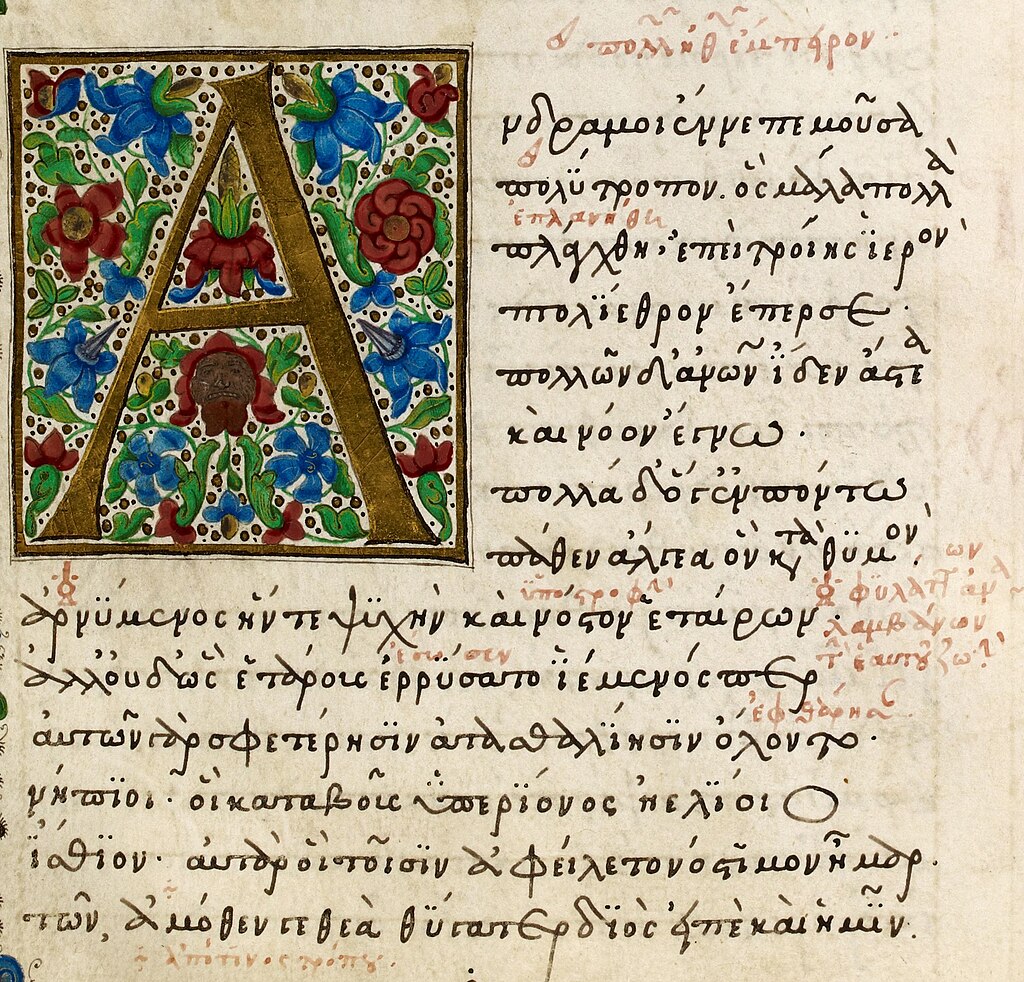
The Odyssey recounts Odysseus’s long journey home after the Trojan War, full of trials, monsters, and divine challenges. Homer explores human perseverance, cunning, and loyalty throughout the epic. Themes of homecoming, resilience, and moral choice resonate across generations. The narrative demonstrates how courage and determination guide individuals through uncertainty. Its rich storytelling and enduring symbolism continue to influence literature, affirming its place as a foundational classic.
14. Les Misérables by Victor Hugo

Les Misérables is a sweeping story of love, justice, and redemption set against social upheaval. Jean Valjean’s transformation from convict to compassionate man illustrates the human capacity for change and empathy. Hugo examines societal injustice, morality, and the struggle for dignity. The novel combines rich character development with historical context, creating an epic that is both emotionally moving and intellectually engaging, making it one of the most enduring works in literary history.
15. The Lord of the Rings by J.R.R. Tolkien

The Lord of the Rings is an epic tale of courage, friendship, and the battle between light and darkness. Frodo’s journey to destroy the One Ring blends adventure with moral and emotional challenges. Tolkien’s world-building and depth of character set a benchmark for fantasy literature. The novel explores hope, sacrifice, and perseverance, inspiring readers to consider the importance of bravery, loyalty, and the enduring struggle to protect what is good in the world.
These fifteen classics have endured because they reflect timeless human experiences. Each story teaches lessons about courage, love, morality, and resilience while challenging readers to think deeply about their own lives. Whether read for entertainment, insight, or reflection, these works remain relevant across generations. They are essential reads that remind us of the power of literature to illuminate, inspire, and transform our understanding of the world and ourselves.