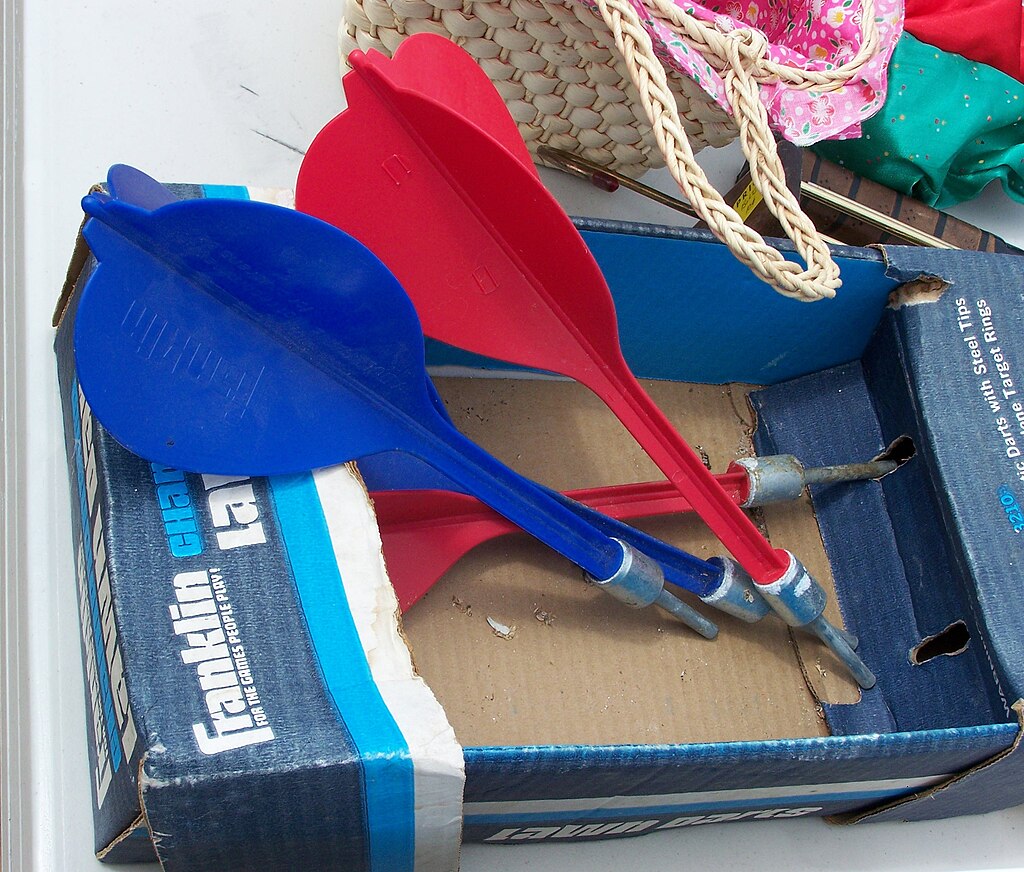
For many American boomers, childhood toys were less about safety labels and more about freedom, imagination, and a little bit of danger. Parents trusted kids to figure things out on their own, even if that meant scraped knees, minor burns, or a few bad decisions along the way. Looking back now, some of those beloved toys feel shocking when compared to modern safety standards. Many would never survive today’s regulations, lawsuits, or warning labels. Yet they played a huge role in shaping how a generation learned risk, creativity, and independence. These toys are not just nostalgic objects. They are reminders of how different childhood once felt in America.
Lawn Darts
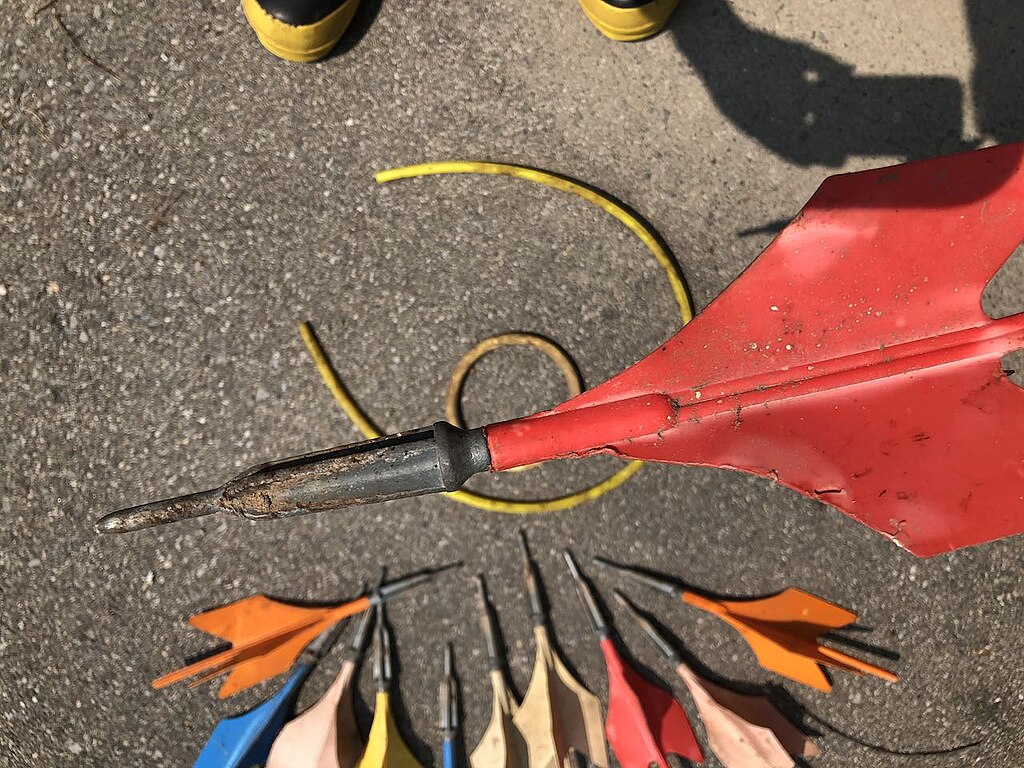
Lawn darts were heavy, sharp tipped projectiles meant to be thrown high into the air and aimed at plastic rings on the ground. Kids played with them in backyards, parks, and sometimes near siblings who were far too close for comfort. The idea that children were encouraged to toss metal spikes overhead feels unbelievable today. Injuries mounted over time, leading to bans and recalls across the country. Still, many boomers remember lawn darts as a normal part of summer afternoons. They represent an era when play came with real consequences and parents assumed kids would figure it out.
Clackers
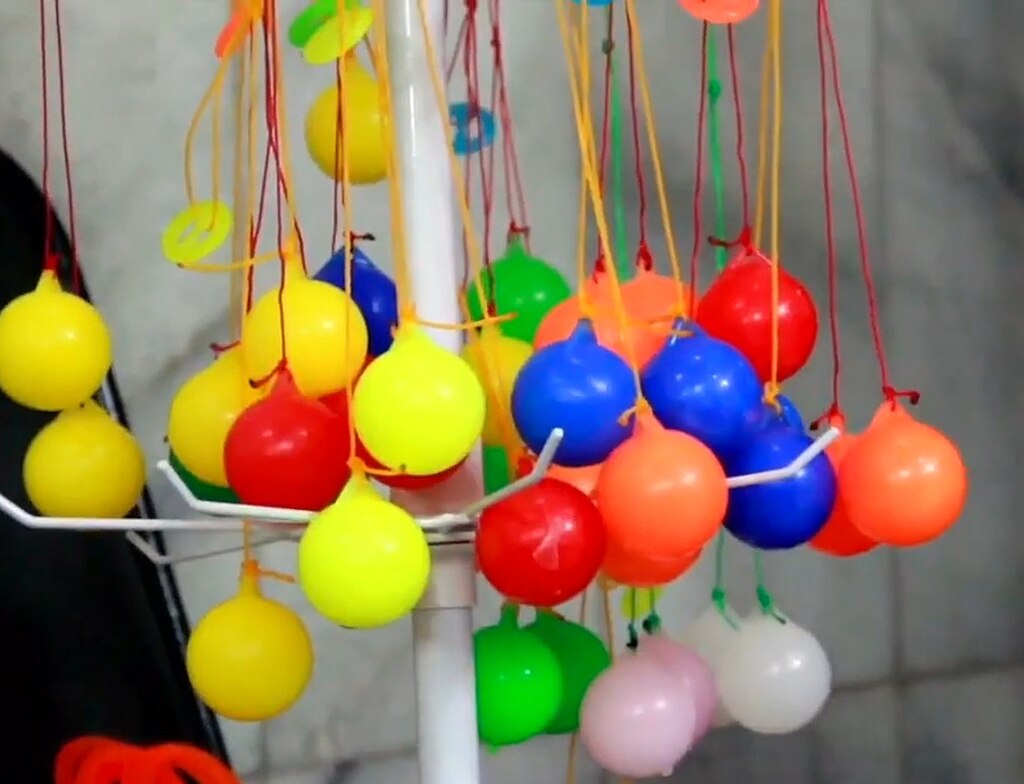
Clackers were two hard acrylic balls attached to a string that kids slammed together by flicking their wrists. The goal was to get them moving faster and louder without losing control. What often happened instead were shattered balls, flying shards, and bruised knuckles. Schools eventually banned them because of injuries and constant classroom distractions. Despite the risks, clackers were wildly popular and oddly hypnotic. Boomers remember the sound echoing through neighborhoods and hallways. Today, a toy capable of exploding near a child’s face would never make it past design approval.
BB Guns
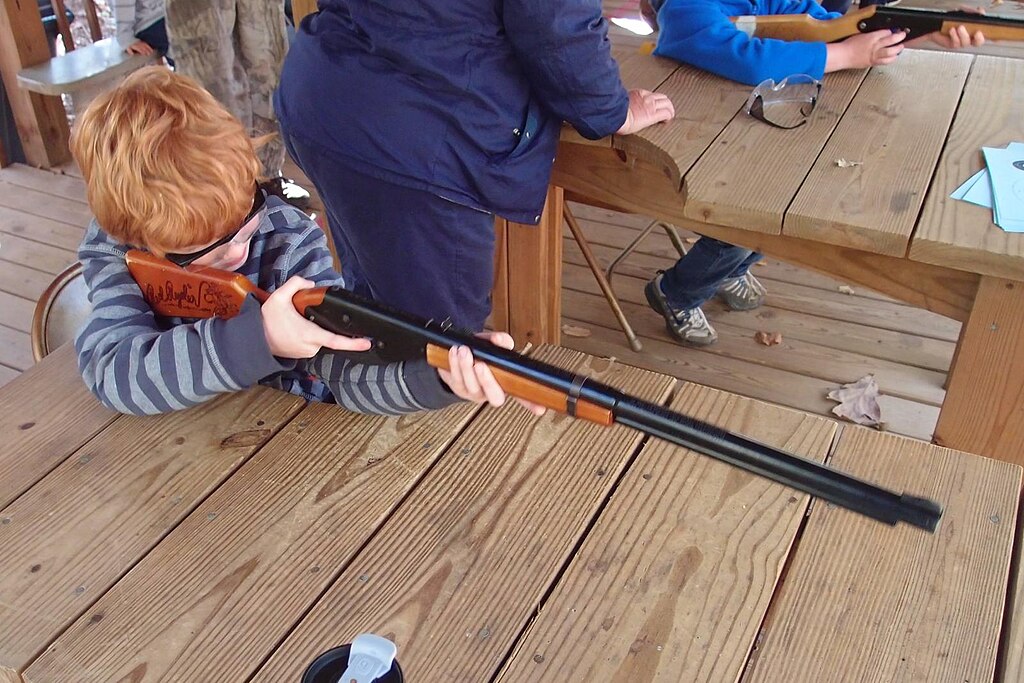
BB guns were commonly given to kids as a rite of passage, especially in suburban and rural America. They were treated as toys rather than weapons, even though they could easily injure eyes, skin, and small animals. Children were trusted to learn responsibility through experience rather than strict supervision. Modern standards classify these as dangerous and restrict their use heavily. Many boomers still recall learning aim and discipline with a BB gun in the backyard. That level of trust in children feels foreign today.
Slip and Slide
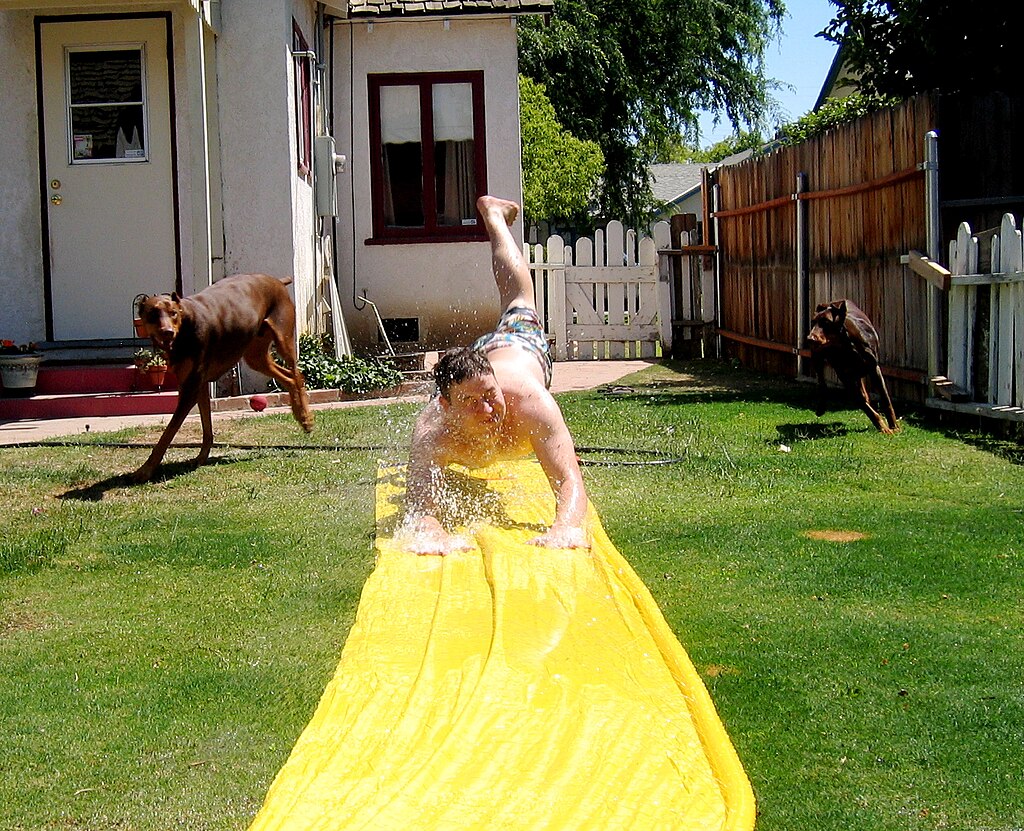
The original Slip and Slide was a thin plastic sheet laid over grass, often with a hose attached for water. Kids ran at full speed and launched themselves headfirst across it. What manufacturers did not account for were rocks, uneven ground, and the force of adult sized bodies joining in. Serious neck and spinal injuries became common enough to raise alarms. While modified versions still exist, the original design would not meet today’s safety standards. Boomers remember it as pure summer joy mixed with scraped elbows and bruises.
Metal Playground Slides
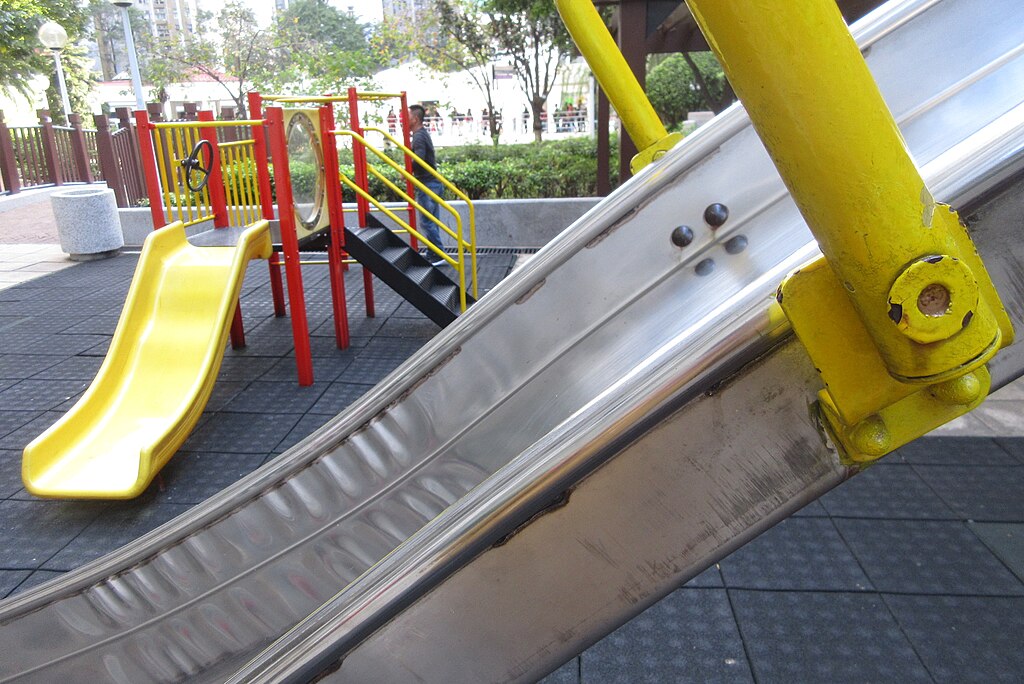
Metal slides were tall, steep, and often placed directly over hard ground or concrete. In summer, they heated up to skin scorching temperatures under the sun. Kids slid anyway, sometimes using cardboard or wax paper to go even faster. Burns, falls, and collisions were part of the experience. Modern playgrounds use plastic, rubber surfaces, and strict height limits for a reason. Boomers remember metal slides as thrilling rather than dangerous. That mindset no longer exists in public play design.
Easy Bake Oven
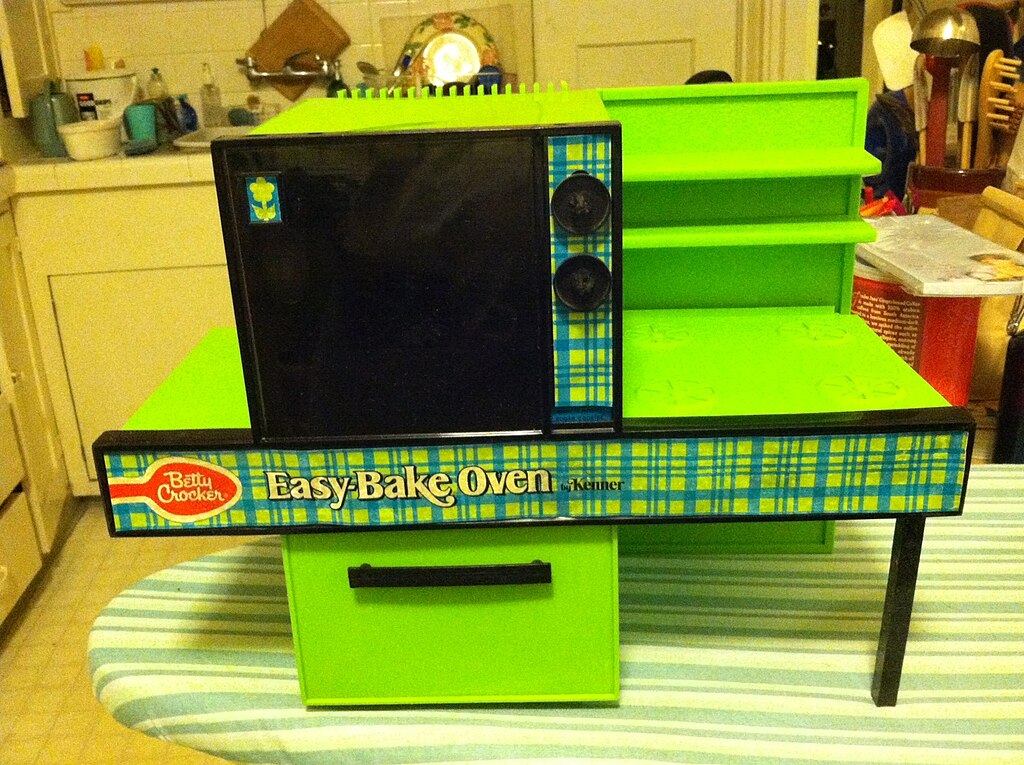
The original Easy Bake Oven used real heat from incandescent light bulbs to cook food inside a small plastic box. Children handled hot trays, metal surfaces, and electrical components with minimal protection. Burns were common, yet the toy remained a household favorite. Parents viewed it as a learning experience rather than a hazard. Today, toy heating elements are heavily regulated and shielded. The early Easy Bake Oven feels more like a kitchen appliance than a child’s toy by modern standards.
Gilbert Atomic Energy Lab
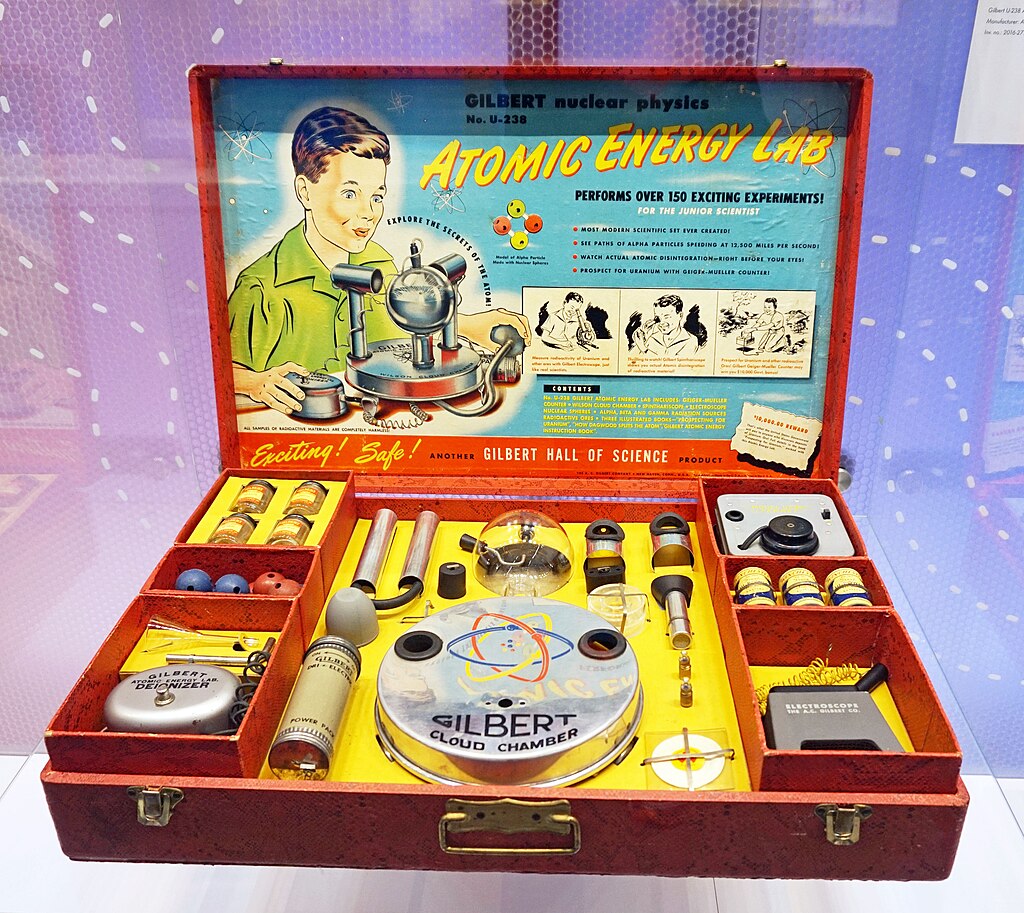
This science kit included actual radioactive materials, including uranium samples. Marketed as educational, it allowed kids to explore nuclear science at home with minimal understanding of radiation exposure. The kit reflected Cold War optimism rather than caution. Today, the idea of selling radioactive material to children is unthinkable. Boomers who owned it often recall feeling important and scientific rather than endangered. It stands as one of the most shocking examples of how far safety awareness has evolved.
Wood Burning Kits
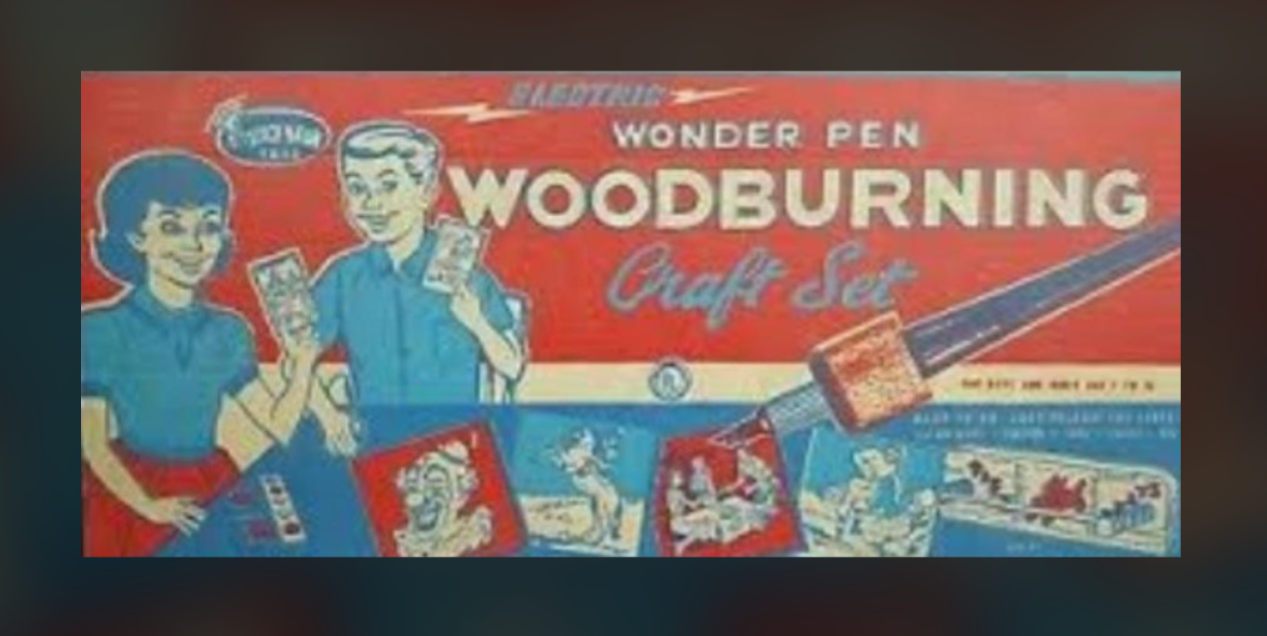
Wood burning kits gave children a heated metal pen capable of burning designs into wood. The pen stayed hot for long periods and lacked modern safety controls. Burns to fingers, hands, and furniture were common. Parents treated the activity as a craft that taught patience and precision. Modern versions are far more controlled or removed entirely from toy aisles. Boomers remember the smell of burning wood as part of creative play. Today, it would raise immediate red flags.
Cap Guns
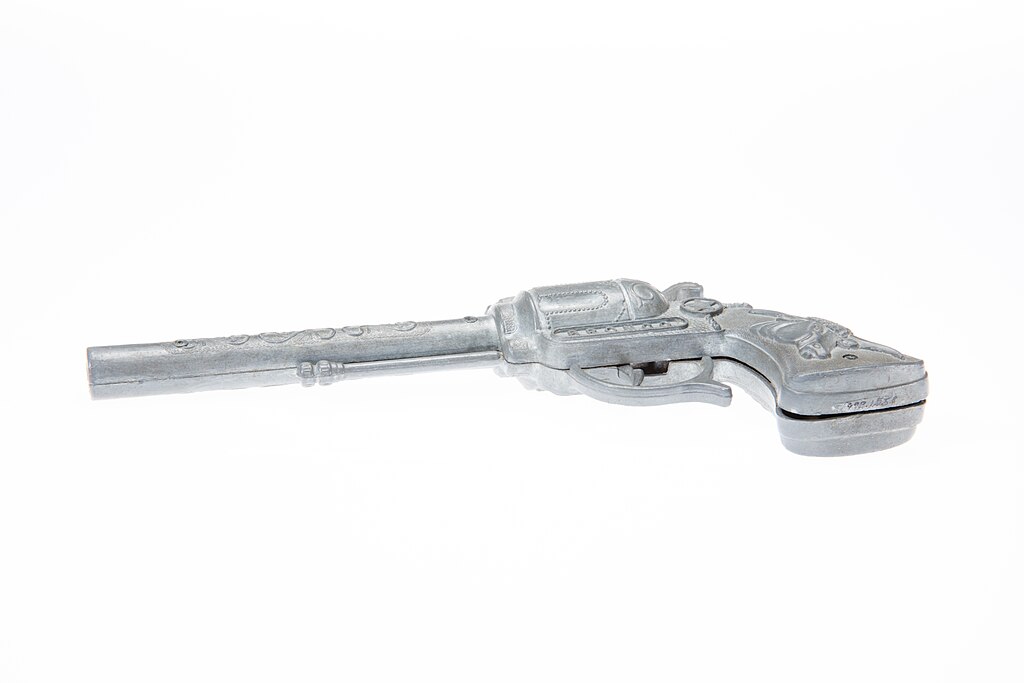
Cap guns used small explosive caps that produced loud bangs and sparks. Kids often removed the caps to smash them with rocks or hammers for extra noise. Minor burns and hearing damage were common, though rarely discussed. Schools and parents eventually discouraged them due to safety and behavioral concerns. Despite this, cap guns were central to cowboy and war themed play. Boomers grew up associating them with imagination rather than violence. Modern toy weapons are far more restricted and controlled.
Jarts Throwing Games
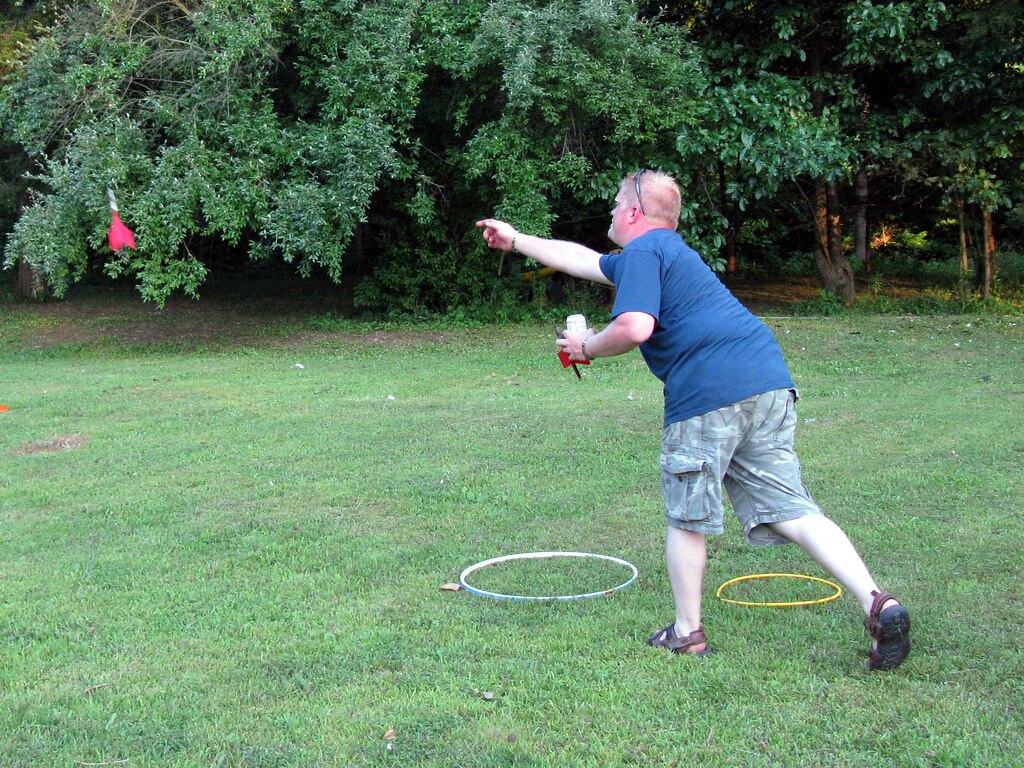
Jarts style throwing games were marketed as family friendly outdoor fun, but in reality they involved heavy, sharply weighted objects being tossed through the air toward ground targets. Accuracy depended on height, force, and timing, which meant mistakes often ended with objects landing far from where they were supposed to. Children played alongside adults, siblings wandered too close, and safety zones were rarely enforced. Over time, injuries piled up, including serious head trauma that eventually led to bans and recalls. Boomers who played these games remember them as competitive and exciting rather than dangerous. They reflect a time when outdoor play often doubled as a lesson in consequences, not prevention.
Elastic Slingshots
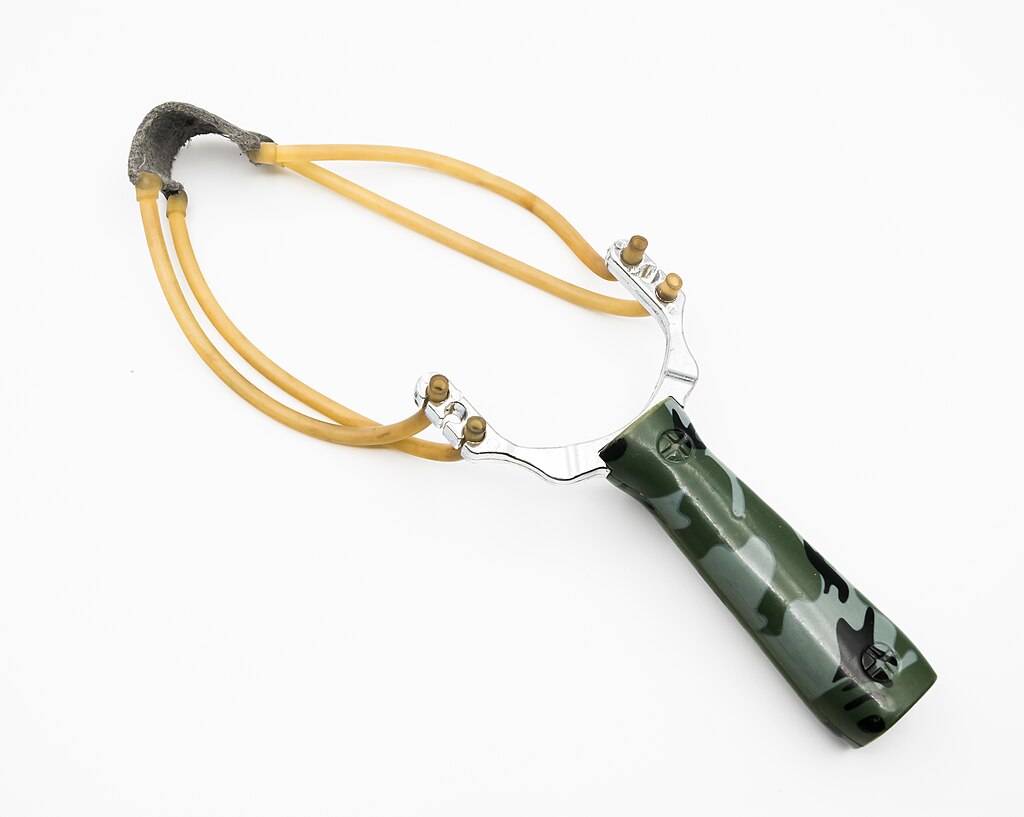
Slingshots were deceptively simple toys made of wood, rubber tubing, and a small pouch, yet they were capable of launching objects at alarming speeds. Kids used rocks, metal scraps, marbles, and anything else they could fit into the pouch, often without understanding the power behind it. Broken windows, injured pets, and eye accidents were common stories rather than rare incidents. Parents often underestimated how dangerous slingshots could be, treating them as harmless backyard toys. Today, most versions are either heavily restricted or removed entirely from toy stores. For boomers, slingshots symbolized independence, experimentation, and learning limits through trial rather than rules.
Roller Skates with Metal Wheels
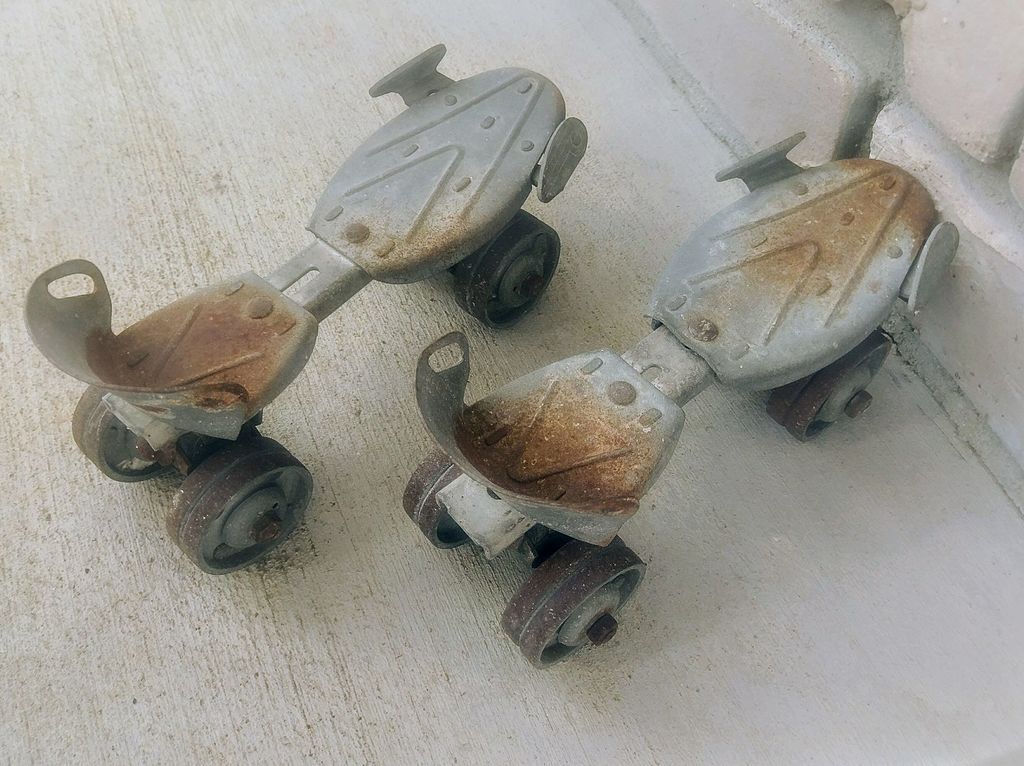
Early roller skates featured solid metal wheels that offered almost no grip, shock absorption, or control. Skating on sidewalks, driveways, and streets meant sudden slips and hard falls with little warning. Helmets, knee pads, and wrist guards were rarely worn or even suggested. Injuries were frequent, yet skating remained a daily activity because the freedom it offered outweighed the risks. Modern skates use softer materials and safety focused designs to prevent those kinds of impacts. Boomers often remember the sound of metal wheels scraping pavement as part of growing up. That experience would be considered unacceptable by today’s safety standards.
Chemistry Sets with Real Chemicals
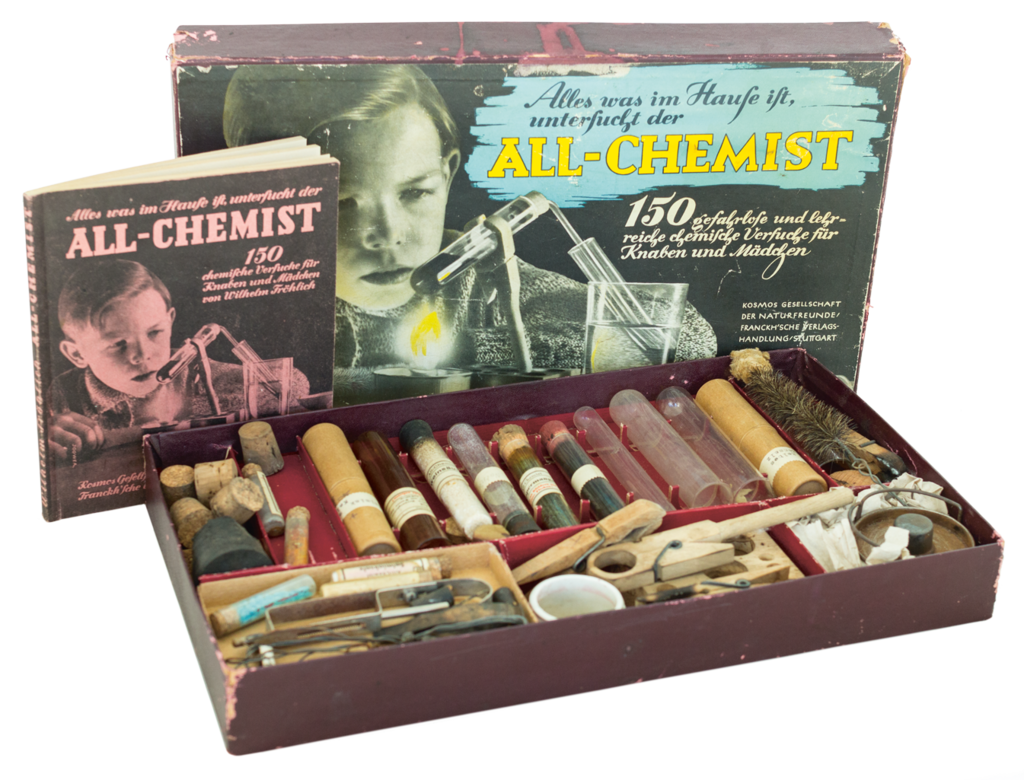
Classic chemistry sets were designed to feel like real laboratories, complete with glass beakers, test tubes, open flames, and reactive chemicals. Children were encouraged to mix substances, heat solutions, and observe reactions with minimal adult supervision. Burns, chemical spills, and inhalation of fumes were treated as learning experiences rather than emergencies. Modern chemistry kits are far more controlled, often using safe substitutes instead of real compounds. Boomers who owned these sets remember feeling trusted and intellectually challenged. The idea of giving children unrestricted access to chemicals today would immediately raise legal and safety concerns.
Ride-On Toys Without Brakes
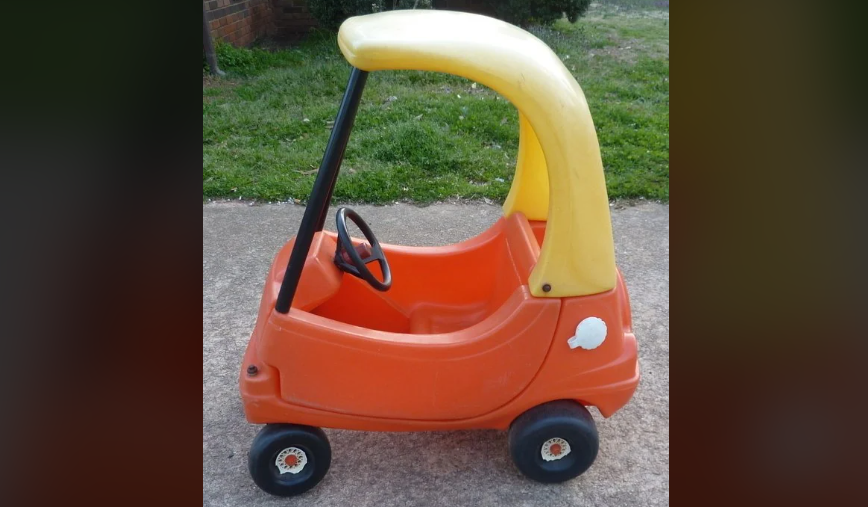
Many early ride on toys relied entirely on gravity and momentum, offering no braking systems whatsoever. Kids used their feet, hands, or nearby objects to slow themselves down, often too late. Hills turned into uncontrolled speed tests, and crashes were frequent. Parents largely accepted these accidents as part of learning coordination and judgment. Modern ride on toys include brakes, speed limits, and helmet recommendations. Boomers remember discovering their limits through impact rather than instruction. That hands off philosophy is no longer acceptable in modern product design.
Fireworks sold as Toys

Small fireworks were once sold alongside toys at roadside stands, convenience stores, and even grocery shops around holidays. Children handled sparklers, firecrackers, bottle rockets, and smoke bombs with little supervision. Burns, startled reactions, and accidental explosions were common but normalized. Today, fireworks are tightly regulated, age restricted, and often limited to professional displays. Boomers remember fireworks as part of childhood excitement rather than controlled danger. The idea of placing explosive items in a child’s hands now feels almost unthinkable.