The 1980s were a golden era for simple, imaginative play. Kids back then spent countless hours outdoors, creating memories with games that required little more than chalk, a ball, or a few friends. As technology evolved, many of these beloved pastimes gradually faded away, replaced by screens and digital entertainment. Here’s a nostalgic look back at 15 childhood games from the 80s that have all but vanished in today’s high-tech world.
Hopscotch
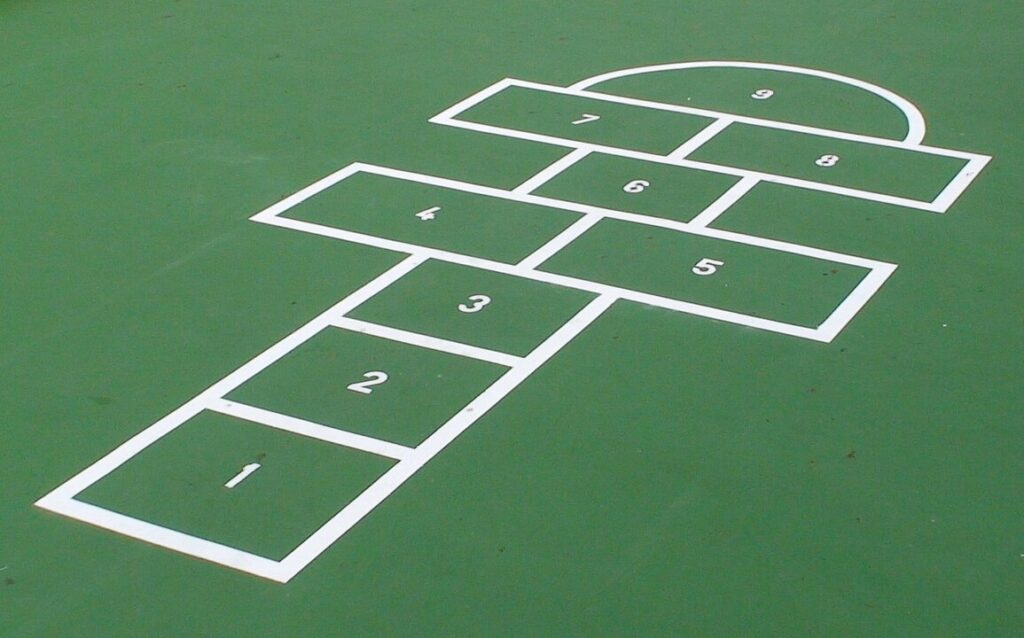
Hopscotch was a staple on every playground, with chalk-drawn grids covering sidewalks and driveways. Kids would toss a small stone or beanbag onto the numbered squares and hop through the pattern on one foot. It combined balance, coordination, and a bit of friendly competition. Today, kids rarely pause to draw colorful grids outside, choosing apps and video games instead. Hopscotch boards have become a rare sight, fading into childhood memories.
Kick the Can
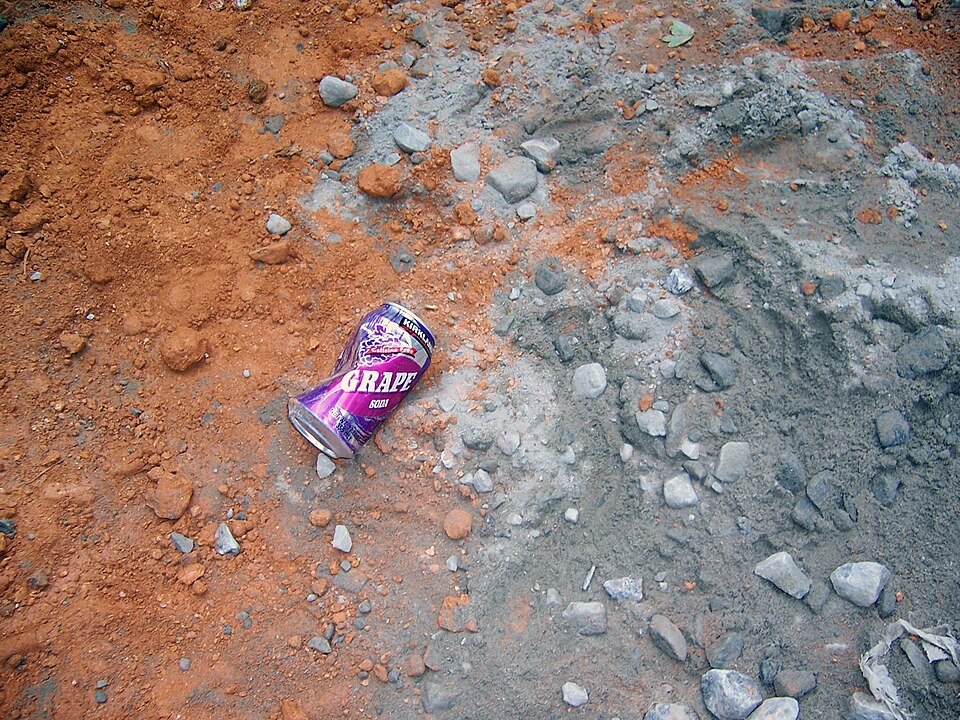
Kick the Can was the perfect blend of hide-and-seek and tag, played in neighborhoods and yards. One person guarded the can while others hid, waiting for a chance to kick it and free captured players. It was a game that encouraged teamwork, strategy, and bursts of adrenaline. Now, with fewer kids playing outside unsupervised, games like this have nearly vanished. Digital worlds offer their own thrills, leaving the rusty cans untouched.
Marbles
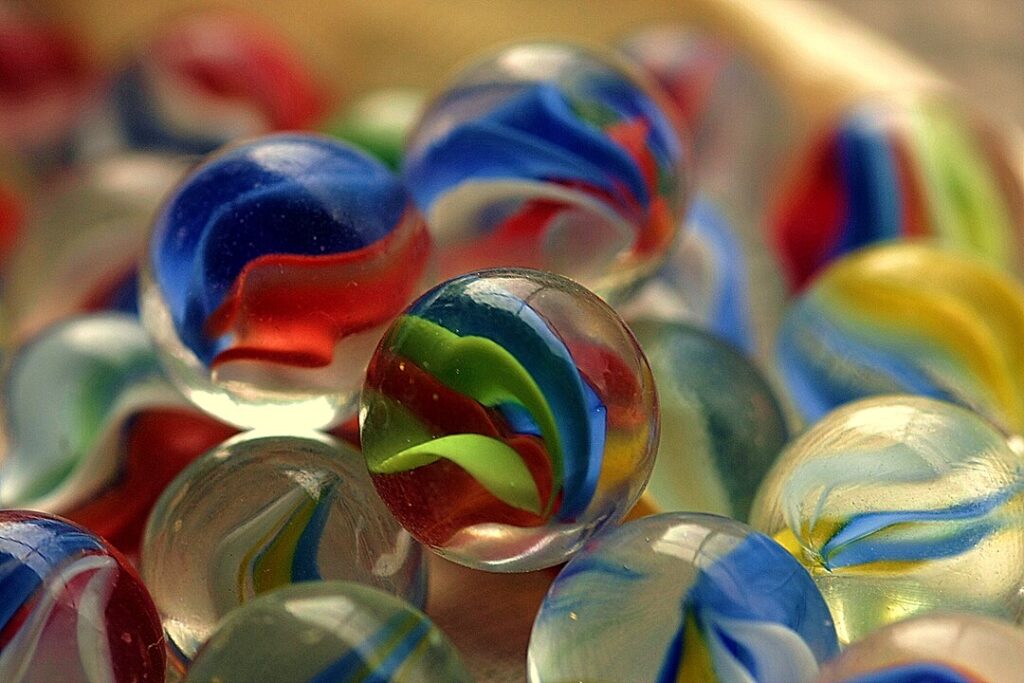
Collecting and playing marbles was once a serious childhood pursuit, with kids carrying their prized shooters in pockets or cloth bags. Players drew rings in the dirt and aimed to knock opponents’ marbles out. There were countless variations of the game, each with its own rules and skills. Today’s kids are more likely to collect virtual items than glass marbles. The satisfying clink of marbles colliding has become a relic of the past.
Red Rover

Red Rover was a common playground game that tested both courage and strength. Children held hands in two lines, calling over someone from the opposite side to try and break through their chain. While fun, it sometimes resulted in bumps and bruises, leading many schools to ban it. As kids turned to video games and indoor play, Red Rover quietly disappeared. It’s now more a memory than a part of recess.
Four Square
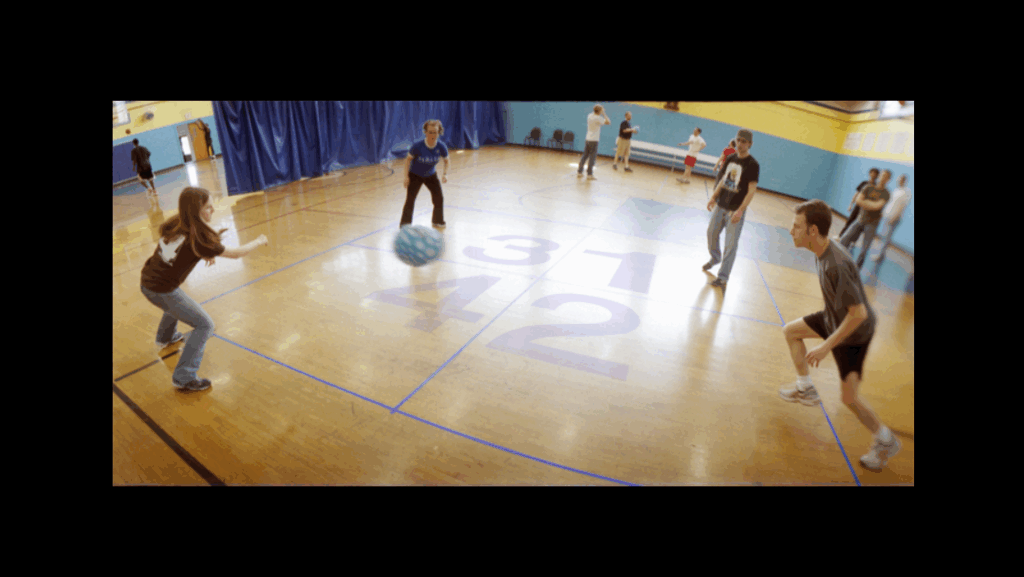
Four Square was fast-paced and competitive, requiring just a ball and a smooth surface. Players bounced the ball between squares, trying to eliminate others with tricky shots. It was a game of quick reflexes and shifting alliances as kids moved up to the coveted “king” square. Though simple, it provided endless fun during recess and after school. Nowadays, Four Square courts often sit empty, overshadowed by electronic entertainment.
Jacks
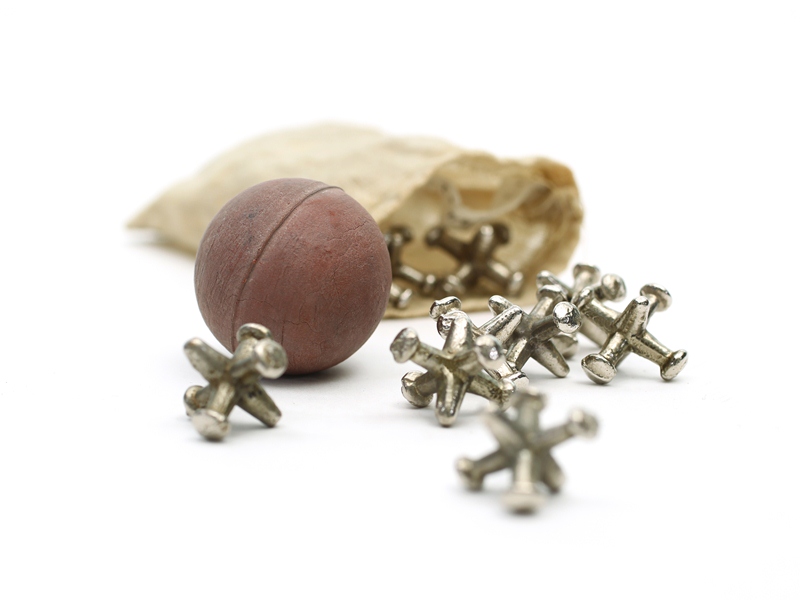
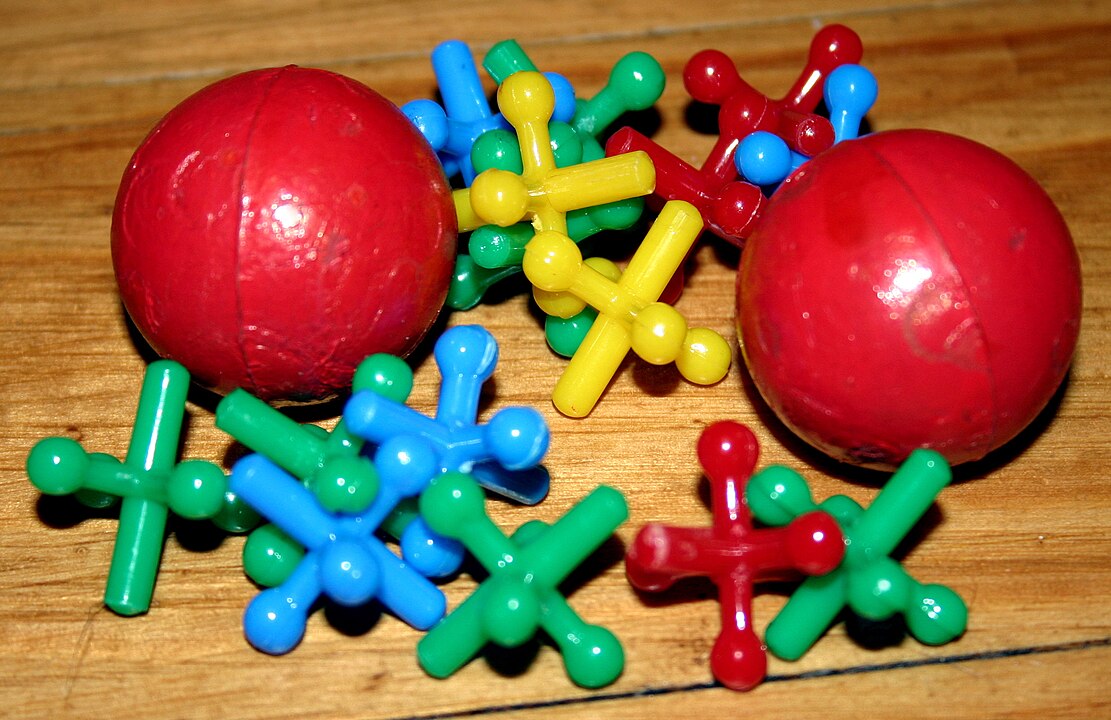
A small rubber ball and metal or plastic jacks were all kids needed for hours of fun. The goal was to bounce the ball and quickly scoop up a specific number of jacks before the ball landed again. Jacks tested hand-eye coordination and speed, and many kids carried sets in their pockets. Today, few children even know how to play the game. Jacks have mostly been replaced by digital fidget toys and games.
Dodgeball
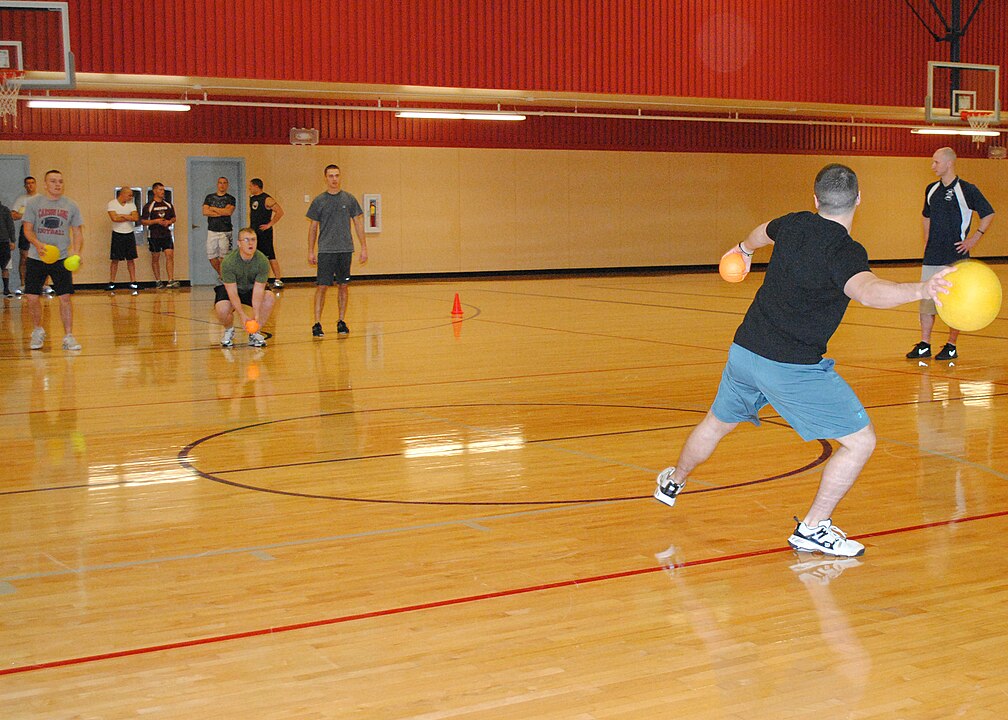
Dodgeball was both feared and loved on the schoolyard, combining dodging, throwing, and plenty of drama. Players aimed soft rubber balls at opponents to eliminate them, while others scrambled to avoid getting hit. Though exhilarating, it was often banned due to safety concerns. Kids now gravitate toward online gaming rather than running and ducking in the gym. Dodgeball has become a distant memory for many former 80s kids.
Cat’s Cradle
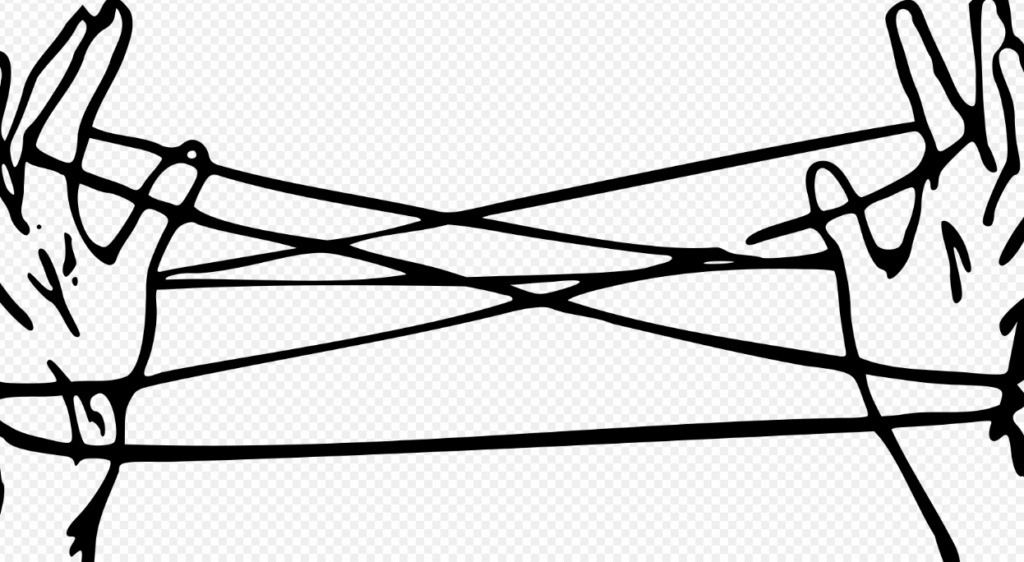
Cat’s Cradle turned a simple loop of string into intricate patterns passed between players’ fingers. Kids challenged each other to make shapes like “Diamonds” or “Jacob’s Ladder.” It was calming, creative, and perfect for passing time during car rides or recess. Nowadays, kids reach for tablets instead of string. Cat’s Cradle is another casualty of the digital age, seldom seen on playgrounds today.
Simon Says
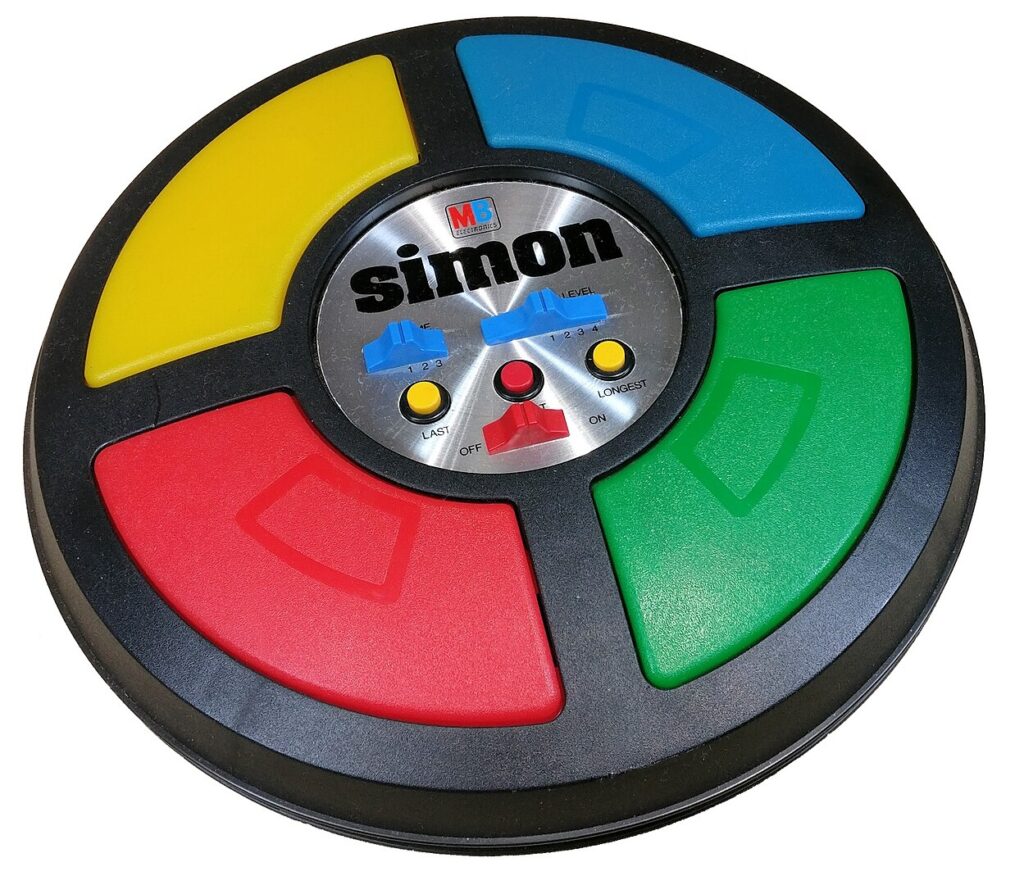
Simon Says was a classic game of listening and quick reactions, often led by the bossiest kid in the group. One player gave commands beginning with “Simon says,” and anyone who followed a command without hearing those magic words was out. It encouraged focus, laughter, and lots of playful trickery. Technology has replaced many spontaneous group games like this. Simon’s voice has been quieted by screens and earbuds.
Mother May I?
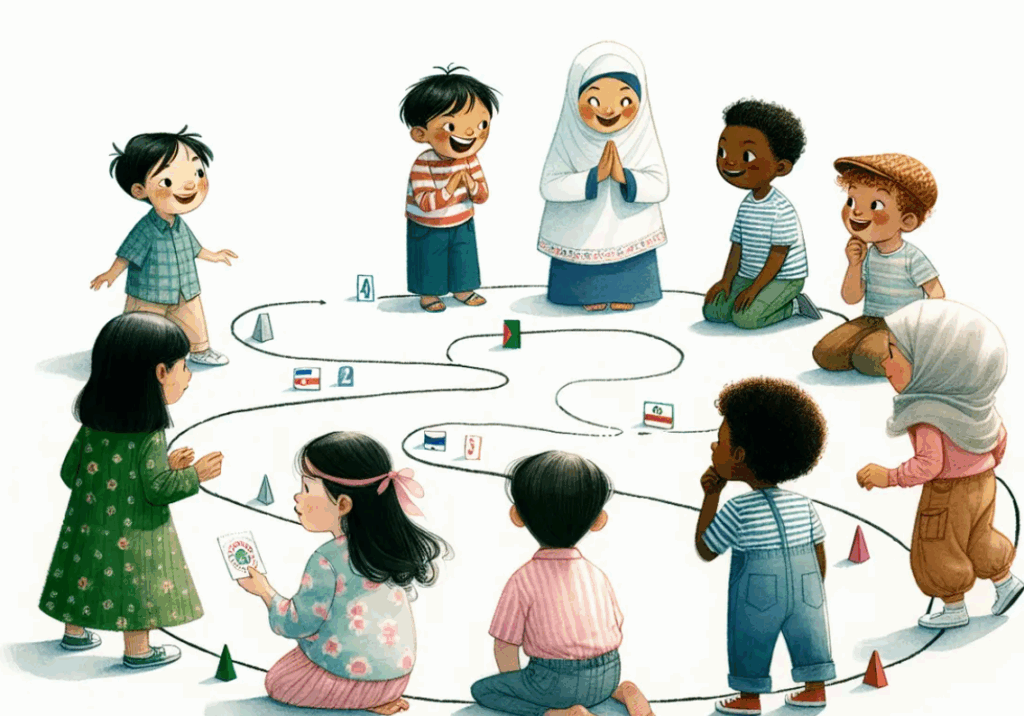
Mother May I? was a game of taking giant steps, baby steps, and everything in between. One child played “Mother” and granted permission for others to move forward in different ways. The challenge was remembering to ask, or risk being sent back to the start. It taught listening skills and patience, wrapped in fun. These days, few kids play Mother May I, as structured games have been swapped for digital entertainment.
Blind Man’s Bluff
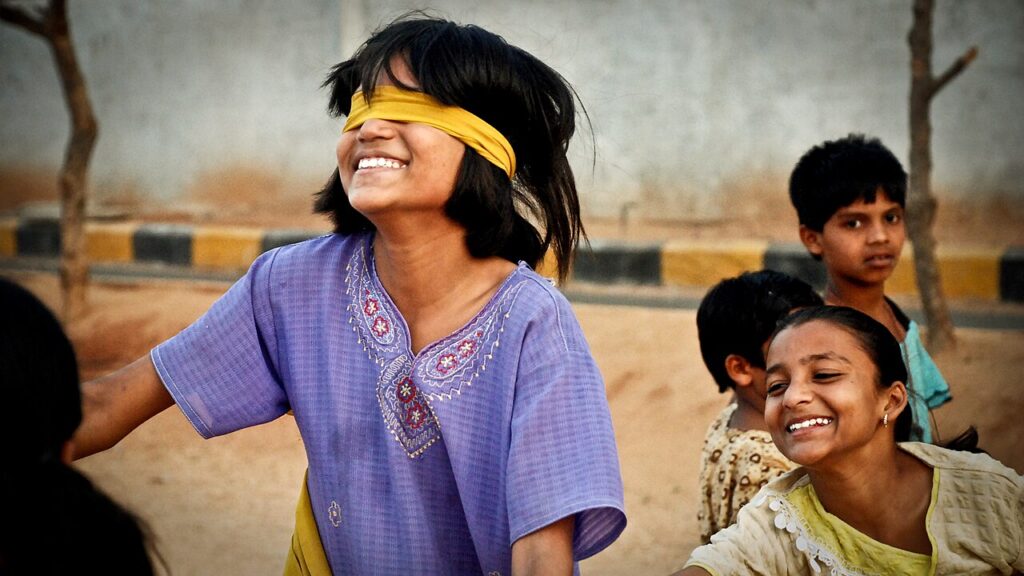
Blind Man’s Bluff was a game of trust and senses, with one blindfolded player trying to tag the others. Giggles filled the yard as kids quietly tiptoed around the “blind man.” It was thrilling yet simple, needing nothing but a scarf and some open space. Safety concerns and shrinking play spaces have pushed this game aside. Today’s kids seek excitement in virtual worlds instead of playful blindfolded chases.
Double Dutch
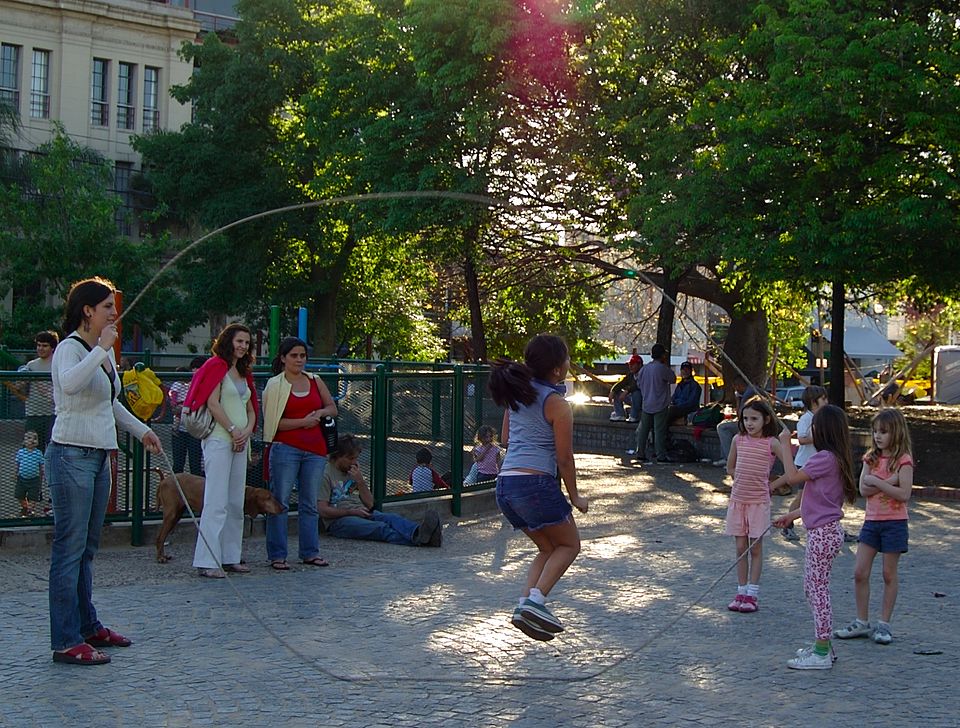
Double Dutch took skipping rope to the next level, using two ropes turned in opposite directions. Kids jumped in with precise timing, often showing off fancy footwork. It required rhythm, confidence, and lots of practice. Once a common sight on sidewalks and playgrounds, Double Dutch has largely faded away. Video tutorials exist, but few kids try it in real life anymore.
Capture the Flag
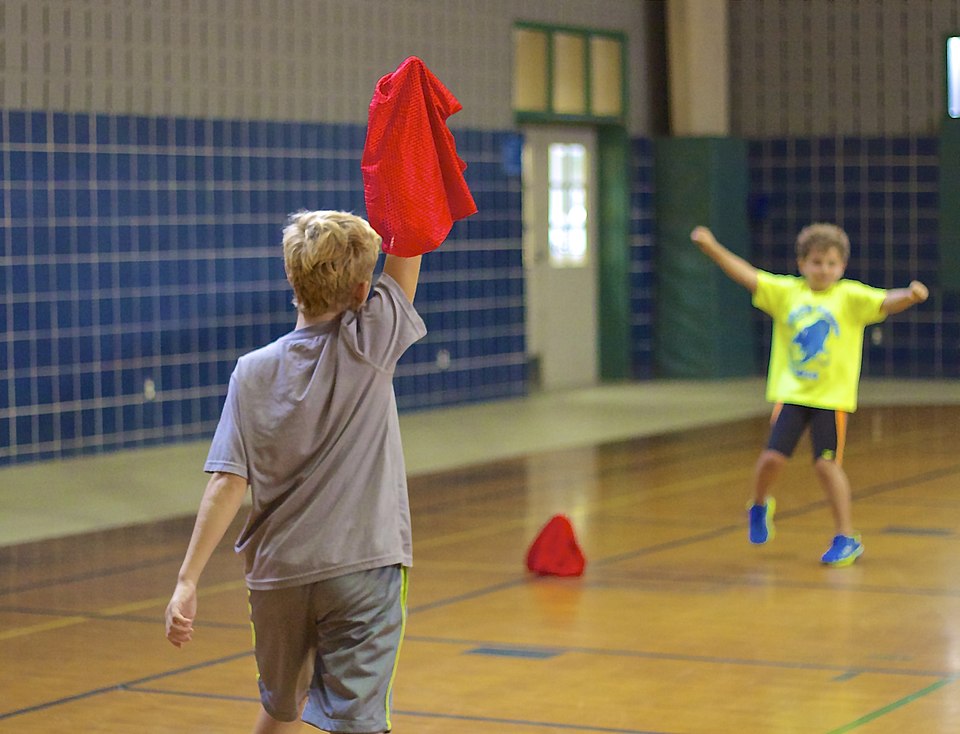
Capture the Flag transformed any outdoor space into a thrilling battlefield of stealth and speed. Teams hid their flags and strategized to steal the other team’s while protecting their own. It encouraged teamwork, running, and problem-solving. Neighborhoods echoed with shouts and laughter during epic games. Today, large group outdoor games like this have dwindled, replaced by multiplayer gaming online.
Chinese Jump Rope
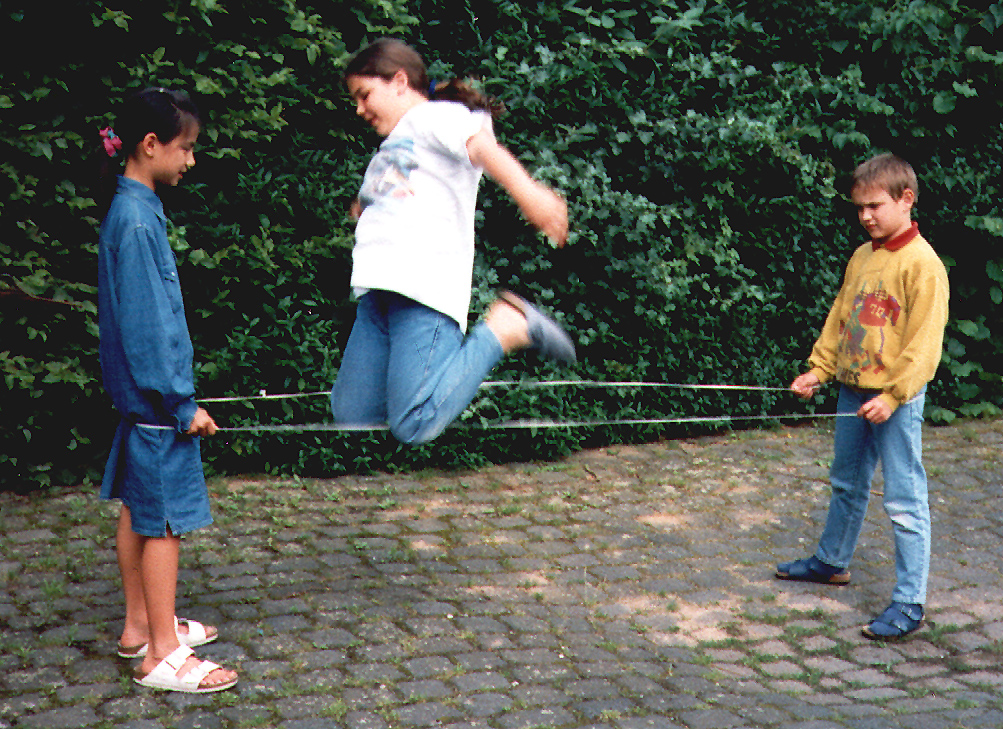
Chinese Jump Rope was a mix of jump rope and choreography, using a stretchy rope looped around two players’ legs. The jumper performed sequences of jumps without tripping, moving the rope higher with each round. It was a social, rhythmic game that brought kids together. Now, kids are more likely to tap screens than chant jump rope rhymes. Chinese Jump Rope has become a rare playground find.
Kickball
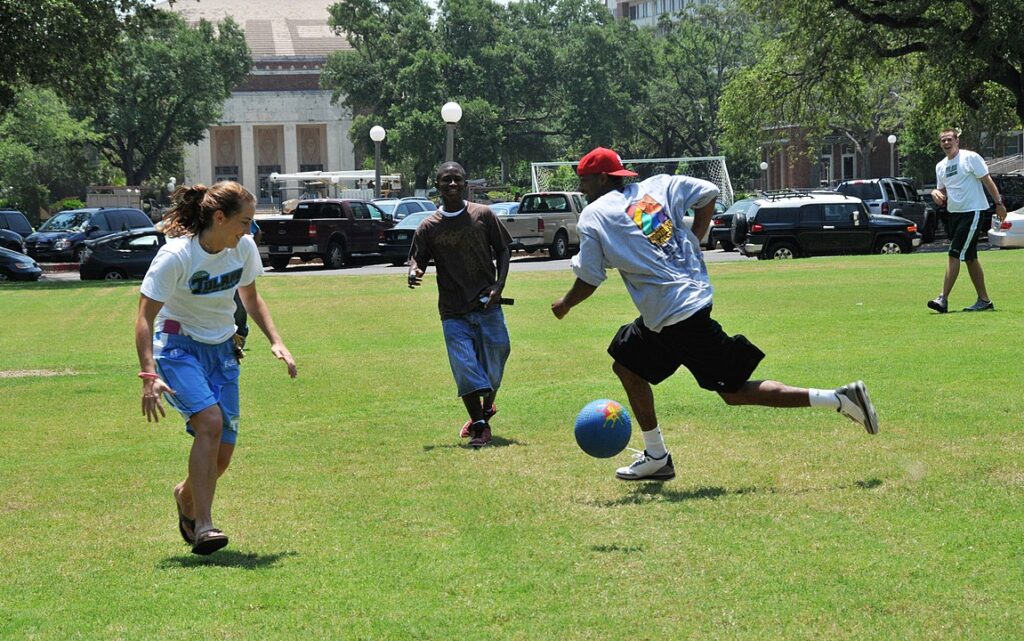
Kickball was like baseball, but simpler and perfect for all ages. Kids pitched, kicked, and ran the bases in schoolyards and neighborhood parks. It was a go-to recess game that didn’t require much equipment or skill. Today, organized sports and screen-based fun have taken over. Kickball fields often sit empty, waiting for kids to rediscover the joy of a well-timed kick.