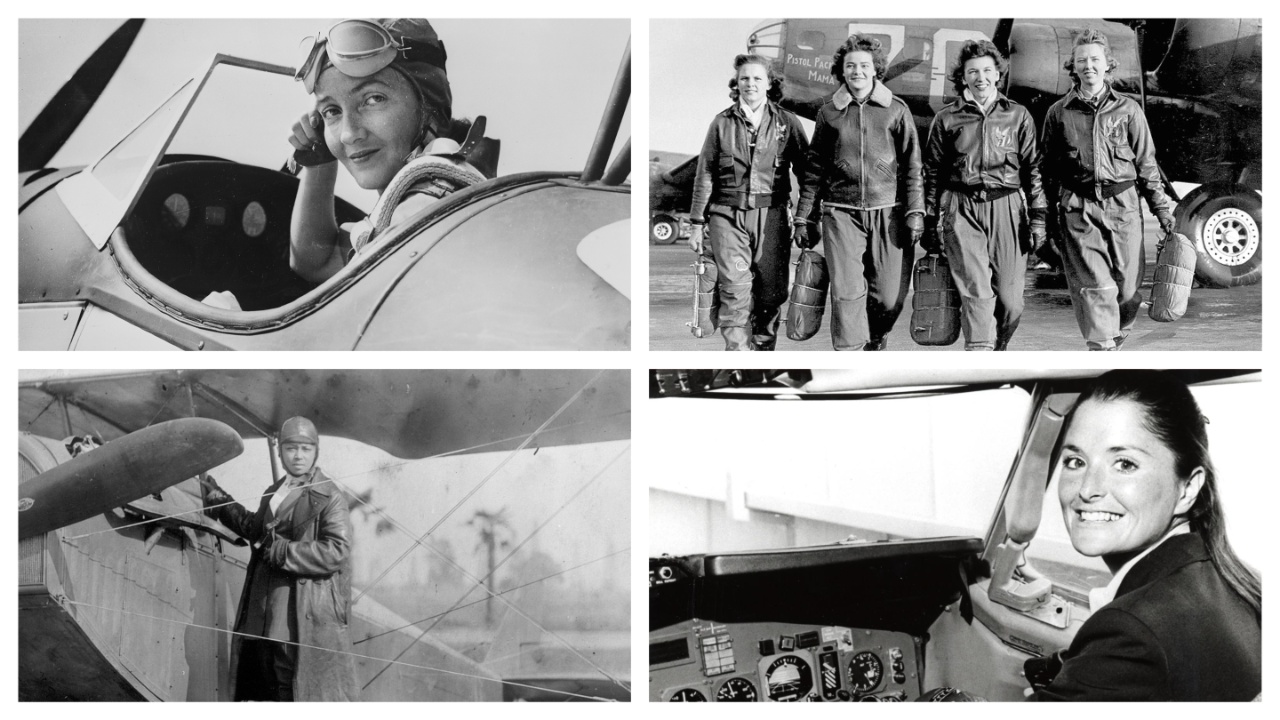
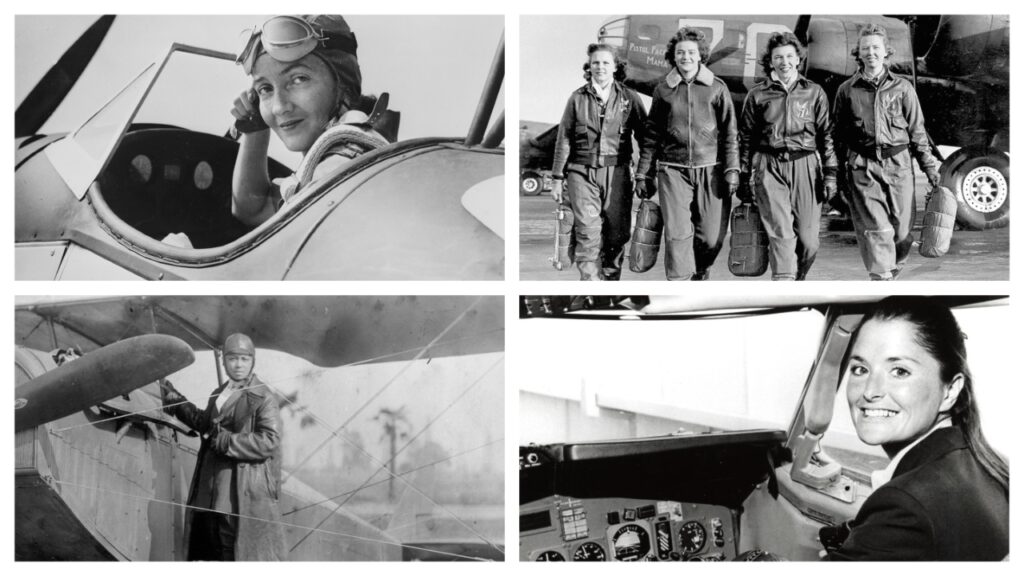
Throughout history, American women have taken to the skies with courage, determination, and grit—often defying societal expectations and breaking through barriers in the male-dominated field of aviation. These pioneering aviators not only made their mark with daring flights and records but also paved the way for future generations of women in aerospace, the military, and commercial aviation. Their stories are a testament to perseverance and passion, and they remind us that the sky is never the limit when you’re determined to rise above it. Here are 15 remarkable American women aviators who beat the odds and made aviation history.
Amelia Earhart
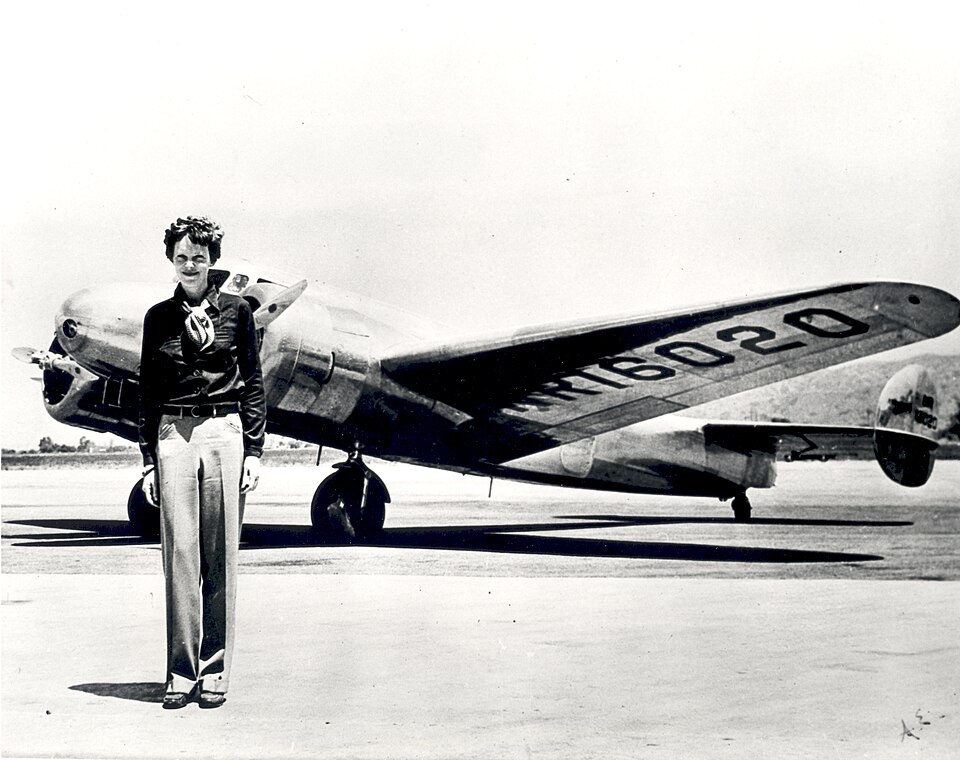
Perhaps the most iconic female aviator in history, Amelia Earhart was the first woman to fly solo across the Atlantic Ocean. Her fearless spirit and advocacy for women in aviation inspired countless others. She set numerous records and continually pushed the boundaries of what was possible for women in flight. Tragically, she disappeared in 1937 during an attempt to fly around the world, but her legacy continues to soar.
Bessie Coleman
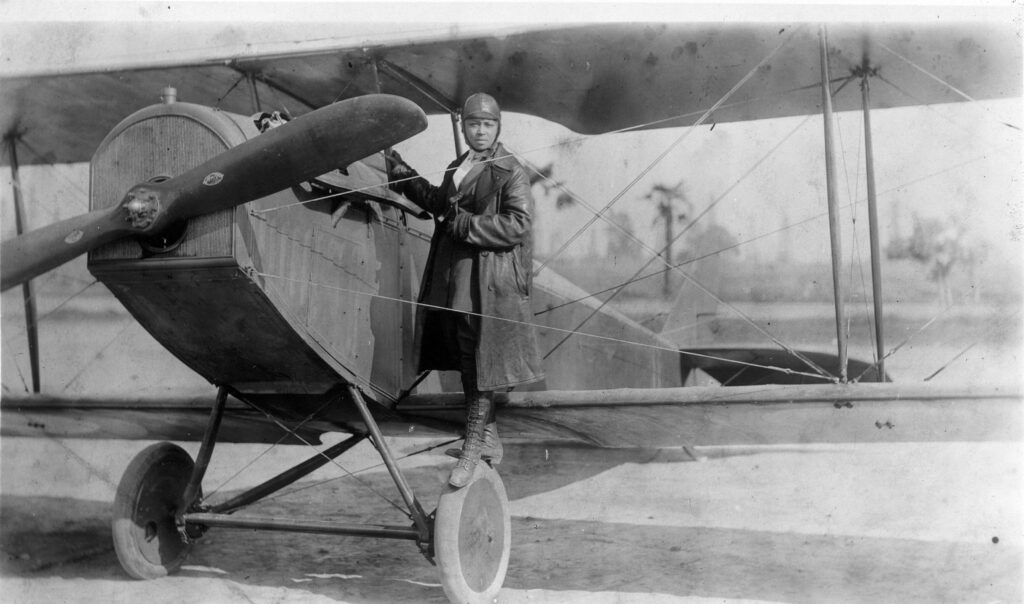
The first African American woman and Native American to earn a pilot’s license, Bessie Coleman had to travel to France in 1921 to achieve her dream due to discrimination in the U.S. She became a celebrated stunt pilot known for her bold air shows and loops. Coleman used her fame to speak out against racial and gender barriers in aviation. Her courage opened doors for future pilots of color.
Jacqueline Cochran
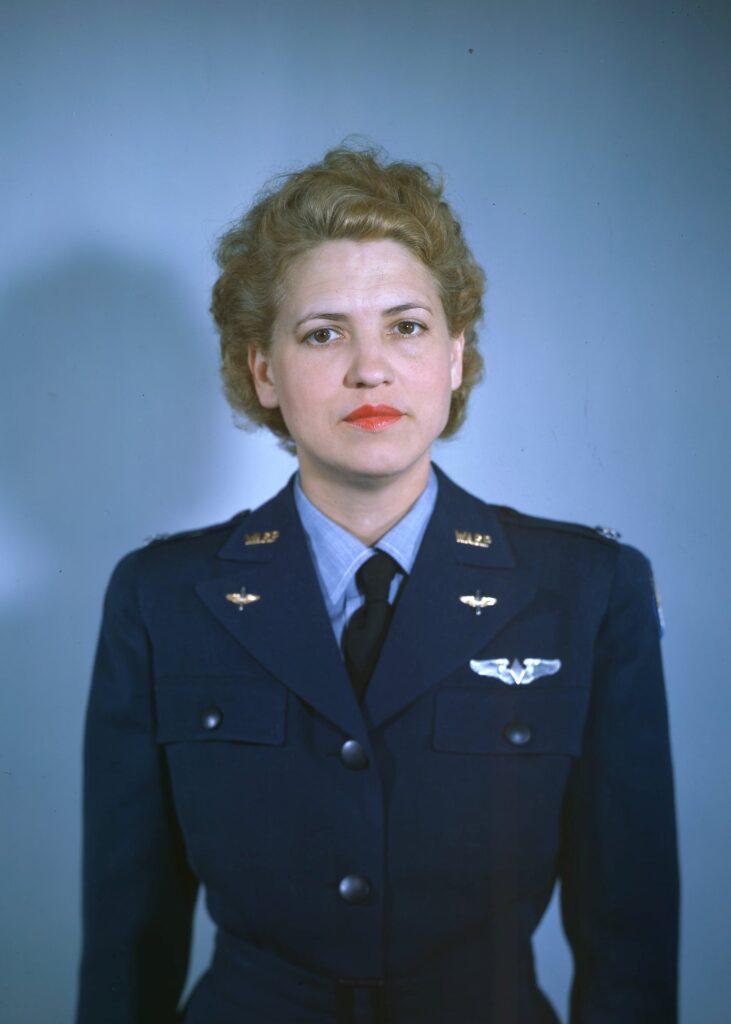
One of the most accomplished female aviators in history, Jacqueline Cochran set more speed, altitude, and distance records than any other pilot of her time—male or female. She was also the first woman to break the sound barrier. As director of the Women Airforce Service Pilots (WASP) during WWII, she led hundreds of women in non-combat military flight roles. Cochran’s leadership forever changed the role of women in military aviation.
Harriet Quimby
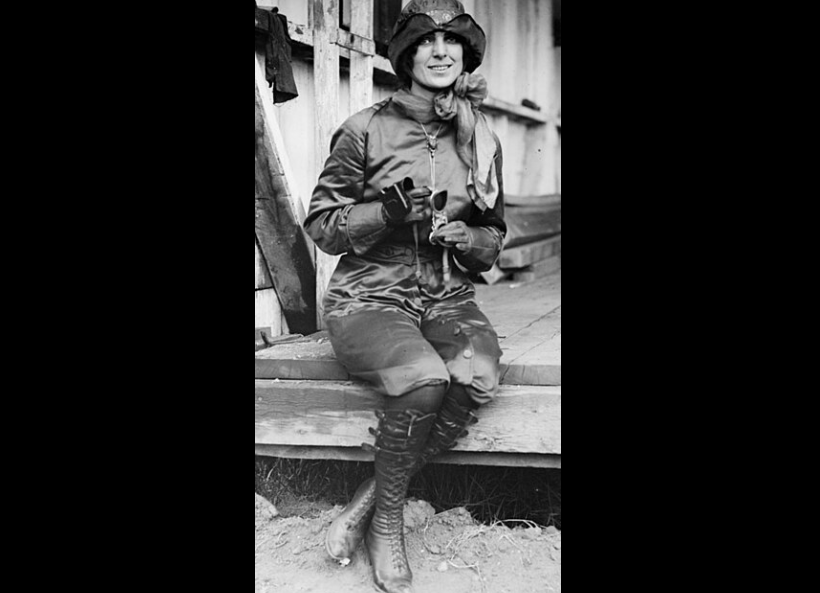
In 1911, Harriet Quimby became the first American woman to earn a pilot’s license. A year later, she was the first woman to fly solo across the English Channel. Though her career was tragically short—she died in a plane crash in 1912—she proved that women could master the skies with skill and elegance. Her violet flying suit became iconic, symbolizing style and strength.
Willa Brown
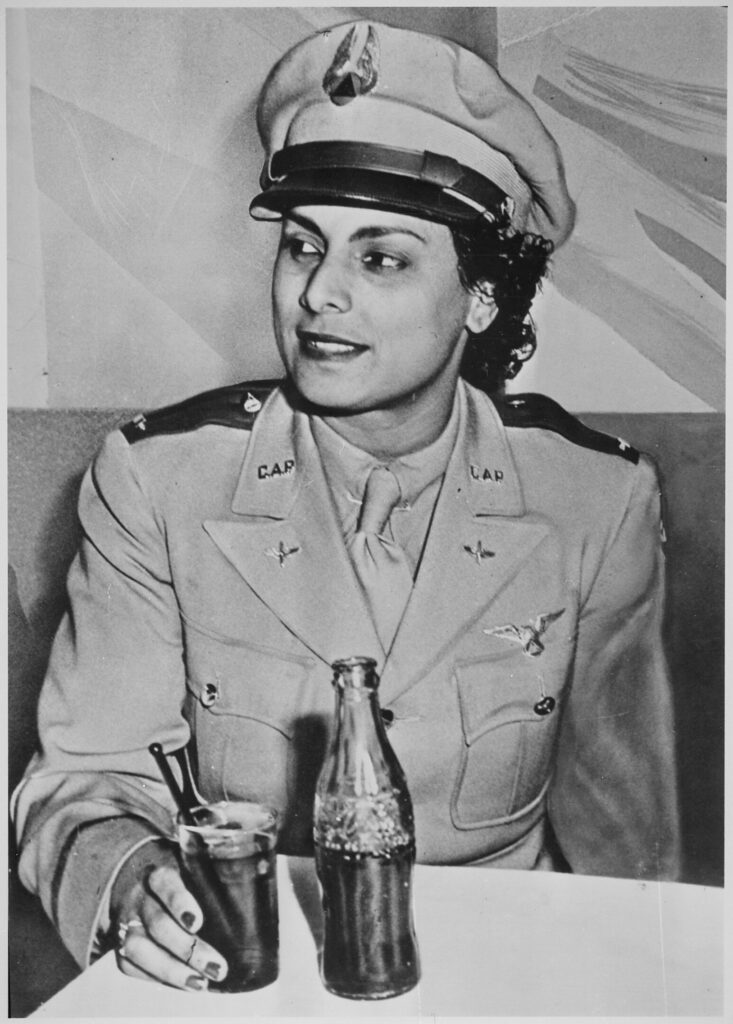
Willa Brown was the first African American woman in the U.S. to earn both a pilot’s license and a commercial license. She co-founded the Coffey School of Aeronautics in Chicago, which trained hundreds of pilots, many of whom became Tuskegee Airmen. Brown also became the first African American woman to run for U.S. Congress. She was a relentless advocate for aviation education and racial equality.
Jerrie Mock
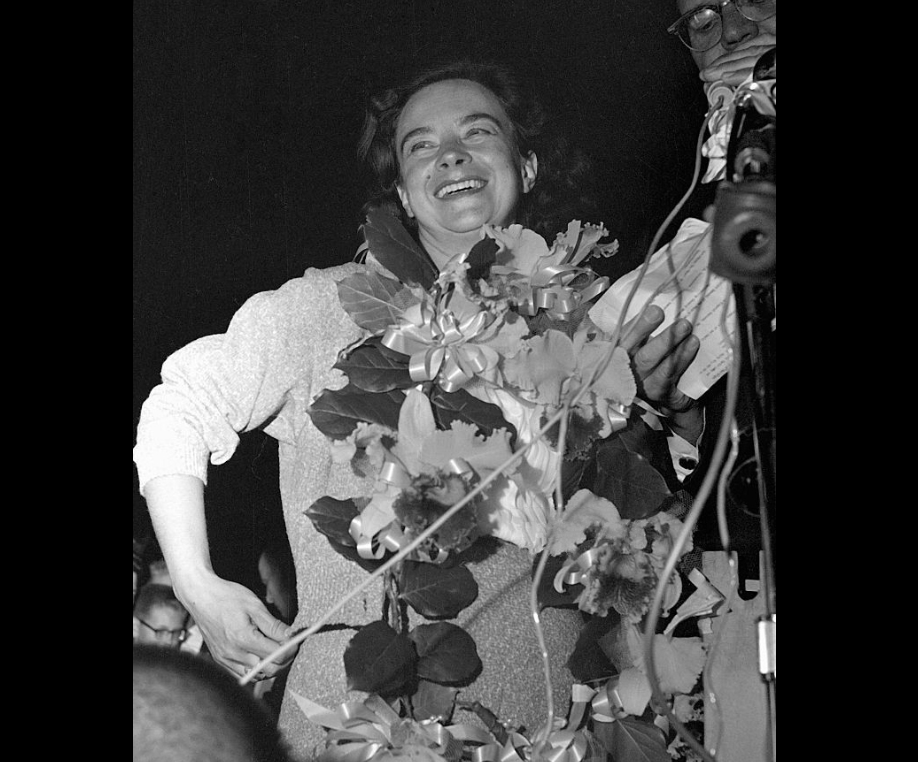
In 1964, Jerrie Mock became the first woman to fly solo around the world, piloting a single-engine Cessna 180 named “The Spirit of Columbus.” She flew 29,000 miles over 29 days, navigating unfamiliar terrain and overcoming mechanical issues. Despite limited recognition during her lifetime, Mock’s achievement was groundbreaking. She showed that determination and courage could take a woman around the globe.
Nancy Harkness Love
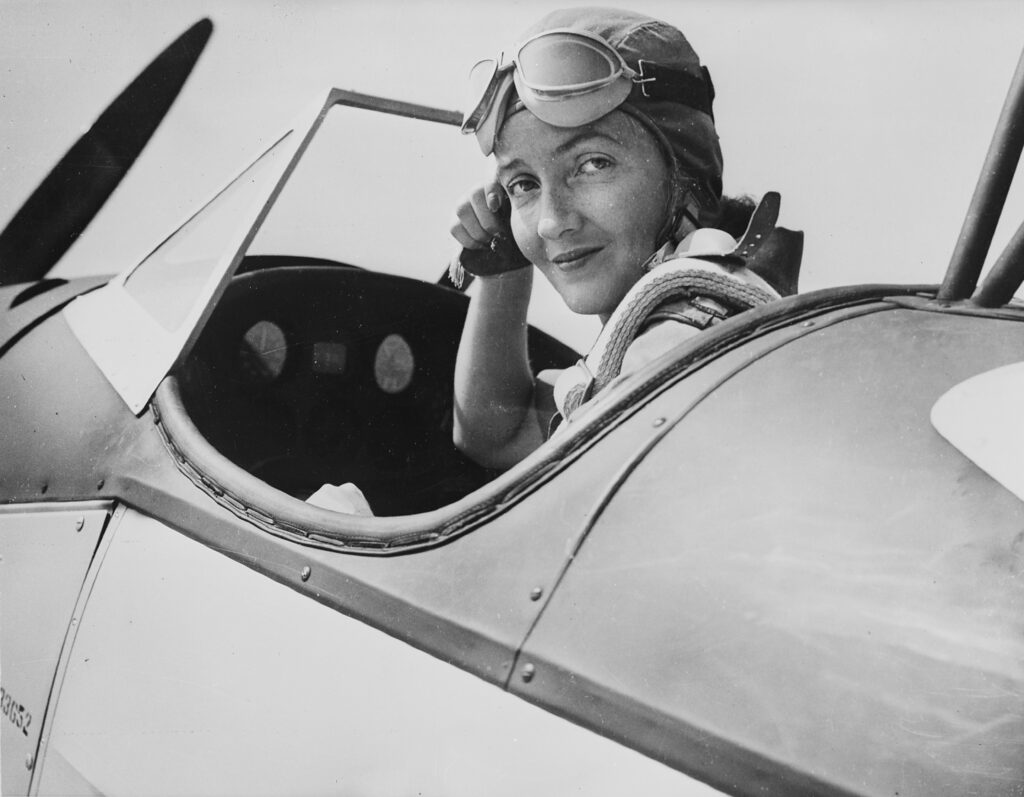
Nancy Love founded the Women’s Auxiliary Ferrying Squadron (WAFS), which later merged into the WASP during WWII. She recruited and led skilled female pilots to ferry military aircraft across the country. Love herself flew more than 70 types of aircraft and was highly respected by her male counterparts. Her leadership helped solidify the role of women in military aviation.
Eileen Collins
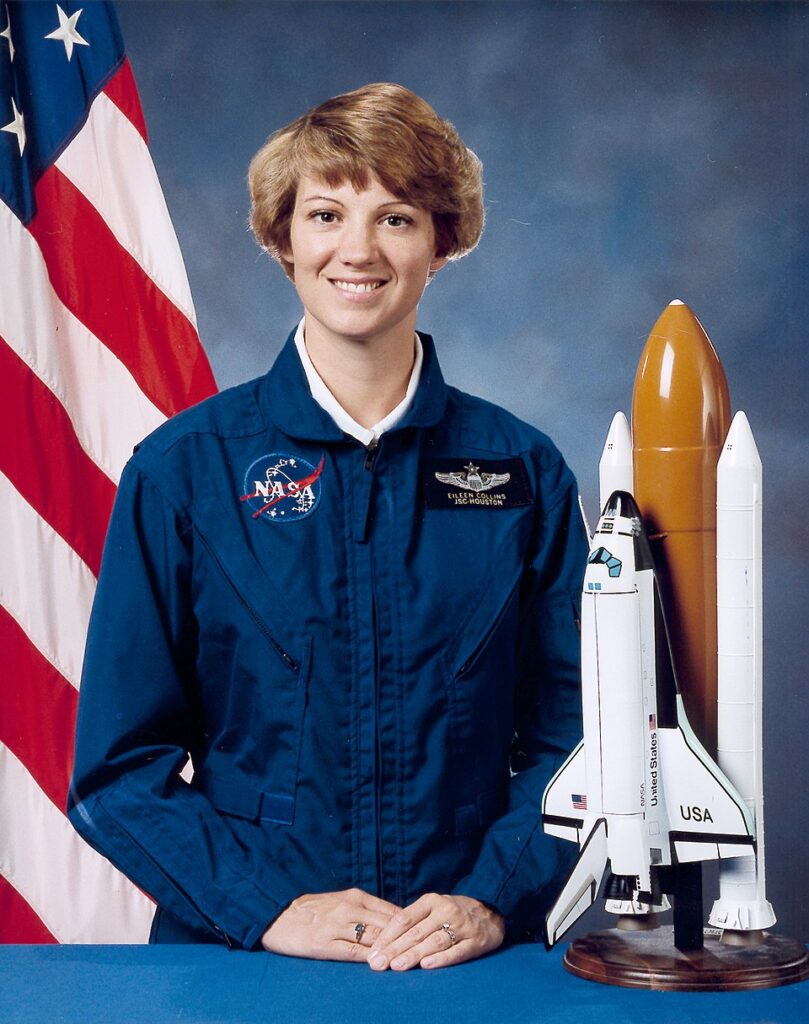
Eileen Collins was the first American woman to pilot a space shuttle and later became the first to command one. A former Air Force test pilot, she broke barriers at NASA and inspired young women to pursue careers in aerospace. Collins logged over 6,800 flight hours and led critical space missions. Her discipline and trailblazing spirit have earned her a permanent place in aviation history.
Bonnie Tiburzi
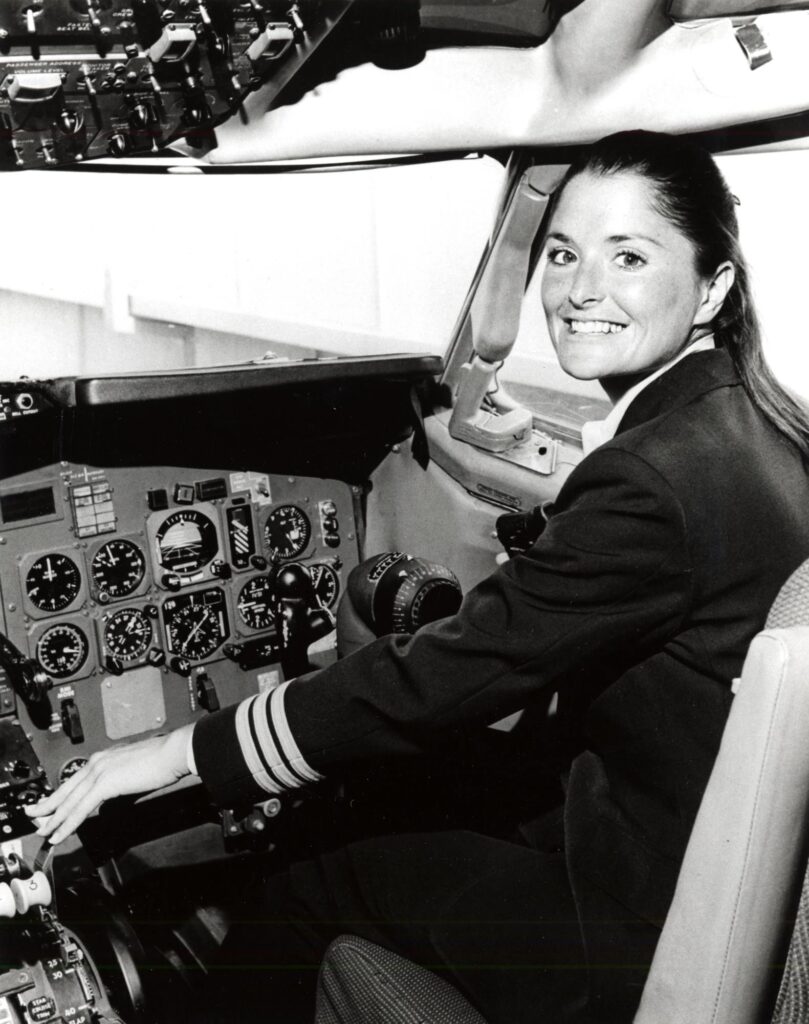
In 1973, Bonnie Tiburzi became the first female pilot for a major American airline, American Airlines, at just 24 years old. She broke into commercial aviation during a time when cockpit crews were almost entirely male. Tiburzi also became the first woman to earn a Flight Engineer rating on a turbojet aircraft. Her achievement opened commercial airline doors for women worldwide.
Jean Ross Howard Phelan
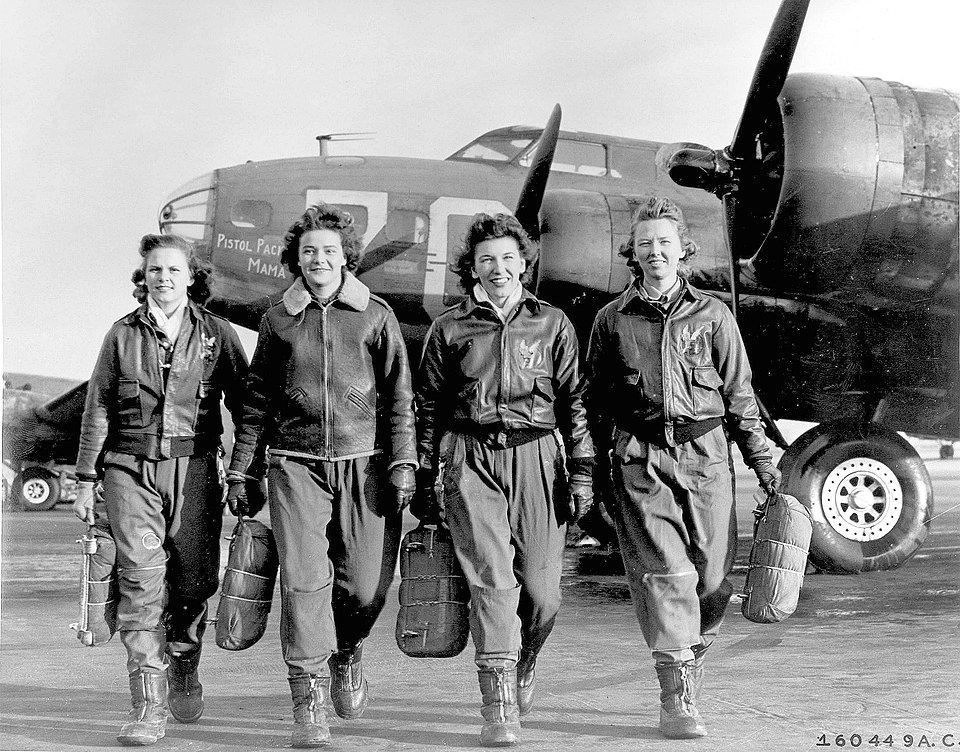
A pioneer in helicopter aviation, Jean Ross Howard Phelan was one of the first women in the U.S. to become a licensed helicopter pilot. She founded the Whirly-Girls, an international organization for female helicopter pilots. Phelan also worked in government aviation education and policy. Her work elevated the profile of women in rotary-wing aviation.
Ruth Law
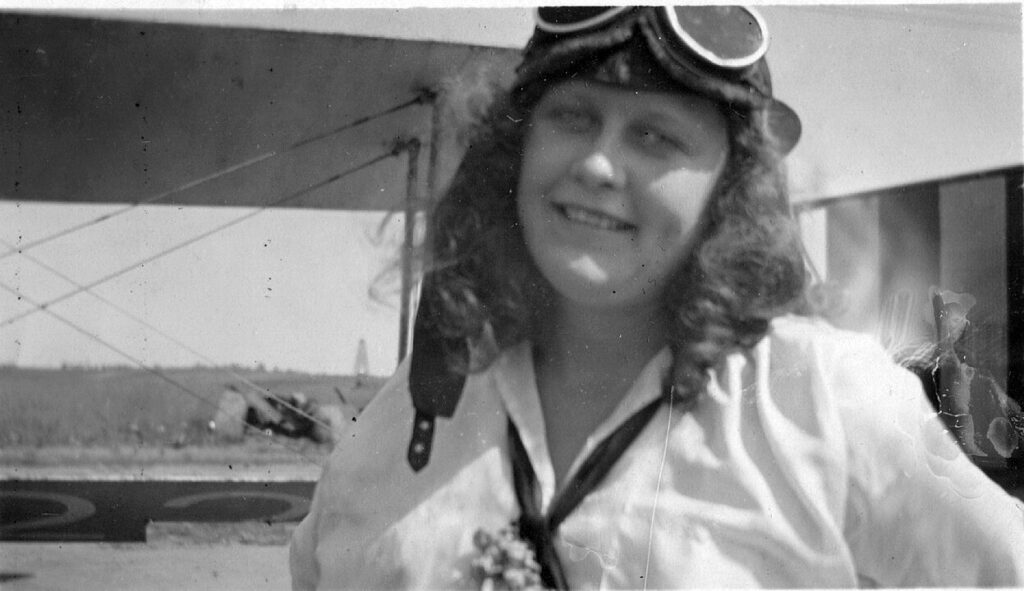
Ruth Law set multiple records in the early days of aviation, including the longest nonstop flight by a woman in 1916. She flew 590 miles from Chicago to New York in a Curtiss Pusher biplane. Law was known for her mechanical skills and fearless flying in often dangerous conditions. She advocated for women’s inclusion in the military during WWI.
Bernice “Bee” Falk Haydu
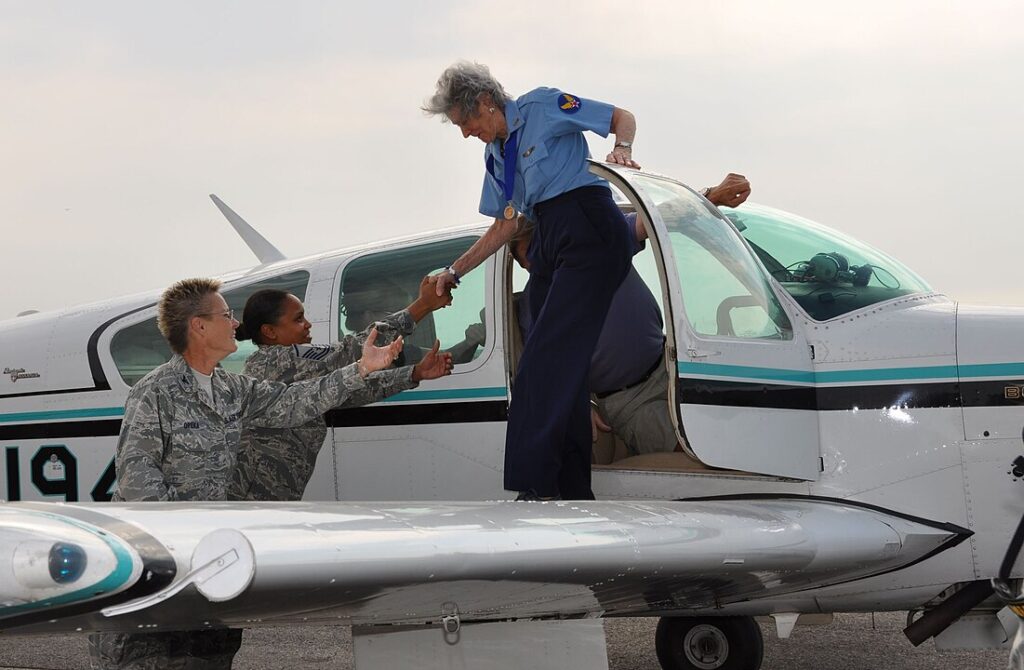
Bee Haydu was a member of the WASP during World War II and later became a strong advocate for veterans’ recognition. For decades, she fought for military status and benefits for her fellow female pilots. She also continued flying into her 80s, inspiring generations with her persistence. In 2009, she received the Congressional Gold Medal for her service.
Patty Wagstaff
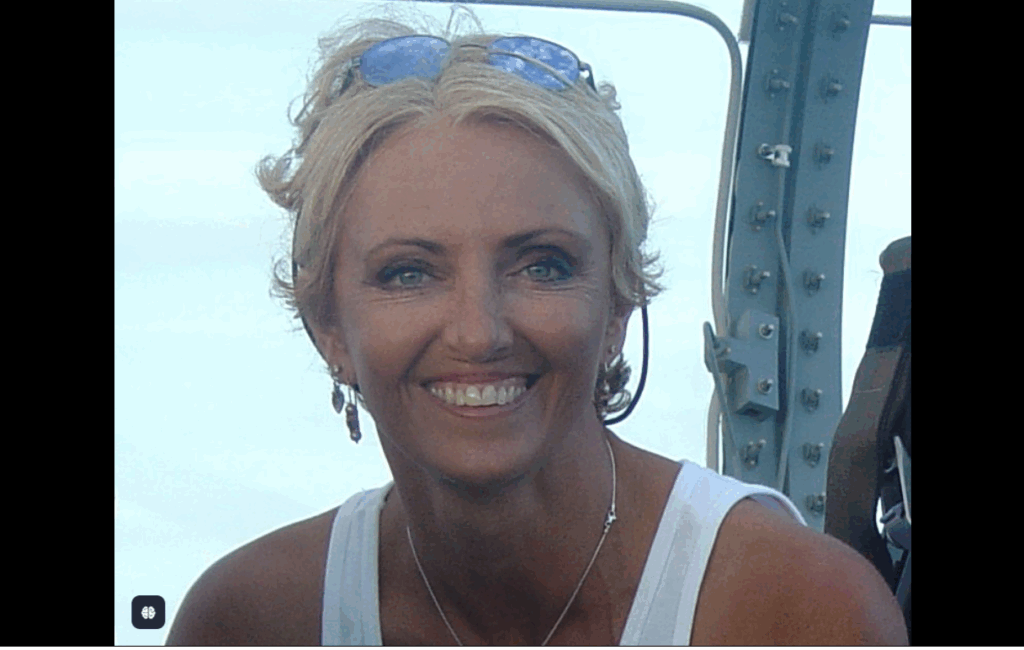
A champion aerobatic pilot, Patty Wagstaff became the first woman to win the U.S. National Aerobatic Championship three times. Her daring routines and precision flying earned her worldwide acclaim. Wagstaff also trained military and civilian pilots in advanced flight techniques. Her skill and showmanship helped redefine public perceptions of women in extreme aviation.
Mary Feik
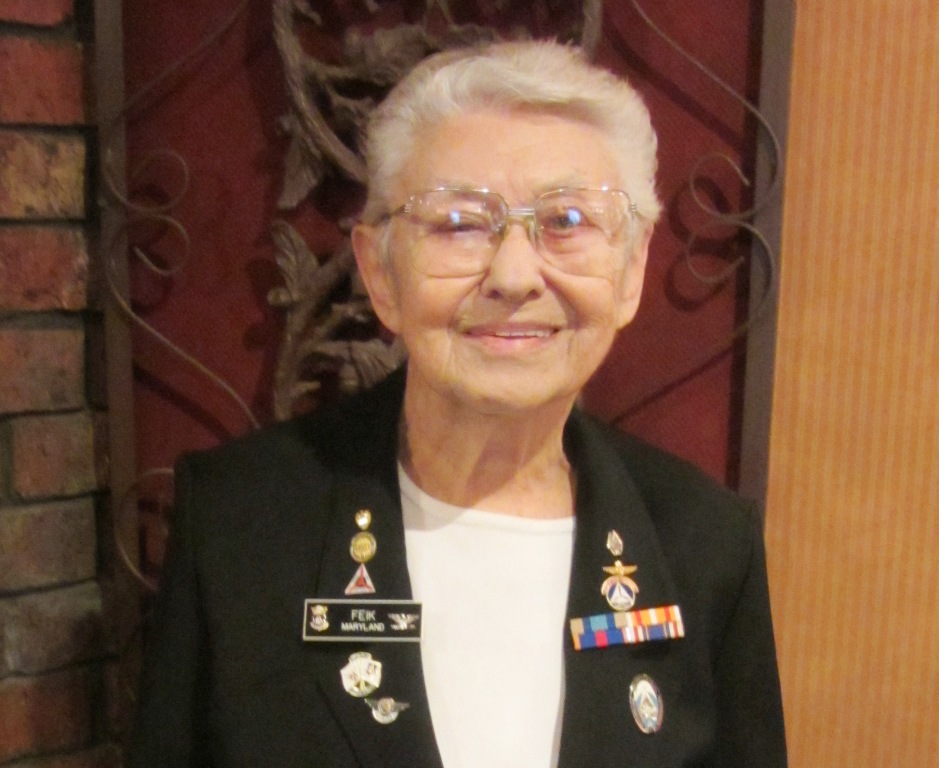
Mary Feik was a pioneering aviation engineer, mechanic, and pilot during World War II. Though not allowed in combat, she test-flew repaired military aircraft and trained countless pilots and technicians. Feik logged more than 6,000 flight hours and contributed to over 20 aircraft training manuals. Her technical expertise and dedication left an enduring mark on aviation education.
Jessica Cox
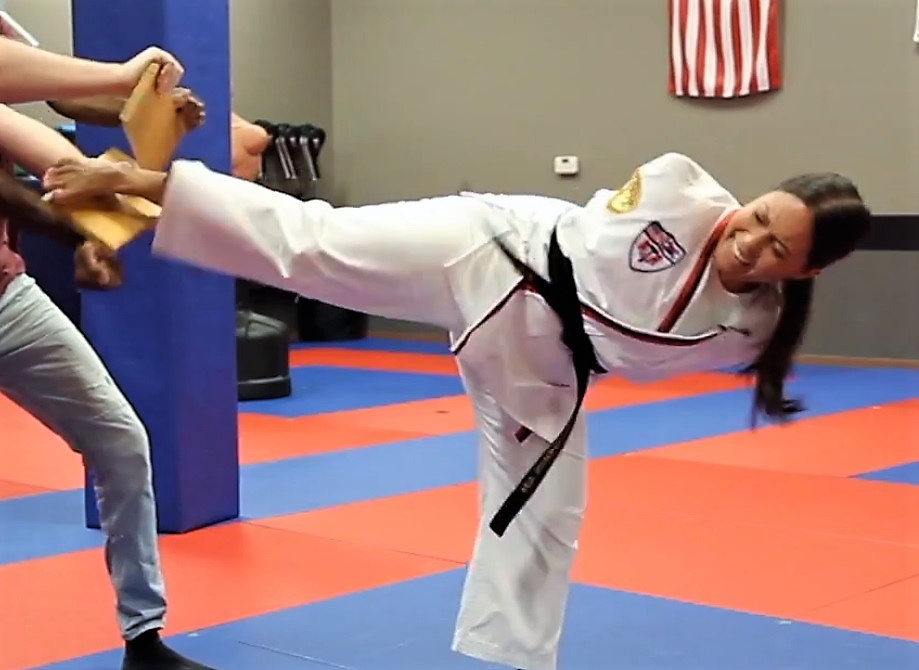
Born without arms, Jessica Cox learned to fly using only her feet, becoming the world’s first licensed armless pilot. She earned her Sport Pilot Certificate in 2008, flying an Ercoupe aircraft modified for foot controls. Her story is one of pure resilience and innovation. Cox now travels the world as a motivational speaker, showing others that limitations can be overcome with determination.