America has a long history of celebrating, critiquing, and debating the people who shape its culture, politics, and identity. From founding fathers to modern innovators, certain Americans capture the public imagination in ways that make their lives, choices, and legacies endlessly discussed. Some spark admiration for their achievements, while others provoke criticism for their controversial actions or statements. Whether the conversation takes place in classrooms, living rooms, or across social media, these figures compel us to grapple with the values, ideals, and contradictions of the nation itself.
Debates about these individuals are rarely black-and-white; they force us to weigh accomplishments against moral compromises, charisma against accountability, and vision against practicality. By examining why Americans love to argue about certain personalities, we gain insight into the cultural and ethical standards that continue to define the country. This article highlights fifteen figures whose lives and actions spark some of the most passionate discussions in American history. Their stories are complicated, their influence undeniable, and the debates surrounding them are likely to continue for generations.
Abraham Lincoln
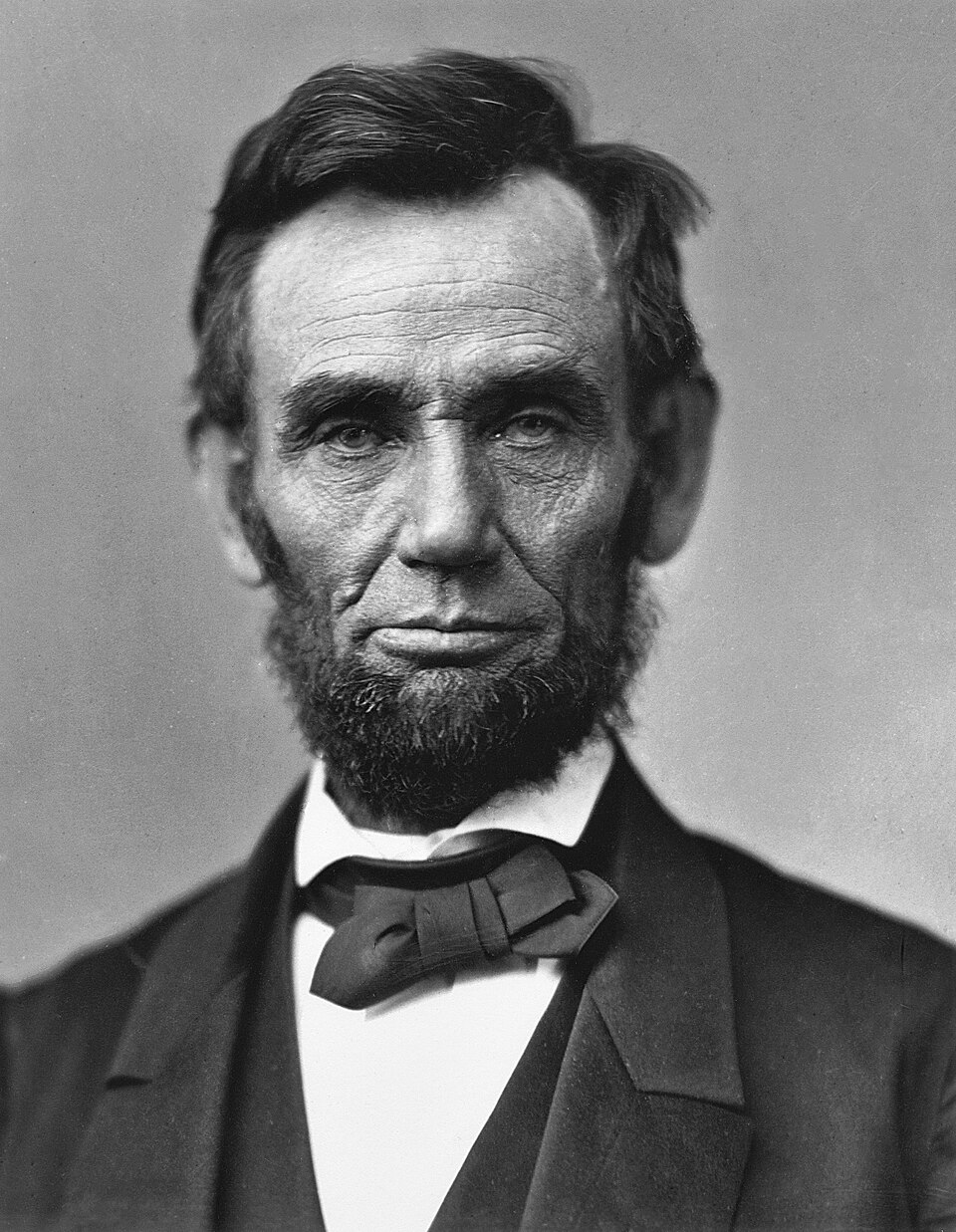
Abraham Lincoln is remembered as the Great Emancipator and the president who preserved the Union, yet his legacy sparks endless debate because his decisions were complex and often controversial. Some historians argue that Lincoln’s suspension of habeas corpus during the Civil War challenges the idea of him as a purely principled leader, while others emphasize the necessity of his actions to maintain national unity. His views on race were nuanced, reflecting both progressive and conservative tendencies for his time, which complicates modern interpretations of his morality. While Lincoln is praised for issuing the Emancipation Proclamation, critics point out that slavery continued in practice and that his policies sometimes prioritized political strategy over immediate justice.
Even his personal life invites discussion; his quiet demeanor and emotional struggles humanize him but also make his leadership style a topic of speculation. Lincoln’s speeches, especially the Gettysburg Address, are dissected for rhetorical genius and political meaning, with scholars debating his intentions and the lasting impact of his words. Generations of Americans have found inspiration in his resilience and vision, yet they also grapple with whether his methods always matched his moral ideals. In classrooms and social media alike, Lincoln’s life remains a battleground for discussing leadership, ethics, and the limits of presidential power.
George Washington
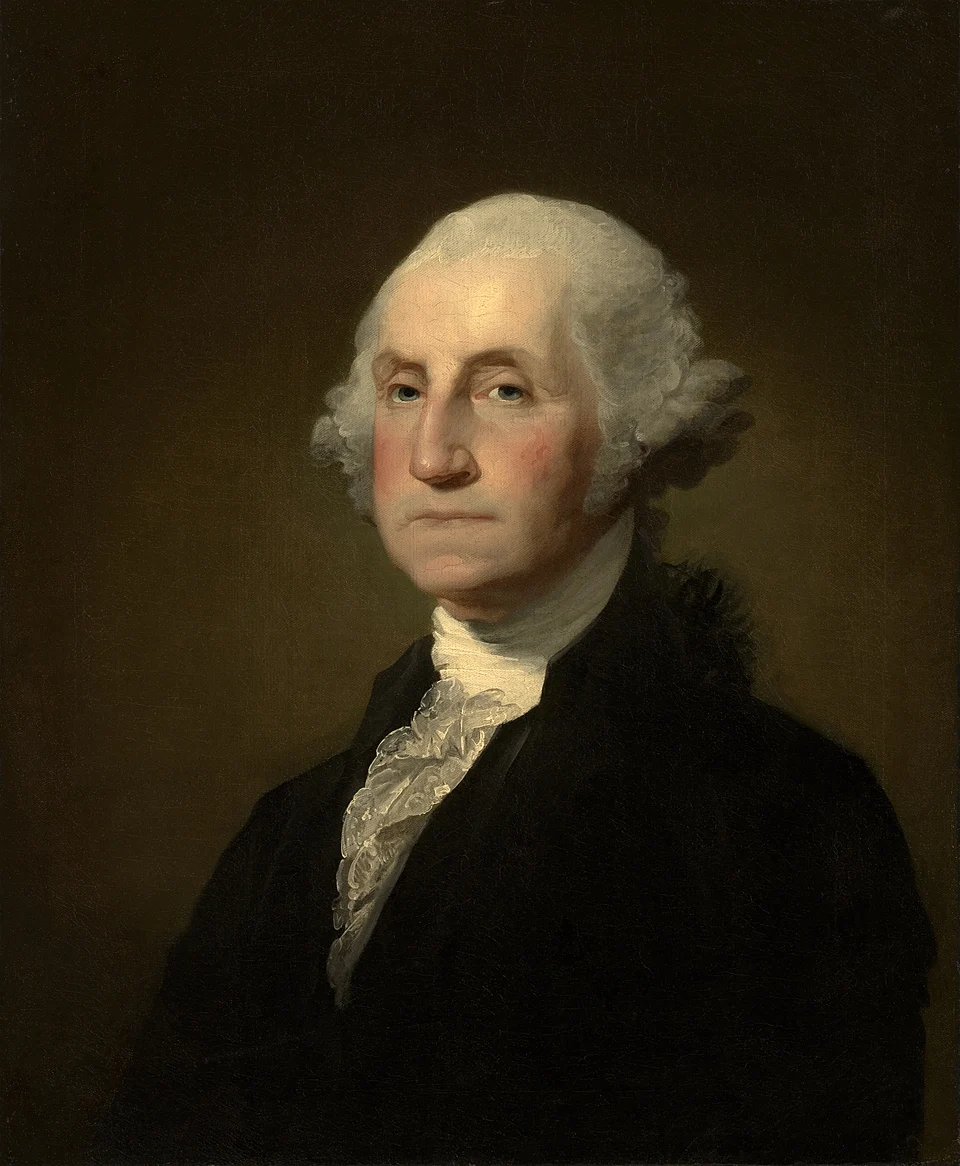
George Washington, celebrated as the first president and the commander of the Continental Army, occupies a nearly mythic place in American history, yet his legacy is far from uncontested. As a founding father, Washington set many precedents that shaped the presidency, including stepping down after two terms, which underscored his commitment to democracy. However, his status as a slave owner complicates his image as a champion of freedom, forcing Americans to reconcile his leadership with his participation in an oppressive system. Washington’s decisions during the Revolutionary War, from battlefield strategy to negotiating with foreign allies, are praised, yet some historians debate whether his cautious approach sometimes slowed the war effort.
His personal character, described as honorable and disciplined, is often contrasted with the realities of his wealth and social status, raising questions about privilege and morality in leadership. The debates extend into his Farewell Address, where his warnings about political factions and foreign entanglements are still referenced in modern political discourse. Washington’s influence is so pervasive that even symbols like Mount Rushmore or the dollar bill spark reflection on how we remember historical figures. Ultimately, Washington is both a source of national pride and a reminder of the complex contradictions that define history.
Thomas Jefferson
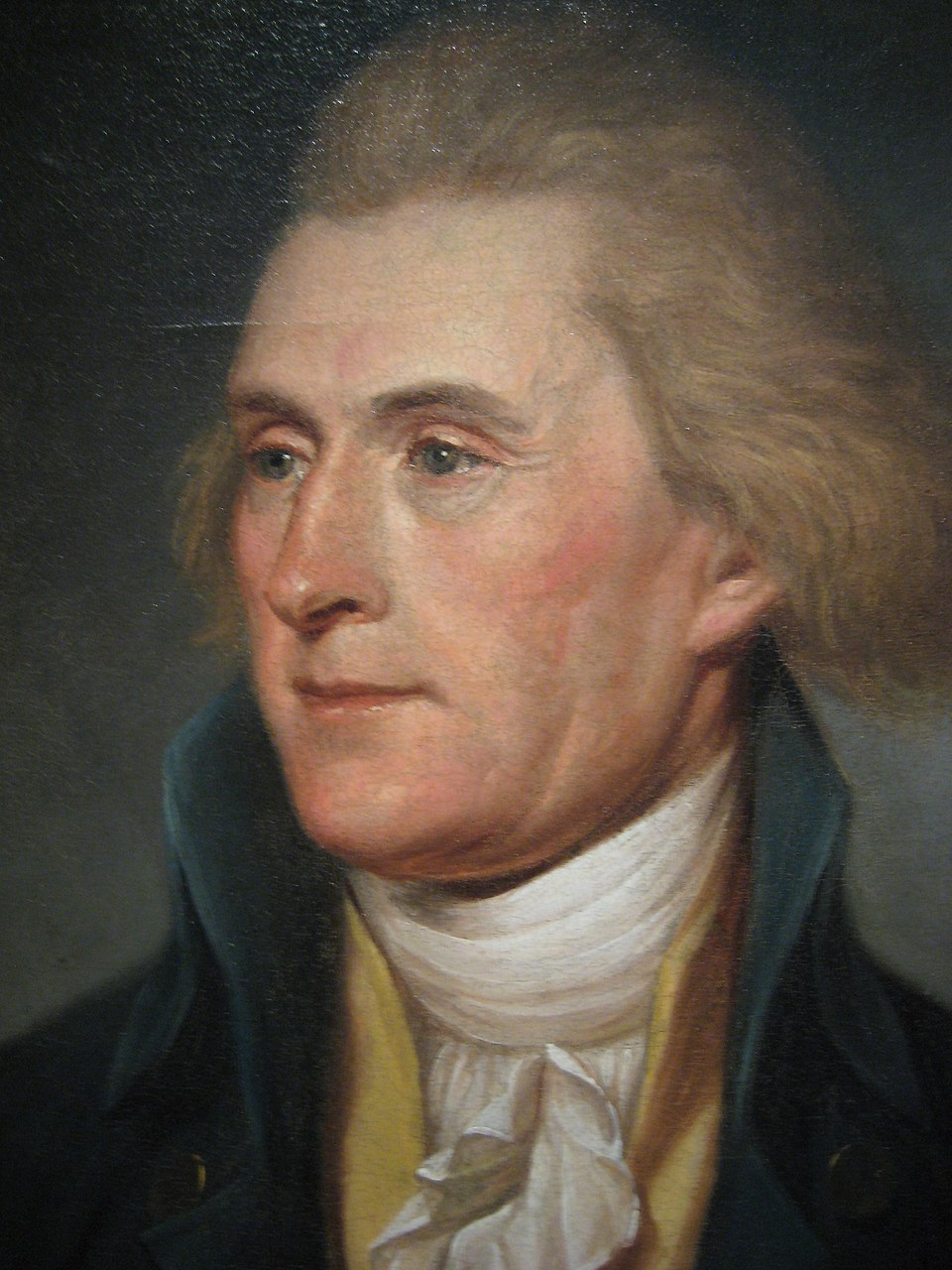
Thomas Jefferson’s legacy as the author of the Declaration of Independence makes him a symbol of liberty, yet his private life complicates this reputation. Jefferson owned hundreds of slaves, and allegations about his relationship with Sally Hemings reveal deep contradictions between his personal actions and the ideals he publicly promoted. Scholars debate the significance of his philosophical contributions to democracy and human rights, with some viewing him as a visionary and others as a hypocrite. His presidency included landmark achievements like the Louisiana Purchase, but critics argue that his interpretation of constitutional powers sometimes contradicted his professed belief in limited government.
Jefferson’s vision of an agrarian society clashes with the industrial and commercial America that followed, prompting discussion about whether his ideas were timeless or contextually bound. Additionally, his contributions to education, such as founding the University of Virginia, highlight his enduring influence on American intellectual life. Jefferson’s writings also reveal a complex mind grappling with morality, governance, and human nature, which makes him endlessly fascinating. The tension between his ideals and his personal compromises ensures that debates about Jefferson continue to the present day.
Martin Luther King Jr.
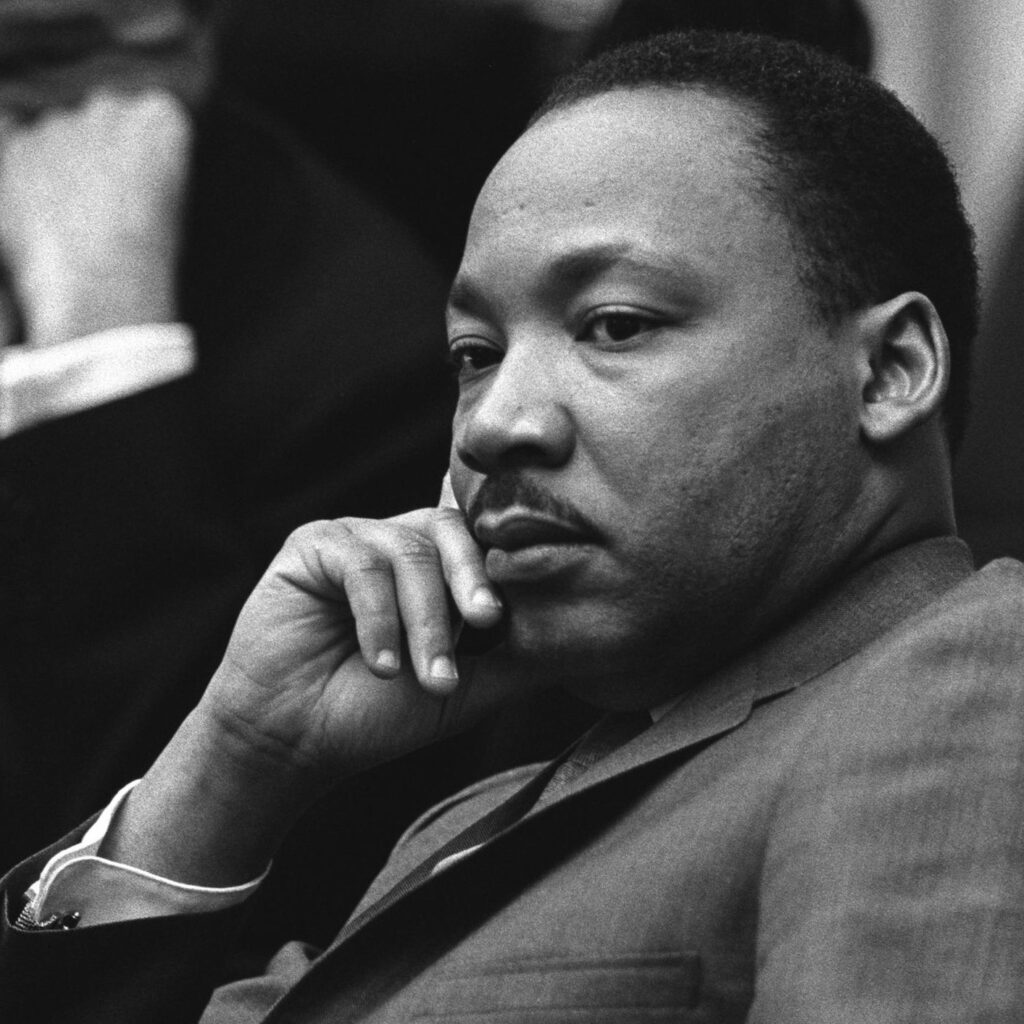
Martin Luther King Jr. is universally celebrated as a leader of the civil rights movement, yet even his legacy invites debate. He is admired for his commitment to nonviolent protest and his ability to inspire collective action through powerful speeches. Some scholars, however, question whether nonviolence was the most effective strategy compared to more radical approaches to fighting racial injustice. King’s political goals, including economic justice and voting rights, are often overshadowed by his symbolic presence, sparking discussion about how history prioritizes certain achievements over others.
His personal life, including allegations of infidelity, is sometimes invoked to complicate his public image, though most agree that moral failings do not diminish his broader impact. Debates also consider the continued relevance of King’s philosophy in contemporary social movements. King’s writings and speeches are dissected not just for their historical value but also for their rhetorical brilliance and ethical implications. In classrooms, public forums, and online discussions, King represents both the power of idealism and the complexity of human imperfection.
Malcolm X
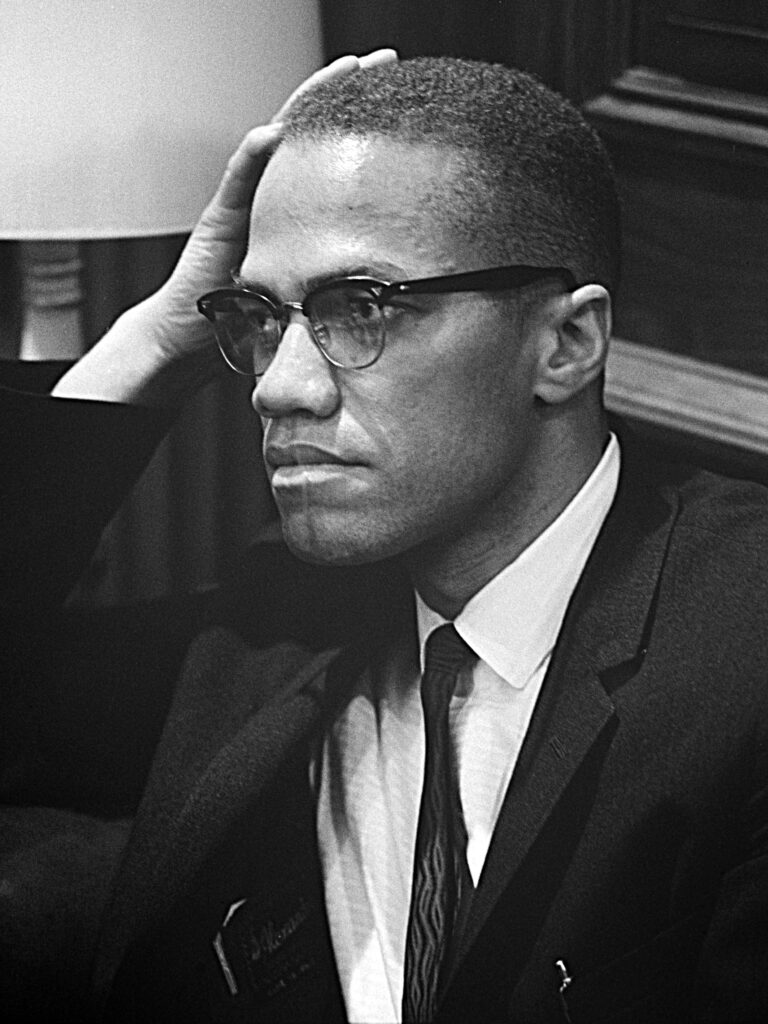
Malcolm X remains one of the most polarizing figures in American history, celebrated by some as a voice of empowerment and criticized by others as divisive. His advocacy for Black self-determination and willingness to confront systemic oppression head-on drew both admiration and fear. Early in his career, his rhetoric was uncompromising, leading some to see him as radical, yet later in life, he moderated his views, emphasizing global human rights and unity. Debates about Malcolm X often revolve around the tension between his militant approach and the nonviolent strategies of contemporaries like Martin Luther King Jr.
His ability to evolve ideologically adds depth to discussions about personal growth and political pragmatism. Malcolm X’s speeches and writings continue to inspire activists while provoking critical thought about race, identity, and justice. Scholars analyze his influence on both American and international civil rights movements, highlighting his enduring impact. Even decades after his assassination, Malcolm X challenges Americans to confront uncomfortable truths about power, inequality, and resistance.
Donald Trump
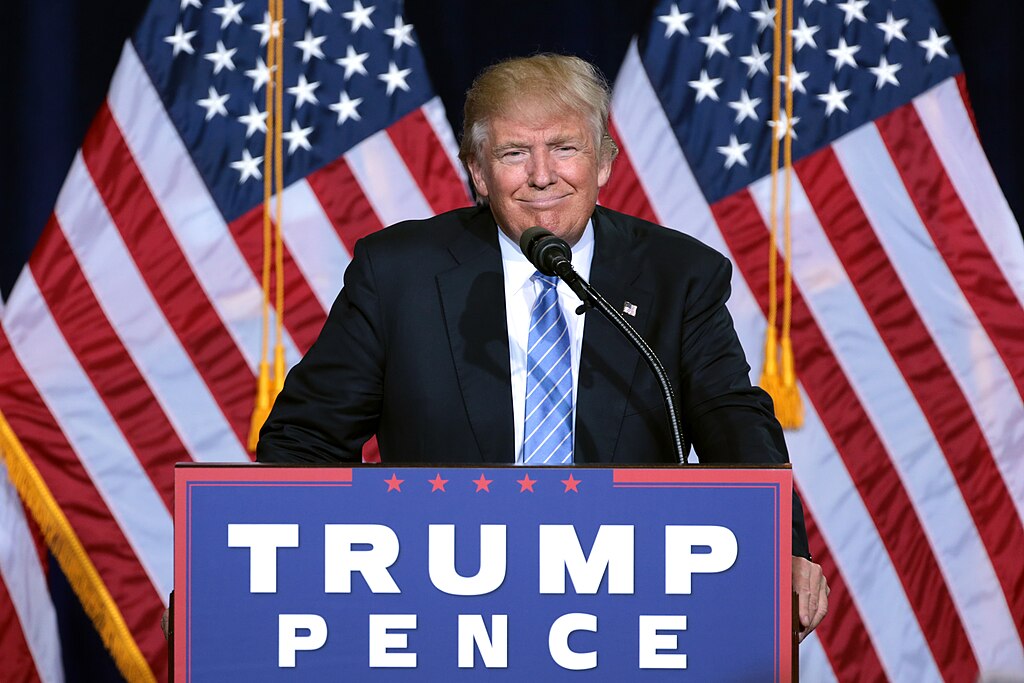
Donald Trump is perhaps one of the most debated figures in modern American politics, with supporters praising his disruption of political norms and critics condemning his rhetoric and policy decisions. His unconventional style, which often eschews traditional decorum, has sparked discussions about the nature of leadership in a media-driven age. Trump’s approach to economic policy, foreign relations, and immigration reform divides opinion sharply, creating an environment where almost every action generates public discourse. Legal controversies and impeachment proceedings have only intensified debates about accountability and presidential power.
Trump’s influence on the Republican Party and American political identity is undeniable, yet historians and analysts continue to argue over whether his impact is positive or negative. Supporters often frame him as a populist hero fighting for the “forgotten” Americans, while opponents emphasize his divisiveness and approach to governance. Social media amplifies every statement he makes, keeping the debates constant and dynamic. In essence, Trump embodies the complexities of celebrity, power, and controversy in contemporary America.
Barack Obama
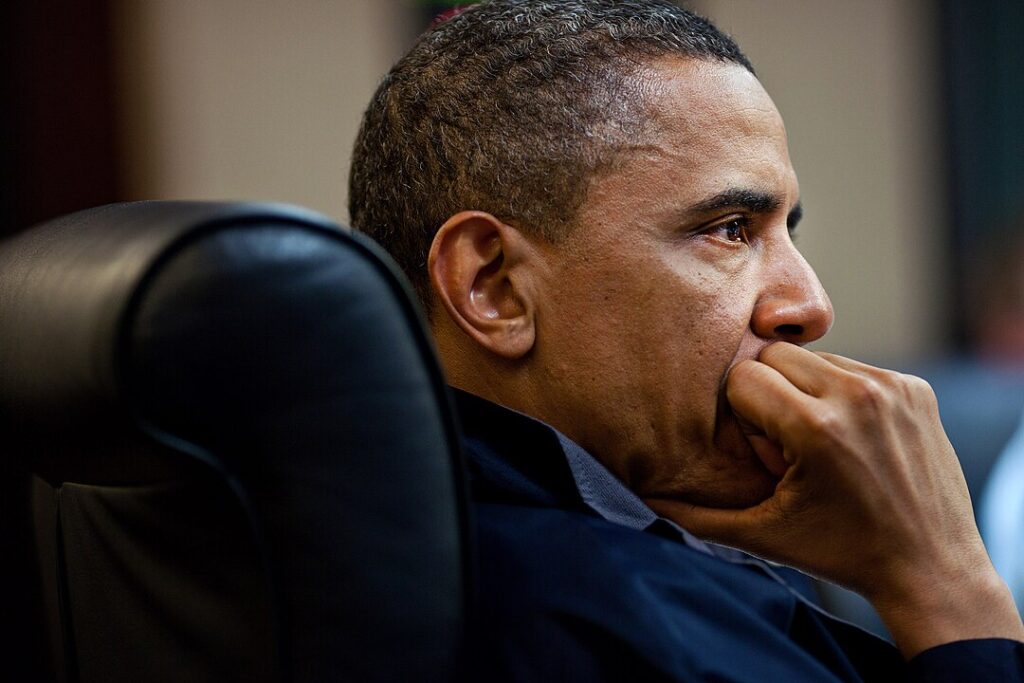
Barack Obama is widely admired for his eloquence, diplomacy, and historical significance as the first Black president, yet his presidency is still a source of debate. Supporters highlight his landmark achievements, such as the Affordable Care Act and economic recovery measures, which are seen as transformative for millions of Americans. Critics argue that his policies sometimes fell short of progressive ideals, particularly in foreign affairs and climate action. Obama’s calm and measured leadership style drew praise for its steadiness but also criticism for perceived caution in moments demanding boldness.
Discussions about Obama’s racial legacy remain vibrant, as scholars examine how his presidency influenced perceptions of race in America. His personal charisma and media presence contributed to a global image that inspires both admiration and envy. Obama’s post-presidency activism and writings continue to spark conversations about leadership, democracy, and civic responsibility. Even years after leaving office, Obama’s influence and the debates surrounding his decisions remain a fixture of American political discourse.
Elon Musk

Elon Musk, though born outside the United States, has become an American icon through his work with Tesla, SpaceX, and other ventures, yet he is a lightning rod for debate. His innovations in electric vehicles and space exploration are celebrated as transformative for the future of technology and humanity. At the same time, his unconventional behavior on social media and controversial business decisions provoke intense criticism and scrutiny. Discussions often revolve around whether Musk’s contributions to technology outweigh his personal and managerial controversies.
His vision of interplanetary colonization sparks both awe and skepticism, raising questions about the limits of ambition and practicality. Musk’s influence extends beyond engineering into pop culture, politics, and social discourse, making him a multifaceted figure. Supporters admire his risk-taking and visionary mindset, while critics highlight ethical concerns, labor disputes, and communication style. The debates surrounding Musk reflect broader questions about innovation, responsibility, and the cult of personality in modern America.
Oprah Winfrey
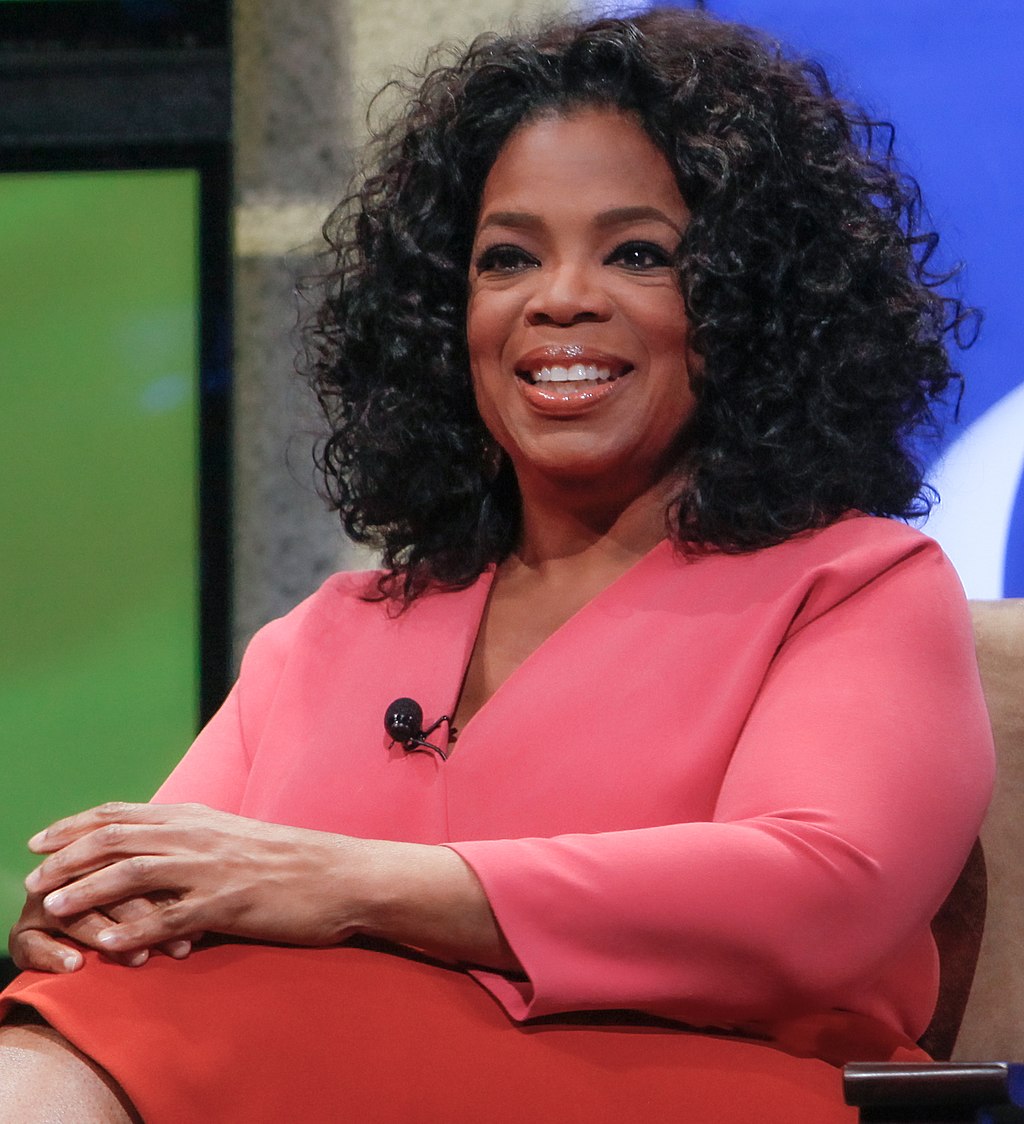
Oprah Winfrey is celebrated as a media mogul, philanthropist, and cultural influencer, yet her enormous reach also makes her a subject of debate. Her career, from talk show host to magazine publisher and media executive, demonstrates unprecedented influence in shaping public opinion and taste. Critics sometimes question the choices she promotes, including books, spiritual movements, and self-help programs, sparking discussions about responsibility in media. Winfrey’s advocacy for education and empowerment is widely praised, yet detractors argue that celebrity-driven philanthropy cannot solve structural inequality.
Her personal story of overcoming poverty and adversity inspires millions, yet her very visibility makes every action a potential flashpoint. Oprah’s influence on politics, including her public endorsements, has prompted debates about the power of celebrity in democracy. Even her philanthropic ventures, like scholarships and community programs, are scrutinized for effectiveness and reach. Ultimately, Oprah embodies both the aspirational possibilities of American culture and the critical questions that come with concentrated influence.
Kanye West (Ye)
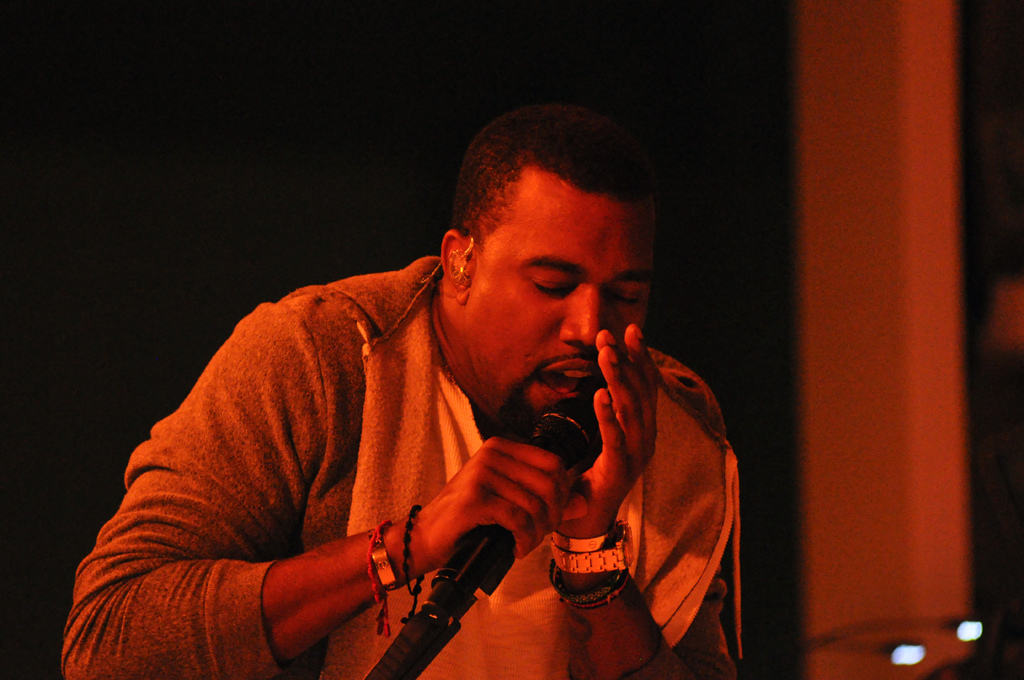
Kanye West, now officially known as Ye, is one of the most polarizing figures in music and fashion, admired for his artistic genius and critiqued for his public behavior. His influence on hip-hop and popular culture is undeniable, with groundbreaking albums and creative projects shaping generations of artists. However, his controversial statements, political ventures, and erratic public appearances often overshadow his artistic achievements. Fans argue that separating the art from the artist is necessary to appreciate his work, while critics insist that his behavior cannot be ignored.
Ye’s ventures into fashion and business demonstrate ambition and innovation, yet they also spark debates about ethics, labor, and cultural appropriation. His outspoken nature makes him a frequent subject of media scrutiny, amplifying public debates around celebrity accountability. Mental health discussions have also intersected with perceptions of Ye, creating further nuance in public discourse. Ultimately, Kanye West embodies the tensions between talent, ego, and societal expectation, keeping Americans talking for years.
Hillary Clinton
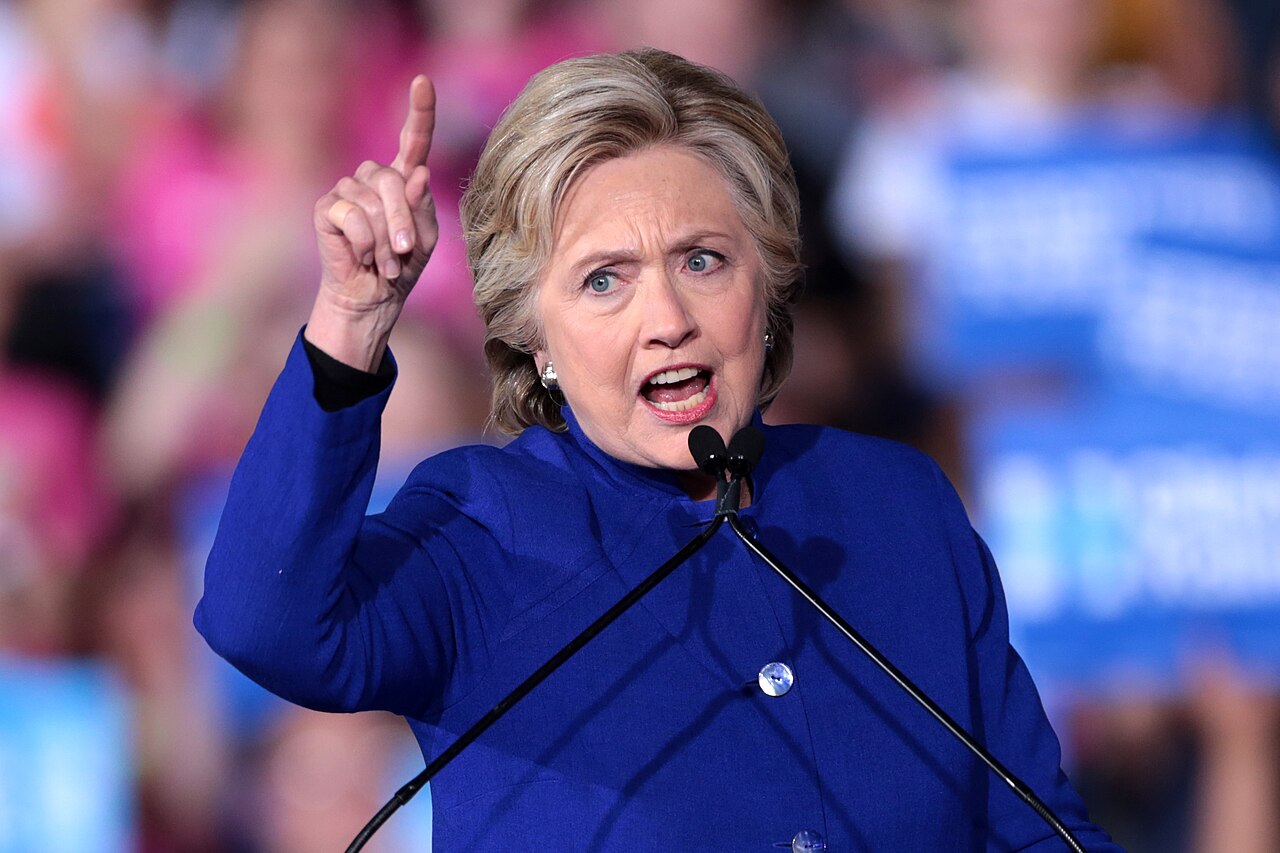
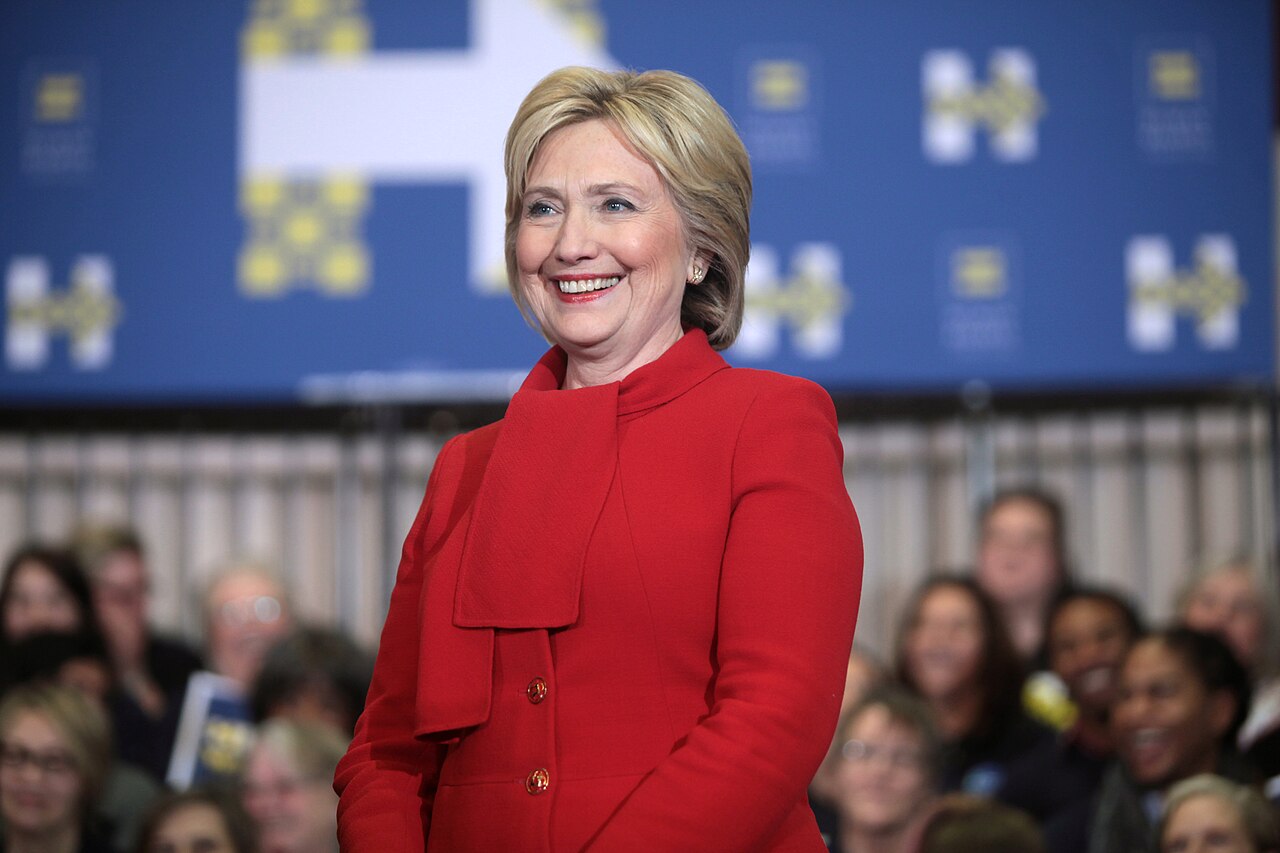
Hillary Clinton is a figure whose career in politics sparks debates about gender, competence, and trustworthiness. From her role as First Lady to her tenure as Secretary of State and presidential campaigns, Clinton has been both lauded and criticized for her political acumen. Supporters highlight her policy expertise and advocacy for women’s rights, while critics question decisions such as her use of a private email server. Clinton’s long career invites scrutiny over decades of political choices, making her a frequent subject of partisan debate.
Discussions also consider the historic significance of her candidacy as the first woman nominated by a major party for president. Her public persona, meticulously managed, has both helped and hindered her, leading to debates about authenticity and relatability in politics. Clinton’s achievements, including healthcare and children’s initiatives, are sometimes overshadowed by controversy. In the broader context, she exemplifies the challenges women face in leadership positions while igniting conversations about ambition, power, and fairness.
Mark Zuckerberg
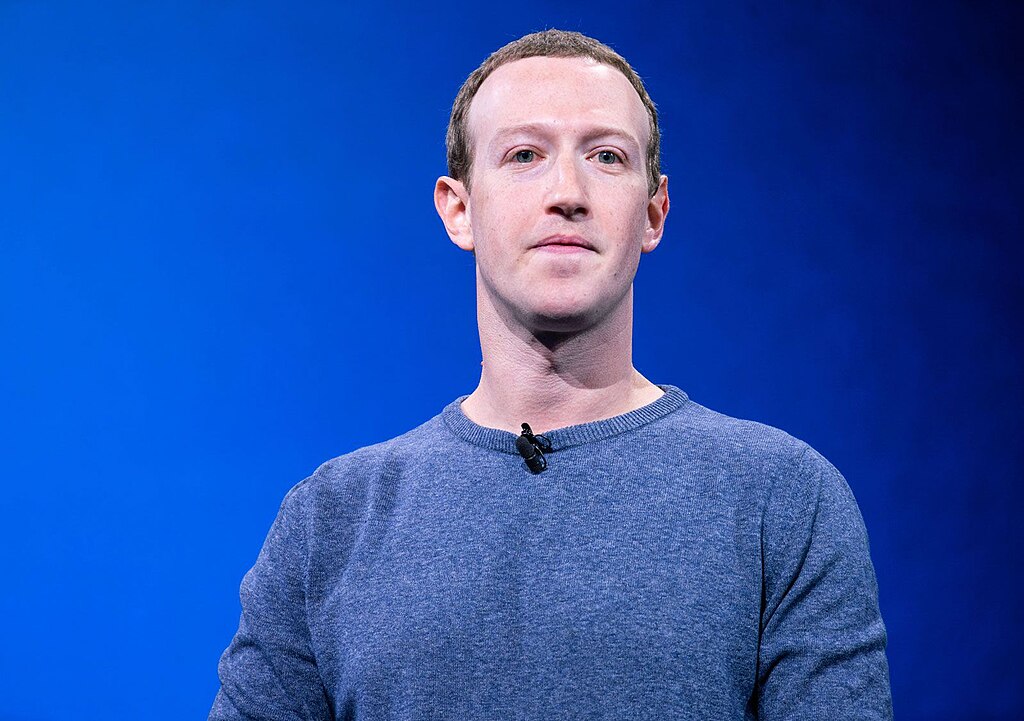
Mark Zuckerberg, co-founder of Facebook, is celebrated for transforming communication but debated for ethical concerns. His platform revolutionized social media, connecting billions of people globally, yet it also raised concerns about privacy, misinformation, and mental health. Zuckerberg’s leadership style is analyzed as visionary by some and overly secretive or controlling by others. Debates often focus on corporate responsibility versus innovation, questioning whether technological progress justifies the social costs.
His public testimony before Congress highlights ongoing discussions about accountability and regulation in the tech industry. Critics argue that Facebook’s algorithms contribute to polarization, while supporters note the company’s global impact on communication and commerce. Zuckerberg’s philanthropic efforts, including the Chan Zuckerberg Initiative, are scrutinized for transparency and scale. Overall, he represents the dual nature of innovation: transformative potential paired with societal risk.
Serena Williams

Serena Williams is celebrated as one of the greatest athletes of all time, yet her career sparks debate over gender, race, and sportsmanship. Her dominance in tennis redefined what women could achieve athletically, challenging stereotypes and expectations. Critics sometimes scrutinize her on-court behavior or statements, often highlighting double standards compared to male athletes. Discussions also consider her influence beyond tennis, including fashion, entrepreneurship, and activism.
Williams’ achievements in Grand Slam titles and longevity in the sport provide evidence of excellence, but debates emerge around media coverage and the pressure on female athletes. Her advocacy for equity in sports underscores broader societal issues, including pay disparity and representation. Serena’s personal life and motherhood also spark conversations about balancing family and professional achievement. In total, her story embodies both triumph and the challenges of navigating public scrutiny.
Abby Wambach

Abby Wambach is a legendary figure in women’s soccer, admired for her leadership and goal-scoring prowess but also a frequent topic of debate regarding athlete activism. Her career includes World Cup victories and Olympic gold medals, cementing her as one of the most successful soccer players in history. Wambach is outspoken on social issues, including LGBTQ+ rights and gender equality, which invites admiration as well as criticism. Discussions often center on the role of athletes in political and social discourse, questioning whether sports figures should speak publicly on such topics.
Her style of play, often aggressive and physical, generates debate about sportsmanship and competition. Wambach’s influence extends beyond the field, inspiring younger generations to pursue athletics and activism simultaneously. She represents a new model of athlete as both competitor and advocate, challenging traditional notions of sports neutrality. The ongoing conversation about her impact reflects broader debates about leadership, ethics, and cultural influence.
Steve Jobs
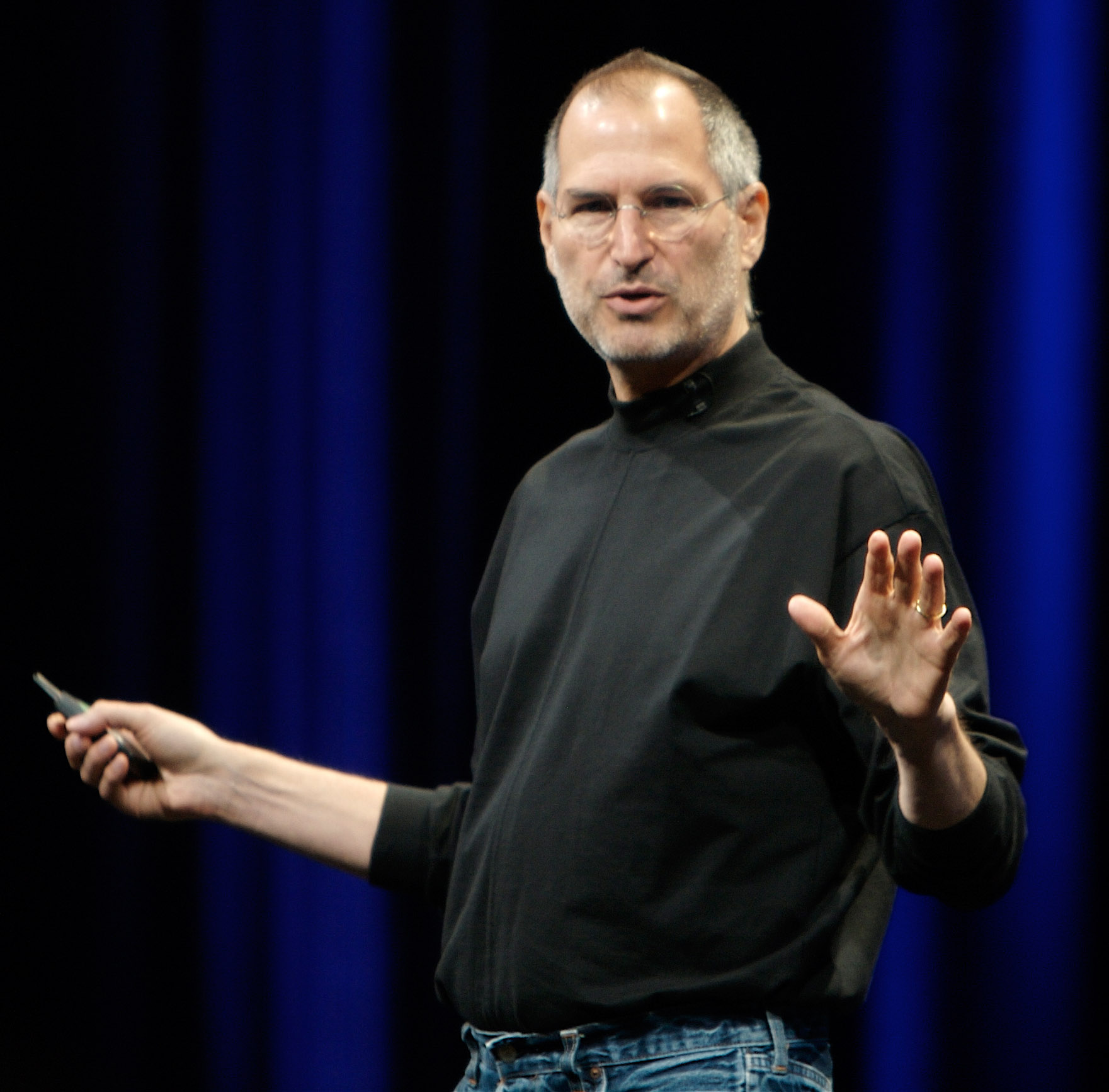
Steve Jobs is remembered as a visionary who revolutionized technology, yet debates continue over his management style and personal behavior. His work with Apple created products that changed communication, entertainment, and design, earning him legendary status. At the same time, Jobs was known for being demanding and sometimes abrasive with employees, sparking discussions about whether genius excuses harsh behavior. His role in building Apple into a cultural and financial powerhouse invites admiration, but critics question the ethical dimensions of corporate leadership.
Jobs’ approach to innovation, including secrecy and control over product design, is studied as both brilliant and controversial. His charisma and presentation style influenced marketing and public perception, making him a model for leadership in tech. Debates about Jobs also include considerations of collaboration, intellectual property, and the balance between vision and teamwork. Ultimately, he represents the tension between revolutionary achievement and personal flaws, keeping his legacy endlessly discussed.