The 1950s are often remembered as a golden era of jukeboxes, drive-ins, and suburban life. But not everything from that decade would sit well with people today. Some traditions were quirky and fun, while others now seem outdated or even a little shocking. Looking back gives us a window into just how much society has changed. Here are fifteen American customs from the fifties that would raise eyebrows or spark outrage if they showed up in modern times.
Smoking Everywhere

In the fifties, smoking was not just common, it was practically fashionable. People smoked at restaurants, on airplanes, in office meetings, and even around children. Ads showed doctors endorsing certain brands and celebrities lighting up on television. Today, with the well-known health risks and strict smoking laws, the idea of puffing away in public places feels unimaginable. What was once a stylish social norm has turned into a public health violation that would not be tolerated anymore.
Gender-Specific Home Economics and Shop Classes
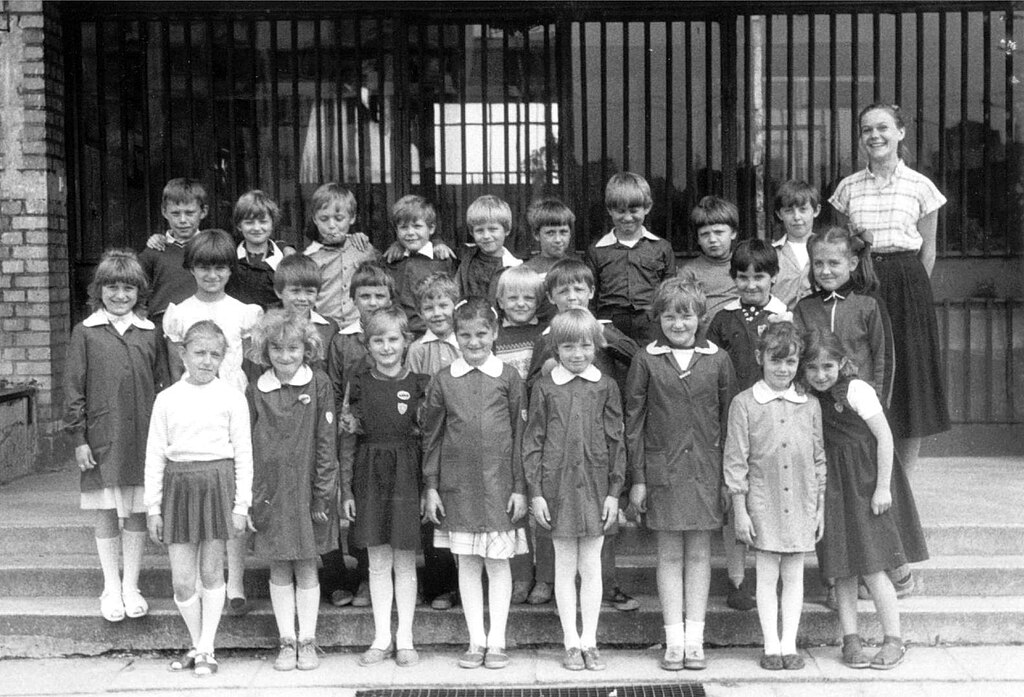
High school students in the fifties were funneled into classes based on gender. Girls took home economics, where they learned cooking, sewing, and cleaning, while boys took shop classes focused on carpentry and mechanics. The setup reinforced traditional gender roles and left little room for personal choice. Nowadays, schools emphasize equal opportunities and skills for everyone, regardless of gender. The rigid divide of the past would quickly be challenged and changed if it resurfaced today.
Drive-In Church Services
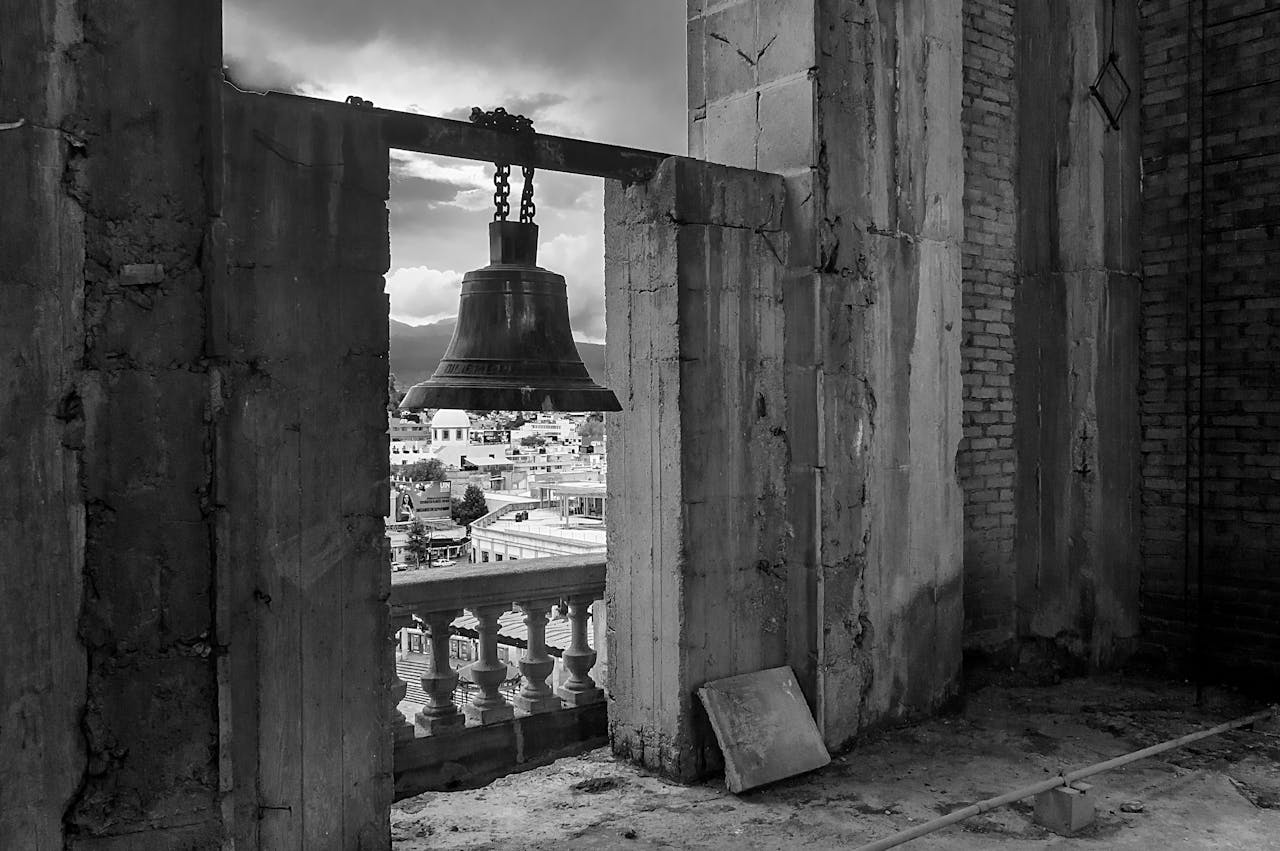
While drive-in movie theaters are still fondly remembered, the fifties also saw the rise of drive-in churches. Families could park their cars, listen to a sermon over loudspeakers, and then drive away without ever leaving the vehicle. At the time, it was considered modern and convenient, but today it might feel more like a novelty than a serious practice. With livestreams and virtual services available, the old-fashioned drive-in church would likely be laughed at rather than embraced.
Spanking as Discipline

Parents in the fifties often relied on spanking as the primary way to discipline children. It was not only accepted but openly recommended by teachers, doctors, and parenting books. Fast forward to today, and attitudes about child discipline have changed dramatically. Many parents and experts now view physical punishment as harmful to a child’s development and self-esteem. What was once considered good parenting is now seen as outdated and potentially damaging, making it a tradition that would not fly anymore.
Formal Attire for Travel
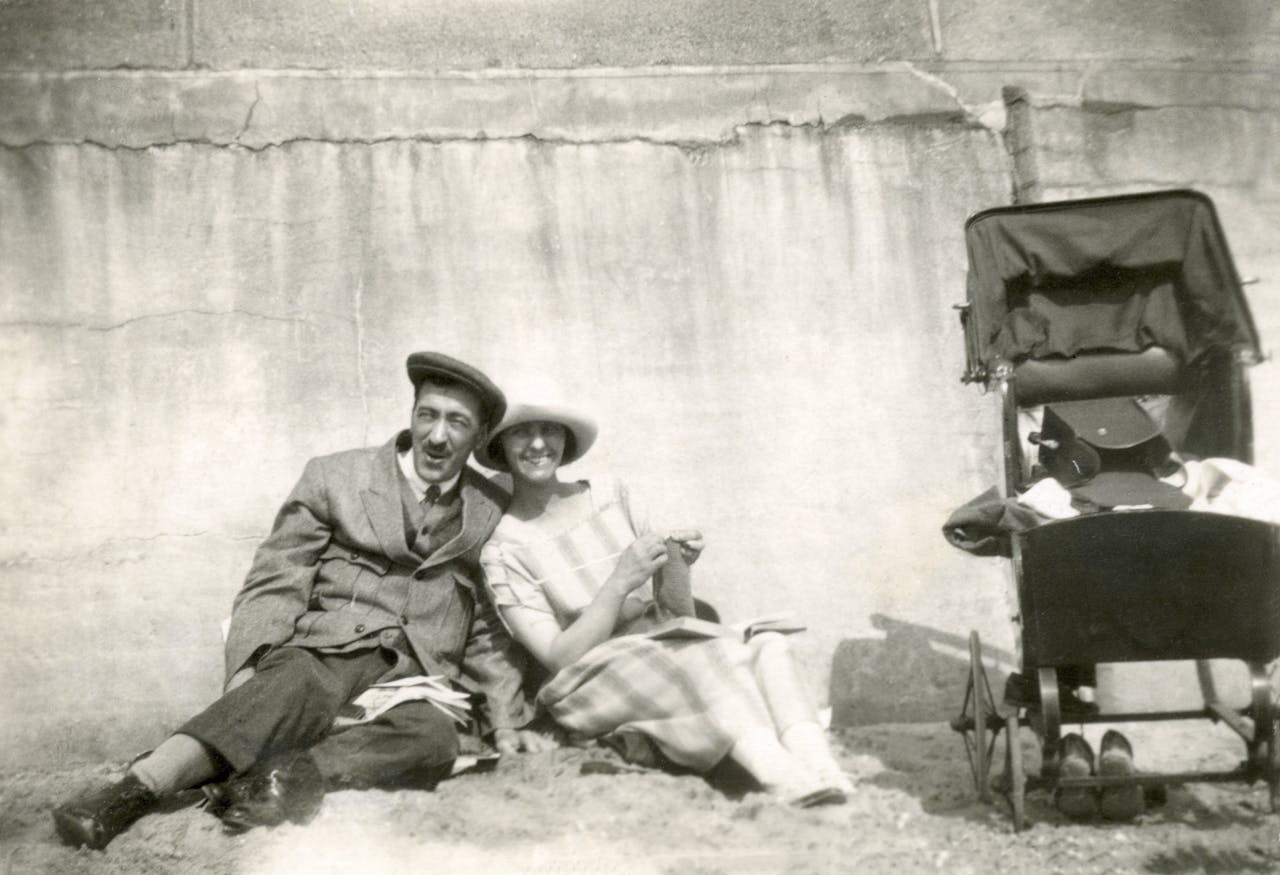
Back in the fifties, air travel was a glamorous event and people dressed accordingly. Men wore suits and ties, while women put on dresses, heels, and gloves, even for short flights. The idea was that flying was a luxury experience that required formality. These days, comfort rules the skies, with sweatpants, hoodies, and sneakers far more common than pearls and neckties. If airlines demanded fifties-style dress codes today, passengers would revolt before boarding the plane.
Separate Beds for Married Couples on TV

Television in the fifties had to stick to strict moral codes, which meant even married couples were rarely shown sharing a bed. Shows like I Love Lucy famously depicted husbands and wives sleeping in twin beds to keep things “decent.” Today’s TV shows often feature far more intimacy than that, and viewers expect realism rather than sanitized family life. The idea of censoring married couples for something as normal as sharing a bed would be laughed off the screen now.
Unquestioned Respect for Authority
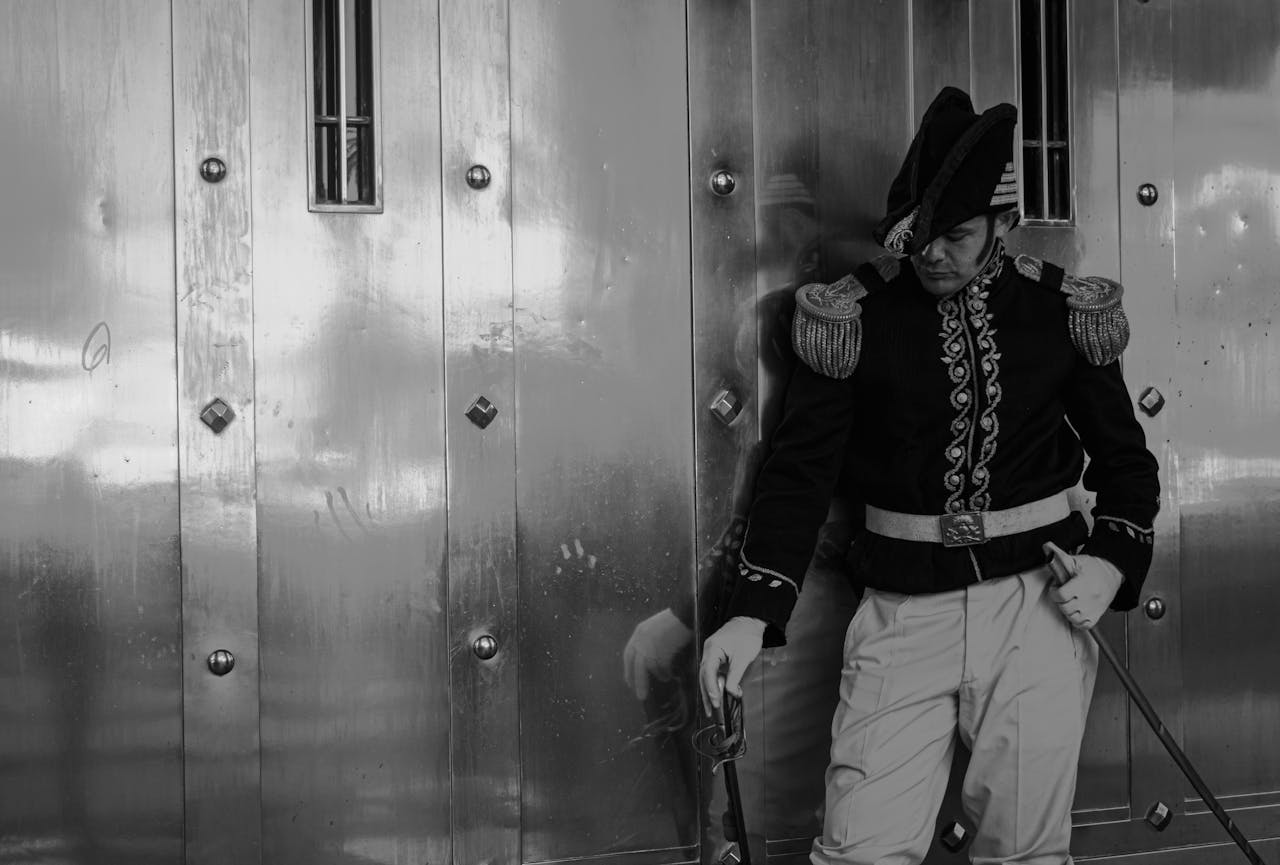
In the fifties, authority figures like teachers, bosses, and government officials were rarely challenged. People tended to accept instructions without pushback, believing that elders and leaders knew best. In modern society, questioning authority is encouraged, and healthy skepticism is seen as a sign of critical thinking. Blind obedience, once a cultural norm, is no longer considered admirable. If the unquestioned respect of the fifties returned today, it would likely spark protests instead of compliance.
Children Roaming Freely

It was common for children in the fifties to spend hours outside without supervision. They rode bikes for miles, played in empty lots, and came home only when the streetlights turned on. While it built independence, modern parents would be horrified at the lack of oversight. Today, the idea of leaving kids unsupervised for that long is considered unsafe, and child protective services might even get involved. The free-range lifestyle of the fifties just would not fly anymore.
Segregated Public Spaces
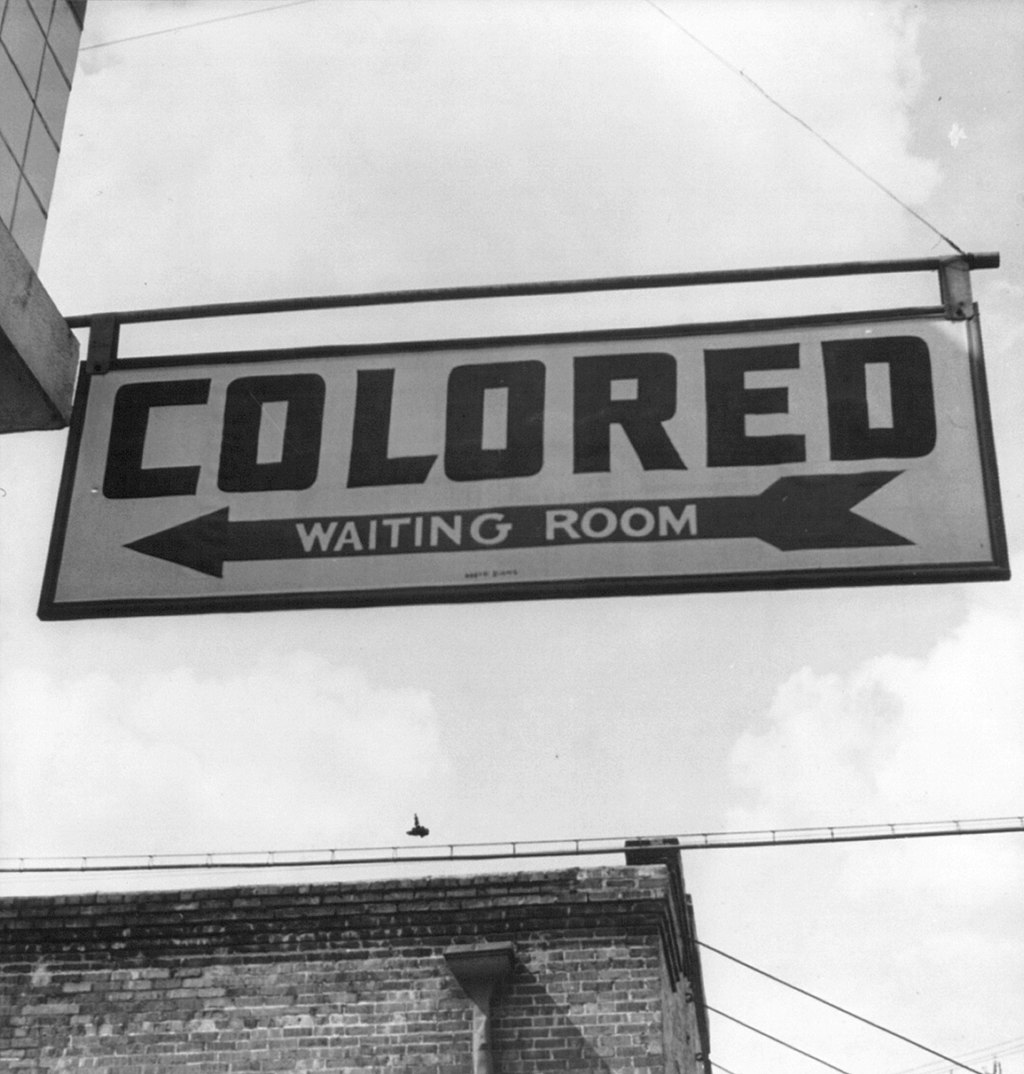
One of the most troubling traditions of the fifties was racial segregation. Schools, buses, restaurants, and even drinking fountains were separated by race in many parts of the country. It was the law in some states and socially enforced in others. Today, segregation is rightfully seen as discriminatory and unjust, and civil rights progress has made it unacceptable. The fact that it was once a widespread American practice shows just how deeply society has evolved since then.
Milk Delivery at the Doorstep
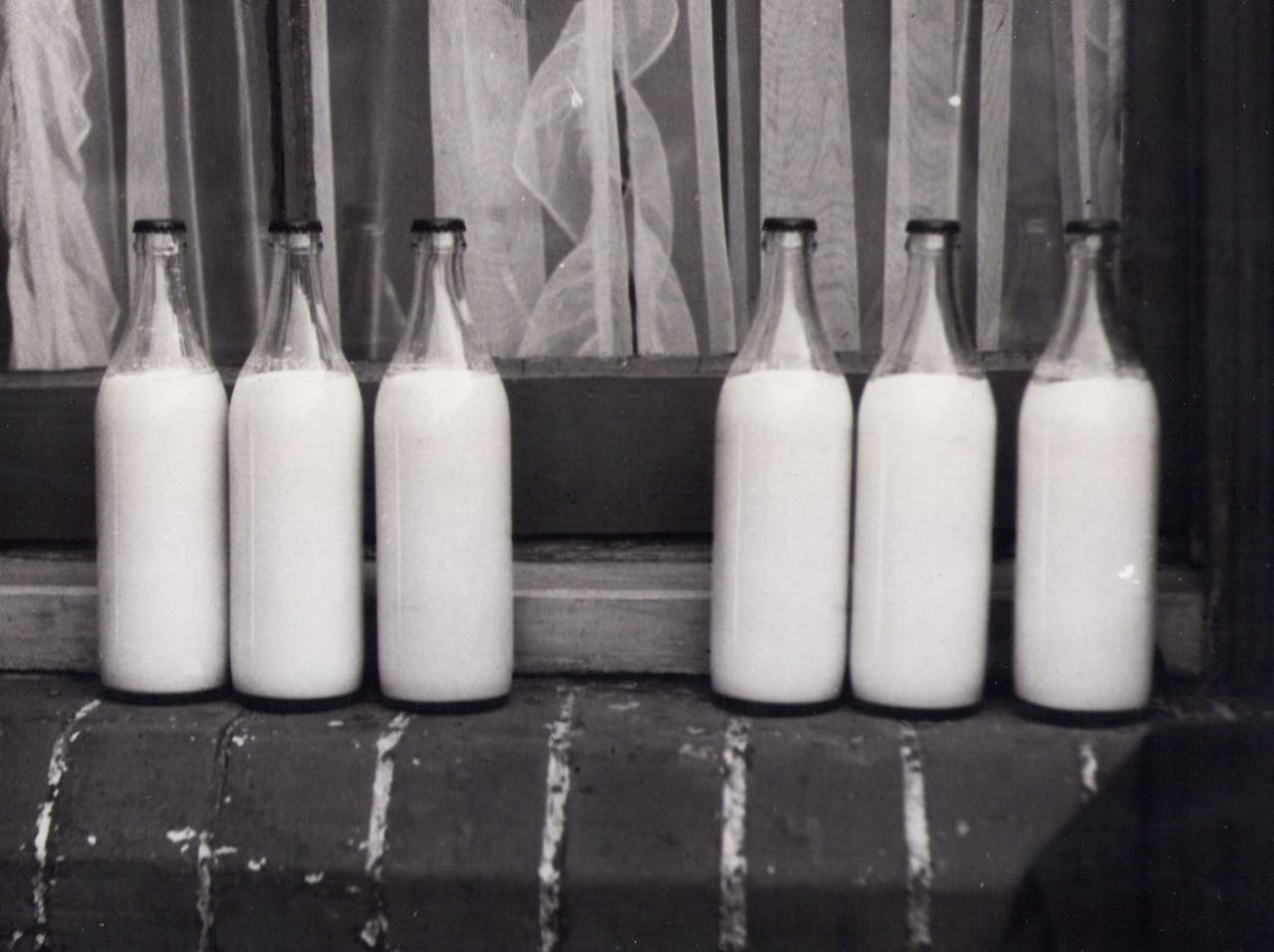
In the fifties, it was normal to have glass bottles of milk delivered right to your front door by the milkman. This service was convenient at the time, since grocery stores were smaller and refrigeration was not as advanced. While charming in hindsight, the tradition would feel outdated today, especially with supermarkets on every corner and endless options for dairy alternatives. The cost and logistics alone would make a daily milk delivery impractical in the modern world.
Advertising Household Products to Children
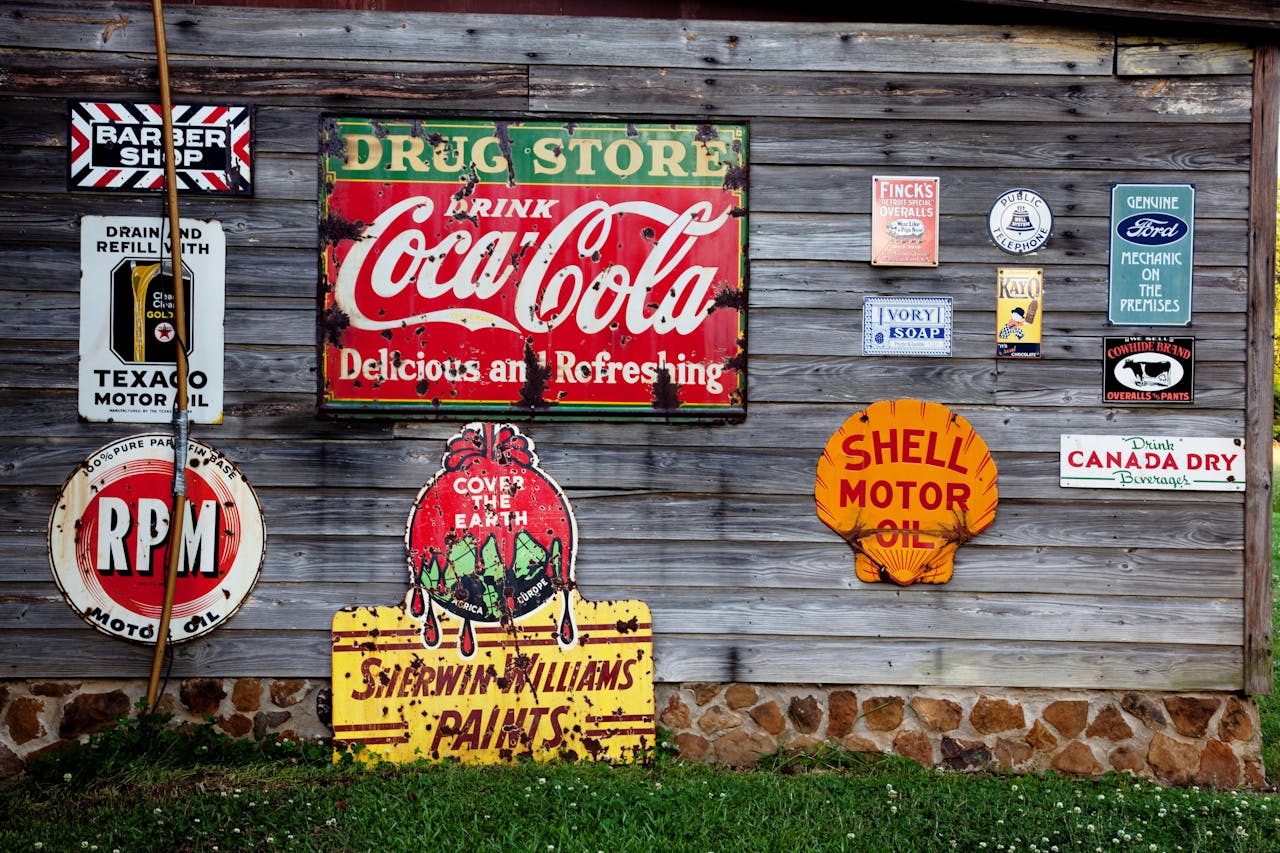
Many fifties commercials targeted kids directly, even for items that were meant for adults. Cigarettes, cleaning products, and kitchen appliances sometimes showed up in ads during children’s programming. Regulations around advertising were much looser, and marketers had free rein. Today, children’s advertising is heavily monitored and restricted to protect young audiences. The idea of marketing a cigarette brand or a vacuum cleaner to kids would cause outrage and lawsuits if attempted now.
Women Needing a Husband to Open a Bank Account

In the fifties, many banks required women to have a husband or male relative co-sign for loans or accounts. It was part of the larger cultural belief that men controlled family finances. Today, the notion is offensive and illegal. Women handle their own money, credit, and investments without permission from anyone else. This outdated financial tradition is one of the clearest examples of how much society has changed, and it is unthinkable that such a rule could return.
TV Dinners as a Family Event
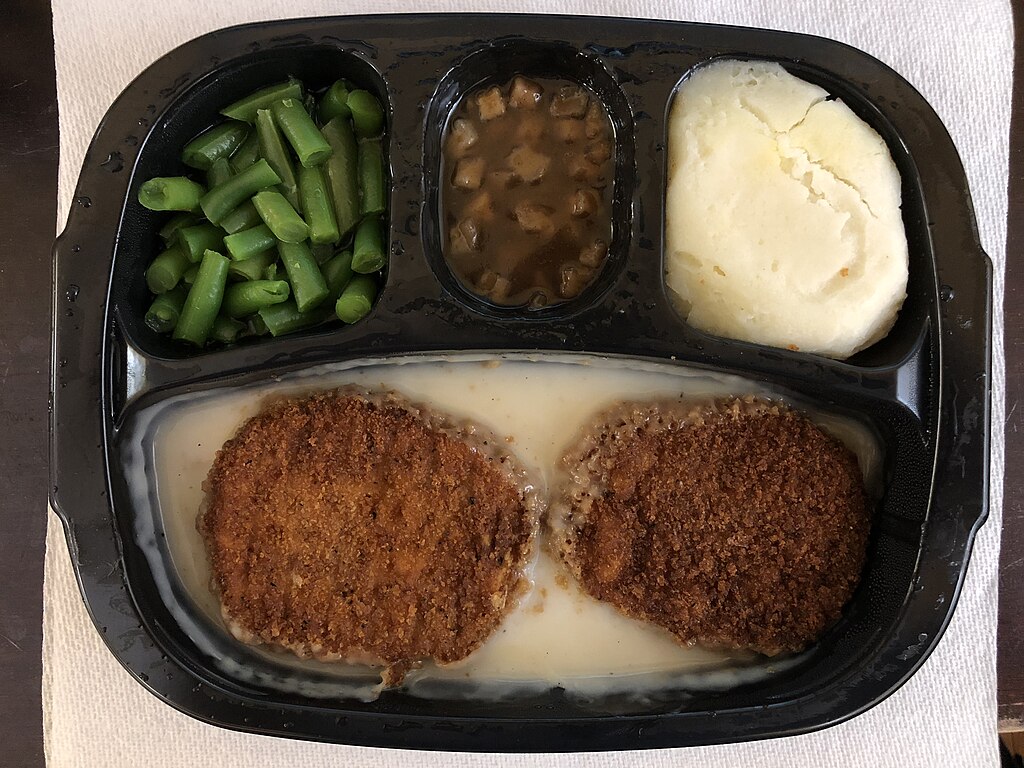
Frozen TV dinners burst onto the scene in the fifties and quickly became a household staple. Families would set up folding trays in the living room and eat while watching their favorite shows. While convenient, it also replaced the traditional family dinner table with individual packaged meals. Today, most people see TV dinners as a last-minute option, not a family ritual. The idea of centering quality family time around reheated trays would likely raise eyebrows rather than excitement.
Automobile Obsession
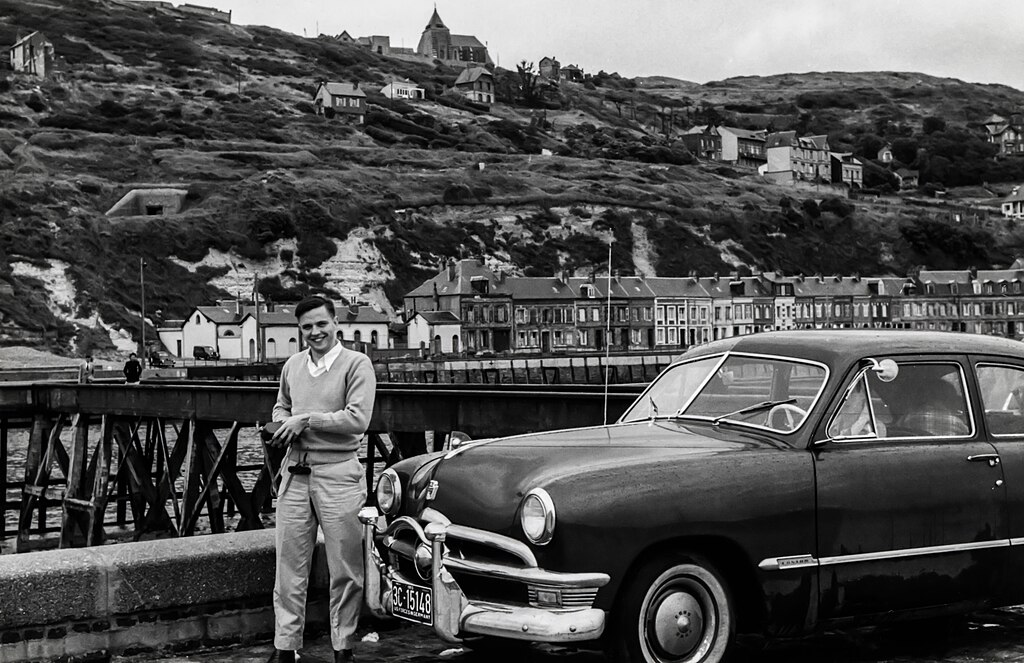
The fifties marked the peak of car culture, with drive-in theaters, diners, and cruising strips defining youth life. Owning a flashy car was a symbol of status, and teenagers spent weekends driving aimlessly for fun. While cars are still important today, the culture has shifted toward sustainability and practicality. With climate concerns, rising gas prices, and growing urban transit systems, the carefree car-obsessed lifestyle of the fifties would not be embraced in the same way anymore.
Unsupervised Fireworks at Home
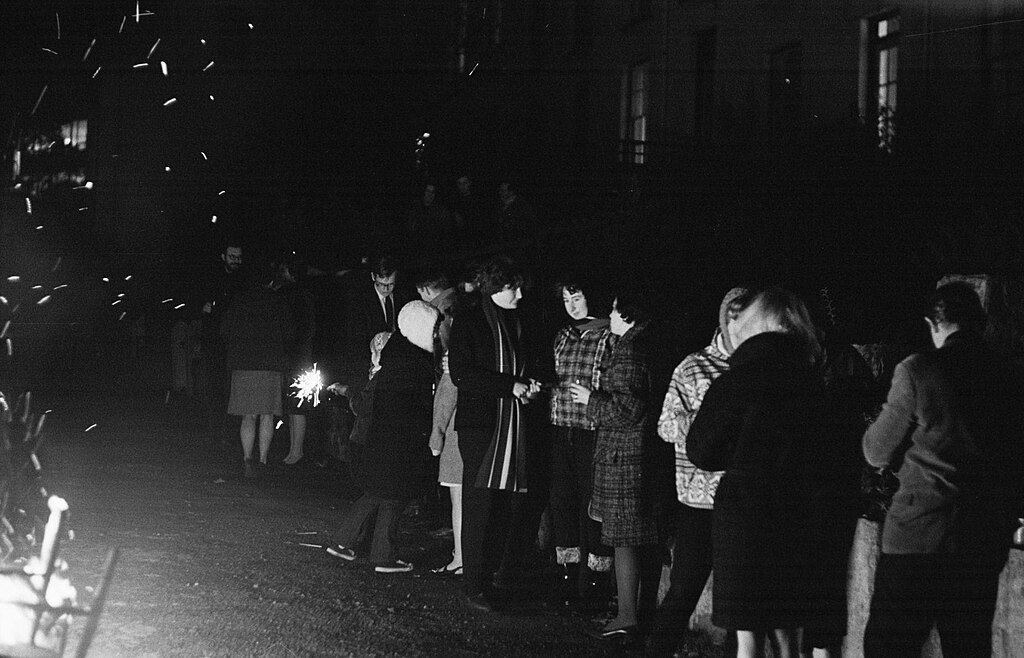
Back in the fifties, families often celebrated holidays by setting off fireworks in their backyards with little concern for safety. Kids lit firecrackers, sparklers, and rockets with minimal supervision. Today, strict regulations and safety standards make that kind of home display far less common. Fireworks are usually left to professionals or allowed only with special permits. The casual, do-it-yourself fireworks tradition of the past would be considered far too risky for modern families.
The 1950s may seem charming and nostalgic at first glance, but many of its customs would feel out of place in today’s world. Social progress, technology, and shifting values have transformed how we live, work, and raise families. While some of these traditions bring a smile in hindsight, others highlight how far society has come. Looking back is a reminder that culture is always evolving, and what feels normal today may one day look just as outdated.