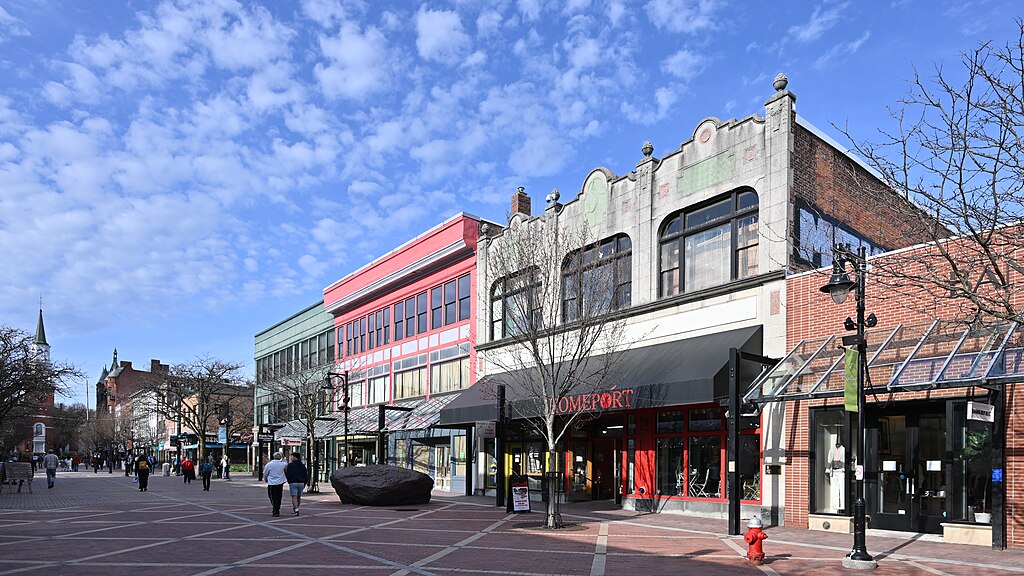
Across the United States, several towns have chosen to limit or ban large corporate chains to protect local identity and small businesses. These decisions often reflect a commitment to preserving historic character, supporting independent commerce, and maintaining economic balance. By prioritizing local over corporate, these communities create unique atmospheres that attract residents and tourists alike. Such policies demonstrate the power of collective civic values in shaping town culture.
Carmel-by-the-Sea

Carmel-by-the-Sea has long restricted chain businesses through strict zoning laws to preserve its artistic and historic charm. The town prioritizes independently owned shops, boutiques, and art galleries. By maintaining these restrictions, Carmel supports local craftsmanship and creativity, making its streetscape visually cohesive. Residents consistently emphasize the value of small business ownership over corporate expansion, which helps sustain the town’s distinctive cultural identity.
Sedona

Sedona actively limits chain development to protect its natural landscapes and scenic beauty. Local leaders emphasize environmental preservation and compatibility with the town’s aesthetic vision. Large brands are often deemed disruptive to both tourism and the community’s small-town feel. By enforcing these limits, Sedona has fostered a thriving independent business environment while ensuring that development does not compromise its iconic red-rock scenery.
Bar Harbor
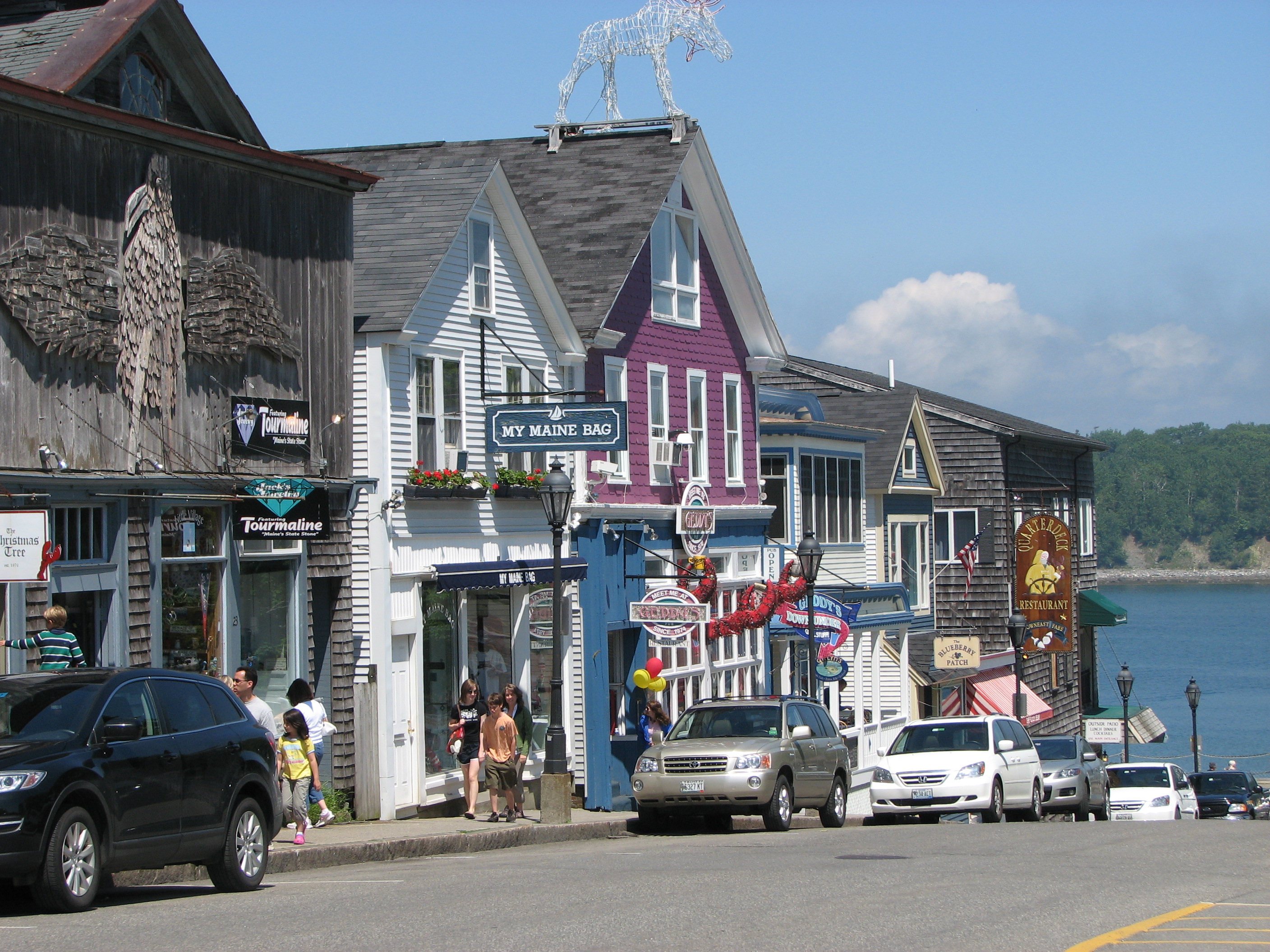
Bar Harbor restricts chain establishments to support its local economy and historic waterfront character. The town’s policies encourage small businesses, restaurants, and artisanal shops to dominate the commercial landscape. Tourists often cite the town’s unique charm and locally oriented shopping experiences as major attractions. Residents favor these restrictions to promote economic sustainability and prevent homogenization by mass-market corporations.
Burlington
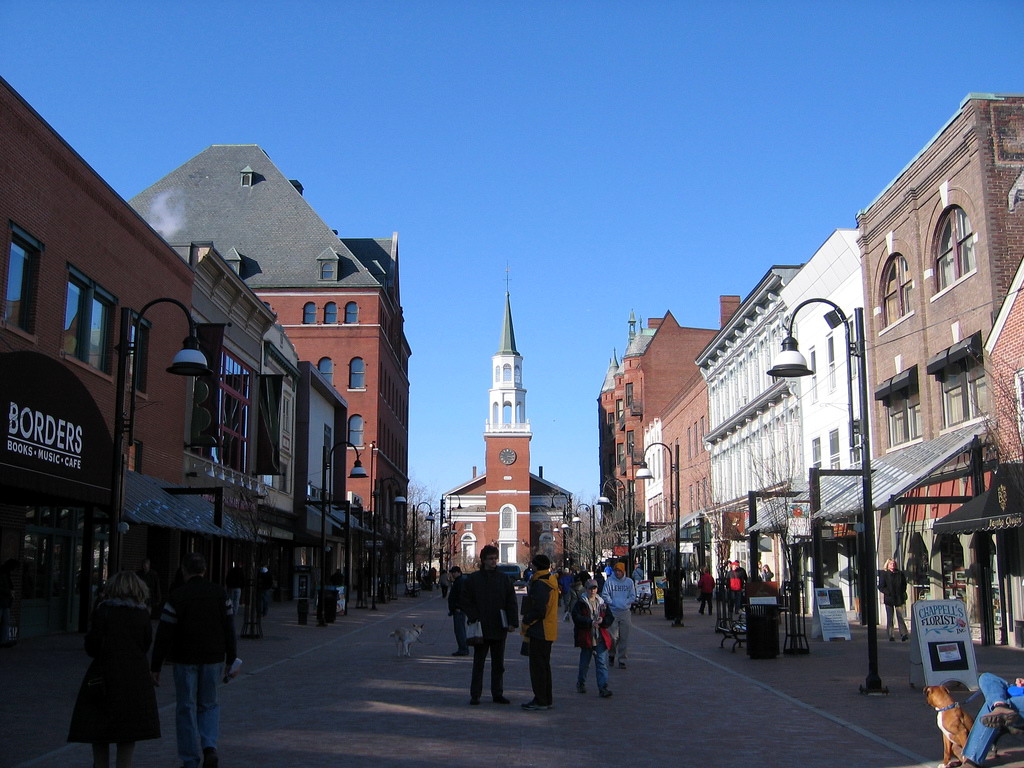
Burlington enforces formula business restrictions in its downtown district, aiming to encourage distinctive, locally owned shops. Community input played a significant role in shaping these regulations. The policies have created a vibrant retail culture centered on independent entrepreneurship. By limiting chains, Burlington has fostered innovation, diversity, and engagement among local business owners and residents alike.
Port Townsend

Port Townsend preserves its Victorian-era architecture and historic character through strict zoning rules that limit chain stores. Local businesses remain central to the town’s economic and cultural identity. Residents and civic leaders prioritize heritage conservation while supporting sustainable commerce. The town’s approach ensures that its historic charm remains intact and visually consistent across streetscapes.
Arcata

Arcata has passed ordinances restricting chain retailers in response to community activism. The town emphasizes sustainability, local ownership, and environmentally conscious business practices. By limiting corporate expansion, Arcata fosters economic self-reliance and supports independent shops. Residents see these policies as essential to maintaining a socially and culturally responsible community.
Telluride
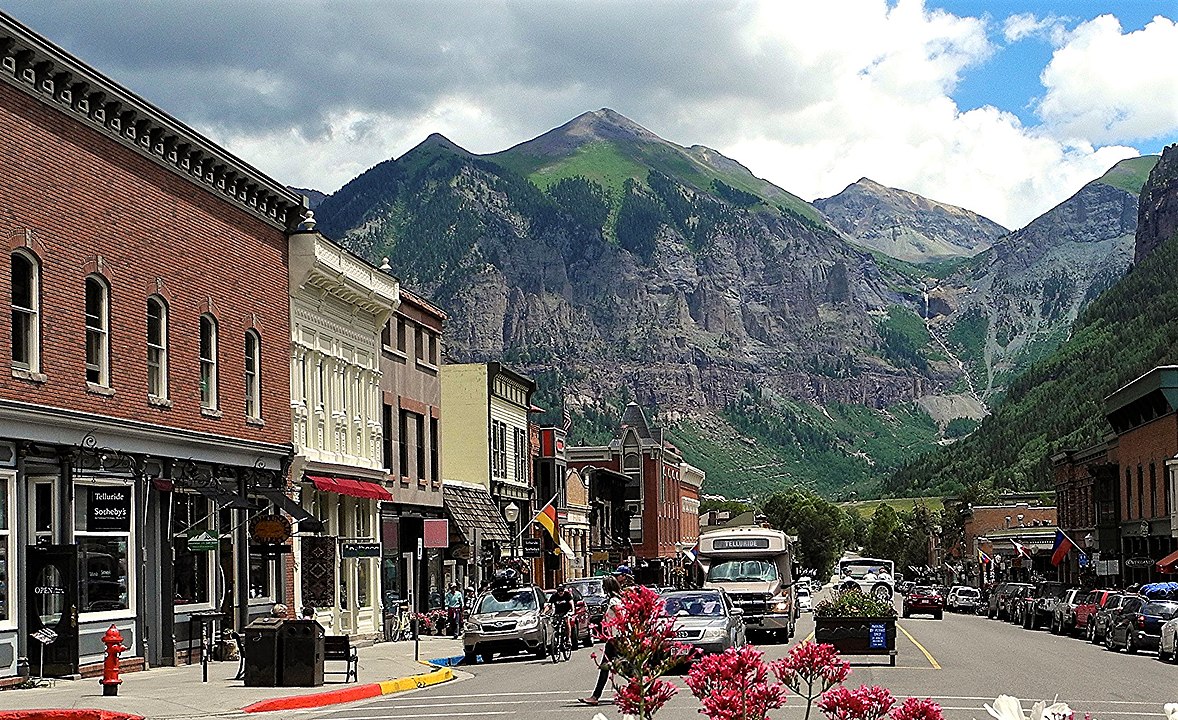
Telluride restricts chains to preserve its historic downtown and small-town identity. Tourism and local commerce are built around independently owned shops and restaurants. Corporate branding is carefully controlled to avoid visual disruption and loss of character. This approach allows Telluride to balance economic growth with preservation of authenticity and unique community values.
Key West

Key West enforces zoning restrictions to limit chain businesses in historic neighborhoods. Local culture, architecture, and heritage are prioritized over mass commercial interests. Independent shops, cafes, and galleries dominate streetscapes, enhancing the town’s appeal to tourists. These measures support the preservation of Key West’s unique charm and cultural vibrancy.
Traverse City

Traverse City encourages local entrepreneurship while scrutinizing chain business expansion through zoning laws. Residents and city planners focus on fostering community-based commerce. This approach blends economic growth with preservation of small-town character. Local shops, artisan markets, and independent restaurants thrive under these policies, maintaining the city’s distinctive cultural identity.
Sausalito
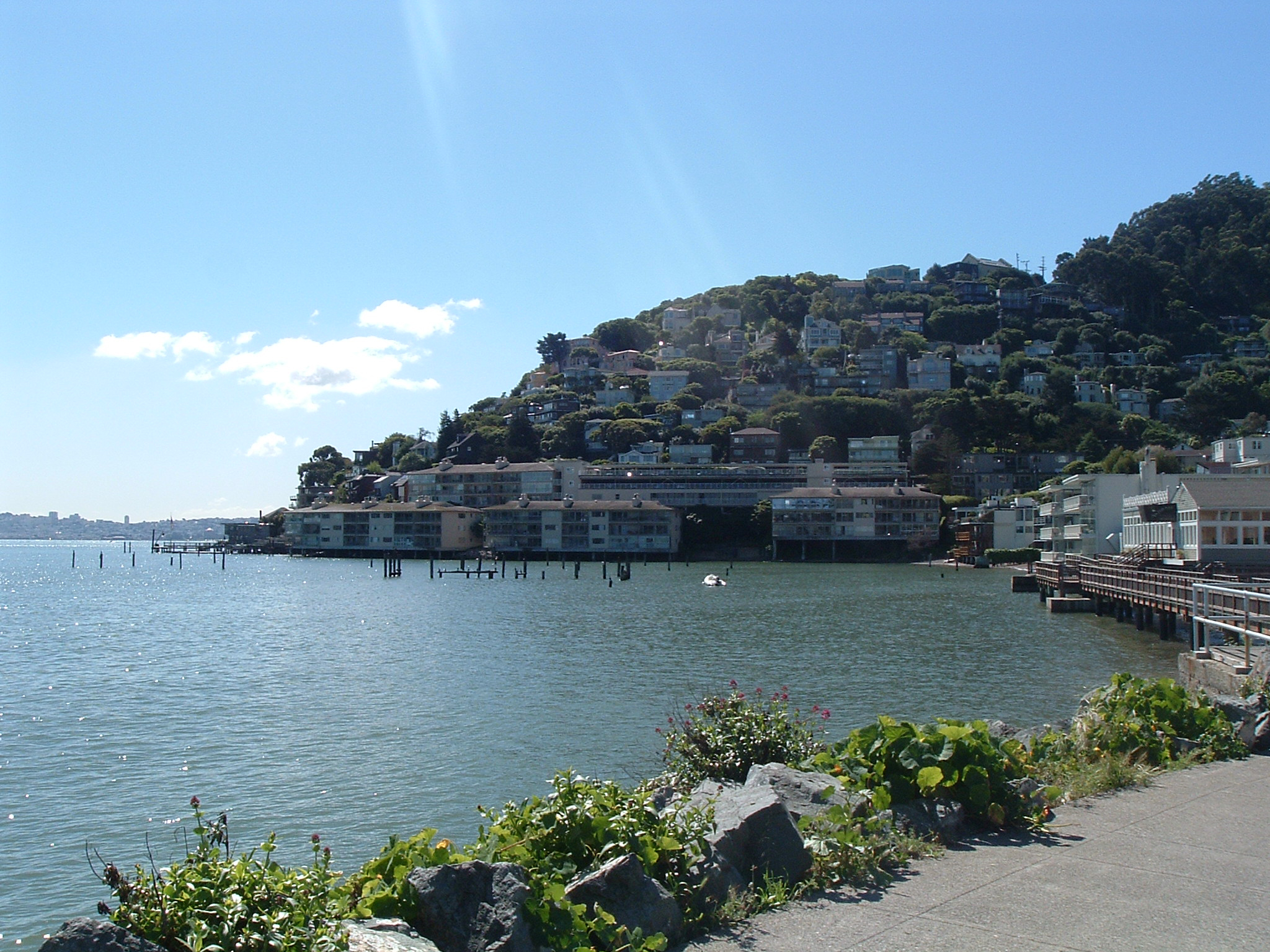
Sausalito limits formula retail to protect its waterfront charm and artistic identity. Art galleries, independent boutiques, and small eateries dominate the local economy. Residents actively oppose large-scale branding that could disrupt the town’s aesthetic cohesion. These restrictions ensure Sausalito retains its scenic character and vibrant, locally focused commercial landscape.
Ashland
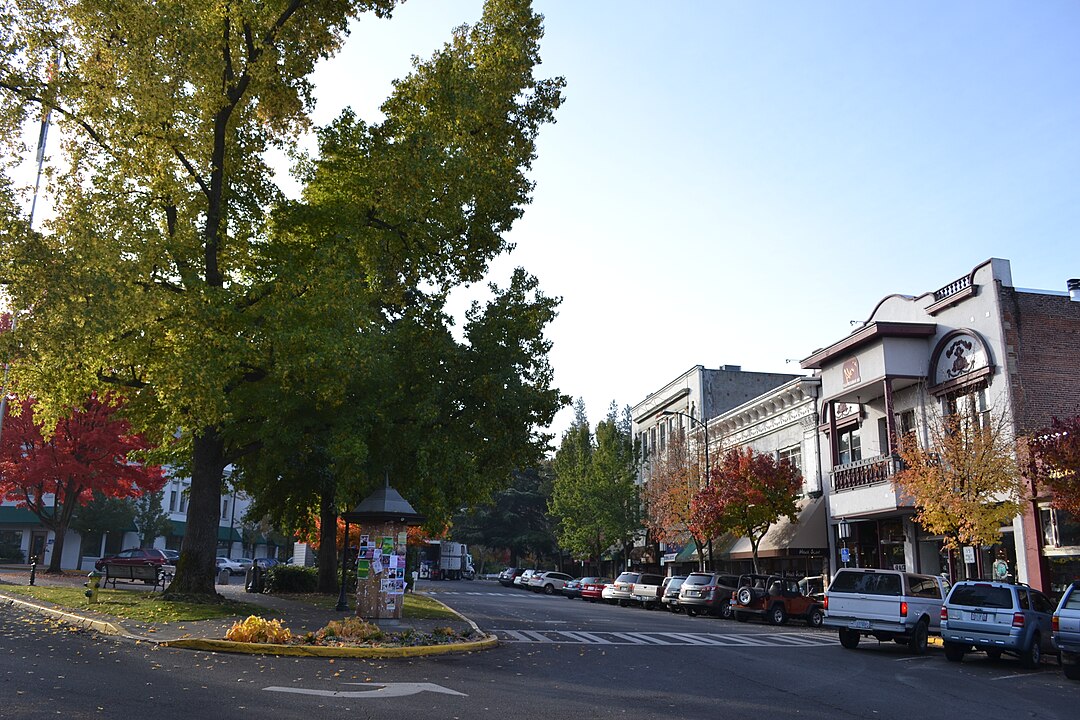
Ashland prioritizes cultural preservation in its downtown district, placing regulatory hurdles on chain businesses. The town supports independent retailers, particularly those tied to the arts and theater scene. Community character and engagement remain central to Ashland’s identity. By limiting corporate influence, the town encourages economic diversity and artistic expression.
Hudson

Hudson promotes small business growth through zoning and community-driven policies. Historic preservation guides commercial development decisions. Residents favor unique storefronts over corporate chains to maintain the town’s charm and creative atmosphere. The city’s policies create a dynamic local economy that balances growth with cultural and historic integrity.
Fairfield

Fairfield emphasizes locally owned enterprises in its economic planning. Chain retailers are intentionally limited to support small business growth. Community values and civic engagement drive these decisions. By prioritizing independent commerce, Fairfield ensures its downtown area remains vibrant, distinctive, and reflective of local culture.
Yellow Springs

Yellow Springs actively supports local businesses, using community activism to limit corporate presence. Independent shops, restaurants, and services define the town’s culture. Residents see local entrepreneurship as key to maintaining social cohesion and economic sustainability. Policies restricting chains help the town retain its quirky, creative, and welcoming identity.
Bisbee

Bisbee restricts chain expansion to preserve its historic mining town heritage. Local artisans, galleries, and small retailers thrive under these protections. Residents prioritize authenticity and uniqueness over mass-market convenience. The town’s economic framework reflects its commitment to preserving character and promoting independent commerce.