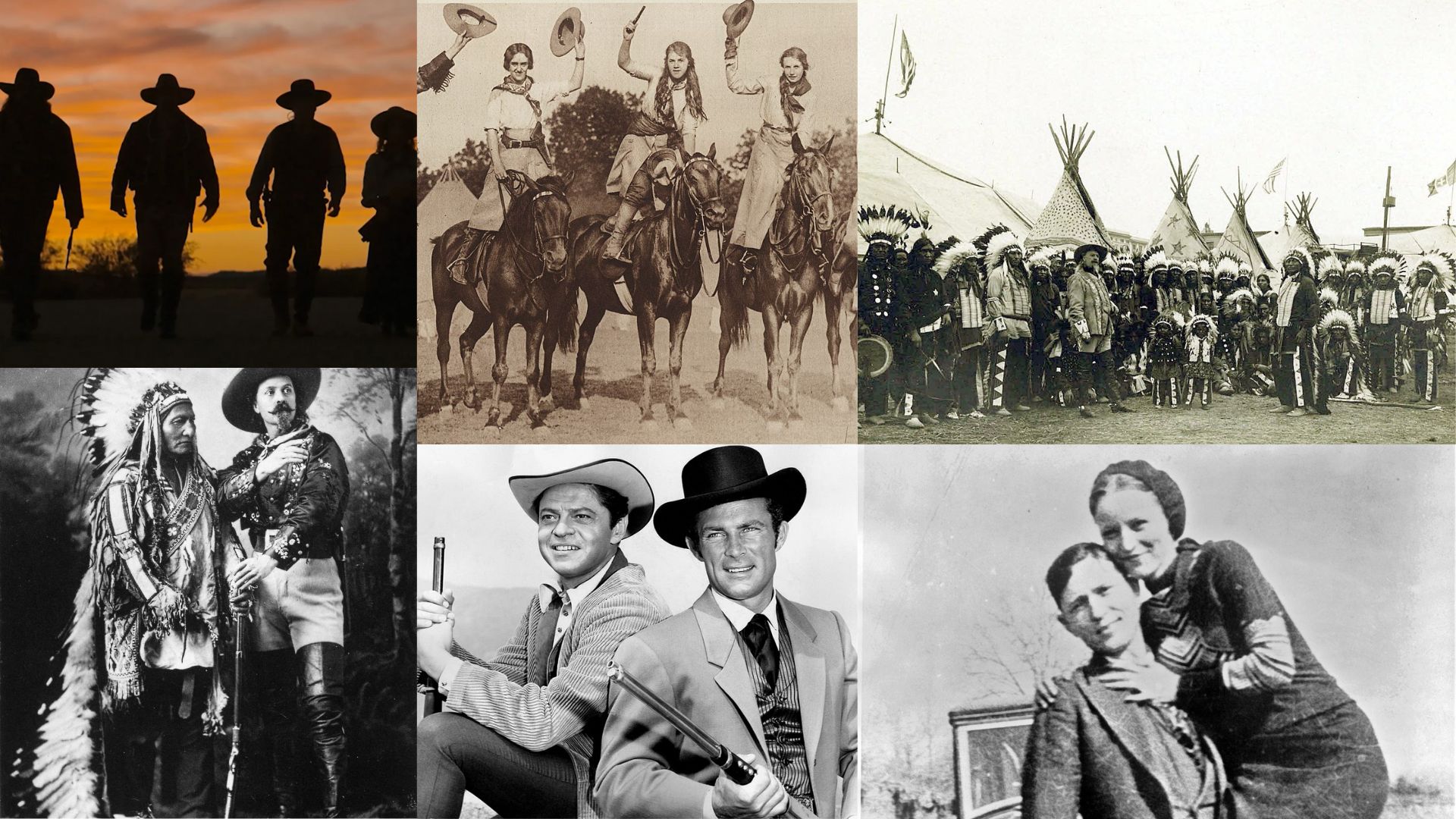
The Wild West, immortalized in movies and TV, often feels like a world of dusty duels, heroic sheriffs, and rugged outlaws. Yet much of that cinematic legend doesn’t hold up to history. The real American frontier was far more diverse, complex, and civilized than Hollywood ever let on.
The West Wasn’t Constantly Lawless
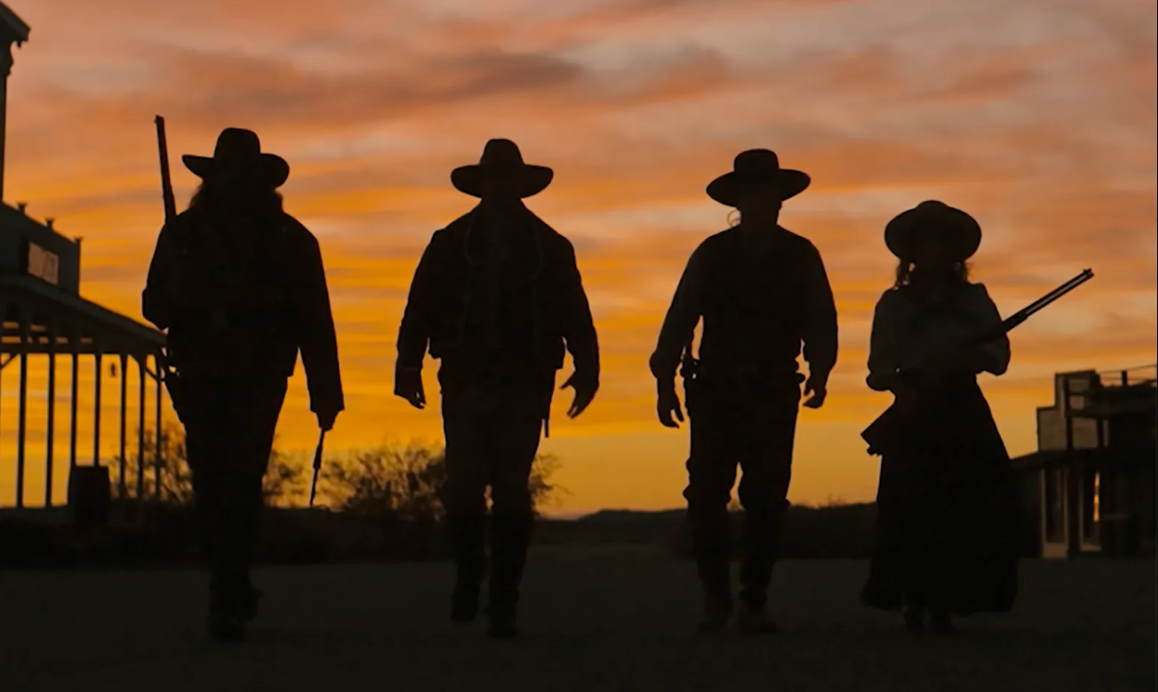
Despite what films depict, frontier towns were not plagued by nonstop gunfights and chaos. Many western settlements had functioning courts, elected officials, and even curfews. Historical records show that towns like Dodge City had fewer murders per capita than major Eastern cities. The image of the lawless frontier was largely a dramatic invention.
Cowboys Didn’t Constantly Carry Guns
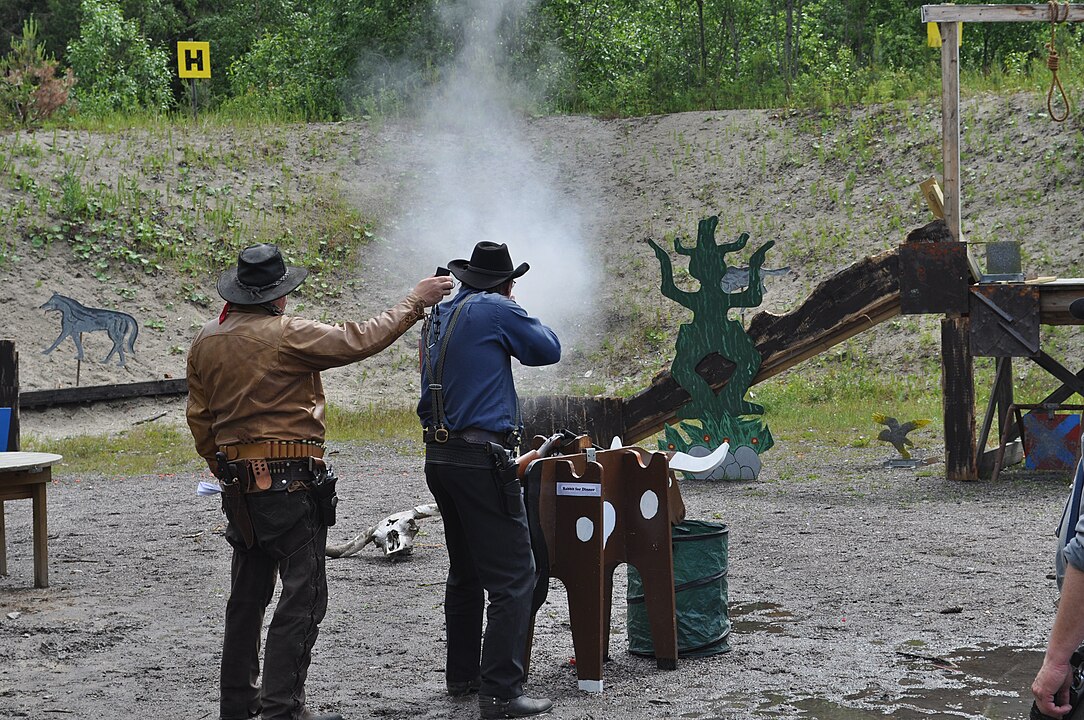
Contrary to movie scenes where every cowboy brandishes a revolver, most ranchers rarely carried firearms. Guns were heavy, expensive, and unnecessary for daily cattle work. Town ordinances often banned weapons inside city limits. The real cowboy was more likely to hold a lasso than a pistol.
Quick-Draw Duels Were Rare
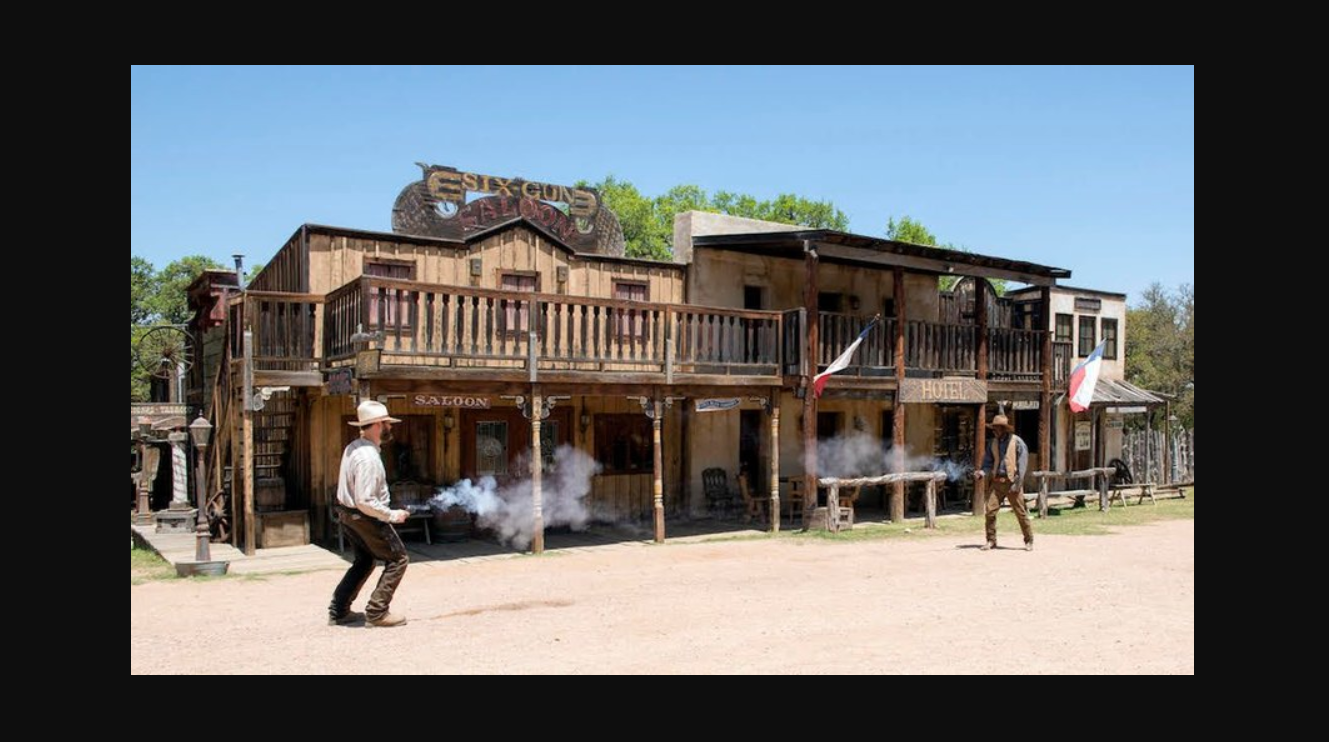
The iconic “high noon” showdown almost never happened in real life. Gunfights were typically messy, spontaneous, and involved ambushes rather than fair duels. The myth was popularized by dime novels and early Western films, not by history. Real disputes were usually settled through talk, or by law enforcement.
Native Americans Were Not the Primary Aggressors
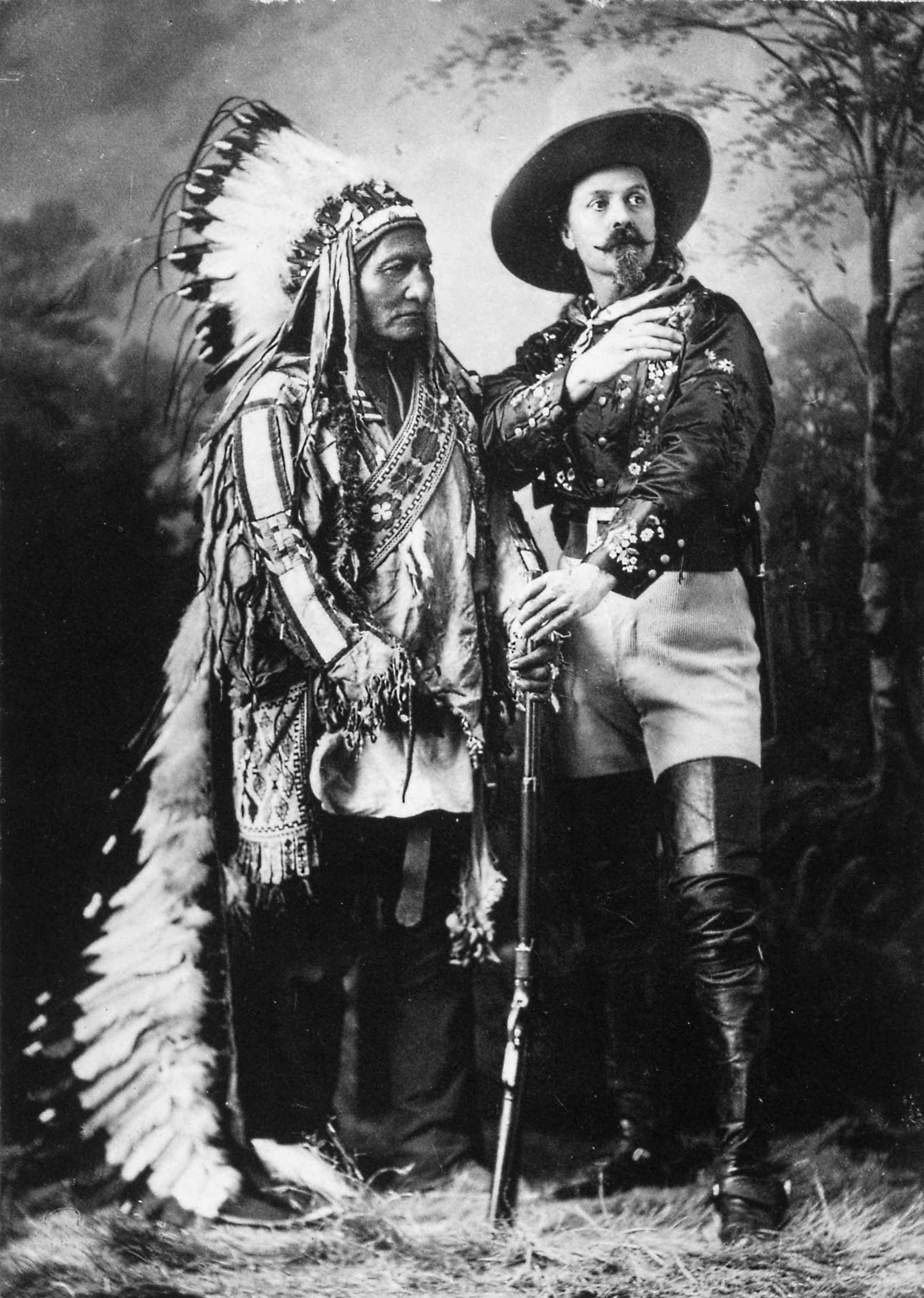
Hollywood often painted Indigenous peoples as the villains, but history shows they were defending their lands and way of life. Many tribes negotiated treaties, sought peaceful coexistence, and traded regularly with settlers. The majority of violent conflicts arose from broken promises and encroachment by settlers. The truth is far more tragic and nuanced.
The West Was Incredibly Diverse
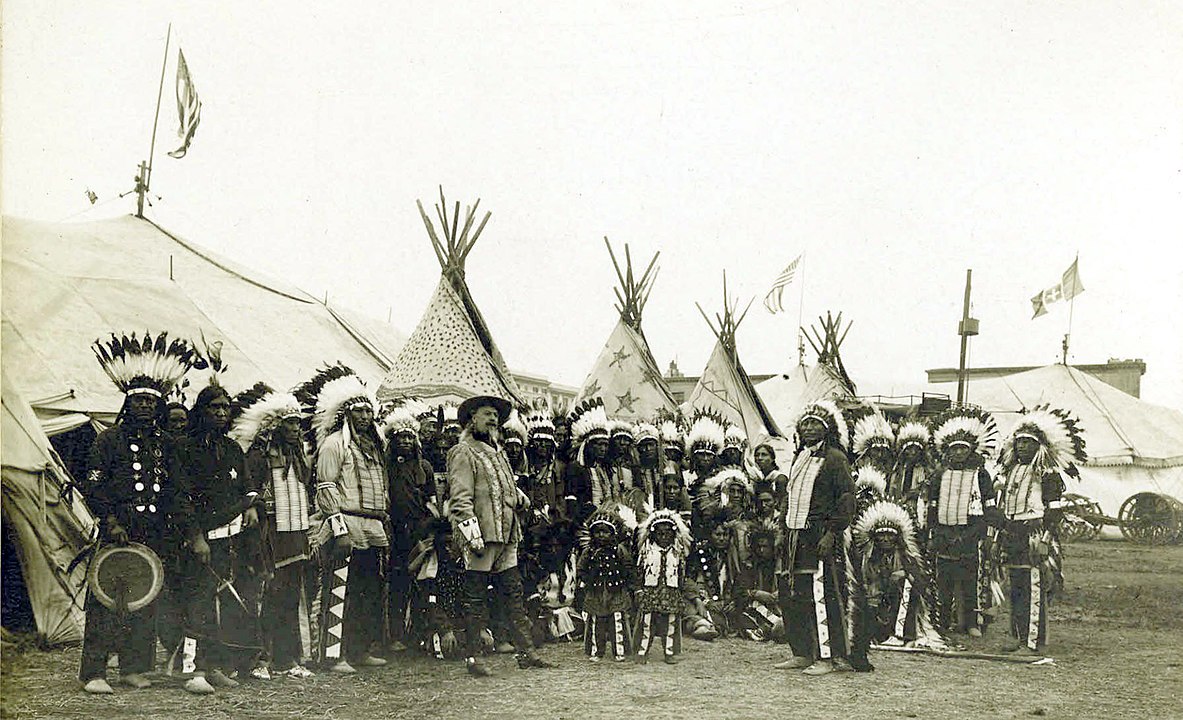
Movies typically feature white male heroes, yet the real frontier included African Americans, Chinese immigrants, Mexicans, and women shaping communities. About a quarter of all cowboys were Black or Latino, and women ran businesses, newspapers, and ranches. The Wild West was a melting pot long before the term existed.
Sheriffs Were Not Always Heroes
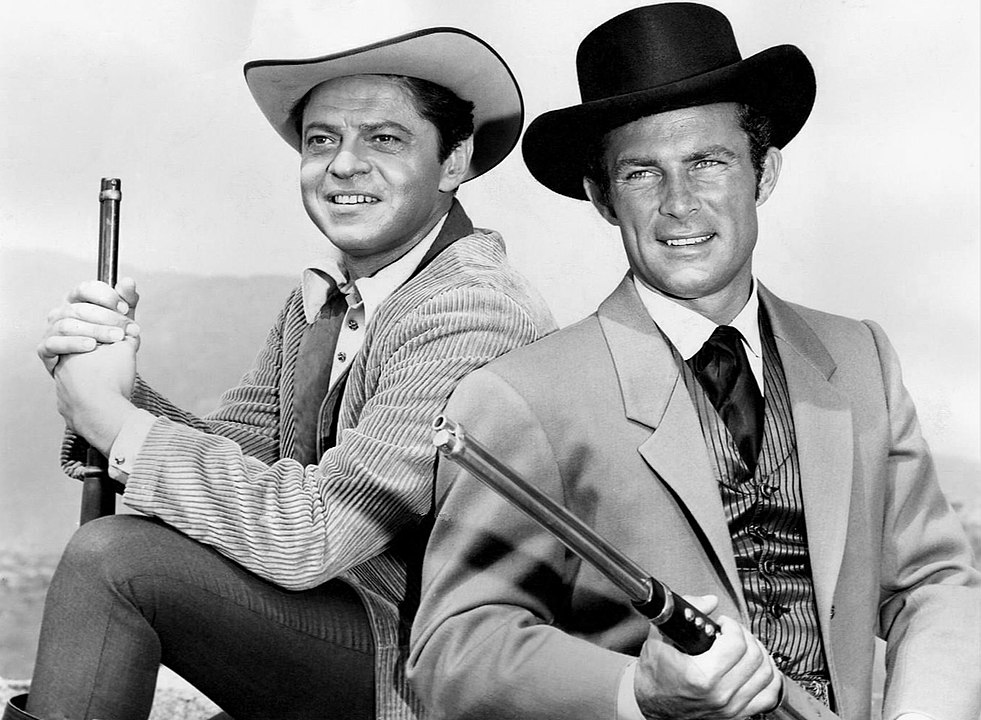
Many famous lawmen, such as Wyatt Earp, were complicated figures who blurred moral lines. Some worked both sides of the law, gambling or even participating in criminal activity. Their reputations grew through self-promotion and sensationalist journalism. The heroic sheriff archetype is more fiction than fact.
Outlaws Weren’t Romantic Rebels
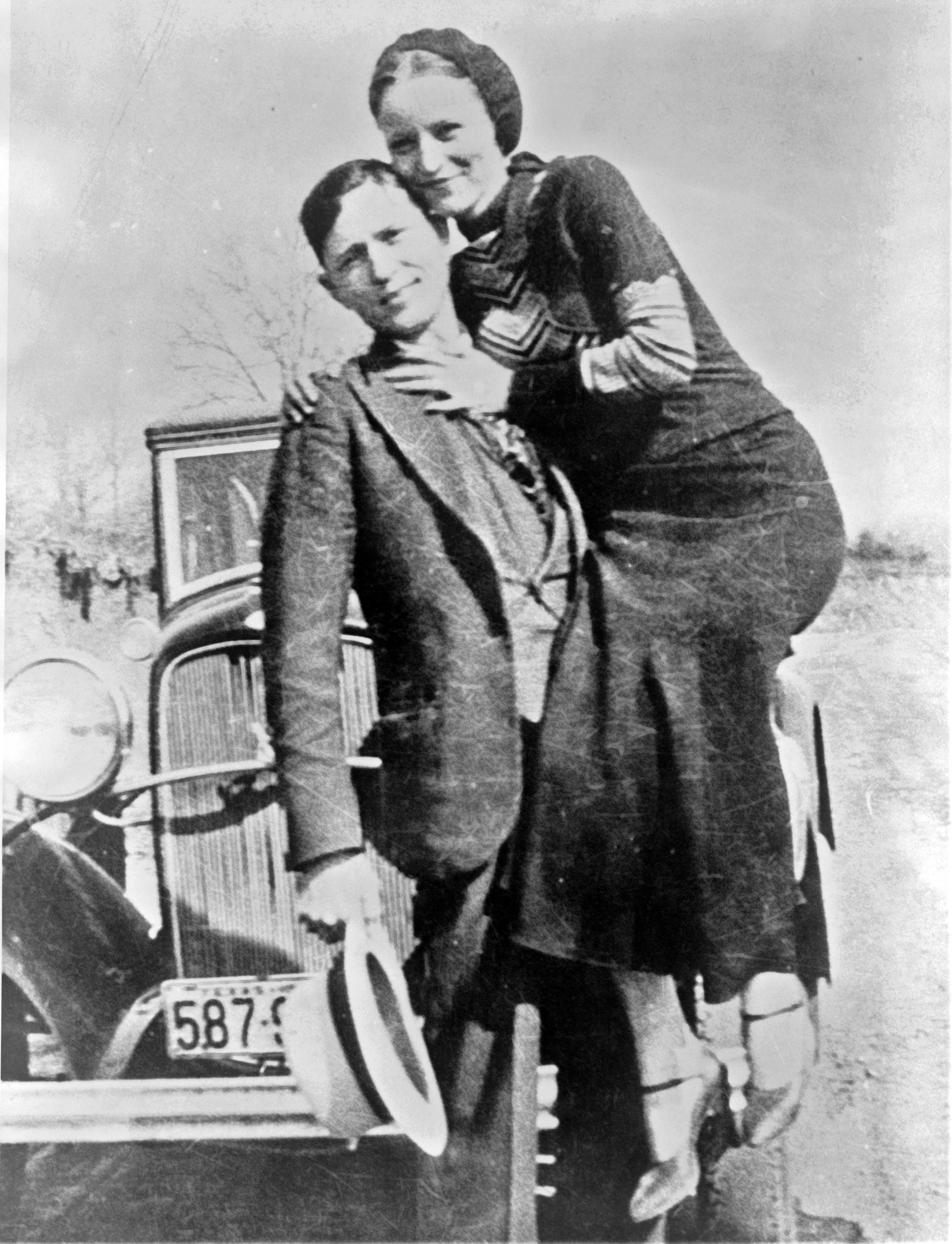
Hollywood often glorifies figures like Jesse James as folk heroes, but most outlaws were violent criminals. They robbed trains and banks, killed innocents, and terrorized small communities. The myth of the noble outlaw was crafted by journalists and filmmakers eager for dramatic storytelling. The truth was far bloodier and less glamorous.
Cowboys Didn’t Constantly Drink Whiskey

Contrary to the barroom brawls seen on screen, alcohol was expensive and often diluted. Most cowboys drank coffee, water, or beer when available. Saloons were social hubs for gambling and entertainment, not constant violence. The whiskey-swilling cowboy is one of cinema’s biggest exaggerations.
Women Played Larger Roles Than Depicted
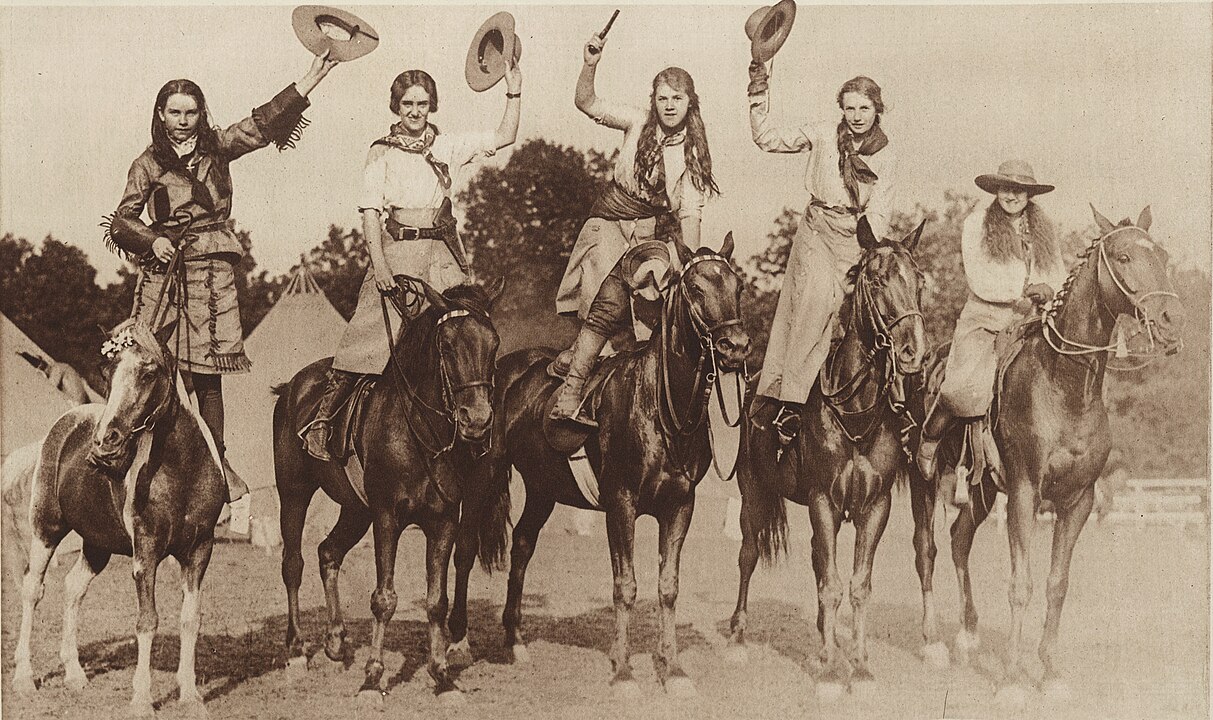
Hollywood often casts women as saloon girls or helpless homesteaders, but frontier women were leaders, healers, and entrepreneurs. Figures like Calamity Jane and Annie Oakley broke gender barriers, while countless unnamed women managed farms and businesses. Their contributions kept frontier life functioning.
The West Wasn’t Always Dusty Desert
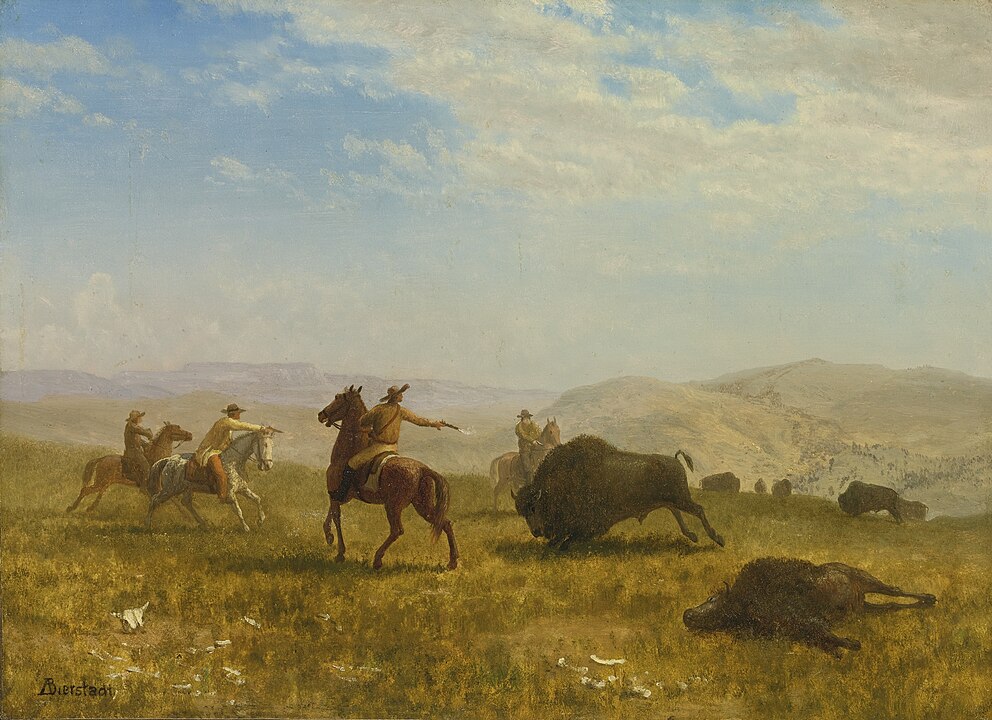
The Western U.S. spans forests, mountains, and fertile plains, not just barren deserts. States like Montana and Colorado were lush with rivers and greenery. Hollywood’s endless sandy landscapes misrepresent the region’s varied geography. Real settlers dealt with snow, rain, and challenging climates.
Barroom Fights Were Exaggerated
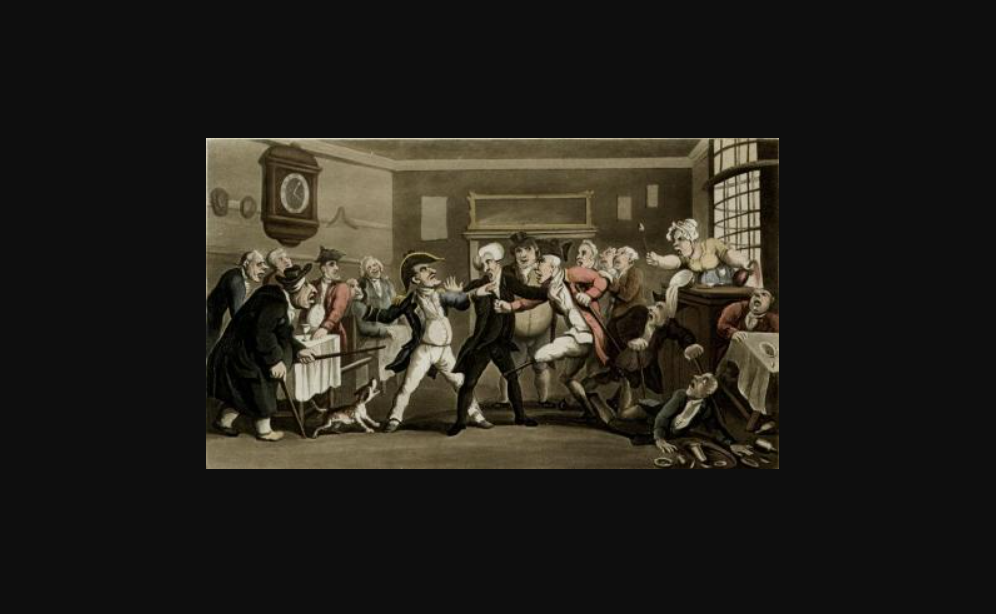
Brawls in saloons make for great cinema, but in reality, most patrons avoided violence. Bar fights did occur, but frequent gunfire inside a crowded wooden building was rare. Bartenders enforced strict house rules, and breaking them could mean permanent expulsion. The quiet tension of the frontier was far more common than chaos.
Trains and Stagecoaches Were Safer Than Portrayed
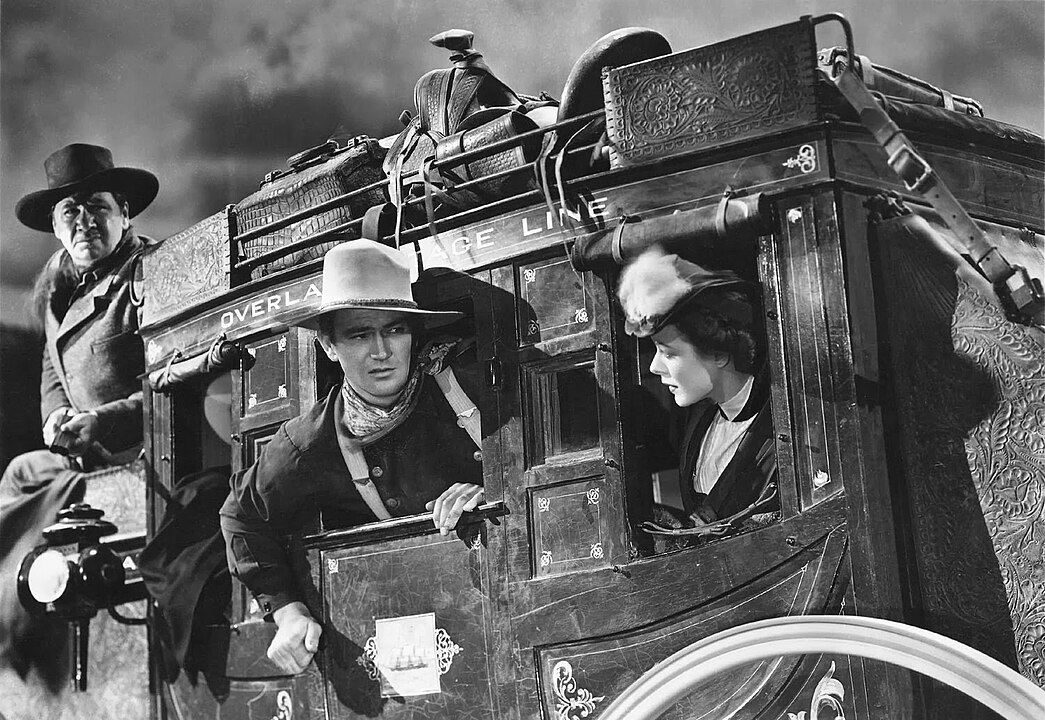
Robberies were extremely rare compared to how often they appear in Western movies. Companies employed armed guards, and communities harshly punished thieves. Most journeys were uneventful, though uncomfortable. The sense of constant peril was largely Hollywood invention.
“Cowboy” Was a Job, Not a Lifestyle
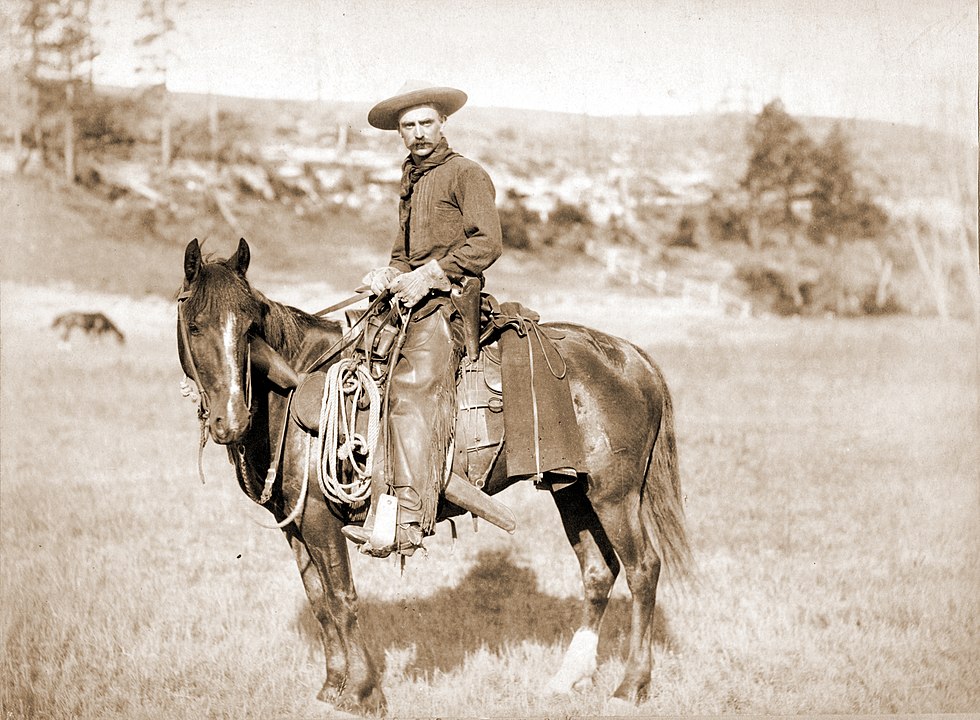
Cowboys worked long, grueling hours herding cattle across vast distances. It was seasonal labor, not a romantic adventure. Pay was low, injuries were common, and comforts were minimal. The cowboy myth of freedom and rebellion masks a demanding, often thankless profession.
The Frontier Ended Sooner Than You Think
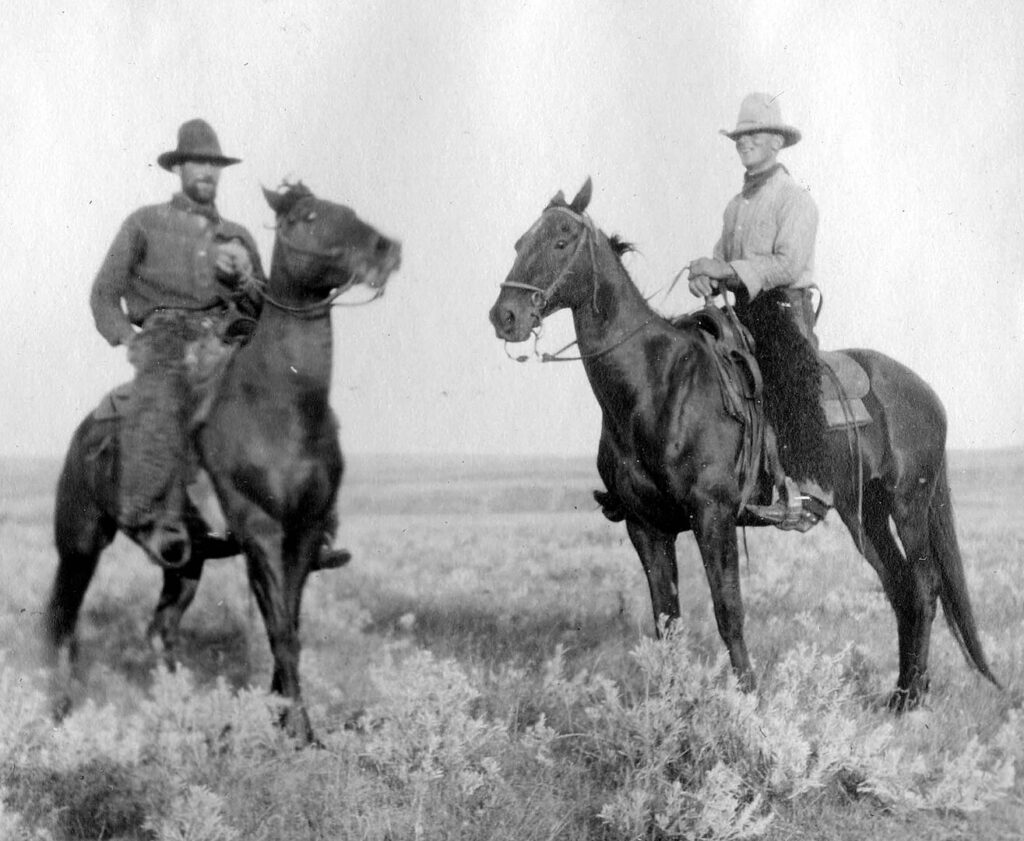
Hollywood stretches the Wild West era into the early 1900s, but by the 1890s, railroads and telegraphs had already connected the continent. Many western territories had newspapers, telephones, and schools. The “untamed” West existed for only a few decades before modernity took over.