Native American communities across North America are reclaiming, revitalizing, and reshaping their cultural heritage with both traditional practices and modern innovation. From language revival to environmental stewardship, these efforts blend ancestral wisdom with contemporary tools, ensuring that their identity continues to thrive for generations.
Language Revitalization Through Immersion Schools
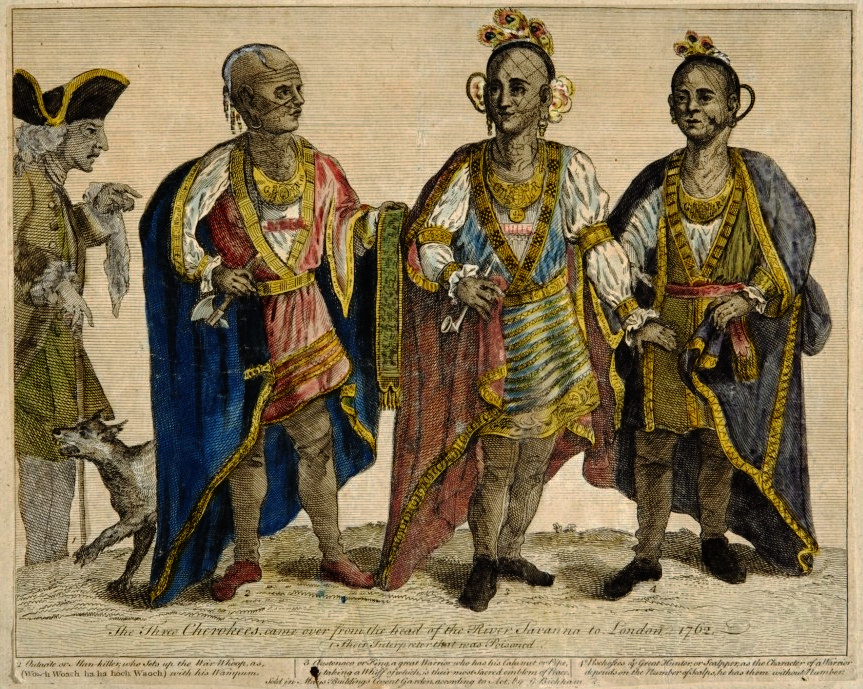
Many tribes are prioritizing language preservation through immersion programs that teach children their ancestral tongues from an early age. The Cherokee Nation, for instance, operates language academies that produce fluent speakers by integrating Cherokee into daily education. Elders and linguists collaborate to record oral histories, while digital dictionaries make learning accessible worldwide. These schools not only protect the language but also nurture a cultural worldview tied to words and expression.
Protecting Sacred Lands and Natural Resources

Environmental stewardship remains central to Native American identity. Tribes are actively managing forests, rivers, and sacred sites with sustainable practices grounded in centuries-old ecological knowledge. From the Lummi Nation’s salmon restoration to Navajo solar energy projects, Indigenous communities are blending ancient respect for the Earth with modern technology. Protecting these lands ensures spiritual balance and ecological resilience.
Reclaiming Traditional Foods and Farming

Food sovereignty movements are reviving Indigenous agriculture through heirloom seeds and traditional farming methods. Communities like the Oneida Nation are reintroducing ancestral corn varieties, while others cultivate wild rice and medicinal plants. These efforts restore self-sufficiency and nutrition while reconnecting younger generations with sacred food traditions. The practice also resists industrial agriculture’s environmental damage.
Cultural Arts and Craft Revitalization
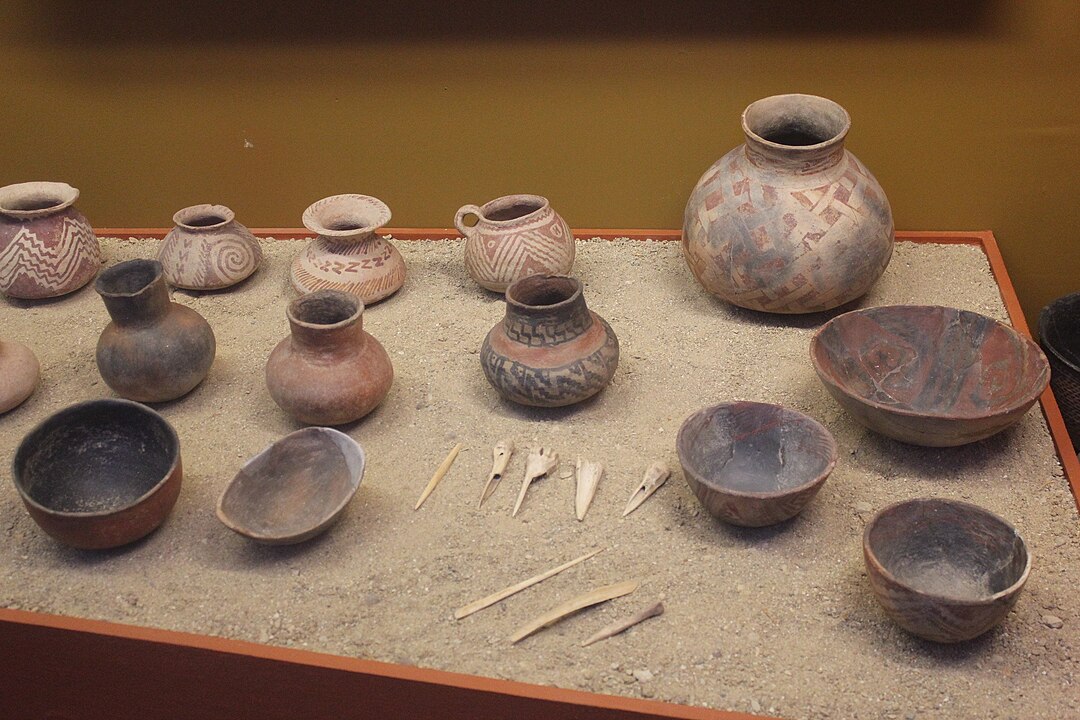
Indigenous artists are blending old-world craftsmanship with modern design to tell new stories. Beadwork, pottery, and weaving are being reinterpreted in fashion and fine arts, gaining recognition in mainstream galleries. Through community workshops and online exhibitions, these arts continue to evolve while honoring their roots. The craft becomes both a cultural archive and a contemporary expression of resilience.
Reviving Powwows and Ceremonial Gatherings
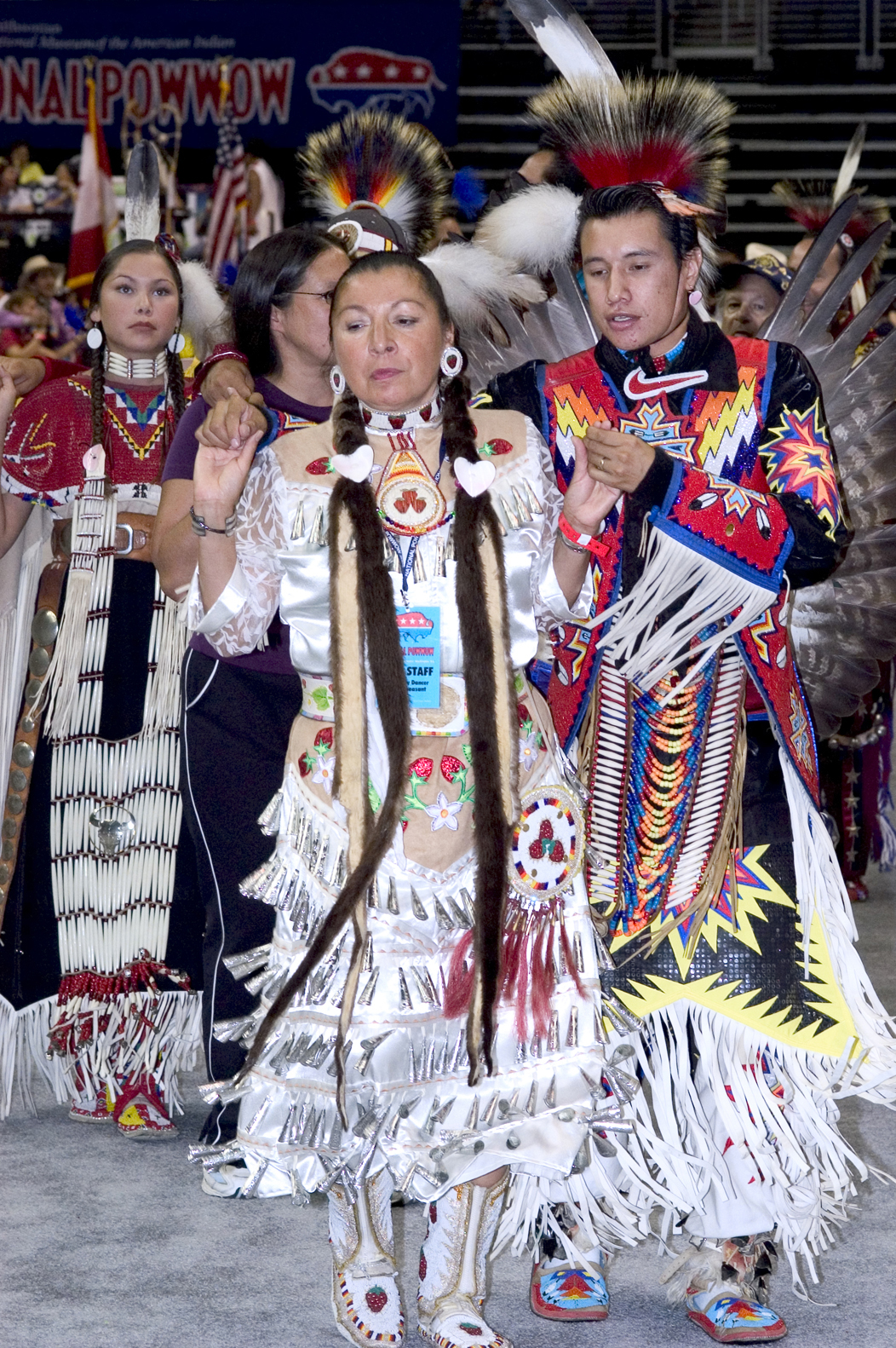
Powwows, once suppressed by colonial policies, have re-emerged as powerful cultural celebrations. These gatherings unify communities through dance, drumming, and storytelling. They also foster pride among youth and educate non-Native visitors about authentic traditions. Today, powwows have become symbols of continuity, resilience, and shared identity.
Storytelling Through Modern Media

Filmmakers, musicians, and writers from Indigenous backgrounds are reclaiming their narratives. Productions like “Reservation Dogs” and “Smoke Signals” show authentic experiences often ignored by mainstream Hollywood. Native-owned media outlets and podcasts amplify community voices, replacing stereotypes with truth. This storytelling renaissance ensures that Indigenous perspectives define their own legacy.
Educational Reform and Indigenous Curriculum
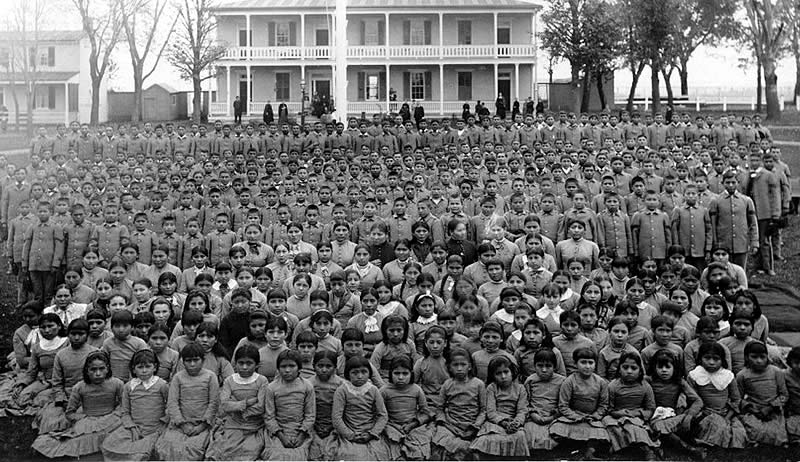
Tribal educators are reshaping school systems to include Native history and philosophy. Universities are developing Indigenous Studies programs guided by tribal councils, and primary schools incorporate lessons on local heritage. Education rooted in culture empowers youth to balance modern education with ancestral knowledge. It builds identity and confidence in younger generations.
Traditional Healing and Modern Medicine Integration

Native health programs increasingly combine traditional healing practices with Western medicine. Sweat lodges, herbal medicine, and ceremonies complement clinical care to support spiritual and physical wellness. Institutions like the Indian Health Service now recognize cultural healing’s importance. This holistic approach restores harmony to mind, body, and spirit.
Economic Empowerment Through Cultural Enterprises
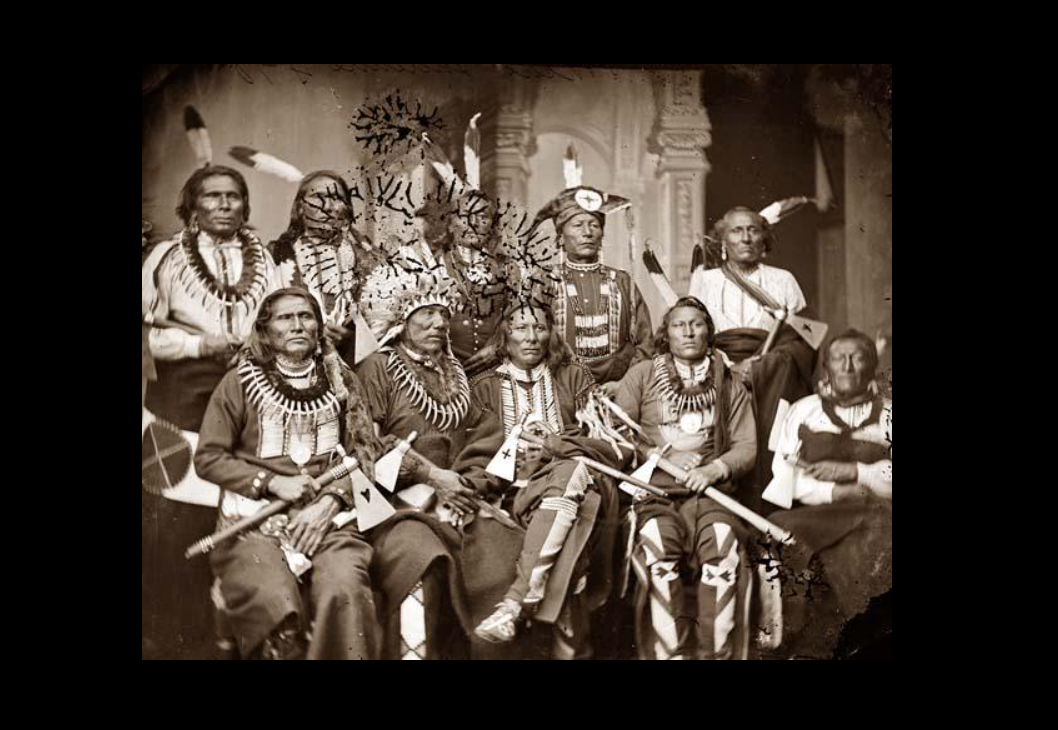
Tribal nations are launching businesses rooted in culture—from tourism to artisan cooperatives. These ventures support economic independence while promoting heritage through storytelling and craftsmanship. Whether through Indigenous fashion brands or sustainable tourism, communities generate income without compromising their values. Economic sovereignty reinforces cultural preservation.
Legal Battles for Sovereignty and Land Rights

Many Native nations are pursuing legal recognition of their sovereignty and ancestral claims. Recent court victories have reaffirmed treaty rights and land protections. By asserting control over natural resources, tribes strengthen their autonomy and preserve sacred traditions tied to geography. These legal efforts are vital for cultural survival and justice.
Intergenerational Knowledge Transfer
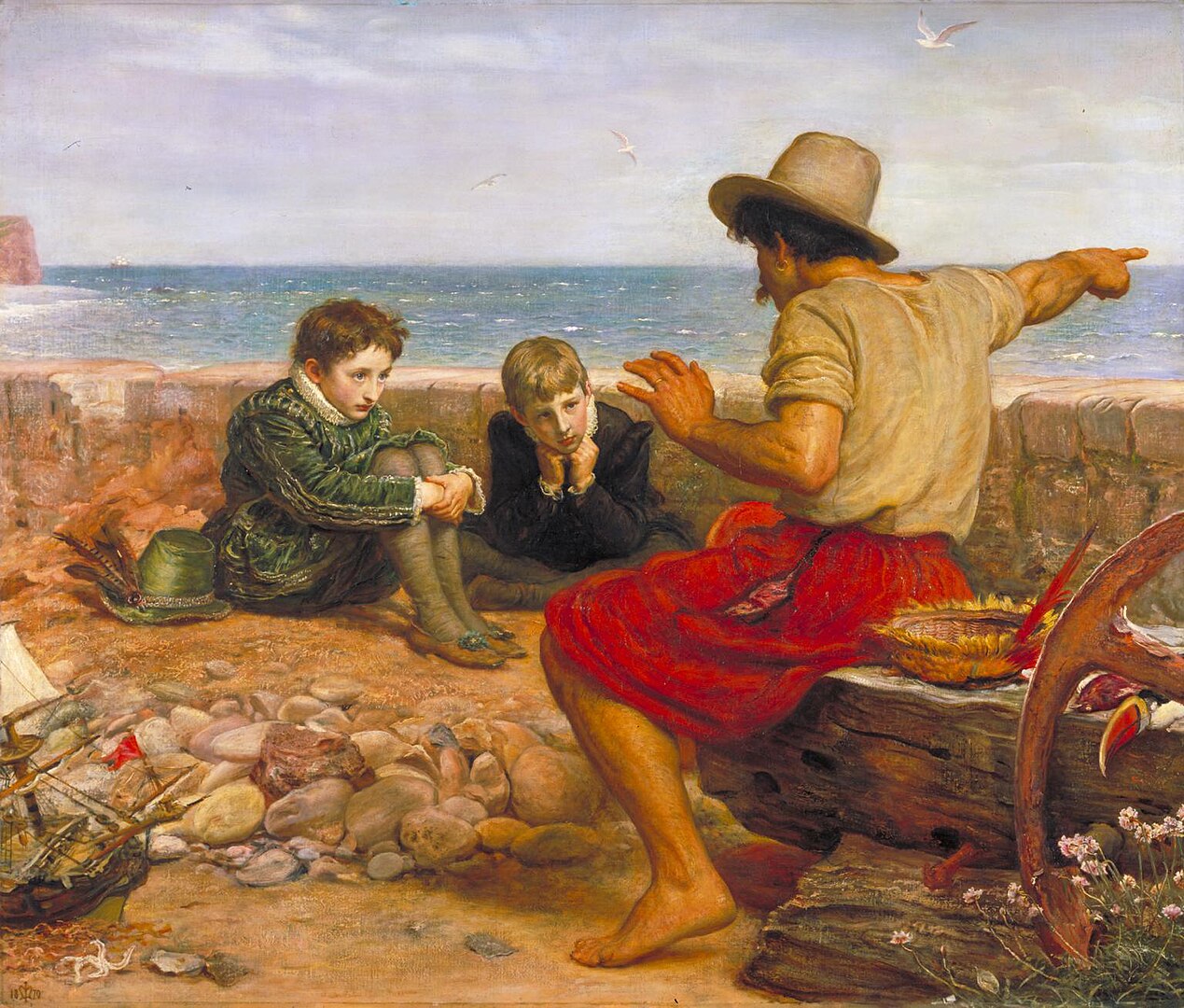
Elders remain the backbone of cultural preservation. Through storytelling circles and apprenticeships, they pass on ancestral wisdom to youth. Modern technology—like recorded interviews and community archives—helps capture their teachings for posterity. This intergenerational bond keeps traditions alive beyond living memory.
Digital Archiving and Virtual Museums

Technology plays a vital role in preserving fragile artifacts and stories. Virtual museums and online archives allow global access to tribal history without removing sacred items from their communities. These digital platforms document songs, carvings, and oral traditions for future generations. They merge preservation with innovation seamlessly.
Reclaiming Identity Through Fashion and Design
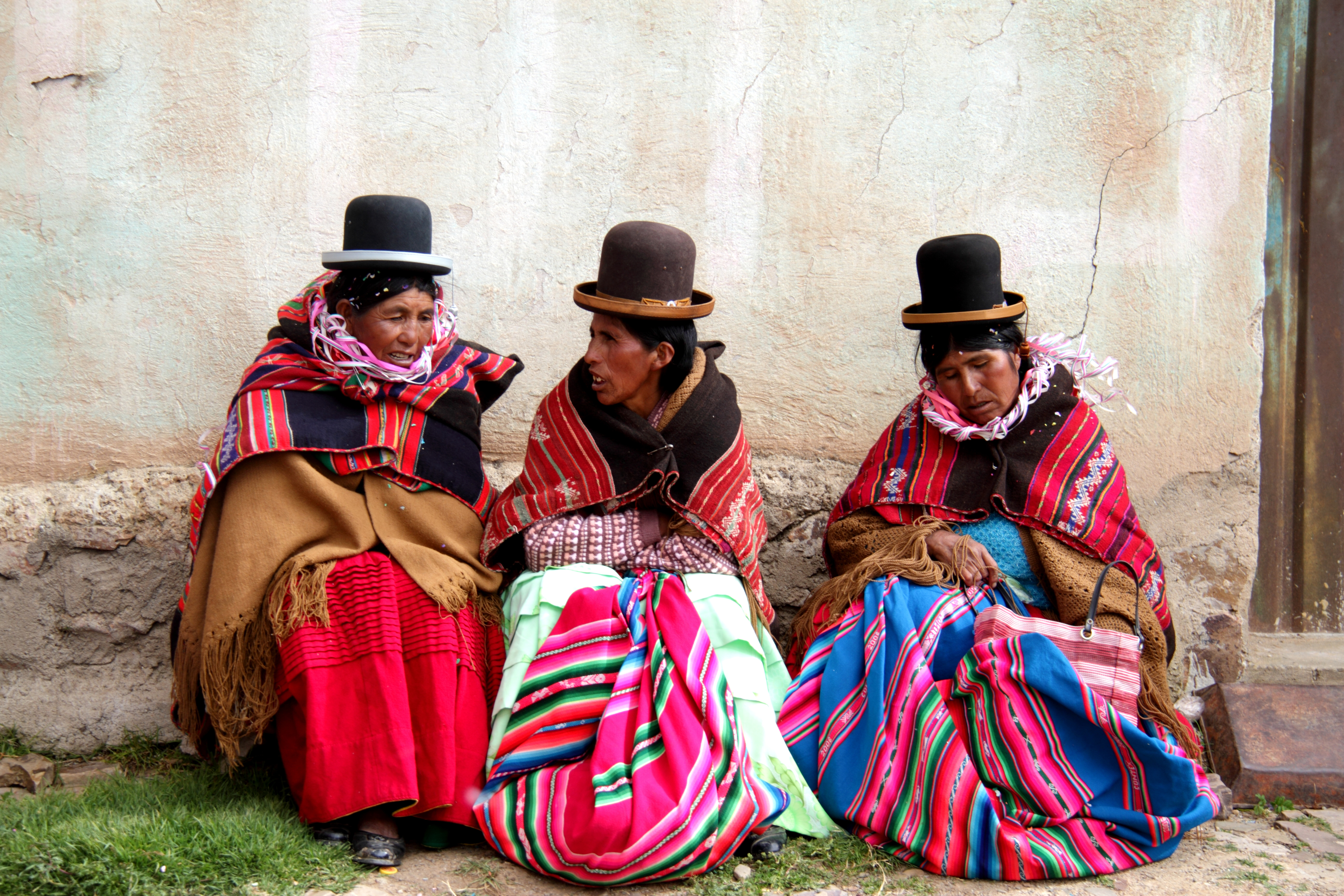
Native designers are reinterpreting traditional motifs through modern fashion that honors cultural symbolism. From handwoven patterns to ethically sourced materials, Indigenous fashion tells stories of pride and survival. Designers are using global runways to celebrate identity rather than appropriate it. Each garment becomes a canvas for cultural resistance.
Youth Activism and Environmental Leadership
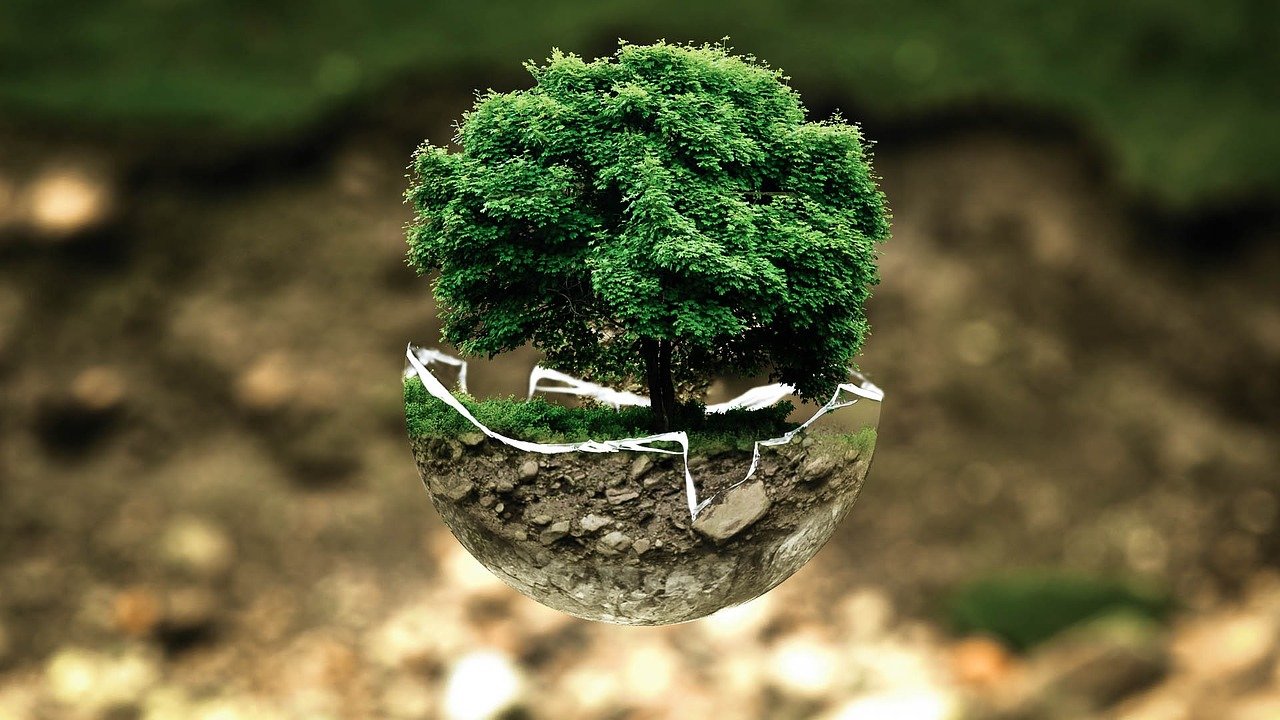
Young Indigenous activists are driving change across environmental and social movements. Figures like Autumn Peltier and Tokata Iron Eyes advocate for water rights and climate action rooted in Native spirituality. Their voices connect ancient respect for nature with urgent global challenges. This new generation ensures that tradition evolves with purpose.