Back in the ’90s, grocery shopping was more of an experience than a quick errand. Families turned it into weekend outings, wandering brightly lit aisles filled with new snacks and colorful packaging. Without online orders or self-checkout, it took time, patience, and a little fun. Kids begged for sugary cereals, parents clipped coupons, and everyone seemed to know the store clerk. Let’s look back at how this everyday routine felt so different in that unforgettable decade.
1. Handwritten Shopping Lists
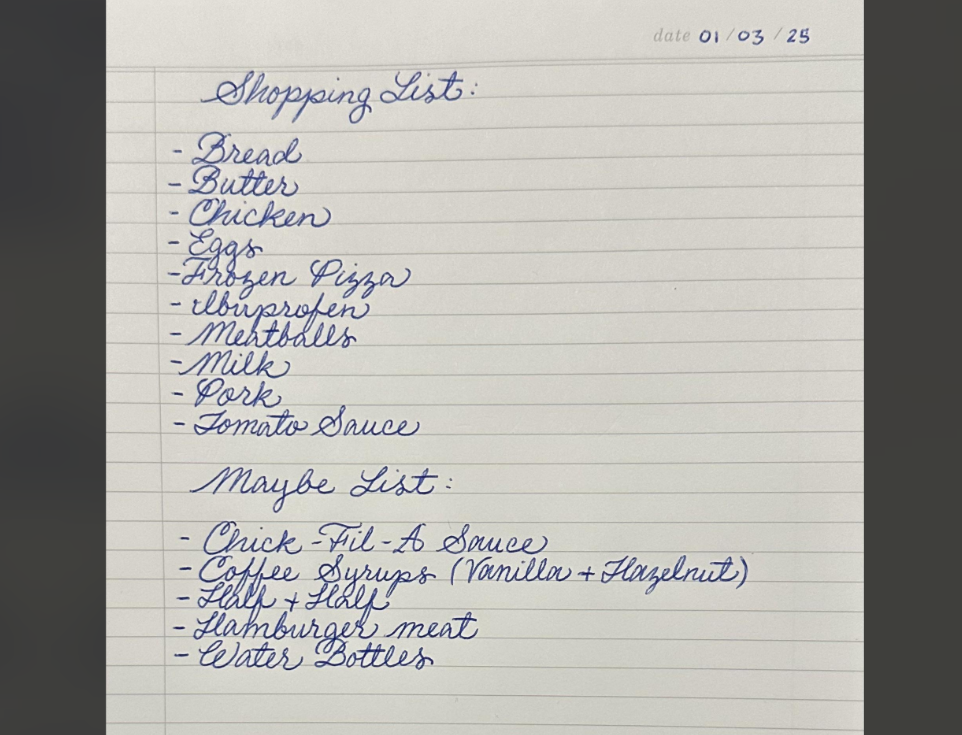
Before smartphones and reminders, shoppers carried paper lists scribbled in pen or pencil. Sometimes they forgot the list on the counter and had to guess from memory. These notes often had little doodles, family reminders, and messy handwriting that told a story. Unlike digital apps, the handwritten list felt personal and warm. Each checkmark gave a small sense of satisfaction, turning a routine chore into a small act of care and connection.
2. Clipping Coupons from Newspapers
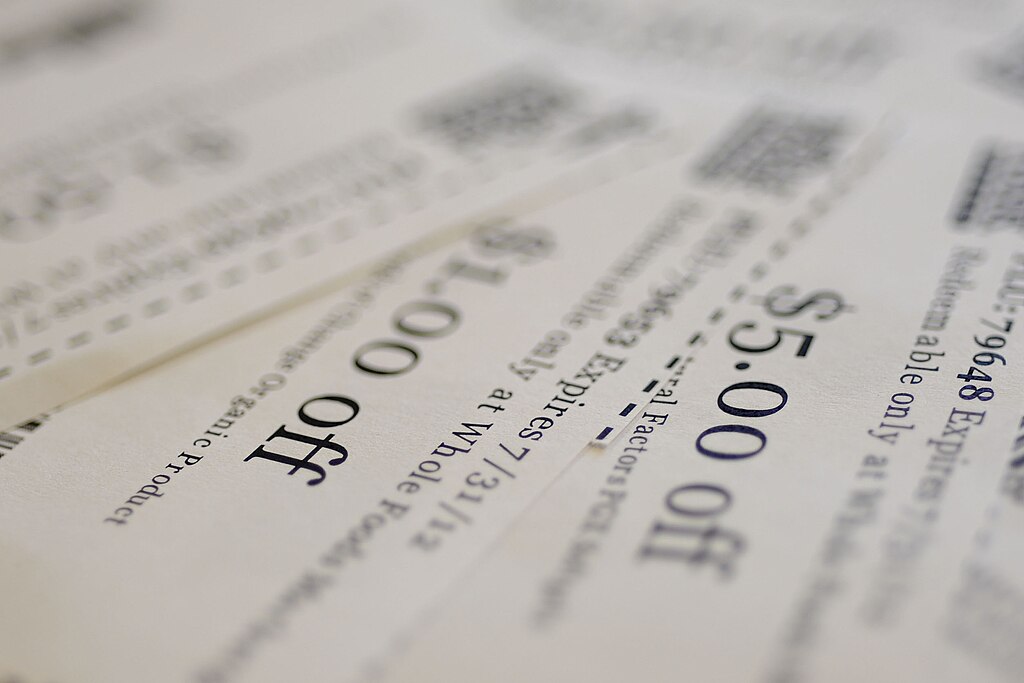
Coupon clipping was a weekend ritual in many homes. Families sat with scissors and the Sunday paper, cutting out savings on favorite brands. It felt like a small treasure hunt for deals. People even carried envelopes full of coupons in their purses or cars. Unlike today’s digital discounts, it required time and effort. That little thrill of saving a few cents added a spark of pride, showing how patience once paid off in paper and perseverance.
3. Snack Samples at Every Aisle
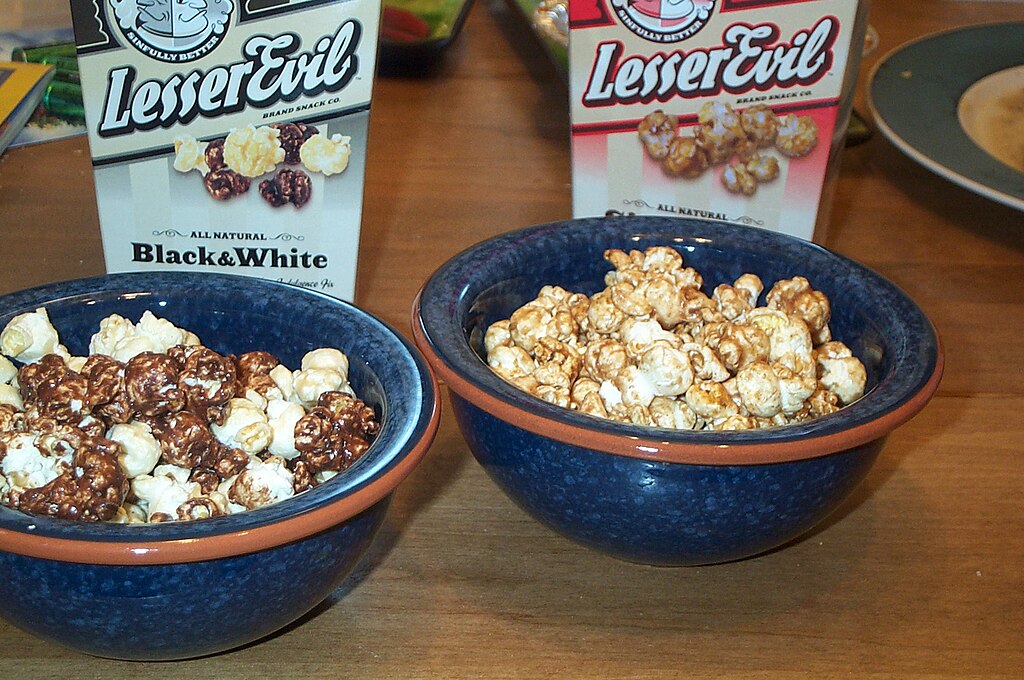
Free samples were the highlight of grocery trips. Kids rushed toward the smell of hot pizza bites or new cookies while parents pretended to be interested in product details. These little stands made the store feel alive. Shoppers stopped, chatted, and tasted without hurry. Sampling wasn’t just about food, it was a small social event. Everyone loved that surprise bite that turned into a new favorite snack to take home with a smile.
4. No Self-Checkout Lanes
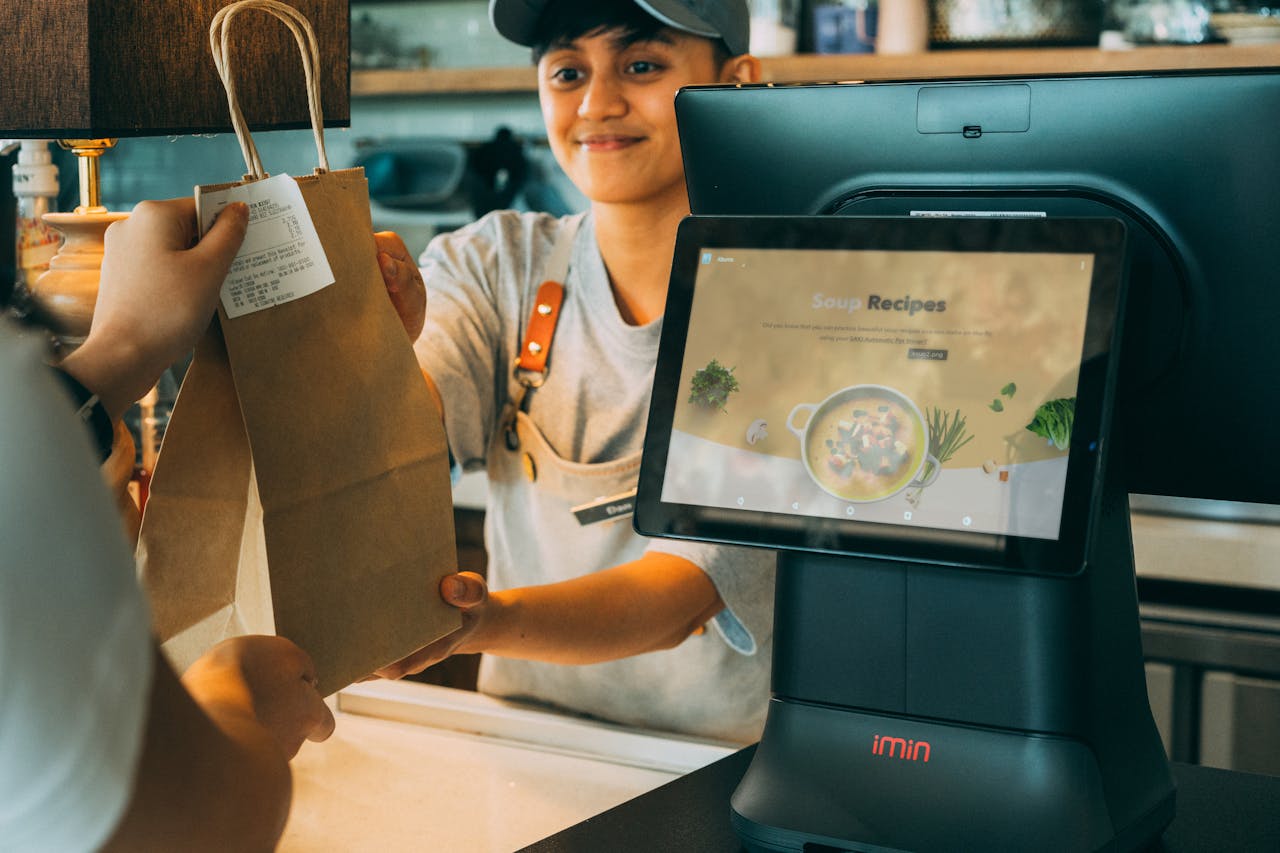
In the ’90s, every checkout had a friendly cashier ready to chat. You waited in line, listened to beeping scanners, and sometimes flipped through magazines near the counter. There were no self-scanners or screens demanding input. Cashiers recognized regulars, asked about families, and packed groceries carefully. It made the end of the trip feel human, not mechanical. The small talk and smiles added warmth that technology can never fully replace or imitate today.
5. Film Cameras for In-Store Promos

When grocery stores held contests or local promotions, they used film cameras to capture winners holding oversized checks or gift baskets. These photos were printed and posted near the entrance for weeks. Shoppers loved spotting familiar faces. Unlike digital displays, these pictures had charm and permanence. They turned the store into part of the community’s scrapbook, a place where groceries and memories mixed together in the best possible way every weekend.
6. Kids Riding in the Shopping Cart
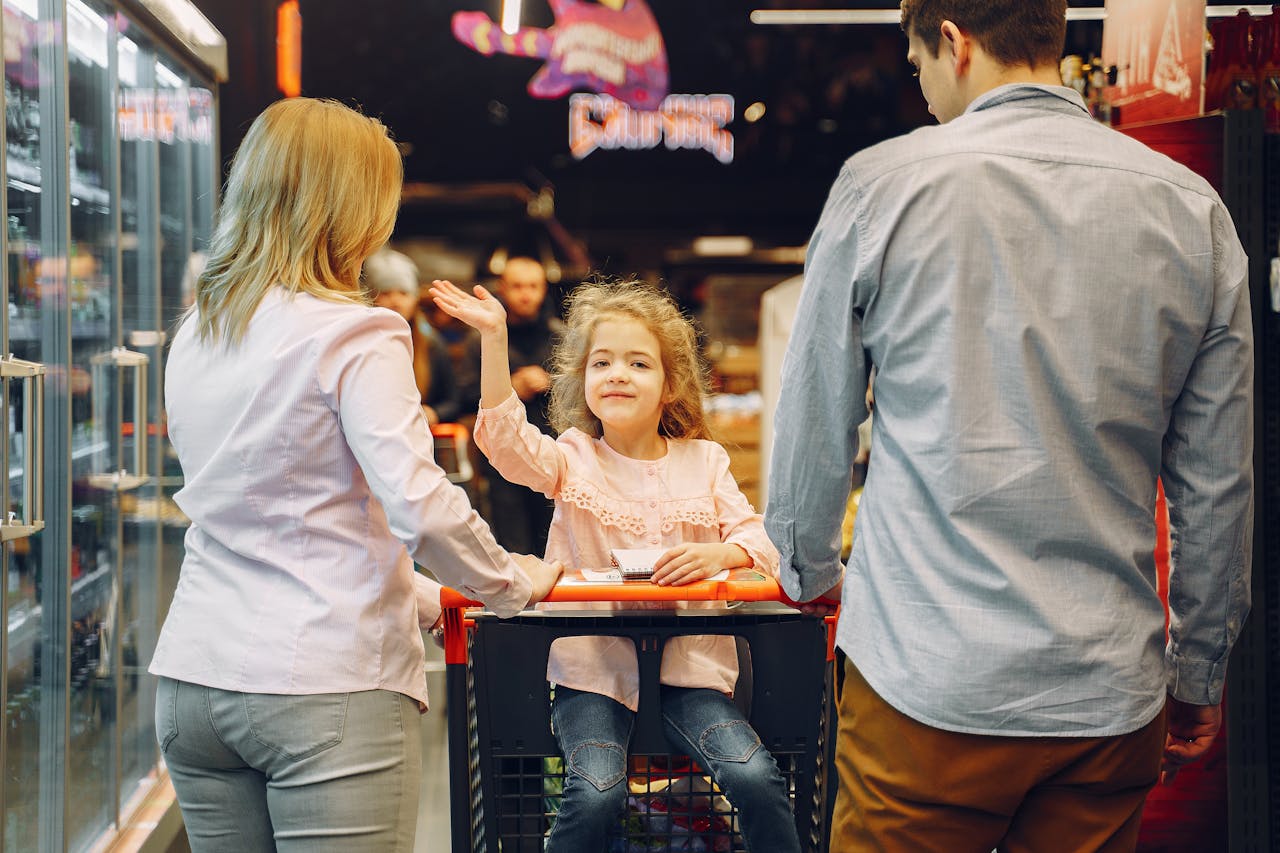
Every trip had a small passenger riding proudly in the front of the cart, steering an imaginary car. The seat belts rarely worked, but the fun never stopped. Parents kept one hand on the handle and another ready to grab falling cereal boxes. Kids made sound effects, waved at strangers, and demanded snacks. It was chaotic, messy, and full of laughter. Today’s safety standards might forbid it, but those rides remain a cherished part of family memories.
7. Manual Price Tag Stickers

Before barcode systems took over, workers used pricing guns to stick individual price tags on items. Each click echoed across aisles like a rhythm of the store. Shoppers could easily compare prices without needing a scanner. Though it was time-consuming, it gave every product a personal touch. The sound of pricing guns was oddly comforting, reminding everyone that people, not machines, once set the pace of the grocery world one label at a time.
8. Grocery Store Magazines and Recipe Cards
Stores often gave out free recipe cards or small magazines featuring local produce and meal ideas. People collected them, added notes, and shared recipes with friends. It was an early form of social sharing, just on paper. These collections filled kitchen drawers across America. Many families still keep them tucked away, worn from years of use. They connected cooking, community, and creativity long before blogs or online recipe platforms existed.
9. Candy Aisles That Felt Endless
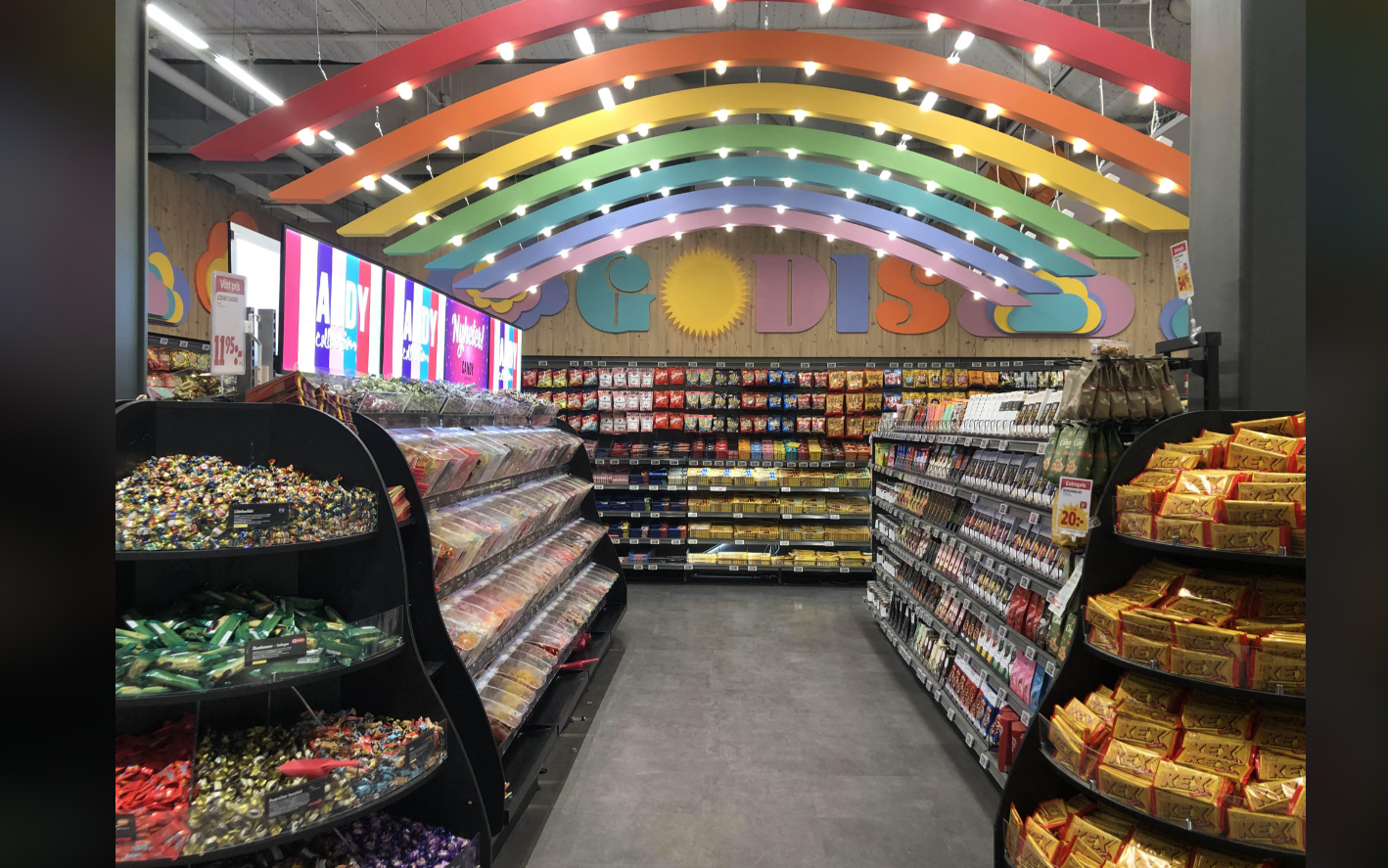
Every ’90s grocery store had a candy aisle that seemed to stretch forever. From giant jawbreakers to colorful ring pops, it was a sugar paradise. Kids begged to stop there, hoping for one treat before checkout. The bright packaging and endless options made it magical. Parents tried to resist, but somehow a candy bar always ended up in the cart. That simple joy of choosing your favorite sweet is something no modern delivery app can replace.
10. Paper Bags and Double Bagging
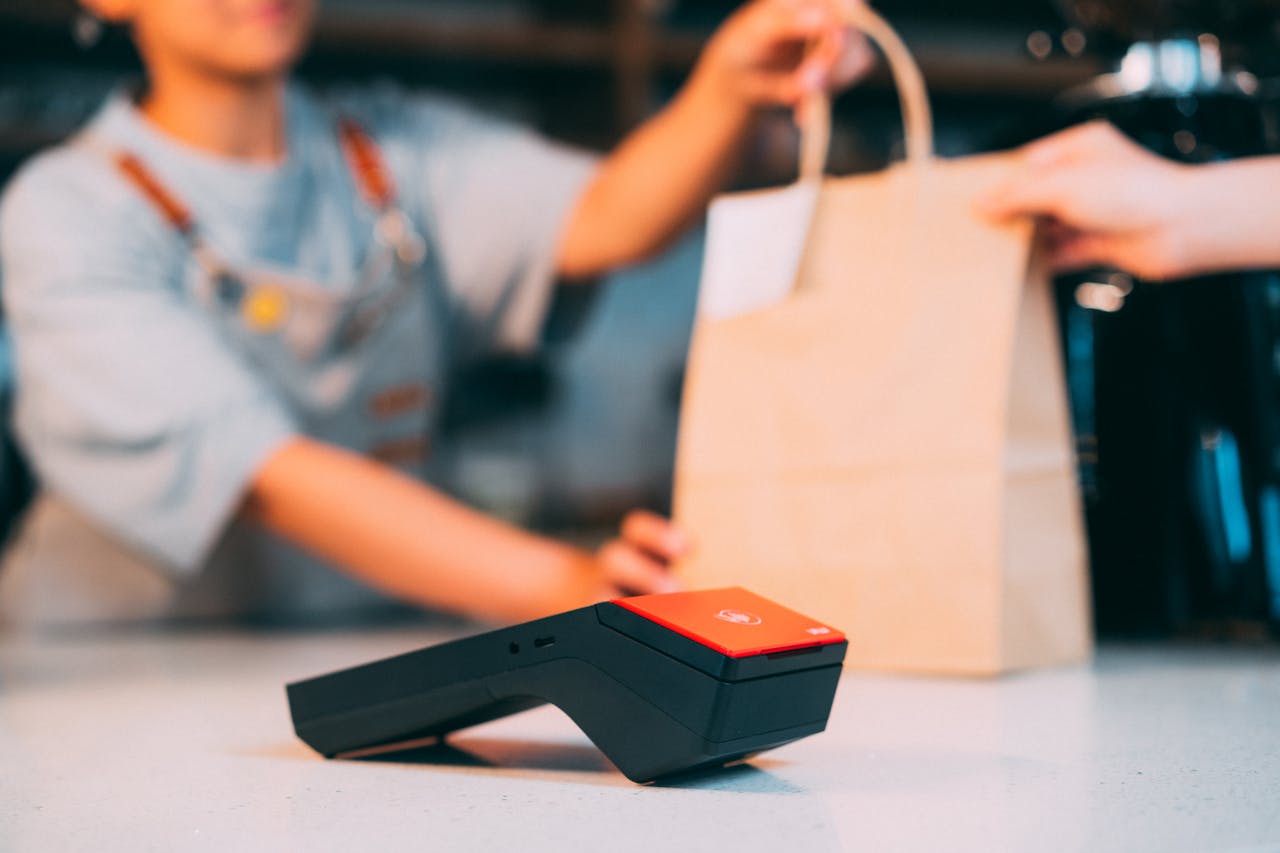
Plastic bags were just starting to appear, but paper bags ruled the ’90s. Cashiers double-bagged heavier items, folding the tops neatly before handing them over. The sound of rustling paper filled the air. Many people reused those bags for school projects or to wrap gifts. They were sturdy, recyclable, and easy to repurpose. The humble paper bag had charm, reminding everyone that sustainability once existed naturally without anyone labeling it as trendy.
11. Store Loyalty Cards

Before digital reward systems, loyalty cards were literal pieces of cardboard. Each visit earned a hole punch, and after ten, you might get a free item or small discount. It was simple but satisfying. People proudly kept these cards in their wallets, watching them fill up. The moment of redemption felt personal, as if the store truly appreciated your loyalty. These tiny gestures made shopping feel more about relationships than transactions.
12. Cart Returns Without Coin Locks
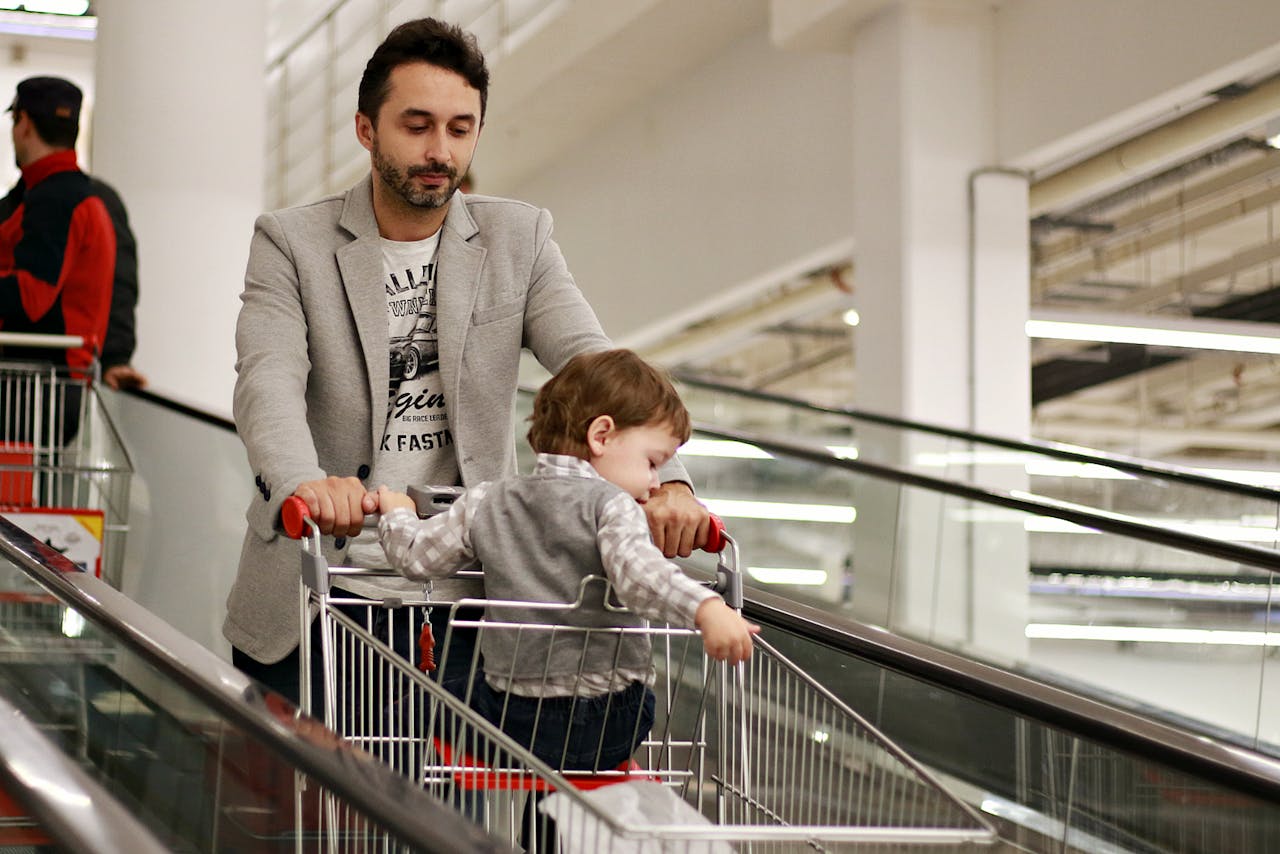
In the ’90s, no one needed coins or locks to use carts. People simply returned them out of courtesy. Parking lots weren’t filled with stray carts, and shoppers helped one another without needing signs. It reflected a quieter trust and politeness that defined the era. While today’s systems ensure order, they can’t replace that unspoken goodwill that made even a simple trip to the grocery store feel like part of a shared community rhythm.
13. Store Intercom Announcements

Hearing a cheerful voice over the intercom calling for a price check or announcing daily specials was part of the store’s charm. It added personality and a little background soundtrack to shopping. Managers often sounded friendly and familiar. Those announcements made you feel like the store was alive, bustling with activity. Today’s music playlists feel colder in comparison, lacking the warmth and spontaneity of those simple, cheerful human messages echoing across aisles.
14. Collectible Trading Cards at Checkout
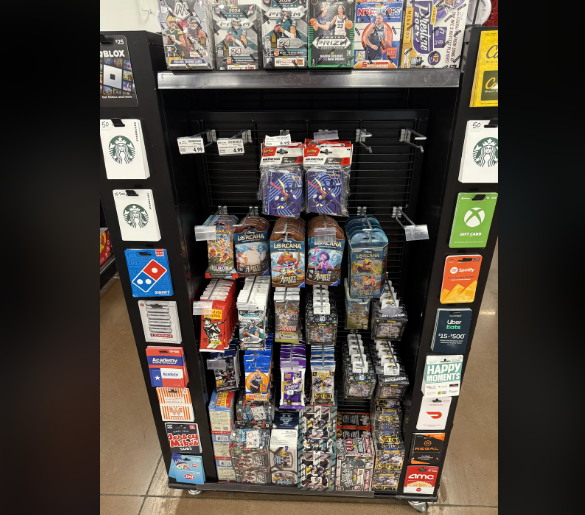
Many stores in the ’90s sold trading cards at the counter, from baseball players to cartoon heroes. Kids used pocket change to grab a pack, hoping for rare cards. The excitement of tearing open a new pack was unmatched. These small purchases created memories of shared collections, trading with friends, and feeling part of something bigger. It was a small joy that blended shopping, collecting, and childhood wonder into a moment that still feels timeless today.
Grocery shopping in the ’90s was more than a task, it was an event filled with connection and character. People took their time, greeted familiar faces, and enjoyed small moments that today’s efficiency has erased. The smell of fresh bread, the sound of carts rolling, and the laughter in aisles created a community atmosphere that’s hard to recreate. It wasn’t just about groceries, it was about people, moments, and the joy of everyday living together.