Every country has its dangerous corners, and the United States is no exception. Some neighborhoods have gained notorious reputations for crime, neglect, or economic hardship. While these areas are also home to resilience and community, they often serve as cautionary tales about inequality and urban decay.
Skid Row, Los Angeles
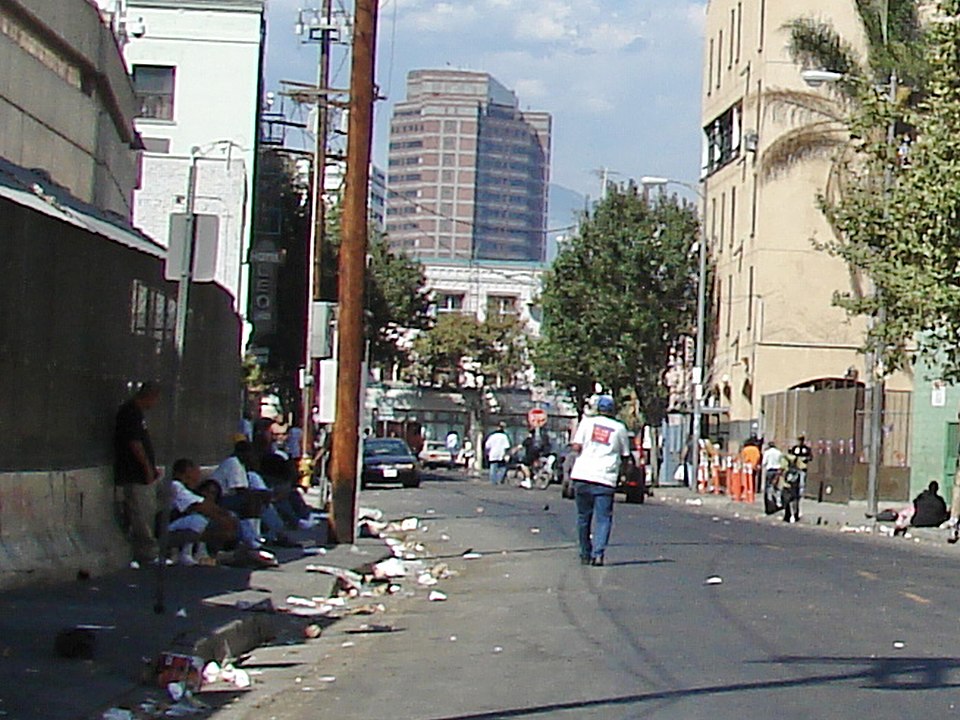
Skid Row has become a symbol of homelessness and systemic neglect. Spanning dozens of city blocks, it shelters thousands living without permanent housing. Despite recent initiatives to offer aid and housing, the neighborhood remains a visible reminder of Los Angeles’ wealth divide. It’s as much a humanitarian crisis as a neighborhood.
South Side, Chicago
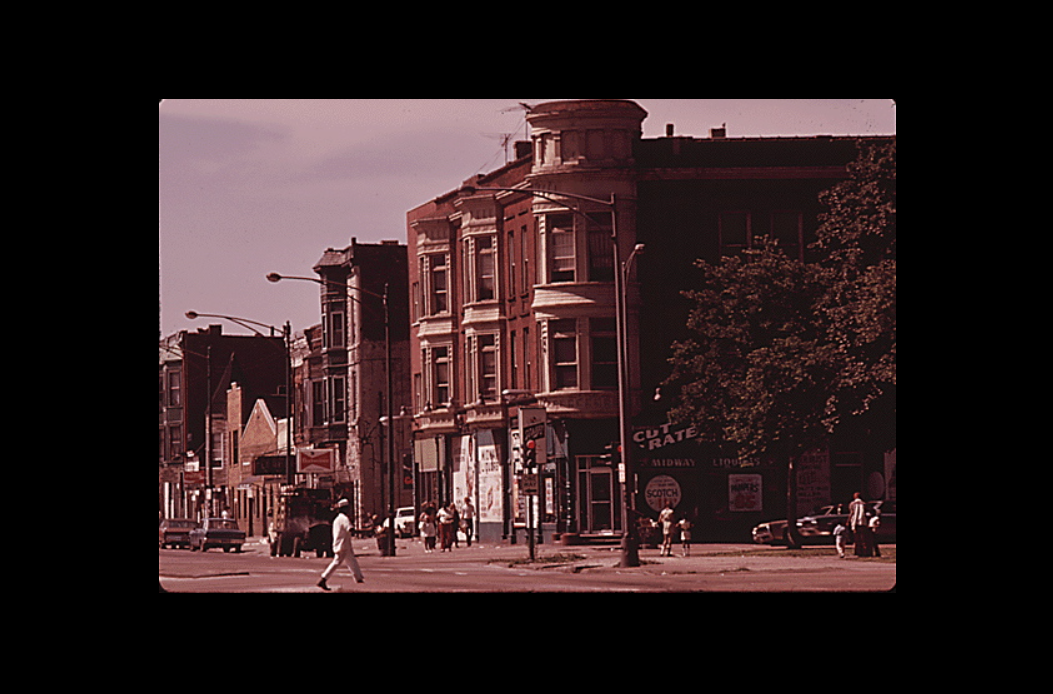
Chicago’s South Side faces ongoing challenges with gang violence and poverty. While many neighborhoods there thrive culturally and academically, the crime rate remains a concern in specific pockets. Community groups and churches continue to advocate for reform and youth programs. The South Side’s struggle reflects deeper systemic issues.
The Tenderloin, San Francisco
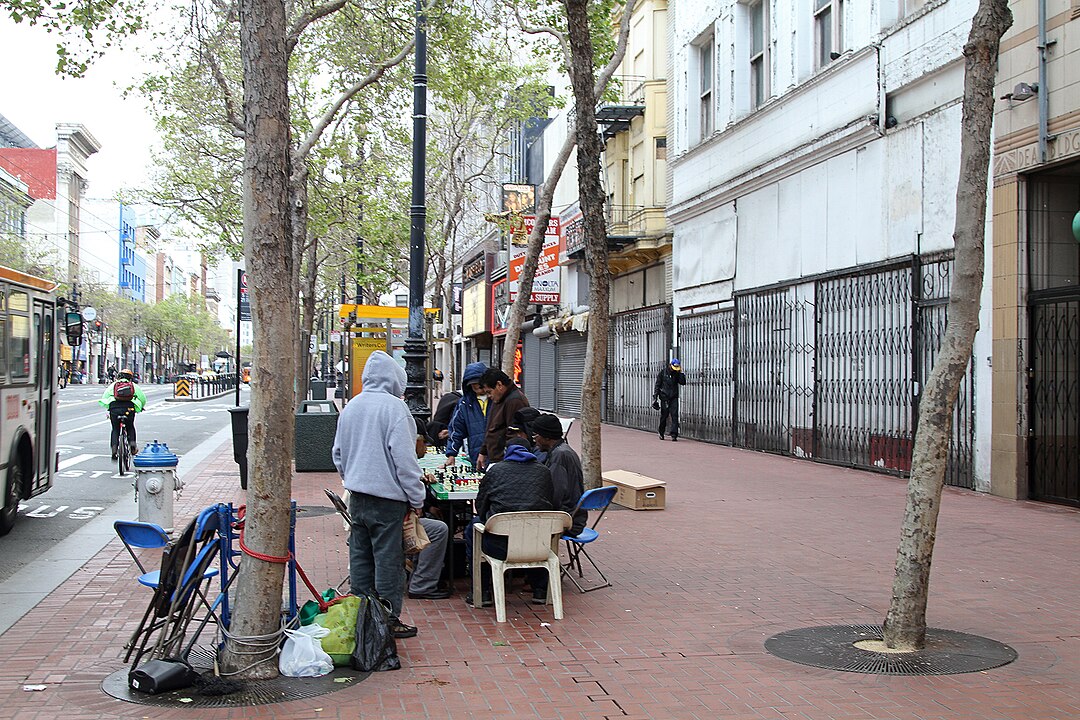
Once a cultural hub, the Tenderloin now wrestles with homelessness and drug-related crime. Despite its central location, residents often feel unsafe, especially at night. Local activists work tirelessly to restore dignity and support for those in need. The contrast between luxury and suffering is stark in this neighborhood.
East St. Louis, Illinois
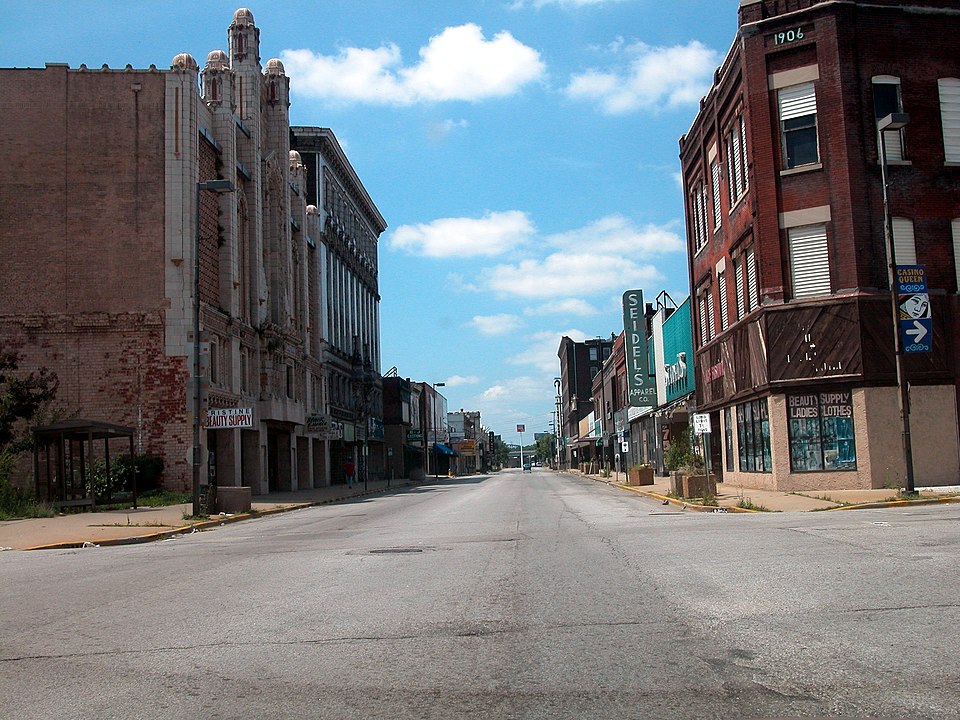
East St. Louis has faced decades of economic decline following industrial collapse. Unemployment and crime rates remain among the highest in the country. Yet, the residents demonstrate remarkable community spirit and resilience. Many local organizations are pushing for investment and revitalization.
Kensington, Philadelphia
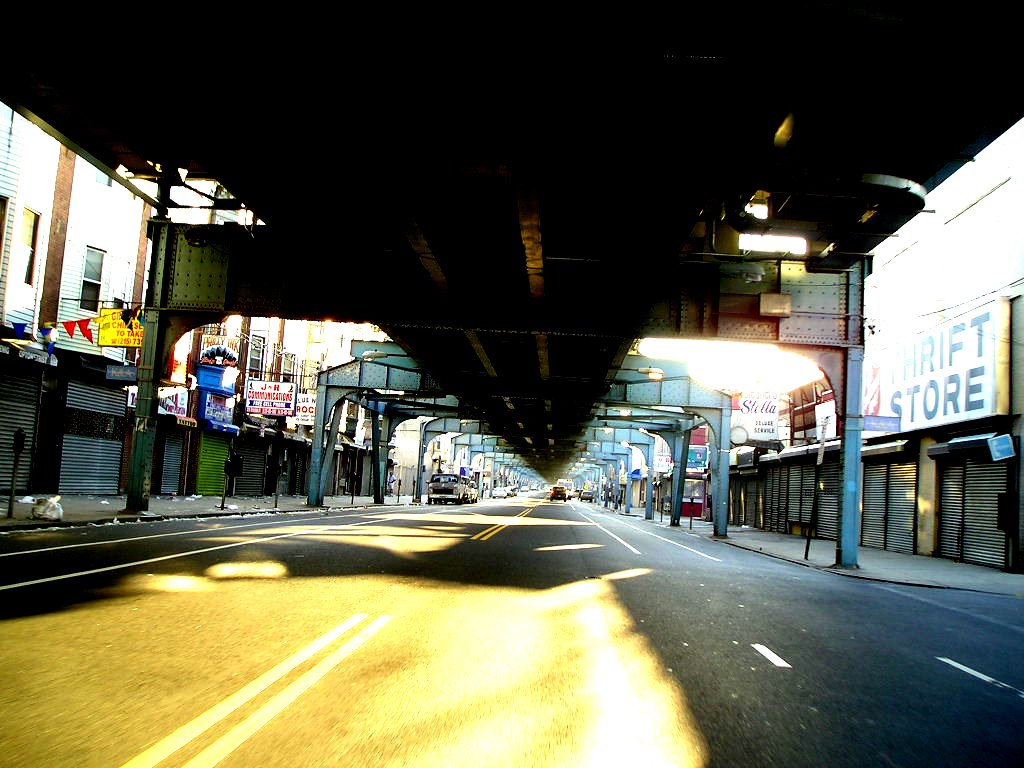
Kensington has gained national attention for its opioid crisis and visible street addiction. Once an industrial powerhouse, it now symbolizes America’s struggle with substance abuse. However, outreach workers and recovery advocates are fighting to turn it around. Hope persists amid hardship.
The Bronx, New York
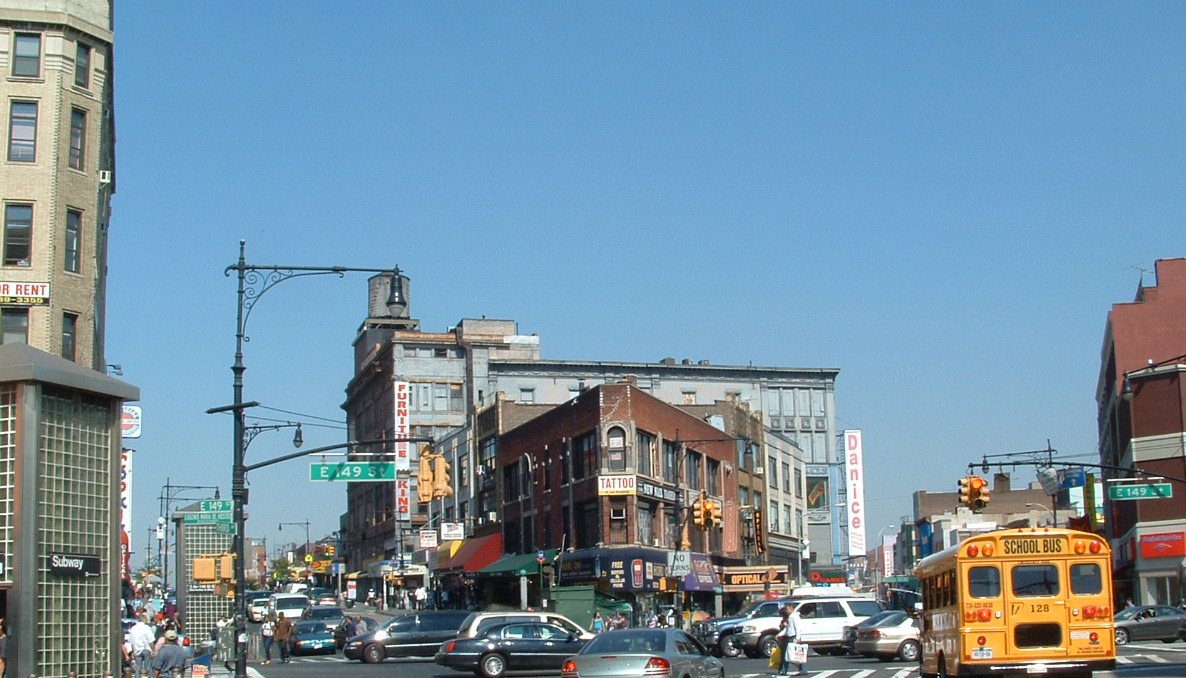
Though vastly improved since the 1970s, parts of the Bronx still face high poverty and crime. However, it’s also a borough of vibrant culture and history, the birthplace of hip-hop and countless community movements. Its story is one of transformation and perseverance. The Bronx continues to defy stereotypes.
Detroit’s East Side
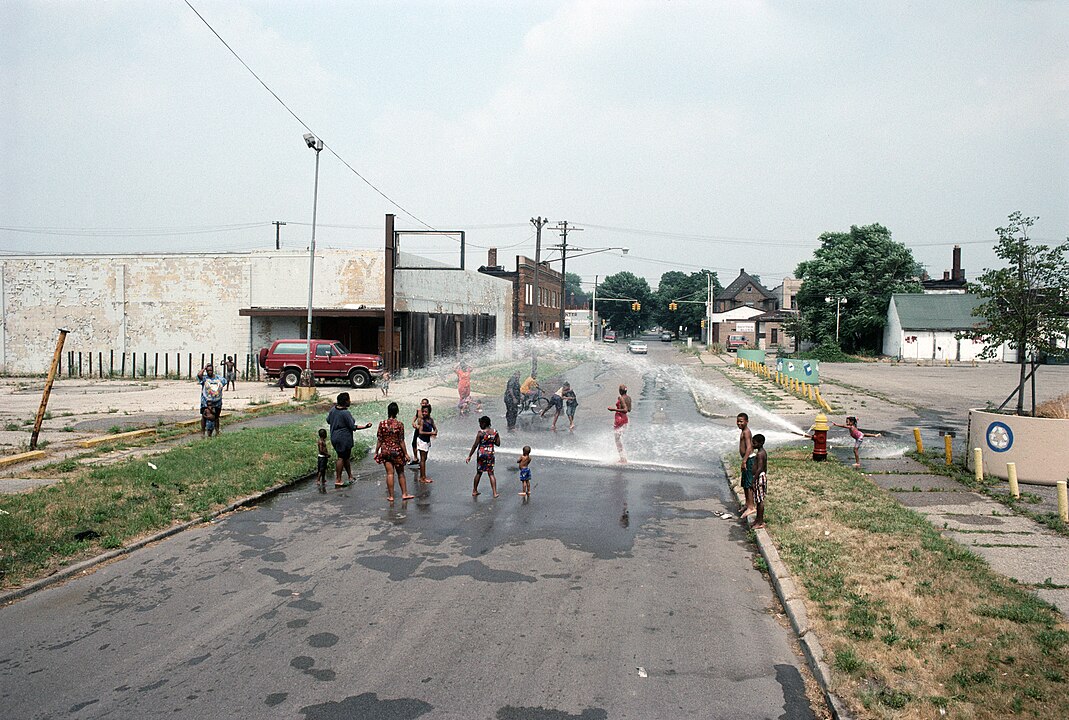
Detroit’s East Side reflects the aftermath of industrial decline and economic disparity. Abandoned buildings and high crime rates make it one of Michigan’s toughest areas. Yet local artists, entrepreneurs, and activists are driving slow revitalization. The spirit of Detroit refuses to die.
Overtown, Miami
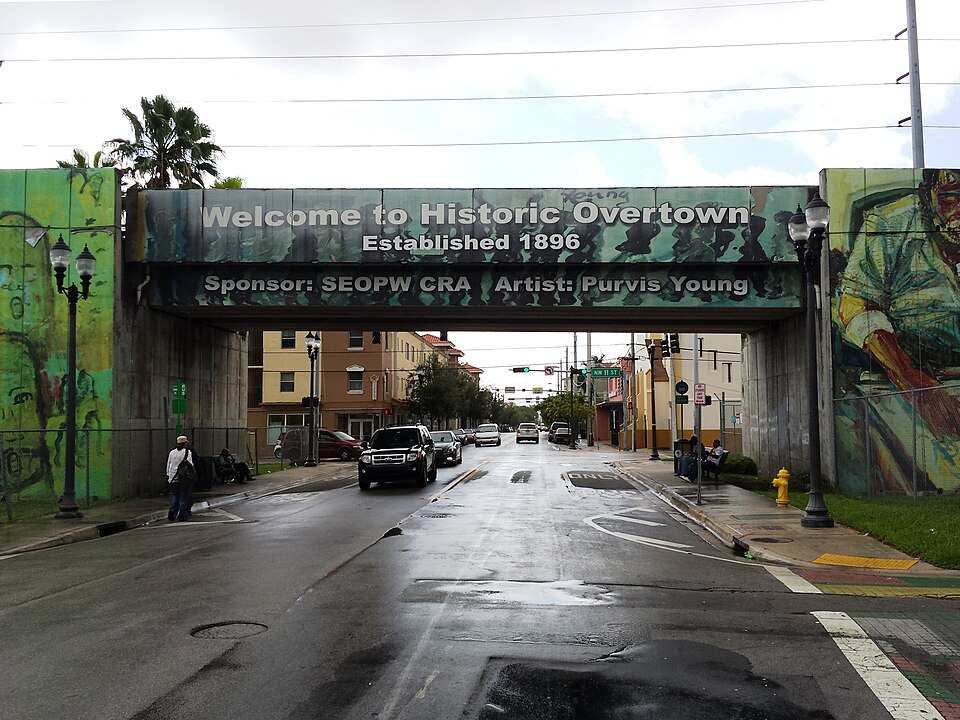
Once called the “Harlem of the South,” Overtown suffered from decades of neglect and displacement. While redevelopment has begun, the area still struggles with crime and poverty. Longtime residents fear gentrification may erase its cultural identity. Preservation efforts aim to protect its deep African American heritage.
North St. Louis, Missouri
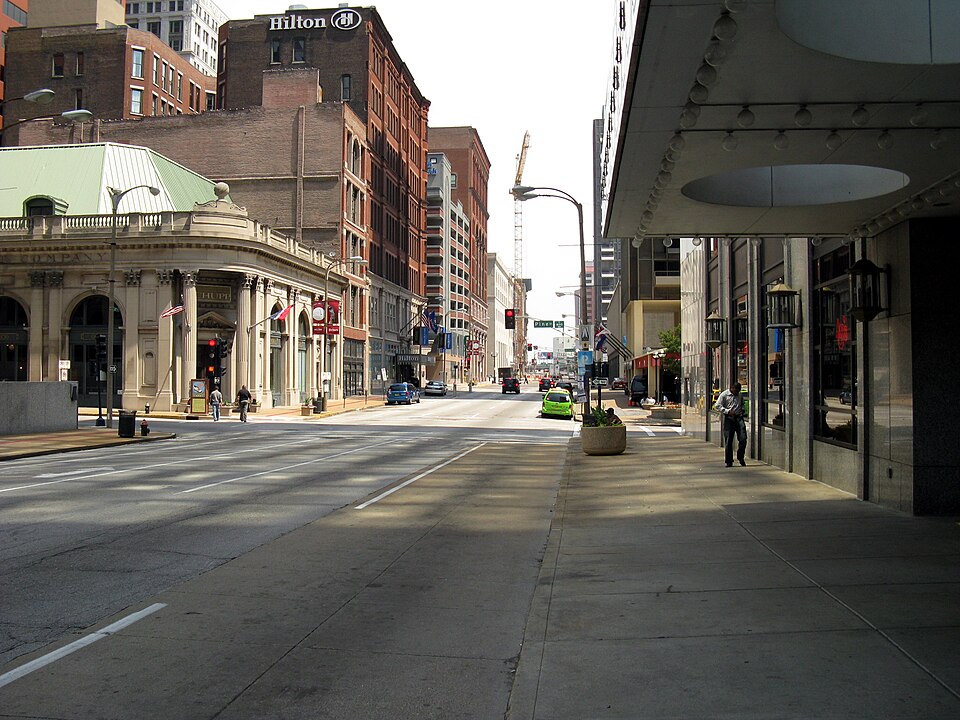
This part of St. Louis has been plagued by disinvestment and structural racism for decades. High vacancy rates and poverty dominate the landscape. Yet, grassroots initiatives are restoring homes and promoting entrepreneurship. It’s a story of slow recovery amid long-term struggle.
West Baltimore, Maryland
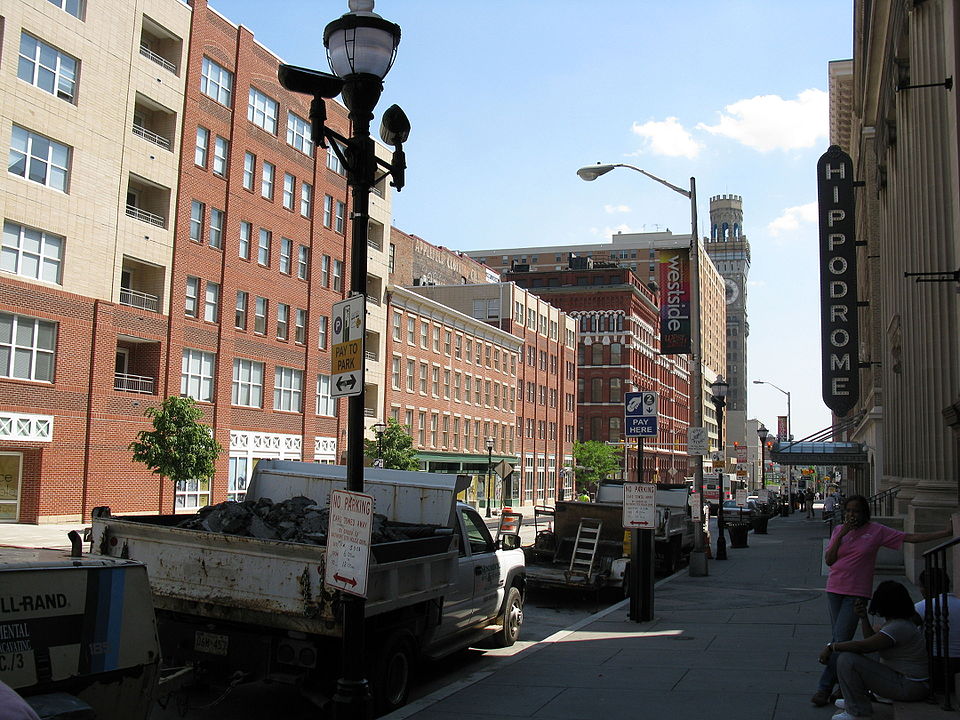
Immortalized by shows like The Wire, West Baltimore faces persistent issues of crime, poverty, and inadequate public services. But beyond the headlines, communities are working toward reform through education and art. It remains a city of contrasts—painful history paired with enduring hope.
Liberty City, Miami
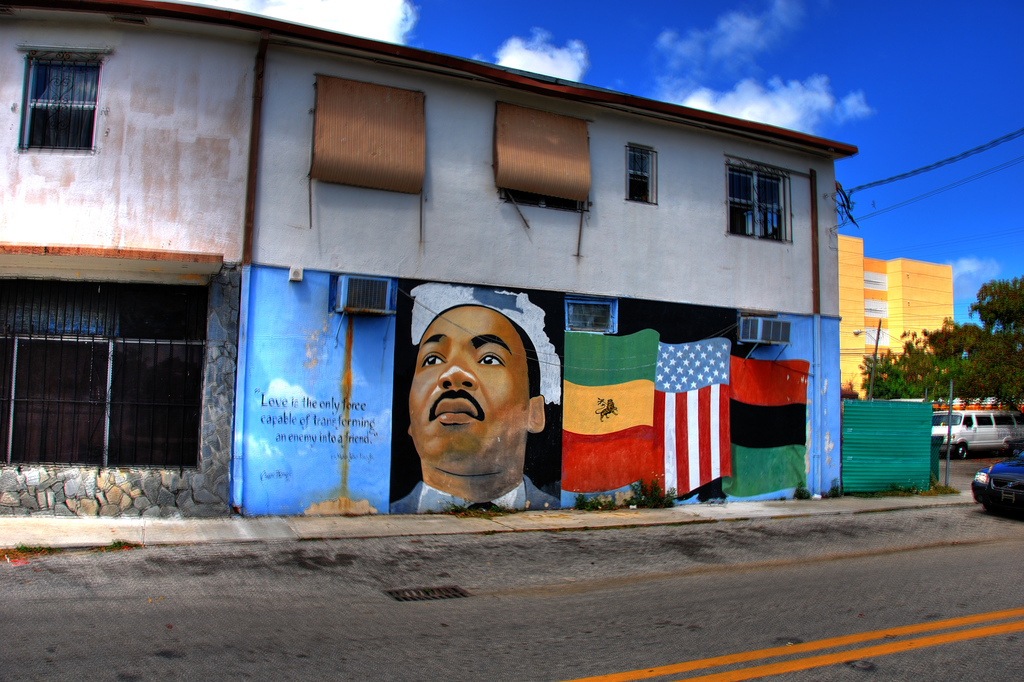
Liberty City has endured high crime and racial segregation since the mid-20th century. Once a thriving Black community, it suffered from urban renewal and neglect. Today, youth programs and local businesses aim to rebuild its image. It remains a powerful example of resilience.
Gary, Indiana
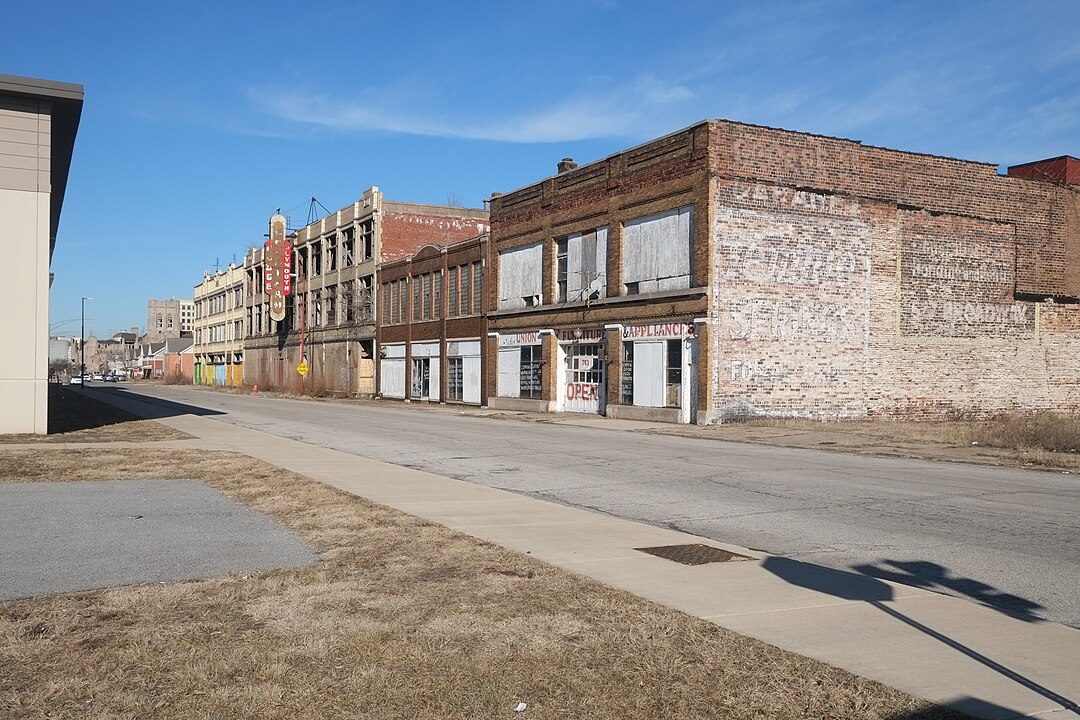
Once a steel town, Gary now struggles with depopulation and economic collapse. Vacant homes and limited job opportunities plague the city. Yet, efforts to attract new industries and restore infrastructure are underway. Its story is one of rebuilding from the ashes.
South Central Los Angeles
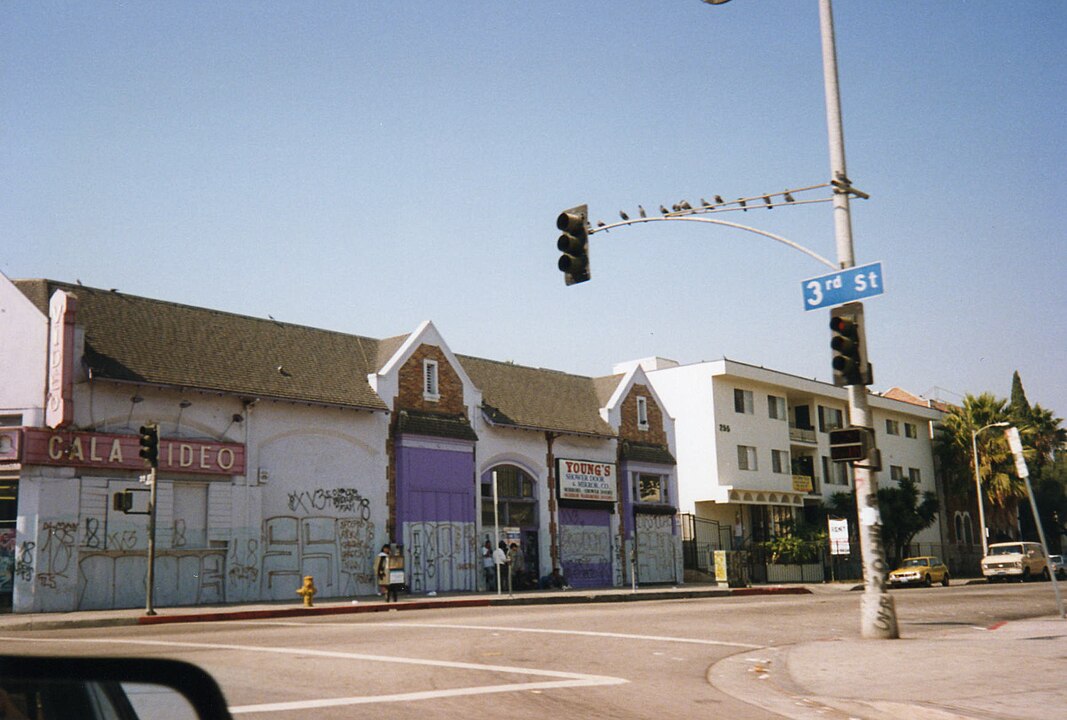
Despite its rich cultural legacy, South Central has long battled with violence and inequality. It’s also the birthplace of movements in music, art, and activism. Recent investment and community projects have brought optimism. The area’s transformation is ongoing but hopeful.
Camden, New Jersey
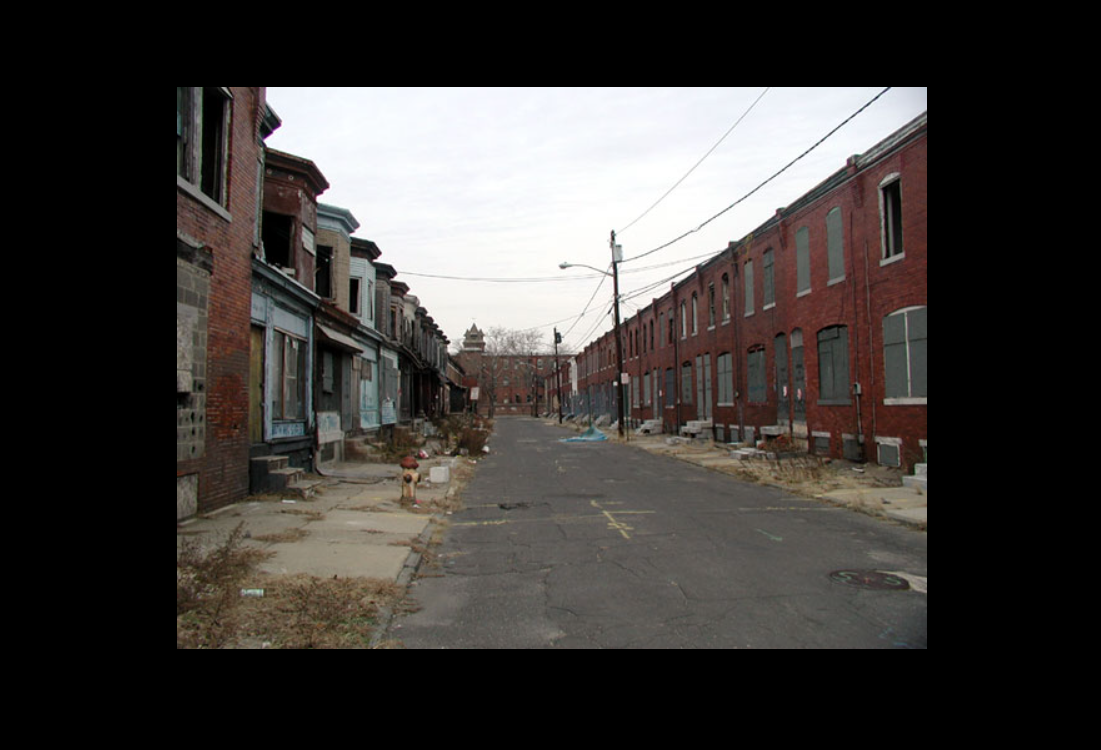
Camden has consistently ranked among the most dangerous cities in America. Economic hardship and crime have tested its residents for decades. Yet, education reform and business initiatives are sparking cautious renewal. Camden’s people continue to fight for a better future.