The United States has been the starting point for powerful movements that have influenced laws, culture, and public consciousness far beyond its own borders. What began as local struggles often grew into global turning points, inspiring protests, legislation, and conversations in dozens of countries. From human rights to technology to environmental action, these American movements helped shape how the modern world thinks about justice, fairness, and progress on a global scale.
The Civil Rights Movement
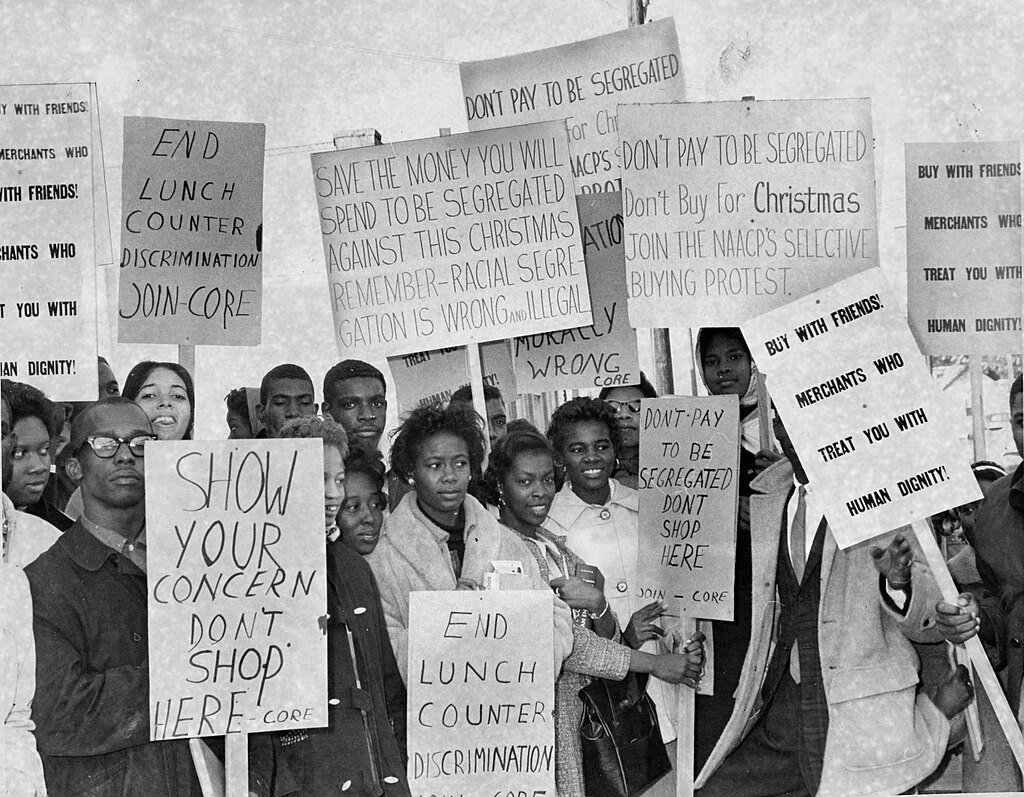
The Civil Rights Movement of the 1950s and 60s began as a fight to end racial segregation in the United States but soon became a global symbol of resistance and equality. Its leaders, especially Martin Luther King Jr., promoted nonviolent protest, inspiring freedom movements in South Africa, India, and beyond. The movement reshaped global conversations on human dignity, racial justice, and citizen-led change, proving that peaceful activism could challenge even deeply rooted systems of oppression.
The Women’s Suffrage Movement
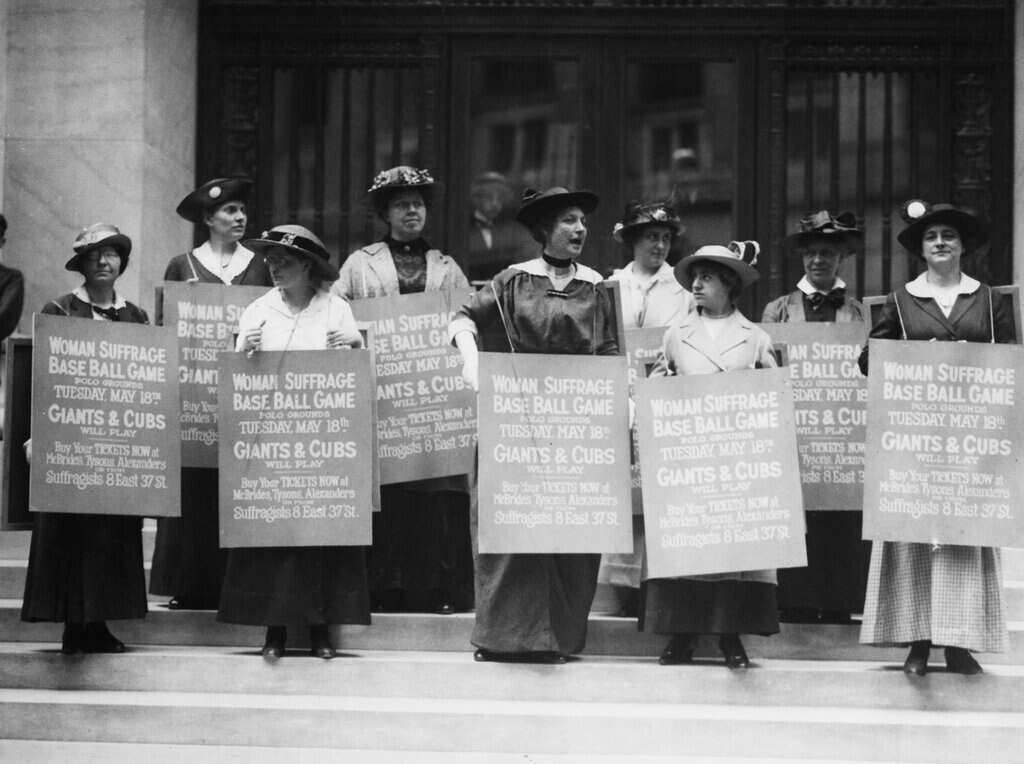
The push for women’s right to vote gained major momentum in the United States in the early 1900s and sparked global change after the 19th Amendment was passed in 1920. American suffragists proved that decades of persistence could lead to political power, encouraging similar movements in the United Kingdom, Canada, India, and parts of Europe. It transformed how societies viewed gender equality and helped launch worldwide efforts for women’s political, legal, and economic rights.
The Environmental Movement
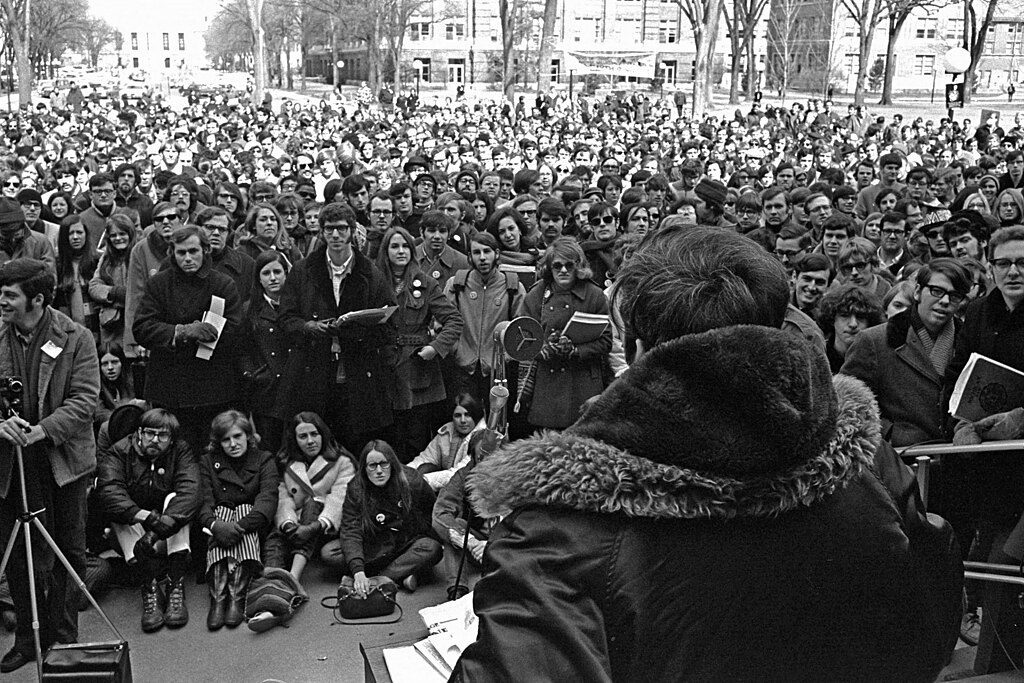
The modern environmental movement began largely in the United States after the 1962 publication of Silent Spring and the first Earth Day in 1970. These events raised global awareness about pollution, ecosystem damage, and corporate responsibility. Soon, countries around the world created environmental laws, national parks, and conservation policies. The concept of sustainability became mainstream, and environmental activism grew into one of the most unified global efforts to protect the planet for future generations.
The LGBTQ+ Rights Movement
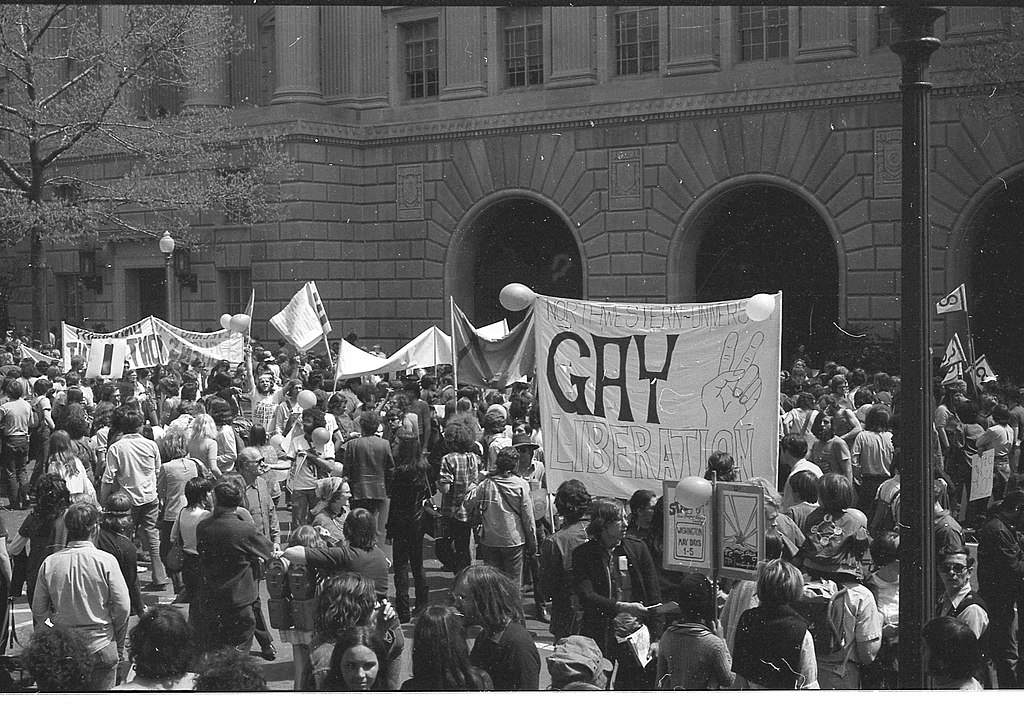
The LGBTQ+ rights movement gained visibility after the Stonewall Riots in New York City in 1969, a major turning point in challenging discrimination. What began as local resistance grew into a global fight for human rights. Pride marches spread internationally, and countries started passing laws for marriage equality and workplace protection. The movement helped shift public opinion worldwide, promoting the idea that love, identity, and dignity should never be criminalized or silenced.
The Labor Rights Movement
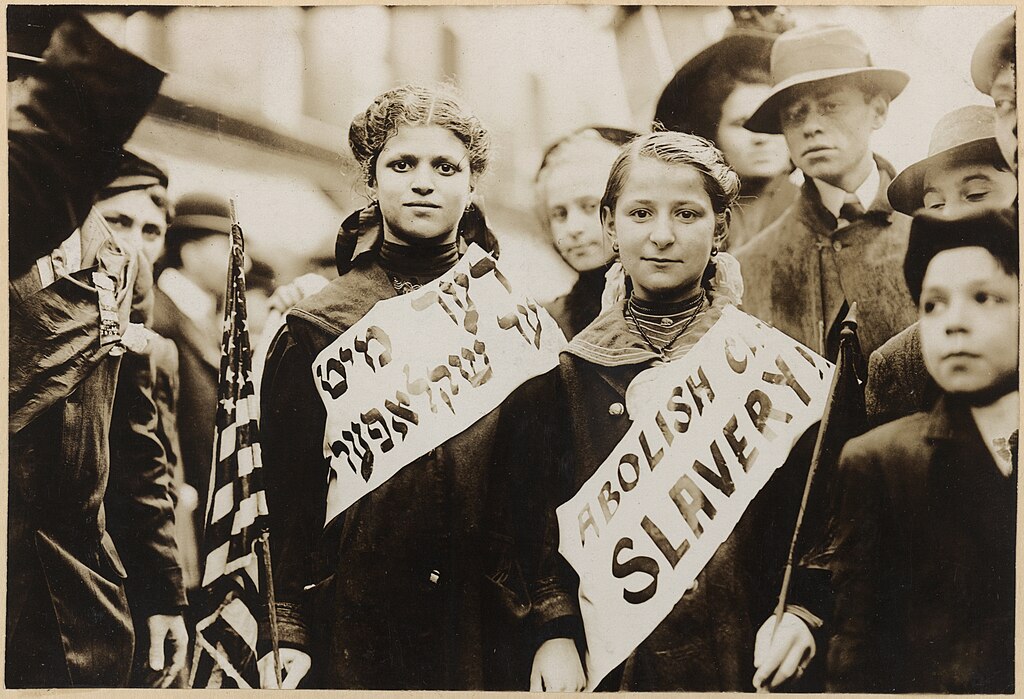
The labor movement in the United States began in the late 1800s as workers protested unsafe factory conditions and unfair wages. Their demands led to major reforms such as the eight-hour workday, child labor bans, and minimum wage laws. These ideas soon spread across Europe, Asia, and Latin America. The movement helped shape modern labor laws around the world and reinforced the belief that national progress depends on protecting workers rather than exploiting them.
The Disability Rights Movement
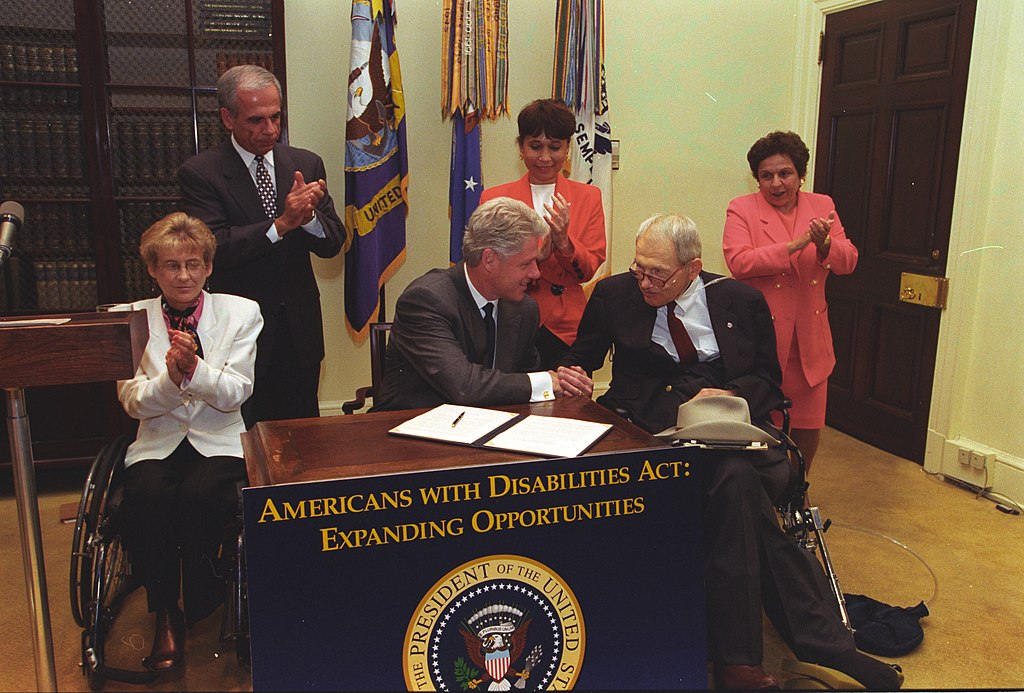
The Americans with Disabilities Act of 1990 transformed global standards for accessibility and inclusion. It fought for equal access to education, employment, transportation, and public spaces. The ADA set an example that inspired similar legislation worldwide. Ramps, braille signs, captioning, and adaptive technology became standard. The movement redefined disability not as a limitation but as a societal responsibility, pushing nations to design environments where everyone could participate with dignity and independence.
The #MeToo Movement
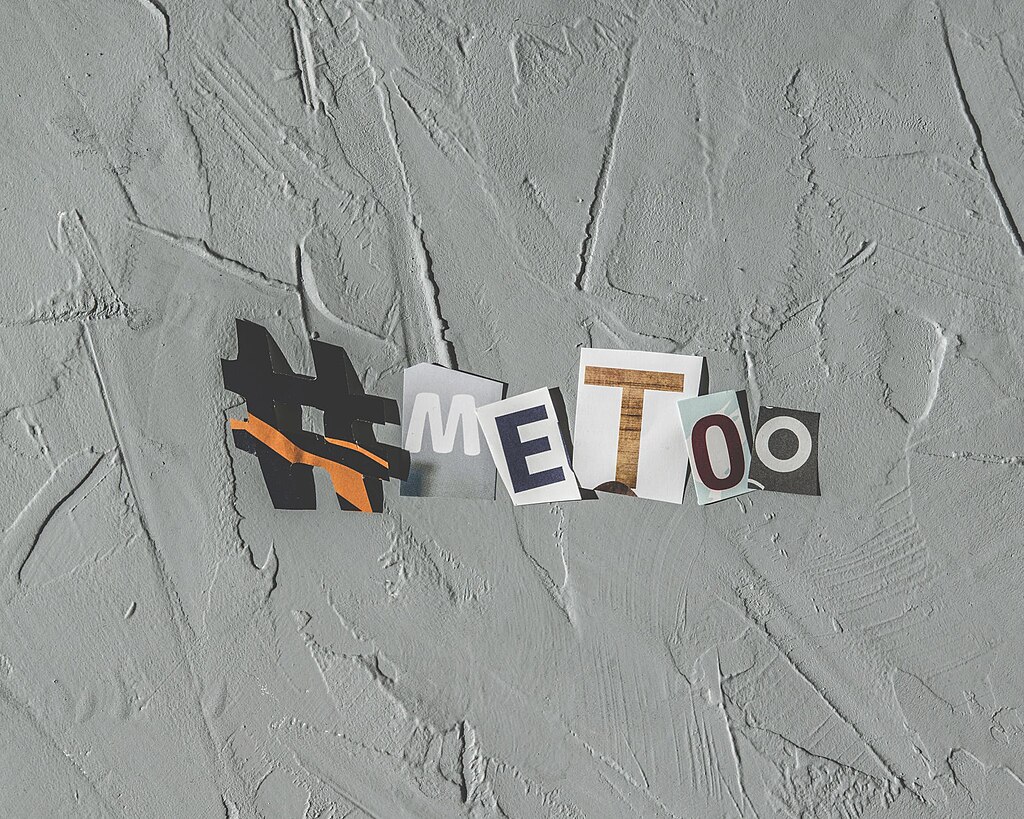
The #MeToo movement began in the United States as a social media callout of harassment and abuse but quickly became a global awakening. Millions of women and workers in different industries spoke publicly for the first time about their experiences. It led to high-profile investigations, stricter workplace policies, and cultural shifts in how power and safety are understood. The movement showed that silence could no longer protect misconduct and that public truth could spark real accountability.
The Black Lives Matter Movement

The Black Lives Matter movement emerged in 2013 after the killing of Trayvon Martin and grew into one of the largest global human rights protests. It addressed systemic racism, police violence, and inequality, leading to demonstrations in more than 60 countries. The movement encouraged global conversations about colonial history, justice reform, and racial equity. It shifted how governments, media, and citizens discuss race and inspired reforms, education programs, and policy debates across continents.
The Anti-War Movement
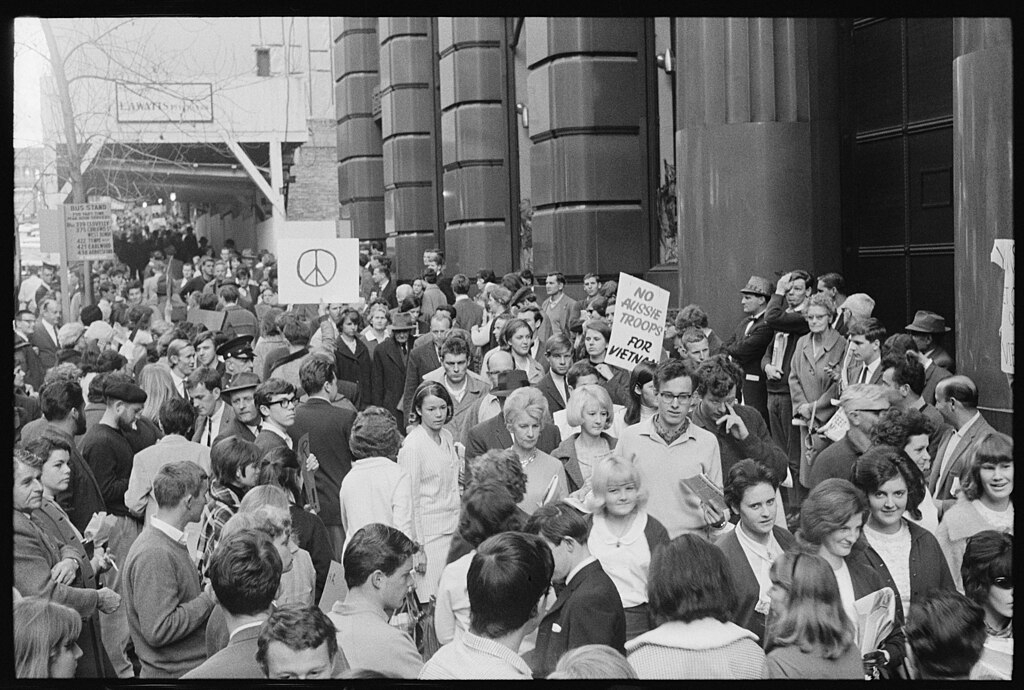
Mass protests against the Vietnam War in the 1960s and 70s marked a major shift in citizen influence over foreign policy. Young Americans challenged government decisions, inspiring similar anti-war protests in Europe and Asia. The movement reshaped how people viewed war, questioning political motives and demanding accountability. It empowered ordinary citizens to speak against military actions and influenced future global resistance to wars seen as unjust, unnecessary, or politically driven.
The Farm-to-Table Movement

The farm-to-table and organic food movement began in the United States as a response to industrialized, heavily processed food systems. It promoted local, fresh, and sustainable eating habits. Farmers’ markets, organic labels, and health-focused restaurants became popular and soon spread to Europe, Australia, and Asia. The movement reshaped global food culture by encouraging conscious consumption, environmental responsibility, and respect for farmers, rather than prioritizing speed and mass production.
The Free Speech and Internet Rights Movement
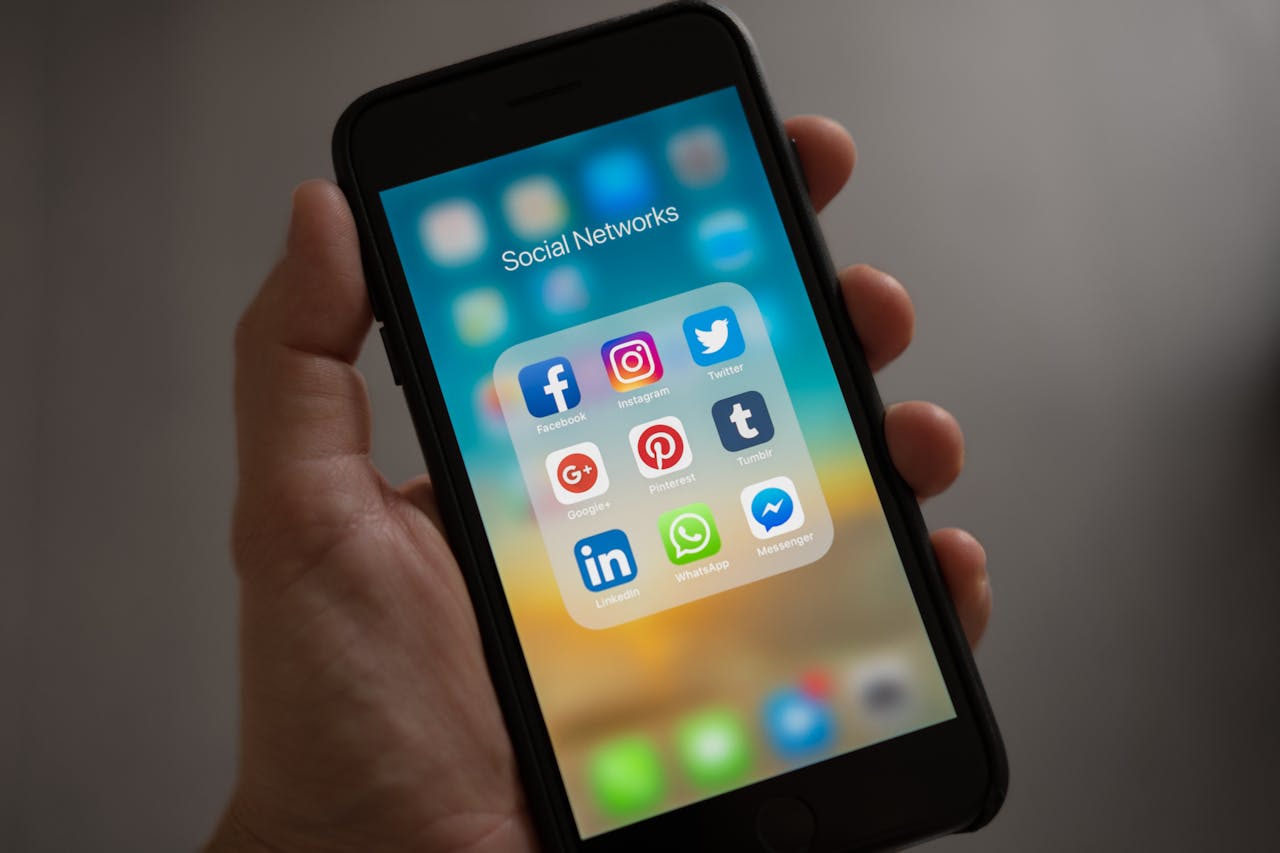
As digital communication evolved, American activists and technologists helped shape the global idea of free expression on the internet. Early forums, open-source communities, and digital privacy groups pushed for unrestricted access to information and protection from government surveillance. These ideas inspired international digital rights movements and influenced policies around censorship, data privacy, and online democracy. It helped define the internet as a tool for empowerment rather than control.
The Space Exploration Movement
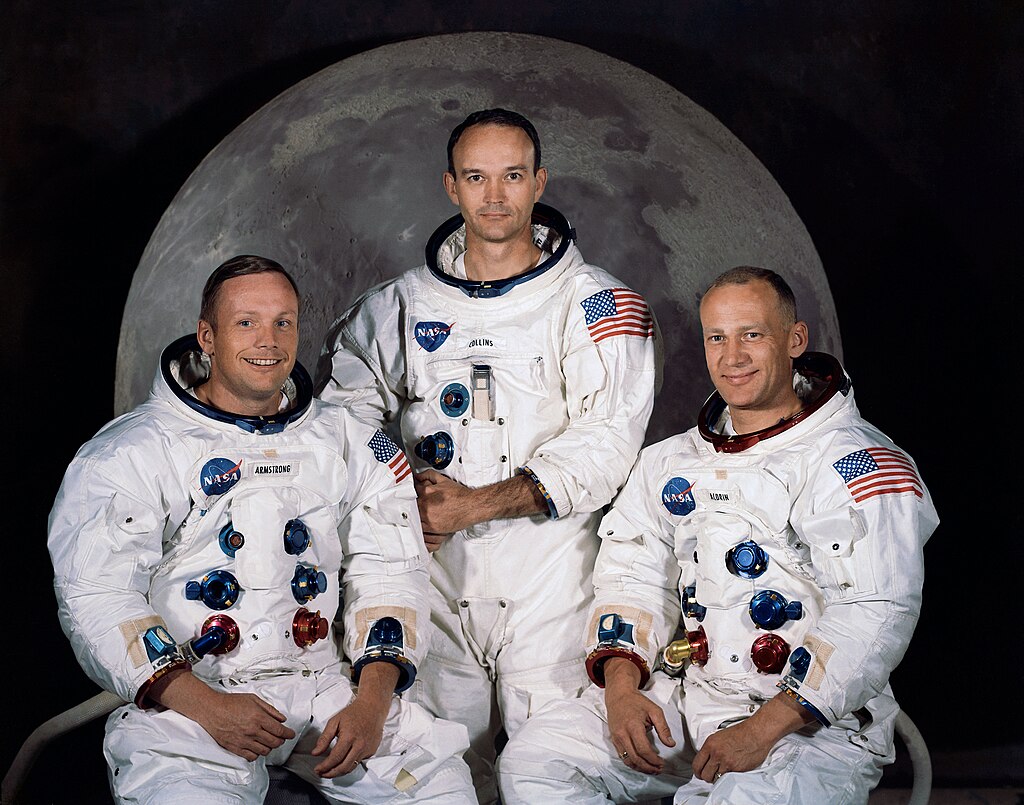
The United States became a symbol of human possibility after NASA’s Apollo 11 mission in 1969 made the first successful moon landing. This achievement inspired countries around the world to invest in space research and technology. Nations like India, China, and the United Arab Emirates developed their own space programs. The movement proved that space exploration was not just scientific but strategic, pushing global cooperation, innovation, and national pride beyond Earth’s boundaries.
The Youth Climate Movement
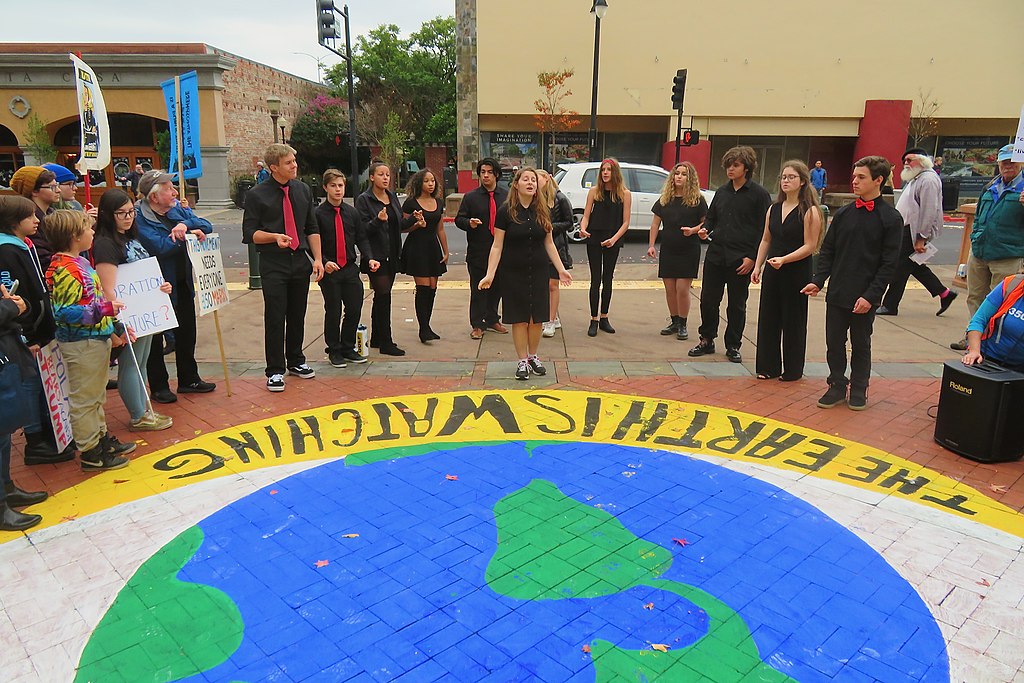
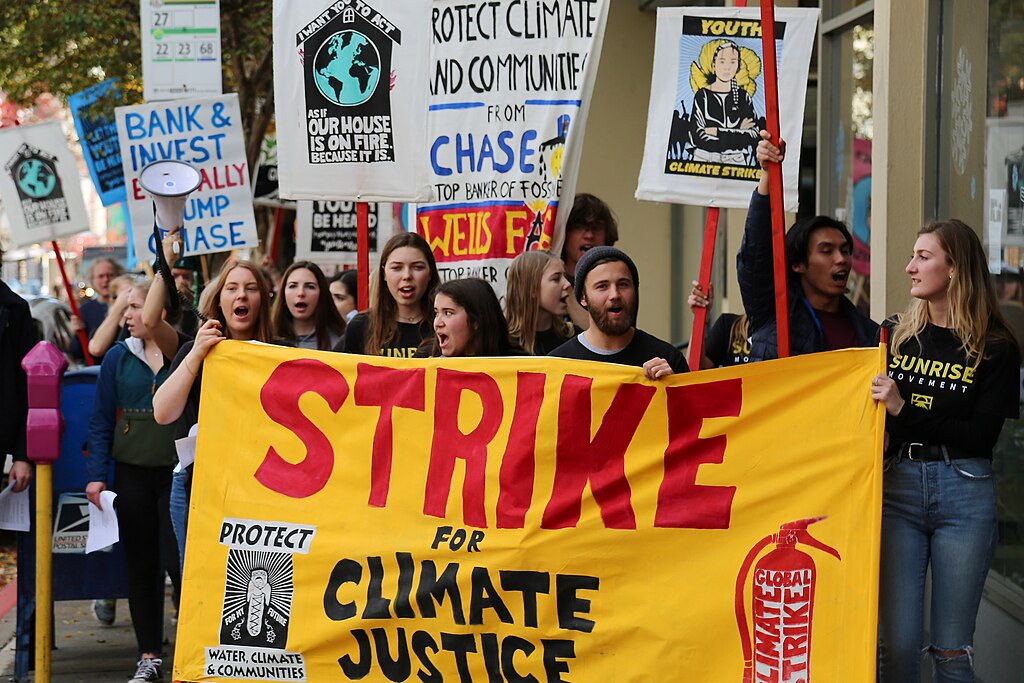
U.S. youth-led climate action grew rapidly through digital platforms and school walkouts, connecting environmental concerns with justice, health, and the future of the planet. This movement inspired youth protests in Europe, South America, and Asia, urging governments to act urgently. Young voices reframed climate change as an immediate moral responsibility rather than a distant scientific issue. It helped pressure world leaders to rethink policies and prioritize sustainability in global decision-making.
The Tech Innovation and Startup Culture
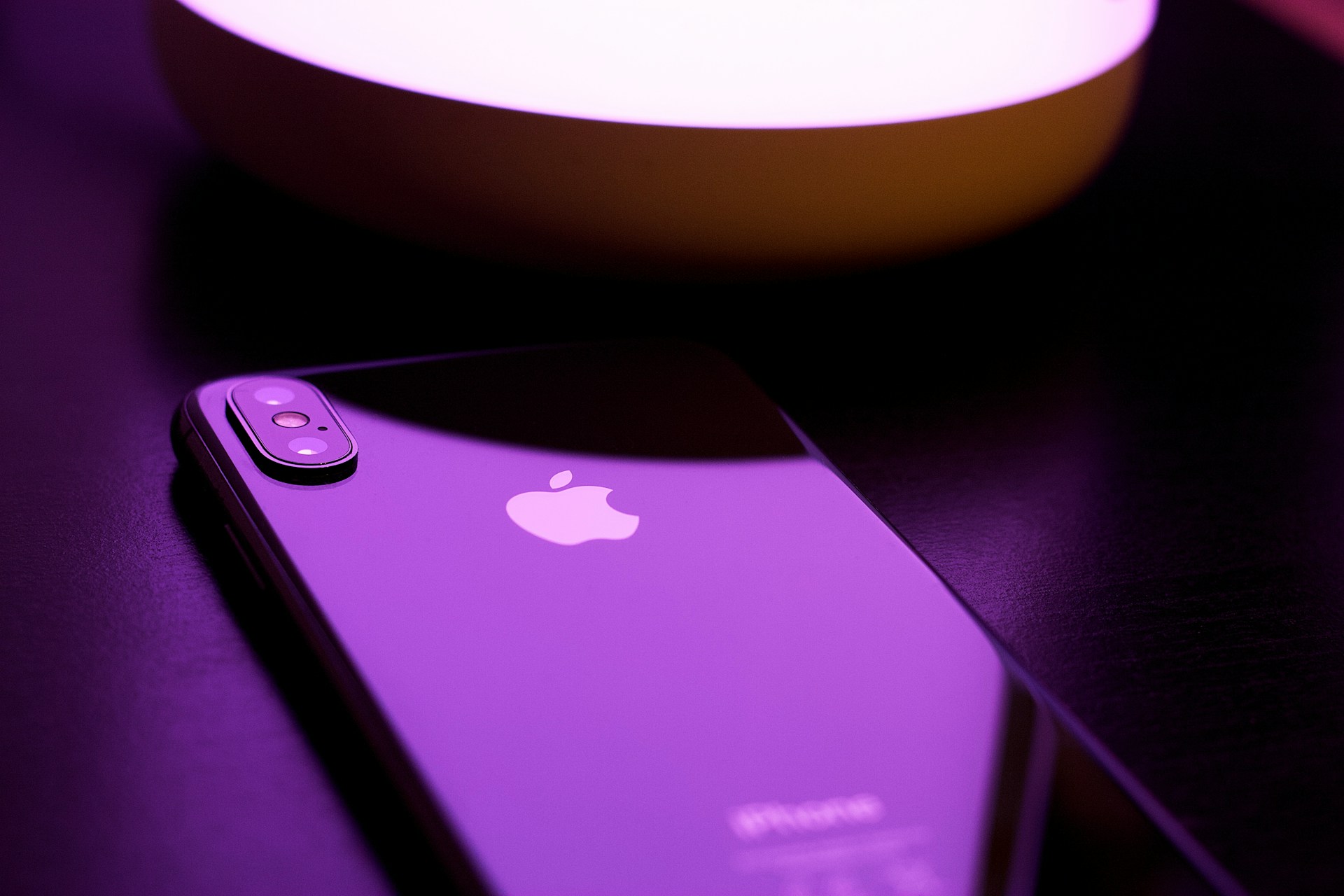
Silicon Valley in the United States became the birthplace of modern tech entrepreneurship, influencing industries in every part of the world. Startups like Apple, Google, and Tesla introduced new ways of thinking about business, problem solving, and digital life. The innovation-driven mindset spread internationally as countries built their own tech hubs and encouraged entrepreneurship. It reshaped global economies, communication, education, and how people interact with technology every day.
These American movements did not stay within national borders. They crossed continents, shifted cultures, and influenced how people fight for freedom, equality, safety, and progress. Each one sparked conversations that continue to grow today, proving that a single movement in one nation can set off change powerful enough to reshape the entire world.