
Some American cities carry reputations that feel intimidating long before anyone experiences them firsthand. These images are often shaped by old crime statistics, selective headlines, or moments frozen in public memory. What they rarely show is how daily life actually unfolds. Cities are not headlines. They are routines, neighborhoods, and people adapting quietly over time. While challenges may still exist, they are only part of the picture. Looking closer often reveals places that feel more stable, welcoming, and ordinary than their reputations suggest.
Chicago, Illinois
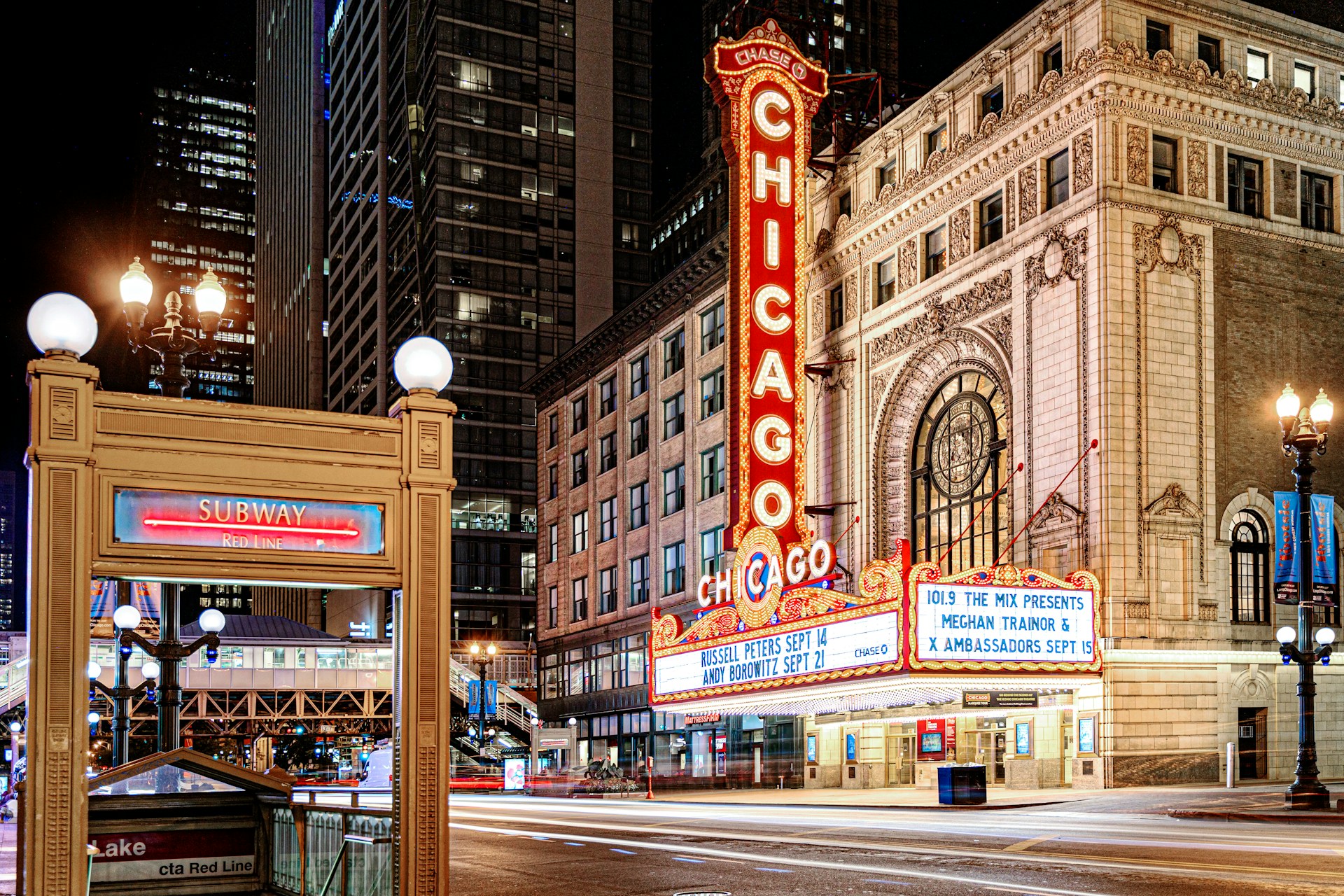
Chicago is frequently portrayed as dangerous, yet much of the city functions through strong neighborhood identity and daily normalcy. Many areas are walkable, family oriented, and socially connected. Residents experience vibrant food scenes, active public spaces, and deep cultural pride. Crime is real in certain pockets, but it does not define the whole city. For many people, Chicago feels structured, communal, and livable. The reputation often reflects fear from afar rather than the rhythm of everyday life.
Detroit, Michigan
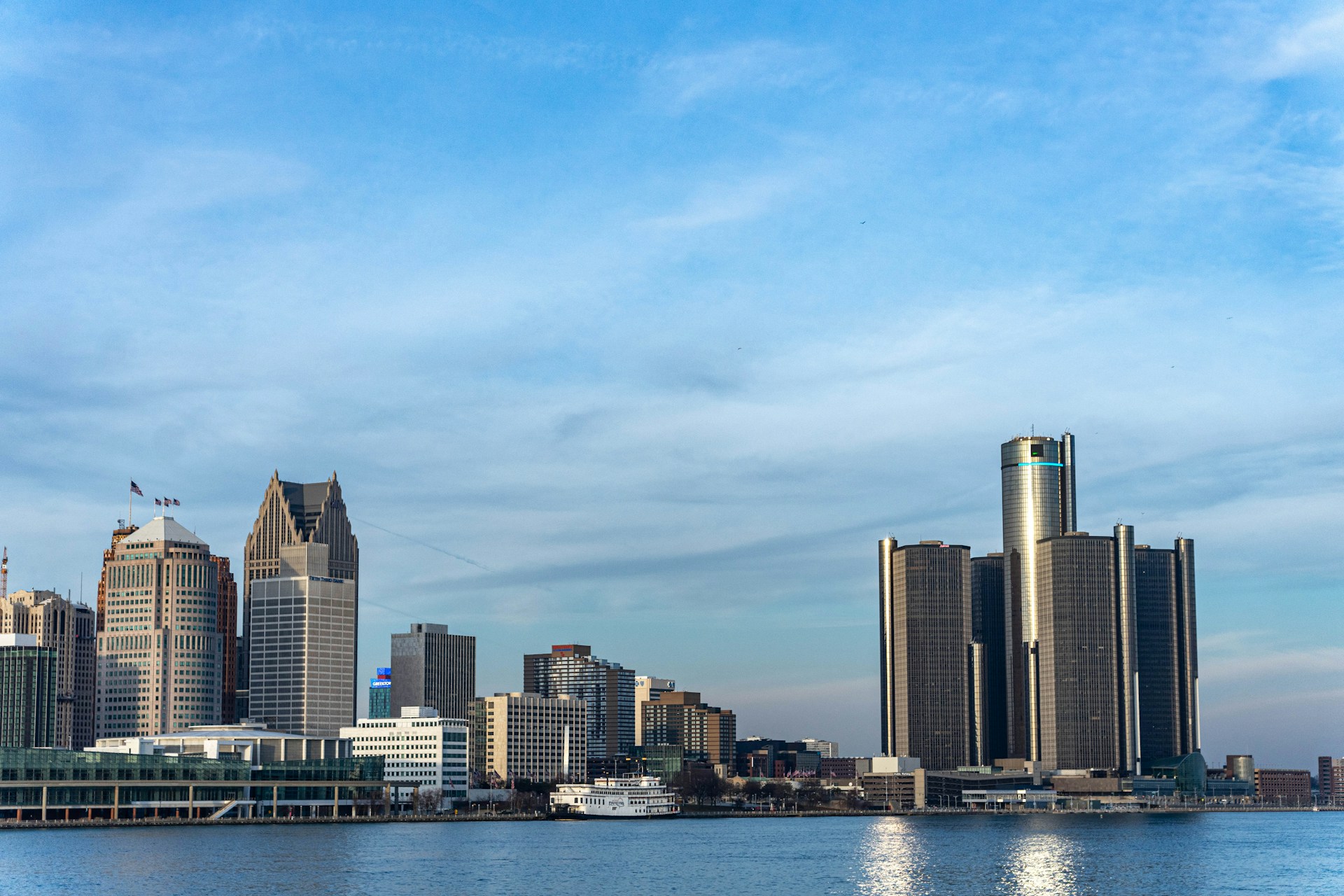
Detroit’s reputation grew from decades of economic decline, but daily life today tells a more grounded story. Many neighborhoods feel quiet, spacious, and community driven. Residents value affordability, local ownership, and creative expression. While some areas still struggle with infrastructure, others have rebuilt social stability and pride. Life in Detroit often feels intentional rather than chaotic. The city operates at a slower pace, shaped by resilience and familiarity instead of constant crisis.
Baltimore, Maryland
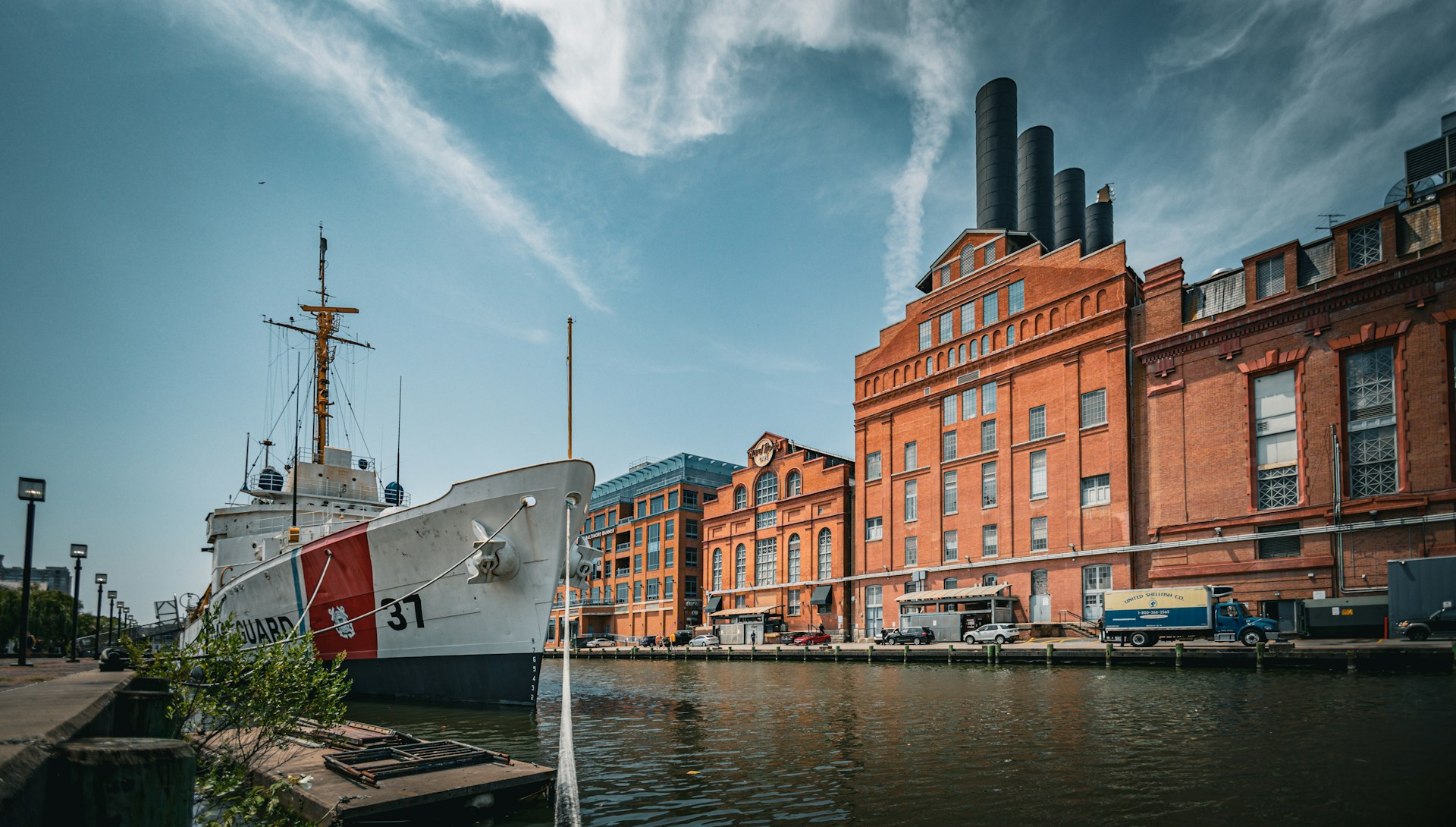
Baltimore is often reduced to crime statistics, but lived experience varies widely across the city. Many neighborhoods are tight knit, expressive, and culturally rich. Waterfront areas, residential blocks, and creative districts feel calm and social. Residents emphasize loyalty and local connection. While challenges remain unevenly distributed, most daily life involves routine work, family, and community. The city feels personal and relational, which rarely aligns with the fear driven reputation outsiders imagine.
Philadelphia, Pennsylvania
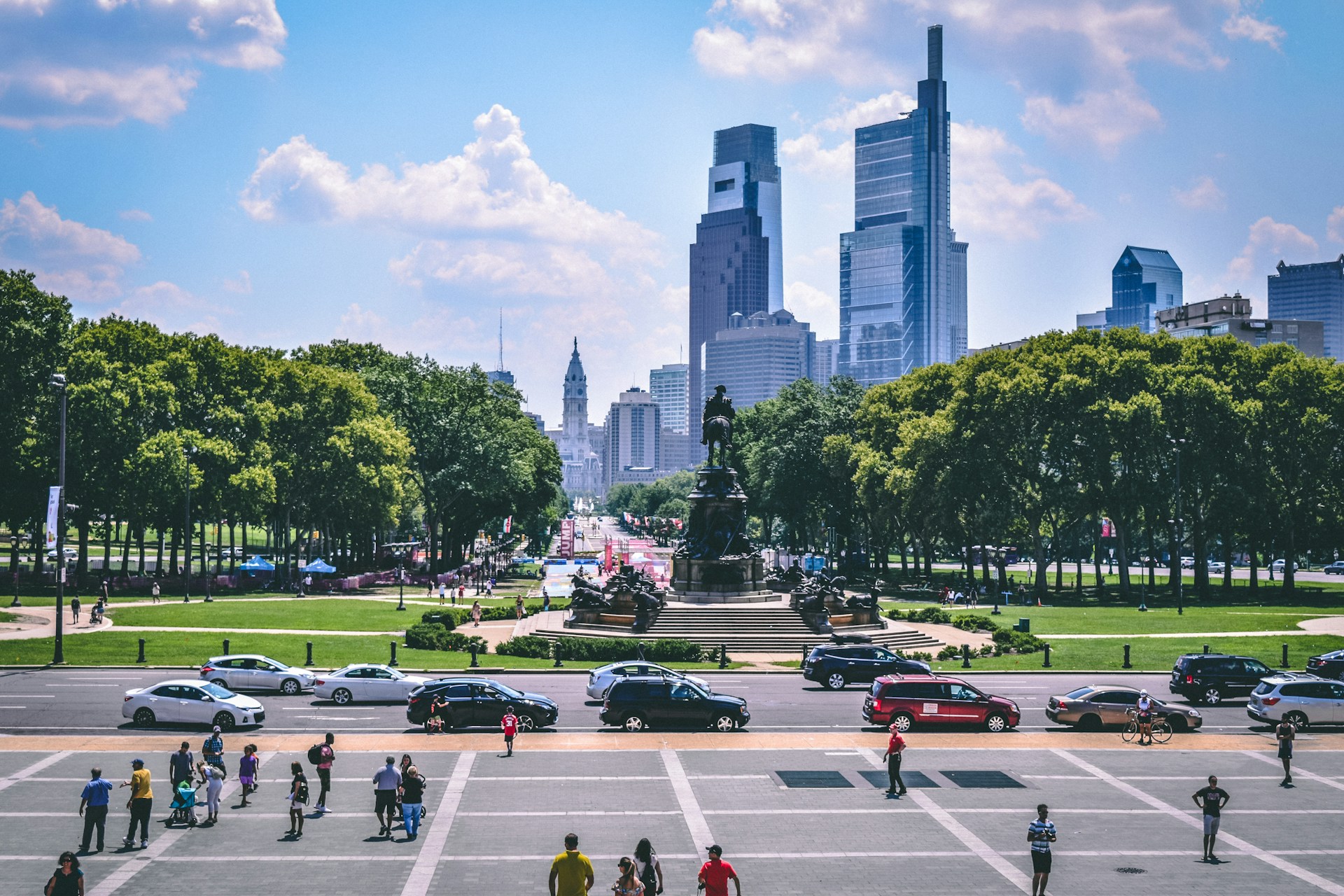
Philadelphia is sometimes labeled aggressive, yet everyday life there feels conversational and grounded. Neighborhood pride is strong, and residents interact constantly through shops, parks, and local institutions. Historic districts and public spaces support steady routines. While the city has grit, it also has humor and warmth. Many people describe it as honest rather than hostile. The reputation exaggerates roughness while overlooking the social fabric that holds daily life together.
St. Louis, Missouri
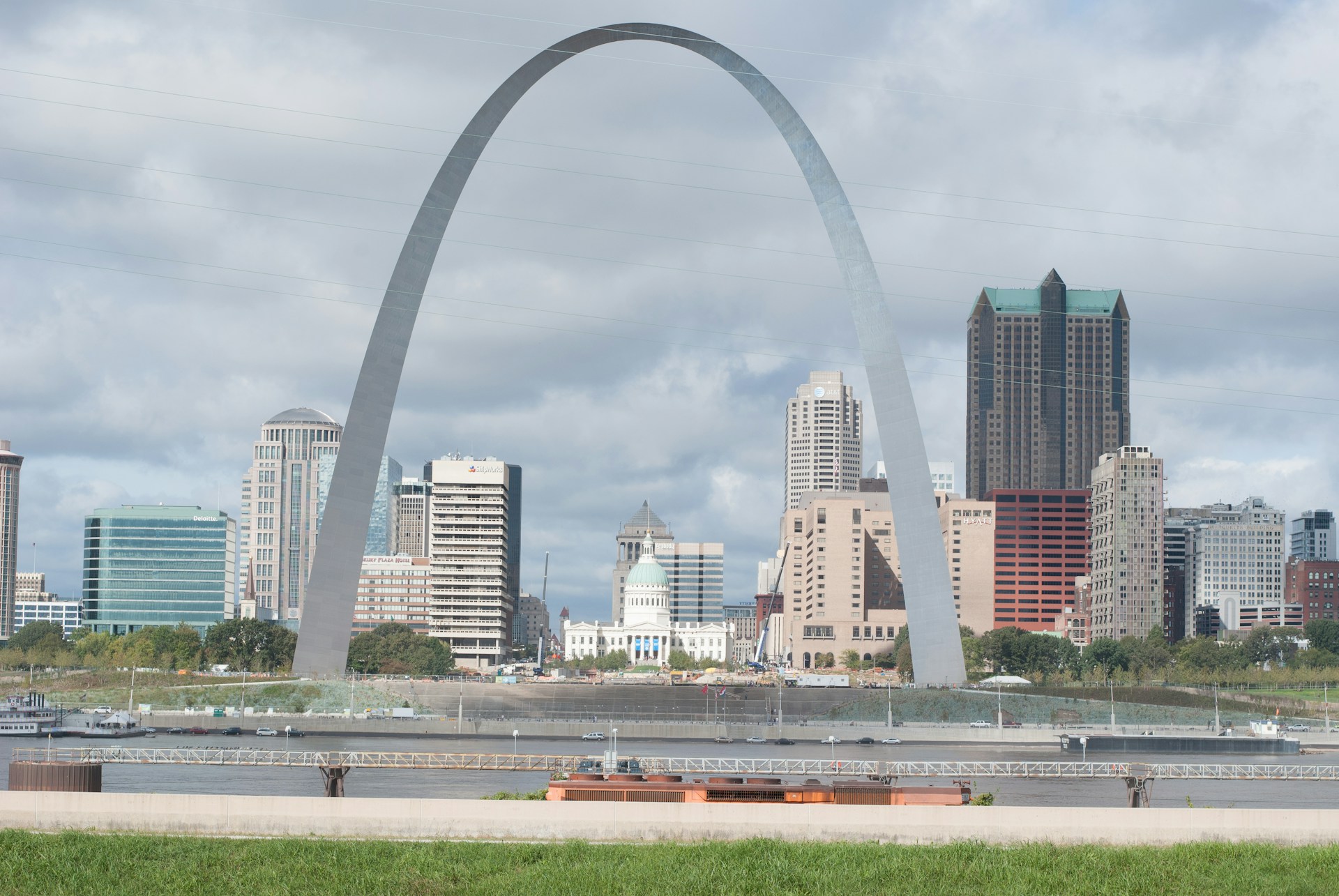
St. Louis often appears in crime rankings that fail to capture neighborhood differences. In reality, many areas are residential, calm, and family focused. Residents highlight friendliness, affordability, and community continuity. Cultural institutions and local traditions play a large role in daily life. While certain districts face challenges, much of the city operates quietly and predictably. The reputation tends to flatten a city that is far more nuanced than numbers suggest.
Oakland, California
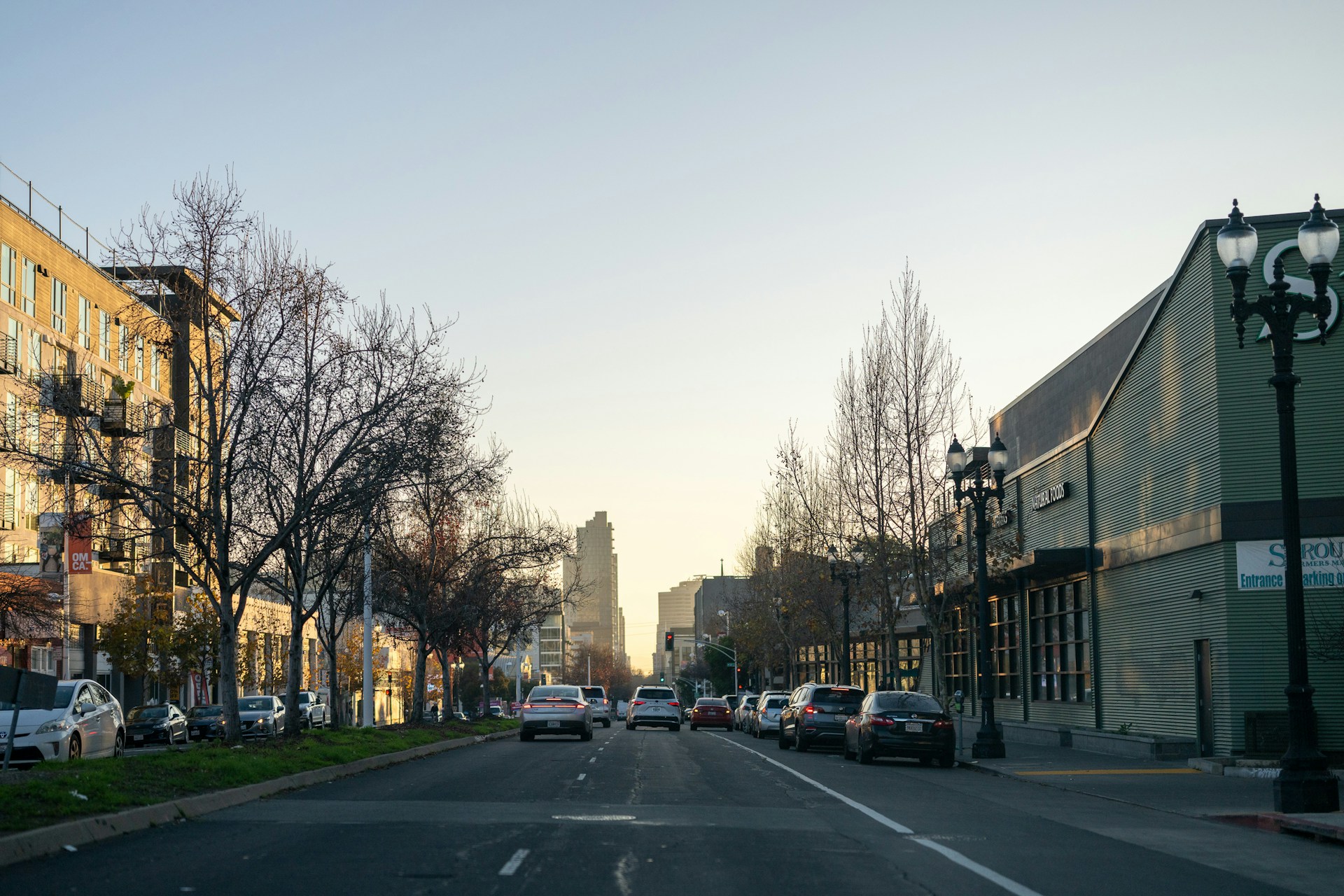
Oakland’s tough image comes from past crime and rapid change, but lived experience is more layered. Many neighborhoods are creative, social, and deeply community oriented. Residents value expression, diversity, and local engagement. While economic pressure and inequality are real, daily life often feels vibrant rather than threatening. The city’s reputation focuses on tension while overlooking its strong sense of identity and resilience.
New Orleans, Louisiana
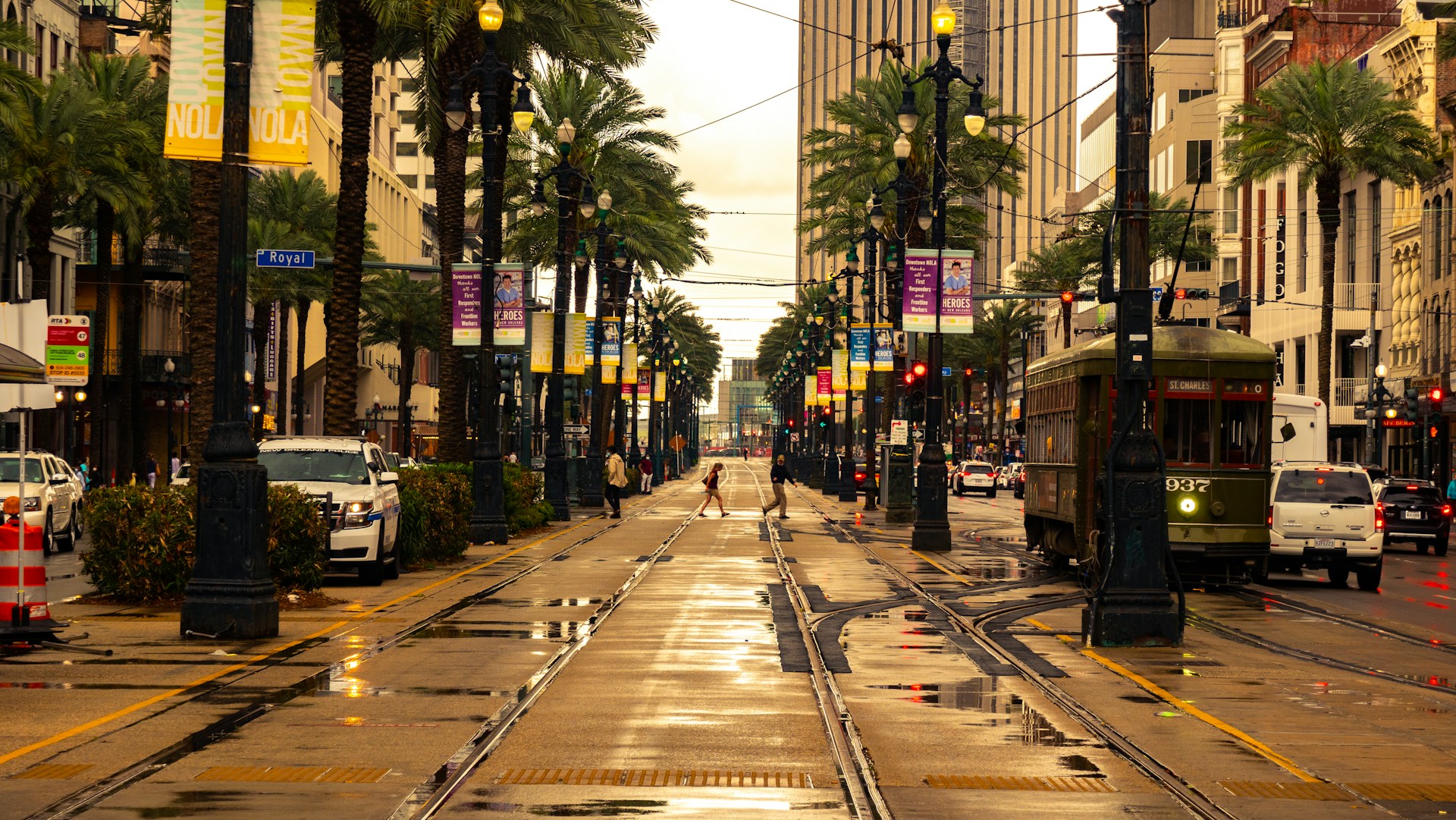
New Orleans is sometimes framed as chaotic, yet much of the city operates through deep neighborhood bonds and shared ritual. Music, food, and tradition shape everyday structure. Residents navigate challenges with familiarity and collective care. Daily life feels culturally rich and relational rather than unstable. While the city faces infrastructure issues, the social fabric remains strong. The reputation misses how rooted and connected the city feels to those who live there.
Memphis, Tennessee
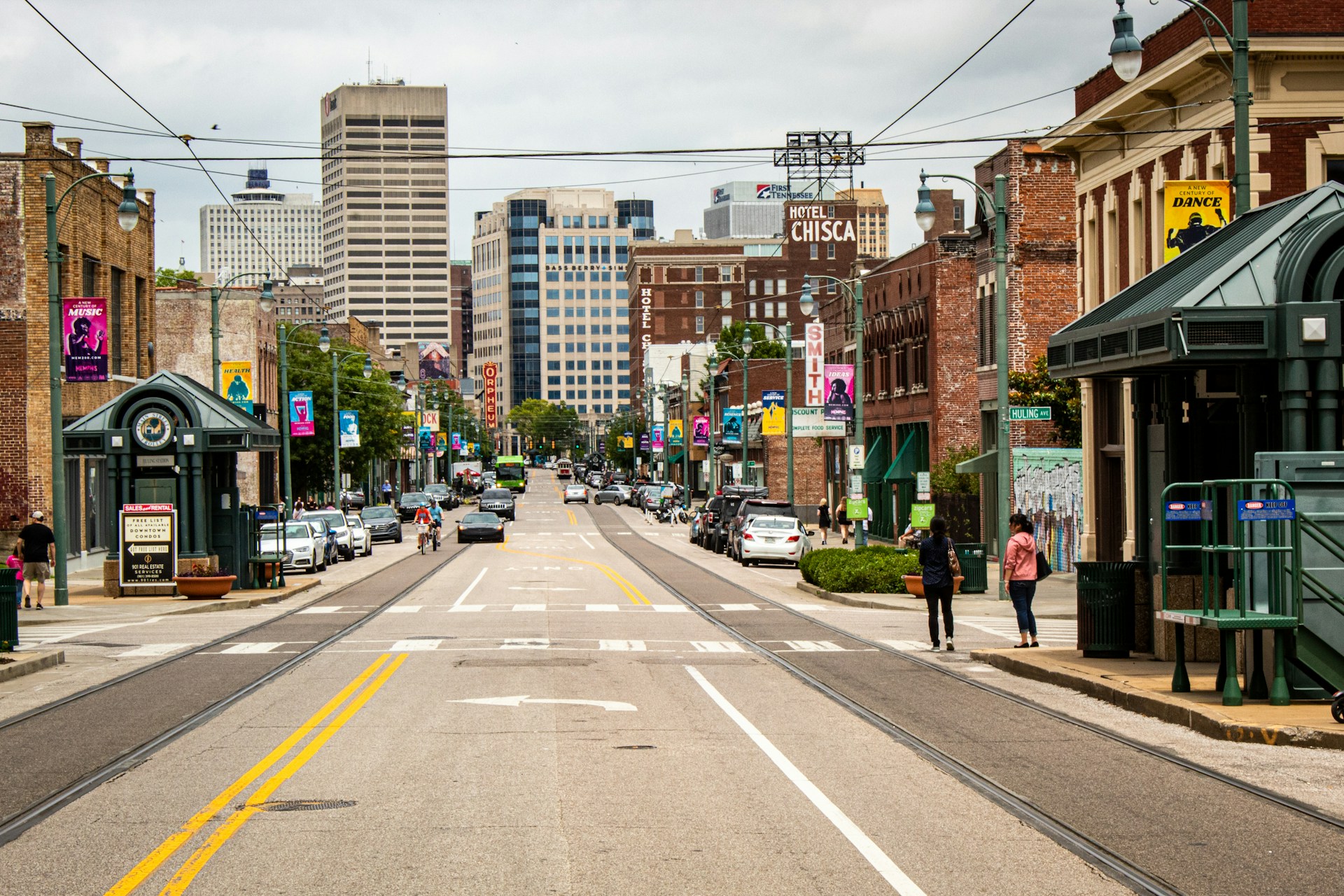
Memphis is often discussed through crime narratives, but residents emphasize warmth and cultural pride. Music history, food culture, and neighborhood identity anchor daily routines. Many areas feel close knit and personal. While resources are uneven, social connection is strong. The city feels more communal than threatening. Its reputation overlooks the role of shared history and local pride in shaping everyday life.
Cleveland, Ohio
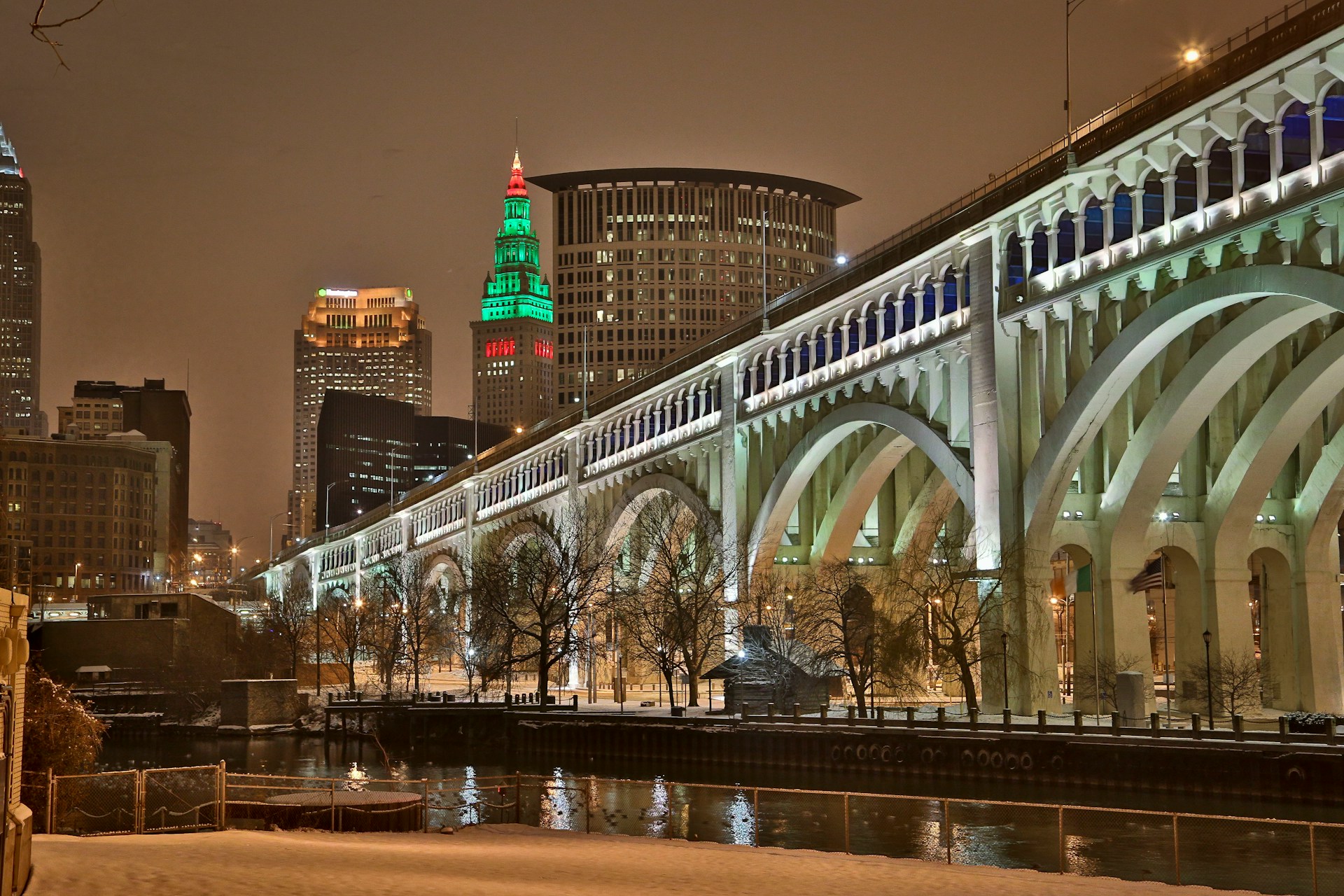
Cleveland’s tough reputation lingers from industrial decline, yet much of the city feels stable and livable. Residents appreciate affordability, green space, and strong arts institutions. Neighborhoods support routine and long term living. While the city continues to adapt economically, daily life feels quieter and more functional than outsiders expect. The reputation often ignores how settled and community based many areas have become.
Newark, New Jersey
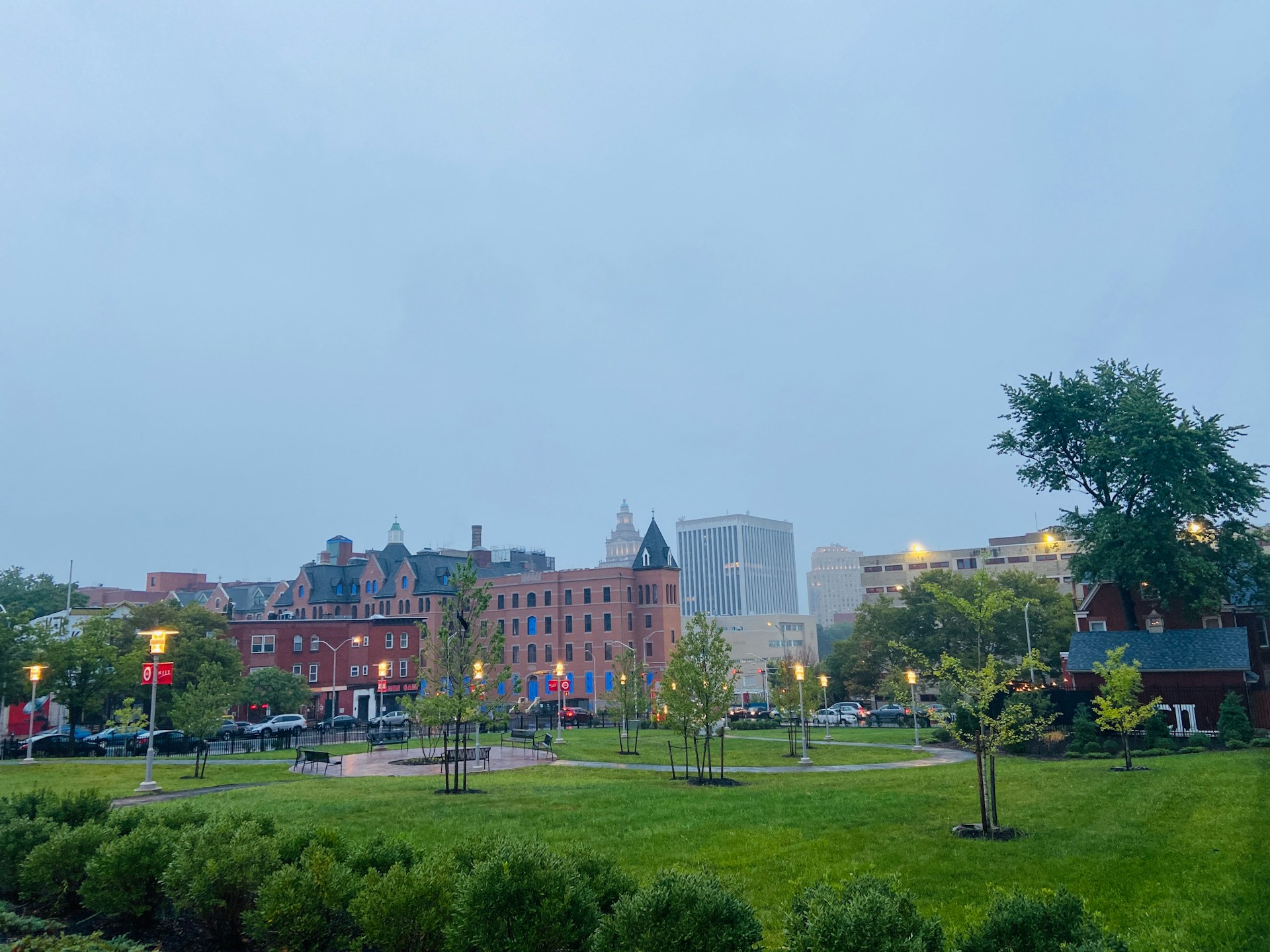
Newark is frequently dismissed, yet its reality is more complex. Many neighborhoods are residential, culturally active, and socially connected. Proximity to New York brings both pressure and opportunity. Residents describe strong family networks and growing civic pride. While challenges exist, the city feels transitional rather than dangerous. The reputation lags behind the steady normalization of daily life.
Los Angeles, California
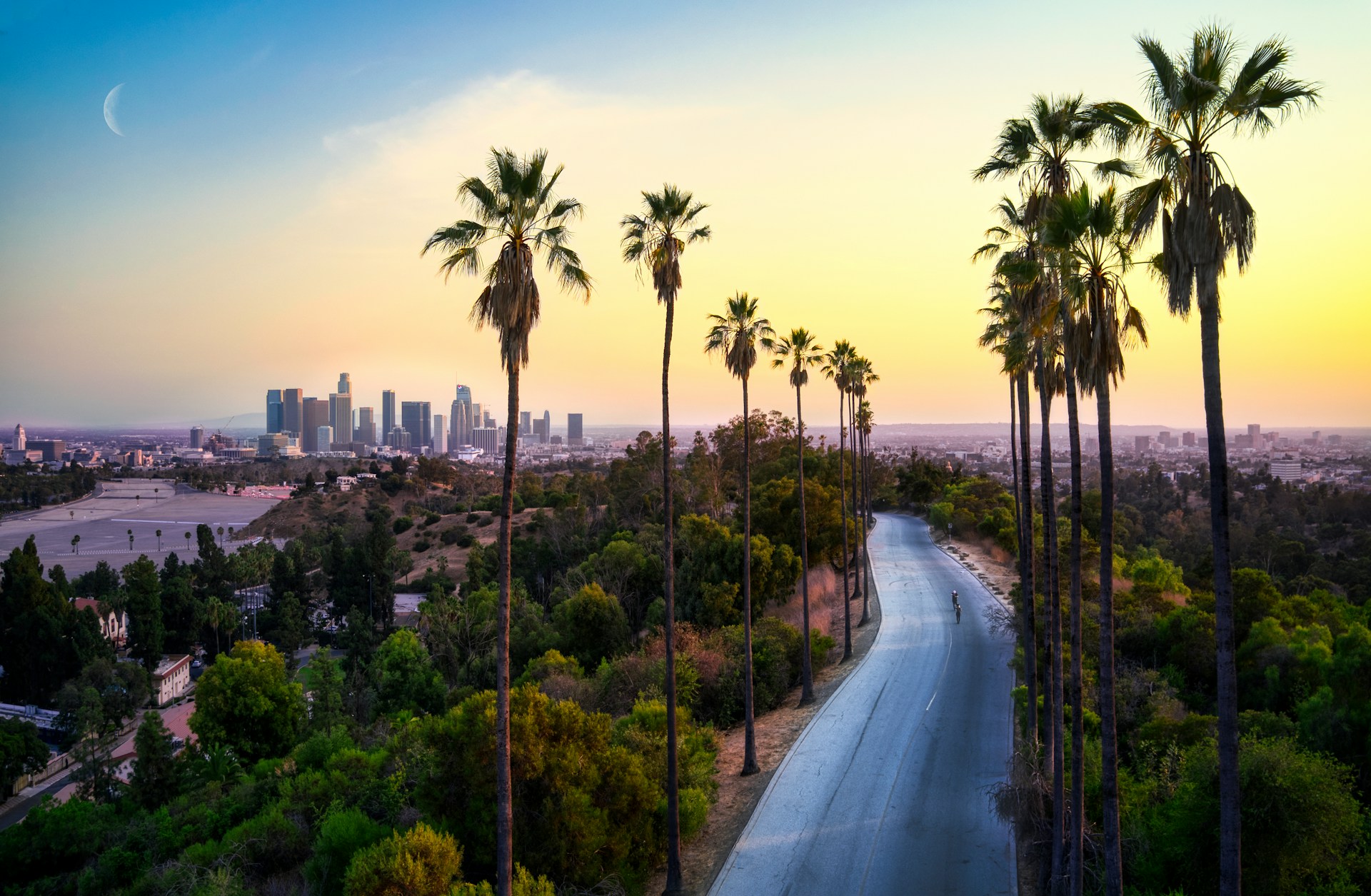
Los Angeles can feel overwhelming due to scale, which is often mistaken for danger. In reality, most daily life happens at a neighborhood level. Many areas feel suburban, routine driven, and calm. Safety varies by location, but the city functions as interconnected communities rather than a single environment. Understanding geography changes the experience entirely. The reputation reflects confusion more than constant risk.
Atlanta, Georgia
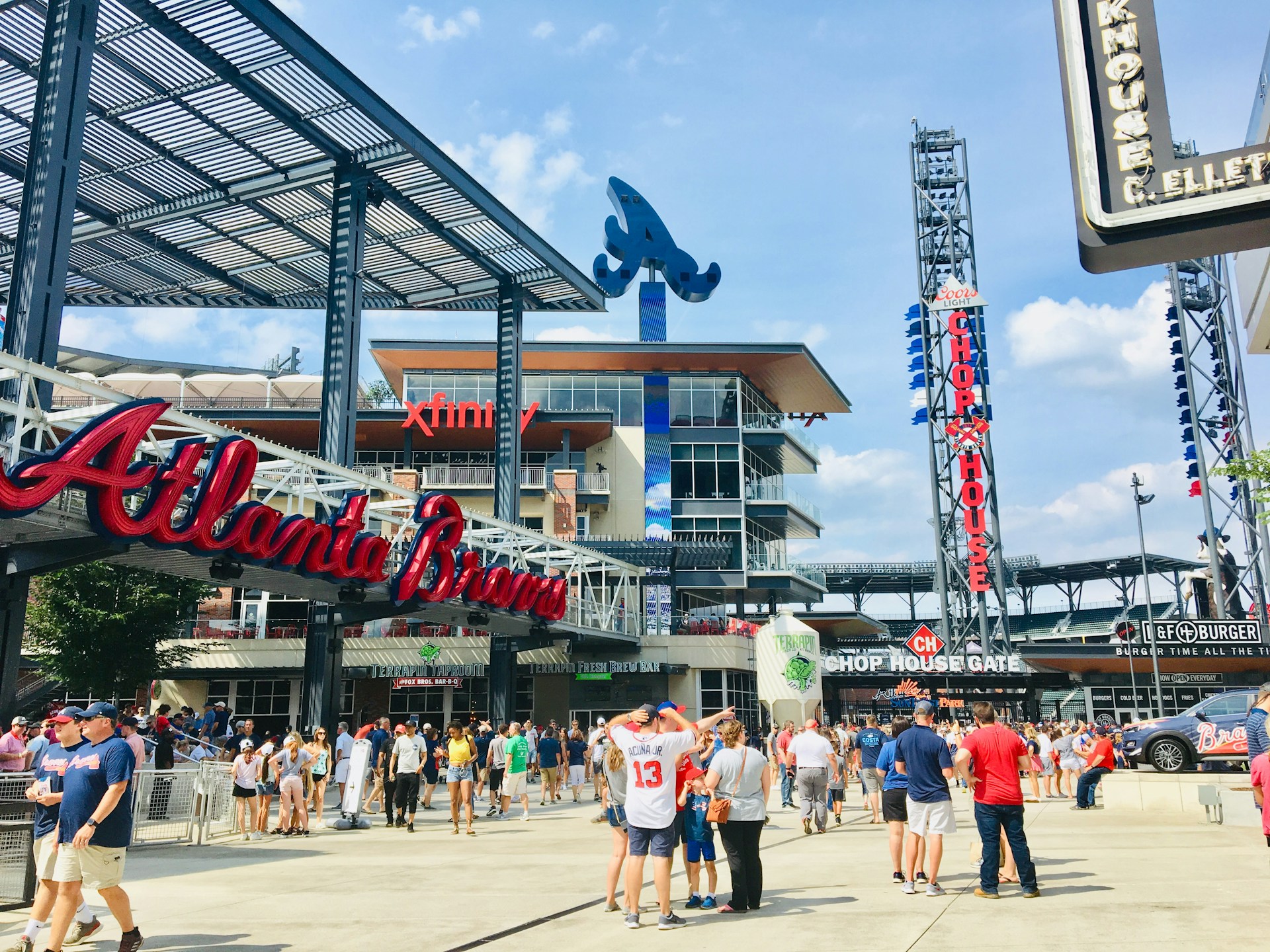
Atlanta’s reputation mixes rapid growth with crime narratives, yet much of the city feels residential and relational. Neighborhoods have clear identities centered around schools, parks, and local businesses. Daily life often feels social rather than competitive. While change is visible, adaptation is steady. Residents describe a city balancing growth with community continuity, which the reputation rarely captures.
Jackson, Mississippi
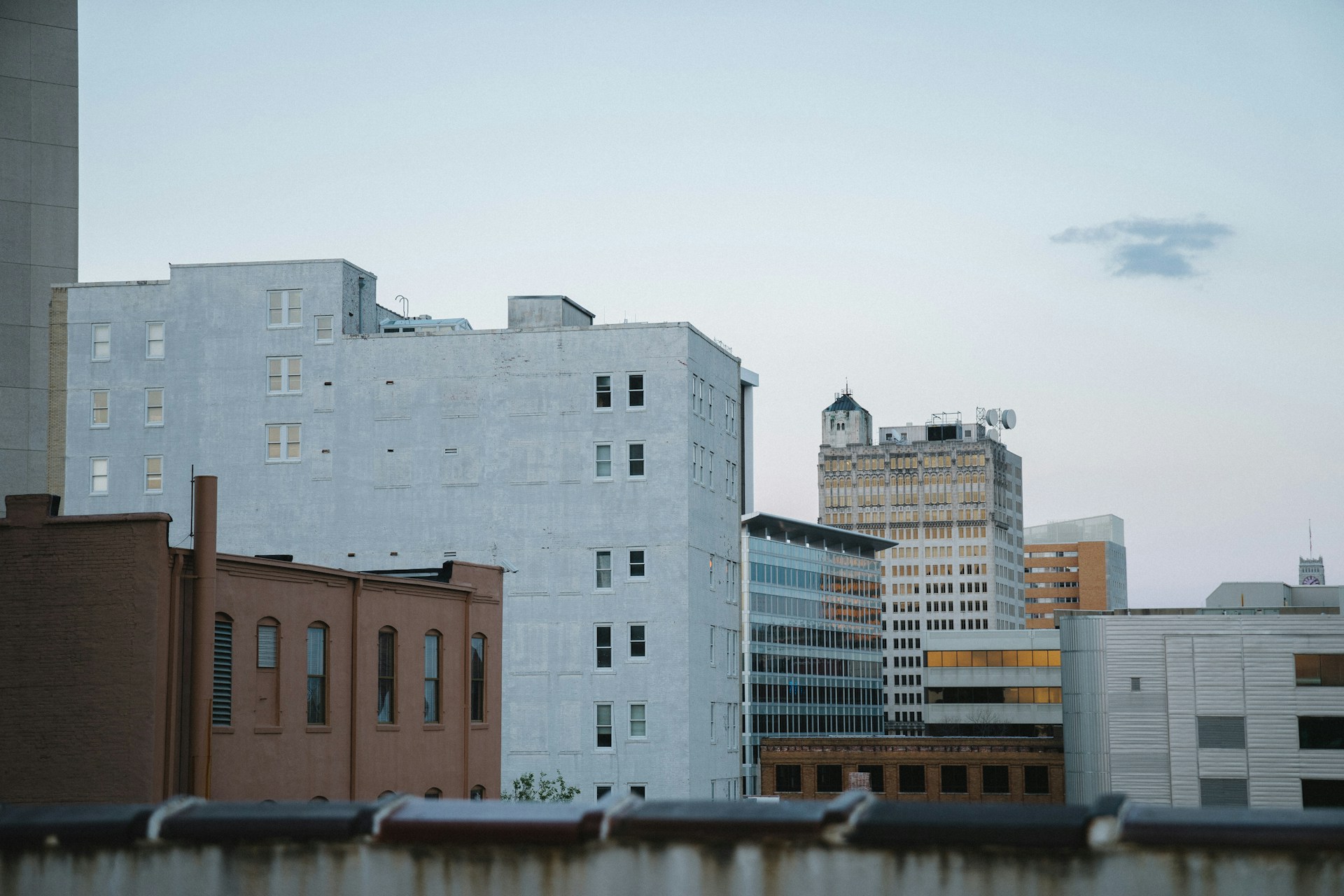
Jackson is often framed through crisis, but residents highlight culture, history, and mutual support. Community organizations play a central role in daily life. While infrastructure challenges remain, social bonds are strong. The city feels personal and familiar rather than anonymous. The reputation emphasizes breakdown while overlooking everyday resilience and care.
Camden, New Jersey
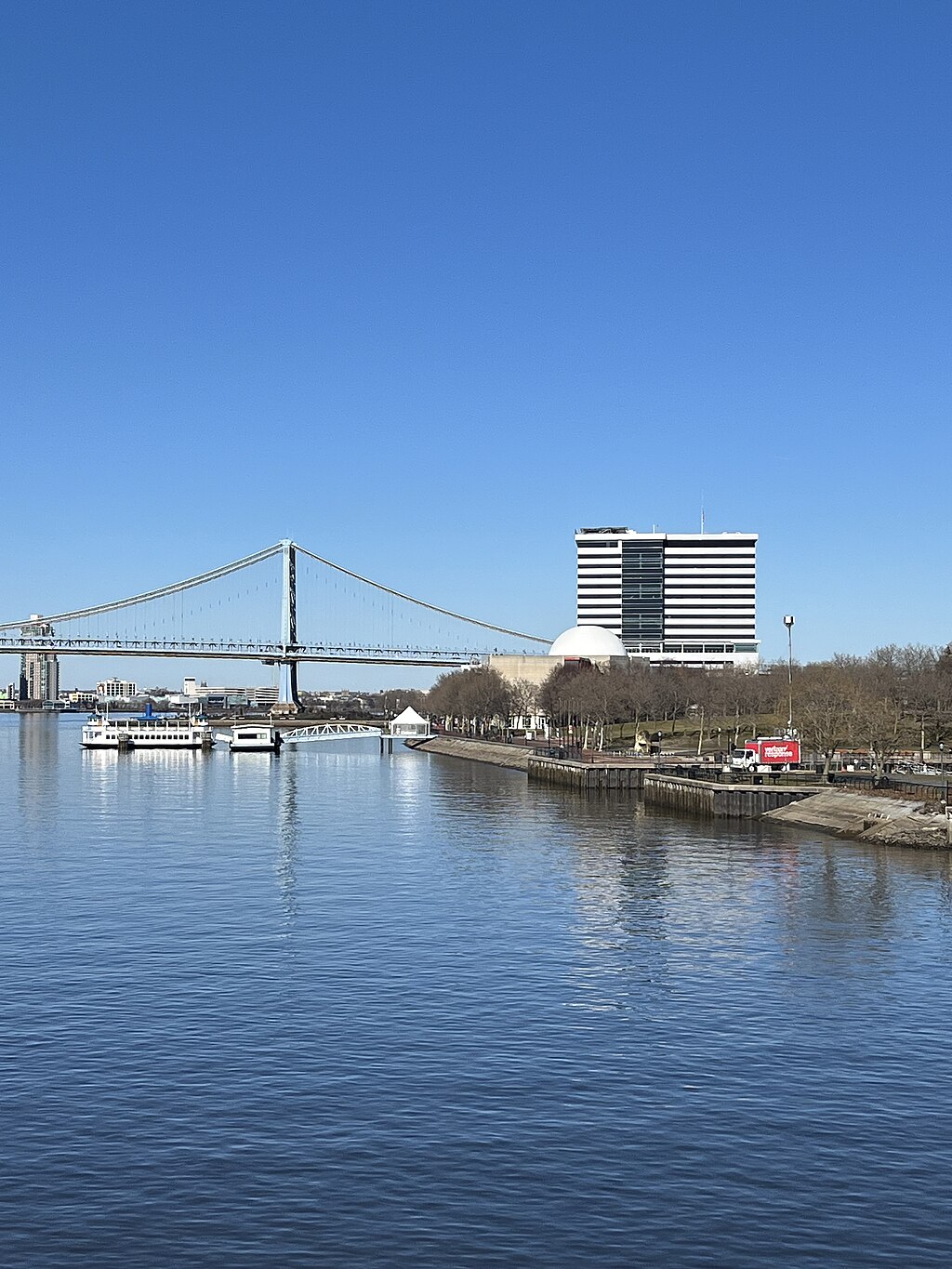
Camden’s reputation is intense, yet recent years have brought visible community rebuilding. Residents describe strong neighborhood identity and growing stability. While challenges persist, daily life reflects effort rather than collapse. Local engagement and investment shape a city that is slowly redefining itself. The reputation freezes the past while the present continues to change.
Tough reputations simplify places that are lived in with nuance. Cities are not defined by their worst moments, but by how people adapt, connect, and carry on daily life. These places face real challenges, yet they also hold routine, warmth, and resilience that headlines rarely capture. Looking beyond reputation reveals cities shaped by continuity rather than crisis. Understanding them requires attention, patience, and curiosity instead of assumption.