
Traveling to Canada with kids can be a wonderful experience—stunning landscapes, friendly locals, and family-friendly cities. But just like any international trip, it comes with its own set of challenges. From weather surprises to healthcare nuances and unexpected wildlife encounters, being well-informed can make a huge difference. If you’re planning a trip to the Great White North, here are 14 important travel warnings every parent should know before you go.
Be Prepared for Unpredictable Weather

Canada is known for its diverse climate, and weather can shift quickly, even in the summer. A sunny morning can turn into a chilly, rainy afternoon, especially in mountainous or coastal regions. Always pack layers, waterproof gear, and warm clothing, even if you’re traveling in warmer months. Don’t forget hats, gloves, and extra socks for the kids—being cold and wet can quickly ruin a family outing.
Cell Service May Be Spotty in Remote Areas

If you’re planning to explore national parks or rural regions, cell service may be unreliable. This can be tricky if you rely on GPS or need to contact emergency services. Download offline maps and share your travel plans with someone before heading off-grid. Teaching older kids basic safety rules is wise in case of separation.
Healthcare Access Can Vary

Canada has excellent healthcare, but travelers aren’t covered under its public system. Medical services can be costly if you’re uninsured. Some small towns have limited access to clinics or hospitals, which can be a concern for families. Be sure to carry travel insurance that includes pediatric care and emergency evacuation.
Watch Out for Wildlife

From bears in the Rockies to moose in the Maritimes, Canada is home to plenty of wild animals. While thrilling to see, they can pose serious risks if not respected. Teach kids to stay calm and quiet during sightings and never to approach or feed animals. Follow local park guidelines, and always keep food sealed and stored properly.
Border Entry Requirements Change Frequently
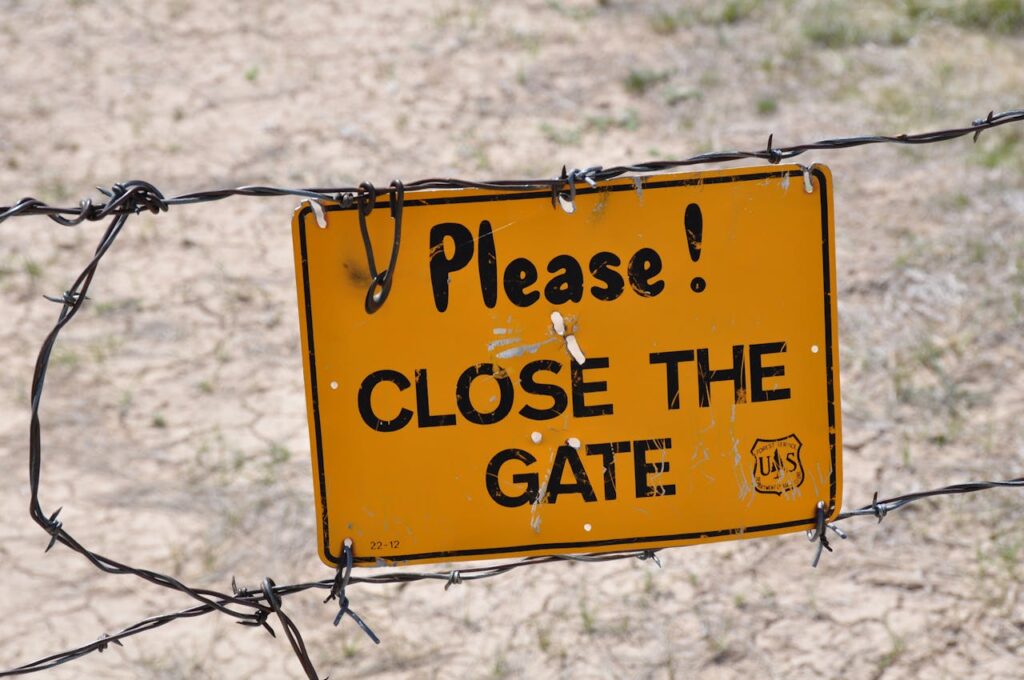
Parents should double-check entry requirements before traveling, especially post-pandemic. Requirements may include vaccination proof, electronic travel authorizations (eTAs), or special documents for minors traveling with one parent. Carry printed copies of all travel documents, including birth certificates and consent letters if needed. Being prepared can prevent delays or denied entry.
Car Seats and Booster Laws Differ

Canadian provinces have specific car seat regulations, and they may differ from your home country. Some rental companies may not provide appropriate seats, or may charge high fees. It’s often safer and more cost-effective to bring your own. Make sure your seat meets Canadian safety standards if you’re crossing the border by car.
Language Barriers in Quebec

While Canada is officially bilingual, much of Quebec primarily speaks French. This may create challenges when reading signs, ordering food, or asking for help. Consider learning a few basic French phrases or using a translation app. Many tourist spots have English-speaking staff, but not all local areas do.
Watch Out for High Food Prices

Dining out in Canada, especially in tourist-heavy areas, can be expensive. This can add up quickly when feeding a family. Opt for accommodations with kitchen access to prepare simple meals and save money. Packing snacks and reusable water bottles is also a smart move for busy travel days.
Tick and Mosquito Season Is Real

In warmer months, especially spring through early fall, ticks and mosquitoes are common in wooded and grassy areas. These insects can carry illnesses like Lyme disease or West Nile virus. Dress kids in long sleeves and use insect repellent approved for children. Always check for ticks after outdoor adventures.
Time Zones and Jet Lag

Canada spans six time zones, which can make jet lag and scheduling tricky for kids. If you’re traveling from overseas or crossing provinces, plan for a few slow days to adjust. Stick to consistent meal and nap times as much as possible. Tired kids equal cranky travel days, so schedule rest into your itinerary.
Emergency Numbers Are Different
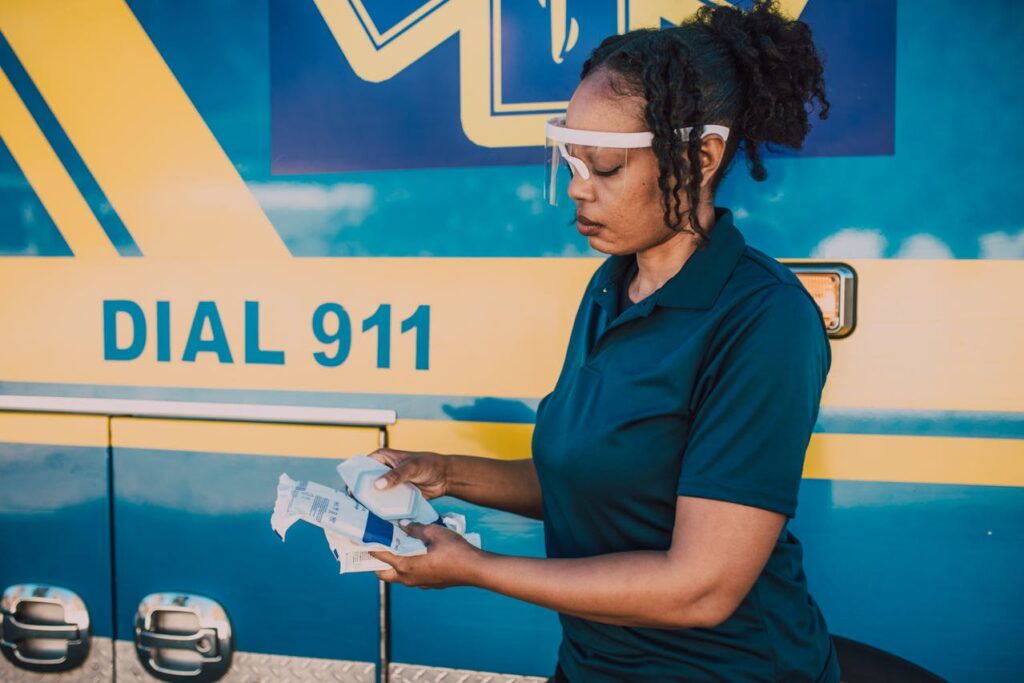
In Canada, the emergency number is 911, just like in the U.S.—but this may be unfamiliar to families from other countries. Make sure kids know how to call for help if needed and what address or location to give. Keep a list of local emergency contacts in your phone and on paper. Being prepared gives peace of mind in new surroundings.
Expect Limited Baby Facilities in Rural Areas

Diaper-changing stations and nursing rooms are common in cities but less so in small towns. This can be inconvenient for parents with babies or toddlers. Pack a portable changing mat and bring supplies for several hours when venturing outside urban centers. Knowing where to stop ahead of time can make travel smoother.
Border Wait Times Can Be Long

Whether you’re driving or flying, border crossings can involve long waits—especially during peak seasons. Have snacks, entertainment, and activities ready for kids. Make sure devices are charged and bathroom breaks happen before reaching the border. Patience is key to a smoother transition into Canada.
Be Aware of School Schedule Differences

Canadian school holidays differ from those in other countries, which can affect crowd levels at museums, parks, and attractions. Traveling during local breaks might mean busier locations and higher prices. Research the provincial school calendar to plan around peak times. This can help you avoid long lines and overbooked activities.