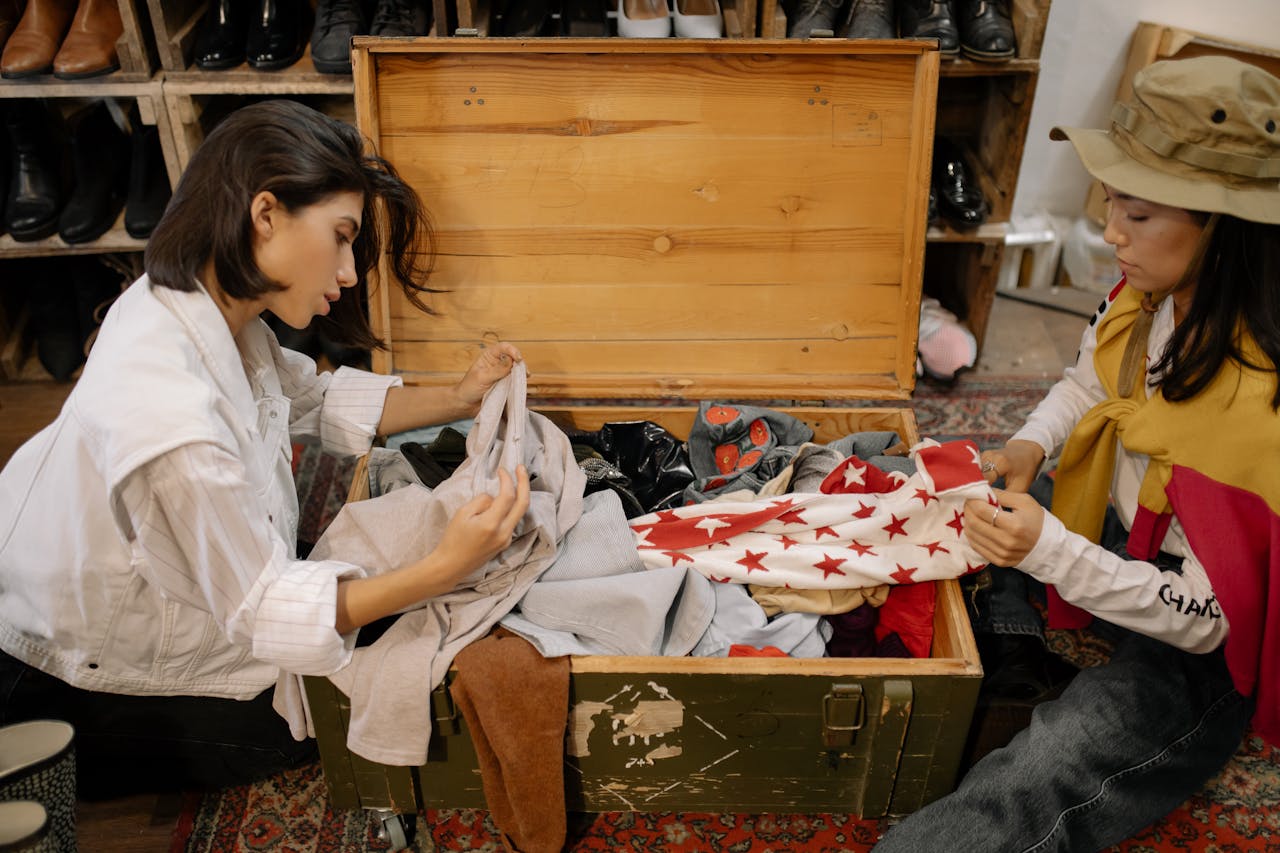
Grocery stores used to be more than just a place to buy food—they were community hubs full of personal touches and unique features. Over time, changes in technology, safety regulations, and shopping habits have transformed the experience, leaving many once-familiar sights behind. These vanished elements were more than conveniences; they were part of a shared culture that made grocery shopping feel warmer and more personal. Let’s revisit the things we’ll probably never see in our local stores again.
The Neighborhood Butcher Who Knew Your Order by Heart
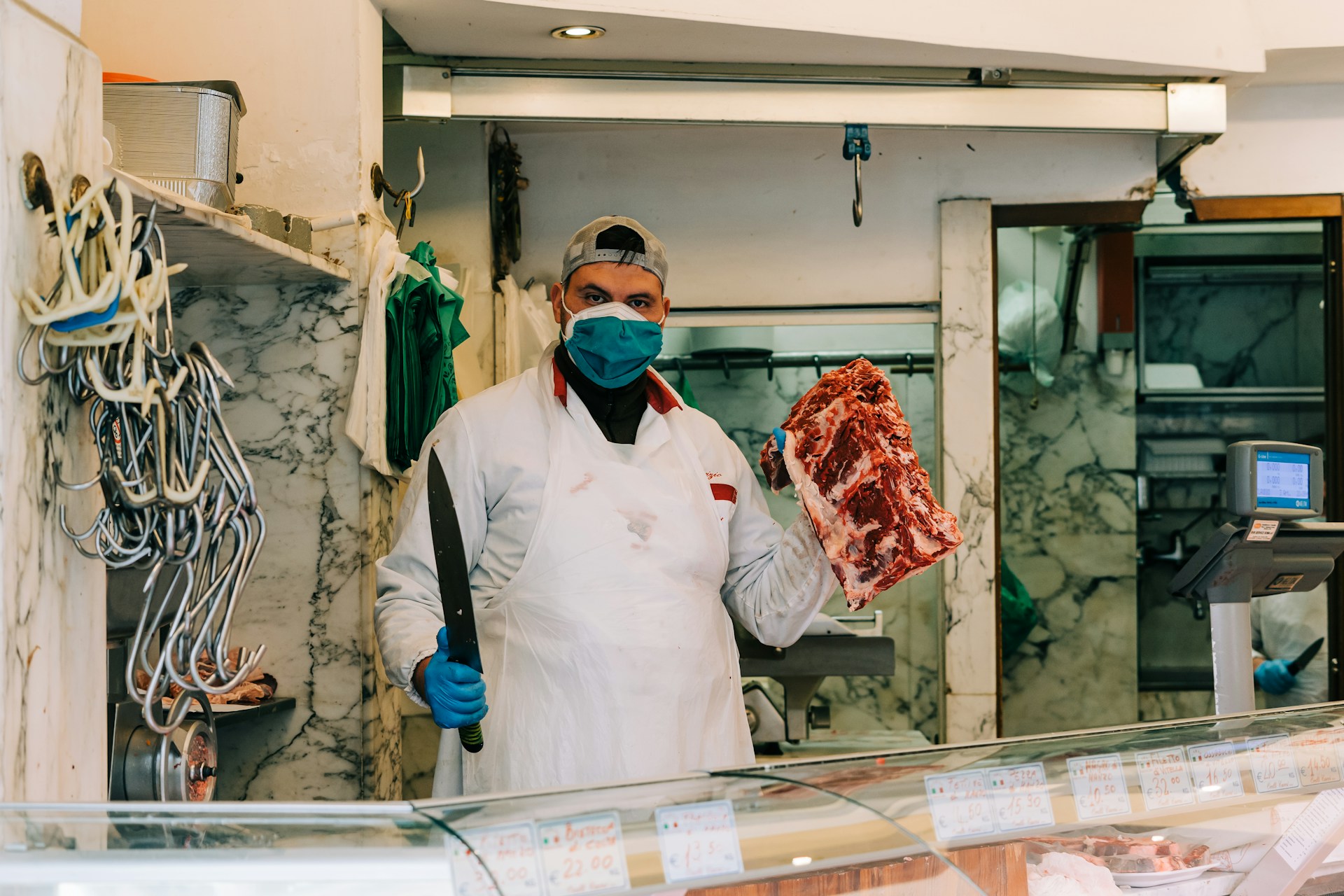
There was a time when walking into the grocery meant being greeted by a butcher who already knew your usual cut. These skilled professionals would offer cooking tips, wrap meat in crisp white paper, and set aside special orders. It was a personalized service built on relationships, not just transactions. Over time, the shift to pre-packaged meat and larger supply chains made these interactions rare. Today, you’ll mostly find this kind of attention only in small specialty shops or local markets.
Coin-Operated Kiddie Rides by the Store Entrance
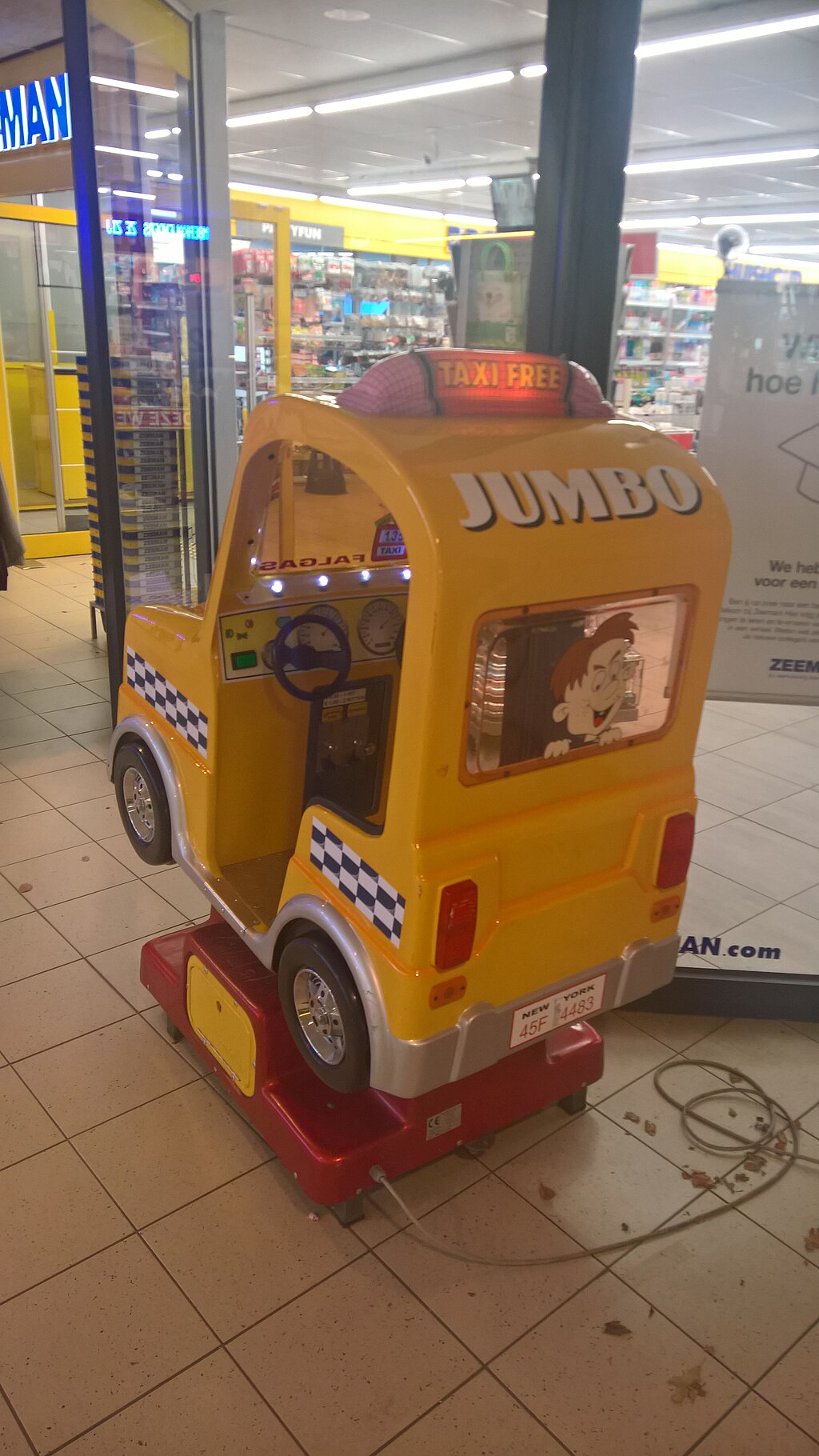
Just inside the entrance or out front, coin-operated kiddie rides once thrilled young shoppers. For a quarter, kids could ride a miniature horse, rocket, or car while parents loaded groceries into the cart. The cheerful music and gentle motion were simple joys that made errands more fun. As store layouts evolved and liability concerns grew, the rides vanished. Now, they’re more likely to be found at fairs or retro arcades, remembered fondly by the kids who begged for “just one ride.”
Running a Tab with Store Credit Accounts
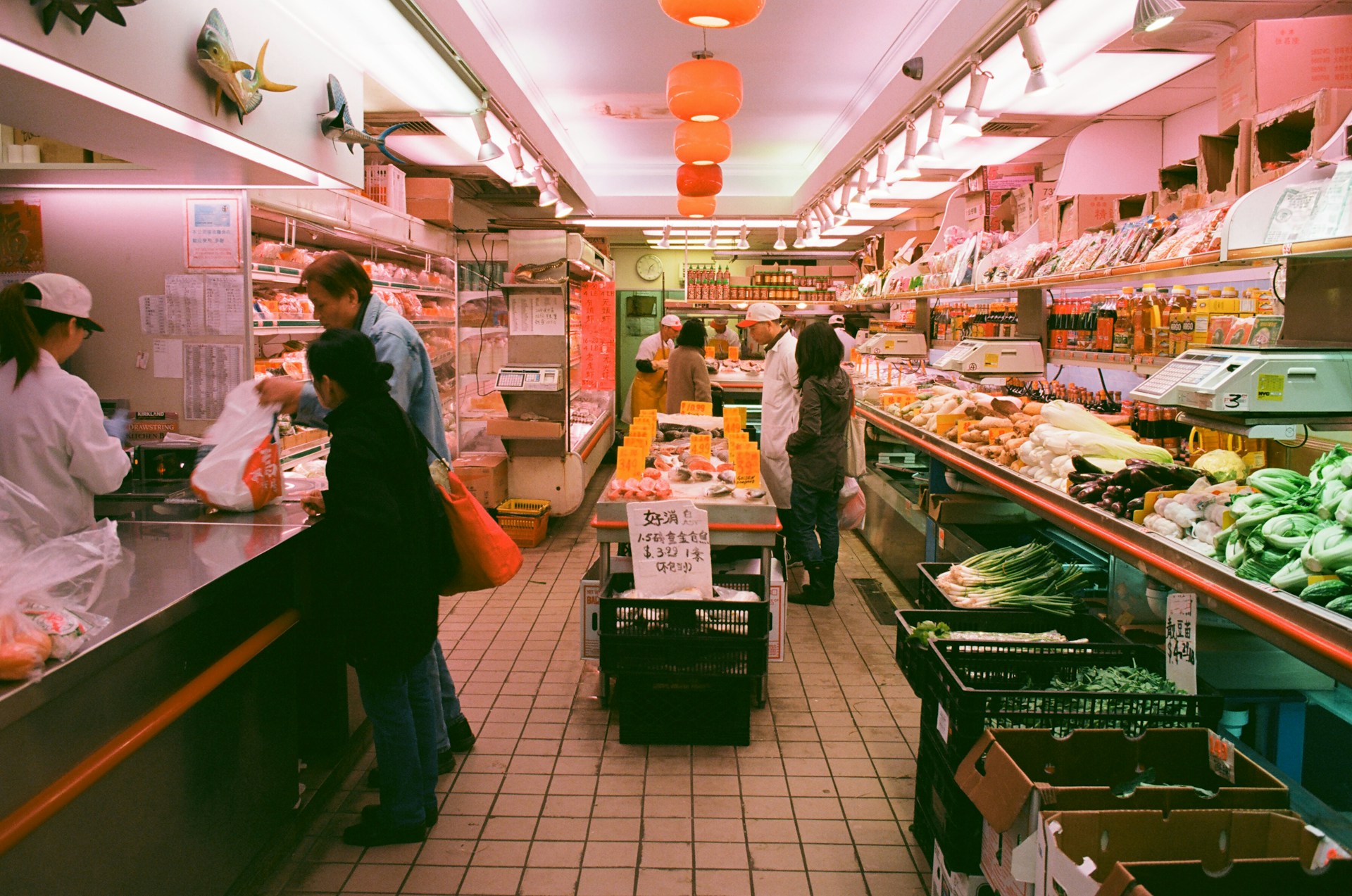
Before credit cards became universal, many local grocers offered store credit accounts for regular customers. You could shop now, sign the slip, and settle up at the end of the month. It was a system built on trust, often extended to families known for generations. With the rise of electronic payment systems and larger chain ownership, personal credit tabs became impractical. While this arrangement is nearly extinct, it remains a symbol of the neighborly trust that once defined grocery shopping.
Cafeterias and Coffee Counters Inside the Store
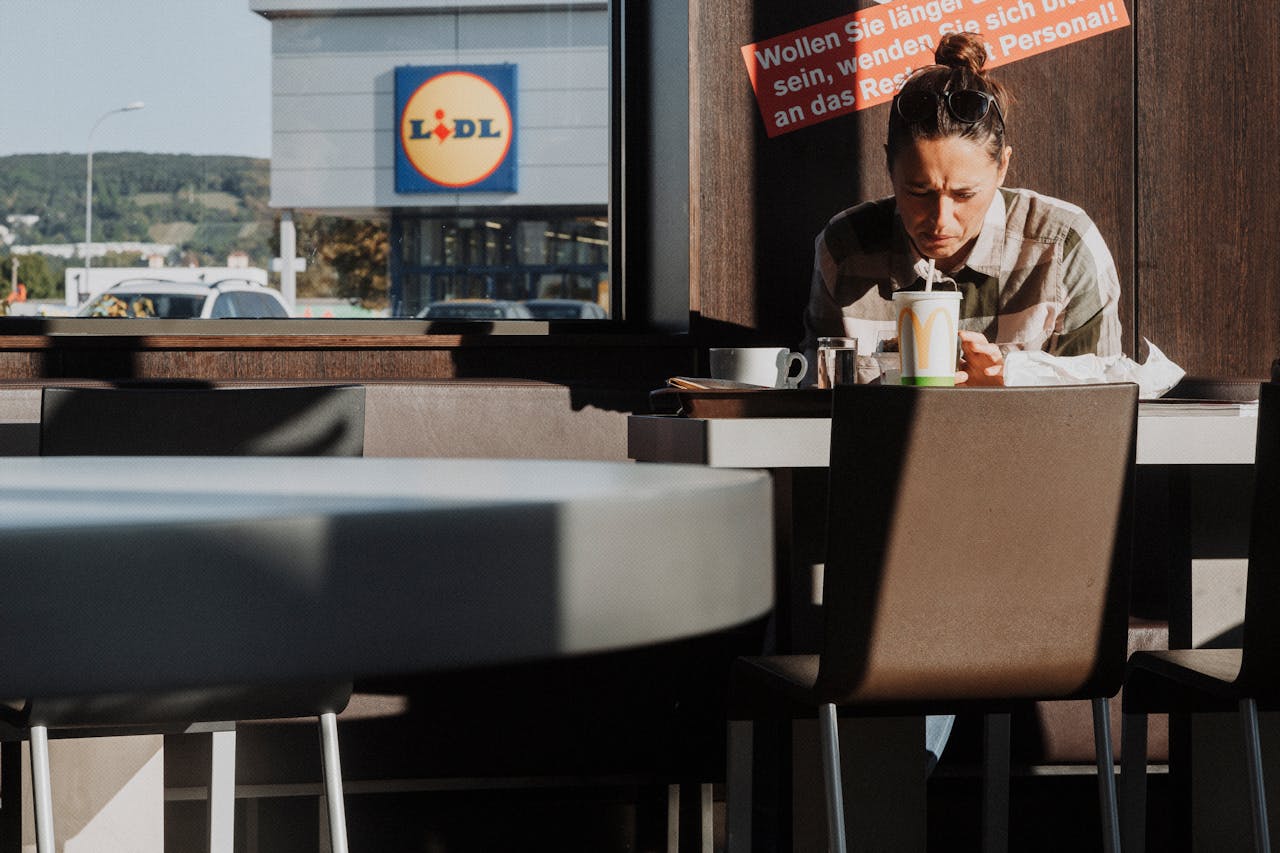
Some grocery stores featured in-house cafeterias or coffee counters where shoppers could take a break, meet friends, or enjoy a slice of pie after shopping. These cozy corners offered a social element to errands, turning a routine trip into a mini outing. As retail space became more valuable for product displays, many stores phased them out. While some modern markets have upscale cafés, the classic cafeteria-style setups of the past are mostly gone, remembered for their comfort and community feel.
Separate Counters Just for Cigarettes and Magazines

It used to be common for grocery stores to have a dedicated counter for cigarettes, newspapers, and magazines, often near the front. Customers could grab a paper, a pack of smokes, and the latest gossip magazines in one stop. Health regulations, shifting social attitudes, and declining print sales made these counters disappear. Tobacco products are now typically locked away, and magazines have been reduced to smaller racks, signaling the end of an era when they held prime store real estate.
Every Item Tagged with Handwritten Prices
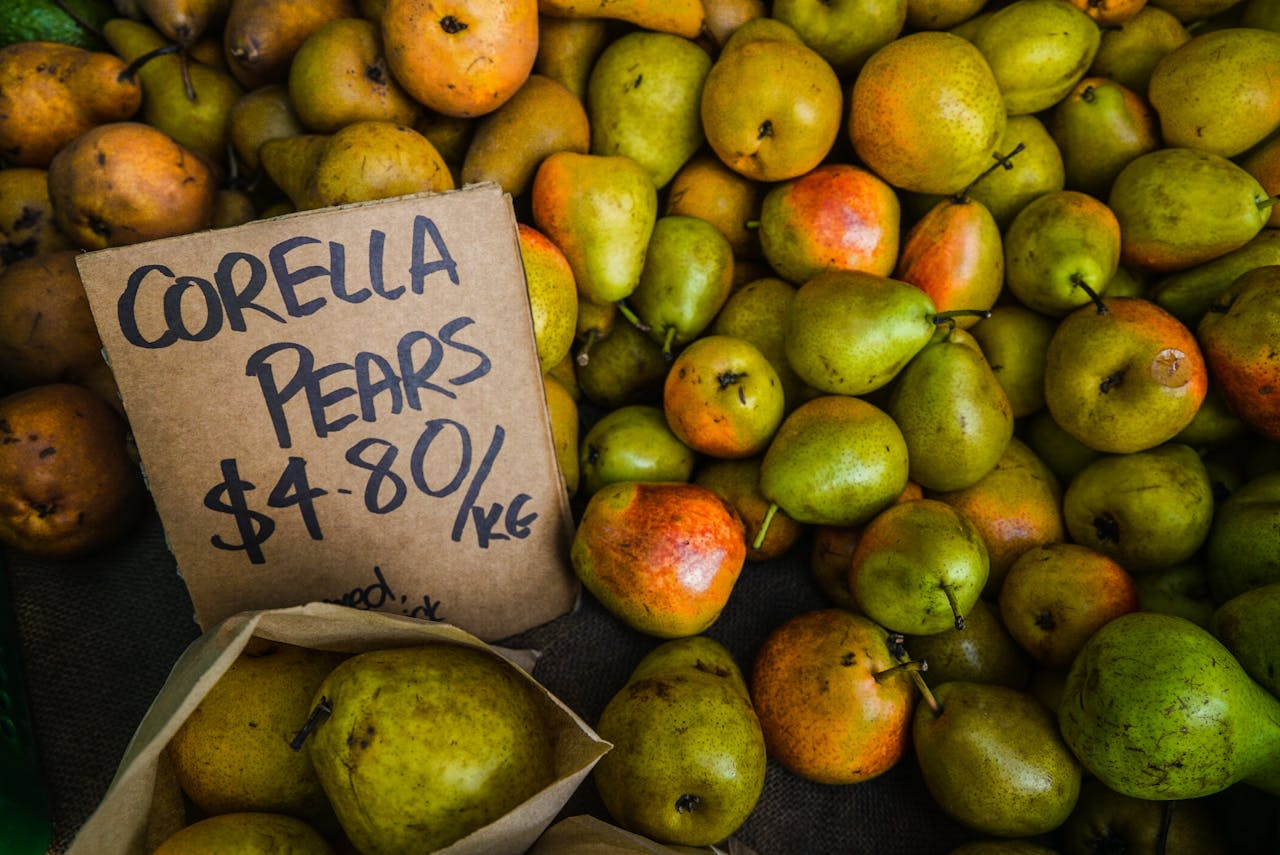
Before barcode scanners and electronic labels, every single grocery item had a handwritten price tag. Employees would mark items with grease pencils or adhesive labels, updating them during sales. This gave aisles a colorful, personal touch, and shoppers could see the price without scanning. As technology improved, printed barcodes and digital systems replaced the manual work, speeding up checkout and reducing errors. The charm of unique handwriting is gone, replaced by uniform efficiency and silent price changes.
Cheerful Announcements Over the PA System

Overhead announcements once punctuated the shopping experience with special deals, birthday shout-outs for employees, or a cheerful “clean-up in aisle five.” These announcements kept shoppers informed and added personality to the store. Now, many grocery chains opt for subtle background music and digital signage, minimizing interruptions. While quieter aisles are appreciated by some, the absence of friendly PA voices means losing a bit of the lively atmosphere that once made grocery runs feel more personal and connected.
Collecting and Redeeming S&H Green Stamps
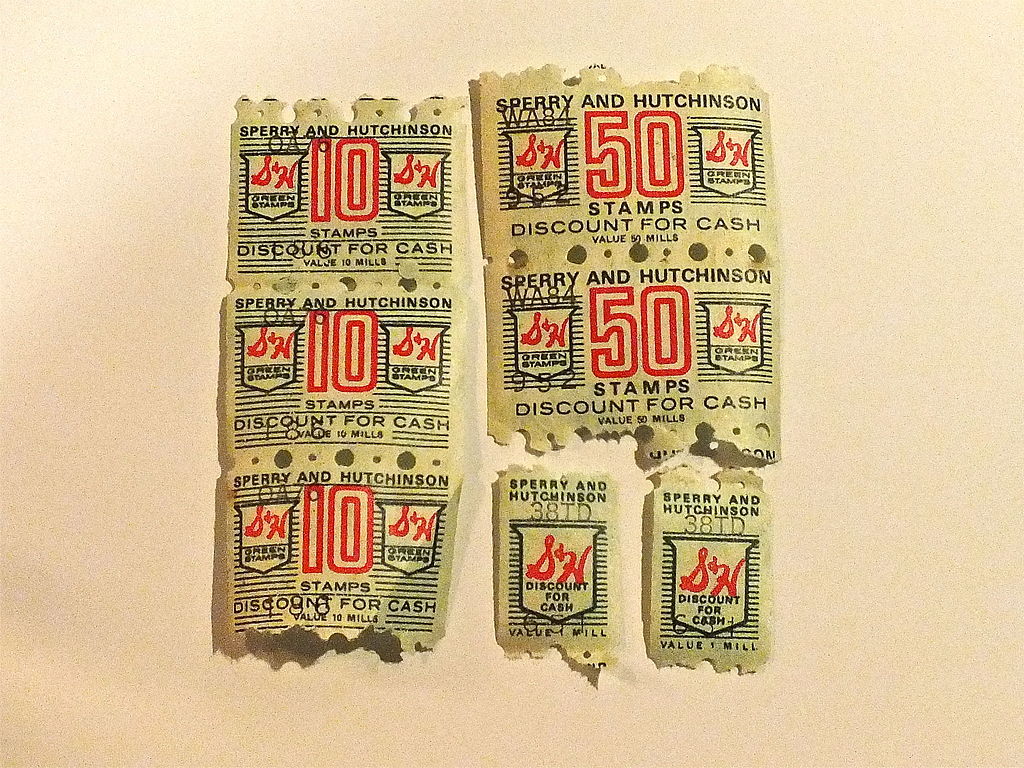
For decades, shoppers collected S&H Green Stamps with their purchases, pasting them into booklets to redeem for household goods. It was an early loyalty program that added excitement to grocery shopping, especially for kids eager to lick and stick the stamps. Redemption centers were often inside or near the store, making it easy to exchange completed books for blenders, toasters, or toys. As modern points systems and digital rewards took over, the stamp programs quietly disappeared from everyday shopping life.
Milk in Glass Bottles You Returned for a Deposit
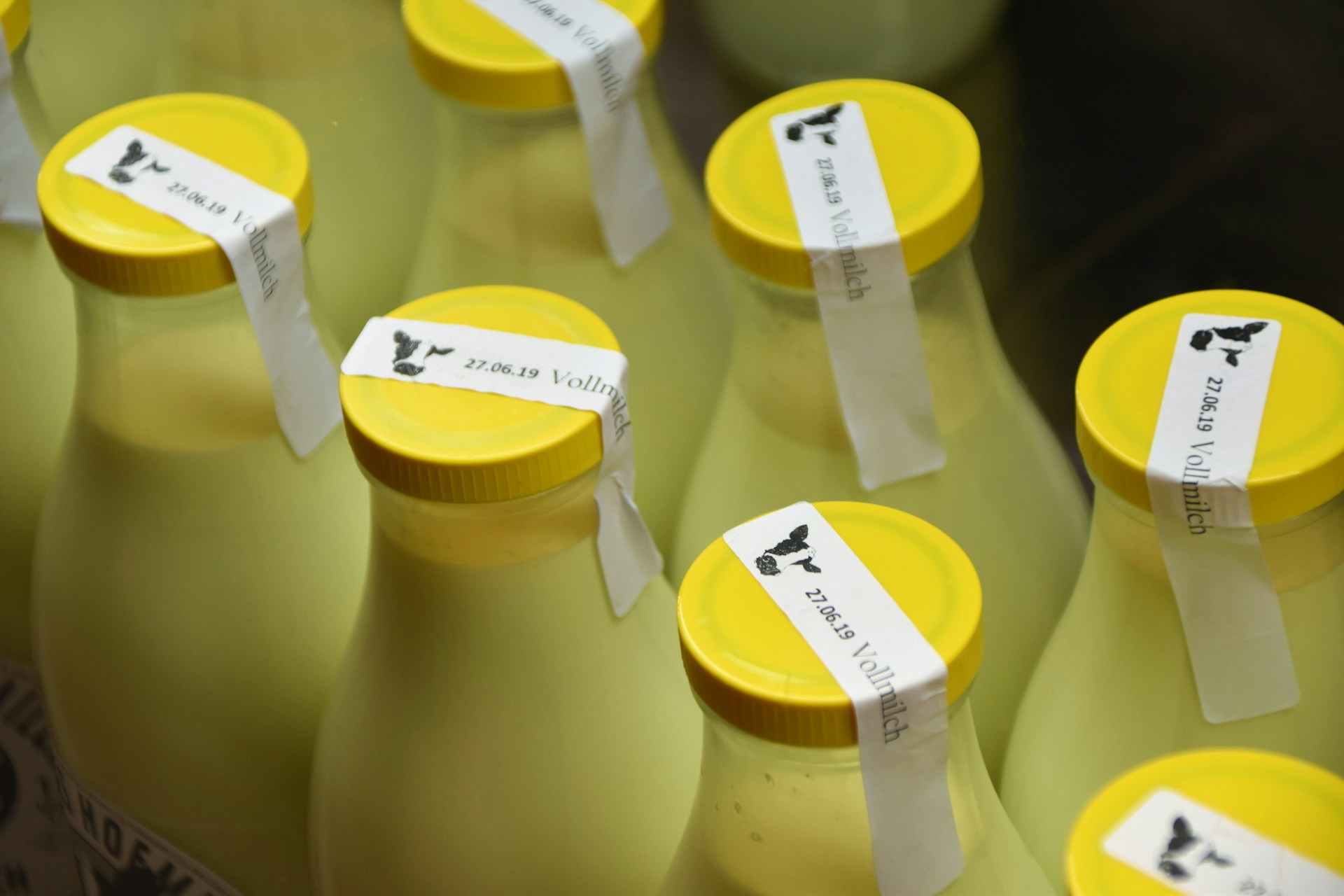
Long before plastic jugs, milk came in sturdy glass bottles you returned to the store for a small deposit refund. Customers would leave empties on the porch or bring them back on the next trip, where they’d be cleaned, sterilized, and reused. The practice was both eco-friendly and charming, with bottles often stamped with the dairy’s name. As disposable packaging became cheaper and more convenient, the glass bottle system faded, surviving mainly in niche or local dairy markets today.
Baggers Who Carried Your Groceries to the Car
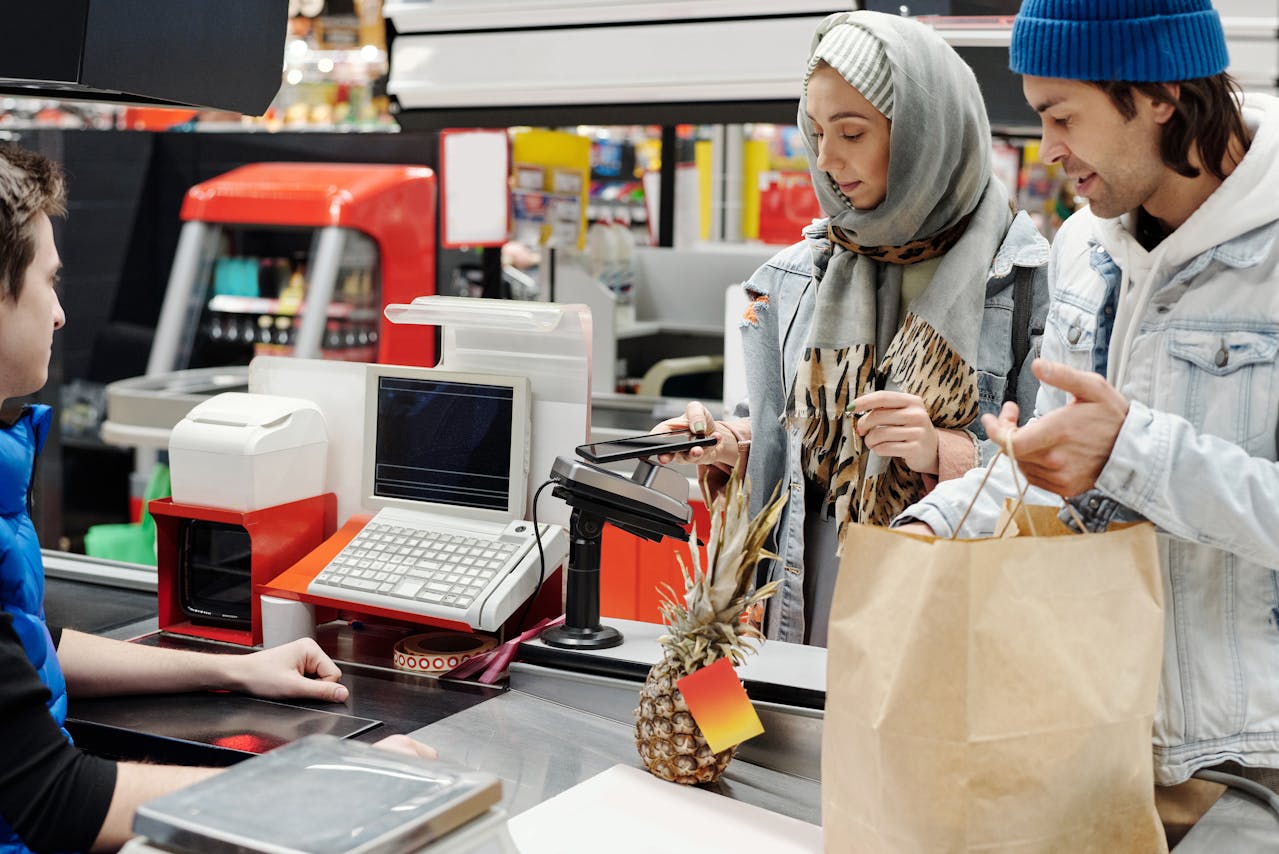
It was once common for baggers to not only pack your groceries but also carry them to your car. This full-service touch was especially valued by older shoppers, parents with small children, or anyone juggling multiple bags. Employees would neatly load your trunk, ensuring fragile items stayed safe. As labor costs rose and self-service checkout grew popular, the practice dwindled. Now, this personal assistance is rare outside of high-end markets or stores with a strong service tradition.
Bakeries Filling the Store with Fresh Bread Smells
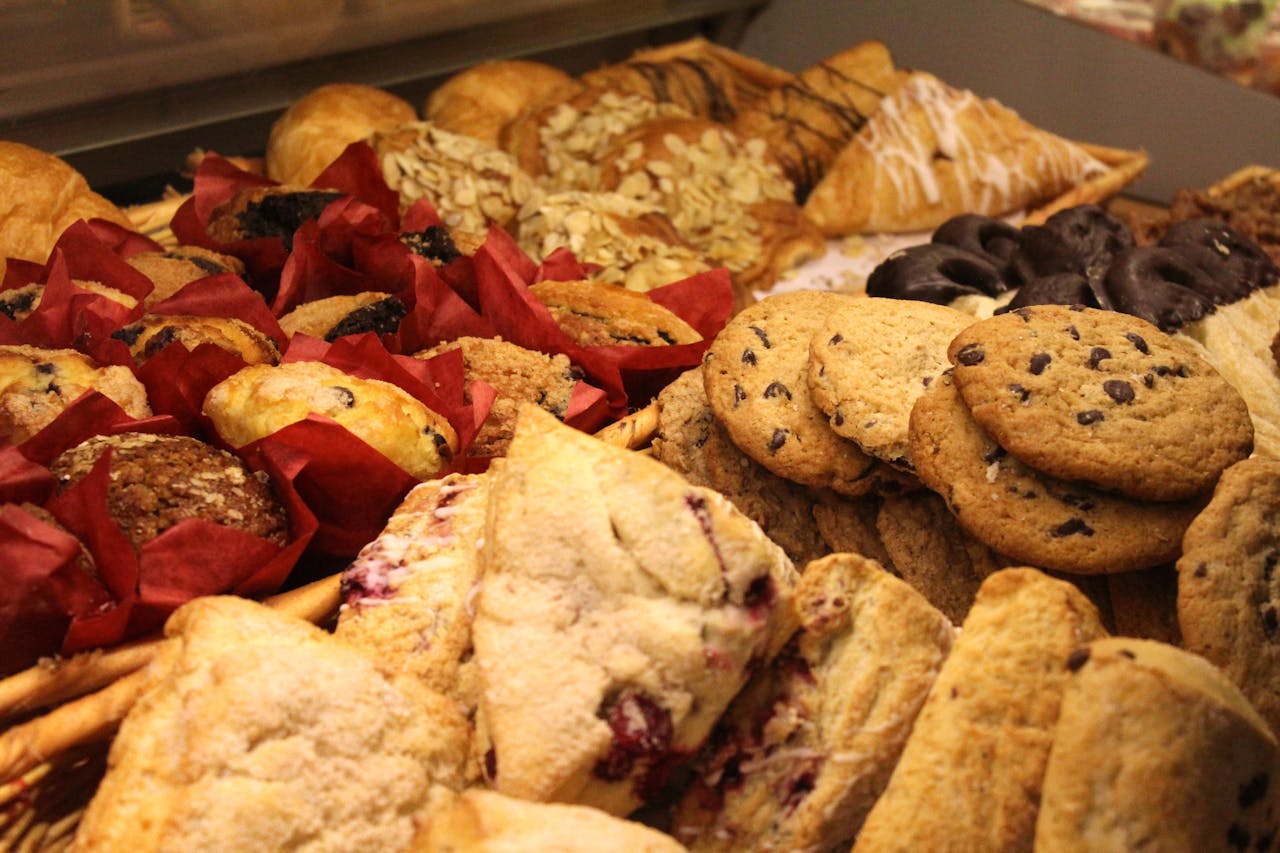
In-store bakeries once baked bread, rolls, and pastries from scratch, filling the aisles with irresistible aromas. Shoppers could watch bakers work behind glass windows, adding to the sense of freshness and quality. Today, many grocery bakeries rely on par-baked or frozen goods finished in ovens, which is faster but less fragrant. While some specialty grocers keep the tradition alive, the daily ritual of fresh bread baking in every supermarket is largely a thing of the past.
Manual Cash Registers That Dinged with Every Sale
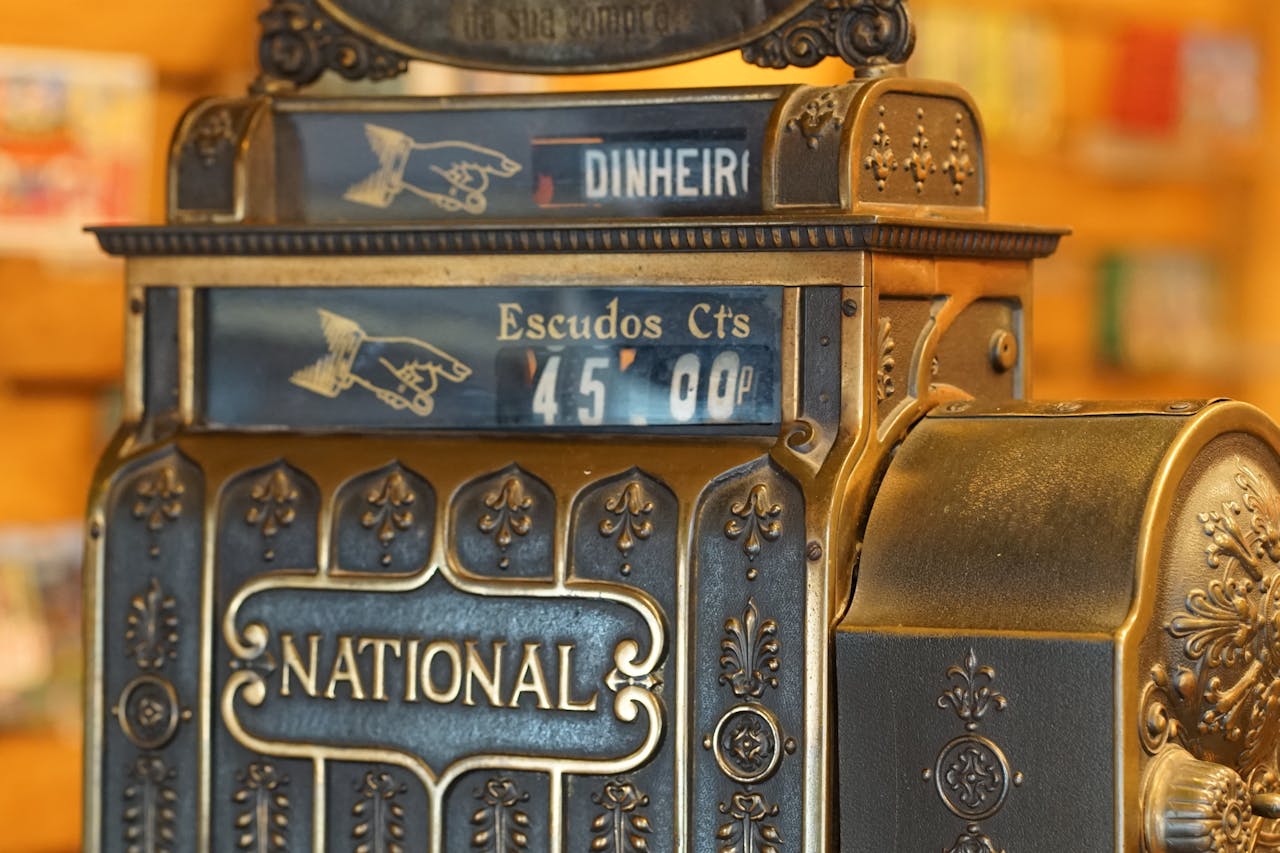
Before digital point-of-sale systems, cashiers rang up purchases on manual registers that clanged with a satisfying ding at the end of each sale. Prices were entered by hand, totals calculated mechanically, and change counted out from the drawer. It was slower but felt more tactile, with the rhythmic clicks and bells forming a soundtrack to shopping. As computerized registers took over, the old machines became relics—treasured now mainly by collectors and fans of retro retail nostalgia.
Self-Serve Bulk Candy and Nuts with Metal Scoops
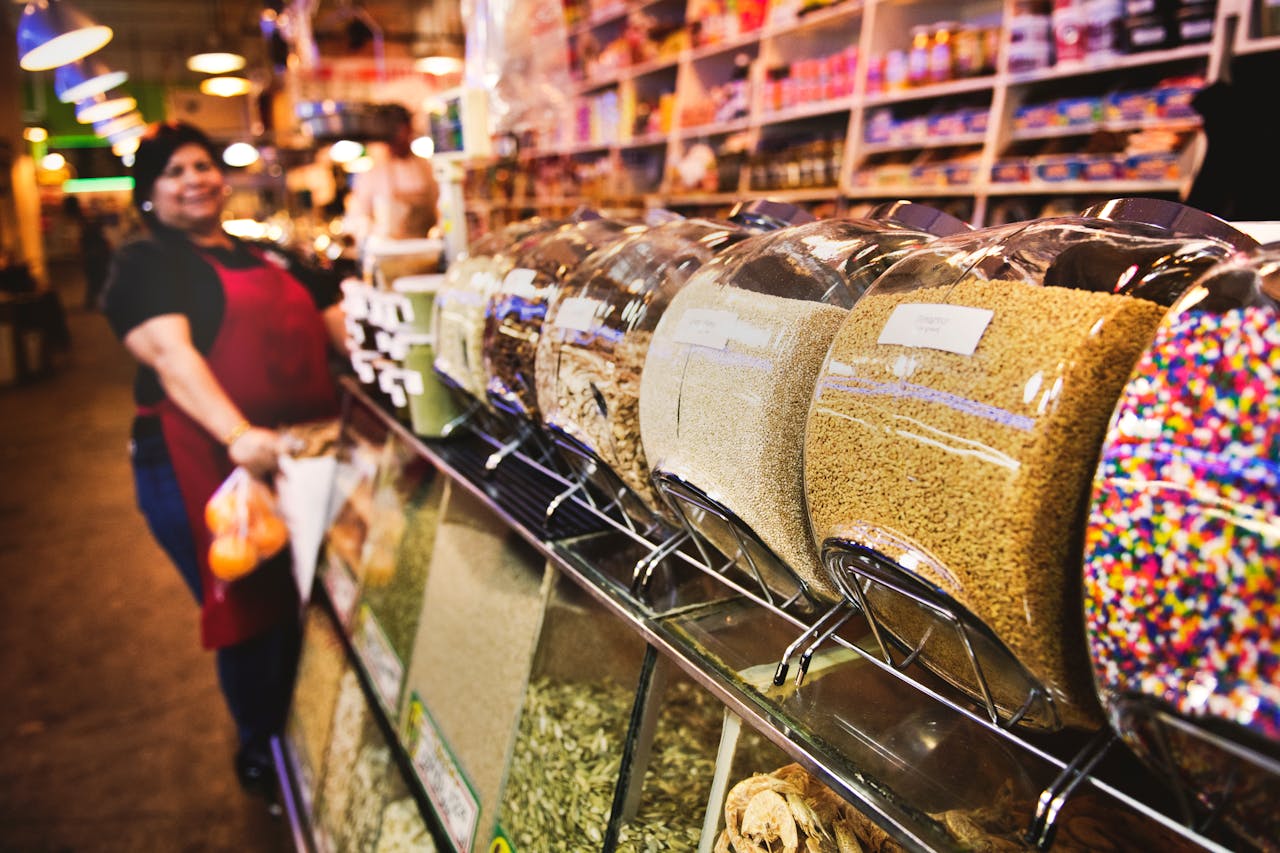
Rows of bins filled with colorful candy, chocolate-covered treats, and roasted nuts once tempted shoppers of all ages. Customers used metal scoops to fill paper bags, weighing them at checkout. The bulk displays added color and fun to the store but raised hygiene concerns over time. Pre-packaging and stricter food safety rules eventually replaced self-serve setups. Some specialty shops still offer them, but the open bins and scoops are now more a novelty than a grocery store standard.
Cashing Personal Checks Right at the Register
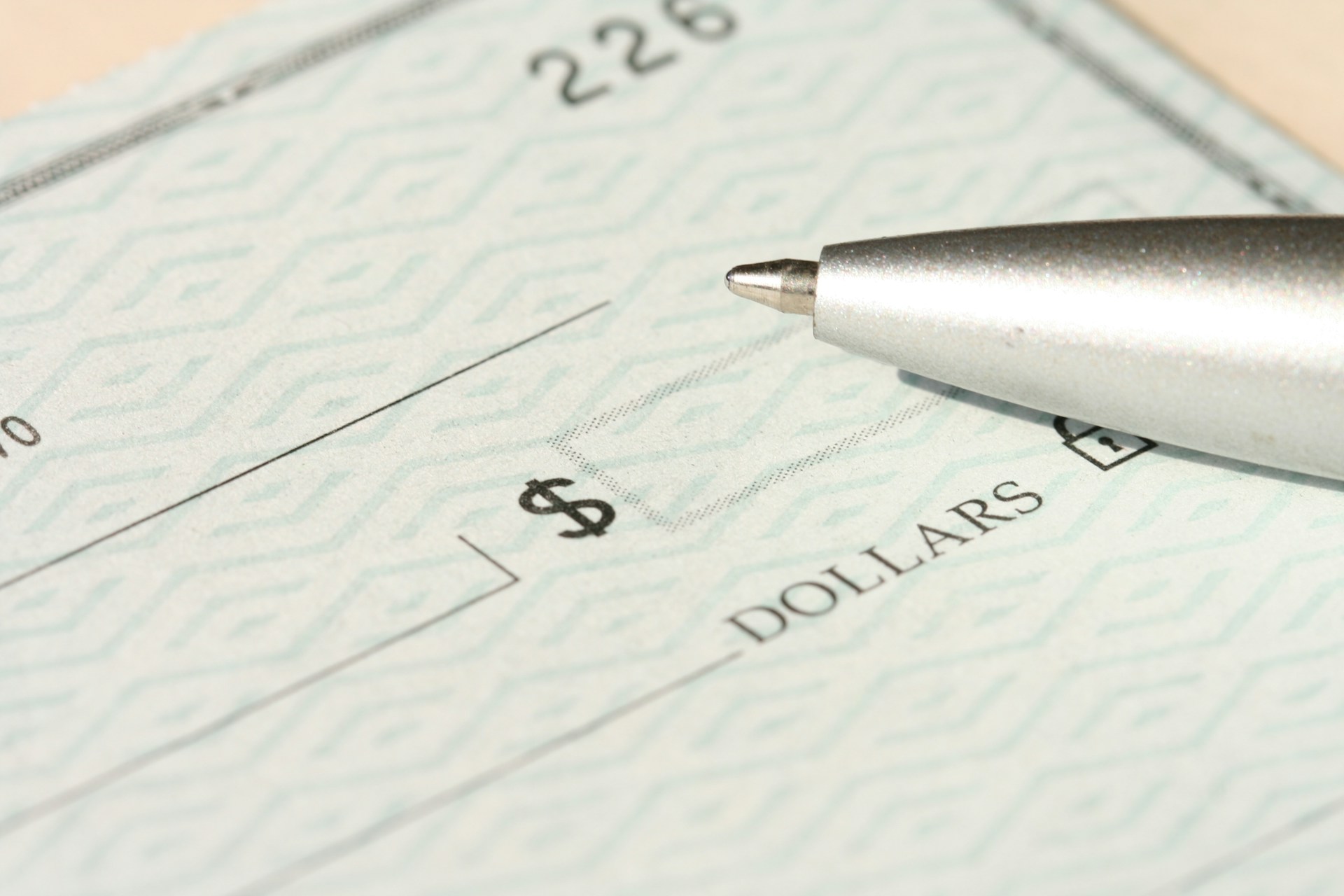
There was a time when you could write a personal check for groceries and cash it right at the register for extra spending money. This convenience made shopping and banking a one-stop task, relying on trust between customers and the store. As debit cards and digital payments became standard, the practice faded for security reasons. Today, personal check cashing is rare, reserved for a few regional chains, leaving behind a convenience that once felt neighborly and simple.
These grocery store staples may be gone, but they live on in the memories of shoppers who experienced them. Each represented a personal touch, a bit of local flavor, or a moment of convenience that made errands feel less like chores. While today’s stores offer speed and efficiency, they sometimes lack the warmth and personality of the past. Remembering these sights reminds us how much shopping has evolved—and how some changes came at the cost of human connection.