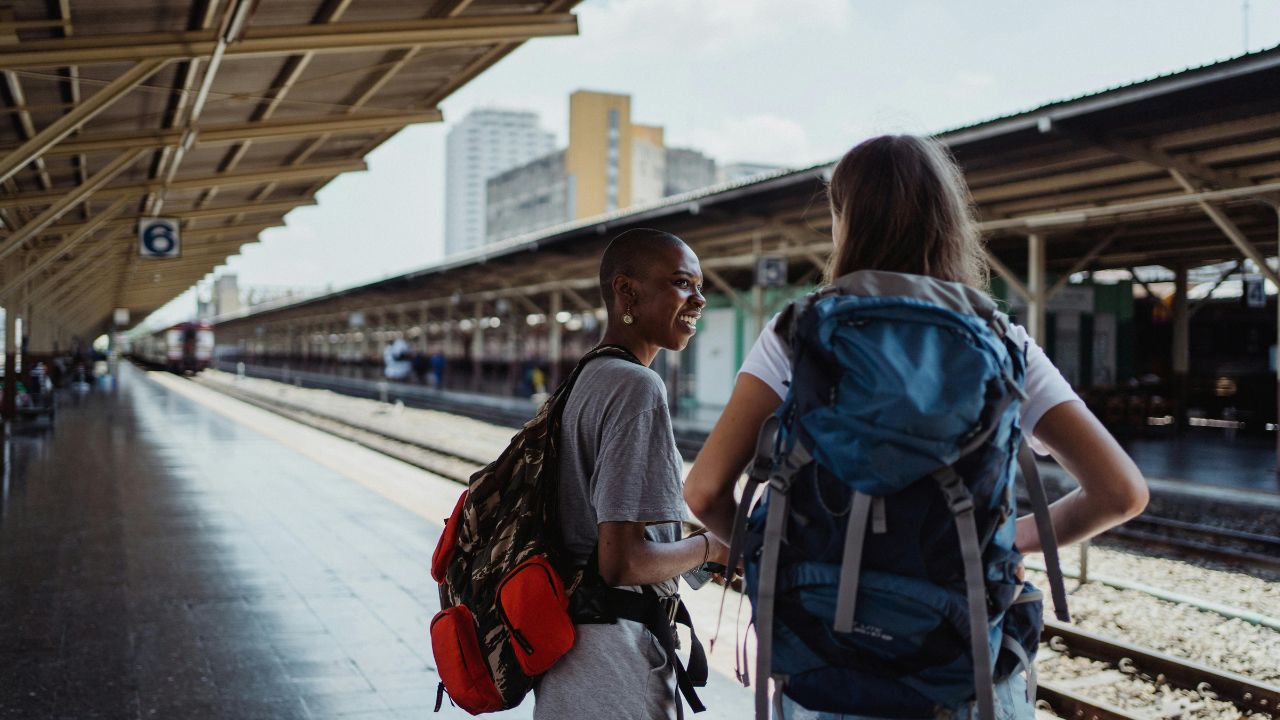
The 1980s were bright, loud, and full of rules that now seem almost funny. Between strict social codes and outdated technology, people lived with a very different sense of freedom. Let’s look back at things that once raised eyebrows or were flat-out banned but are now a totally normal part of life. You might just be shocked at how quickly the world has changed in just a few decades.
1. Express Yourself Freely Online
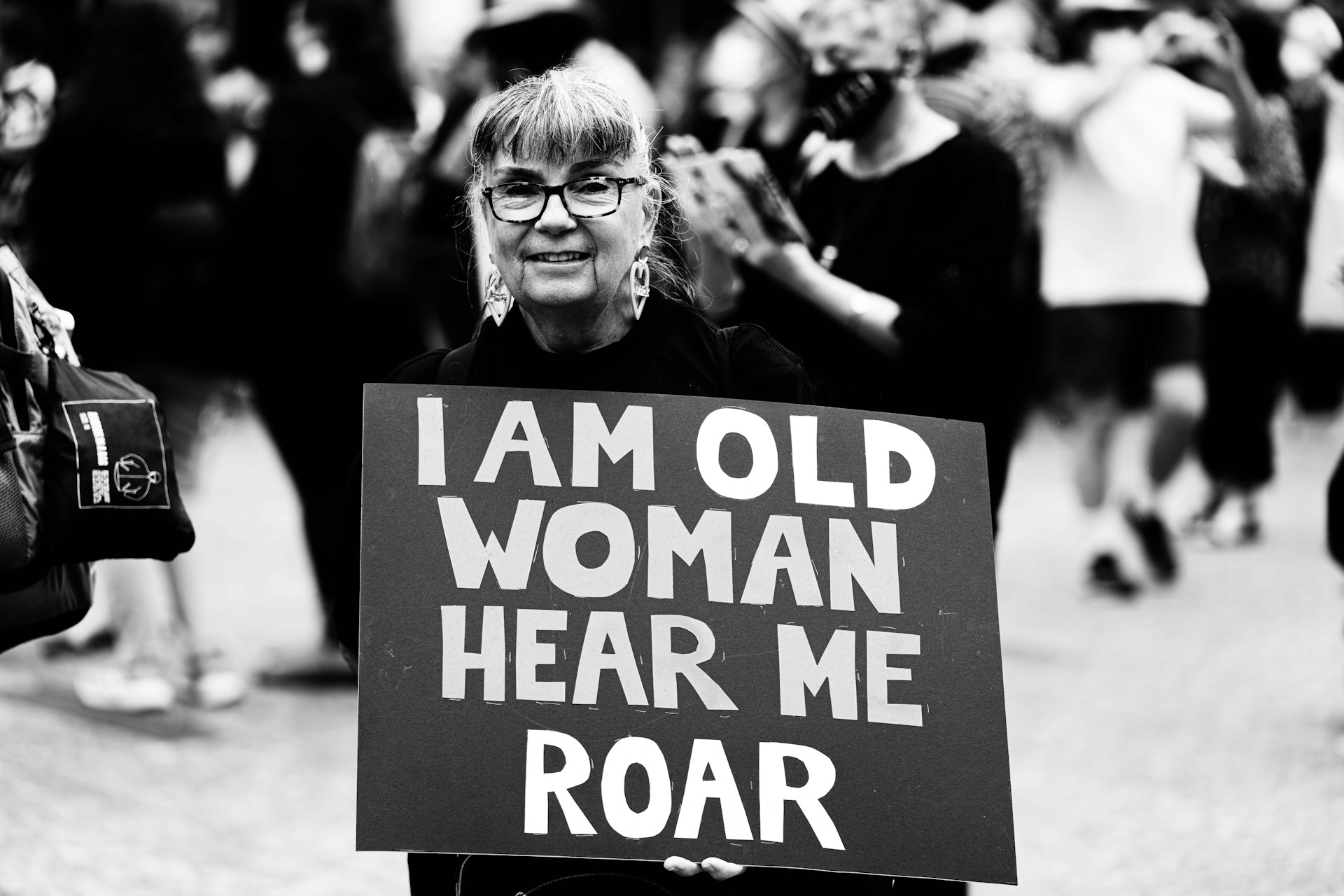
In the 1980s, the internet barely existed for the public, and expressing your thoughts for the world to see wasn’t possible. Today, anyone can post opinions, art, or wild takes on social media. Back then, public sharing meant newspapers or talk shows, and that was rare. Freedom of expression has exploded with technology, and while it brings challenges, it’s a liberty people in the ’80s could only dream of.
2. Get Tattoos Without Judgment
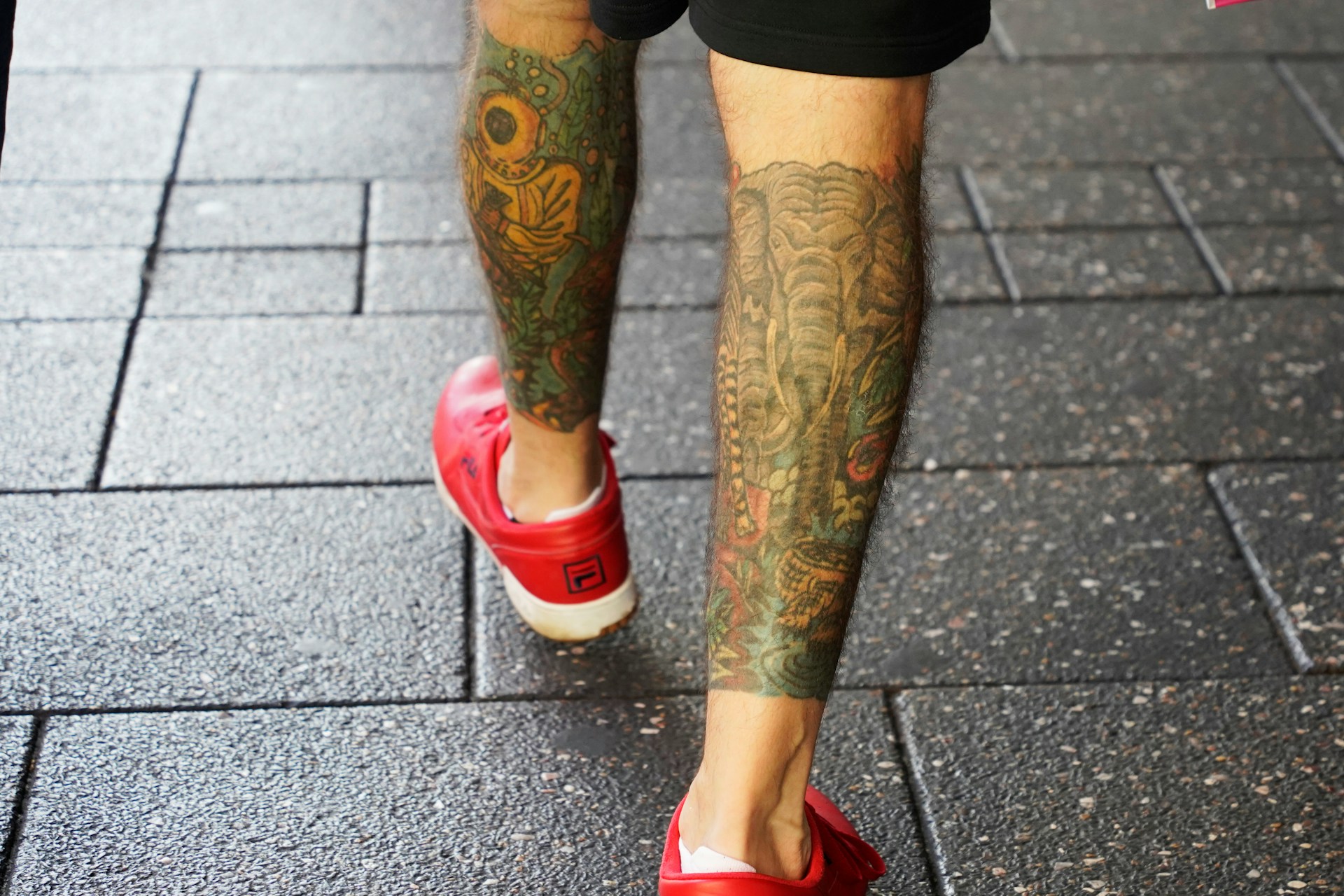
Tattoos in the 1980s were often seen as rebellious or unprofessional, linked to sailors, bikers, or rock stars. Today, they’re mainstream and celebrated as art and self-expression. Employers barely blink at visible ink, and tattoo parlors are everywhere. What was once a statement of defiance is now just a part of style. The world’s perception of body art has shifted completely in just one generation.
3. Work From Home
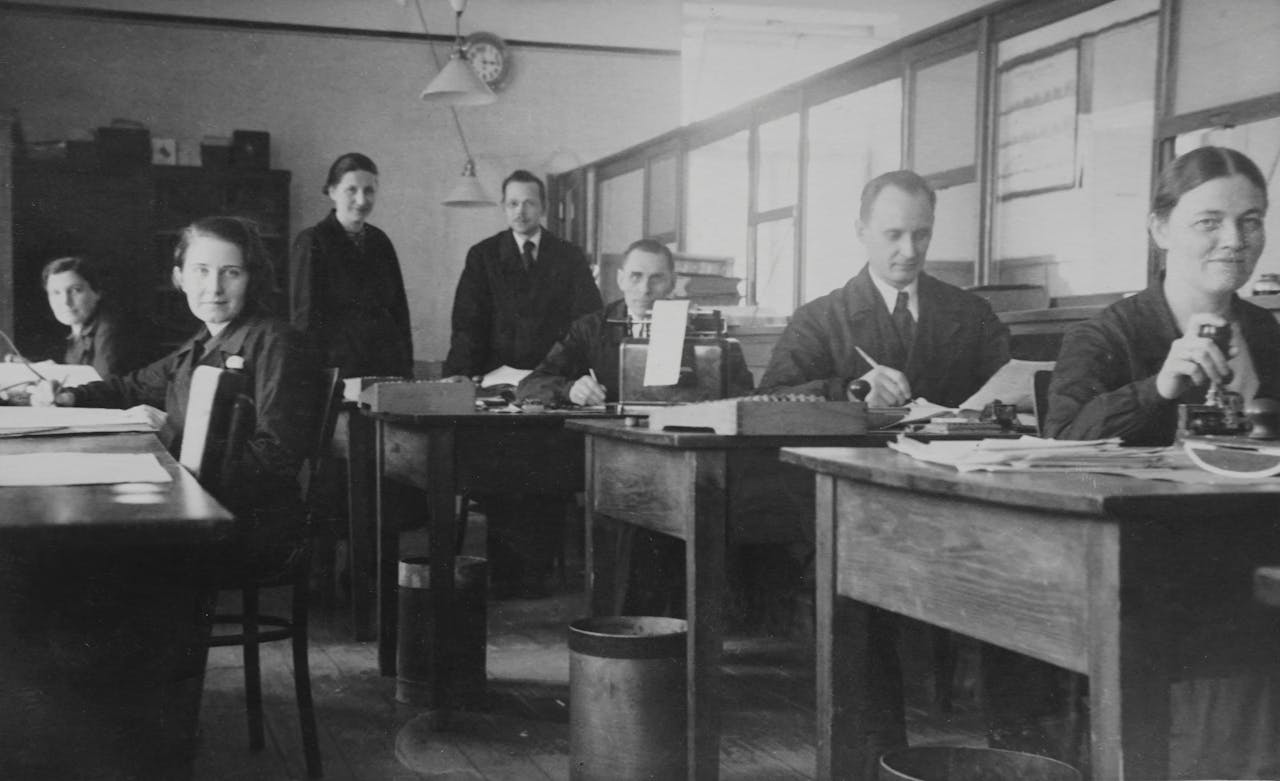
Remote work was almost unthinkable in the ’80s. Offices ran on typewriters, phones, and filing cabinets, so “working from home” sounded like a vacation excuse. Now, with video calls, cloud storage, and instant messaging, it’s a global norm. The shift in work culture has redefined productivity, giving people freedom over time and location that the ’80s office world could never have imagined.
4. Date People Online

In the 1980s, meeting someone meant through friends, school, or awkward blind dates. The idea of finding love on a computer would have seemed absurd. Fast-forward to today, and online dating is one of the most common ways to meet people. Apps like Tinder and Bumble have replaced personal ads and landline calls. Love has gone digital, and it’s no longer taboo to swipe your way to romance.
5. Speak Openly About Mental Health

In the 1980s, mental health was a quiet, even shameful topic. Therapy was often kept secret, and people feared judgment for discussing stress or depression. Now, it’s common to talk about mental well-being openly. Celebrities advocate for therapy, workplaces promote mental health days, and social media offers support networks. Society has learned that being open about emotions is strength, not weakness.
6. Wear What You Want

Fashion in the 1980s had strict gender and cultural expectations. Men wore suits, women dressed “appropriately,” and self-expression had limits. Today, style is limitless. People wear what makes them comfortable, from ripped jeans to gender-neutral outfits. Individuality rules the modern world, and what was once rebellious is now a celebration of identity. Clothing has become a voice instead of a rulebook.
7. Challenge Authority Openly
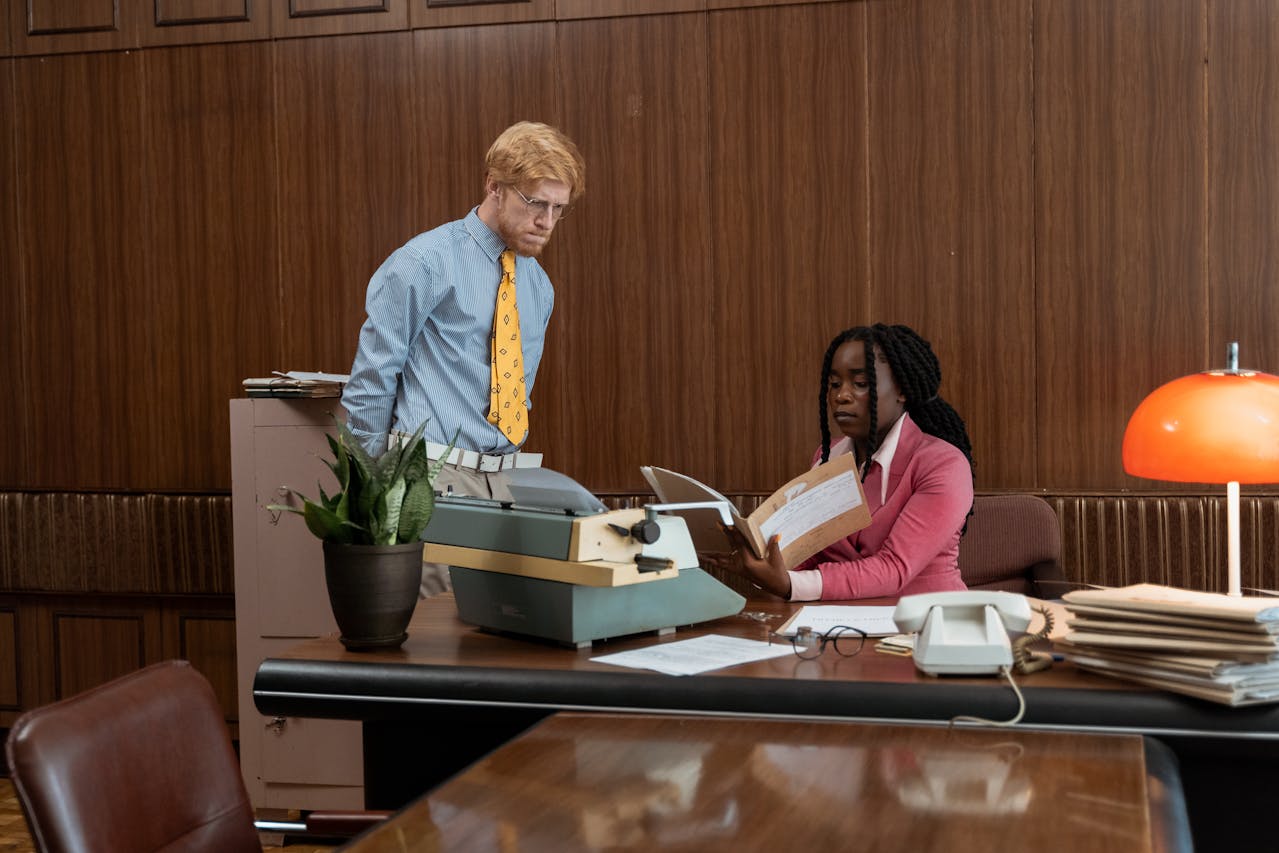
Back in the ’80s, questioning teachers, bosses, or leaders was frowned upon. Hierarchies ruled, and conformity was valued. Today, questioning systems and demanding accountability is encouraged. Social media movements and workplace discussions show that speaking up is seen as a strength. What was once labeled as “troublemaking” is now leadership and courage. People found their voices, and they’re not afraid to use them.
8. Travel Freely and Cheaply

Traveling in the 1980s was expensive and complicated. You needed travel agents, paper tickets, and cash. Budget airlines and online booking didn’t exist. Today, you can plan a trip from your phone in minutes. Cheap flights, digital maps, and online reviews have made the world more accessible. Exploring the planet has gone from luxury to lifestyle, opening doors that were once closed to everyday people.
9. Choose Any Career Path

Career expectations in the ’80s were rigid. Men were pushed into business or trades, women into teaching or nursing. Switching jobs or freelancing was rare. Now, people chase passion projects, start YouTube channels, or switch industries entirely. The modern job market rewards creativity and flexibility. The old “safe path” mindset has faded, replaced by a desire for meaning and balance over conformity.
10. Listen to Any Music Instantly
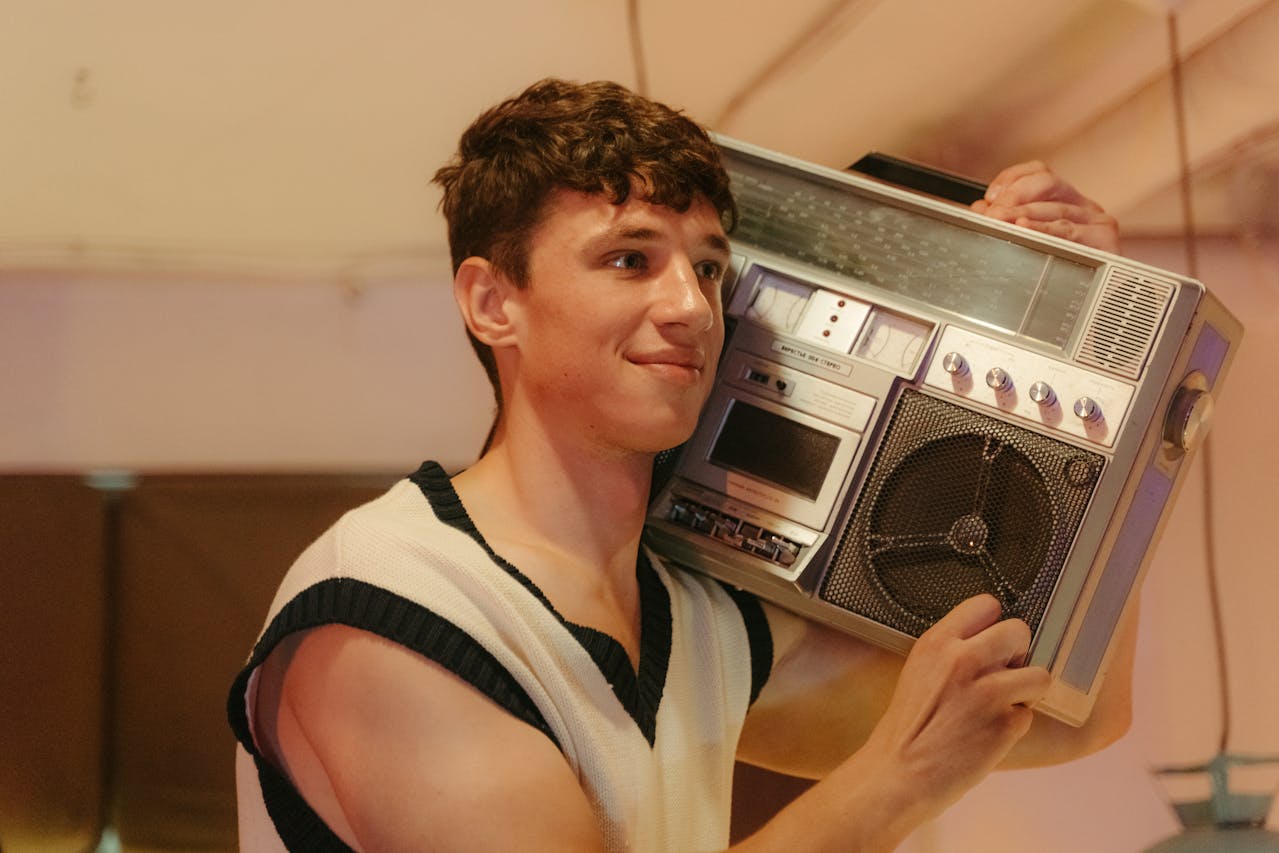
Music in the 1980s was limited to radio, cassettes, or records, and your collection defined your taste. Today, every song ever made sits in your pocket. Streaming platforms made discovering global music effortless. People explore new genres daily, and the idea of “waiting for a song to play” feels ancient. The freedom to listen anytime, anywhere, transformed music from a hobby into a universal experience.
11. Support LGBTQ+ Rights Openly
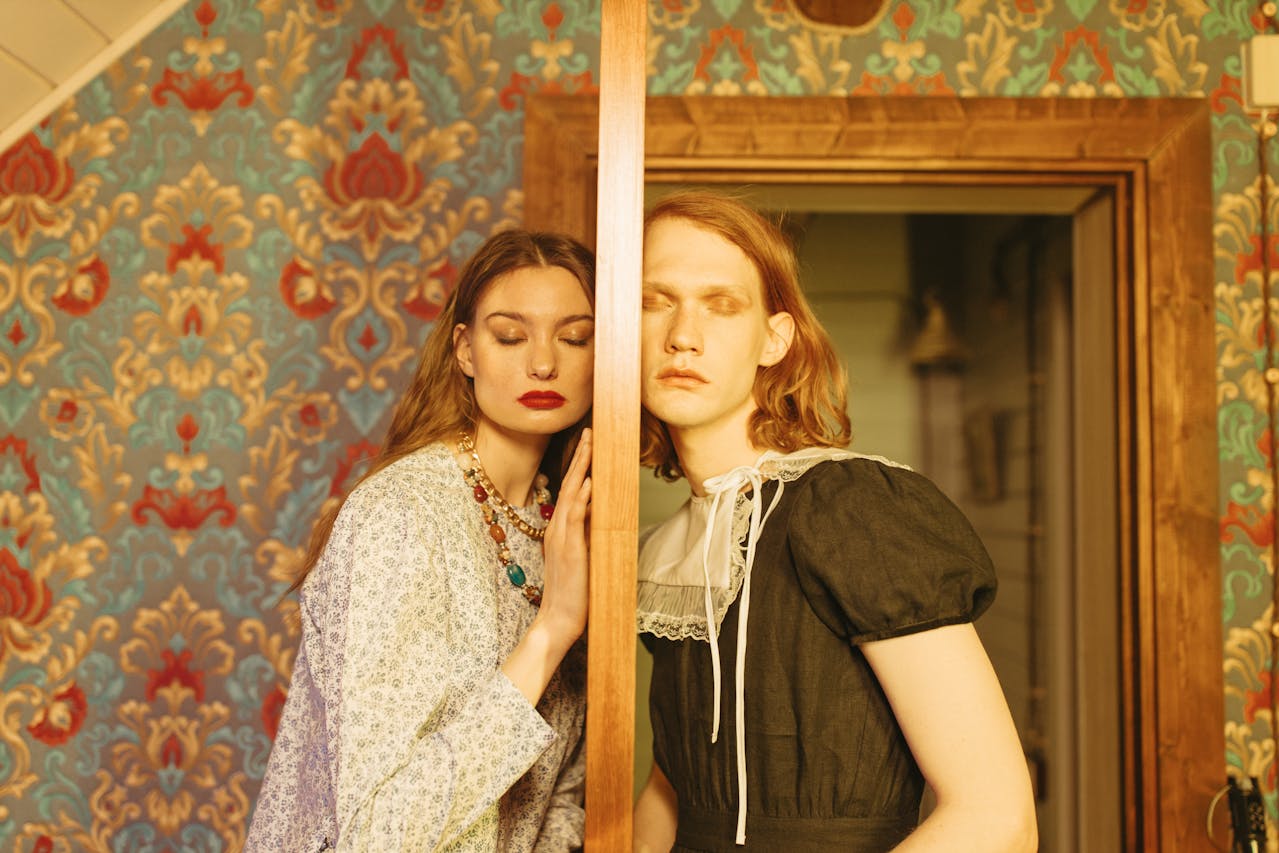
In the 1980s, LGBTQ+ rights were barely discussed and often met with stigma. Same-sex relationships were hidden, and public acceptance was low. Now, Pride parades, marriage equality, and inclusive workplaces celebrate diversity. Open support is common and encouraged. What was once whispered about in secret is now embraced as part of humanity’s shared story of love and acceptance.
12. Share Photos Instantly
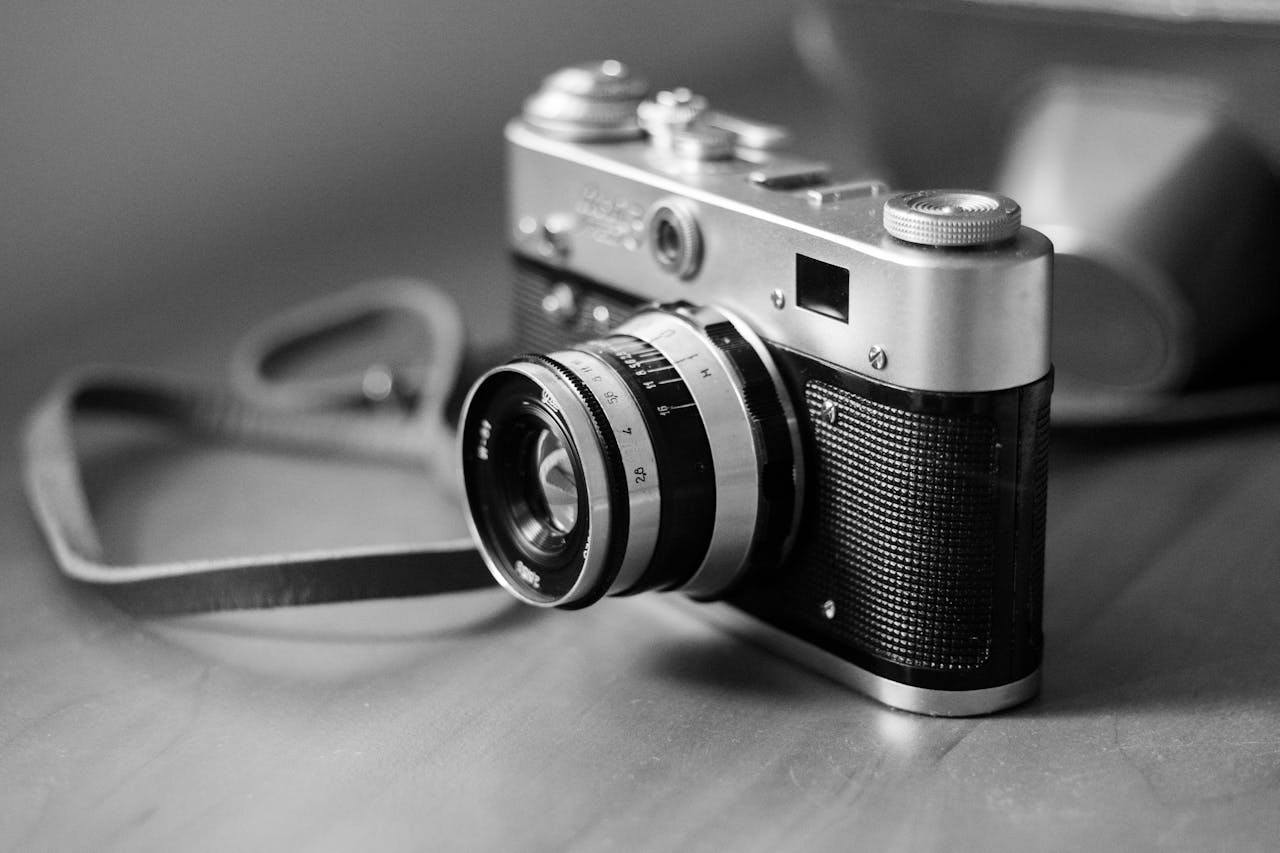
In the ’80s, photos took days to develop. You’d wait for film rolls and hope they turned out right. Now, a moment can be captured, edited, and shared in seconds. Smartphones have made photography instant and social. The way we remember and share life has completely changed, making every experience more connected, visual, and spontaneous than it ever could have been back then.
13. Start a Business from Home
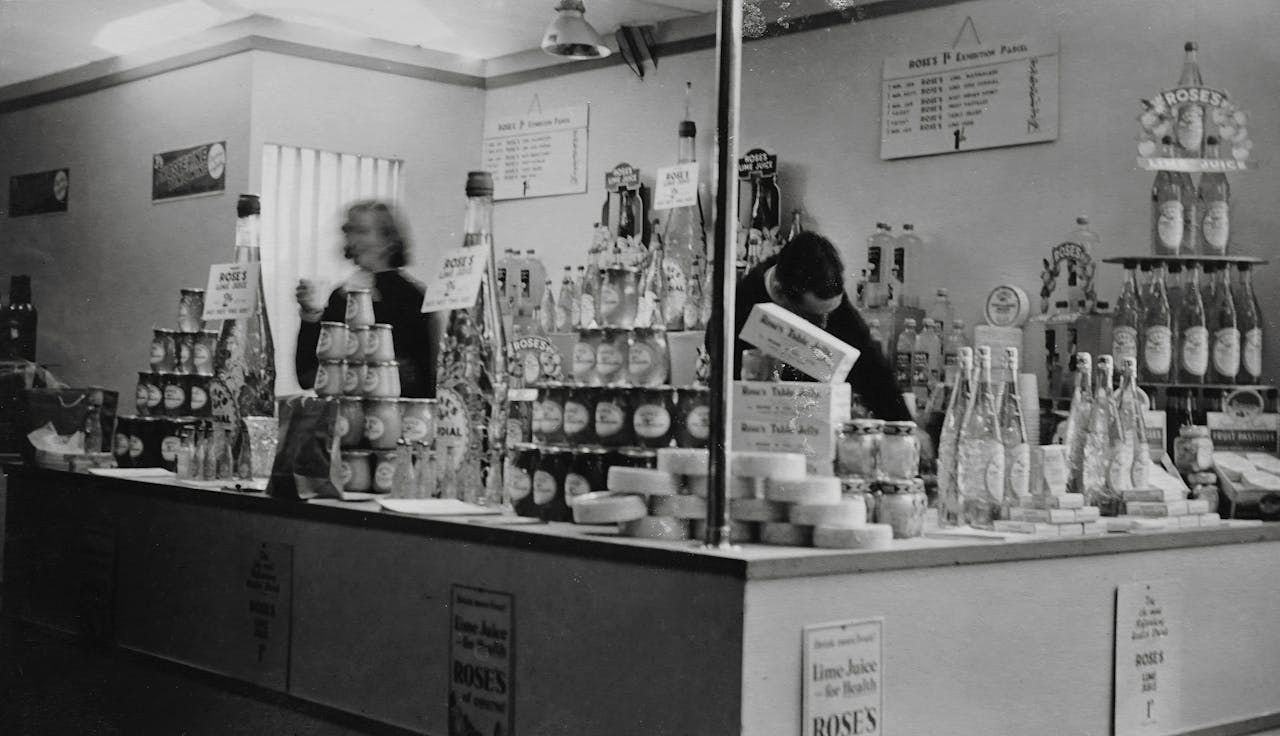
Starting a business in the 1980s meant bank loans, offices, and huge costs. Home businesses were rare and small-scale. Today, anyone can sell products online or build a brand from their living room. E-commerce platforms and social media turned hobbies into full-time jobs. Entrepreneurship is accessible to everyone now, transforming ambition from a dream into a real possibility for anyone with internet access.
14. Access Global Information Instantly
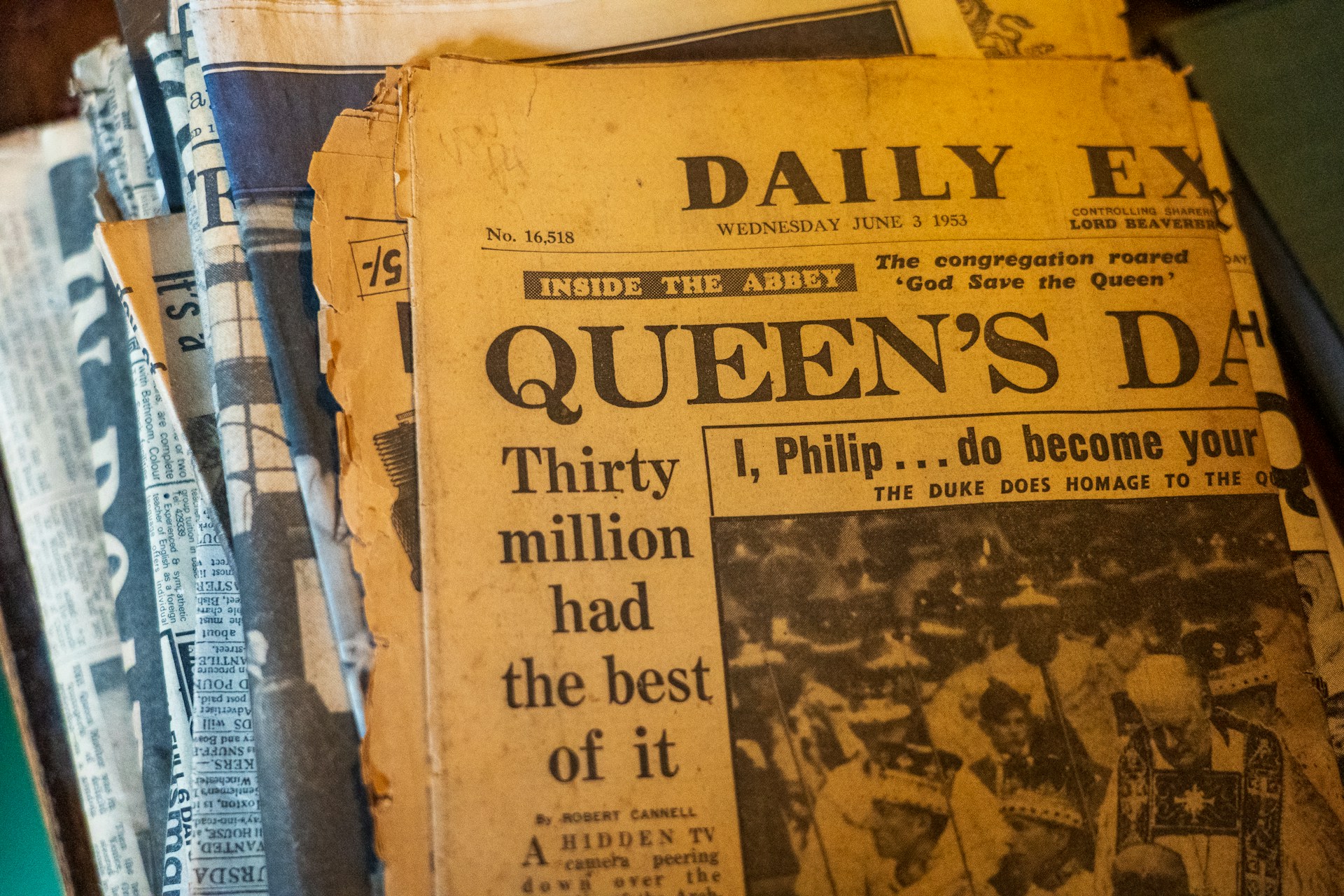
In the 1980s, knowledge came from libraries, newspapers, or TV. Information spread slowly, and research required effort. Now, we live in a world of instant answers. You can learn a new skill, read breaking news, or study history in seconds. While it’s easy to take for granted, instant access to global information has completely changed how we live, learn, and connect with one another.
The 1980s may seem nostalgic and simpler, but modern freedoms make life richer, more connected, and full of possibilities. The world has grown more accepting and curious, leaving behind many limits that once felt permanent. It’s a reminder that every generation redefines what’s normal and keeps pushing boundaries forward, often without realizing how much has already changed.