The 1980s may feel nostalgic and familiar, but many everyday behaviors that were common then are now banned or tightly regulated. Changes in science, public safety, and environmental law have made actions once routine into practices that would land you in trouble today. From smoking on airplanes to dumping industrial waste, the legal landscape shifted dramatically as we learned more about health risks and long term harm. The list below revisits 14 things people could do in the 1980s that modern rules, science, and policy would not allow today.
Smoke everywhere on commercial flights
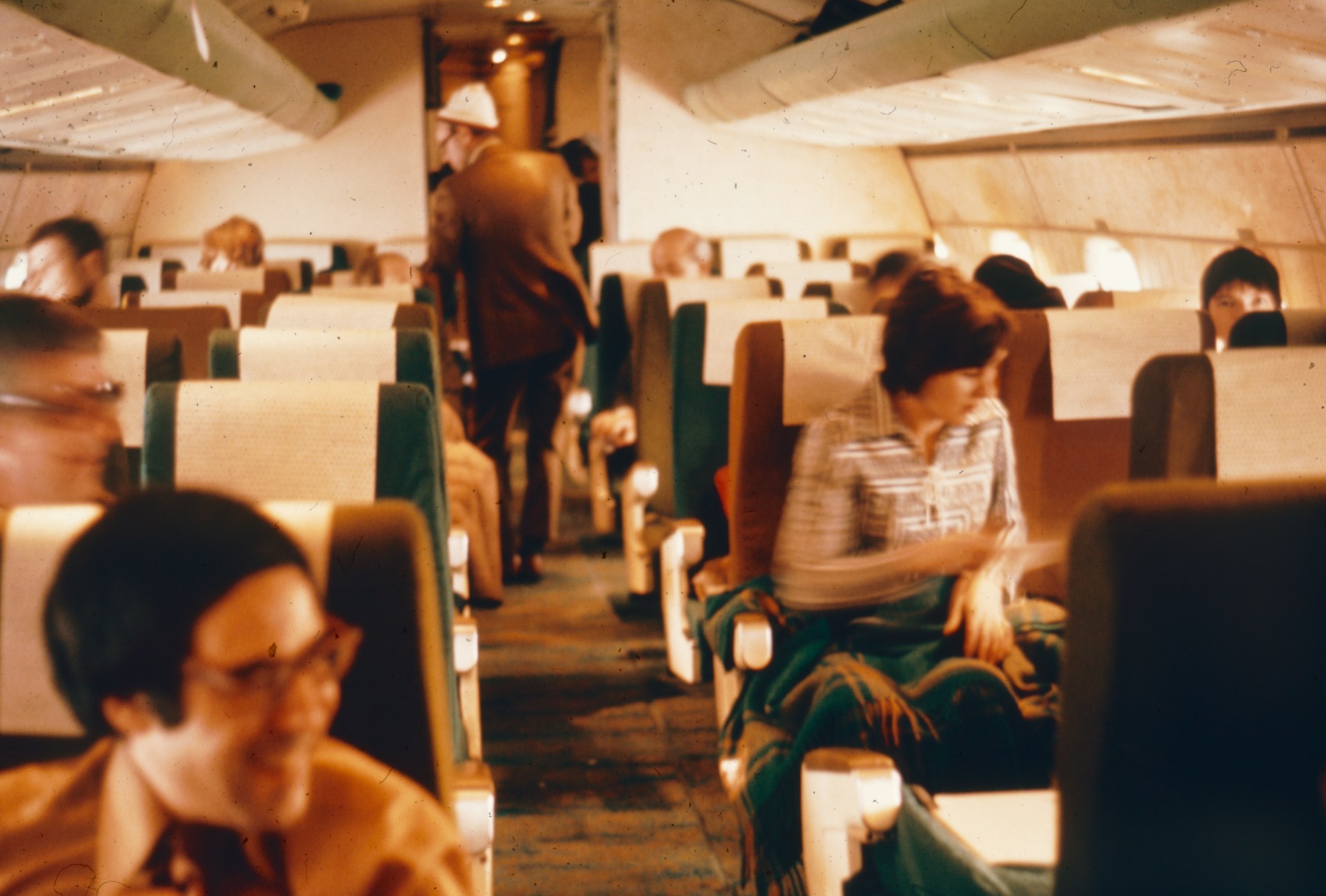
In the 1980s it was routine to light up on long haul and short haul flights, stroll the cabin smoking, and even enjoy a cigarette in airport lounges, and that practice was widely accepted by travelers and crews. Today lighting a cigarette on a plane would not only cause an immediate uproar, it would break federal law and trigger serious penalties, because smoking on commercial aircraft is banned entirely due to safety and health regulations. The ban grew from concerns about in-cab air quality, the risk of fires aboard aircraft, and mounting evidence that secondhand smoke harms passengers and flight attendants.
Drive without wearing a seat belt

In the early 1980s many drivers and passengers still treated seat belts as optional accessories, and it was common to see entire families riding without buckles in city traffic or on long interstate trips. Over time research into crash survivability and injury prevention produced clear proof that seat belts save lives, leading states to adopt primary or secondary seat belt laws that require drivers and passengers to buckle up. Today driving without wearing a seat belt is illegal in most states when enforcement rules apply, and violations carry fines and penalties.
Leave young children unrestrained in cars
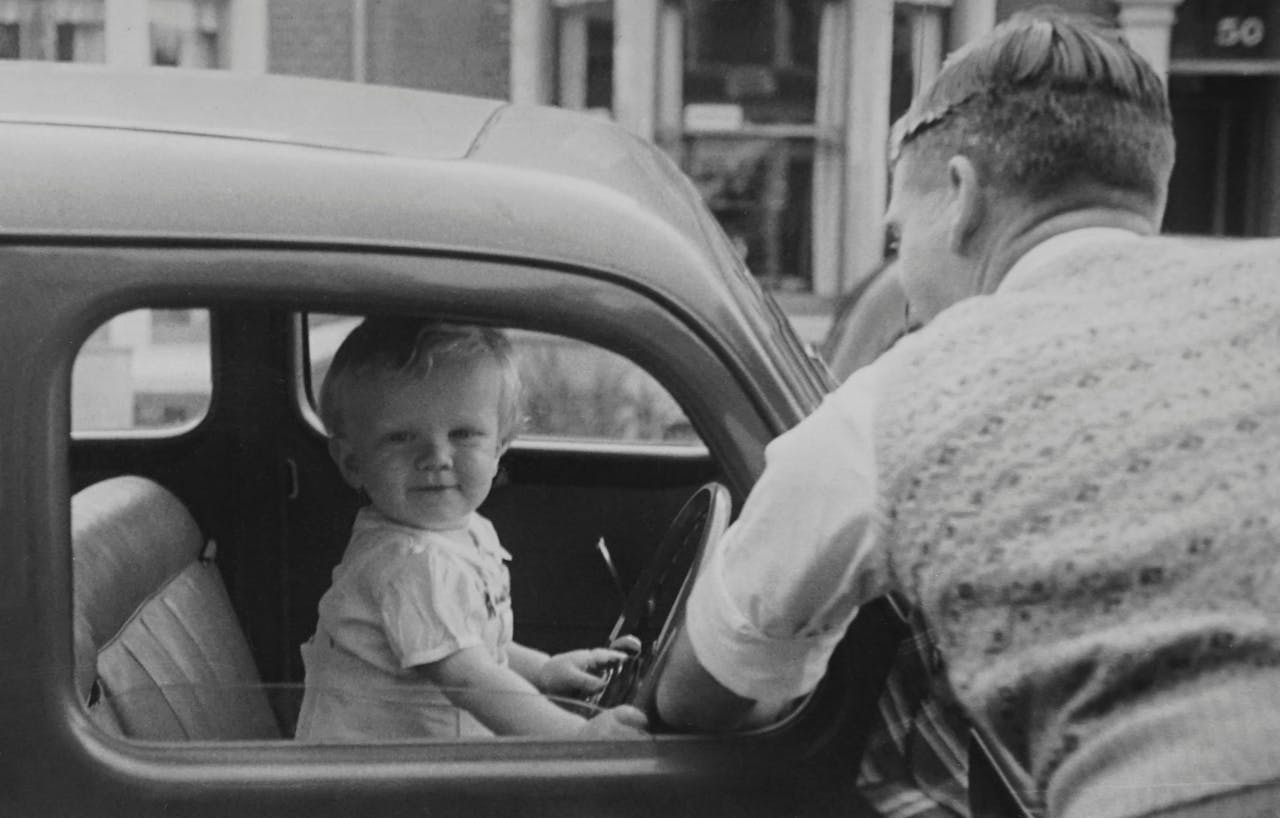
During the 1980s many families simply placed infants and toddlers on laps or in unrestrained positions in the back seat, often under the mistaken belief that holding a child was as safe as a harness. Since then laws requiring child safety seats and age appropriate restraints became widespread, backed by crash testing and pediatric research showing the enormous protection car seats provide. Today leaving a child unrestrained in a moving vehicle would likely be illegal, and in many states it is explicitly a criminal offense tied to child endangerment statutes.
Buy and use leaded gasoline for regular cars

Leaded gasoline was still in use in some places in the 1980s, especially for older engines and certain off road vehicles, and many drivers had little awareness of the long term public health costs associated with lead emissions. Over the following decades the environmental and health consequences of lead exposure, particularly for children, became undeniable, and regulators phased out leaded fuel for on road vehicles nationwide. Today selling leaded gasoline for ordinary passenger cars is effectively prohibited in the United States, and replaced with unleaded fuel and tighter emissions standards.
Buy toys and household goods with high lead paint content
In the past it was common to find painted toys, furniture, and household items that contained lead in their finishes, and consumers did not always know the risk that chipped paint posed to children who might mouth or chew objects. Scientific studies linking lead exposure to learning disabilities and developmental delays prompted strict bans and limits on lead in paint and consumer goods. Today selling toys or items meant for children that contain lead paint above regulatory thresholds is illegal, and manufacturers must comply with testing, labeling, and safety standards.
Use common CFC aerosols without restriction

Spray cans filled with chlorofluorocarbons, once used for everything from hair spray to household cleaners, were everyday items in the 1980s and people rarely worried about their environmental impact. The discovery that CFCs deplete the ozone layer led to international agreements and domestic regulations phasing out many of those chemicals for consumer aerosols. Today selling or using consumer products that contain unregulated ozone depleting substances would violate environmental rules and widely accepted international protocols.
Dump industrial waste openly into waterways
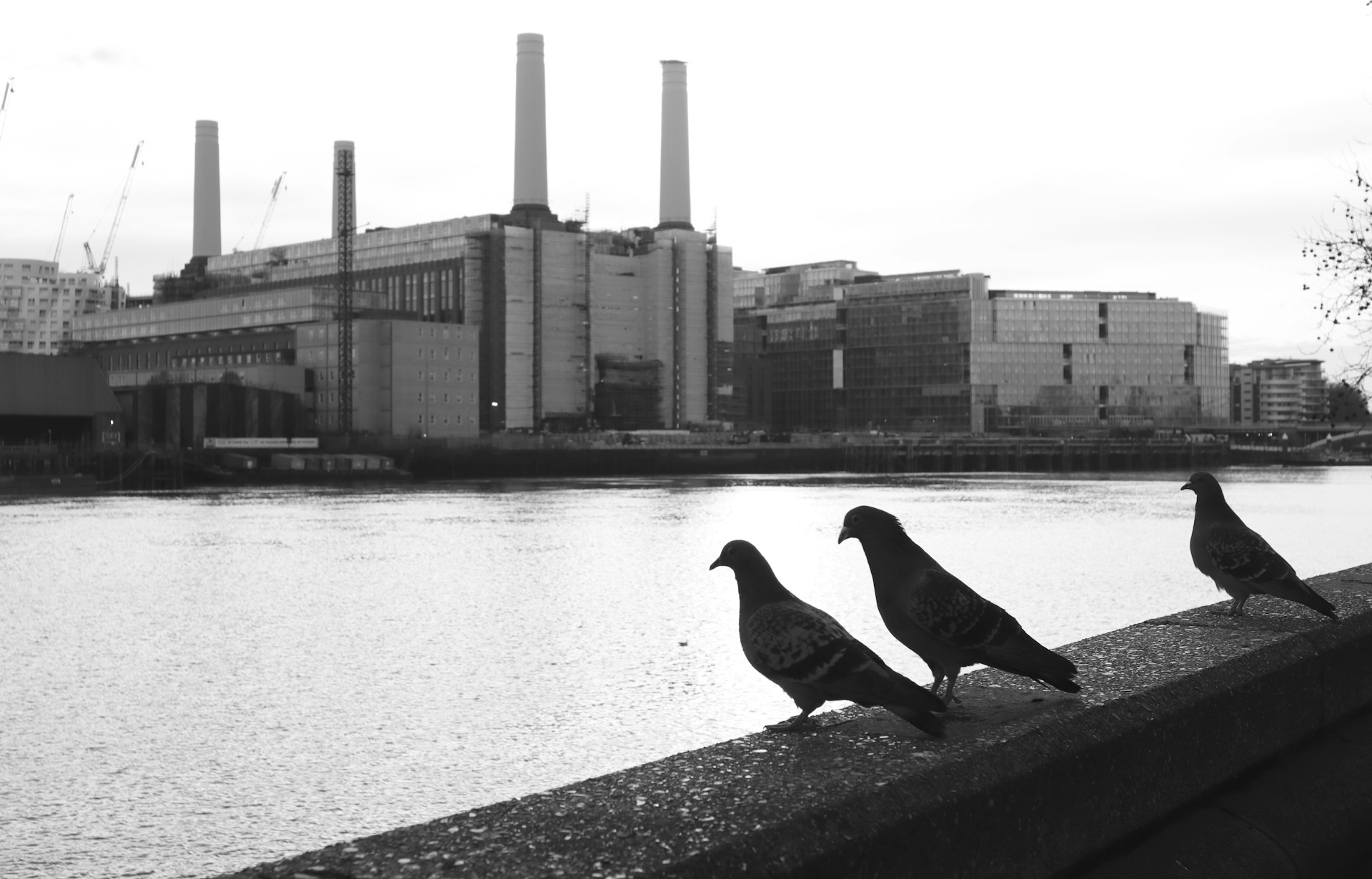
Industrial practices in prior decades sometimes disposed untreated or inadequately treated waste directly into rivers, lakes, and coastal waters, practices that were all too common and often invisible to the public. Legislative reforms such as the Clean Water Act and subsequent enforcement measures dramatically changed that reality, making unpermitted dumping and discharging untreated toxic waste into navigable waters illegal and prosecutable. Today industries face strict permitting, monitoring, and penalty regimes designed to prevent the open disposal practices of the past.
Work minors in hazardous industrial jobs without protections

The 1980s still saw young workers performing heavy or dangerous tasks in certain industries with fewer safeguards than we consider acceptable today. Since then child labor laws, workplace safety standards, and stricter enforcement have restricted hazardous work for minors, requiring age limits, supervised conditions, and protective measures where allowed. Sending underage workers into truly hazardous environments without protections is now illegal, and employers can face steep penalties and criminal charges for violations.
Remove or tamper with vehicle emissions controls
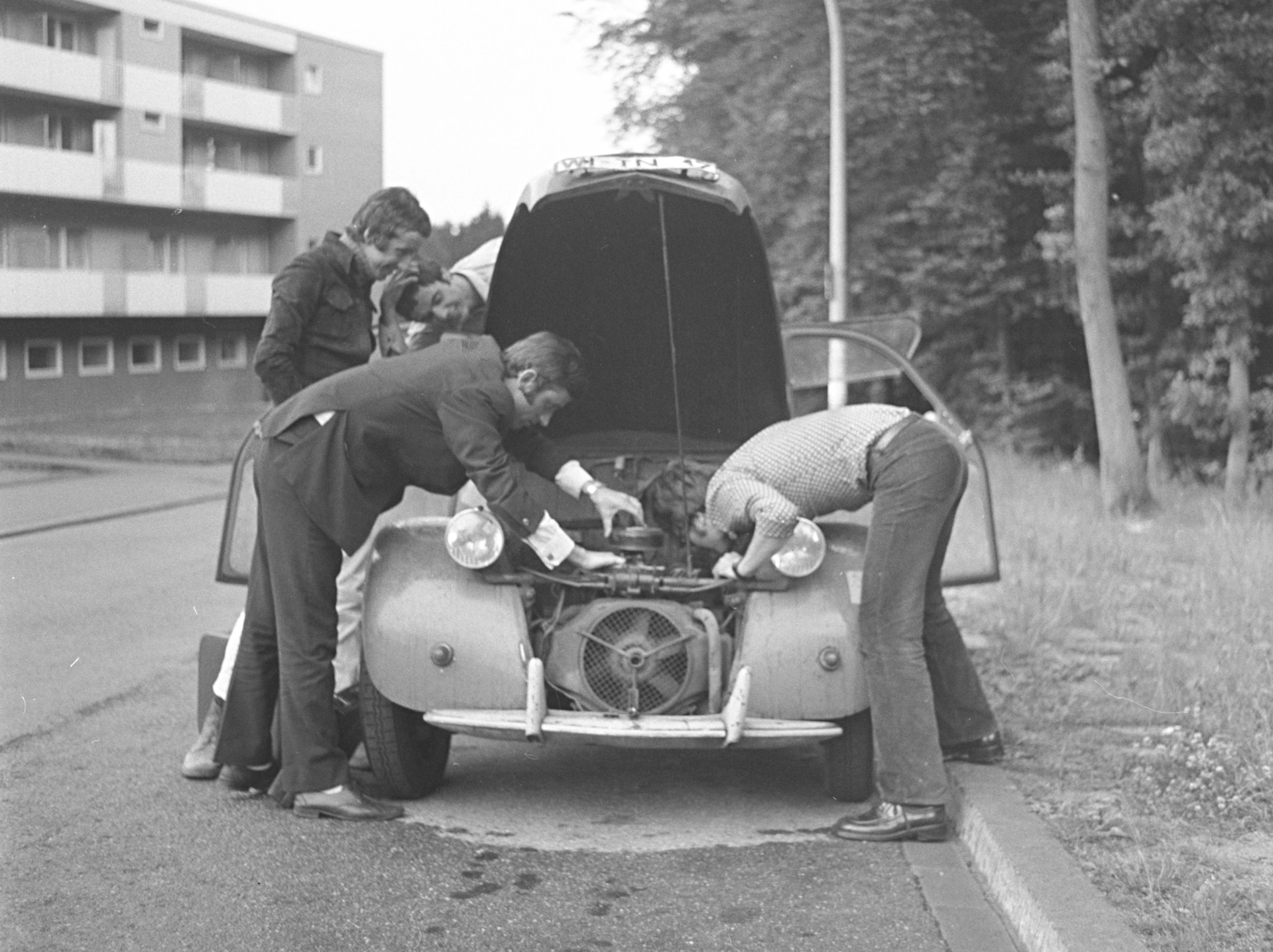
In the 1980s some drivers removed or altered catalytic converters, air injection systems, or other emissions control devices either for cost savings or due to lack of enforcement, and such modifications were relatively common in certain circles. Today federal law and state regulations make it illegal to tamper with or remove emissions control equipment on motor vehicles, because those systems protect air quality and public health by cutting harmful pollutants. Violating tampering rules can result in fines, failed inspections, and criminal charges in severe cases.
Operate without workplace safety protections that are standard now

Workplace conditions in the 1980s sometimes exposed employees to unmitigated hazards, and while foundational protections existed, enforcement and standards have strengthened since then. Today there are more comprehensive occupational safety rules, mandatory hazard communication, protective equipment requirements, and whistleblower protections, making the blatant neglect of safety that occurred in some workplaces less likely and legally actionable.
Use certain asbestos applications without strict controls
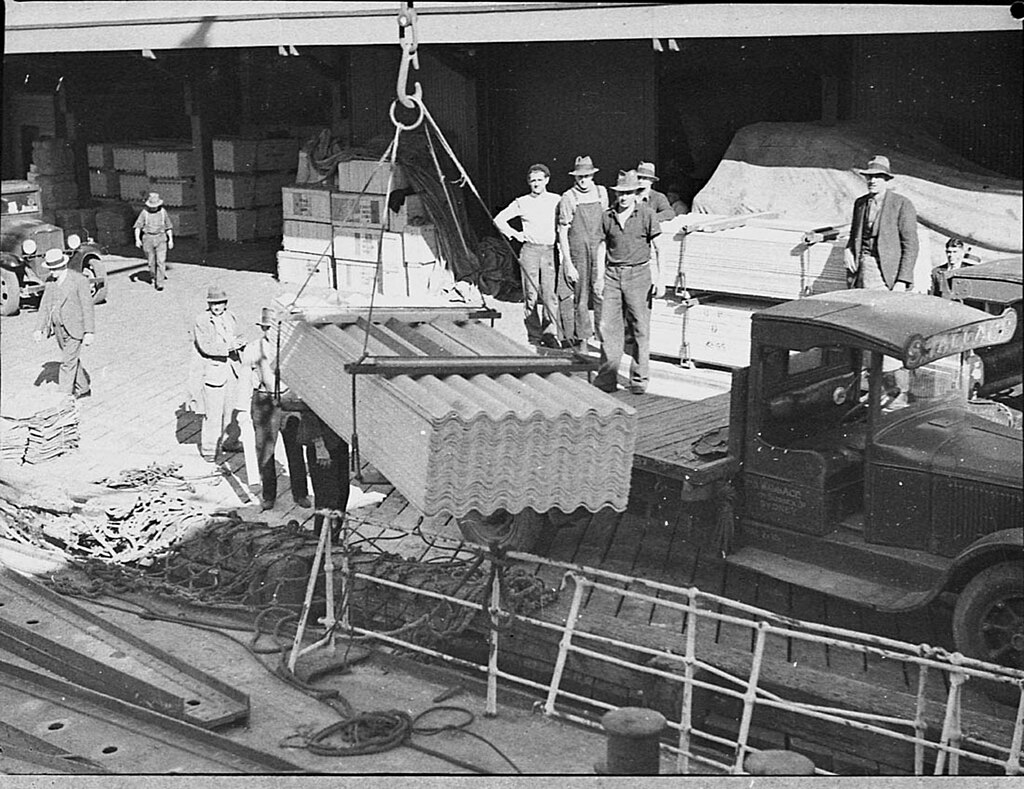
Asbestos remained present in many building materials and industrial uses in the 1980s, and remediation or removal practices were not as tightly regulated as they are now. Since then, extensive regulation, mandatory disclosure, and controlled abatement protocols have been developed because inhaled asbestos fibers cause serious illness. Today performing large scale asbestos removal or disturbing asbestos containing materials without licensed crews, proper containment, and notification could lead to civil and criminal penalties.
Drive a vehicle that fails modern crash or emissions inspections
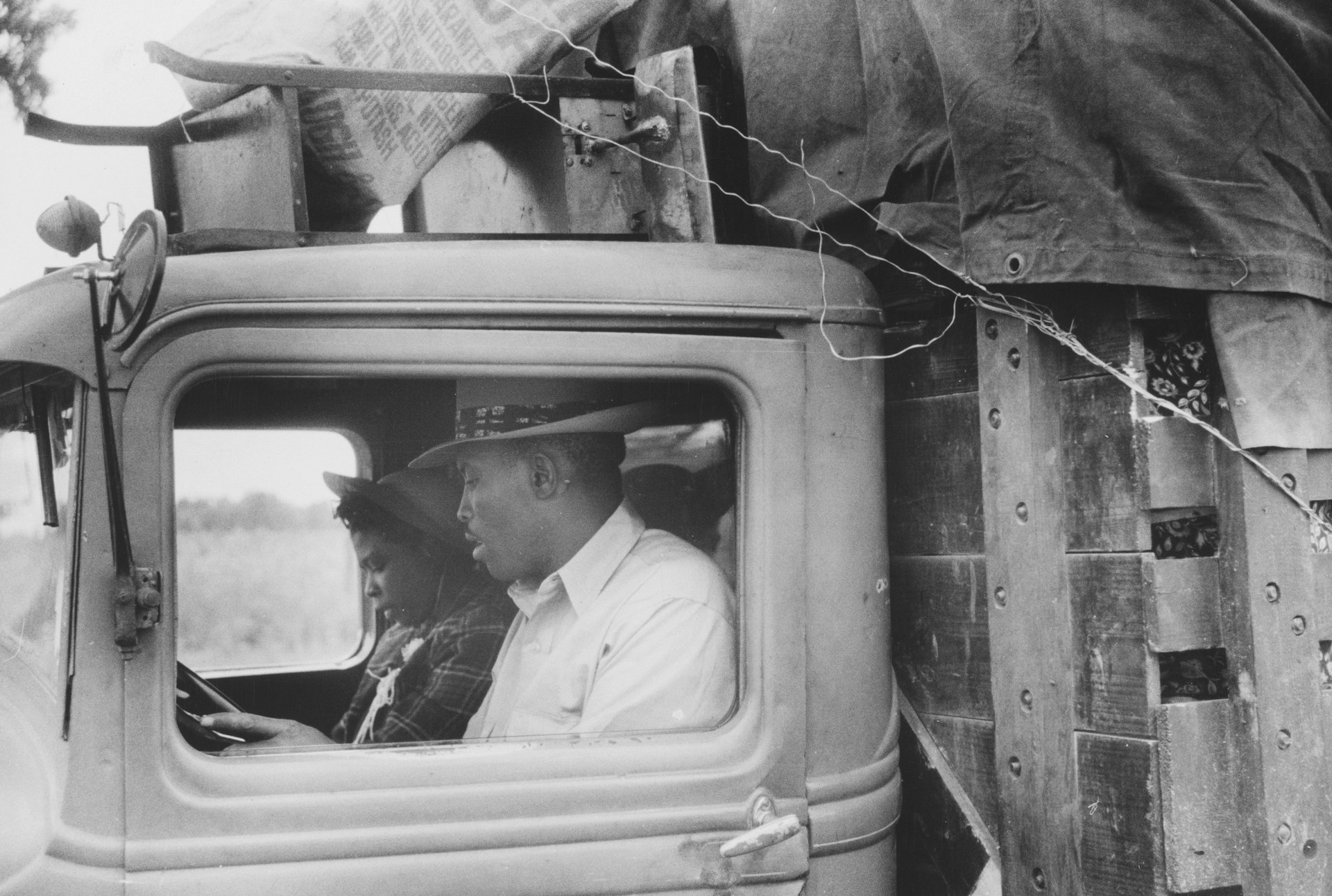
Older vehicles without modern safety features or adequate emissions controls were common in the 1980s, and in many areas enforcement and testing were less rigorous than today. Modern inspection regimes require functioning safety systems and emissions performance to meet environmental and safety standards. Driving a car that would fail current inspections, for instance due to missing airbags, faulty brakes, or excessive emissions, is no longer permissible in many jurisdictions, and owners must repair or retire such vehicles.
Sell consumer products with hazardous chemical levels that are now banned
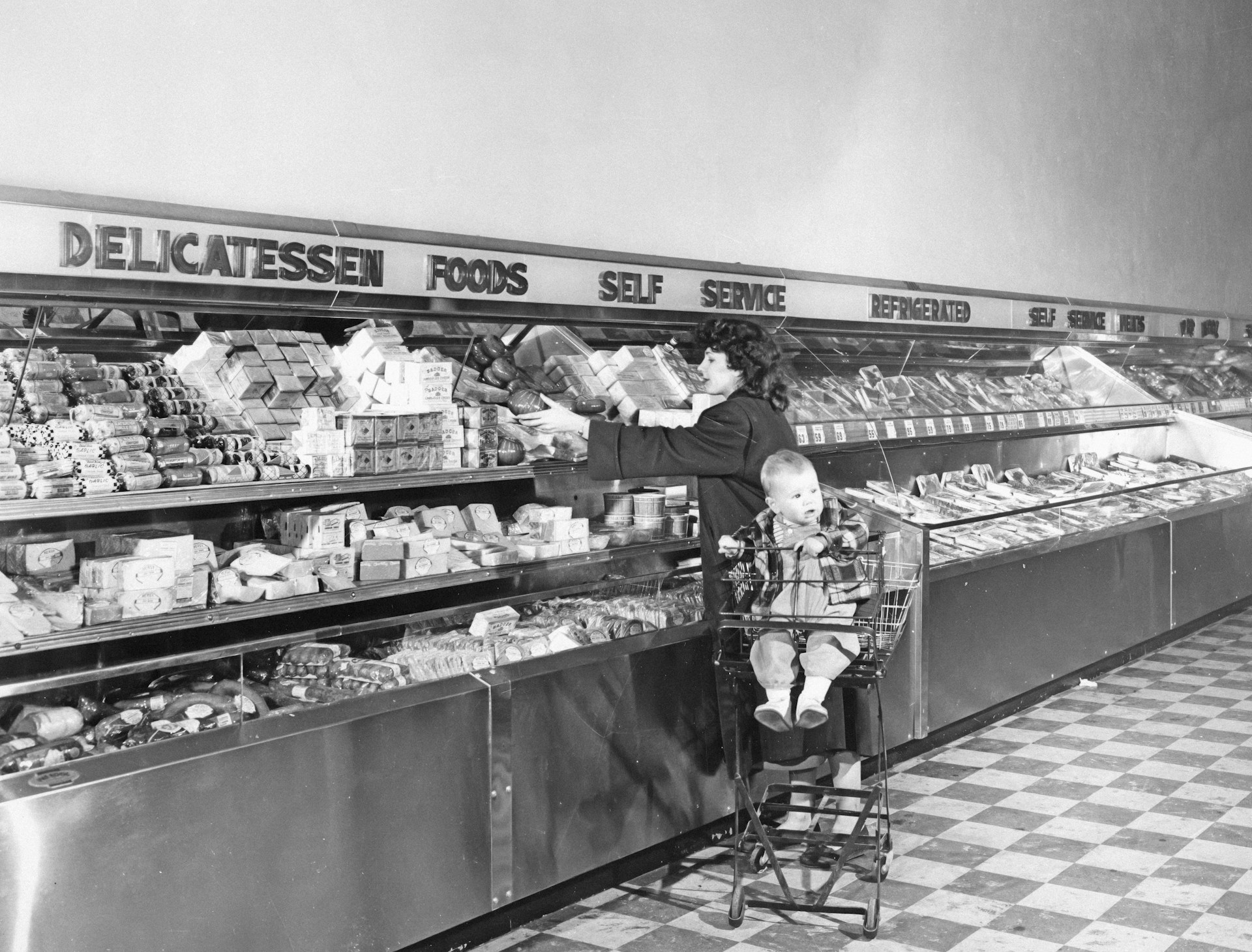
Products sold widely during the 1980s sometimes contained chemicals later restricted or banned after new evidence of harm, from certain flame retardants to specific phthalates in children’s items. Regulatory steps since then have limited the sale of products with harmful chemical levels, mandated testing, and required labeling to protect consumers. Today bringing to market widely used consumer goods with forbidden chemical contents would violate modern safety and consumer protection laws, and companies can face recalls, fines, and liability suits.
Looking back at the 1980s, it is clear that many everyday behaviors then would be illegal or heavily restricted now, as science and social priorities changed. Laws evolved to protect public health, the environment, and vulnerable populations, turning once-normal habits into prohibited actions. Remembering those differences helps explain why modern rules often feel intrusive, because they are the result of hard learned lessons about safety, fairness, and the common good.