Regional differences in the United States bring richness to the country’s culture, offering a blend of traditions, values, and distinct ways of speaking. These differences can be charming and even endearing, but they can also lead to moments of awkwardness when words are taken the wrong way. Northerners, often without realizing it, sometimes say things that Southerners find condescending or dismissive. What may sound like a casual comment can touch on deep cultural pride or trigger stereotypes that feel insulting. By being aware of common missteps, conversations between people from different regions can stay warm, respectful, and free from unintentional friction.
“Why Do You Talk So Slow?”

While it may seem like an innocent observation, this remark can feel like a jab. The pace of speech in the South isn’t about laziness or lack of intelligence, it’s about a cultural rhythm that values unhurried connection. The Southern drawl is more than an accent; it’s a piece of heritage and identity. Pointing it out in a mocking tone risks sounding as though one is critiquing an entire way of life rather than simply noting a difference.
“You Must Eat Fried Food All the Time”
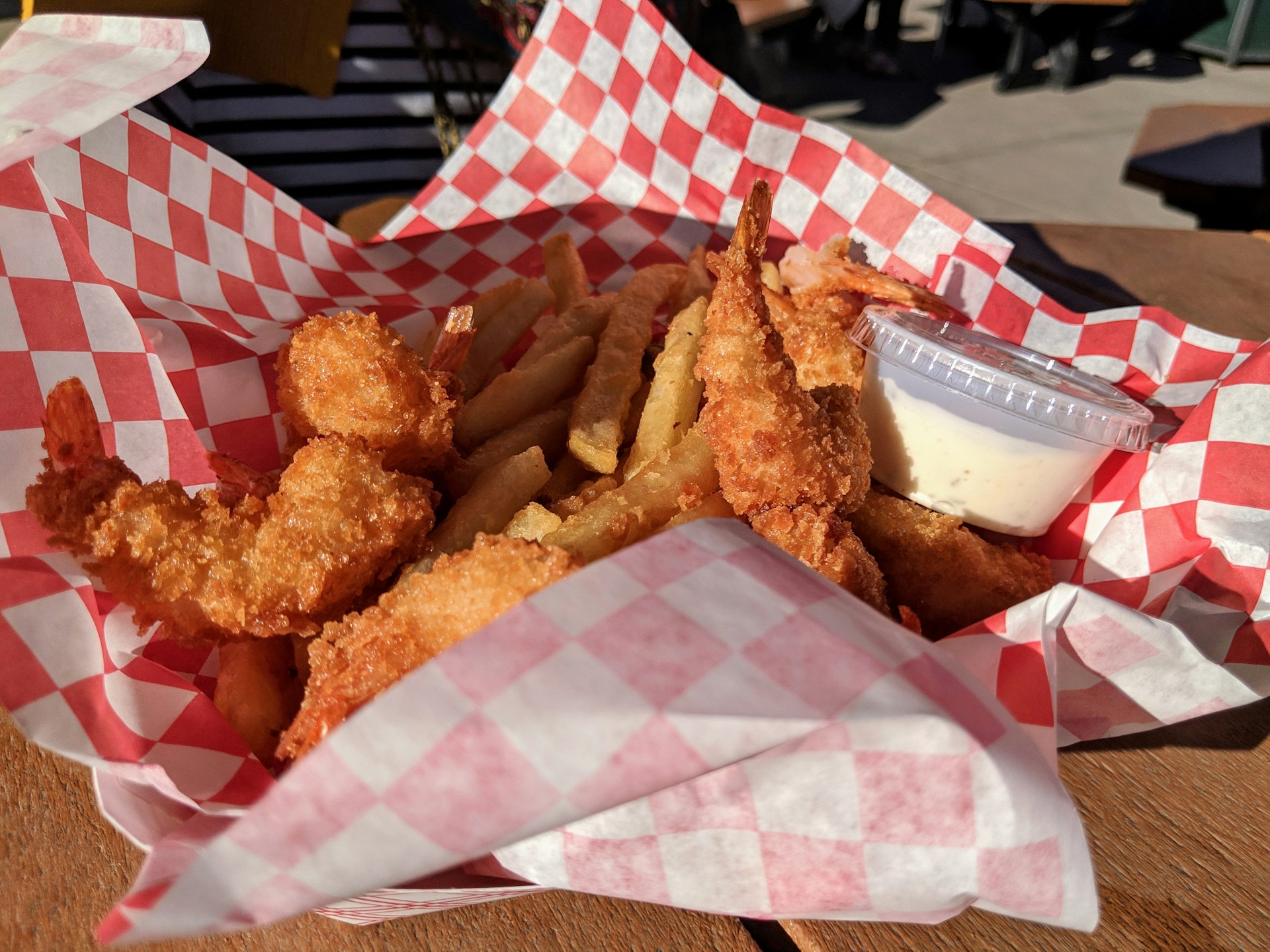
This stereotype oversimplifies a rich culinary landscape. While fried chicken, hushpuppies, and catfish are staples of Southern comfort food, so are fresh garden vegetables, flavorful seafood from the Gulf and Atlantic, and inventive farm-to-table cooking. Many Southerners take pride in meals prepared from local ingredients, and reducing their cuisine to deep-fried indulgence erases its diversity and depth.
“Is Everyone Really That Polite, or Is It Fake?”

Questioning sincerity implies that hospitality must be a façade. In much of the South, manners are not a performance, they’re a sign of mutual respect. A warm greeting or a neighborly gesture is often genuinely meant, and skepticism toward it can come across as dismissive of a deeply valued cultural tradition.
“Why Don’t You Just Take the Subway?”

Suggesting this assumes that public transportation is as widespread in the South as it is in parts of the North. In reality, many Southern cities and towns were designed around car travel, and sprawling geography makes rail systems impractical. Cars are not just a convenience but a necessity, and questioning that reality can feel uninformed.
“You’re Not One of Those Country People, Are You?”

This remark suggests that rural living is something to be ashamed of. In truth, many Southerners take pride in their rural roots, valuing the traditions, independence, and tight-knit communities that come with them. Calling “country” a negative ignores the history and skill that define rural life.
“It Must Be Boring Down Here”

What some perceive as a lack of excitement is, for many Southerners, a peaceful and fulfilling way of life. Time moves differently, allowing for front porch conversations, community gatherings, and a connection to the land that doesn’t require constant bustle. Calling it boring misses the beauty in a slower pace.
“Y’all Is Such a Funny Word”

To Southerners, “y’all” isn’t humorous, it’s practical and inclusive. It’s a warm way to address a group without awkward phrasing. Mocking it can feel like poking fun at an entire culture rather than appreciating linguistic variety.
“I Could Never Live Here”

Saying this while visiting a Southern town can feel dismissive. Even when meant lightheartedly, it sends a message that the place, and by extension, its people, aren’t good enough. Pride in one’s home runs deep, and comments like this undermine it instantly.
“Why Do People Still Fly Confederate Flags?”
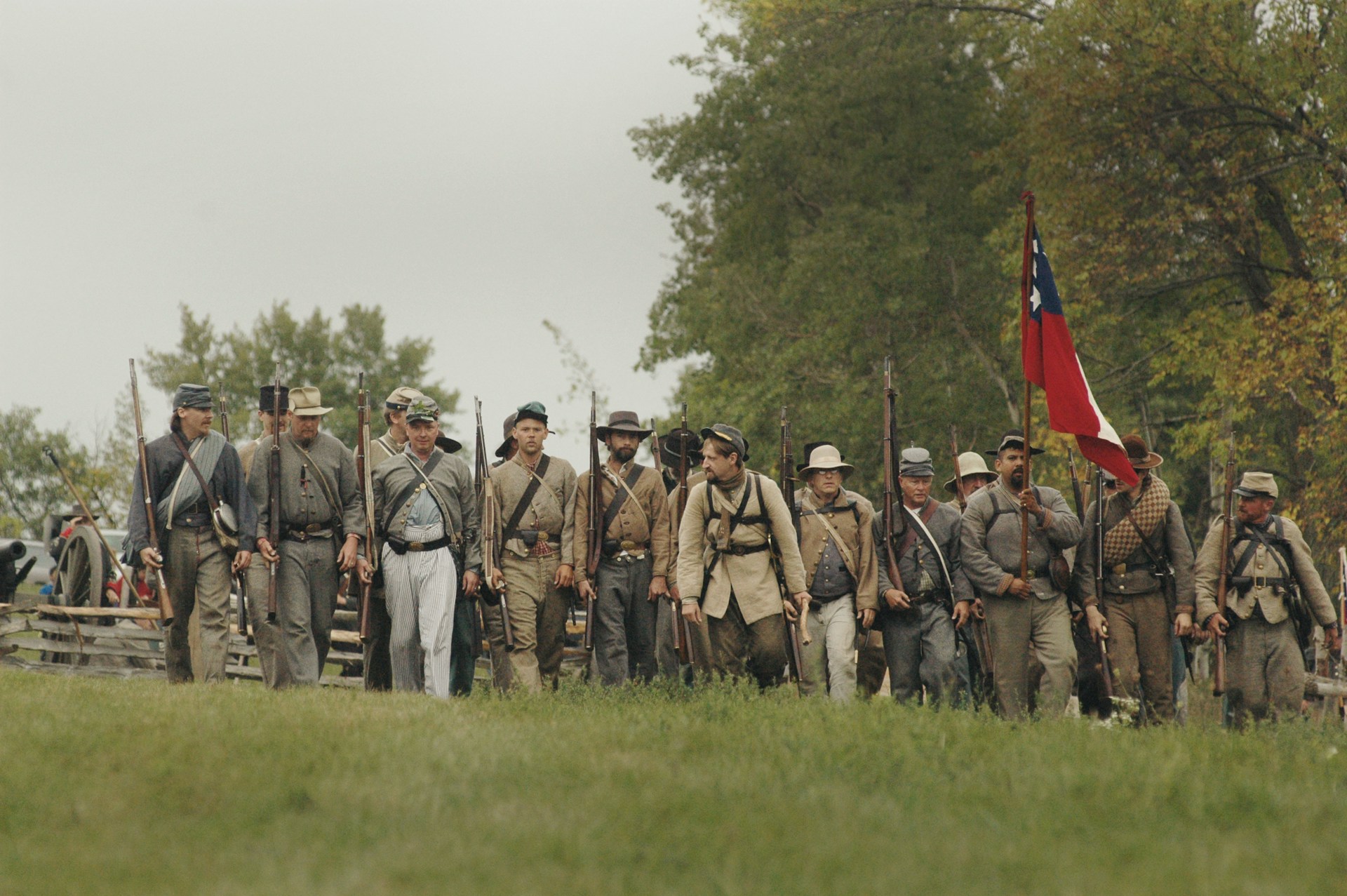
This is a complex topic in the South. While many Southerners strongly oppose the flag, others view it through a lens of family history or regional identity. Asking bluntly and without context can feel accusatory. Conversations about it require sensitivity and an understanding of its emotional weight.
“It’s So Hot! How Do You Live Like This?”

Southerners are well aware of their climate, and they’ve adapted to it. Complaining constantly about the heat comes across as dwelling on the negative rather than appreciating the region’s beauty. Acknowledging the weather is fine, but harping on it can be tiresome.
“Do People Really Still Go to Church Every Sunday?”
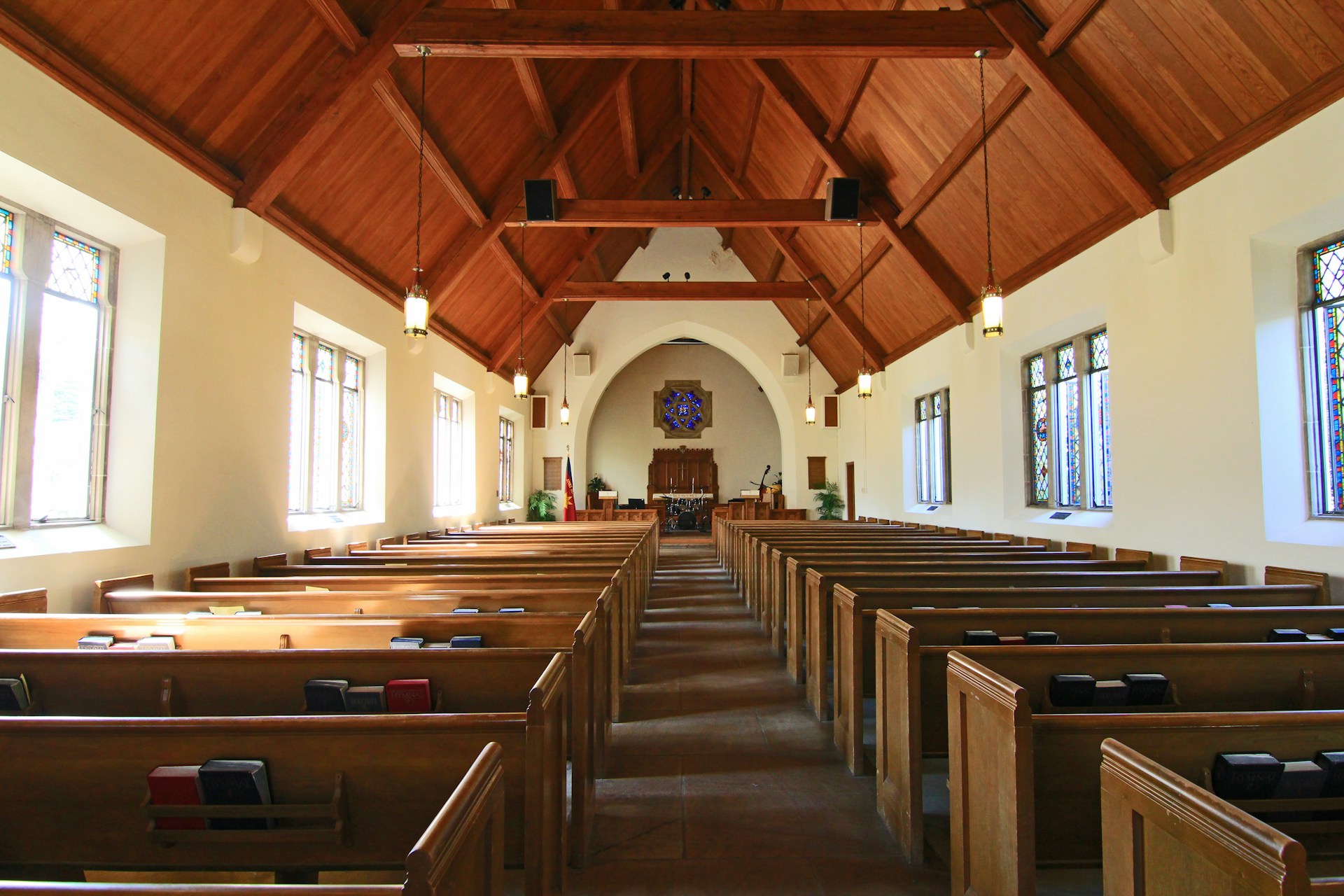
When asked with disbelief, this question can feel like a critique. In many Southern communities, church is as much about fellowship and tradition as it is about religious practice. Recognizing its cultural importance shows respect, whether or not one shares the same beliefs.
“I Didn’t Think Southerners Were This Educated”

Even if intended as praise, this statement carries an underlying assumption that Southerners are less educated. Many take pride in their academic, professional, and cultural accomplishments and do not appreciate recognition wrapped in stereotype.
“You’re Surprisingly Open-Minded for Someone from the South”

This remark assumes the South is uniformly closed-minded, which is far from true. Southerners hold a broad range of perspectives, and many are progressive and forward-thinking. It’s better to approach people as individuals rather than representatives of a stereotype.
“Bless Your Heart”
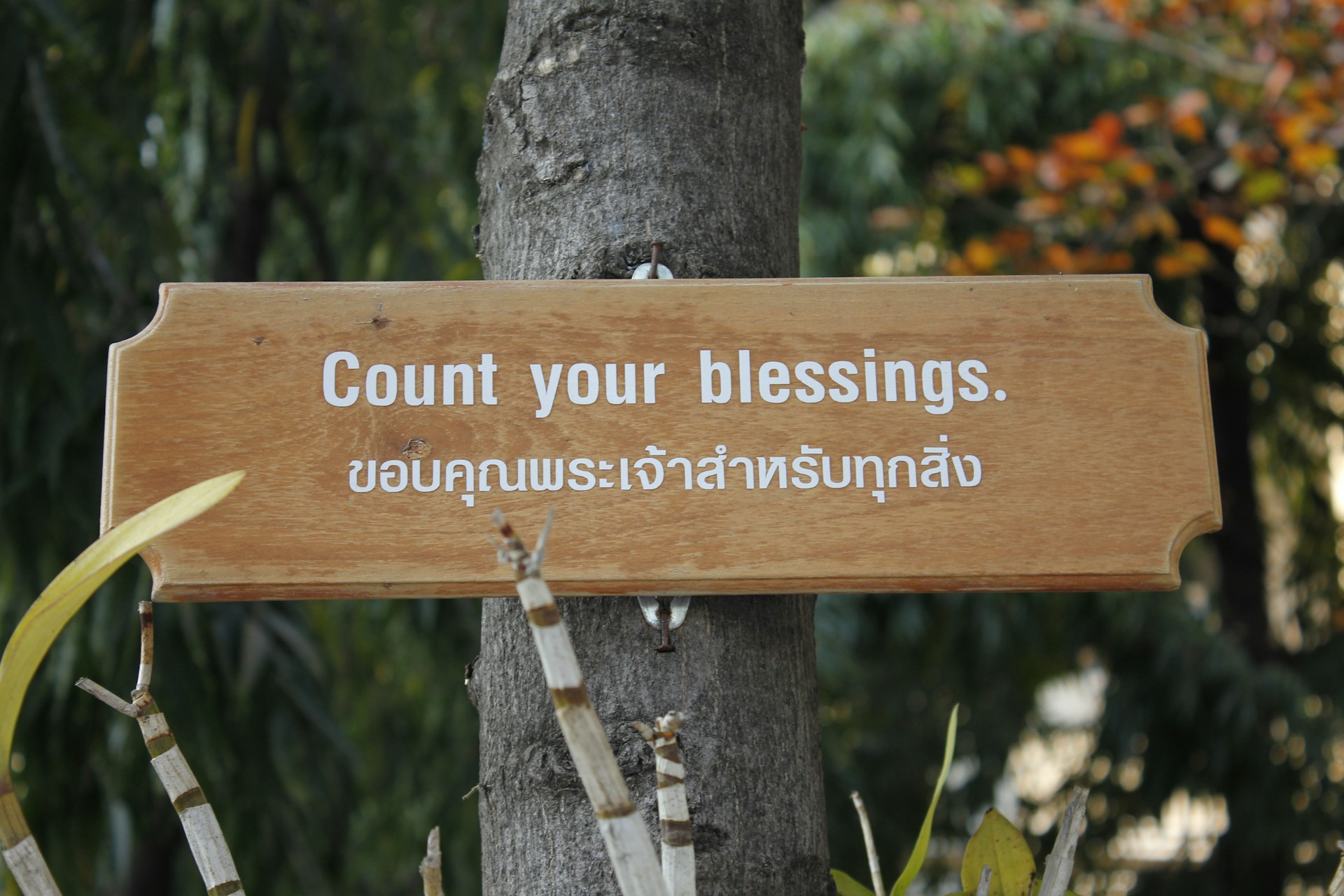
When Northerners use this phrase sarcastically, it often misses the cultural nuance. In Southern speech, “bless your heart” can be sincere or gently critical, depending on tone. Stripping it of that layered meaning makes it feel like an imitation rather than an appreciation.