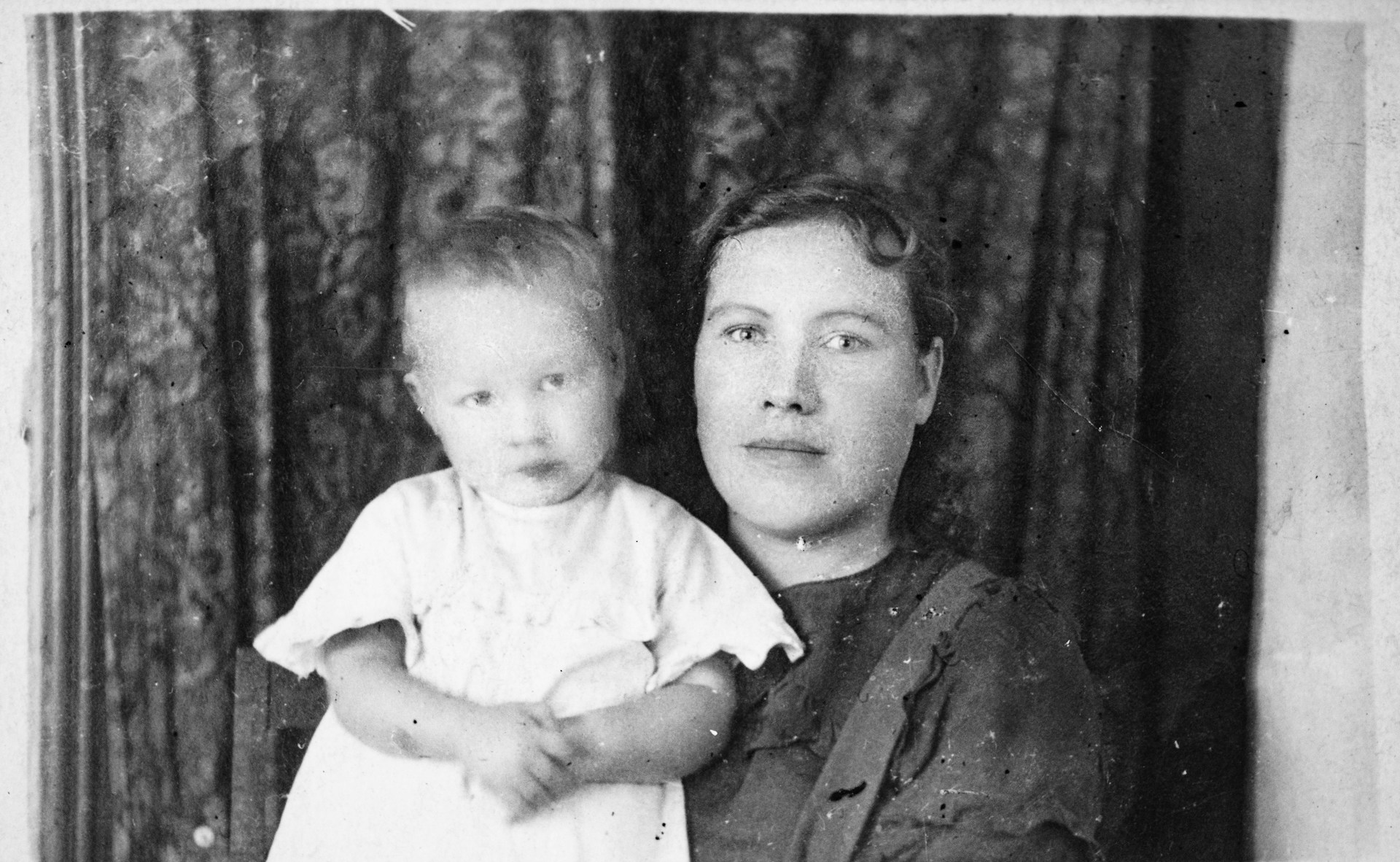
For many American boomers, childhood came with expectations that were rarely discussed but clearly understood. Kids were trusted with responsibility early, often without supervision, explanations, or emotional cushioning. Adults believed that struggle built character and that children would naturally adapt to the world as it was. Looking back now, many of these expectations feel startling, not because they were always harmful, but because modern ideas about safety, development, and parenting have changed so dramatically. These were not extreme situations or rare events. They were everyday realities that shaped how a generation learned independence, resilience, and self reliance. Today, many of them would trigger concern, policy changes, or serious conversations.
Walking to School Alone at a Young Age
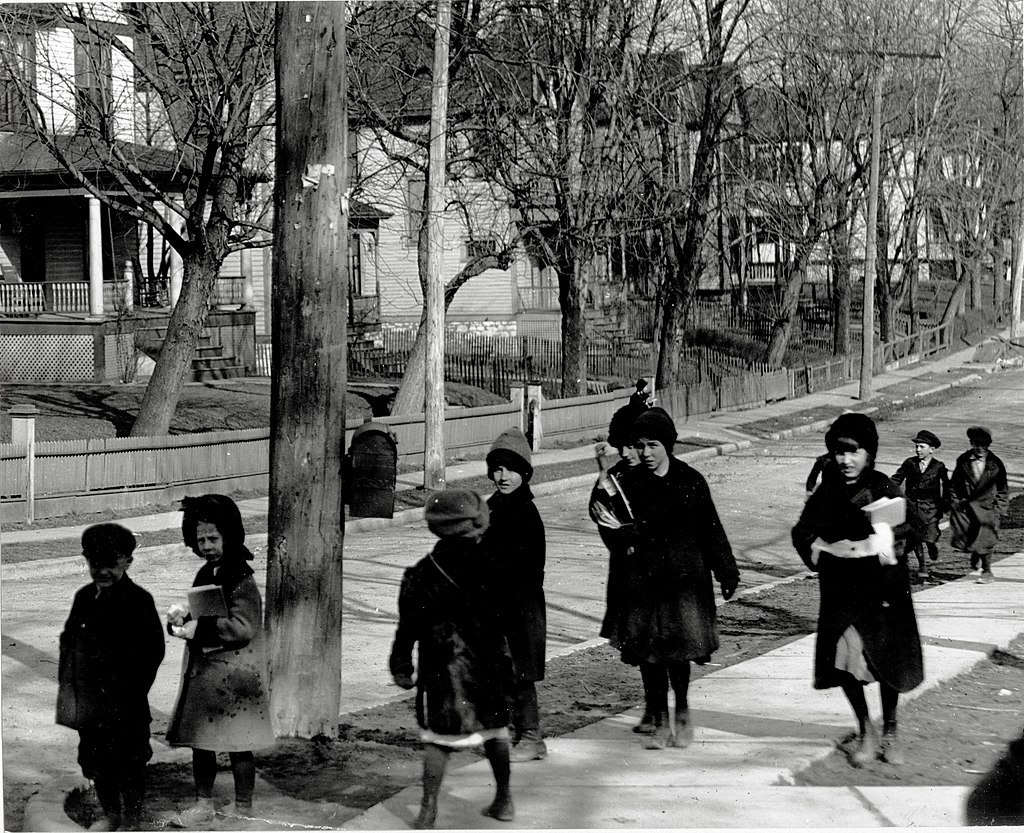
It was completely normal for young children to walk to school alone, often navigating busy streets, railroad crossings, and unpredictable weather without adult help. Parents expected kids to know the route, watch for cars, and arrive on time without reminders. If something went wrong, the assumption was that the child would figure it out or learn from the mistake. Today, this same scenario raises fears about safety, liability, and supervision, with schools and communities actively discouraging it. For boomers, walking alone was not seen as risky behavior. It was a quiet lesson in responsibility, awareness, and growing up faster than children are expected to today.
Staying Home Alone for Long Hours
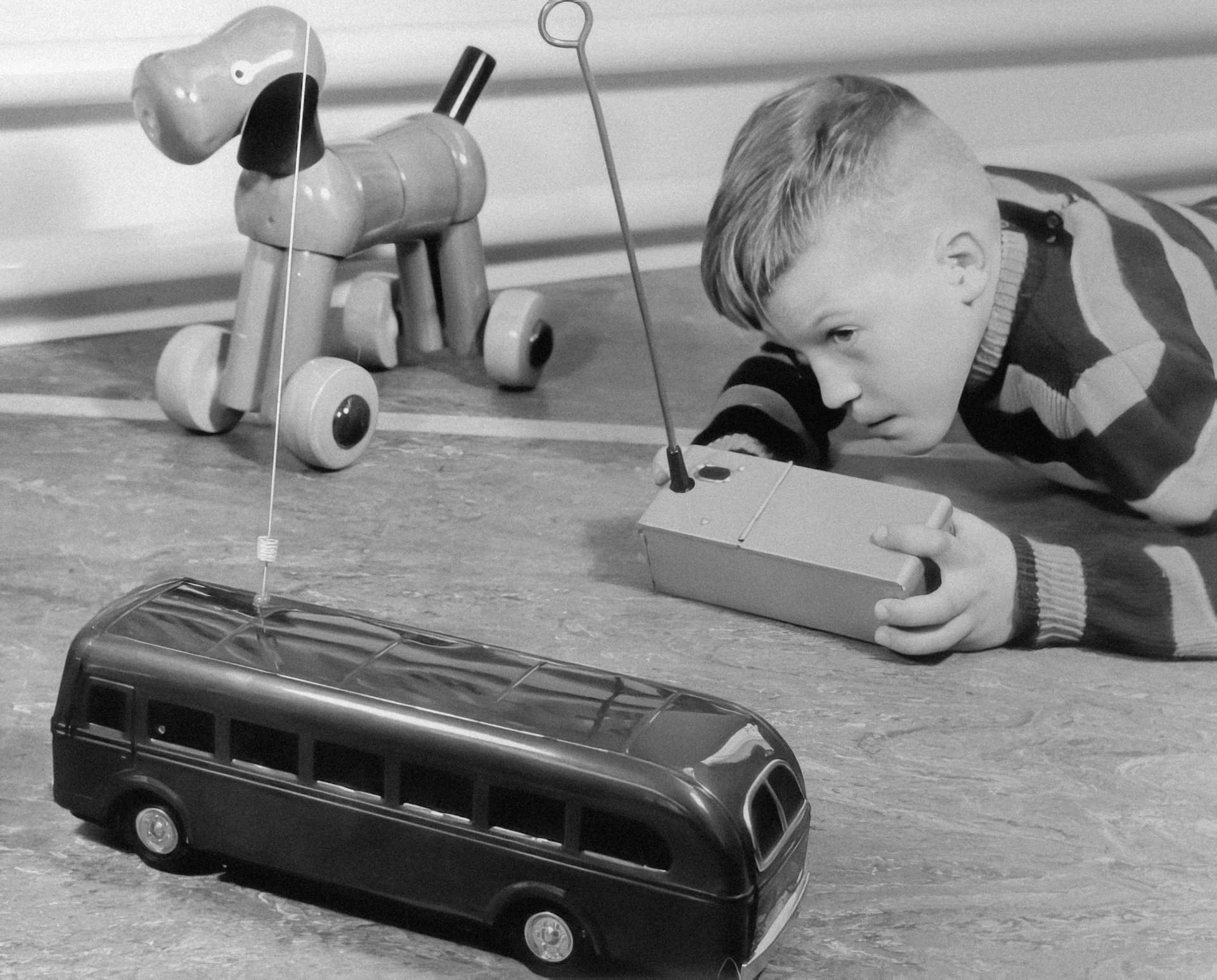
Many boomer kids spent long afternoons alone after school, sometimes for several hours, without check ins or emergency plans. They let themselves in, fixed snacks, did homework, and waited quietly for parents to return. Minor problems were handled independently, and serious ones were expected to be rare. Parents trusted that their children would not make dangerous decisions or panic unnecessarily. Today, leaving a child alone for that length of time can invite legal scrutiny and social judgment. For boomers, this solitude was a training ground for independence and self trust, even if it sometimes came with fear or boredom.
Taking Care of Younger Siblings
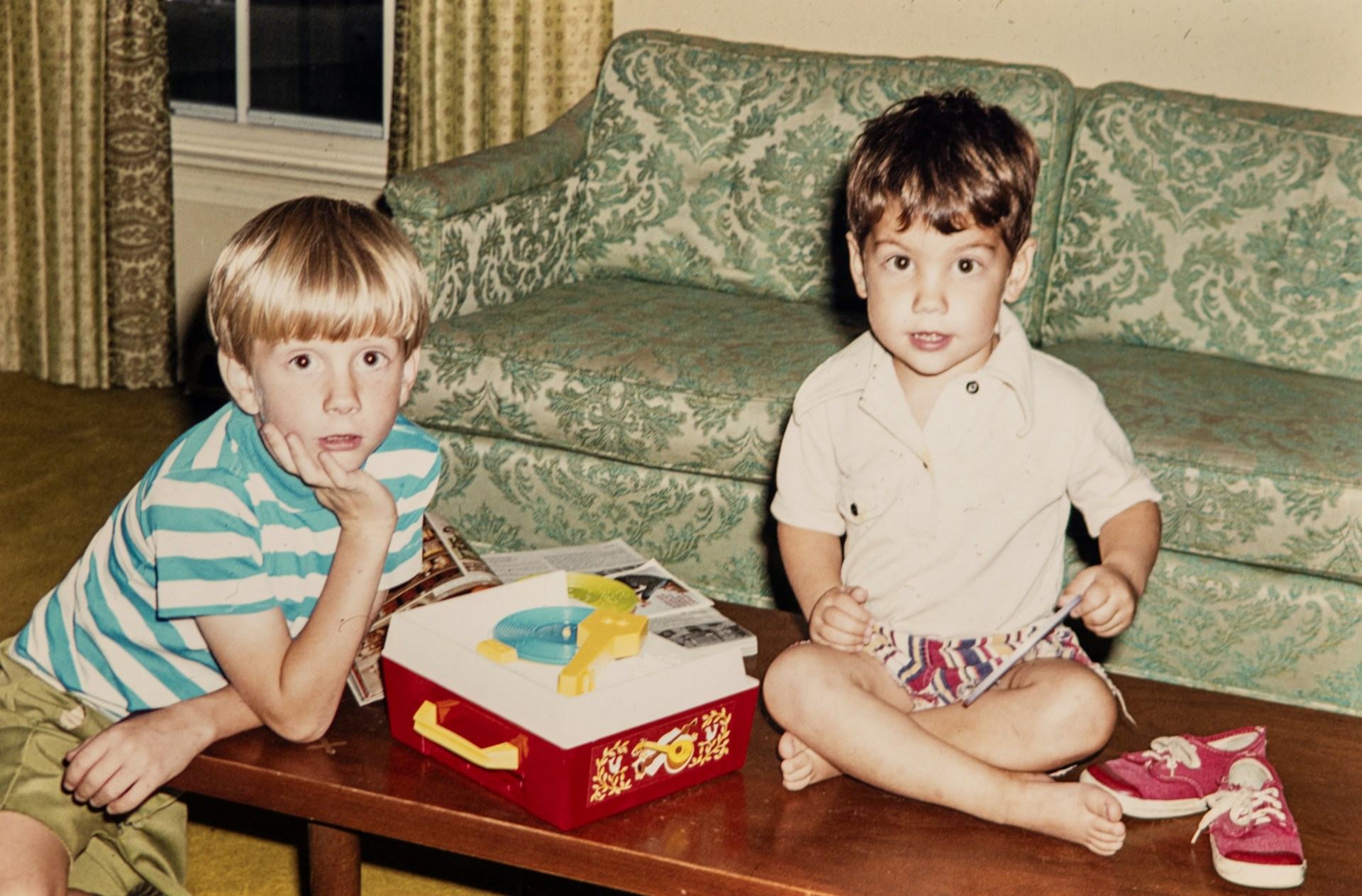
Older children were routinely expected to care for younger siblings, often for extended periods and with little instruction. Babysitting was not framed as a favor or skill but as a family duty. Kids fed siblings, broke up fights, and handled minor injuries without adult input. There was little room to say no or feel unprepared. Today, childcare is recognized as a serious responsibility tied to age and training. For boomers, sibling care was simply part of daily life. It shaped early maturity and responsibility, whether children wanted that role or not.
Doing Household Chores Without Complaints
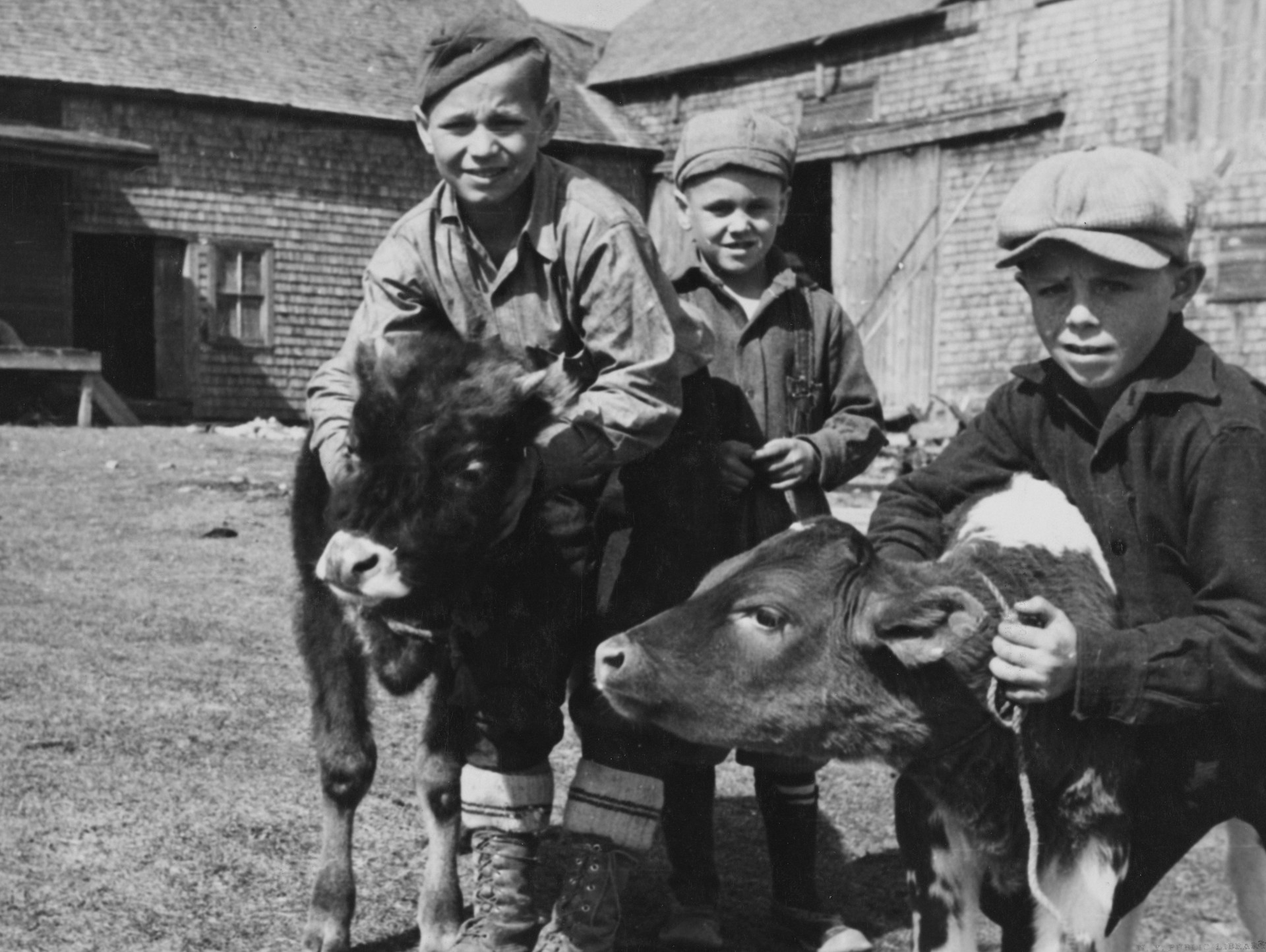
Household chores were not optional and rarely rewarded with praise or incentives. Kids were expected to contribute because they were members of the household, not because they earned privileges. Mowing lawns, washing dishes, cleaning basements, and helping with repairs were routine expectations. Complaining was usually met with reminders of duty rather than empathy. Today, chores are often negotiated, explained, or incentivized. For boomers, work was simply part of existence; you learned early that contributing was non negotiable.
Handling Discipline Without Explanation
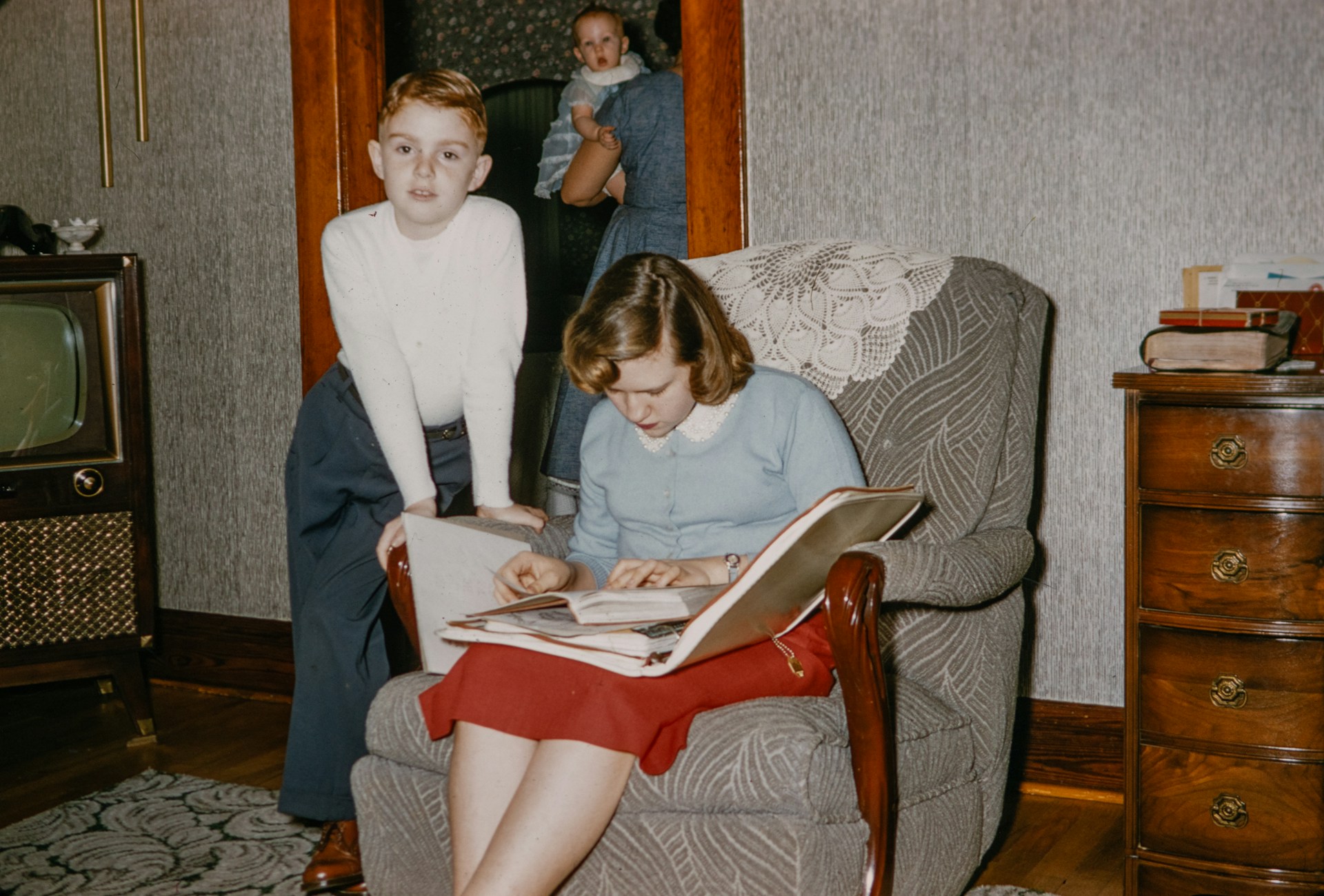
Discipline during childhood often came swiftly and without lengthy discussion. Kids were punished and expected to reflect on what they did wrong on their own. Questioning authority or asking for clarification was often interpreted as disrespect. Emotional processing was not part of the equation. Today, discipline tends to involve conversations, emotional validation, and guidance. For boomers, discipline reinforced hierarchy and obedience. Whether it felt fair or not, you accepted consequences and moved forward.
Playing Outside All Day Without Supervision

Children were expected to leave the house after breakfast and entertain themselves until dinner, often without parents knowing exactly where they were. Neighborhoods functioned as shared spaces, with kids roaming freely between yards, fields, and streets. Injuries, arguments, and minor accidents were considered part of growing up. Today, unsupervised outdoor play raises concerns about safety and neglect. For boomers, this freedom was central to childhood. It taught problem solving, negotiation, and independence in ways structured activities rarely do.
Talking to Adults Without Being Invited
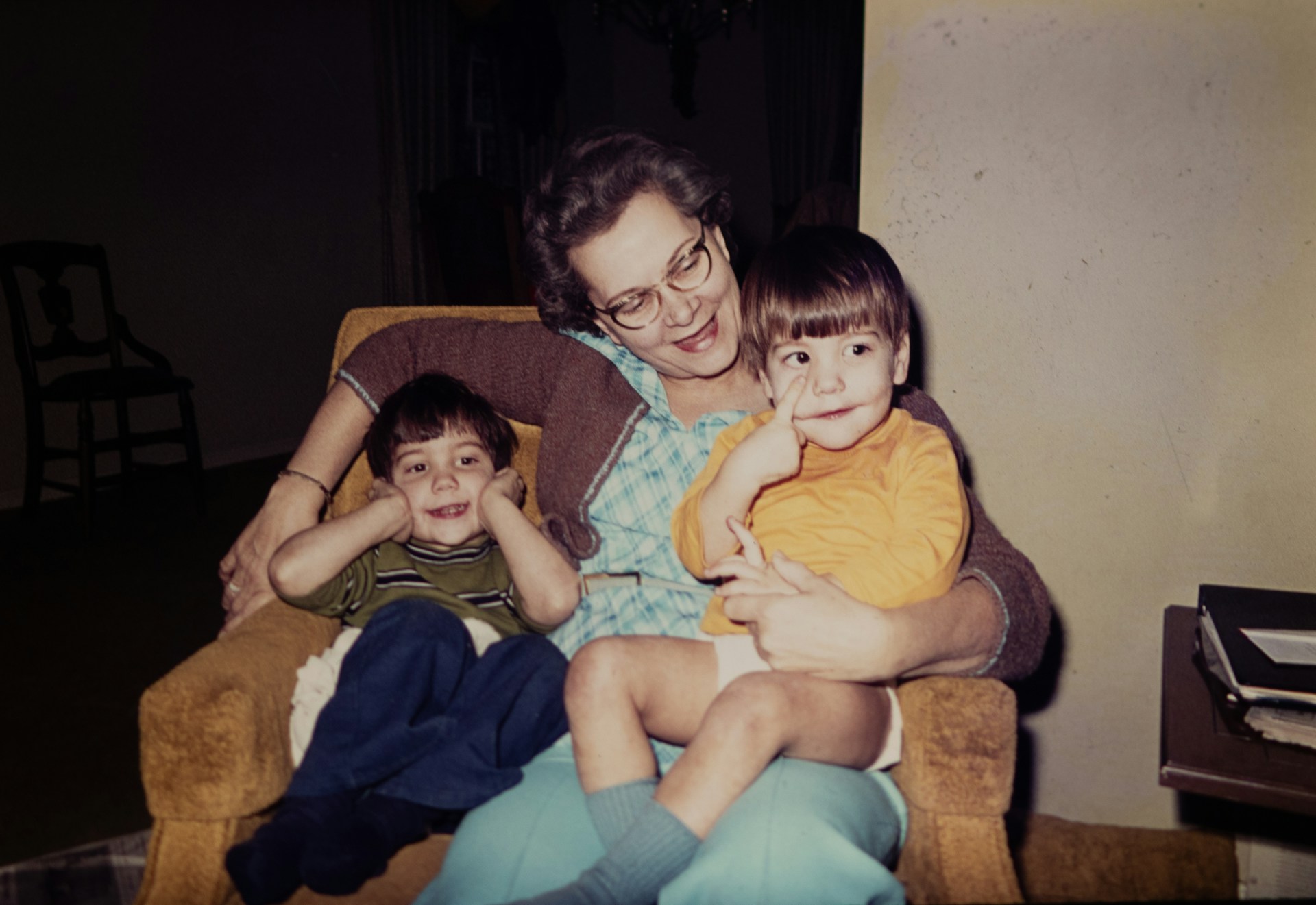
Children were expected to stay quiet when adults were talking, no matter how long the conversation lasted or how bored they felt. Interrupting was seen as rude, disrespectful, and a reflection of poor upbringing. Kids learned to sit nearby, listen carefully, and wait until they were directly addressed. This rule applied everywhere, whether it was at home, family gatherings, or public spaces. Today, children are often encouraged to speak up, share opinions, and engage confidently with adults. For boomers, respect meant restraint and self control. Knowing when not to speak was considered just as important as knowing what to say.
Accepting Teachers as Absolute Authority
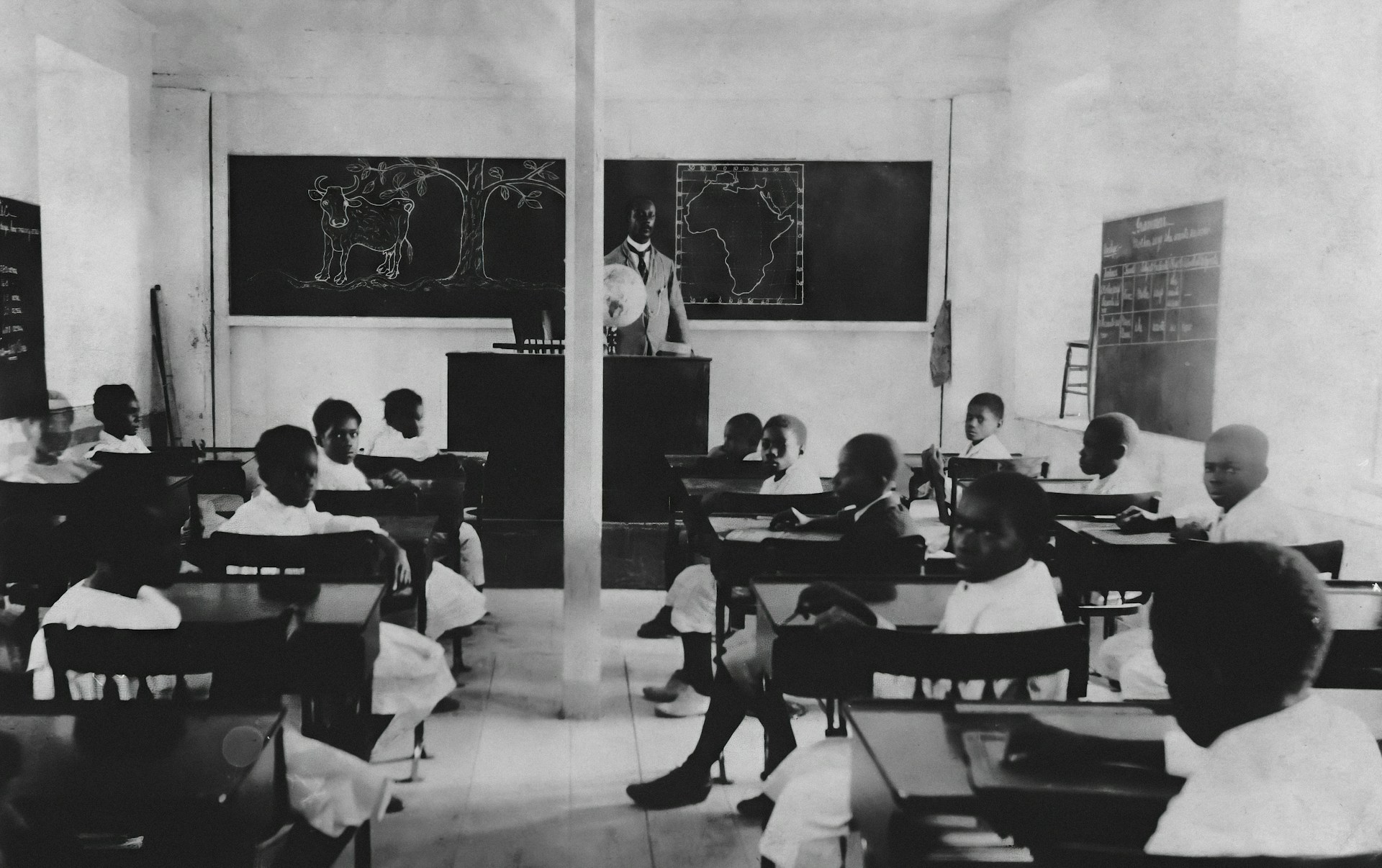
Teachers were treated as unquestioned authority figures, and their word carried significant weight both inside and outside the classroom. If a child got in trouble at school, parents almost always assumed the teacher was right, and consequences continued at home. There were no parent emails, meetings, or debates over fairness. Challenging a teacher’s decision was rare and often discouraged. Today, parents are deeply involved in school matters and regularly advocate for their children. For boomers, school was a place where authority was firm and hierarchy was clear. Learning to respect that structure was seen as preparation for adult life.
Managing Fear and Stress on Their Own
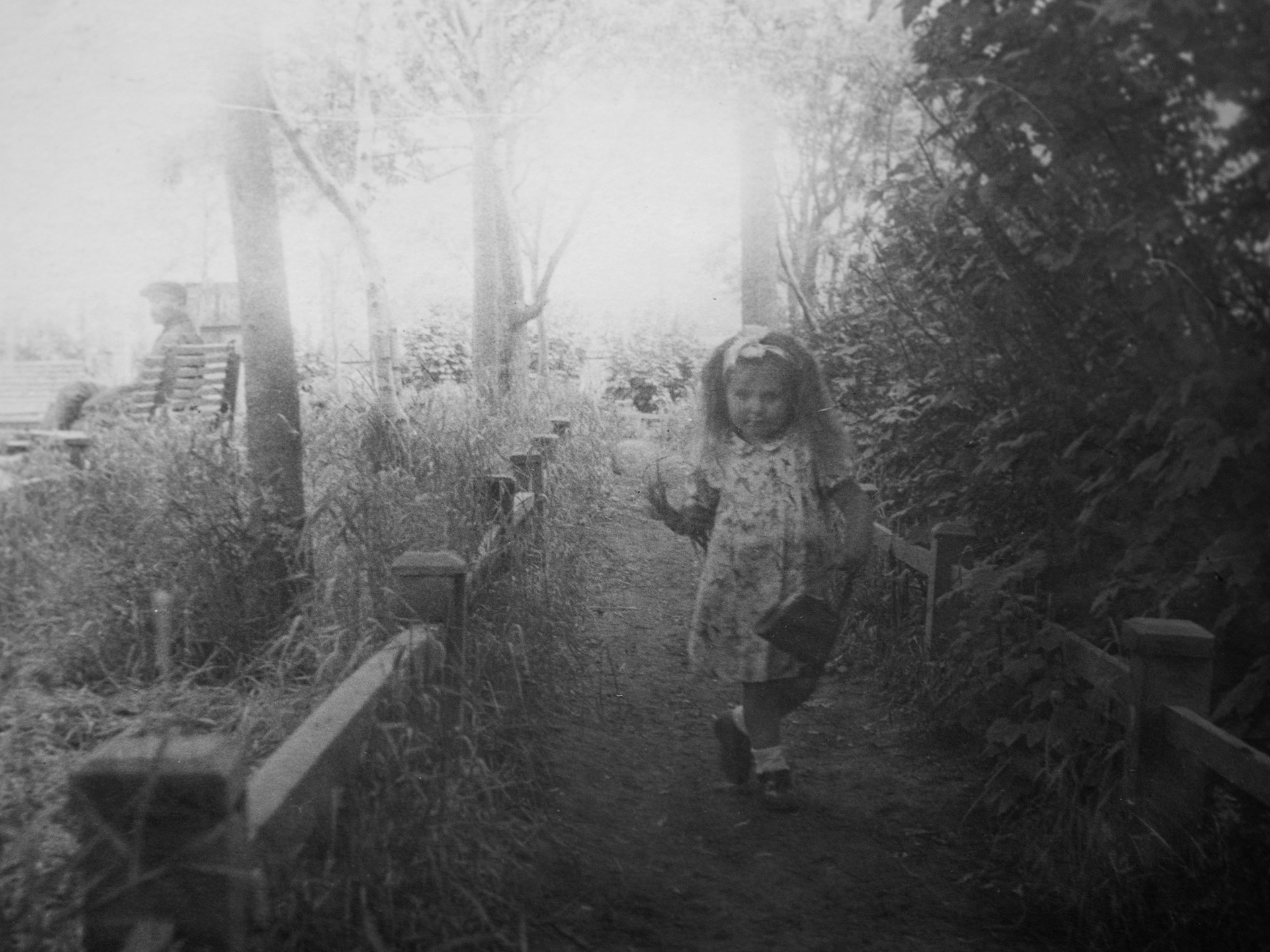
Children were expected to deal with fear, stress, embarrassment, and disappointment largely on their own. There were few conversations about feelings, anxiety, or emotional overwhelm. If something scared you or made you uncomfortable, the expectation was to push through it quietly. Today, emotional awareness and mental health support are central to parenting. For boomers, resilience was assumed rather than taught. You learned coping by watching adults, absorbing norms, and figuring things out internally, often without words.
Working for Extra Money at a Young Age

Many kids were expected to earn their own spending money through paper routes, lawn mowing, babysitting, or odd jobs around the neighborhood. Working was seen as a normal part of growing up, not something that interfered with childhood. Parents believed early work taught discipline, responsibility, and respect for money. Today, child labor laws, school demands, and structured activities limit these opportunities. For boomers, earning money was a source of pride. It reinforced the idea that independence came from effort, not entitlement.
Eating Whatever Was Served
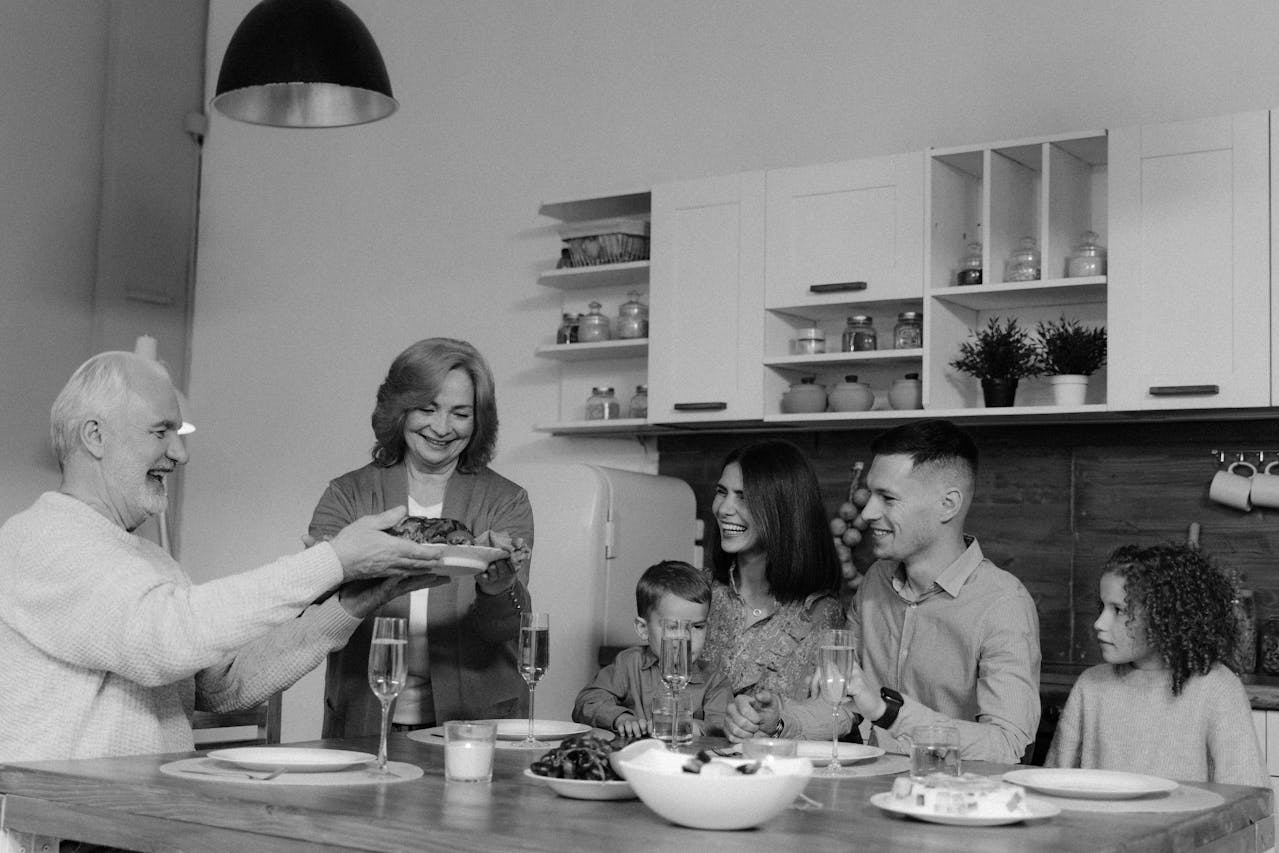
Meals were straightforward and non negotiable. Children ate what was placed in front of them or went without until the next meal. Parents did not prepare alternate dishes or accommodate preferences. Food was fuel, not a platform for expression. Today, meals are often tailored to tastes, sensitivities, and moods. For boomers, eating what was served taught gratitude, adaptability, and respect for effort; and complaints were seen as ungrateful rather than expressive.
Solving Conflicts Without Adult Intervention
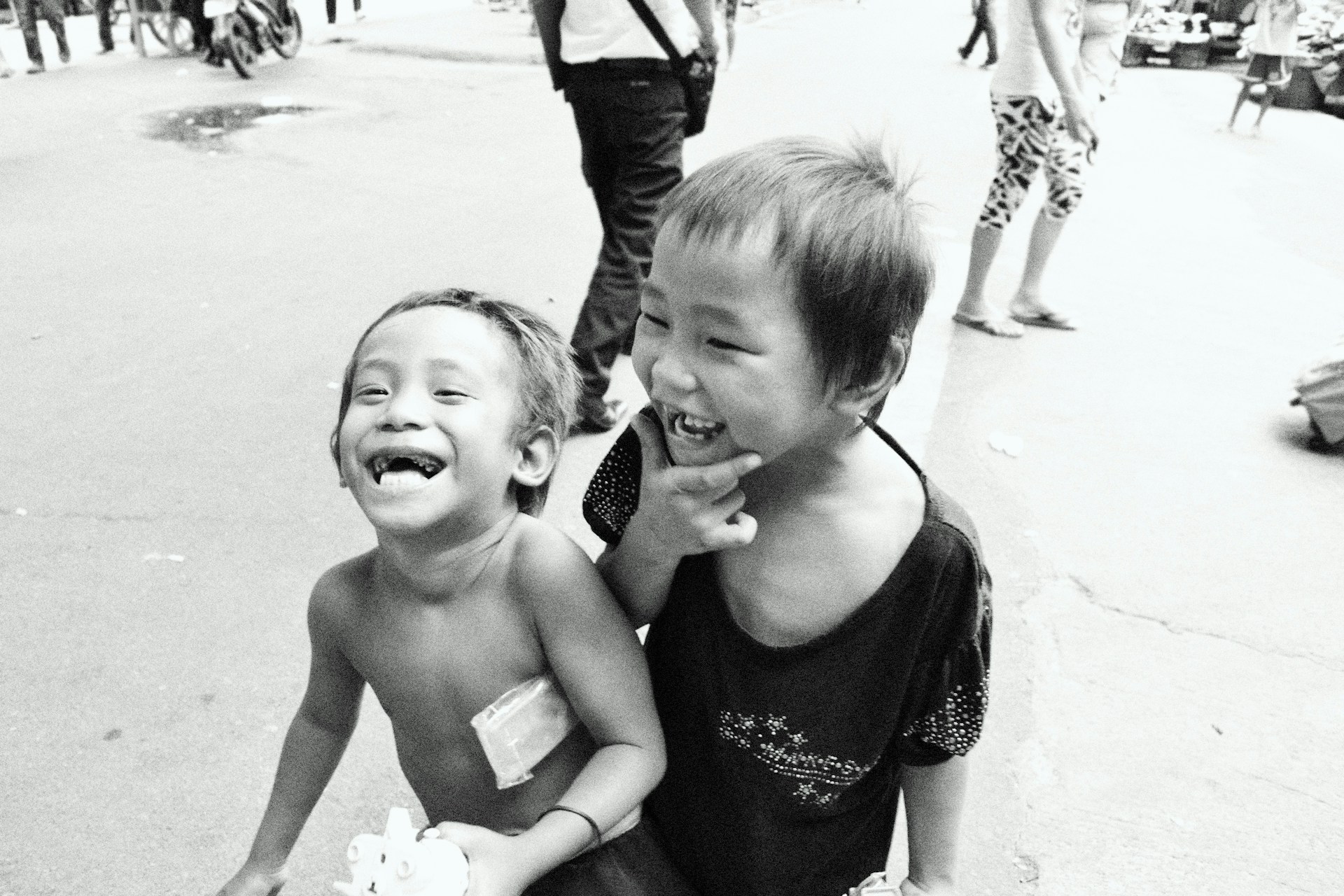
Kids were expected to handle arguments, disagreements, and even physical scuffles on their own. Adults stepped in only when conflicts escalated to a serious level. Learning how to negotiate, defend yourself, or walk away was part of everyday life. Today, conflict resolution often involves adult mediation and structured guidance. For boomers, social skills were learned through experience, mistakes, and occasional bruises. Conflict was not avoided; it was a teacher.
Understanding That Life Was Not Fair
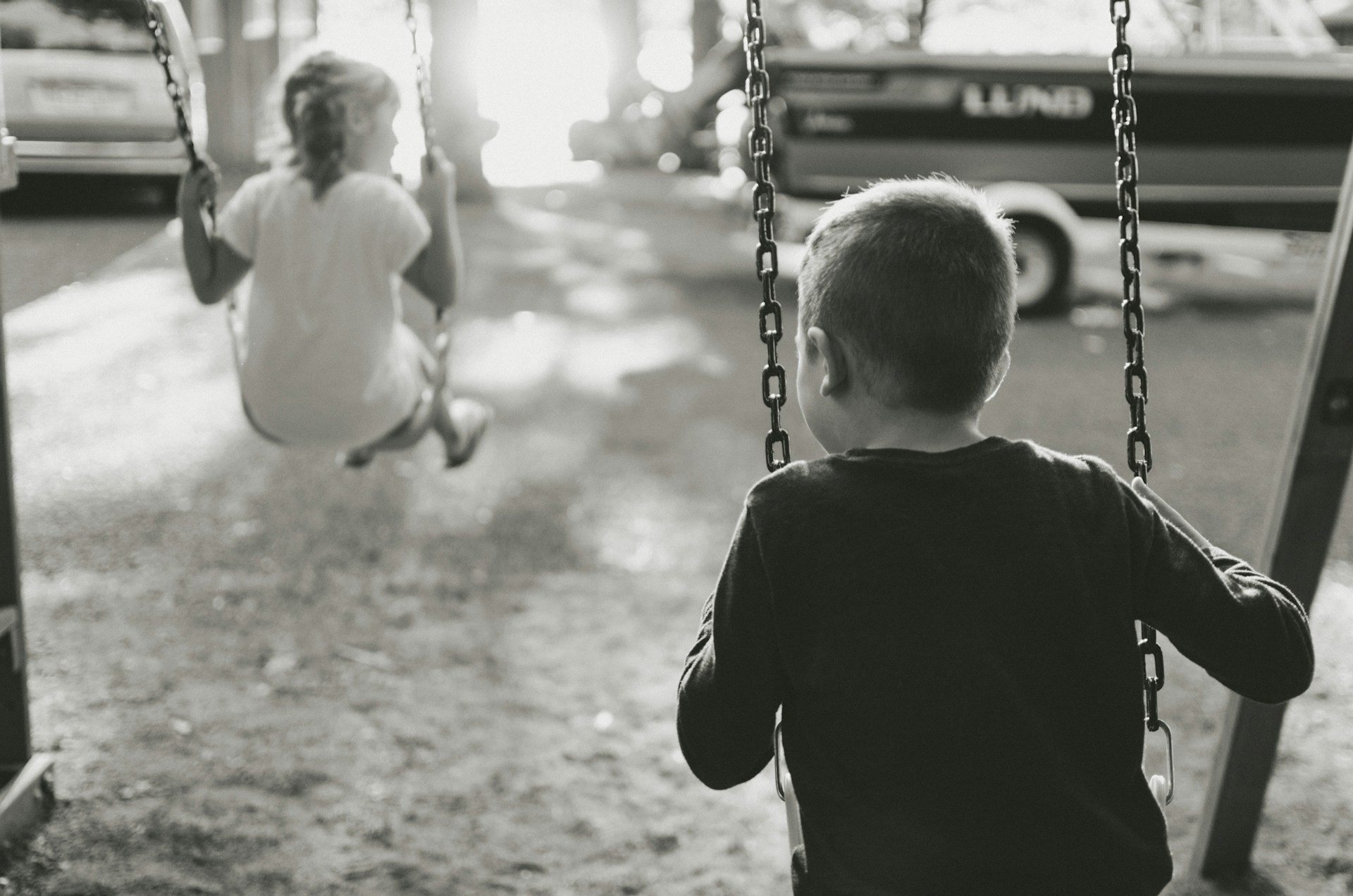
Children were taught early that fairness was not guaranteed and that disappointment was simply part of life. Losing games, missing opportunities, or being overlooked was rarely softened or corrected. Adults believed that learning to accept unfairness built resilience and realism. Today, fairness and emotional impact are given more consideration. For boomers, accepting unfairness was preparation for adulthood. You learned to adjust expectations and keep going.
Growing Up Faster Than Feels Normal Today
Perhaps the most defining expectation of boomer childhood was how quickly children were expected to mature. Kids were given responsibility early and were expected to adapt without much emotional protection. Childhood was shorter and less supervised. Today, childhood is extended and carefully managed. For boomers, growing up fast was not seen as something taken away – it was simply how life unfolded, and adapting quickly was part of survival.