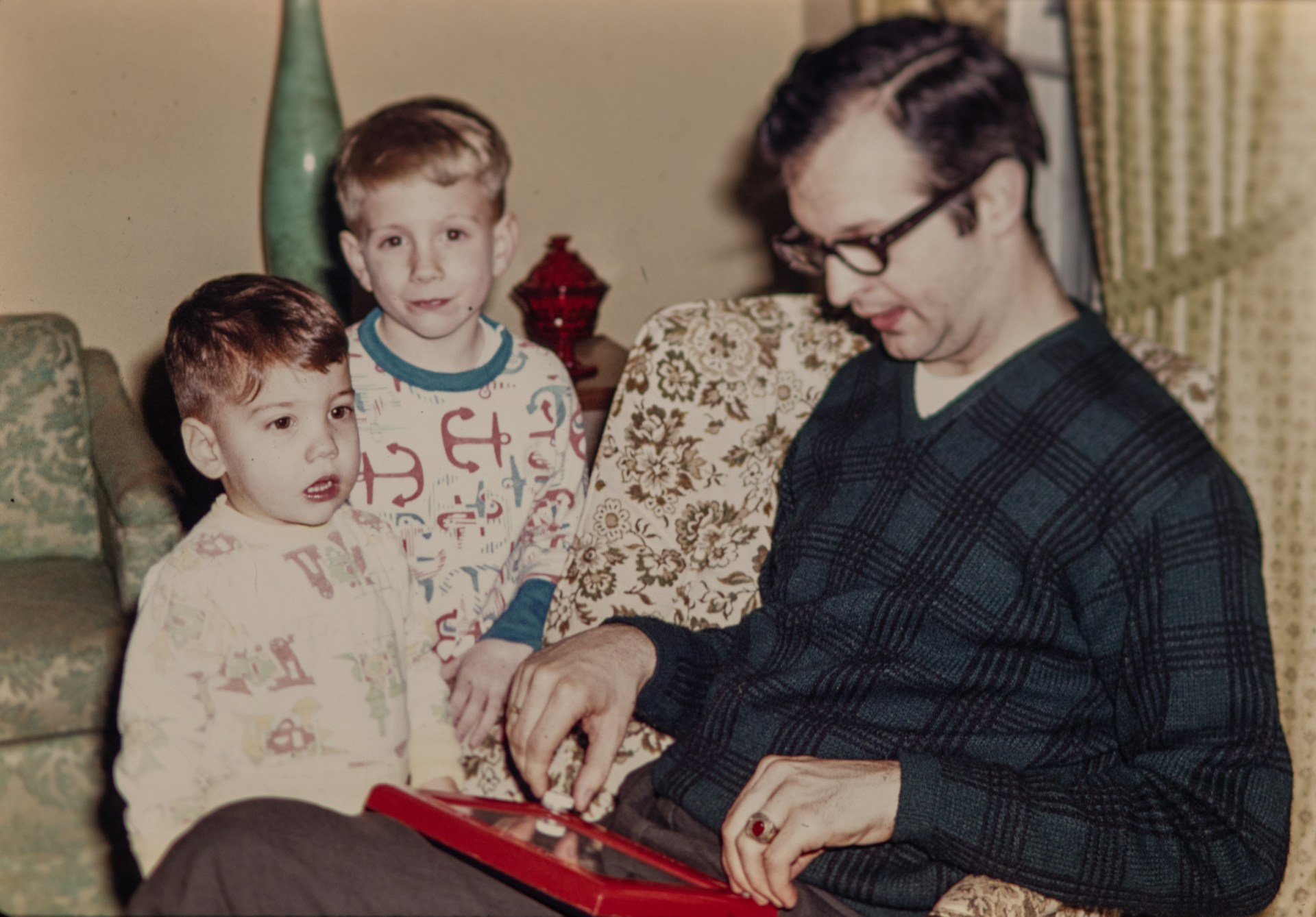
New Year’s Eve in 1970s America reflected a very different rhythm of family life. Celebrations were slower, less supervised, and shaped by shared national routines rather than personal customization. Families gathered without constant concern for safety, sleep schedules, or overstimulation. Traditions were followed simply because they existed, not because they were optimized. Looking back, many of these habits now feel strange or risky, but they reveal how trust, tolerance, and communal experience once defined how families welcomed a new year together.
Letting Kids Stay Up All Night Without Limits
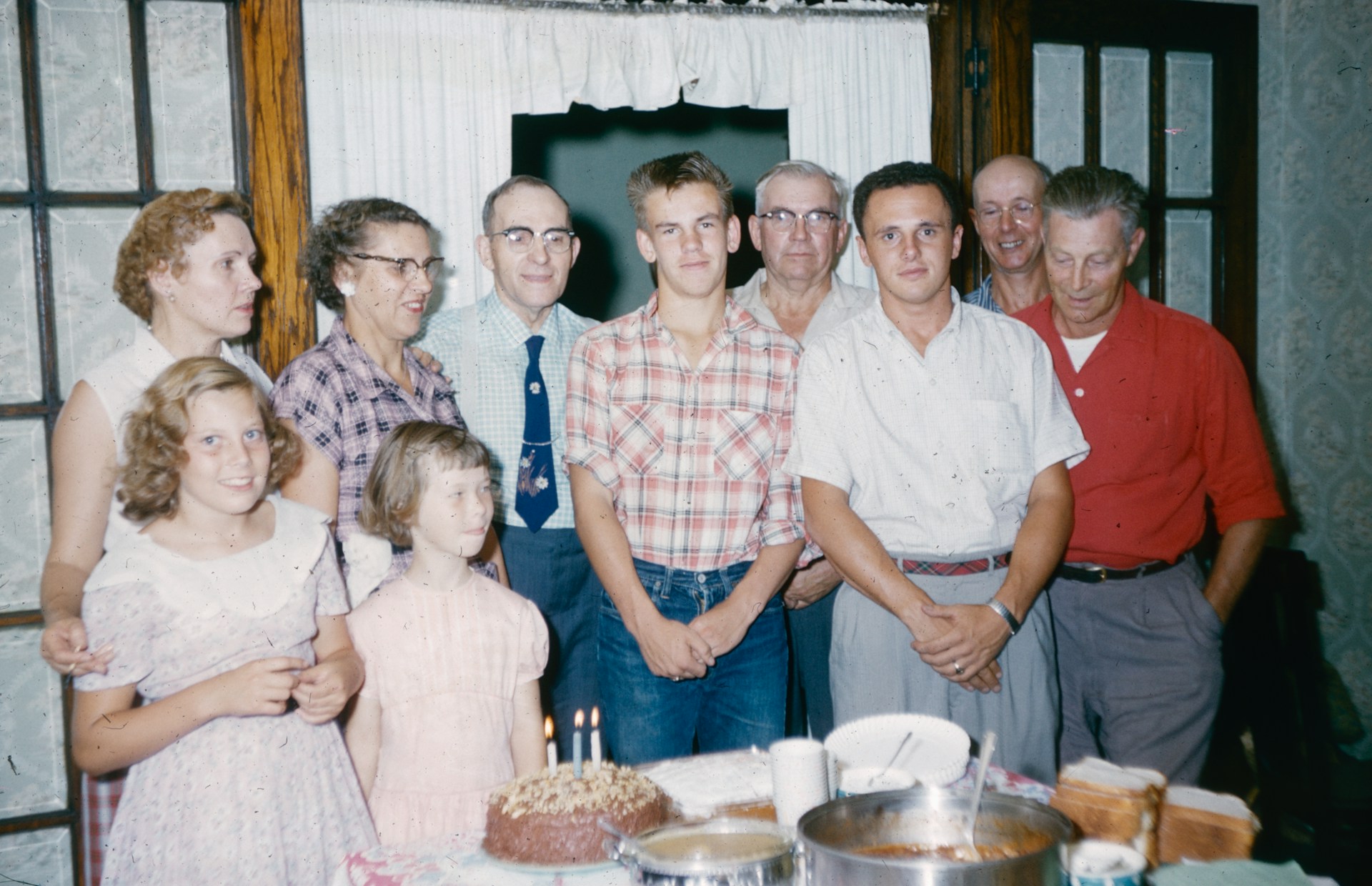
On New Year’s Eve, many families abandoned bedtime rules entirely. Children of all ages stayed awake until midnight and beyond, often falling asleep on couches or floors. Parents rarely worried about next day fatigue or routines. Staying up late was seen as a rite of passage rather than a disruption. Today, families carefully manage sleep and recovery. In the 1970s, exhaustion was accepted as temporary and harmless, part of shared celebration rather than something to be prevented or managed.
Spending the Entire Evening Watching One TV Channel
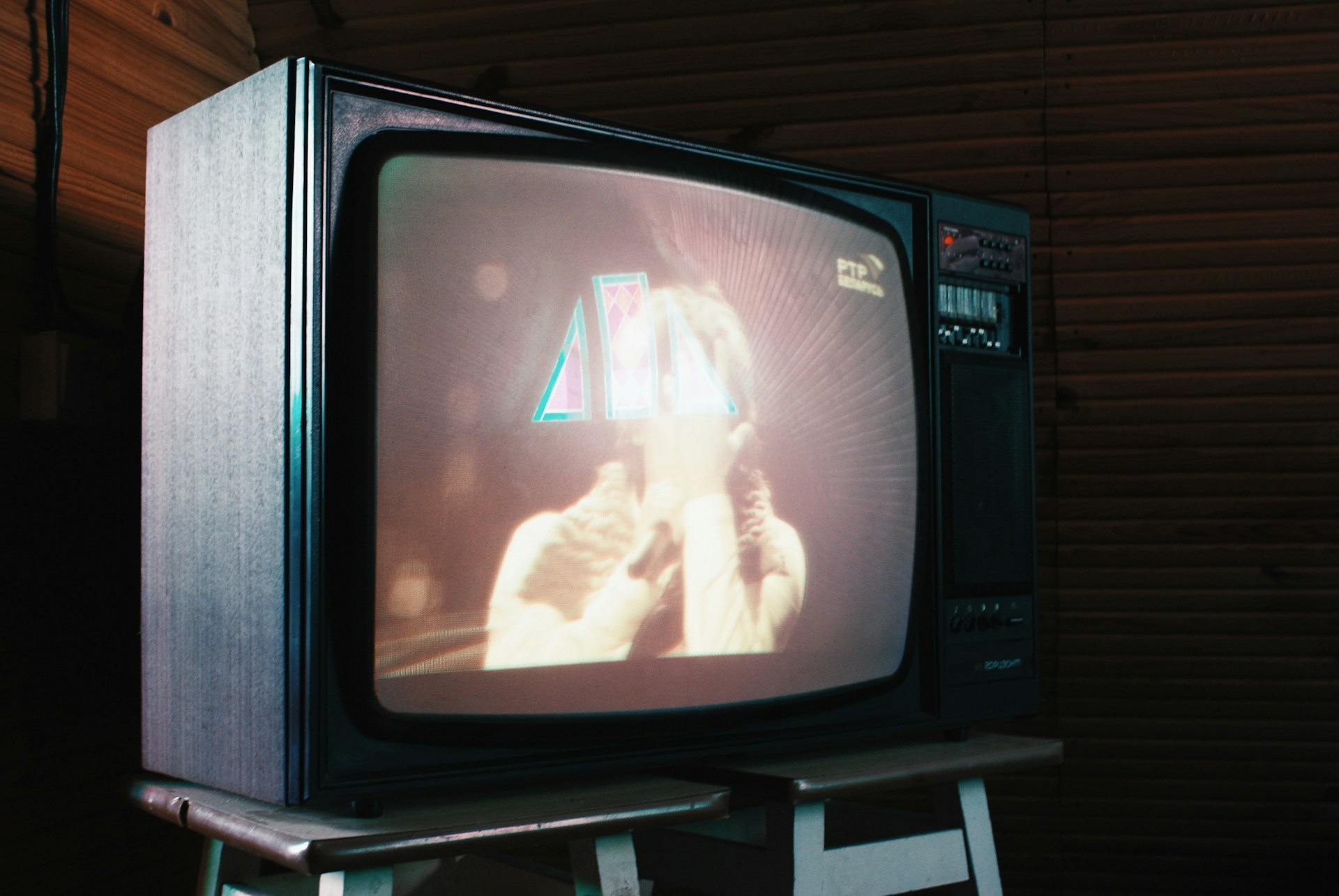
Families often spent hours watching a single television broadcast together. There were no alternate channels, devices, or personalized options. Variety shows, countdown specials, and commercials were all consumed collectively. Conversation filled the gaps when programming slowed. Today, shared screen attention is fragmented across devices. In the 1970s, television was a unifying ritual. Everyone watched the same thing, at the same pace, without choice or distraction, creating a shared cultural moment.
Allowing Smoking Indoors During Family Gatherings

Smoking indoors was common during New Year’s celebrations, even with children present. Cigarette smoke filled living rooms as adults socialized. There was little awareness of long term health impact or secondhand exposure. Today, indoor smoking around children feels shocking. In the 1970s, it was normalized adult behavior. Families accepted it as part of social life, reflecting how health standards and risk awareness have changed dramatically over time.
Hosting Crowded House Parties With Kids Present
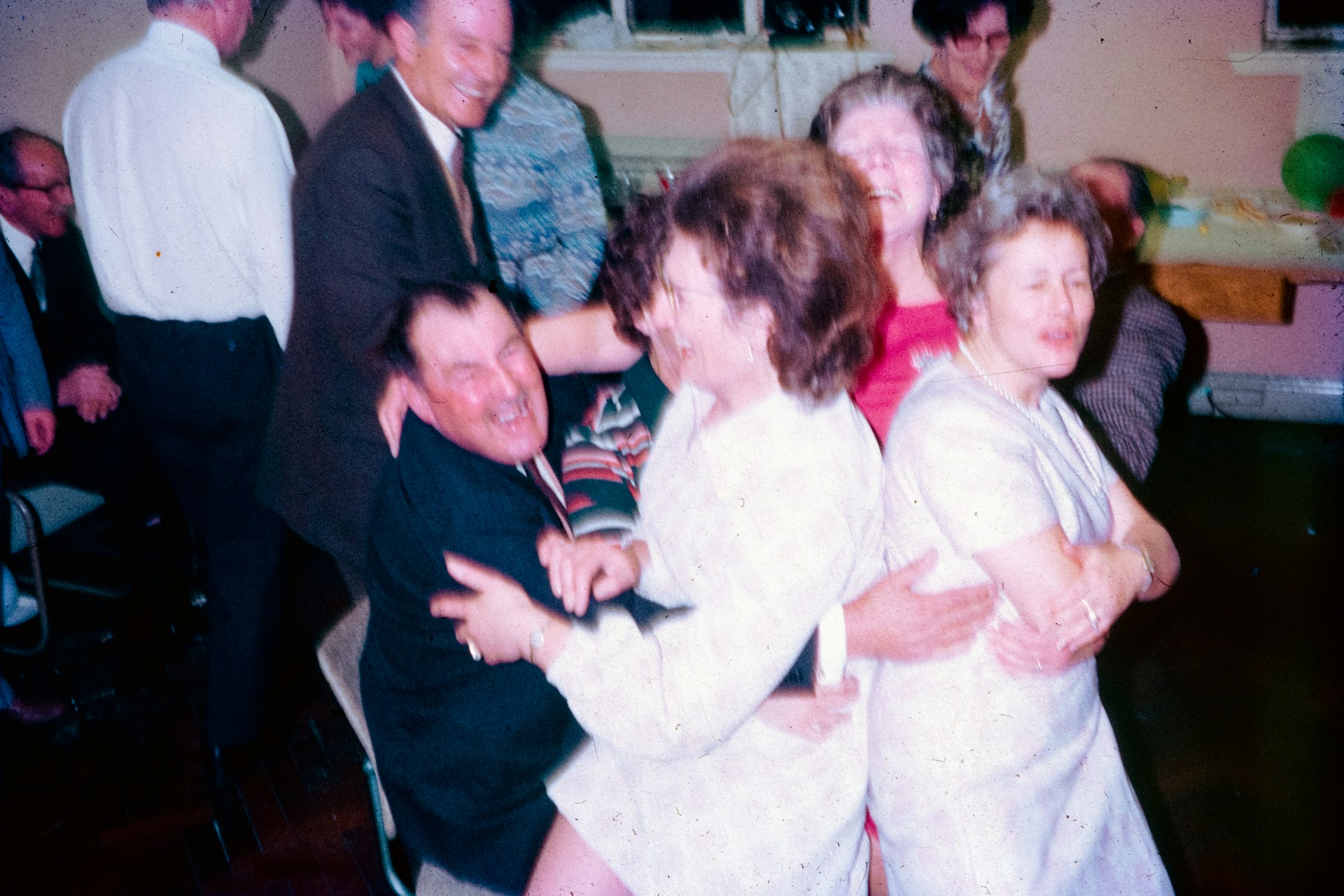
New Year’s Eve often meant loud house parties where children remained part of the scene. Guests moved freely through homes, music played late, and supervision was minimal. Kids entertained themselves or simply stayed awake among adults. Today, families often separate adult gatherings from children’s routines. In the 1970s, shared space and noise were considered normal. Community mattered more than structure, and children adapted to adult environments.
Letting Children Play Outside Late at Night

It was common for children to be sent outside to play well after dark on New Year’s Eve. Parents trusted neighborhoods and assumed safety. Kids ran between houses, used sparklers, or simply roamed. Today, unsupervised nighttime play feels unsafe to many families. In the 1970s, community familiarity reduced fear. Parental anxiety was lower, and freedom was viewed as healthy rather than dangerous.
Using Loud Noisemakers Without Safety Concerns
Metal horns, party blowers, and loud noise devices were handed to children without concern. Indoors and outdoors, noise was encouraged and celebrated. Hearing safety was rarely considered. Today, families manage sensory overload carefully. In the 1970s, volume equaled excitement. The louder the celebration, the better it was considered. Noise was not regulated, it was proof that the moment mattered.
Serving Heavy Meals Late at Night
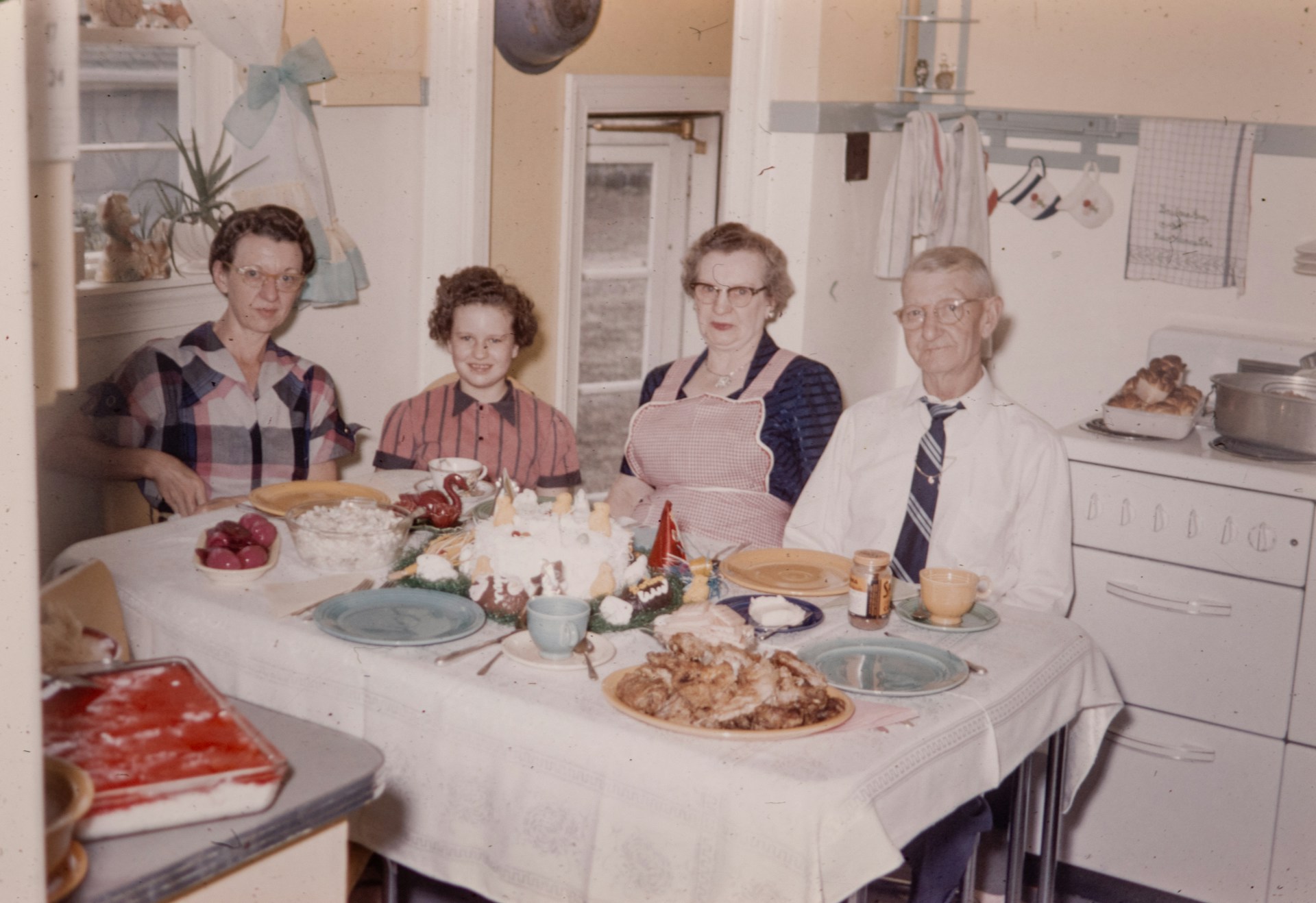
Families regularly served rich meals close to midnight on New Year’s Eve. Meat dishes, desserts, and large portions were common. There was little concern about digestion or sleep impact. Today, late night eating is often moderated. In the 1970s, indulgence was expected. Celebration meant abundance, regardless of timing. Physical discomfort was accepted as part of festivity rather than something to avoid.
Allowing Fireworks With Minimal Supervision

Fireworks were treated casually during New Year’s celebrations in the 1970s. Children handled sparklers and small fireworks with little adult oversight. Instructions were brief, and minor injuries were often brushed off. Parents viewed risk as part of growing up rather than something to eliminate. Today, fireworks use is carefully regulated and supervised. In the 1970s, trust outweighed caution. The assumption was that children would learn boundaries through experience, reflecting a far looser approach to safety than families accept now.
Watching Adults Drink Without Explanation
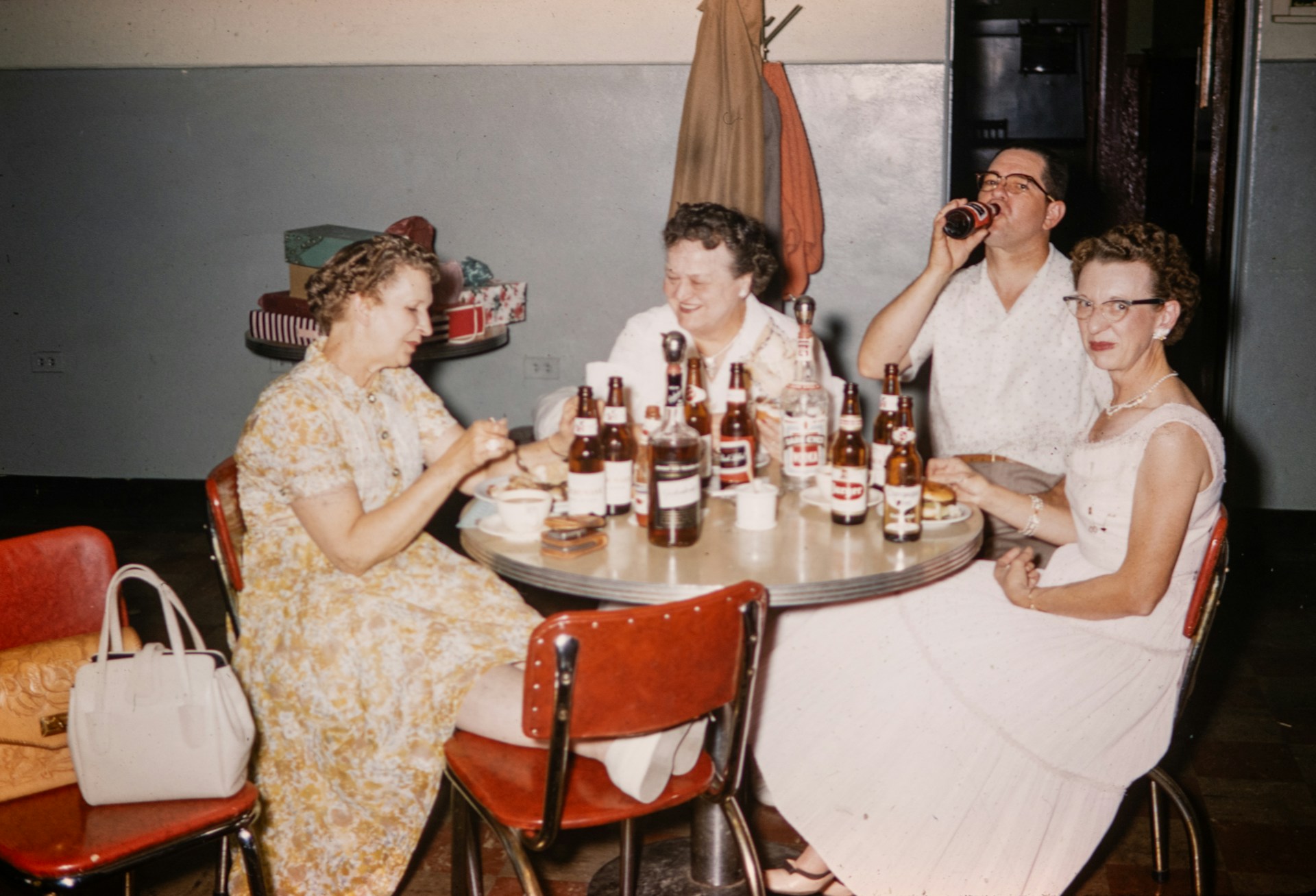
Alcohol use was openly visible during family New Year’s gatherings. Children watched adults drink cocktails, champagne, and beer without discussion or framing. Drinking was treated as a normal part of adult life rather than something requiring explanation. Today, many parents are conscious of how alcohol is modeled around children. In the 1970s, exposure was unfiltered. Children absorbed social norms through observation alone, reflecting a cultural comfort with adult behavior being visible in family spaces.
Relying Completely on Television Countdowns
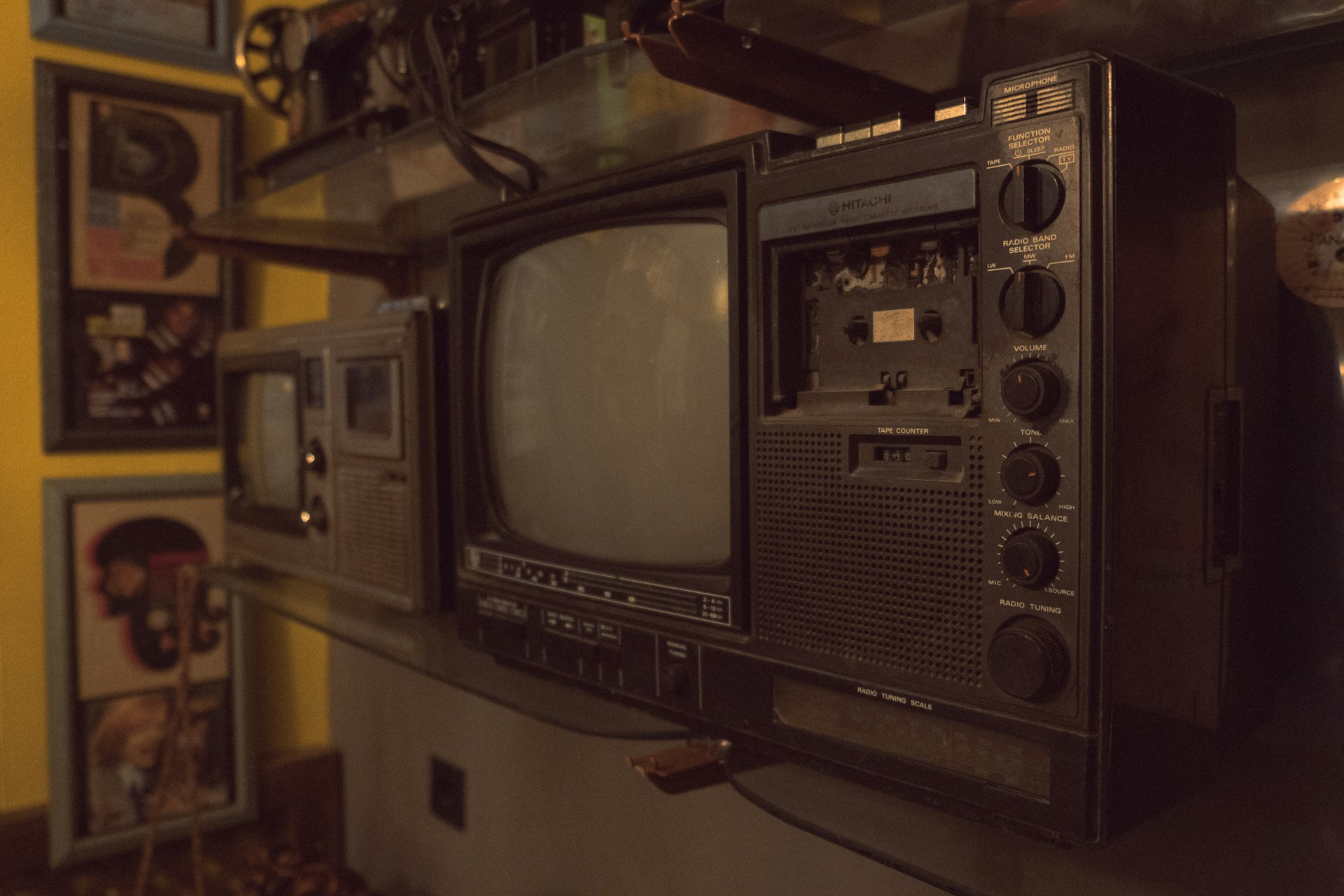
Families trusted television broadcasts entirely to mark the arrival of midnight. Clocks were rarely checked independently. When the televised countdown reached zero, celebration began. Today, families use phones, smart devices, and multiple time sources. In the 1970s, broadcast television carried authority and unity. Millions of households celebrated at the same moment, creating a shared national rhythm that feels rare in today’s fragmented media environment.
Dressing Up Even When Celebrating at Home
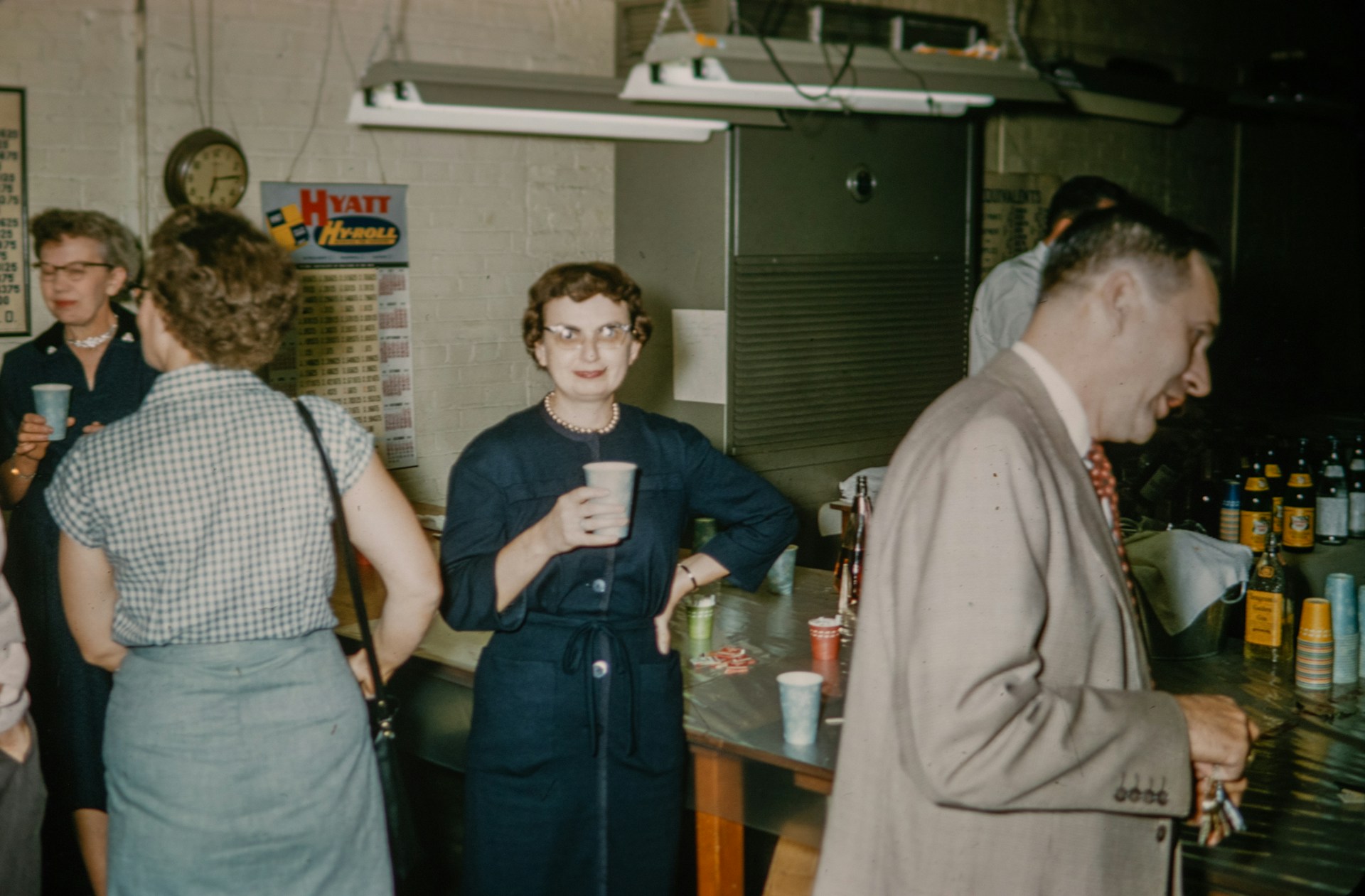
Many families dressed formally for New Year’s Eve even when staying home. Dresses, suits, and polished outfits were common regardless of guests. The effort reflected respect for the occasion itself. Today, casual clothing dominates home celebrations. In the 1970s, presentation mattered as part of ritual. Getting dressed signaled that the night was special, reinforcing the importance of marking the transition into a new year with intention and effort.
Expecting Children to Endure Adult Conversations
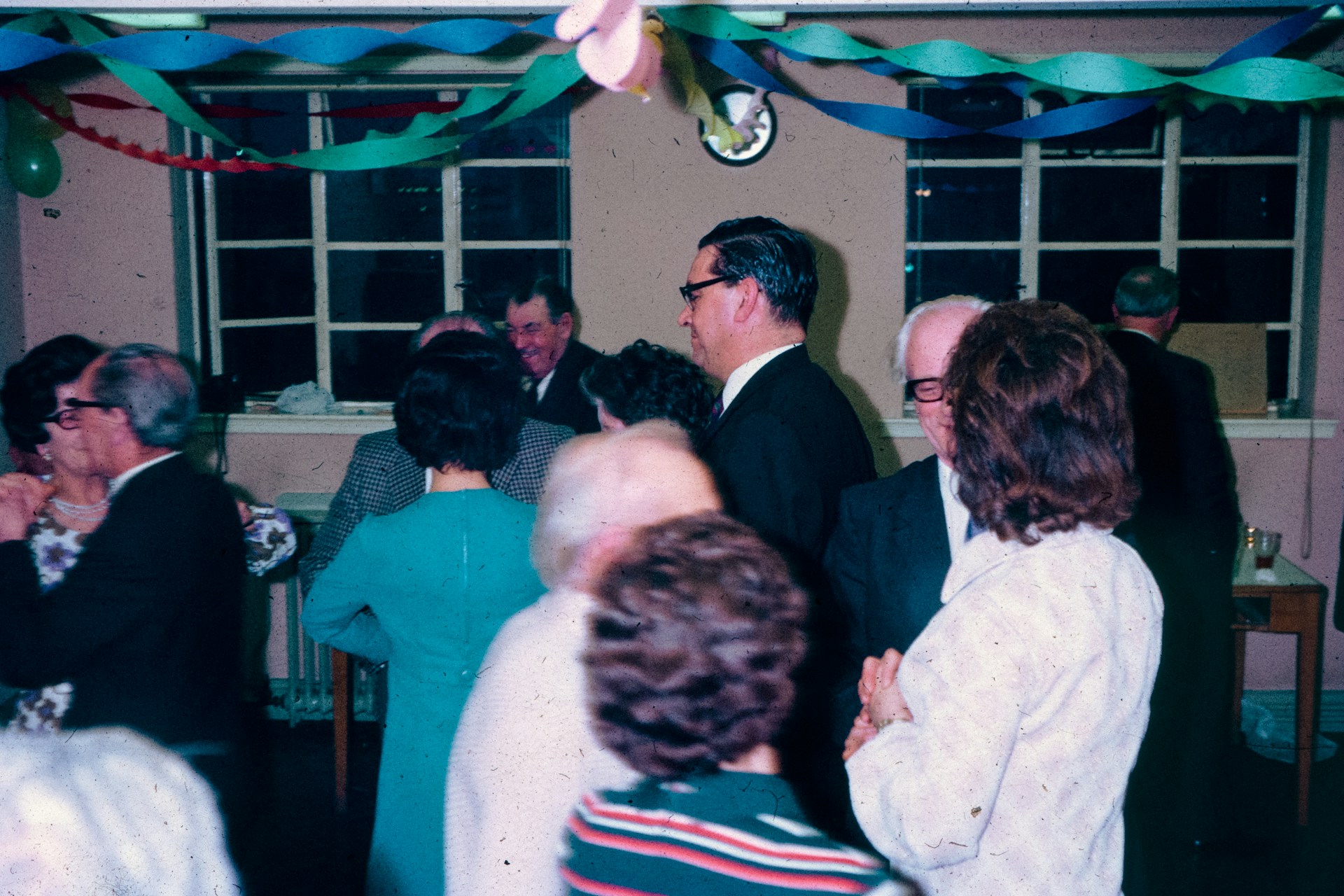
Children were expected to sit through long stretches of adult conversation without entertainment. Interruptions were discouraged, and boredom was considered a lesson rather than a problem. Today, family gatherings often revolve around children’s needs. In the 1970s, children adapted to adult rhythms. Patience and quiet observation were expected skills. This reflected a different balance of authority, where children adjusted to the environment rather than shaping it.
Sharing New Year’s Resolutions Out Loud
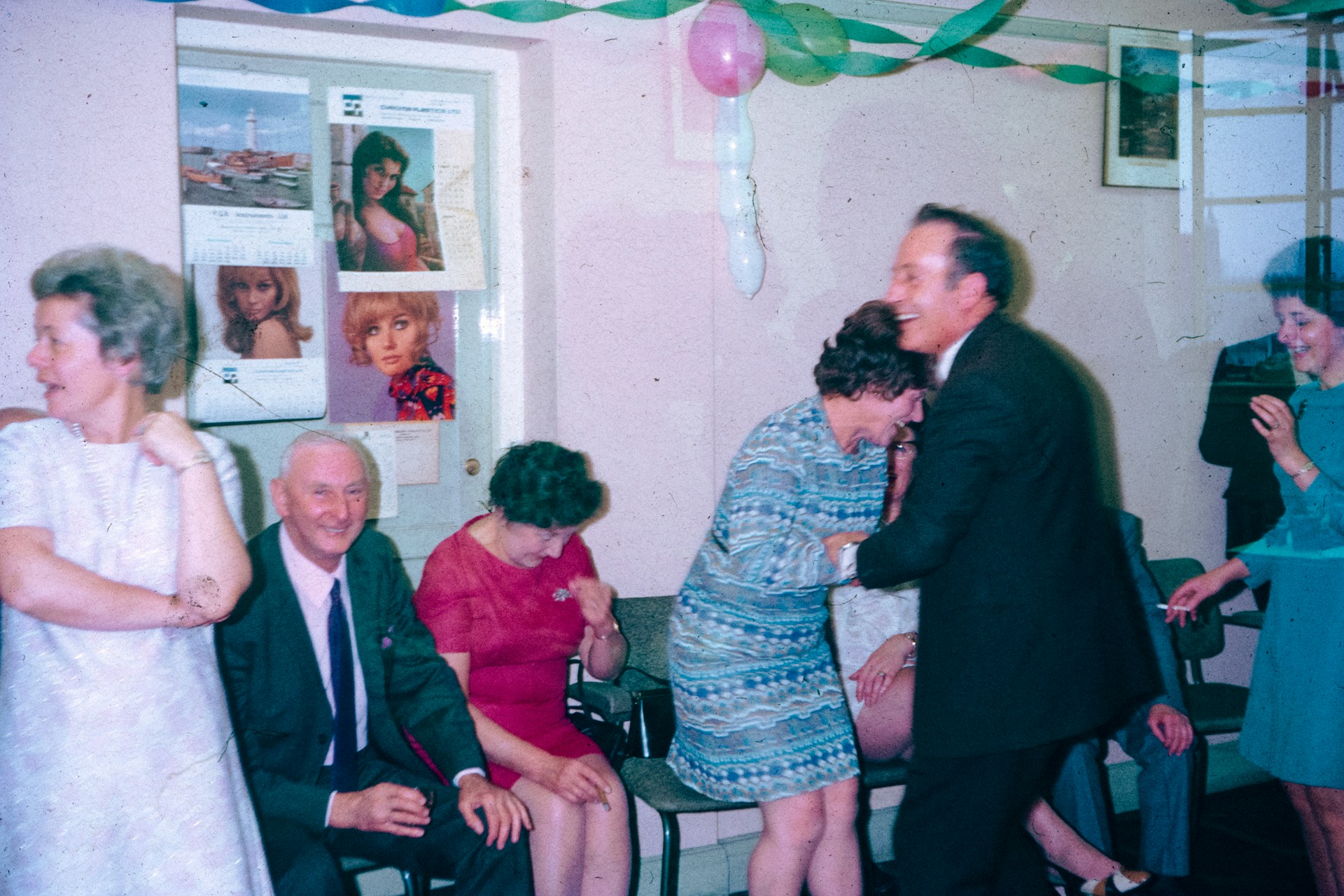
Families openly shared New Year’s resolutions during gatherings. Goals were spoken aloud without irony or embarrassment. Making intentions public was seen as sincere and motivating. Today, resolutions are often private or avoided. In the 1970s, public commitment carried meaning. Sharing goals created collective accountability and optimism. The practice reflected a belief that change was something to be supported communally rather than managed individually.
Accepting Chaos as Part of the Celebration
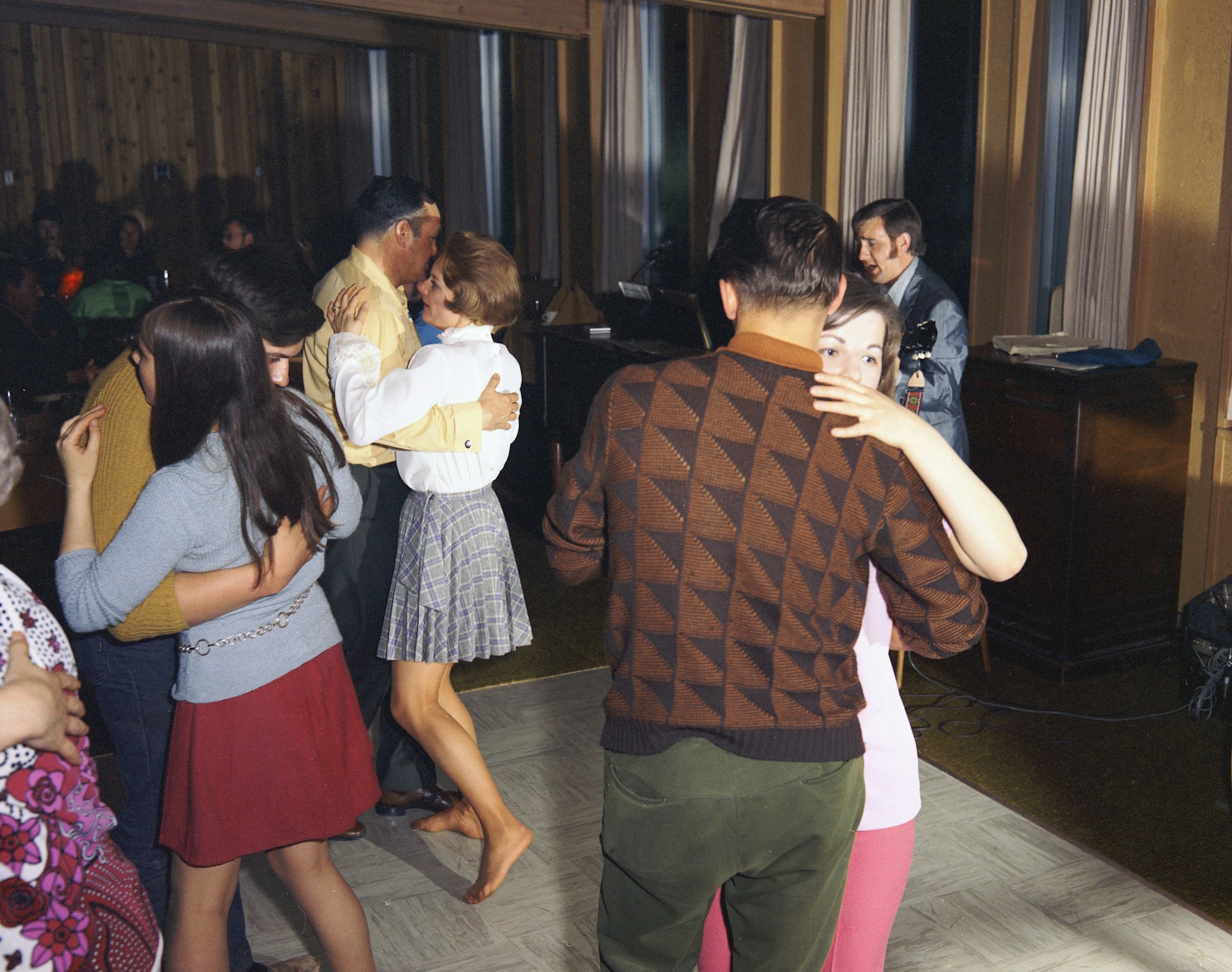
Noise, mess, fatigue, and clutter were accepted outcomes of a successful New Year’s Eve. Cleanup was postponed, and emotional overwhelm was expected. Today, families often aim for controlled enjoyment. In the 1970s, disorder was proof that the night mattered. Chaos was not something to prevent. It was embraced as evidence of celebration, marking the transition into a new year with intensity rather than restraint.
New Year’s traditions from 1970s America feel strange today because family life has changed. Safety, emotional regulation, and structure now guide how celebrations unfold. These older habits reflect a time when tolerance for discomfort and trust in community were stronger. Looking back is not about criticism. It offers insight into how American families have shifted from shared endurance toward managed experience, revealing how values evolve with each generation.