Canada is a land of vast wilderness, friendly locals, and diverse cultures. But beyond the postcard-perfect landscapes and iconic maple syrup lies a set of rules that might catch even seasoned travelers off guard. While most are rooted in safety, respect, and order, a few might seem quirky or downright unexpected to outsiders. Whether you’re road-tripping through the Rockies or strolling through Old Montreal, understanding these lesser-known travel regulations can help you avoid fines—and awkward encounters. Here are 14 surprising travel rules in Canada that you probably didn’t know about.
You Can’t Pump Your Own Gas in Some Places

In some parts of Canada, you’re not allowed to pump your own gas—a surprise to many travelers. In provinces like British Columbia and Newfoundland and Labrador, certain stations are full-service only, often due to local laws, safety concerns, or efforts to preserve jobs. In some communities, especially rural or Indigenous areas, it’s a long-standing custom. If you try to fill up on your own, you might be stopped by an attendant or met with confusion. Look for signs indicating whether it’s self-serve or not, and when in doubt, just stay in your vehicle and let the staff handle it.
No Left Turns at Certain Intersections

Cities like Montreal and Toronto have very specific intersections where left turns are completely prohibited, even when it seems safe. These rules are meant to reduce congestion and accidents but are heavily enforced. Some streets even restrict left turns during specific hours only. Traffic signs can be easy to miss if you’re not paying close attention. GPS apps may not always reflect these turn restrictions, so local awareness is key.
Jaywalking Can Lead to Hefty Fines

In Canada, jaywalking isn’t taken lightly, and it can cost you more than just a warning. In many cities, especially in provinces like Ontario and British Columbia, crossing the street outside of designated crosswalks or against traffic signals can result in fines ranging from $50 to over $100. Law enforcement actively monitors busy urban areas, and tourists often get caught off guard by the strict enforcement. Even if the street looks clear, it’s best to wait for the signal or head to a crosswalk—breaking the rule can hurt your wallet and your safety.
Bringing Cannabis Across Borders is Illegal

Although cannabis is legal in Canada, bringing it across the border—whether you’re entering or leaving the country—is strictly illegal. Many travelers mistakenly assume it’s okay to carry small amounts, but even a tiny quantity can lead to serious legal trouble. Border agents on both sides treat cannabis as a controlled substance, and you could face fines, arrest, or be banned from entering certain countries. Always use or purchase cannabis legally within Canada, and never attempt to travel internationally with it, even if it’s for medical use.
Firewood Transportation is Regulated

In Canada, moving firewood from one region to another is surprisingly restricted—and for good reason. Transporting firewood can spread invasive species like the emerald ash borer or Asian long-horned beetle, which threaten forests and ecosystems. Because of this, there are strict regulations in place, especially in national and provincial parks. Even if the wood looks clean, it may harbor pests. Travelers caught moving firewood across certain zones can face fines or be forced to surrender their stash. The safest bet? Buy it where you burn it, and leave any leftovers behind.
You Must Have Winter Tires in Certain Provinces
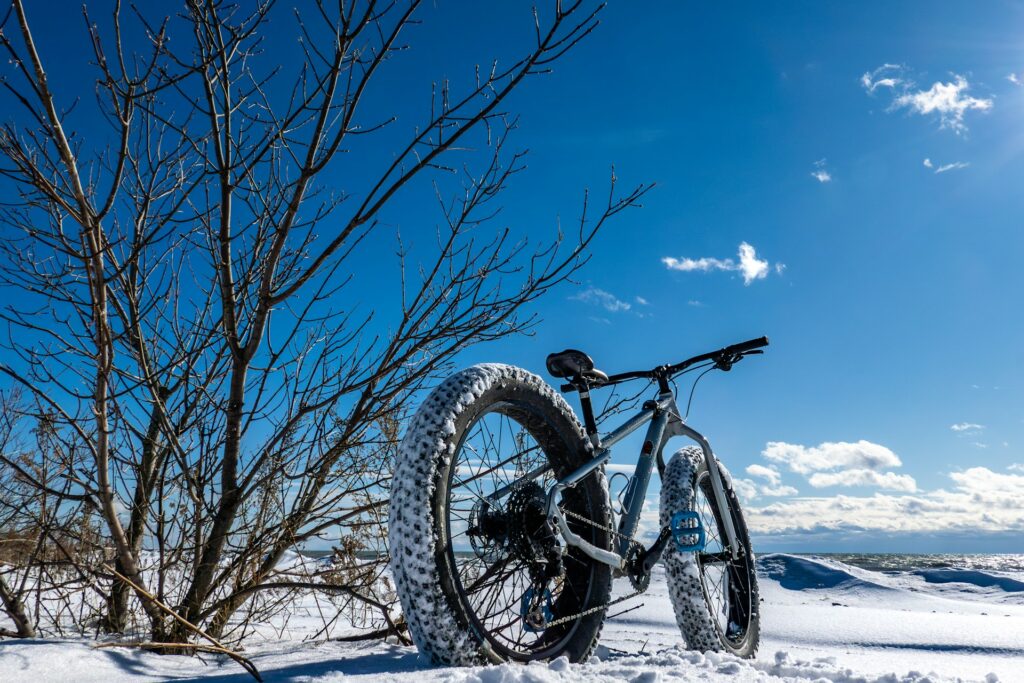
If you’re driving in Canada during the colder months, be aware that winter tires are mandatory in certain provinces. For example, Quebec requires all vehicles to have winter tires from December 1 to March 15, and British Columbia enforces tire rules on specific highways from October 1 to April 30. These tires provide better grip on icy roads and are essential for safety. Failing to comply can result in fines and being turned away from snowy routes. So if you’re renting a car or road-tripping during winter, make sure it’s properly equipped—you’ll avoid penalties and drive more safely.
Loud Music at Campsites Can Get You Evicted
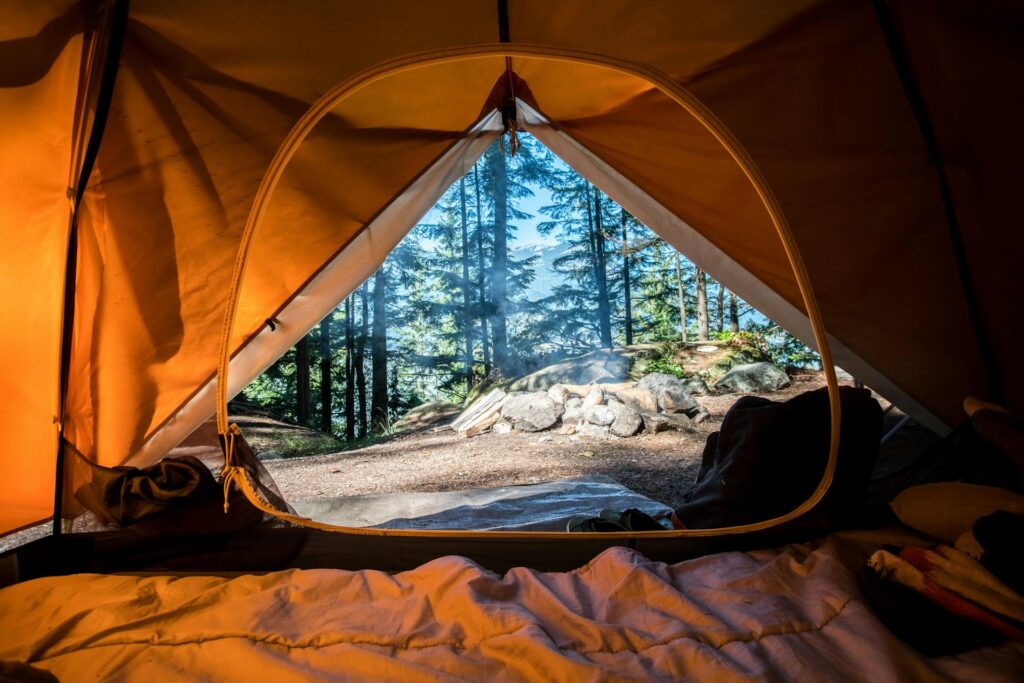
Playing loud music at campsites in Canada can quickly turn your peaceful getaway into an early exit. Most national and provincial parks have strict noise regulations, especially during designated quiet hours, typically between 10 p.m. and 7 a.m. Rangers regularly patrol campgrounds, and if your music is disturbing wildlife or other campers, you could receive a warning, a fine, or even be evicted from the site. These rules are in place to protect the natural environment and ensure a relaxing experience for all visitors. So, if you’re camping in Canada, it’s best to keep the volume down and enjoy the sounds of nature instead.
ID Checks at Bars are Strict—Even for Seniors

Don’t be surprised if you’re asked for ID at a Canadian bar—even if you’re clearly over 40. Liquor laws in Canada are taken seriously, and bartenders or servers can face hefty fines or lose their license if they serve anyone without proper identification. This means they often follow a “check everyone” policy, regardless of how old someone appears. Government-issued photo ID is usually required, and foreign passports are commonly accepted. So whether you’re 19 or 70, be prepared to show your ID. It’s not personal—it’s just the law.
Tipping is Expected, Not Optional

In Canada, tipping isn’t just a polite gesture—it’s expected. Unlike some countries where service charges are included, most Canadian servers, bartenders, and taxi drivers rely heavily on tips to make a living wage. The standard tipping rate is around 15-20% of the pre-tax bill. Not tipping, or leaving too little, can be seen as rude or even offensive. While tipping is technically voluntary, it’s considered part of good manners and appreciation for good service. So, when in Canada, factor tipping into your budget—it’s an essential part of the travel experience.
Riding Without a Helmet is Illegal in Many Areas

In many parts of Canada, riding a bicycle or e-bike without a helmet is illegal and can result in fines. Helmet laws vary by province, but most require all riders—regardless of age—to wear one for safety reasons. These laws aim to reduce head injuries and promote responsible cycling. Even in areas where helmets aren’t legally required for adults, wearing one is strongly encouraged. If you’re planning to bike in Canada, make sure to bring or buy a helmet—it’s a simple step that protects you and keeps you compliant with local rules.
Alcohol is Restricted in Public Spaces

In Canada, drinking alcohol in public spaces like parks, streets, or beaches is generally prohibited and can lead to fines or confiscation. Each province and city has its own rules, but most restrict alcohol consumption to licensed venues or private property. These laws help maintain public order and safety, especially during festivals or large gatherings. Even if you see others drinking openly, it’s best not to assume it’s allowed. To avoid trouble, enjoy your beverages only in designated areas like bars, restaurants, or your campsite where alcohol consumption is permitted.
Bringing Pets into Hotels Has Strings Attached

Bringing pets into Canadian hotels isn’t always straightforward. While many hotels welcome furry friends, there are often strict rules and additional fees involved. Pet policies vary widely—some hotels limit the size, number, or breed of pets allowed. You may need to provide proof of vaccinations and ensure your pet is well-behaved and doesn’t disturb other guests. Failure to follow these rules can lead to extra cleaning charges or even eviction. If you’re traveling with pets, always check the hotel’s specific pet policy beforehand to avoid surprises and ensure a smooth stay.
You Can’t Use a Handheld Phone While Driving
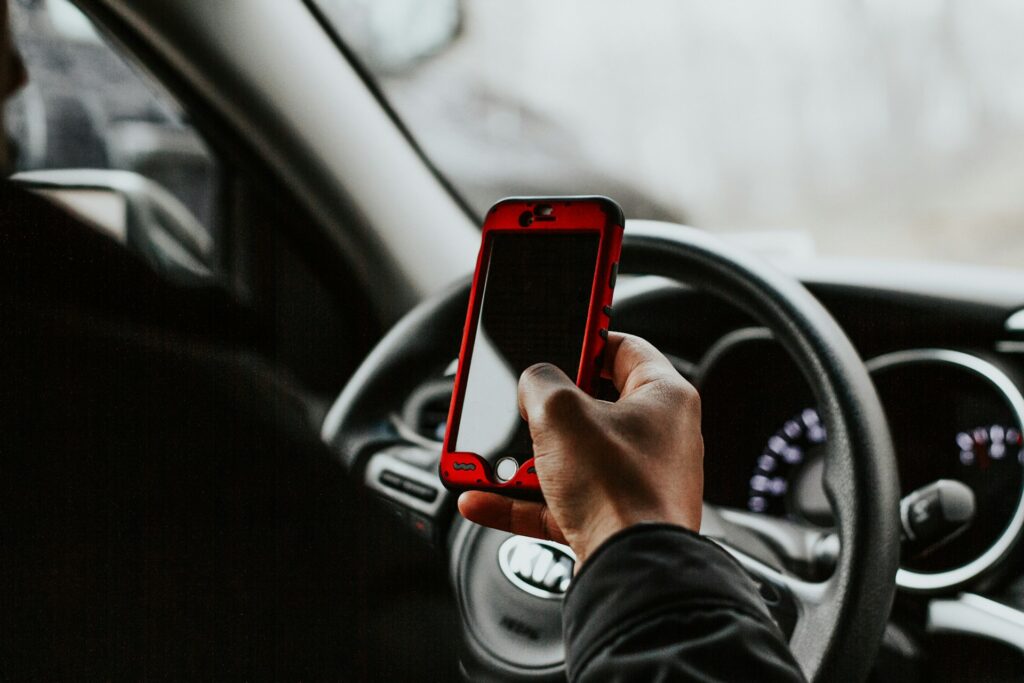
In Canada, using a handheld phone while driving is illegal across all provinces and territories. Whether you’re texting, calling, or browsing, holding your phone behind the wheel can result in hefty fines, demerit points, and even license suspensions. Hands-free devices like Bluetooth headsets or dashboard mounts are allowed, but the key is to keep your hands on the wheel and eyes on the road. These strict laws are designed to reduce distracted driving and keep roads safer for everyone. So, always plan ahead and use hands-free options when driving in Canada.
Honking Without Reason Can Be Penalized
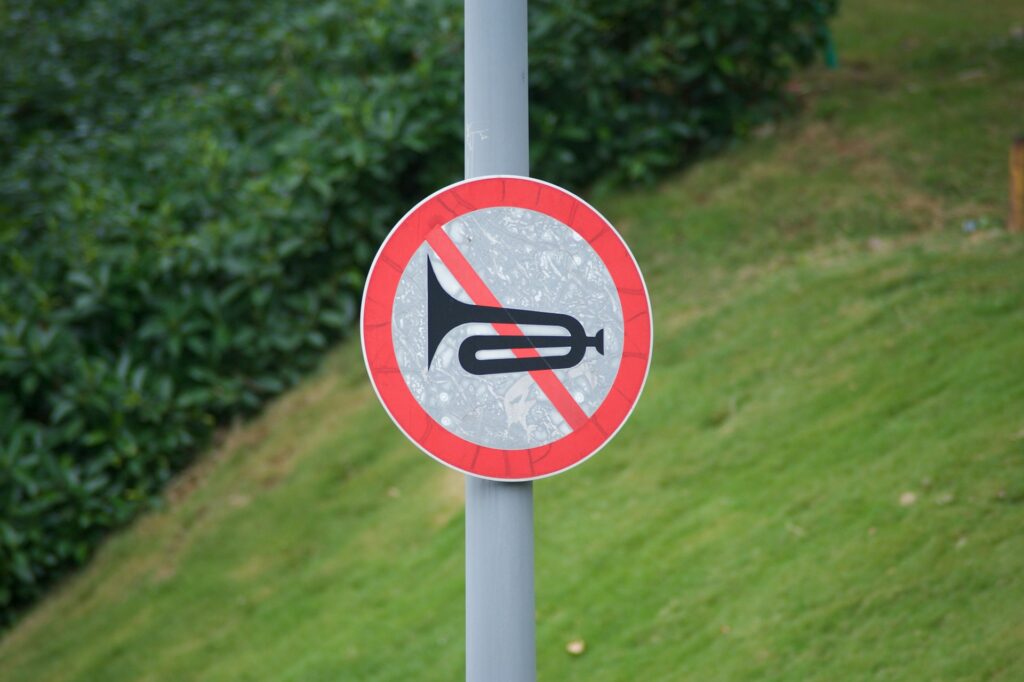
In Canada, honking your car horn without a valid reason isn’t just annoying—it can lead to fines. Traffic laws across provinces strictly regulate horn use, allowing it only to warn other drivers of immediate danger. Using your horn to express frustration, greet friends, or just for fun is considered improper and can be penalized by law enforcement. The goal is to reduce noise pollution and keep roads safer and more peaceful for everyone. So next time you’re driving in Canada, remember: only honk when it’s truly necessary.
Traveling in Canada is generally smooth and safe, but staying aware of lesser-known rules is crucial for a hassle-free experience. From helmet laws to tipping culture, these unique regulations reflect the country’s deep commitment to safety, respect, and environmental care. Being mindful not only keeps you out of trouble—it also helps you blend in and enjoy your journey with greater ease. So, before your next trip north, brush up on these surprising rules and travel smart in the Great White North.