Dining out is a cherished experience for many families, but few realize how carefully restaurants shape the decisions customers make. From subtle marketing strategies to carefully engineered menu design, restaurants use a variety of legal tactics to gently nudge diners toward spending more. These practices are not harmful or dishonest, but they can influence choices without customers fully noticing. Understanding these tactics helps diners make more informed decisions and appreciate the thoughtful psychology behind the dining experience.
Using Menu Decoys
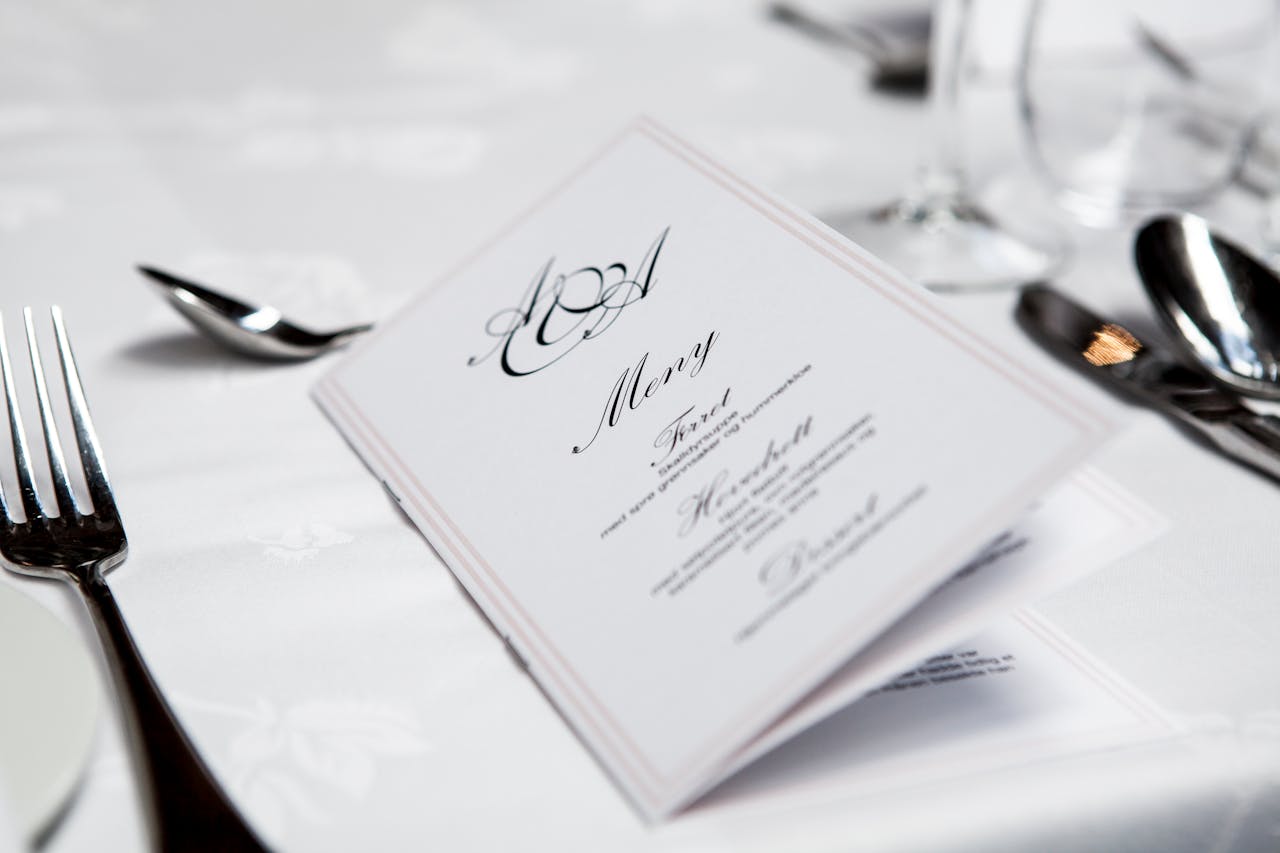
Many restaurants strategically position high-priced dishes on their menus as decoys to make other items appear more reasonably priced. When diners see an expensive entrée at the top, the items below it feel more affordable, even if they are still pricey. This psychological contrast encourages guests to choose mid-range options that increase revenue. While this is a subtle tactic, it is perfectly legal and widely used across the industry.
Removing Dollar Signs
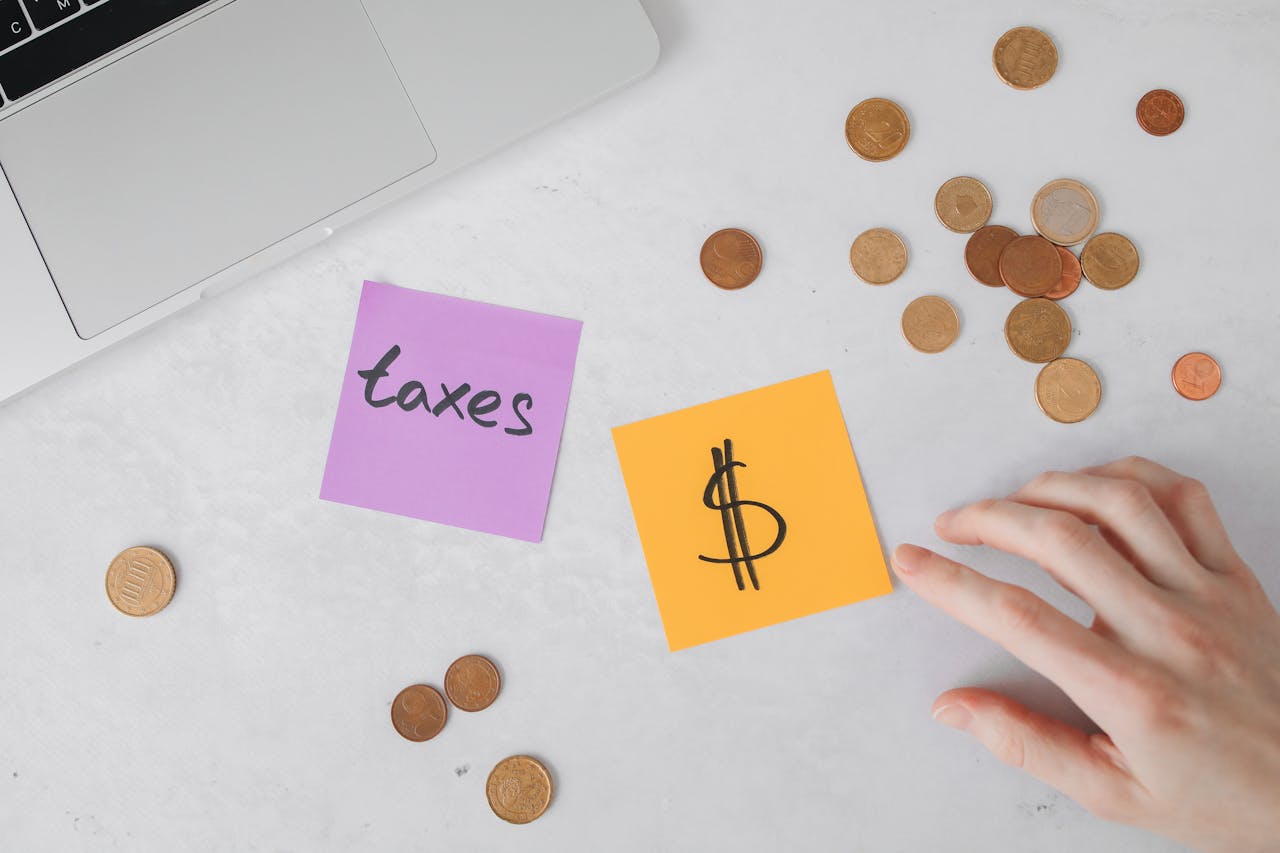
Removing dollar signs from menus is a common tactic designed to make customers feel less connected to the cost. Studies have shown that diners spend more when the currency symbol is not present because the absence softens the perception of spending. Restaurants also use simple numbers or written-out prices to enhance this effect. It’s a clever way to reduce price resistance without ever misleading the customer.
Highlighting High-Profit Items
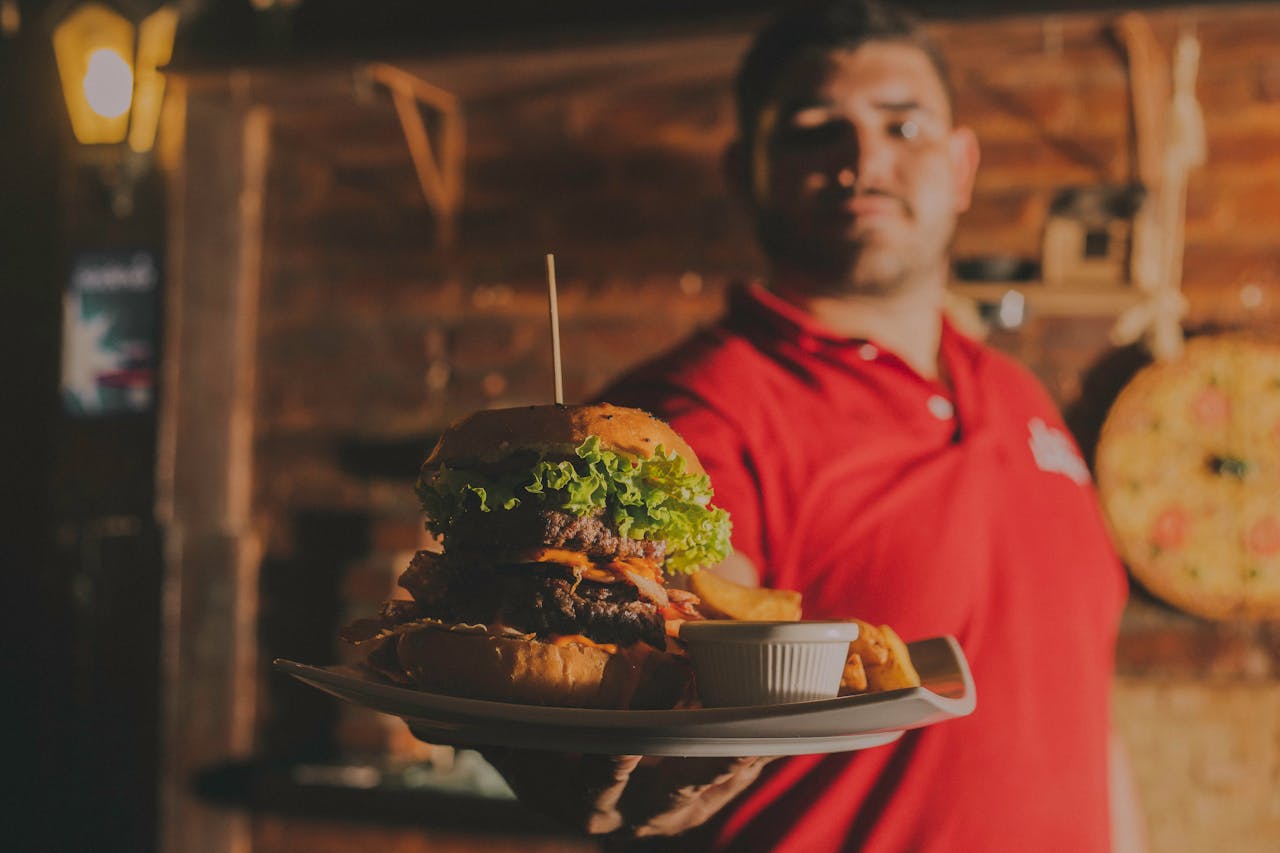
Restaurants often use bold text, boxes, icons, or special font styles to draw attention to items with the highest profit margins. These highlighted dishes may not be the most popular or the most flavorful, but they are the most lucrative for the business. Customers naturally gravitate toward these visual cues, increasing the likelihood of higher sales. It’s a subtle form of guidance that remains entirely transparent and legal.
Upselling Through Suggestive Language
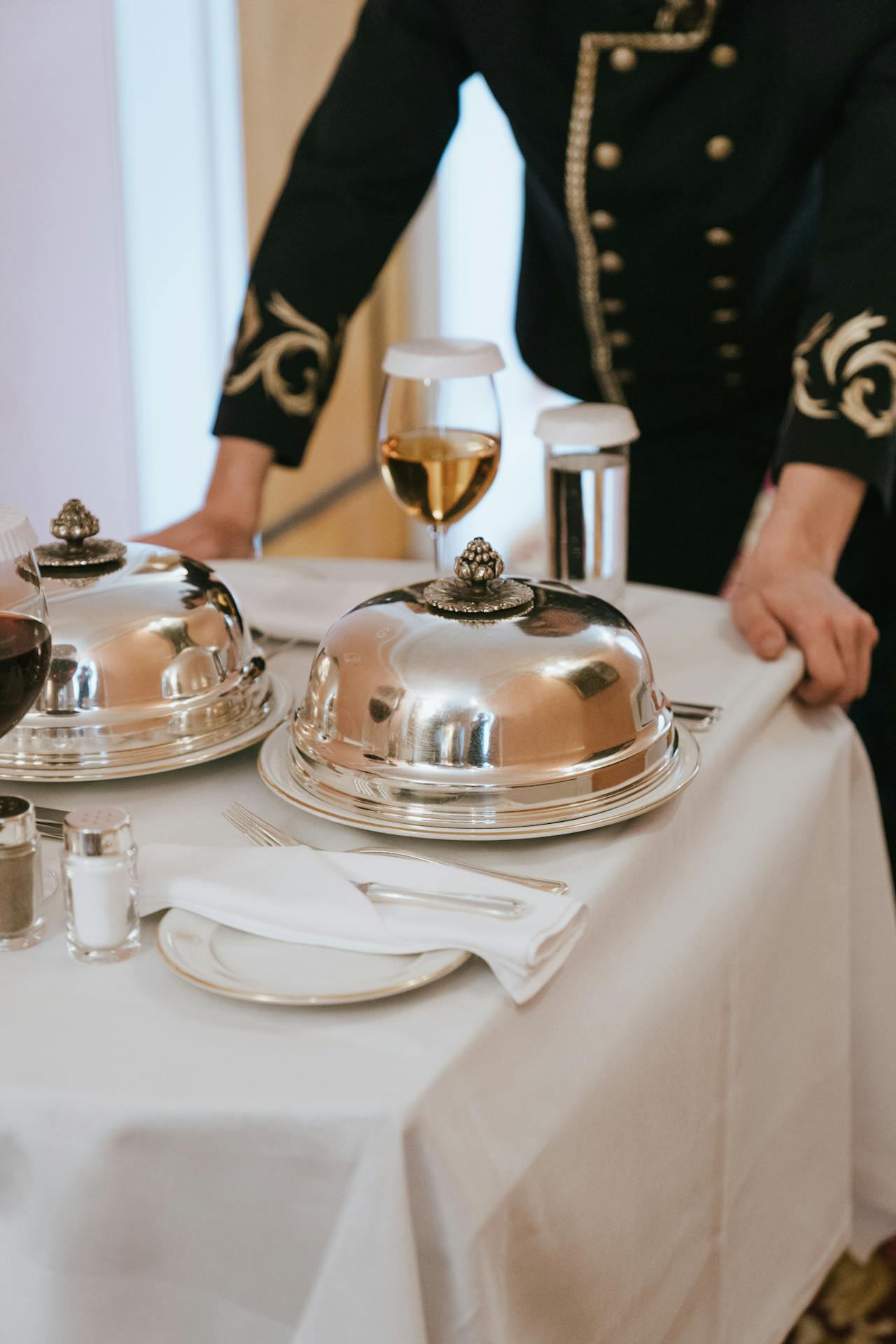
Servers are trained to use phrases like “Would you like to add…” or “Our guests love…” to encourage customers to order extras. This kind of gentle upselling feels conversational rather than pushy. Customers often accept the recommendation because it seems like personalized advice. As long as the suggestions are honest, the practice is a standard and legal way to increase check sizes.
Using Smaller Plates

Some restaurants serve dishes on smaller plates to make portions appear larger and more satisfying. This plating technique plays on visual perception: fuller plates make diners feel like they are getting better value. The trick is not deceptive, as the portion size remains clearly stated. It simply influences how the food is perceived on arrival.
Creating Limited-Time Items
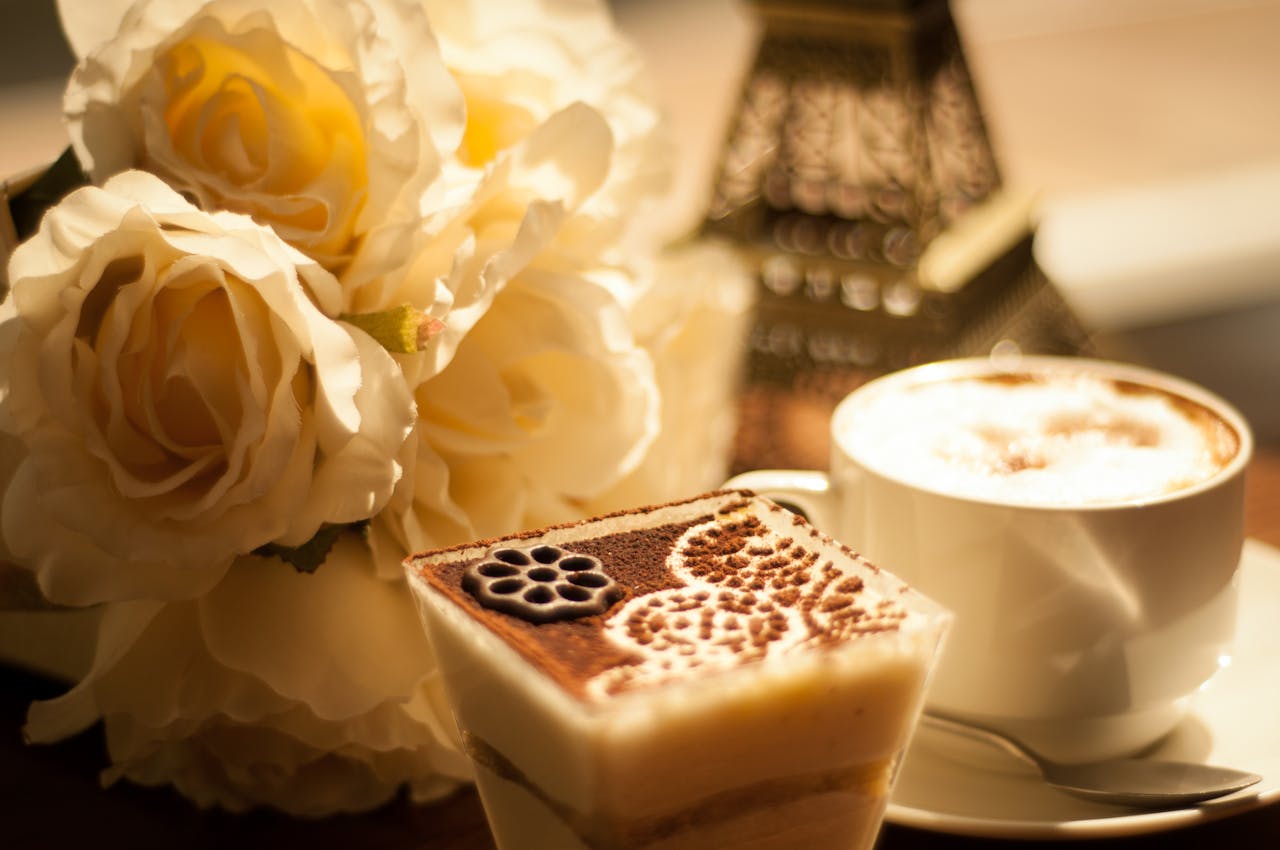
Offering limited-time specials or seasonal menu items creates a psychological sense of urgency. Diners worry that they might miss out, making them more likely to splurge on these items. This approach boosts sales while introducing novelty to the menu. The time-sensitive nature of these dishes is entirely lawful and grounded in standard marketing practice.
Controlling the Ambience
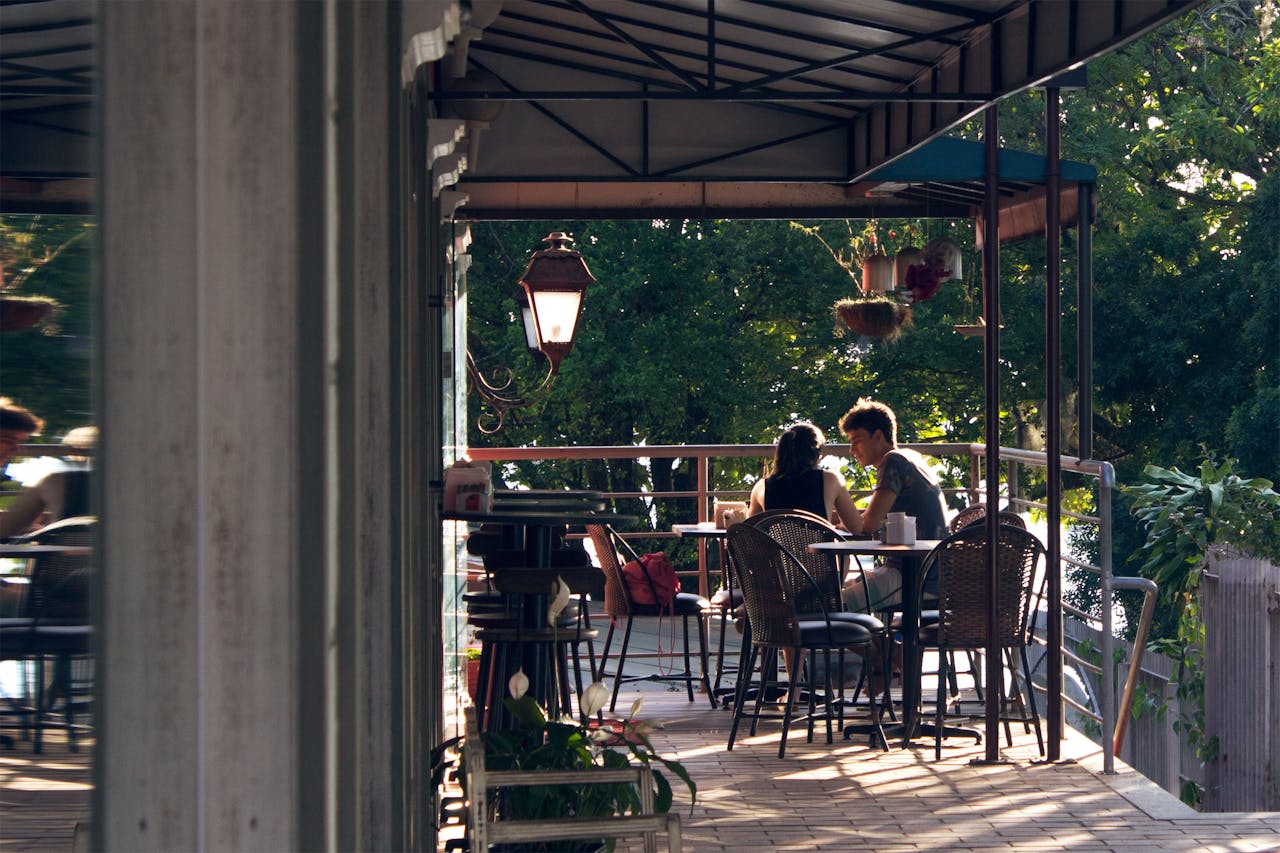
Lighting, music, and décor all subtly influence how much and how long people eat. Dim lighting can make diners relax and linger, while upbeat music encourages quicker table turnover. Restaurants tailor these elements carefully depending on their goals for the evening. This form of environmental design is perfectly legal and widely embraced.
Offering “Free” Bread or Chips Strategically
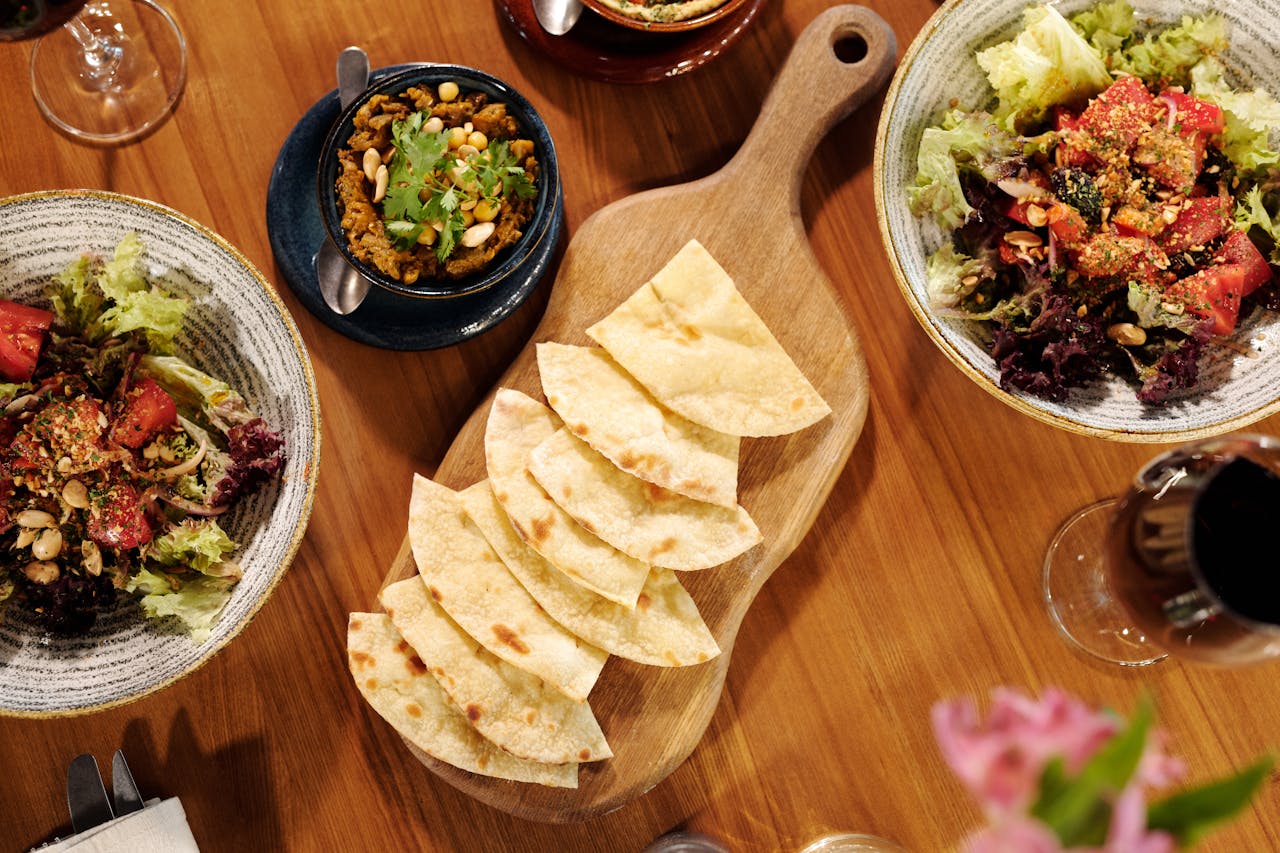
Some restaurants bring free bread or chips to the table to encourage customers to settle in and feel comfortable spending. Others delay these complimentary items until after drink orders are placed. Either approach is intended to shape the dining timeline, but nothing about it is dishonest. It’s simply a calculated way to guide the meal experience.
Presenting Dessert Menus Last
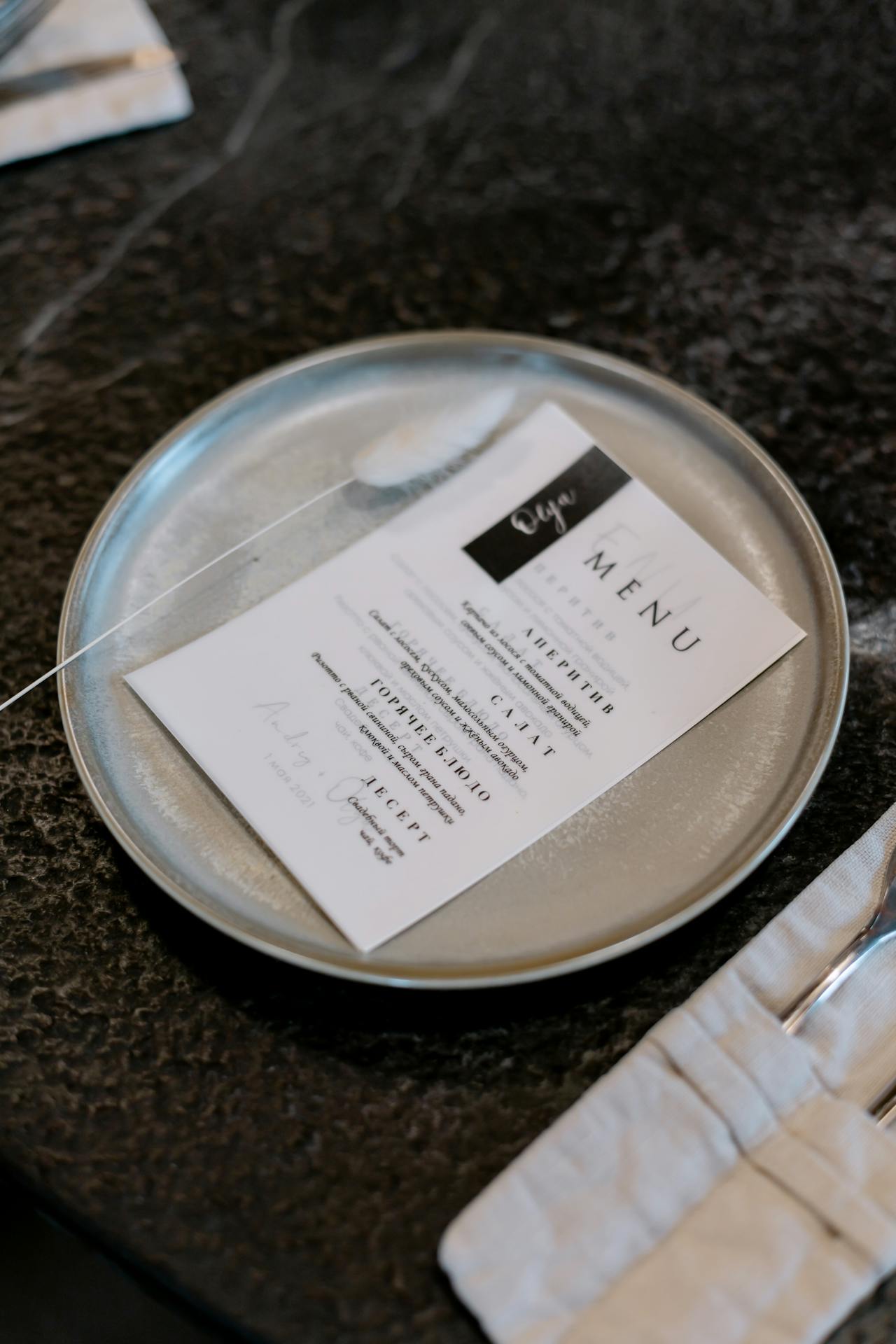
Restaurants rarely present dessert menus at the beginning of a meal because customers might choose cheaper options. By showing desserts after entrées, diners are already emotionally invested in the experience and more likely to indulge. This timing subtly boosts dessert sales without pressuring guests. It’s a small, strategic detail that works remarkably well.
Keeping Expensive Items at Eye Level
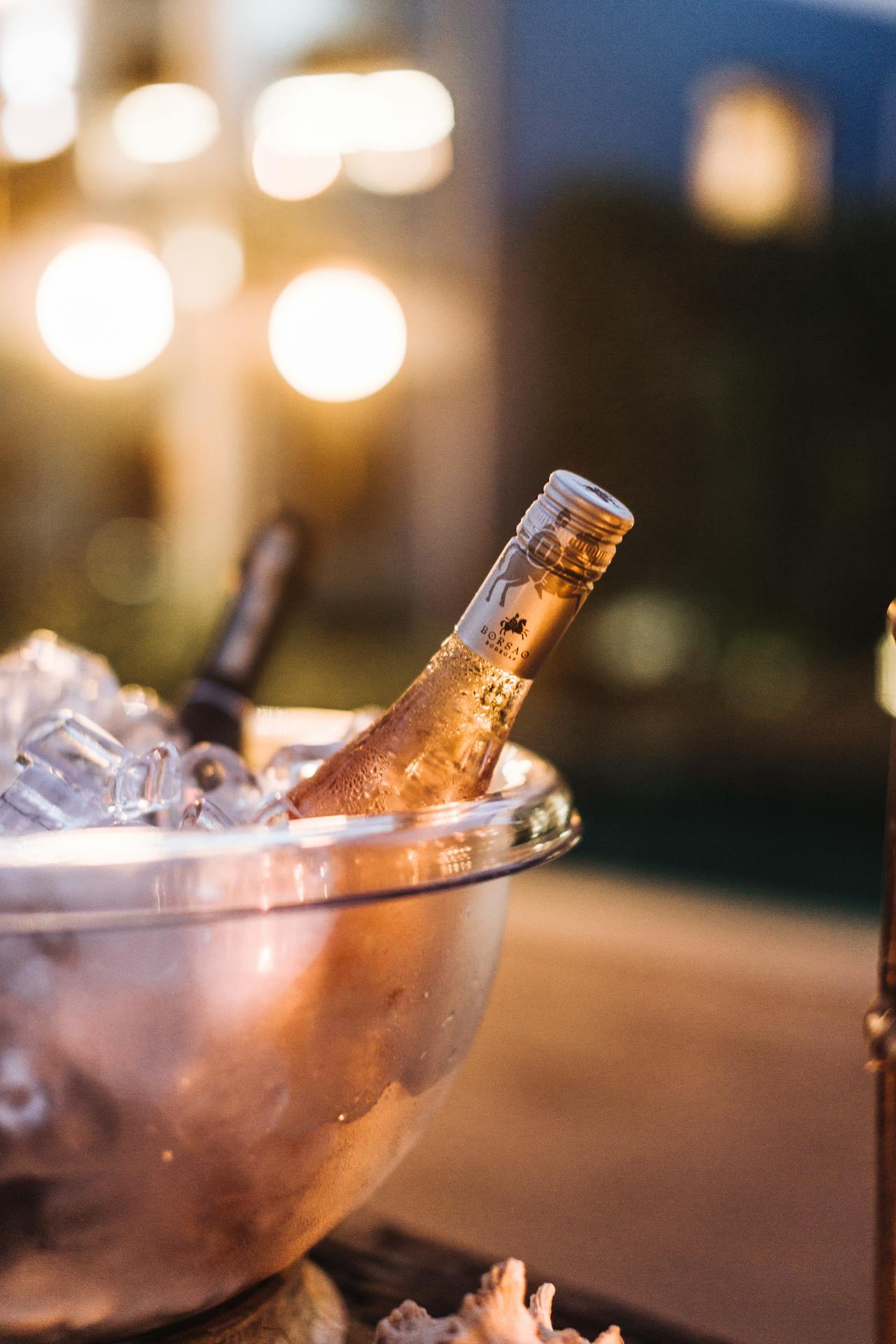
Whether it’s the top-right section of the menu or a highlighted display board, restaurants place profitable items where the eyes naturally land first. This visual prioritization encourages diners to see certain dishes before others. It’s a non-invasive way of guiding decisions while still providing the full menu. Eye-tracking research has strongly influenced this now-common practice.
Using Anchoring in Wine Lists
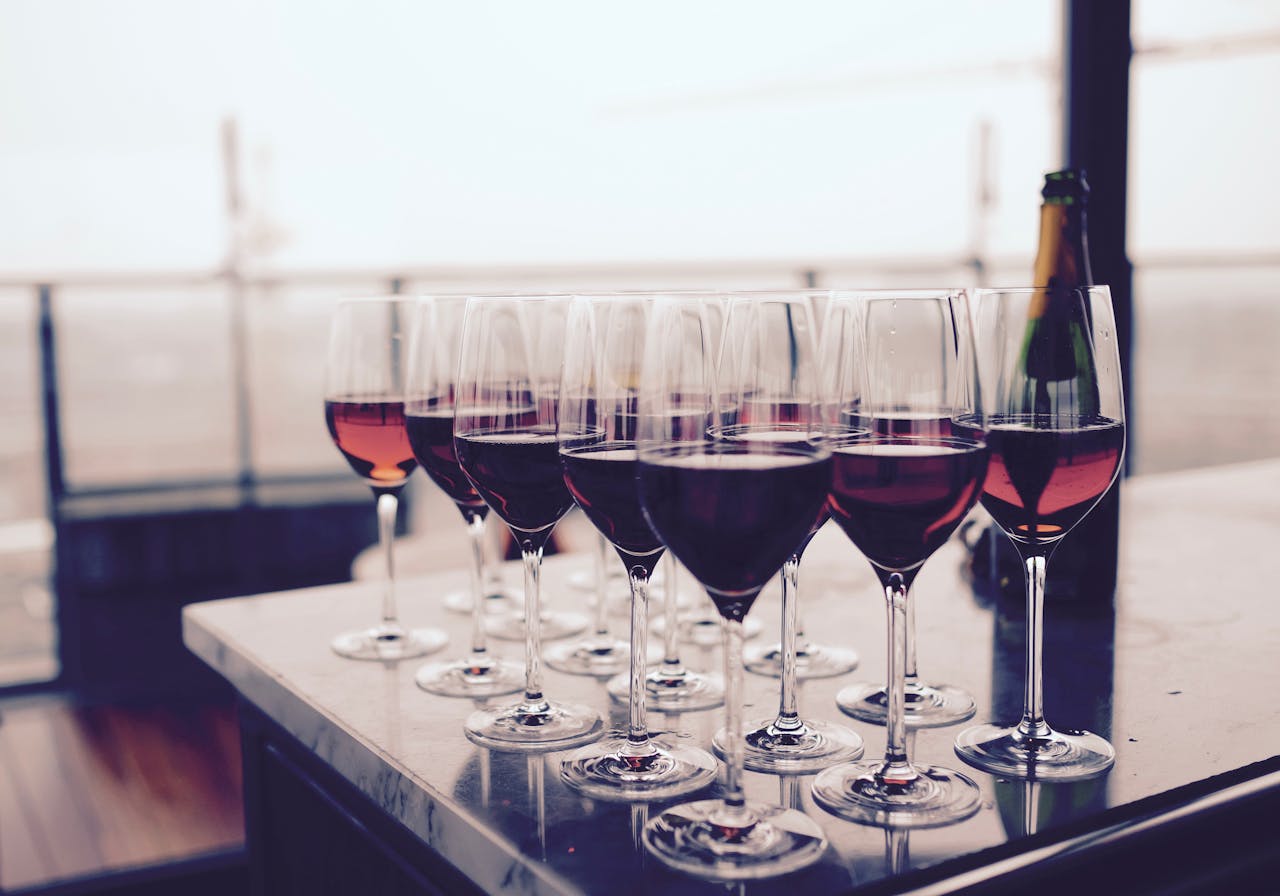
Wine lists often feature a few very expensive bottles to make the mid-tier bottles look reasonable by comparison. This anchoring effect guides customers toward spending more than they might have otherwise. It’s legal and widely accepted as part of wine menu design. Diners still have full freedom to choose any bottle they prefer.
Hiding Cheaper Options
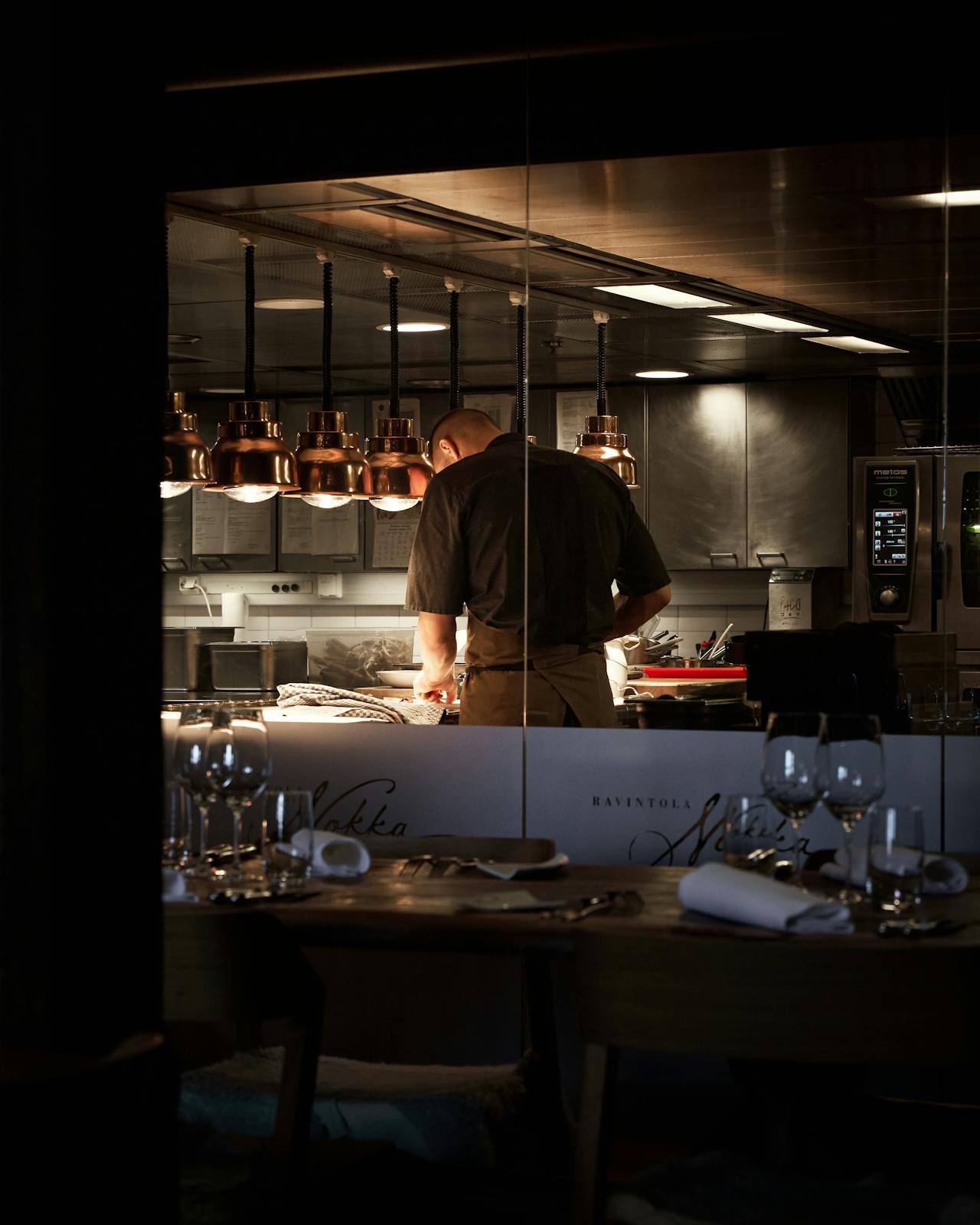
Some menus place lower-priced items in less prominent locations or group them at the bottom. This increases the likelihood that diners select premium dishes. It’s not deceptive, as every option remains clearly listed. It simply organizes the menu in a way that benefits the business.
Designing Photo-Forward Menus
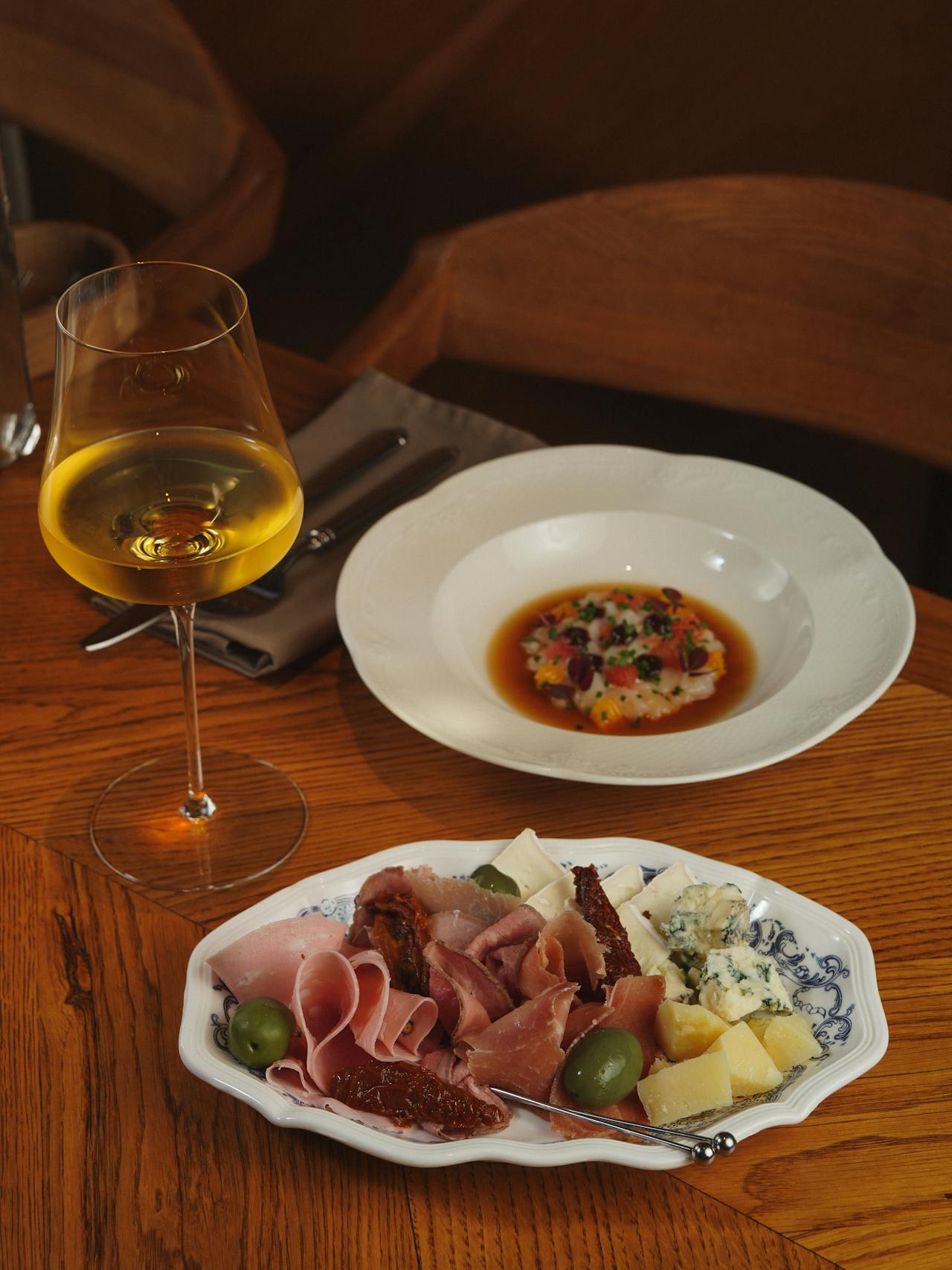
Restaurants that use photos often choose to picture only specific items—usually high-margin ones. Beautiful imagery increases cravings and makes diners more likely to order visually appealing dishes. Although selective, the approach remains transparent and fully legal. It capitalizes on how people react to visual cues rather than written descriptions.