Across countless small towns in America, there are traditions that once defined community life: rhythms that felt unshakable, predictable, almost timeless. But as younger generations move to cities, big-box stores replace local businesses, and digital life replaces face-to-face connection, many of these rituals are fading quietly. They are not dramatic vanishings, but slow disappearances, happening year by year, one family or volunteer at a time: often without anyone realizing until they are gone.
Volunteer Firehouse Suppers
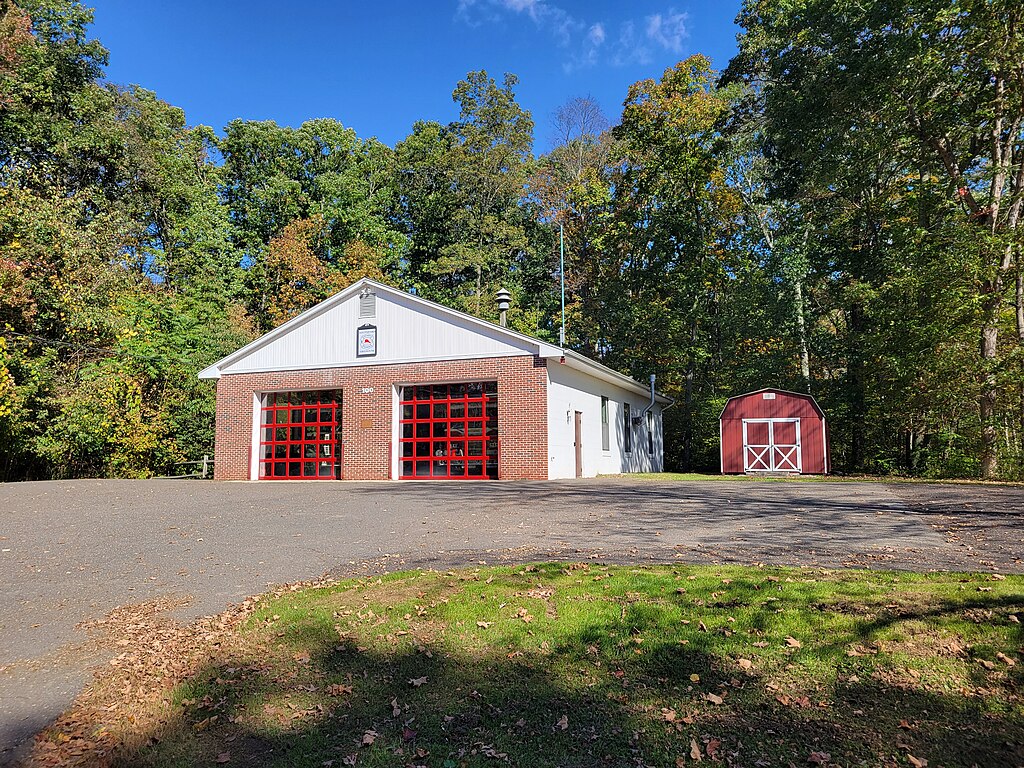
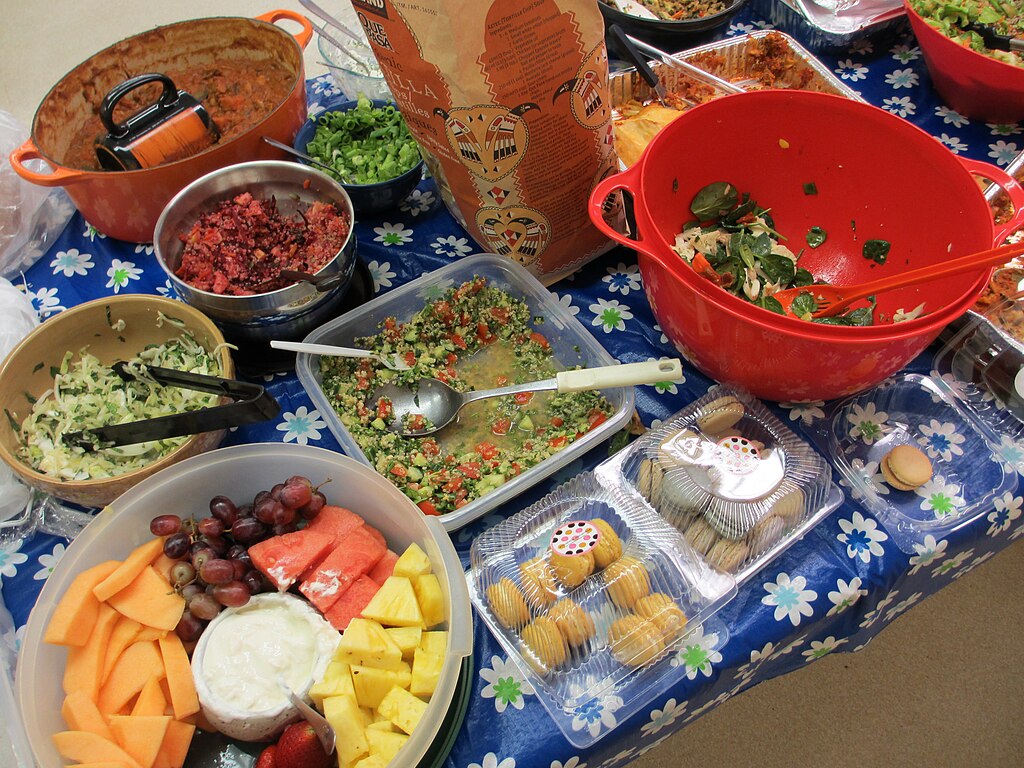
These home-cooked fundraisers once packed entire firehouse halls with neighbors sharing steaming trays of baked ziti, barbecue, and pies made from scratch. Beyond raising money for essential local services, these suppers were social anchors where everyone caught up on local news in person, not online. Today, rising costs, aging volunteers, and health-code barriers are causing many towns to replace them with impersonal digital fundraisers, quietly ending a tradition built entirely on trust and community labor.
Main Street Holiday Parades
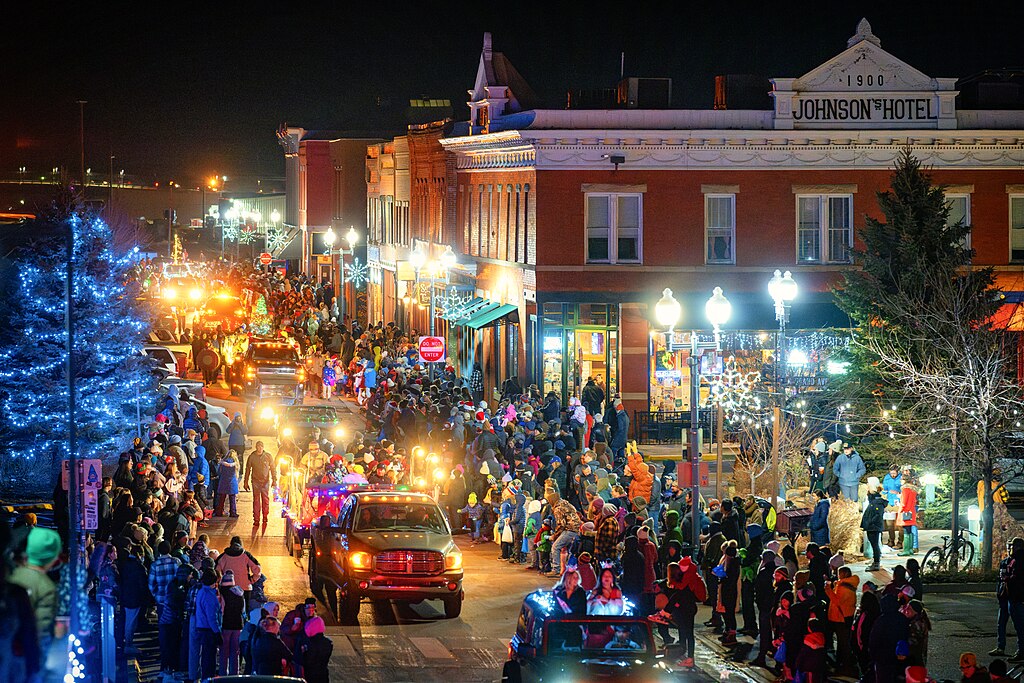
Handmade floats, marching bands, and local dance groups used to roll past tightly packed sidewalks, where everyone knew half the faces in the crowd. These parades were proudly low-budget but high-heart, often stitched together by volunteers instead of paid planners. As insurance requirements, shrinking attendance, and city regulations grow heavier, a growing number of towns are scaling them back or canceling entirely, leaving Main Street holidays to be celebrated instead through Facebook posts rather than shared real-life laughter.
Potluck Church Socials
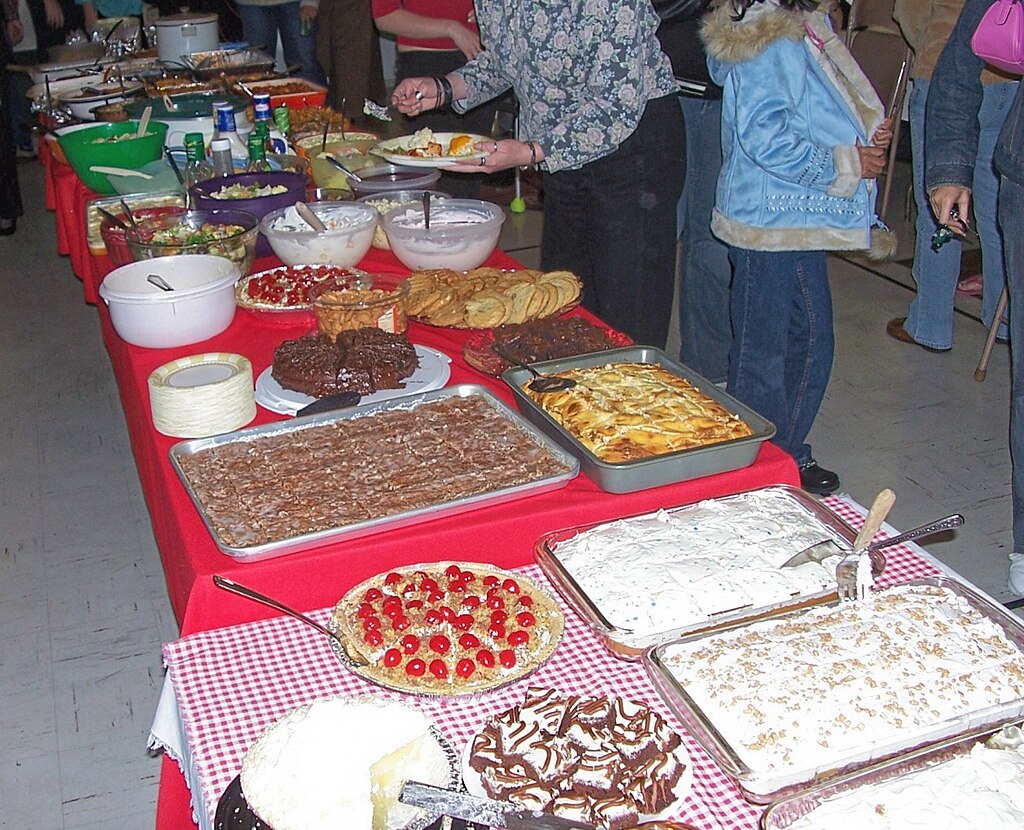
These Sunday gatherings were less about religion and more about neighborly belonging. Elders brought recipes passed down for generations, kids ran barefoot between folding tables, and every dish came with a story. But as younger locals skip organized religion and families work unpredictable schedules, congregations shrink, and with them, the joyful casual meals that once acted as social glue. Supermarket catering and takeout have replaced handwritten casserole cards and proud introductions like try mine first, it disappears fastest every year.
Locally Owned General Stores
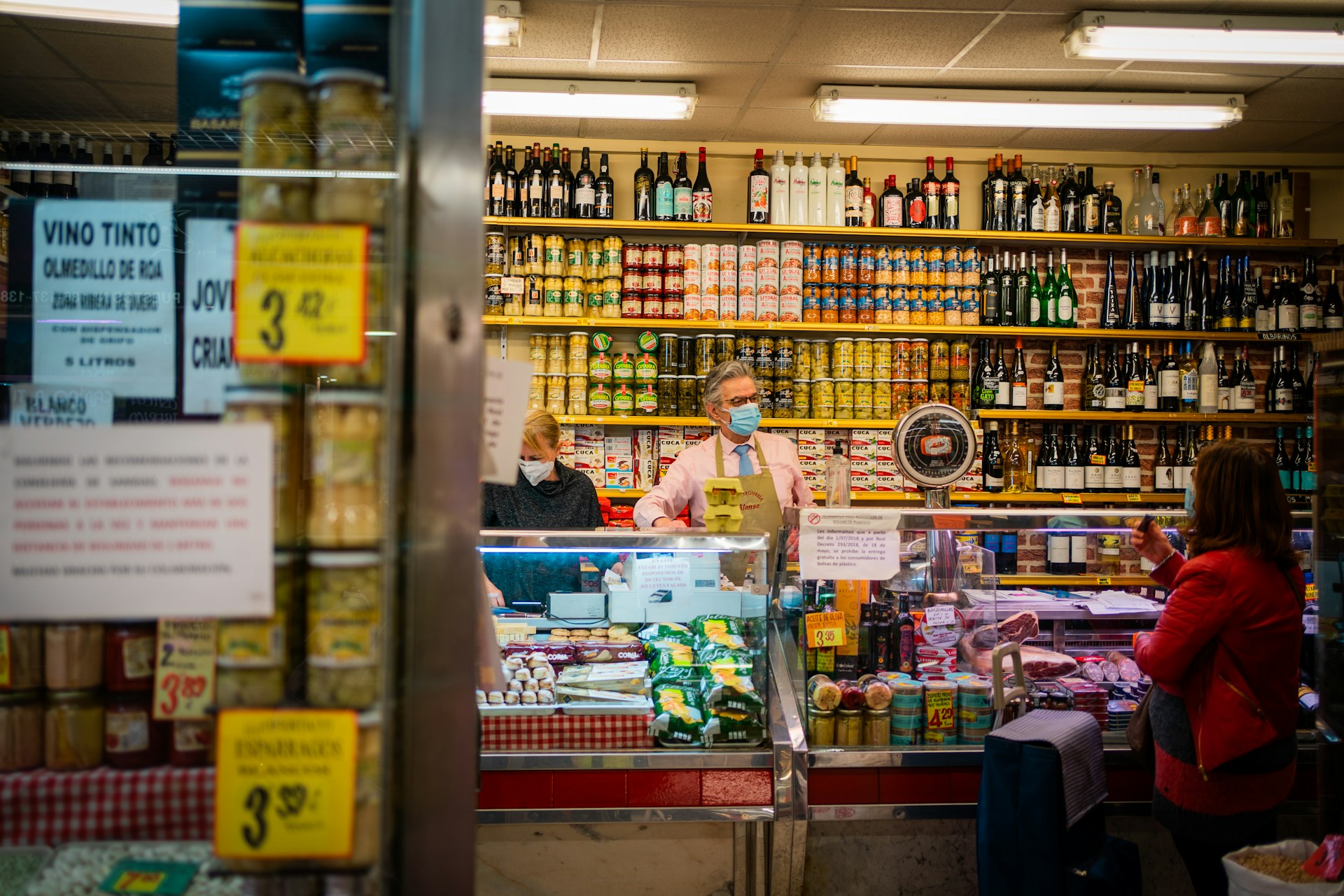
Before convenience chains took over, the corner general store stocked everything from fishing bait to penny candy while doubling as the unofficial news hub. The owner often knew everyone’s name, birthdays, and credit tab by memory. These stores were woven into the emotional infrastructure of town life, not just commercial life. But chain pricing, online convenience, and reduced foot traffic have made survival nearly impossible, and when one closes, it is not just a store that dies, it is a daily gathering ritual.
Friday Night Street Dances
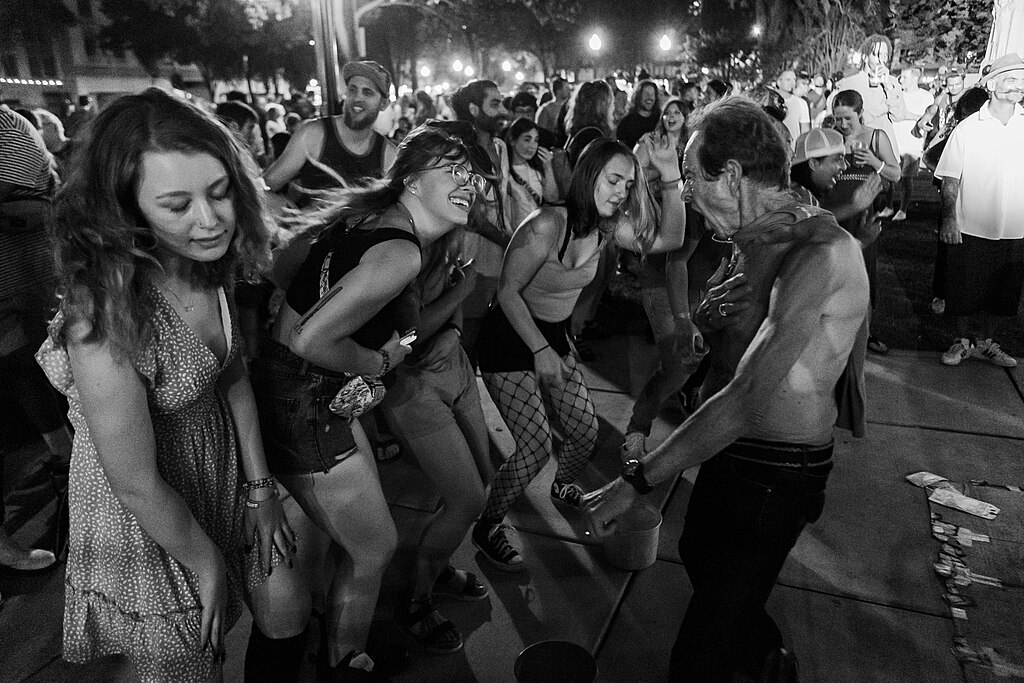
In many rural towns, summer meant blocking off Main Street so families could dance under string lights while local bands played live on a flatbed truck. It cost little and needed no marketing, people simply showed up because it was understood. But amplified noise rules, rising permit fees, and a shift toward indoor entertainment have made these once-spontaneous traditions vanish. Replaced by livestreams or ticketed festivals, they lose the carefree, open-to-everyone magic they were built on.
Community Quilting Circles
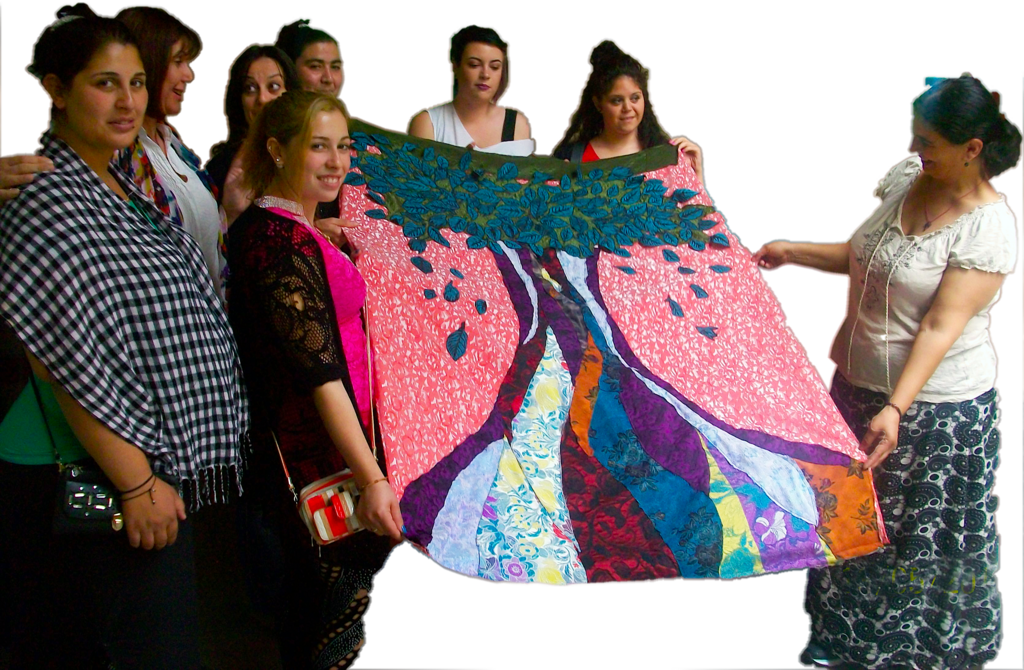
Once a multigenerational art and a welfare system combined, quilting circles created blankets not only for joy but for weddings, newborns, fundraisers, and neighbors in need. These were storytelling spaces where history was spoken, not archived. But as few younger people take up needlecraft and mass-produced goods replace handmade care, town quilting groups shrink each year. With them fade the stories, silent mentorship, and the social safety net disguised as fabric and tradition.
County Fair Talent Shows
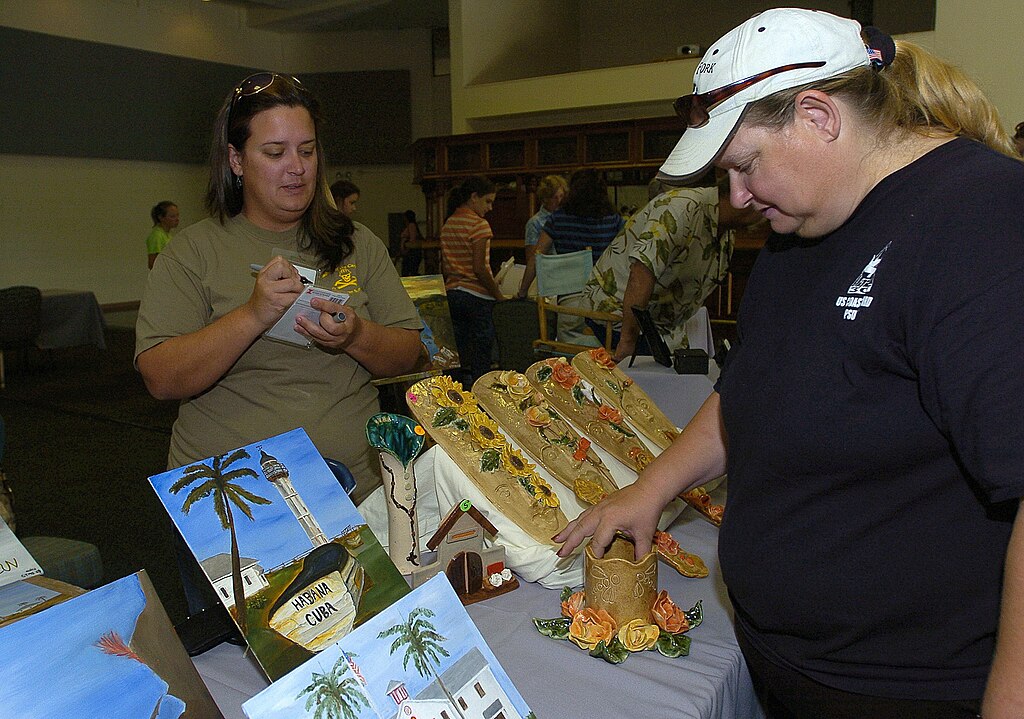
Before YouTube and TikTok, the county fair stage was where shy kids, aspiring singers, and tap-dancing seniors stepped into their one moment of local fame. Entire communities cheered louder for heart than perfection. Today’s fairs still exist, but homemade talent showcases are rapidly being replaced by outside performers and commercial events that draw bigger crowds faster. When applause becomes transactional instead of neighborly, the soul of the event subtly shifts, and the locals stop signing up.
Handwritten Holiday Cards to Neighbors

In close-knit towns, handwritten Christmas or Thanksgiving notes were hand-delivered door to door, sometimes with homemade cookies or preserves. These gestures reinforced bonds that no algorithm could replicate. Now group texts, digital stickers, or mass online greetings have made the tradition feel outdated, even though the emotional impact has never been replaced. The loss is quiet but real, fewer door knocks, fewer warm greetings spoken through screen doors, fewer reasons to step outside and notice one another.
Family-Owned Ice Cream Stands

The seasonal ice cream shack, often open only May through August, was a summer rite of passage for local kids. Workers were high schoolers, regulars ordered without speaking, and flavors were made slowly, not mass-produced. But as health regulations grow, competition from chain dessert franchises increases, and ownership ages without successors, many are closing permanently. Their replacements tend to be uniform and efficient, but lack the deeply personal ritual of remembering your usual before you open your mouth.
Morning Coffee at the Diner Counter
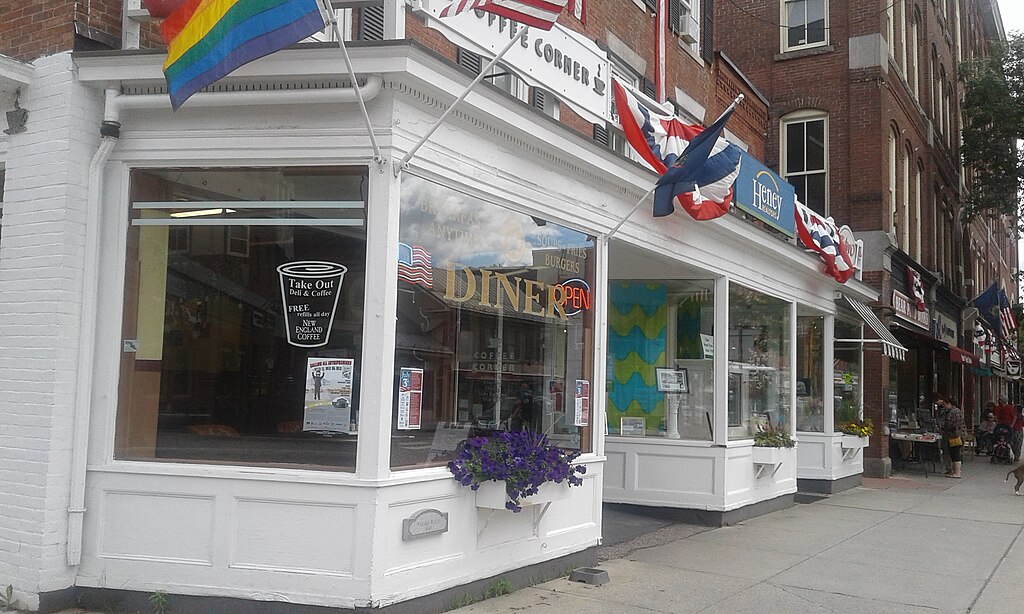
In many towns, men and women gathered at dawn not to eat but to talk, at the same cracked vinyl stools they had used for years. These diners were not breakfast spots but daily micro-town halls where local gossip, weather reports, and political debates played out live. Chains with fast turnover, remote work lifestyles, and rising real estate prices have slowly wiped out many of these spaces. The coffee is still sold elsewhere, but the community that came with it has no real replacement.
Town-Wide Yard Sales
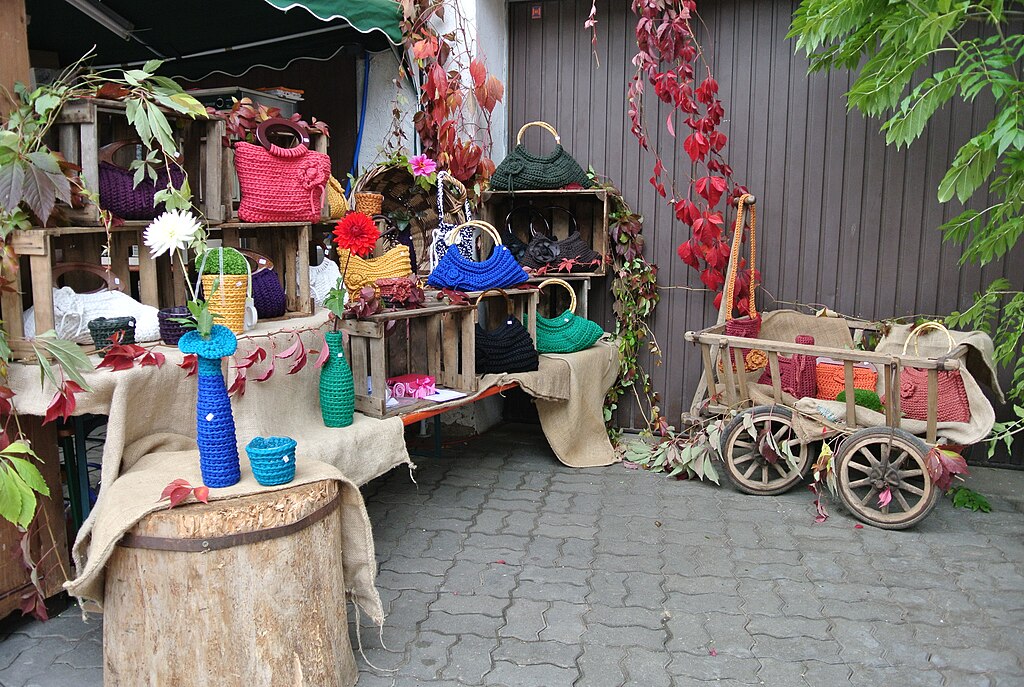
Entire neighborhoods once participated in synchronized yard sale weekends where streets filled with card tables, antique trunks, and strangers chatting like friends. It was commerce, but also shared discovery and human interaction. As online selling apps replace face-to-face resale and fewer people want to manage physical clutter, the tradition is fading fast. The loss is not just about old furniture but the accidental friendships and unexpected life crossovers that came from casually browsing each other’s lives.
Front Porch Social Visits
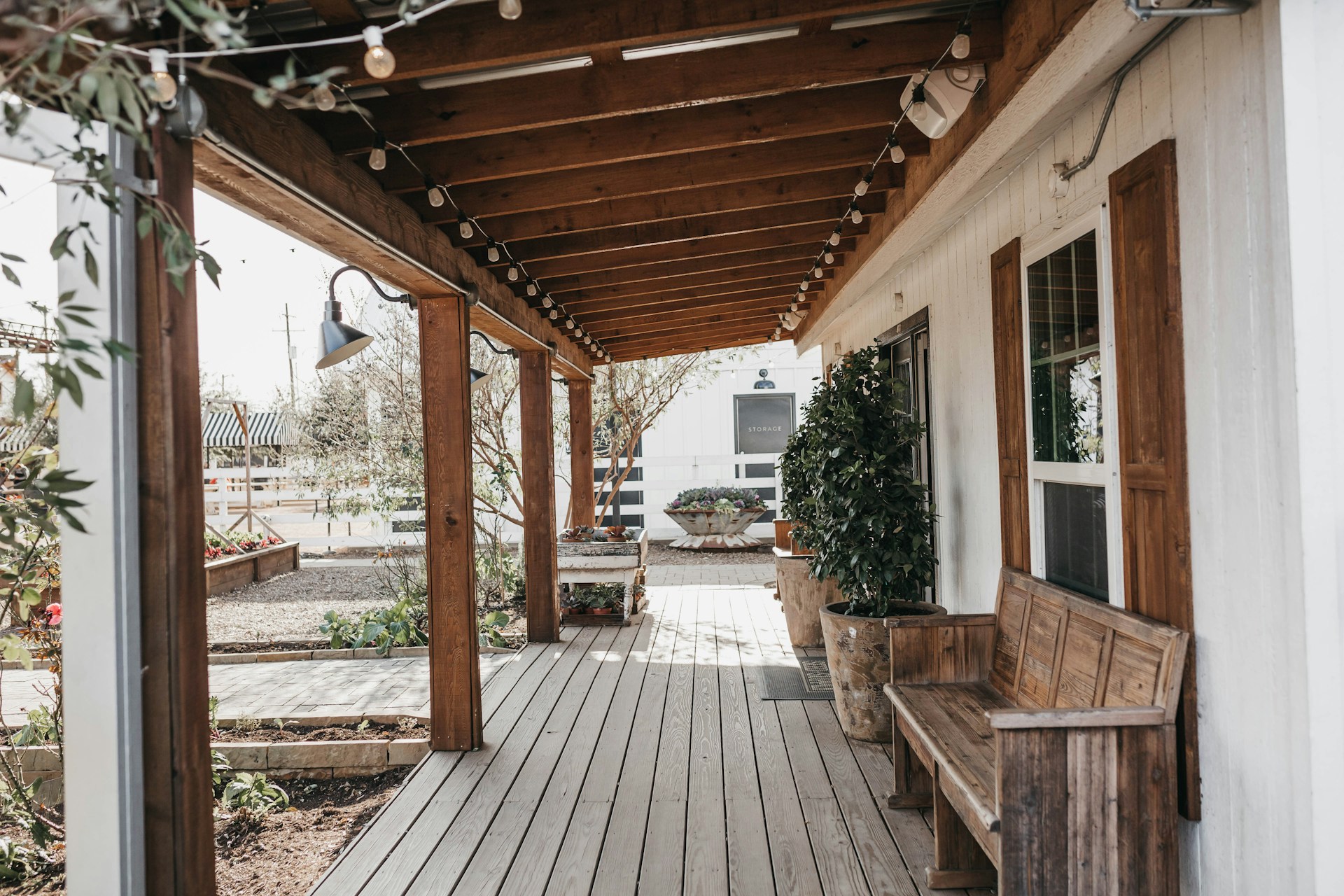
It used to be normal to stop by a neighbor’s porch without warning just to talk, no scheduling, no texting first. These unscripted, slow conversations built trust over decades and helped towns look out for each other without formal systems. Today, doorbells feel intrusive, and most conversations are scheduled or digital. Privacy fences, indoor entertainment, and social anxiety have nearly erased this open-door culture, replacing something warm and effortless with distant, controlled connection.
Fourth of July Pie Auctions
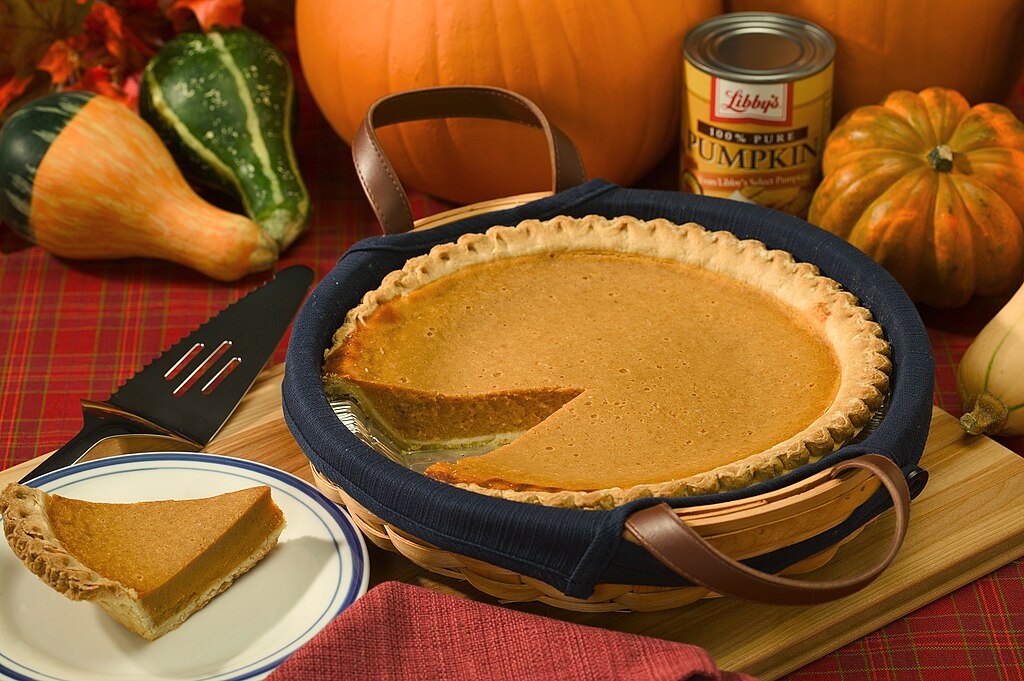
At summer festivals, locals would bake pies and auction them off live to raise money for school sports, park repairs, or even hospital bills. Bidding wars were friendly but fierce, and bragging rights lasted the whole year. But younger generations rarely bake from scratch, food regulations have tightened, and online donations have stripped away the joyful spectacle. The act of giving still exists, but the flavor, laughter, and competitive chaos of doing it live is fading fast.
School Marching Bands Leading Homecoming Parades
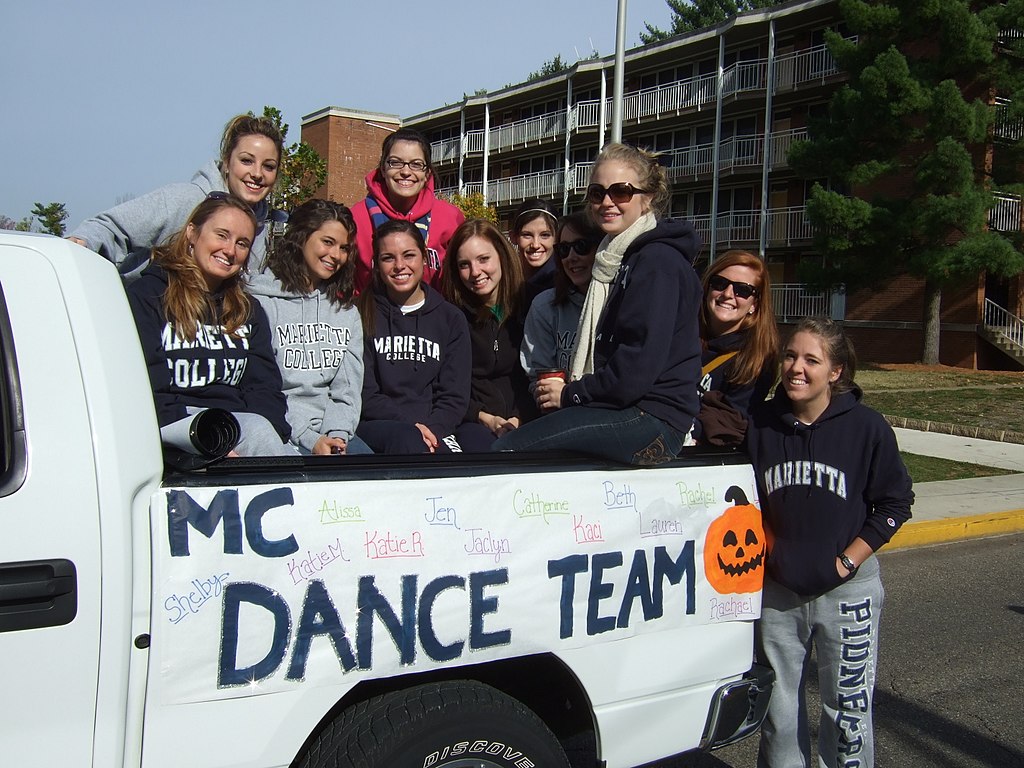
Schools once shut down entire afternoons so students, teachers, and entire neighborhoods could watch the homecoming parade march through town. Local businesses decorated storefronts, and alumni lined the sidewalks to wave at generations below them. Now, budget cuts, security rules, and declining music programs have shrunk or canceled these parades entirely. What was once a giant living reunion has been replaced with private events, and an irreplaceable feeling of shared belonging fades with it.
Honor-System Farm Stands
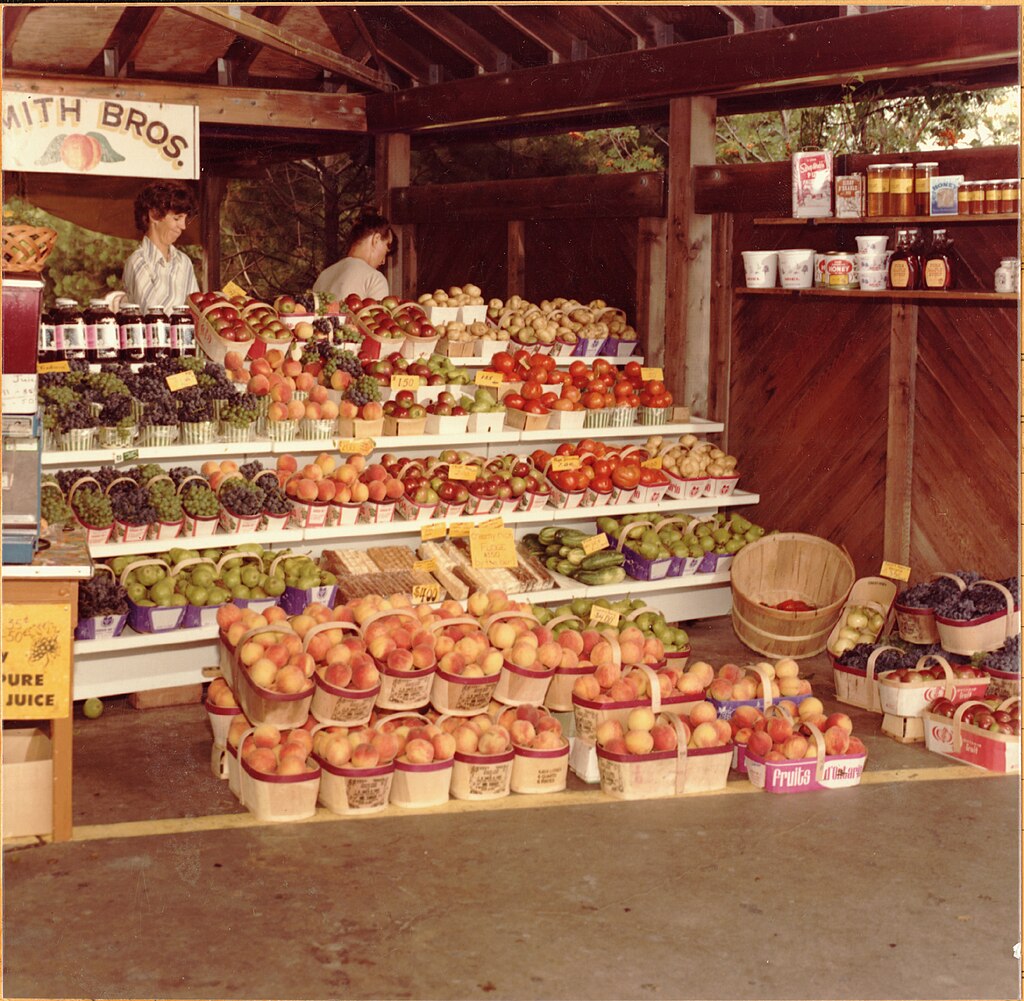
Roadside produce stands with handwritten price boards and cash jars were once deeply trusted parts of town: take what you need, leave what you owe. No cameras, no locks, just mutual respect. As theft risk increases and payment apps replace simple jars, fewer farmers are willing to take the risk. What disappears is not just a buying method but a quiet symbol of faith in one another – one of the purest markers of what small-town life once meant.
These traditions may seem small on the surface, but together they form the invisible social fabric that once made small-town life feel grounded, safe, and personal. Their disappearance isn’t dramatic; it happens slowly, replaced by convenience, efficiency, or technology that unintentionally isolates more than it connects. And while modern life offers incredible advantages, the quiet fading of these rituals serves as a reminder that community is not guaranteed; it is something that must be actively tended, shared, and kept alive before we realize it’s gone.