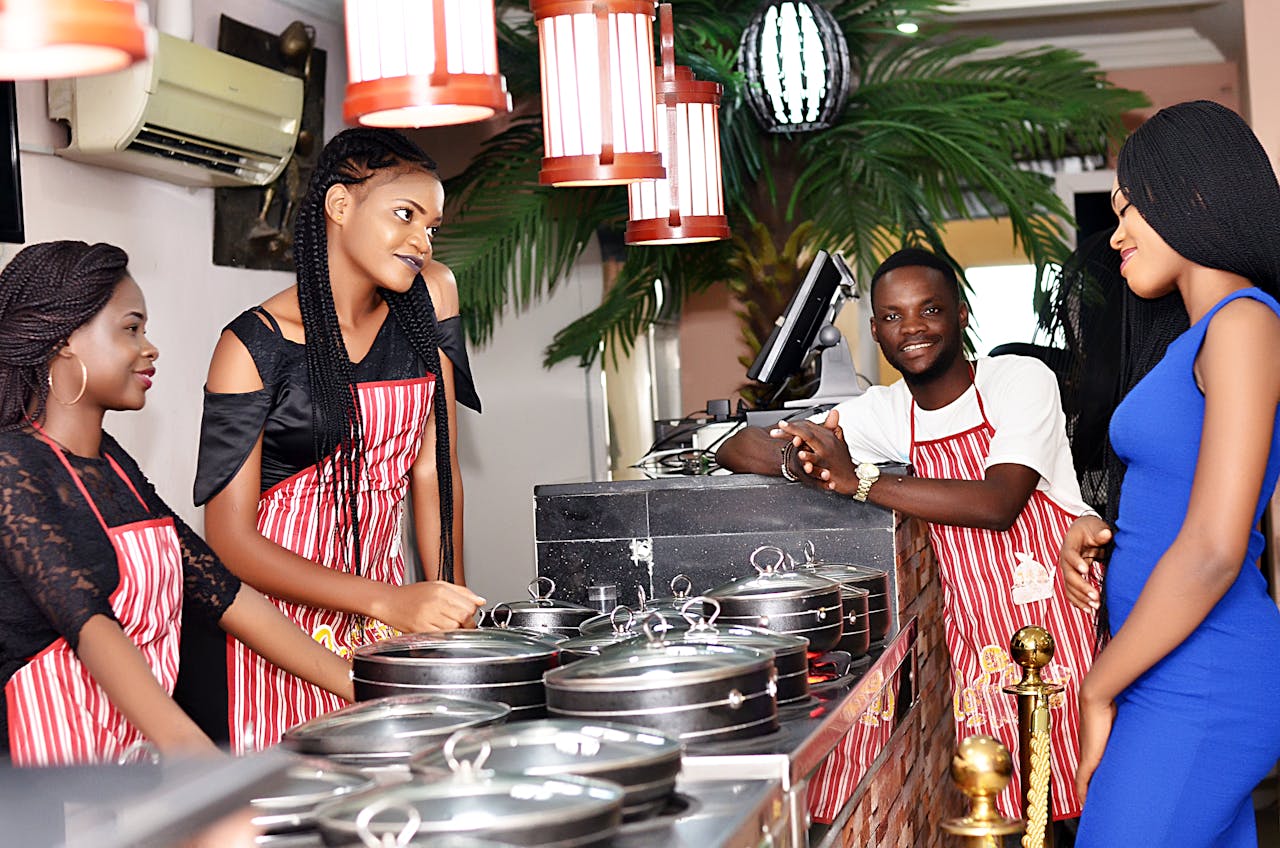
Running a family business has long been part of the American story, and the years leading up to 2026 are expected to favor small, flexible, relationship-driven ventures. Rising remote work, local-first consumer behavior, and growing distrust of impersonal corporations are creating space for family-run operations to shine across the United States. Families bring trust, shared responsibility, and long-term thinking that many startups struggle to build. These small business ideas align with future trends while allowing multiple generations to contribute meaningfully.
Home-Based Food Production

Family kitchens are increasingly becoming micro-enterprises as consumers seek handmade, transparent food options. Cottage food laws in many states allow families to sell baked goods, sauces, jams, and specialty snacks with minimal overhead. Children can help with packaging and branding, while adults manage compliance and sales. By 2026, demand for locally produced, preservative-free foods is expected to remain strong.
Mobile Cleaning and Organization Services

Professional home cleaning, decluttering, and move-in organization services are booming as busy households outsource domestic tasks. A family-run service builds trust quickly, especially when clients see consistency in who enters their homes. Scheduling, marketing, and on-site work can be divided among family members. With minimal startup costs, this business scales well through referrals.
Senior Companion and Errand Services

As America’s population ages, non-medical support services are becoming essential. Families can provide companionship, grocery runs, light housekeeping, and transportation for seniors who wish to age in place. Younger members assist with technology and errands, while adults focus on relationship-building. This business thrives on reliability and empathy rather than advanced equipment.
Online Resale and Flipping Business

Reselling vintage items, collectibles, refurbished electronics, or furniture is increasingly data-driven yet accessible. Families can divide sourcing, listing, photography, and shipping responsibilities. Thrift stores, estate sales, and auctions provide steady inventory. By 2026, secondhand marketplaces are projected to grow as sustainability concerns rise.
Local Landscaping and Yard Care

Basic landscaping, lawn maintenance, and seasonal yard cleanup remain recession-resistant services. Family members can rotate physical labor, equipment maintenance, and customer communication. Clients prefer familiar crews who understand local climate and soil conditions. This business benefits from predictable recurring income during growing seasons.
Child Enrichment and Tutoring Programs

With education gaps persisting post-pandemic, families with teaching or coaching skills can offer tutoring, homework help, or enrichment workshops. Programs can be hosted at home or community centers. Older siblings may tutor younger children, creating relatable learning environments. Demand is expected to grow as parents seek personalized education support.
Pet Sitting and In-Home Boarding

Pet owners increasingly avoid large kennels in favor of home-based care. A family pet-sitting service offers flexibility, safety, and consistency. Children assist with feeding and play, while adults manage scheduling and health needs. This business scales through repeat clients and local trust.
Digital Content Creation as a Family Brand

Families are increasingly monetizing YouTube channels, blogs, and educational content around shared interests. Each member can contribute different skills, from scripting to filming to editing. Authentic family dynamics resonate strongly with audiences. By 2026, niche content brands are expected to outperform generic influencers.
Event Setup and Rental Services
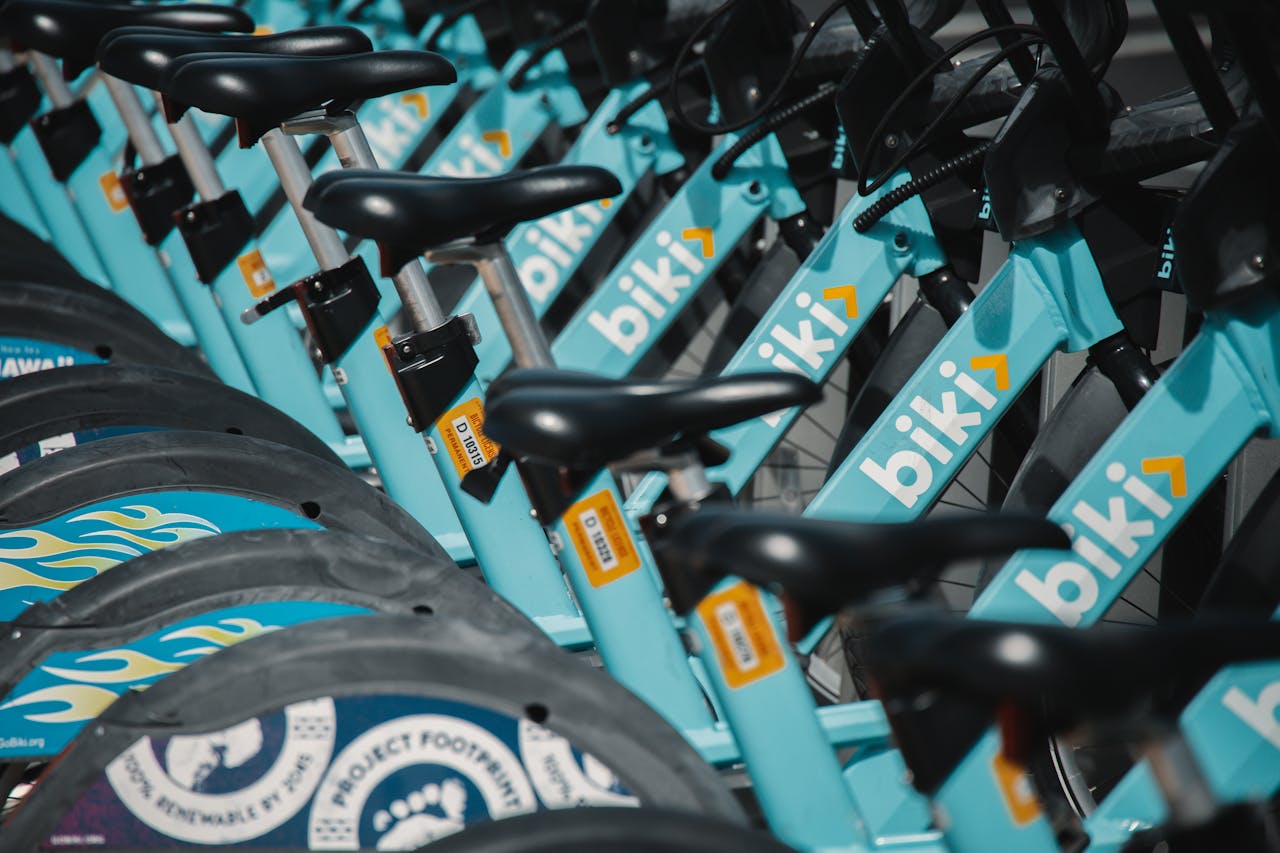
Small events continue to replace large corporate gatherings, creating demand for local setup services. Families can rent tables, chairs, décor, or party equipment while offering setup and teardown. Storage, logistics, and customer service can be split efficiently. This business thrives on weekends and seasonal celebrations.
Subscription-Based Local Products
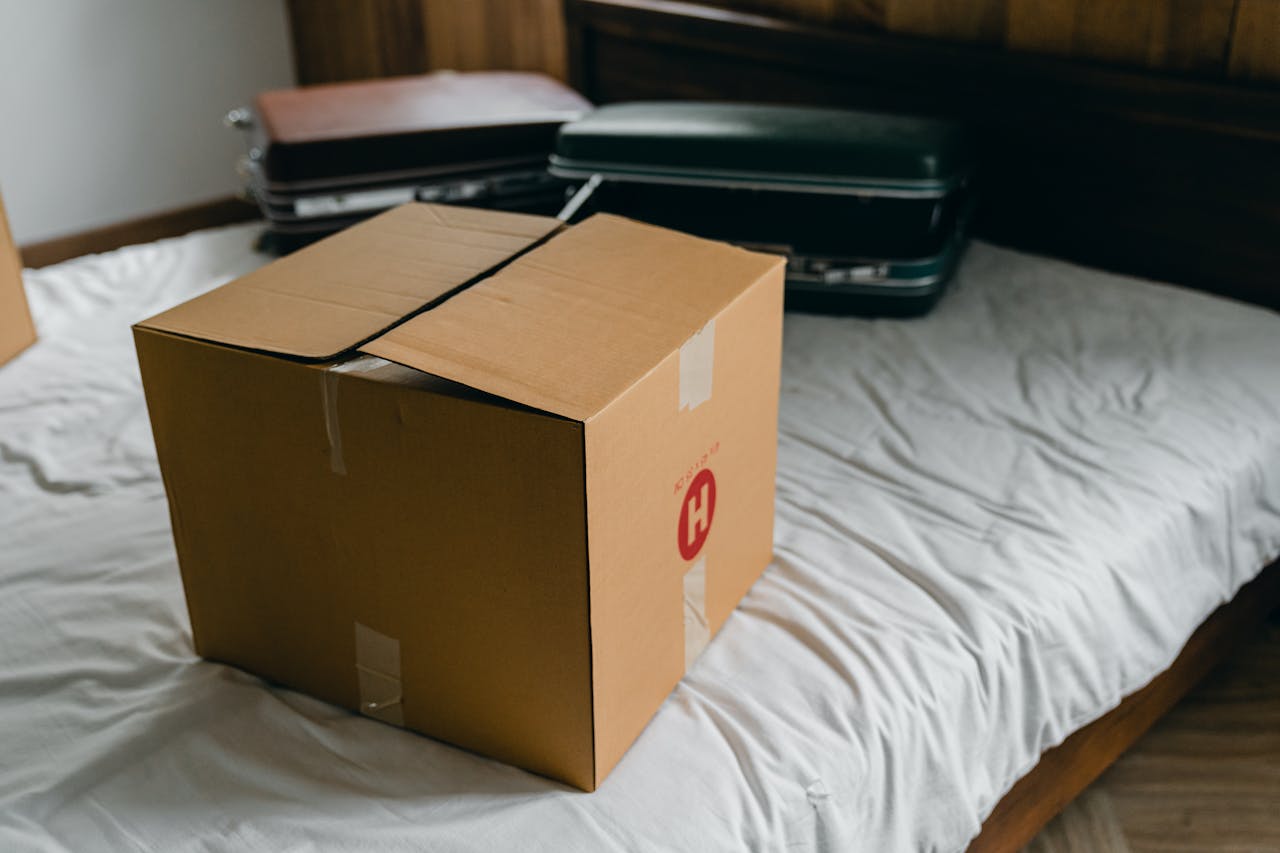
Families can curate monthly boxes featuring local goods, homemade items, or themed collections. Packing, sourcing, and customer communication are easily shared tasks. Subscription models provide predictable income. Consumers increasingly value curated experiences over mass-produced items.
Home Repair and Handyman Services

Basic home repairs remain in constant demand due to aging housing stock. Families with construction or maintenance skills can offer reliable local services. Younger members assist with tools and cleanup, while adults handle diagnostics and estimates. Trust and repeat business drive long-term success.
Mobile Car Detailing

Car detailing services are well-suited to family teams and flexible schedules. One person manages bookings, another handles interiors, while others manage washing and finishing. Customers value convenience and consistency. Eco-friendly detailing options are expected to gain traction by 2026.
Local Tourism and Experience Hosting

Families living near scenic or historic areas can host guided tours or experiences. Storytelling, hospitality, and logistics become shared responsibilities. Travelers increasingly seek authentic, locally hosted activities. This business benefits from regional pride and personal connection.
Customized Gift and Craft Business

Personalized gifts, crafts, and handmade décor remain popular for online and local markets. Family members contribute design, production, and fulfillment skills. Seasonal demand keeps the business dynamic. By focusing on storytelling and craftsmanship, families can stand out in crowded marketplaces.