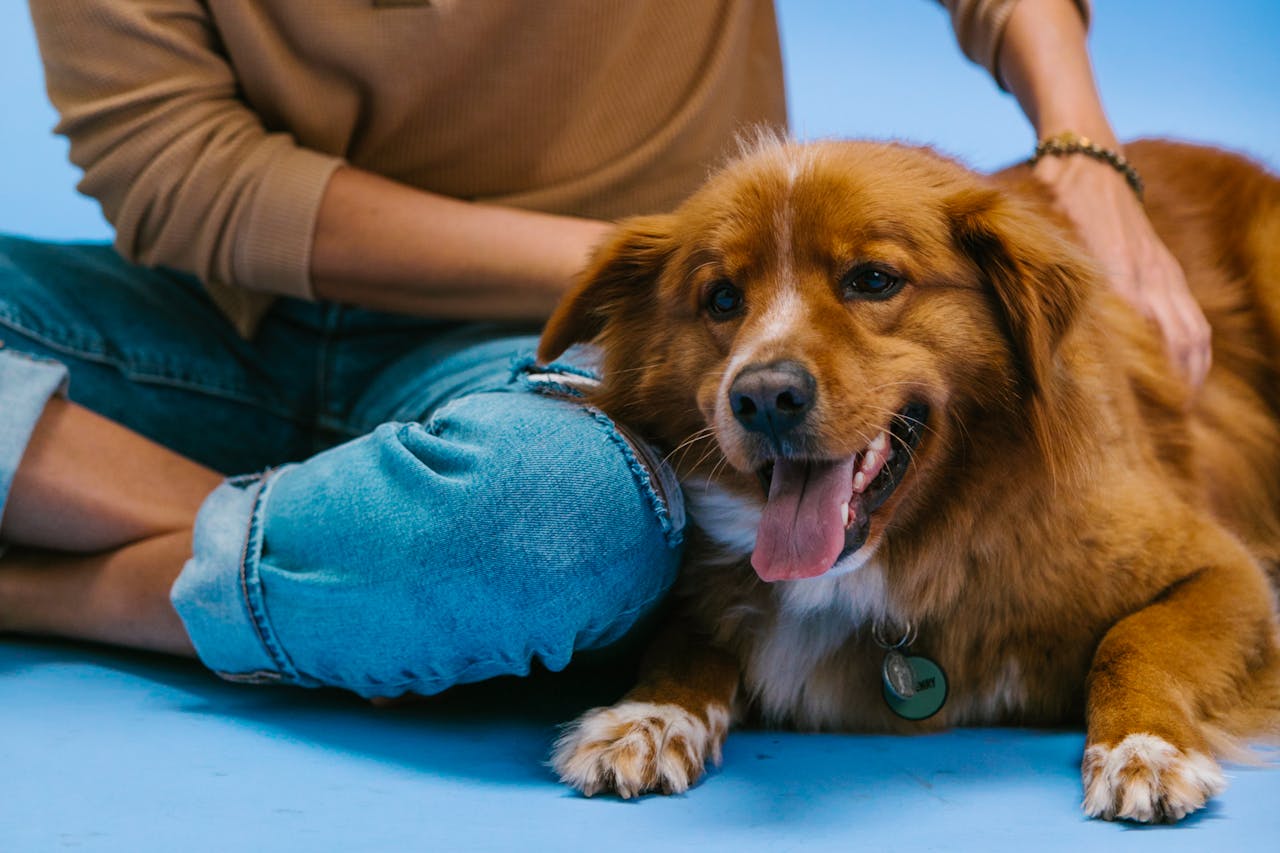
Dogs are more than just pets—they’re part of the family. But some dogs take that role to a whole new level by acting like one of the children. Whether they’re joining in on playtime or trying to sneak into the car for school drop-off, these furry companions often see themselves as siblings, not sidekicks. Here are 14 signs your dog thinks they’re one of the kids in your household.
They Join in Kid Playtime
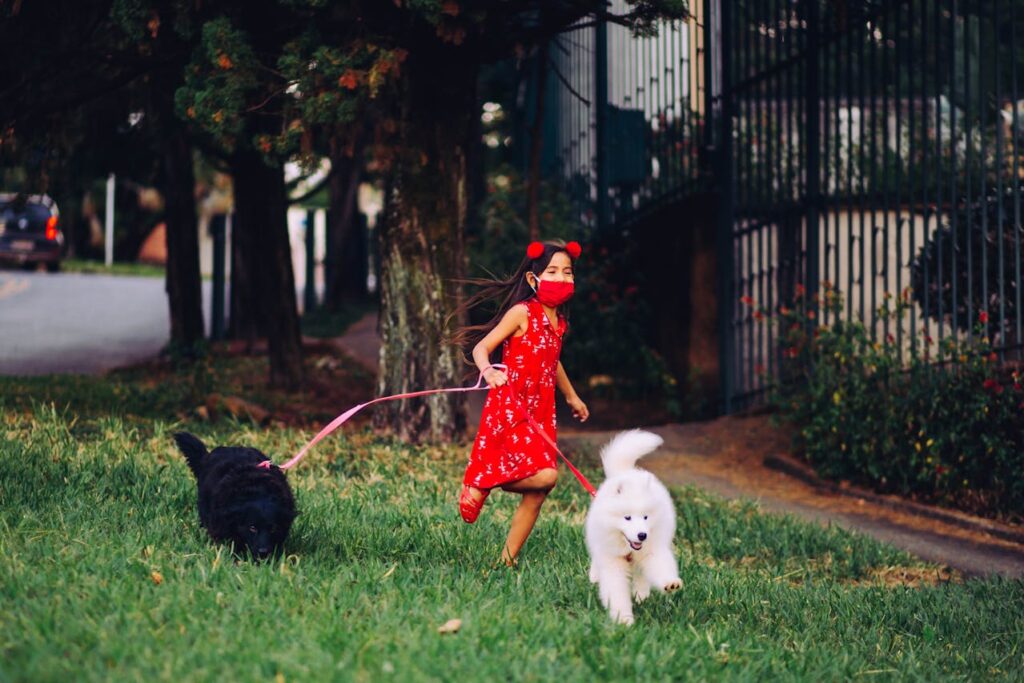
If your dog races outside the moment the kids start playing tag or ball, they clearly want in on the action. Dogs who love to jump into backyard games or follow children around the house are mirroring sibling behavior. This isn’t just fun; it’s also a sign of bonding. Dogs often take on similar routines as the ones they’re surrounded by daily. When the “pack” is made up of children, your dog wants to be right there in the middle of it.
They Insist on Riding in the Car for School Drop-Off
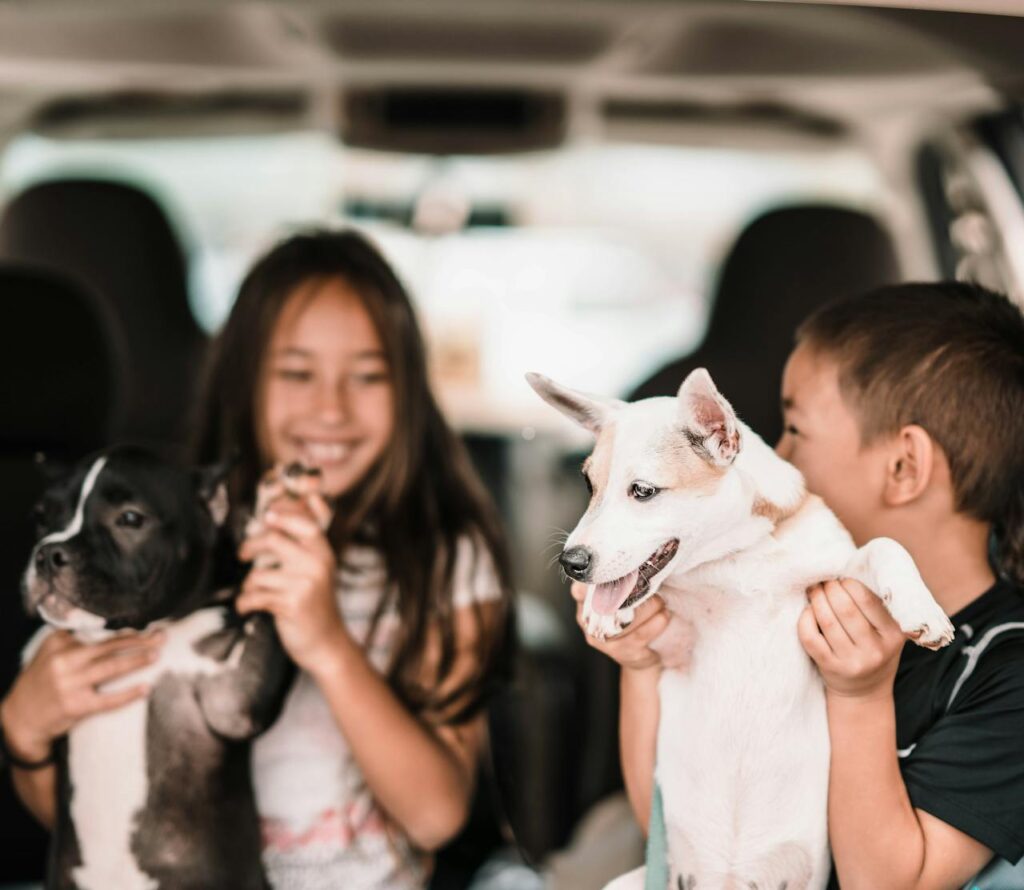
Some dogs dash to the door or wait by the car keys every school morning. If your pup gets excited when it’s time for the kids to go to school, it could be because they feel like they belong in the backseat too. This behavior shows they’ve associated school routines with family activities. Missing out makes them feel left behind. They want to experience the same daily adventures as their kid siblings.
They Have Their Own Bed in the Kids’ Room
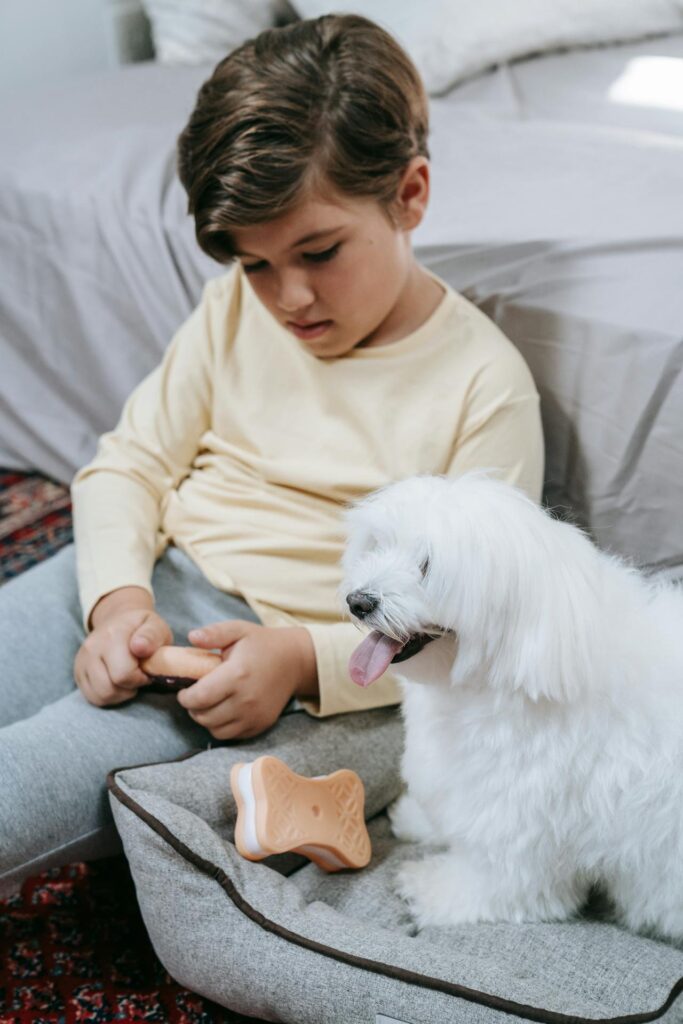
Dogs that sleep in or near children’s beds are more than just affectionate—they’re asserting their place in the sibling lineup. Some even have designated beds or blankets right next to the child’s bed. This indicates a deep sense of loyalty and emotional comfort. They want to be where the kids are, even during sleep. It’s a sign they consider themselves part of that core unit.
They Expect Treats When the Kids Get Snacks
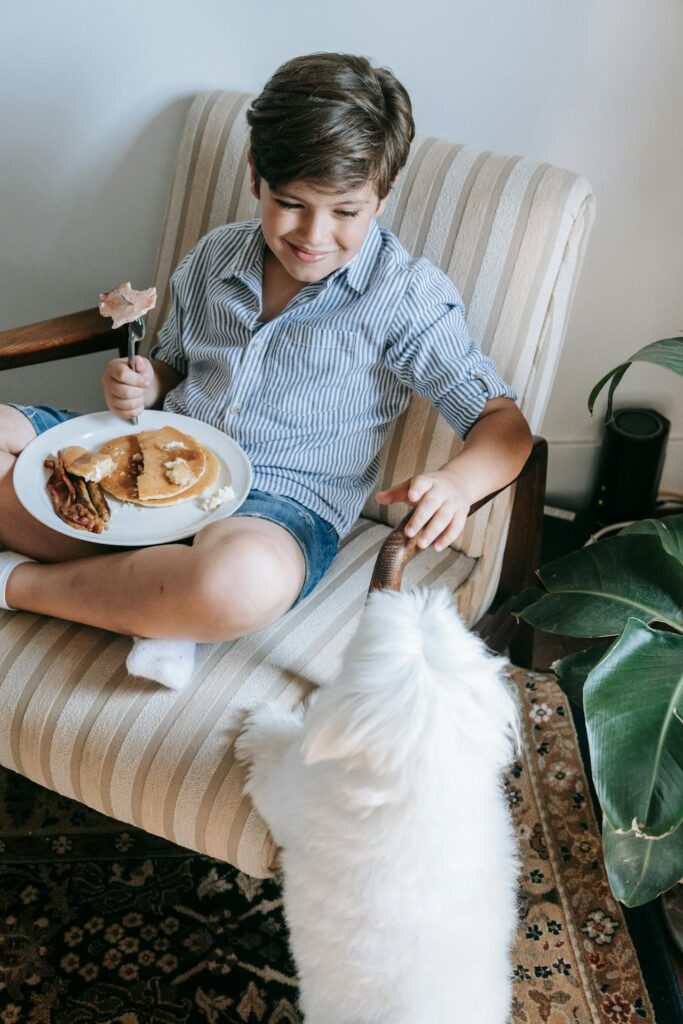
Does your dog come running the moment you hand out snacks? If they expect to get a treat when the kids do, they’ve learned to identify as one of them. This is especially true if they sit patiently or mimic the kids’ behavior in hopes of being rewarded. Dogs are quick to observe and adapt. Sharing snack time is their way of participating in family traditions.
They Follow the Kids Everywhere
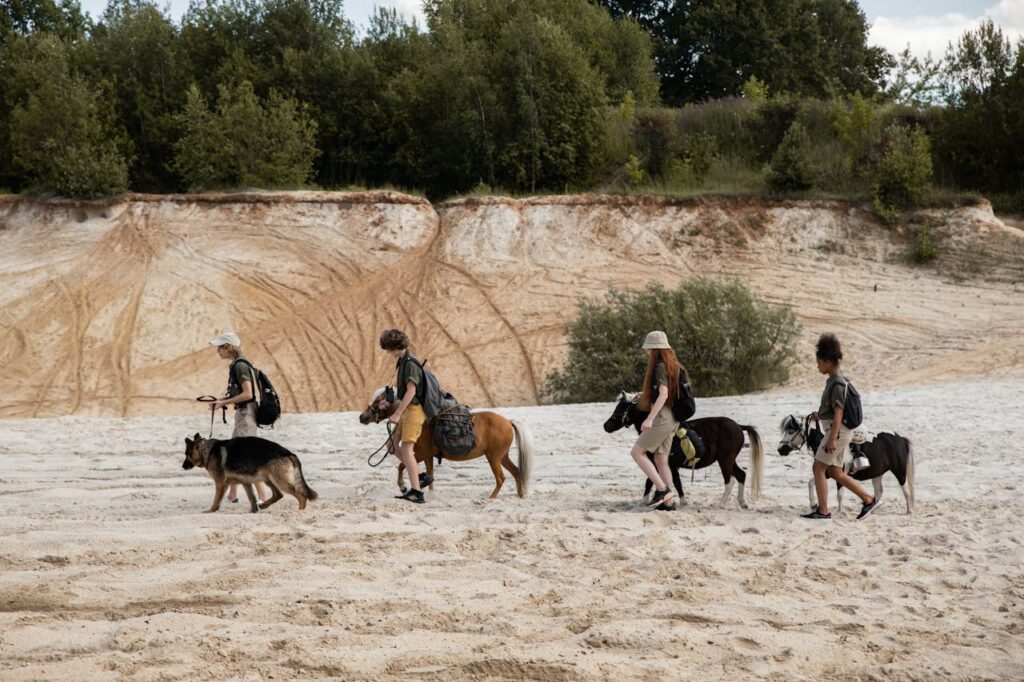
Shadowing the children from room to room is another major indicator. These dogs form tight bonds and want to be wherever the action is. They may even follow kids to the bathroom or try to climb into a toy fort. This isn’t just clinginess—it’s a need to be included. They treat the kids as equals, not superiors.
They React to Sibling Rivalries
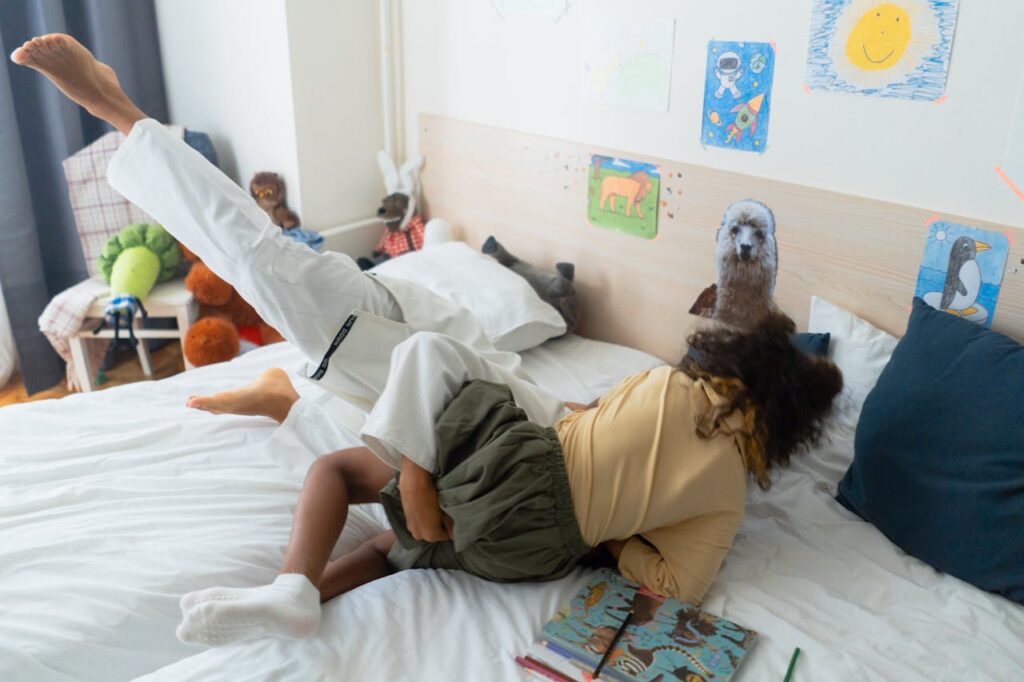
Some dogs intervene during sibling disagreements, trying to mediate or protect one side. If your dog jumps into a heated game or scuffles between kids, they’re not just reacting—they’re taking part. They may bark, whine, or wedge themselves between children. This kind of behavior suggests they feel emotionally invested in sibling dynamics.
They Participate in Dress-Up or Games
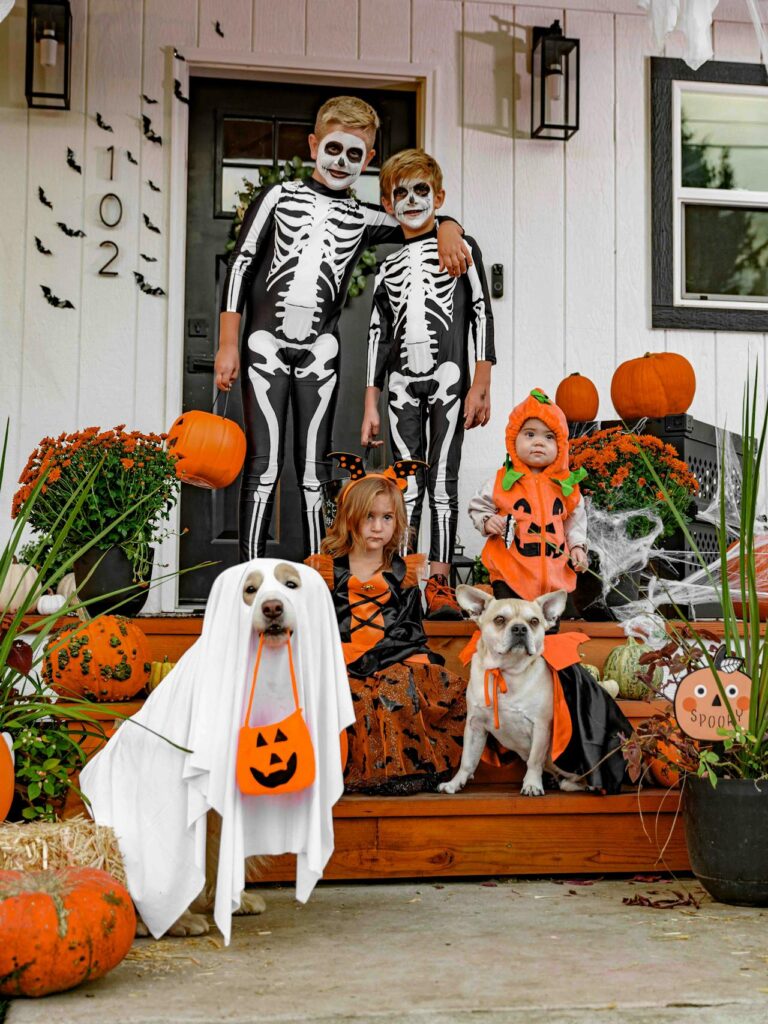
If your dog tolerates costumes or props, it might be more than just patience—it could be their way of joining in. Dogs who don tiaras, capes, or sports gear without fuss are probably enjoying the roleplay. They’re playing along just like another child would. It’s a way of integrating into the kids’ imaginative world.
They Get Jealous of Attention Given to the Kids
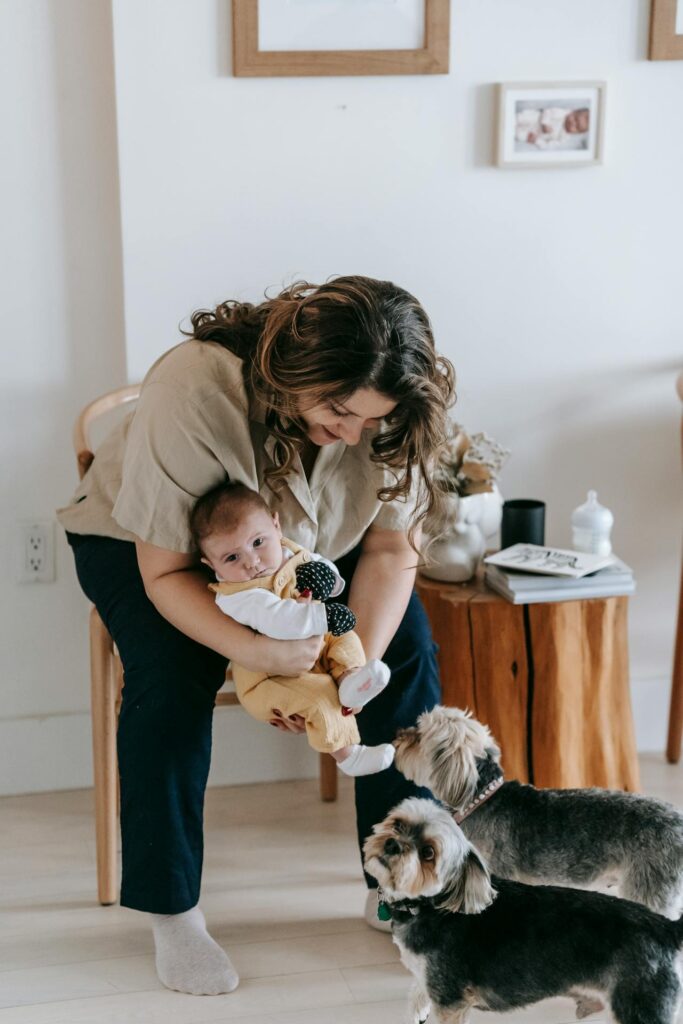
Some dogs get visibly jealous when their humans focus solely on the children. If your dog whines, nudges, or inserts themselves between you and a child, it may be their way of saying, “Hey, I’m one of them too!” This type of behavior often mirrors sibling rivalry. They’re not just seeking attention—they’re demanding equal status.
They Learn Tricks From Watching the Kids
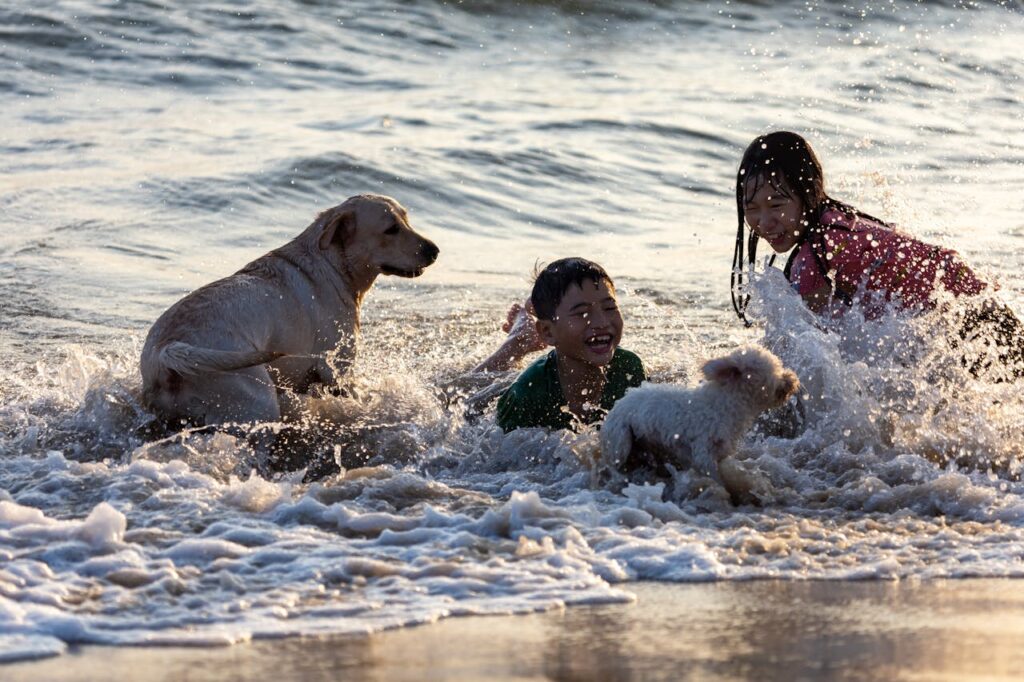
Dogs are observant learners, and if your dog starts copying actions the kids do, they’re adapting to their environment. For example, some dogs learn to open doors or climb furniture by watching children. This mimicking shows a strong desire to fit in. They see what the kids do and want to be just as capable.
They Sit at the Table or Beg for a Seat
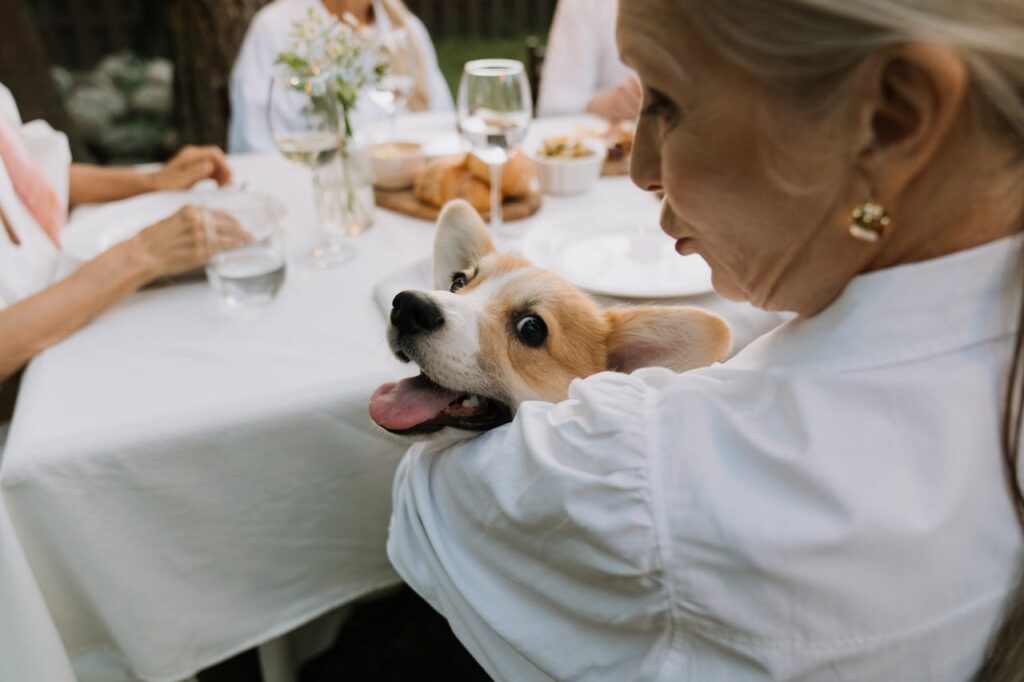
If your dog tries to sit at the dinner table or expects to be fed from a plate, they may believe they’re one of the gang. Some dogs even sit next to high chairs, waiting for dropped food. While it may seem like poor manners, it shows they associate mealtime as a family affair. They want inclusion, not just scraps.
They Play With the Same Toys
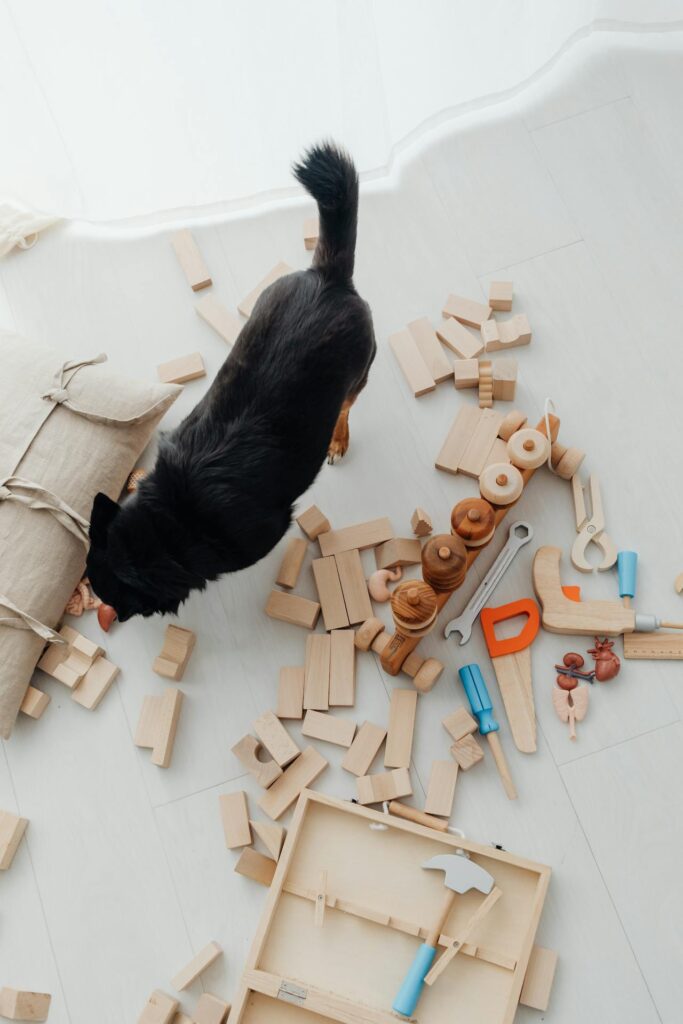
Dogs who steal or play with children’s stuffed animals, balls, or dolls may see no distinction between their toys and the kids’. This behavior often stems from shared playtime or parallel habits. It’s more than curiosity—it’s identity. They’re using the same tools of fun as their human siblings.
They Wait by the Door When School Ends
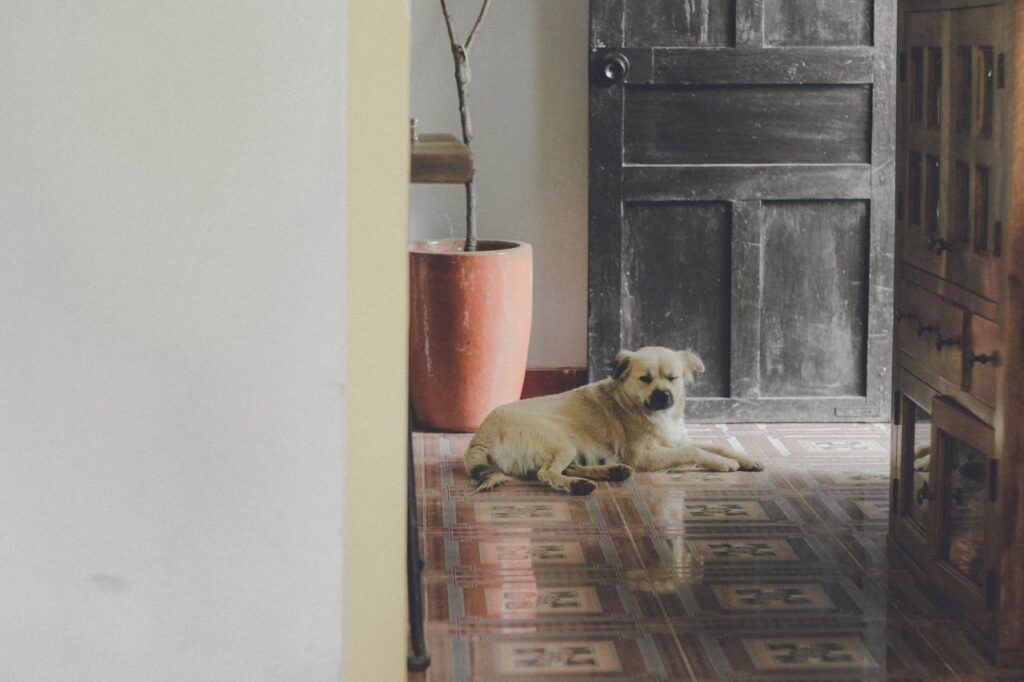
If your dog knows when school lets out and waits anxiously by the door or window, that’s a clear bond. Dogs that pace, whimper, or perk up at the sound of the school bus are emotionally tied to the kids’ schedule. This anticipation mirrors the excitement of siblings seeing each other again. It shows how deeply your dog views the children as family.
They Sulk When the Kids Are Gone
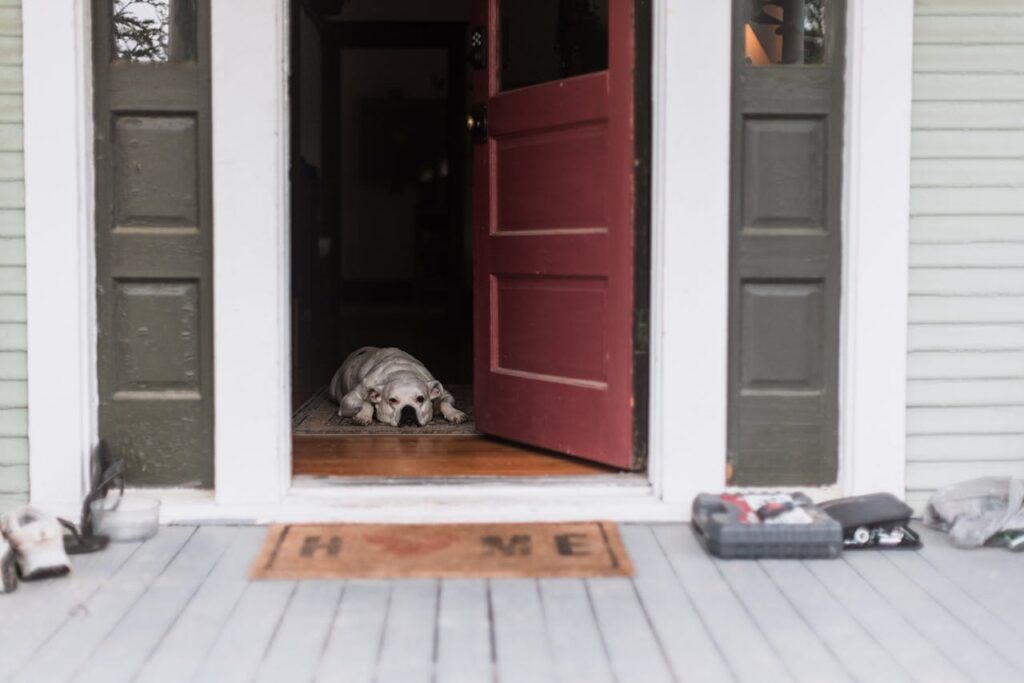
Some dogs visibly mope when the children are away for school or sleepovers. They may refuse to eat, become lethargic, or lay in the kids’ beds. This separation anxiety highlights their dependence on the children for emotional connection. They’re not just missing playtime—they’re missing their siblings.
They Respond to Being Called a “Brother” or “Sister”
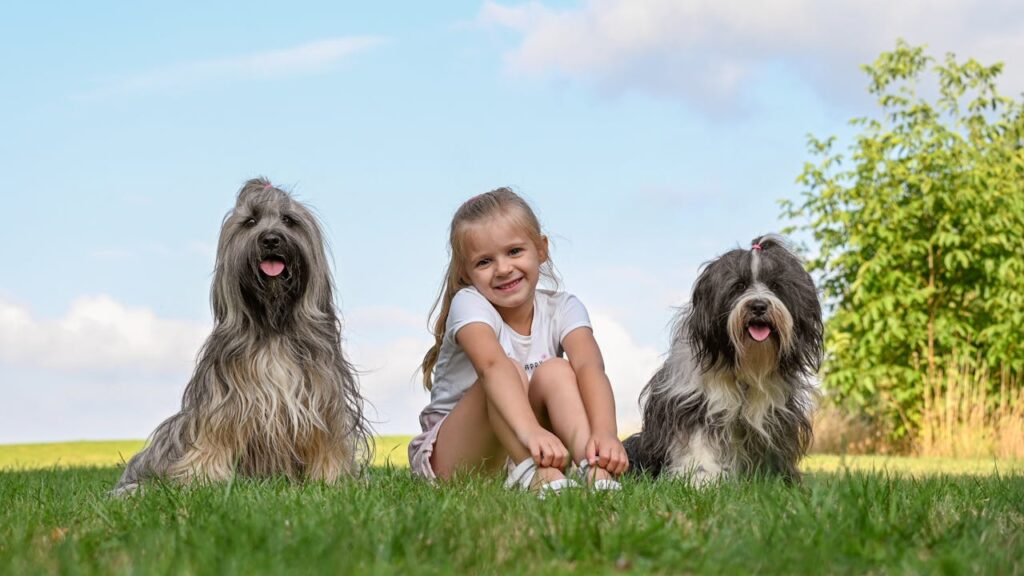
Many families call their dogs “baby,” “brother,” or “sister,” and some dogs recognize and respond to these labels. If your dog perks up at being called a sibling nickname, they likely associate it with their place in the family. This language reinforces their social role. They’re not just the dog—they’re one of the kids.