

Buying a home is one of the biggest decisions you’ll make in your life, and it’s easy to get swept up in the excitement. However, before you sign on the dotted line, there are several red flags in real estate listings that can signal potential issues down the road. Whether you’re a first-time buyer or a seasoned homeowner, it’s crucial to watch out for these warning signs that could save you from making a costly mistake.
Vague or Incomplete Descriptions

One of the first things to watch for in a real estate listing is vague or incomplete descriptions of the property. Listings that lack details about the home’s size, number of rooms, or condition might be hiding something. If the listing doesn’t mention the square footage, age of the home, or the number of bathrooms or bedrooms, it could be a sign that the property has flaws they’d rather not highlight. Always ask for the missing details before scheduling a viewing, and be wary of a home that’s overly vague — it could be a cover-up for a range of issues.
Overly Flattering Photos or Outdated Pictures

While great photos can be a huge selling point, when a listing is filled with overly flattering images or photos that seem a little too perfect, proceed with caution. It’s possible that the home has been staged to look better than it actually does, hiding its true condition. In some cases, a seller may even use photos taken years ago before the house began to show wear and tear. Outdated images can hide renovations that may not be as fresh as they appear, or they may fail to capture problem areas like cracks, leaks, or worn-down appliances. Always visit the home in person before making any decisions.
Price is Significantly Lower Than Comparable Homes

When a home is priced much lower than similar homes in the area, it’s natural to feel intrigued, but this could be a major red flag. If the home’s asking price is much lower than others on the same street or in the same neighborhood, there could be hidden issues driving down its value. A property with serious structural problems, foundation issues, or environmental hazards may be priced low as a way to attract quick buyers. Be sure to ask why the home is priced so much lower than others, and always have it inspected thoroughly to uncover any potential issues.
Listing Describes “Potential” Rather Than Features

If the listing focuses on a property’s “potential” rather than its actual features, it’s a clear sign that the home may need extensive work. Phrases like “This property has tons of potential” or “Perfect fixer-upper” are code for saying that the house may need significant repairs or updates. While some buyers may see this as an opportunity to make a property their own, it can also indicate issues that might require expensive renovations. Before diving in, consider the cost of updates or repairs, and whether you’re willing to take on a big project.
Multiple Price Reductions

If a home has seen multiple price reductions, it could be a sign that there’s something wrong with the property or that it simply isn’t attracting the type of buyer it needs. Over time, sellers may continue to lower their asking price in an attempt to generate interest, but this could be indicative of a market problem or something off about the property itself. A home that keeps dropping in price may have serious issues like bad location, poor condition, or previous buyer rejections. Always do your due diligence and investigate why the price has been reduced so many times.
Property Has Been on the Market for Too Long

A home that’s been sitting on the market for months or even years without selling may have an issue that’s not immediately obvious. While it could simply be that the seller is asking too much, it’s more likely that there are hidden issues with the house that are scaring off potential buyers. This could be anything from an awkward layout to larger, structural problems that are too expensive to repair. When a listing has been on the market for too long, it’s essential to dig deeper into the property’s history, review inspection reports, and consider why it hasn’t sold yet.
Mention of “As-Is” Condition

When a listing says the property is being sold “as-is,” it means the seller is unwilling to make any repairs or updates to the home before selling it. While some buyers are comfortable with this, it’s important to proceed with caution. An “as-is” home could be hiding costly issues, whether they’re structural, plumbing-related, or environmental. Always make sure to have a thorough inspection done to uncover hidden problems that may not be immediately visible. Don’t let the lack of repairs in the listing fool you — you might end up spending far more on the home than you initially thought.
Unexplained or Too-High HOA Fees

If a property is part of a Homeowners Association (HOA) and the fees seem unusually high or aren’t explained in the listing, it could be a major warning sign. High or unclear HOA fees can indicate that there are issues with the community or that there are major maintenance or repair projects in the works. Before considering the property, be sure to ask about what those fees cover and why they’re set at that level. Unexplained or high HOA fees can lead to long-term financial burdens that will eat into your overall budget for the home.
No Mention of Local Amenities or Neighborhood Quality

When a listing avoids mentioning key neighborhood details like local schools, shopping centers, or public transportation options, it could be a sign that the neighborhood isn’t as desirable as it seems. A lack of description of nearby amenities could indicate that the area is less convenient or desirable than other neighborhoods in the area. It’s important to do your research about the neighborhood and check for crime rates, schools, public services, and access to amenities before moving forward with a purchase. A great home isn’t always enough if the neighborhood doesn’t meet your needs.
Unusual Listing Language

Certain phrases in real estate listings should raise a red flag. For example, descriptions like “the seller is motivated” or “price reduced for quick sale” may sound like a good opportunity, but they often indicate a property that’s been hard to sell or has issues that buyers have been reluctant to take on. Similarly, “you need to see it to appreciate it” or “make an offer” may signal that the seller is trying to attract offers despite problems with the property. Always dig deeper into listings that use unusual or vague language.
Discrepancies Between Listing and Public Records

It’s crucial to cross-reference the details in a listing with public property records. For example, if the listing states that the home has four bedrooms but public records show that it only has three, this could indicate an issue. There might be unauthorized modifications to the property, or the seller may be trying to mislead potential buyers. If you notice any discrepancies between the listing details and public records, ask for clarification before moving forward. It’s better to know the truth upfront than be surprised later on.
Discoloration or Water Stains in Photos
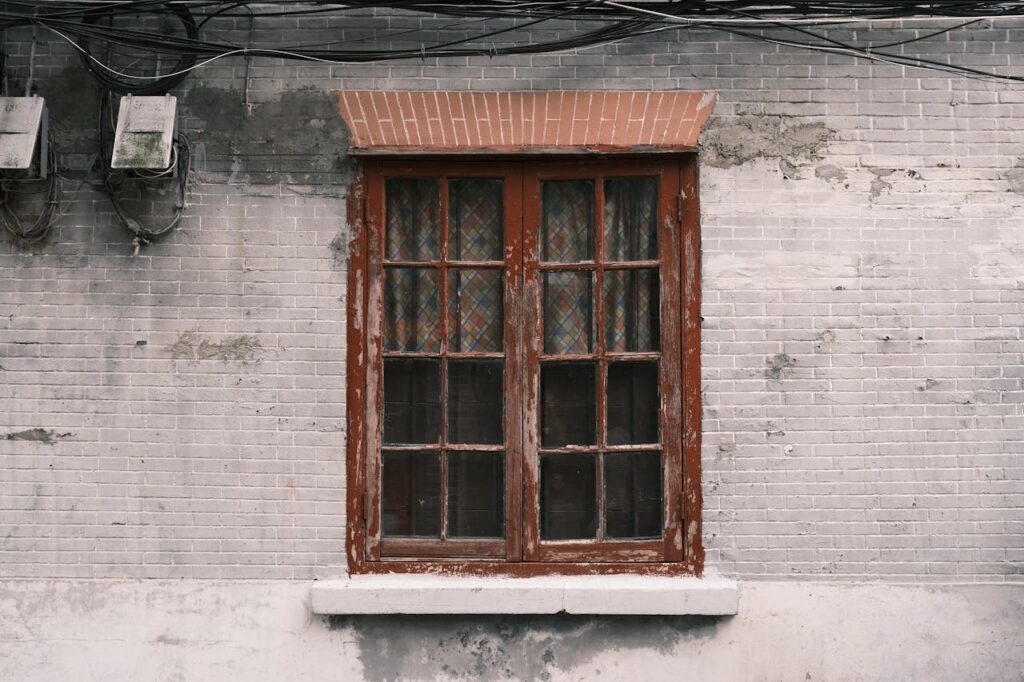
Water stains or discoloration in photos can indicate past water damage, mold, or ongoing issues that have not been fixed properly. While some listings may try to downplay the significance of these issues, they should never be ignored. Even if the photos are staged or taken in poor lighting, the presence of water stains could signal structural issues or plumbing problems that need to be addressed. If you notice these marks, ask the seller for more information or request a professional inspection to evaluate the damage and potential repair costs.
Unusual Floor Plans or Layouts

Sometimes a home with an unusual floor plan or layout can be a major red flag. If rooms are oddly shaped, small, or don’t flow well together, it may be a sign that the property was poorly designed or has been altered over the years. Even if the home looks great in photos, a strange layout can make the space less functional or harder to sell in the future. A quirky floor plan may work for some buyers, but it can also make the property harder to live in or resell.
Lack of Transparency About Property History

If the listing doesn’t provide any information about the property’s history—such as past ownership, major repairs, or any claims of damage—it could signal something’s being hidden. Sellers should disclose if the home has had issues like water damage, mold, or foundation problems. If the listing avoids discussing the property’s history or provides vague details, it may be worth digging deeper. Full transparency helps build trust and ensures you aren’t blindsided later.
Buying a home is a major commitment, and rushing into a decision can lead to costly mistakes. By watching out for these red flags in real estate listings, you can ensure that you’re making a well-informed decision. Always take the time to research the property thoroughly, ask questions, and seek professional advice before signing any contracts. Remember, a good deal is only a good deal if it’s the right home for you — not just the one with the lowest price.