
The playgrounds of the 1950s were thrilling, chaotic, and often downright dangerous by today’s standards. Kids played without helmets, without supervision, and without the layer of caution that defines modern childhood. These games reflected a culture that valued toughness, independence, and fearlessness, often at the expense of safety. Looking back, they offer a fascinating window into how dramatically parenting norms and public health priorities have changed. While some of these games shaped lifelong memories, there’s no denying that many would be immediately banned on today’s school grounds.
Crack the Whip
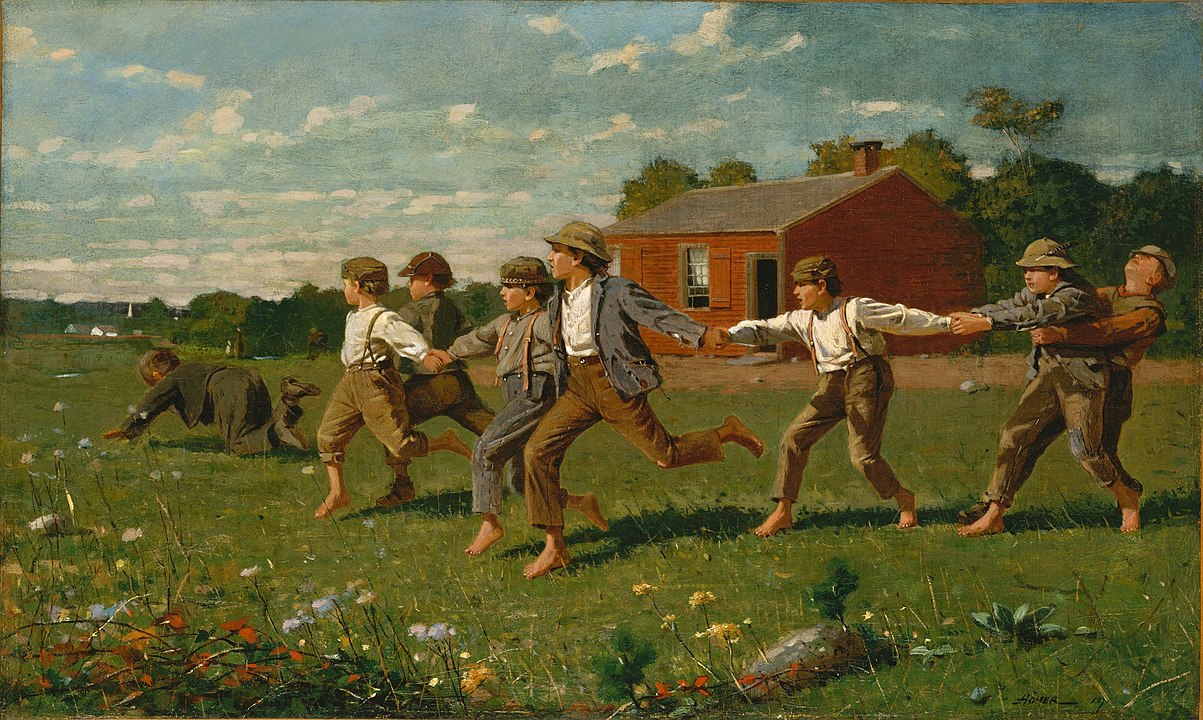
Crack the Whip was a high-energy favorite where a long chain of children held hands and ran in a curved line until the tail end whipped outward with force. Kids at the end would often be flung several feet across the playground, sometimes hitting the ground hard. Broken wrists, sprained ankles, and bruised elbows were common battle scars from this game. Despite the injuries, children loved the speed and chaos it brought. Today, no school would risk the liability of a game that literally launches children through the air.
Metal Merry-Go-Round Races
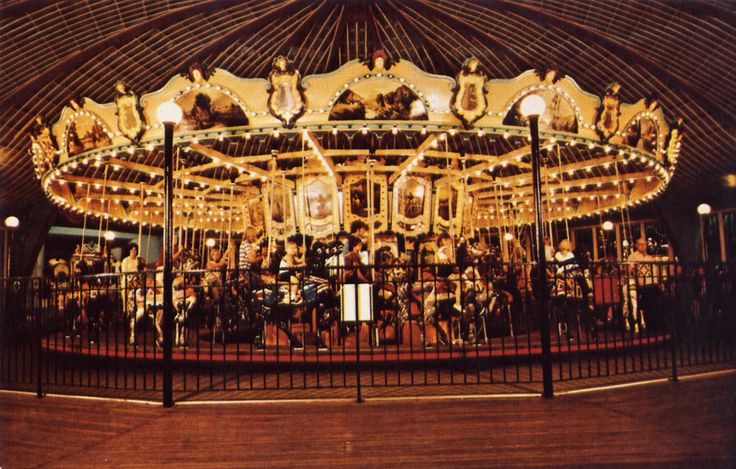
The heavy metal merry-go-rounds of the 50s were a magnet for thrilling but risky competition. Kids would push the wheel as fast as possible before jumping on, or worse, hanging from the edges as it spun wildly. Falls, head injuries, and friction burns were almost guaranteed during these races. The equipment itself became scorching hot under the sun, adding another layer of danger. Modern playground standards require slower, safer versions that prevent extreme spinning.
Dodgeball with Rubber Playground Balls
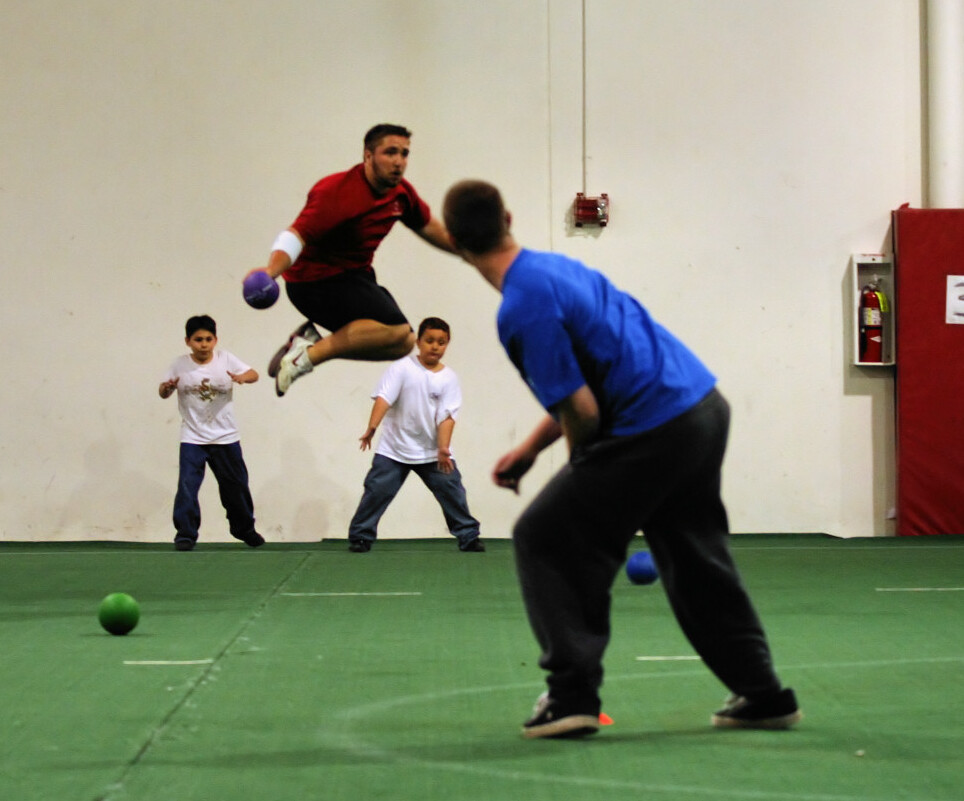
50s dodgeball wasn’t played with soft foam balls but with thick, painful rubber ones that could leave welts on contact. Kids threw them as hard as possible, often aiming for the face or stomach. The game rewarded speed and aggression, creating a survival-of-the-fittest atmosphere. Teachers rarely intervened unless someone was seriously hurt. Today, many schools regulate dodgeball or ban it outright due to injury concerns and bullying risks.
Red Rover
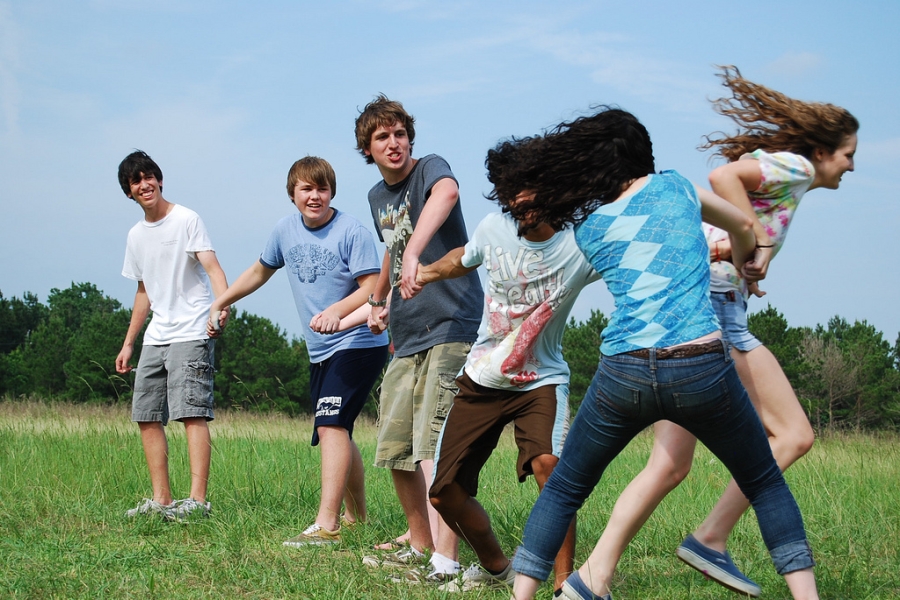
Red Rover demanded that kids form human chains and challenge individuals to break through with running force. Collisions were rough and often resulted in clothesline-like impacts or kids crashing to the ground. Wrist and shoulder injuries were common, and the game often paired mismatched sizes, increasing the risk. Once considered a staple of childhood, Red Rover is now widely discouraged for being too physically aggressive. Its legacy lives on mostly in nostalgic stories rather than playgrounds.
Jarts (Lawn Darts)
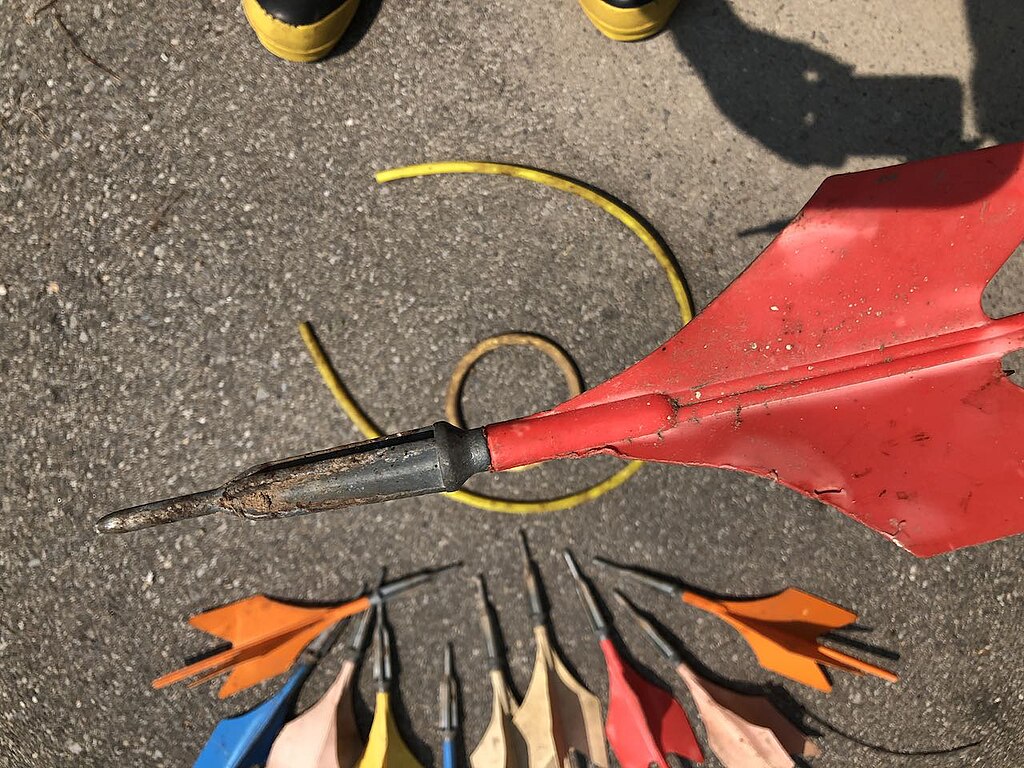
Although often played in backyards, Jarts frequently made appearances in schoolyard gatherings during the 50s. These lawn darts were heavy, metal-tipped projectiles meant to be lobbed at targets—but often landed unpredictably. Injuries ranging from deep puncture wounds to major head trauma led to the toy’s eventual ban in the U.S. It stands today as one of the most infamous hazardous toys ever sold. No modern school would allow anything resembling these sharp-tipped missiles.
King of the Hill
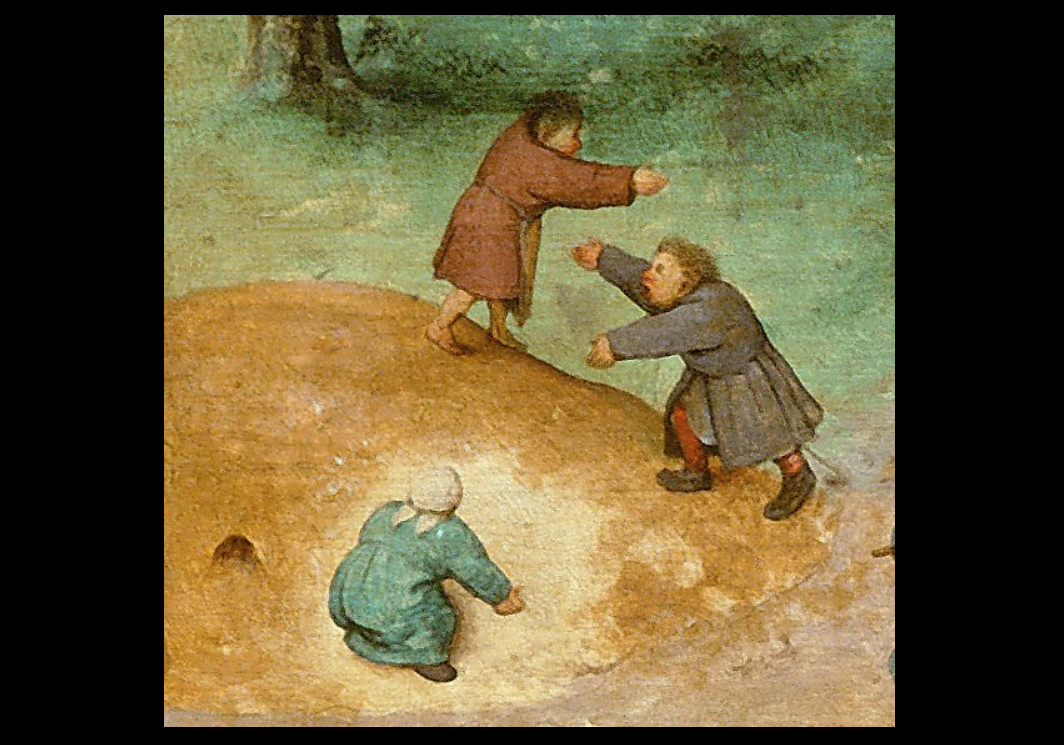
King of the Hill encouraged children to push and shove each other off a dirt mound or playground structure to claim dominance. While exhilarating for competitive kids, the game often escalated into rough physical clashes. Scraped knees and split lips were almost guaranteed, but more serious injuries like falls and sprains weren’t rare either. Schools today forbid any game involving physical force or deliberate shoving. Still, the competitive spirit of the game left a lasting mark on 50s playground culture.
Swing-Set “Underdogs”
In the 1950s, swing sets were invitations for daring stunts, with kids often trying to swing as high as possible before jumping off. The popular “underdog” push, pulling someone back and running under them, added even more risk by creating extreme forward momentum. Children frequently landed hard on their backs or arms, leading to sprains or fractures. Modern playground safety regulations strictly prohibit jumping from swings. Yet, for many, the thrill remains unforgettable.
Monkey Bar Chicken
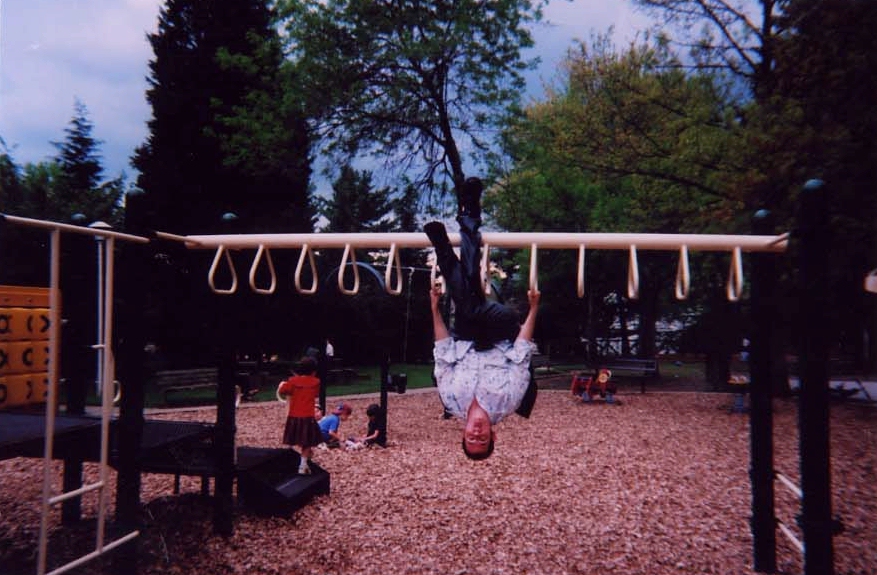
Monkey bar chicken required two kids to climb opposite ends and crawl toward each other until one surrendered and dropped. The game forced players to hang by thin metal bars that often blistered hands and led to falls. Kids would sometimes drop from heights of six feet or more, leading to broken bones or concussions. Modern monkey bars are shorter, softer, and designed for safe climbing rather than confrontation. This once-common dare game has completely disappeared from schools.
Skating Behind Cars
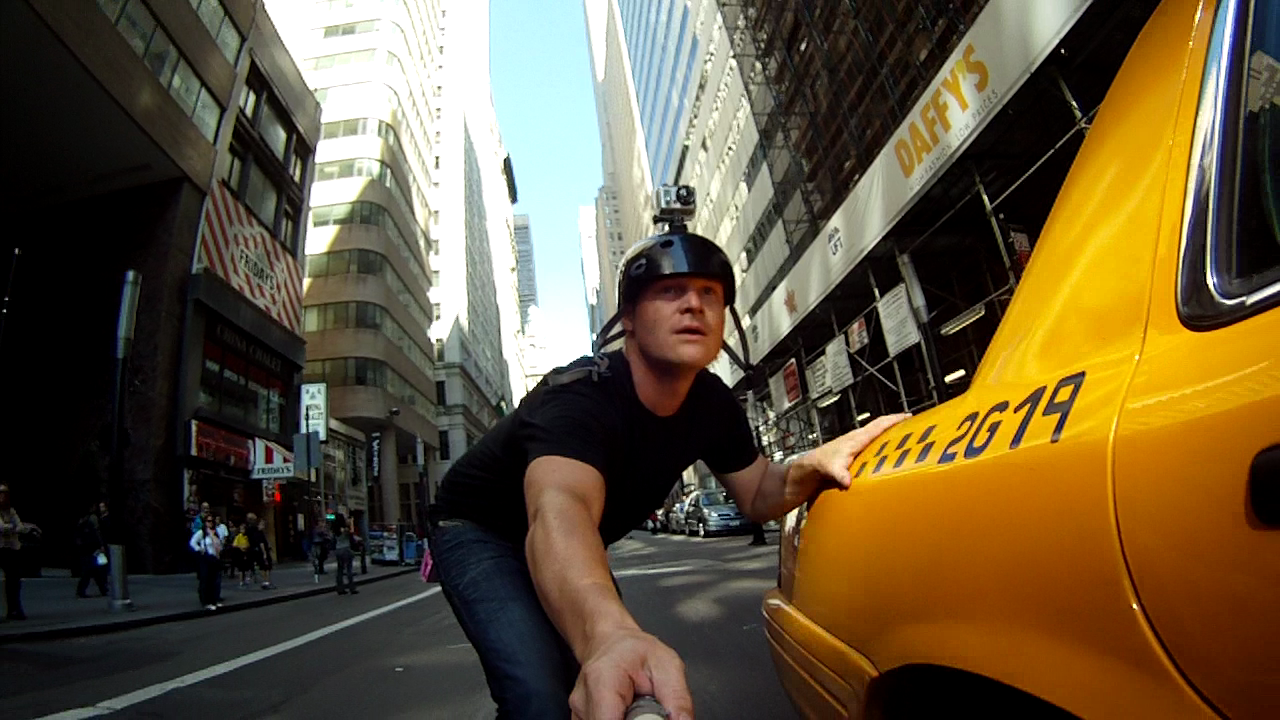
Known as “skitching,” this game involved kids grabbing the back bumper of slow-moving cars while wearing roller skates. It was thrilling but catastrophically unsafe, especially with drivers unaware of the stowaways. Falls onto pavement or run-ins with traffic were frequent risks. Even in the calmer suburban streets of the 50s, injuries were severe. Today, this would be illegal and considered highly dangerous by any standard.
Snowball Fights with Packed Snow
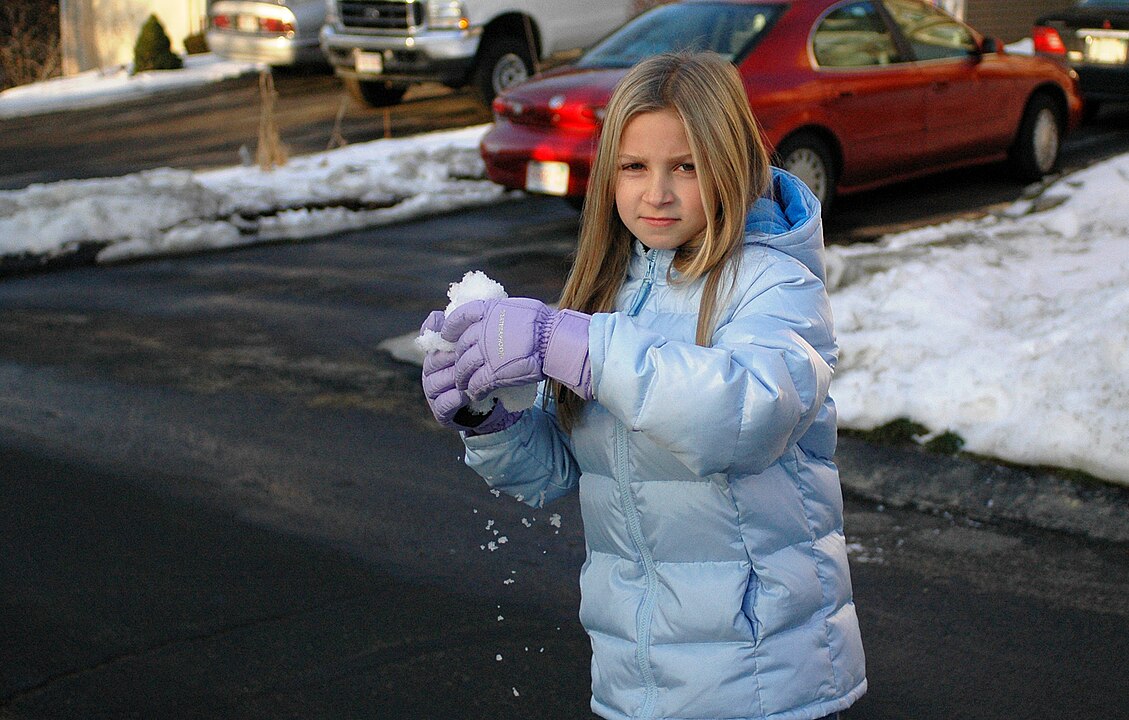
Snowball fights in the 50s often involved tightly packed, icy snowballs that hit like small rocks. Kids would throw them at close range, sometimes aiming for the head. Bruised cheeks, bloody noses, and black eyes were normal winter playground injuries. Today, many schools ban snowball fights entirely to prevent serious harm. Still, these battles were a hallmark of 50s winter fun.
Roller Skating Down School Hills
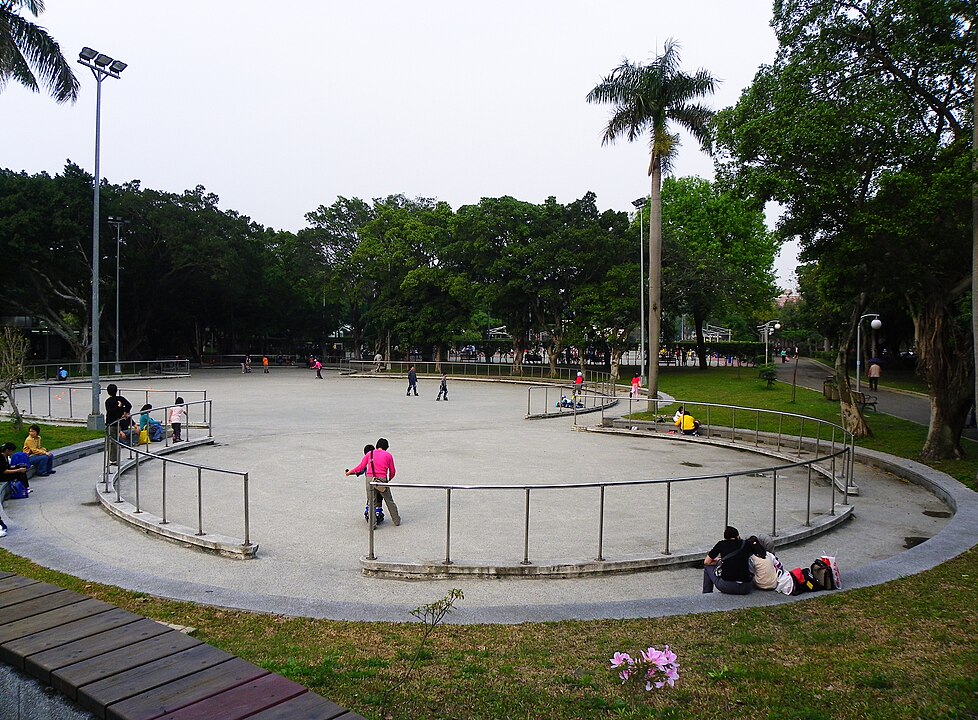
Kids in the 50s often brought metal-wheeled roller skates to school and sped down steep playground hills. The skates lacked brakes and control, leading to frequent falls on pavement. Knees, elbows, and wrists bore the brunt of these daring rides. Today’s safety gear requirements and supervised areas make such activities impossible on school grounds. For many, though, the thrill outweighed the danger.
Climbing Unsecured Trees
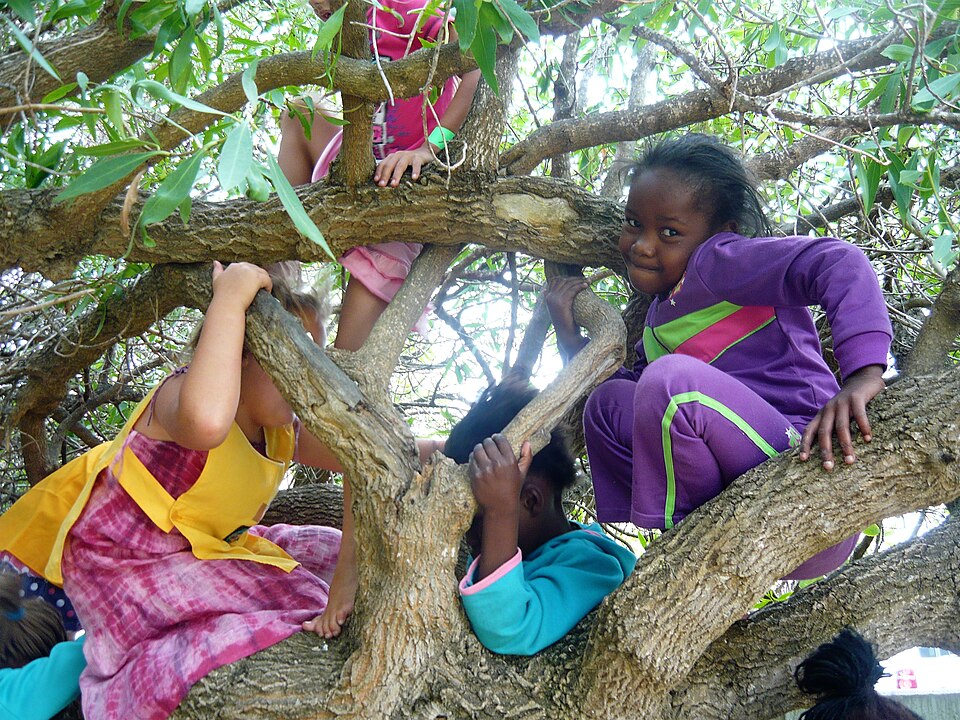
Tree climbing was a beloved pastime, but children often scaled high branches without any adult nearby. Falls from 10 to 20 feet were not unusual, and injuries ranged from sprains to broken bones. Schools rarely restricted access to trees, seeing the activity as harmless adventure. Modern liability concerns have nearly eliminated this practice on school campuses. Tree climbing today requires safety measures and adult oversight.