In recent years a phenomenon that many home buyers once dismissed as urban myth has become entirely real: neighbourhoods that felt firmly within reach for middle-class Americans are now priced far beyond most budgets. Amid supply constraints, shifting job markets, remote-work migration and booming demand in certain metro areas, many locales that once promised the American dream of home ownership have transformed into luxury outposts. The rising cost isn’t just about houses; it’s about an entire ecosystem of neighbourhood amenities, zoning restrictions and infrastructure limitations. Below are fourteen neighbourhoods whose entry-level days are largely over, along with reflections on what changed and why it matters.
Brooklyn’s Red Hook, New York
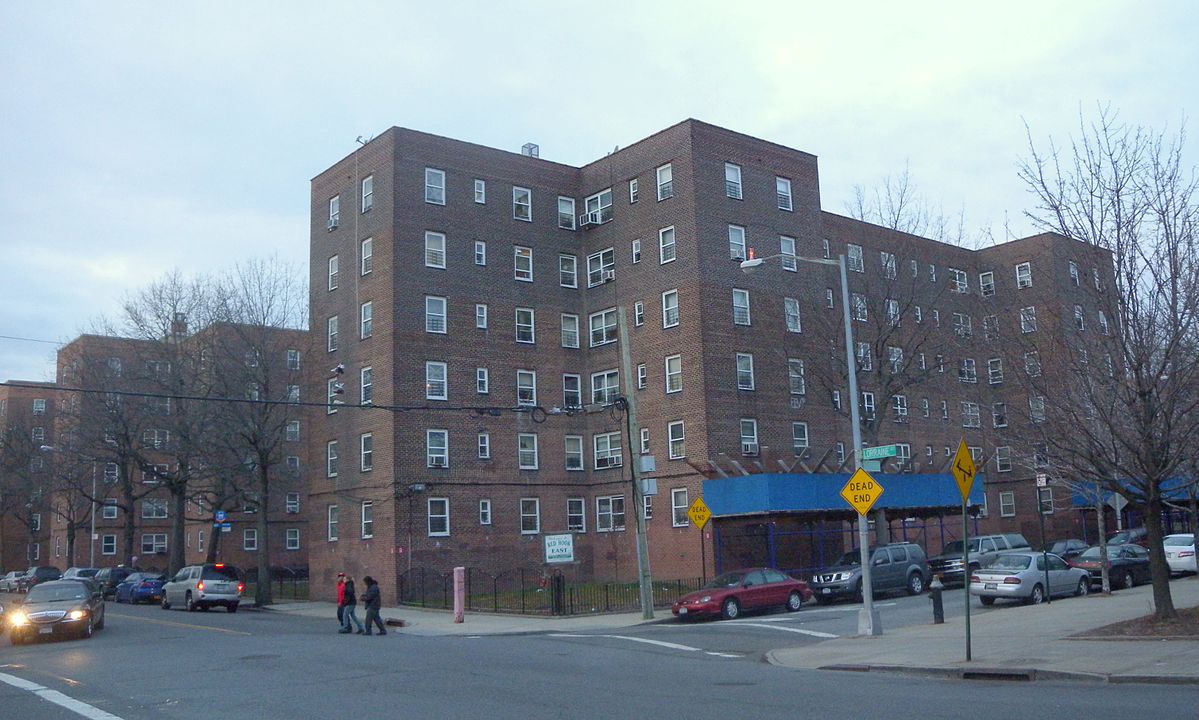
Red Hook was once a working-class waterfront neighbourhood with decaying piers and inexpensive lofts. Over the last decade it has become a hotspot for luxury conversions and boutique retail, pushing median home values sharply upward. What once might have been a “bargain” slice of Brooklyn now competes with central Manhattan in price per square foot. The infrastructure improvements and celebrity interest have driven demand, locking out many who once could afford to buy there. Today it stands as a reminder of how swiftly affordability can vanish in desirable urban fringes.
Washington Heights, Washington DC
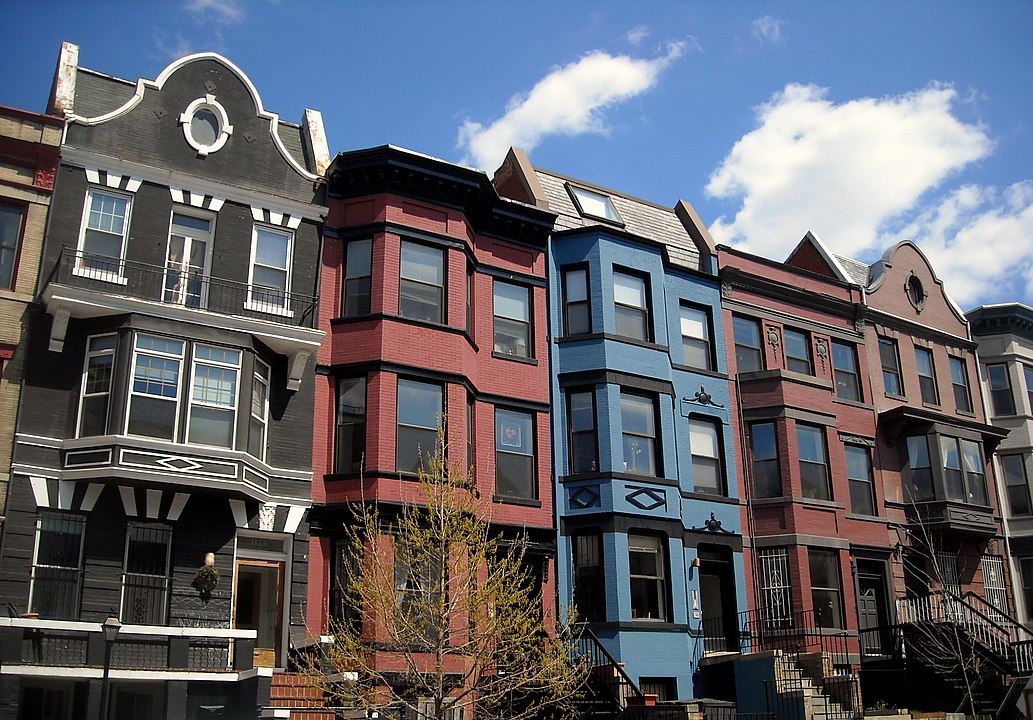
Previously one of the more affordable pockets of Washington D.C., Washington Heights offered value in a city increasingly dominated by high-ticket neighbourhoods. As tech firms, conference centres and federal-contract jobs expanded in the region, demand crept into its borders. New transit links, upgraded retail corridors and the flight of wealth into previously overlooked corners pushed prices upward. Today the very features that made it affordable, older housing stock, quieter streets, have been refreshed and revalued, leaving entry-level buyers with few options.
Seattle’s Rainier Valley, Washington
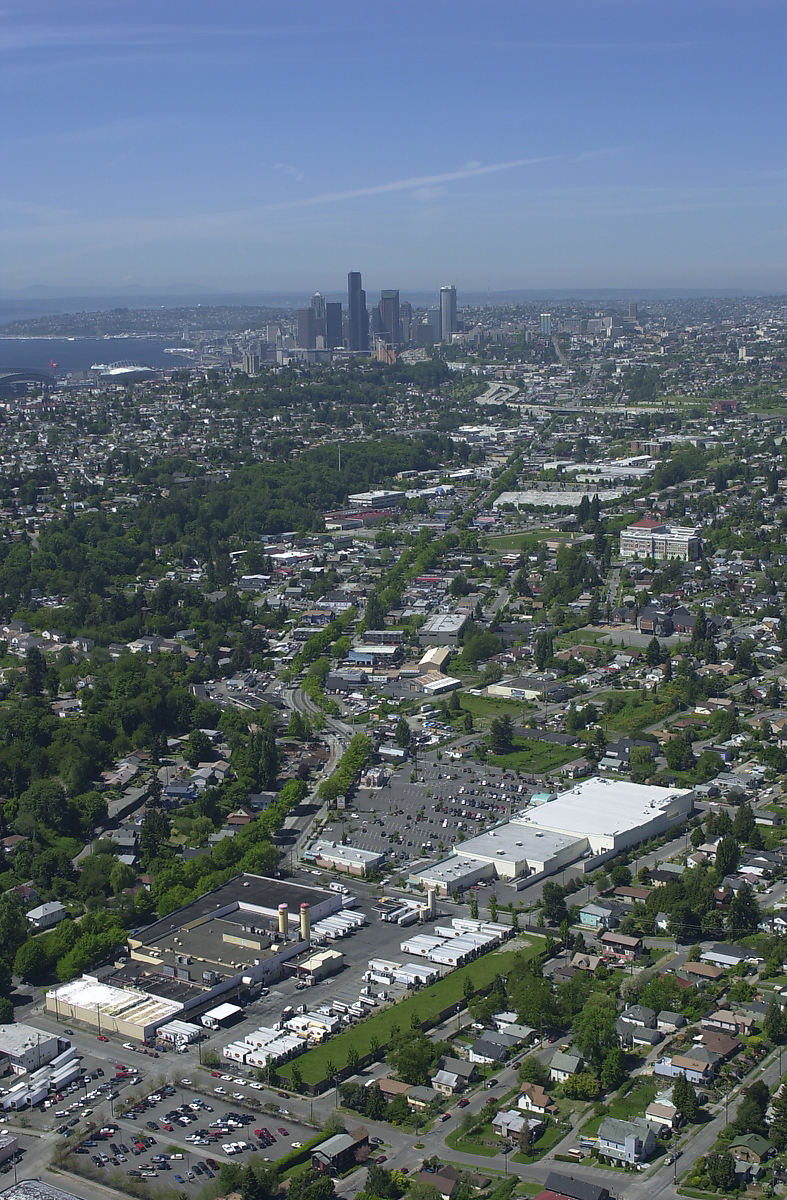
Historically diverse and more affordable than the north-lake neighbourhoods of Seattle, Rainier Valley benefited from proximity without the premium. With the explosion of tech wealth in the Seattle region, however, gentrification arrived in full force. Upgrades to Light Rail, a surge in high-end apartment developments and the conversion of older single-family homes into multi-unit luxury dwellings all pressed local prices upward. The result: what once was a stepping stone to the city now demands a premium far above its earlier trajectory.
Austin’s South Congress, Texas
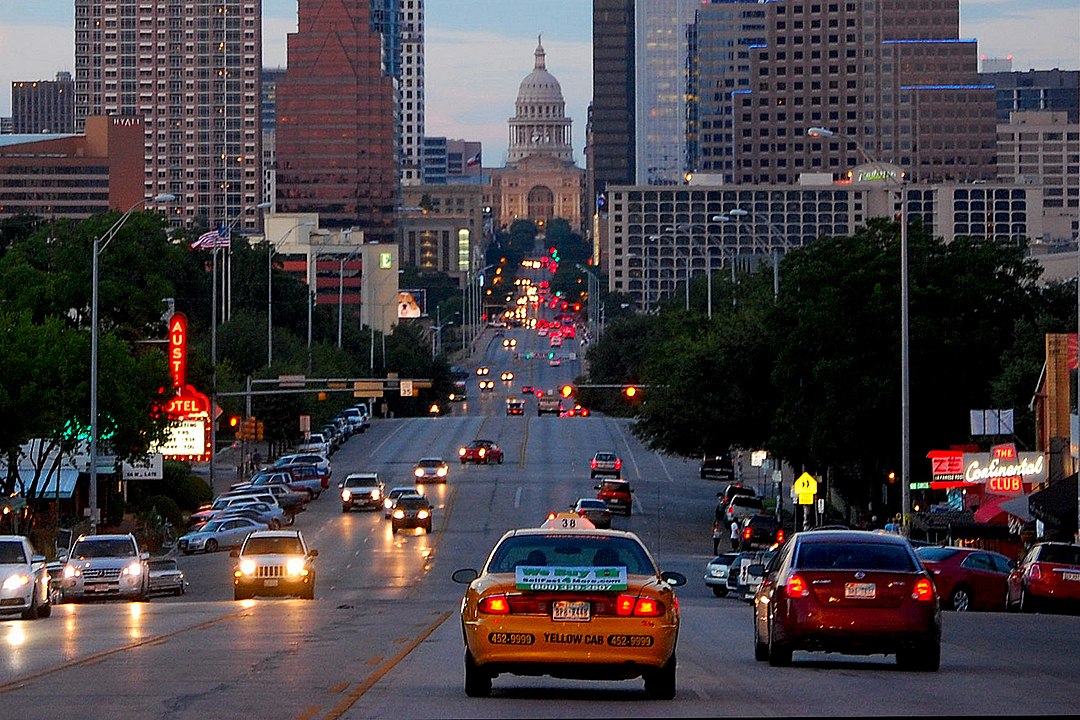
South Congress (SoCo) once stood out as a quirky, creative enclave on the edge of downtown Austin. Affordable housing, indie shops and live-music venues made it appealing to young professionals. But as Austin’s population exploded, investors and developers chased SoCo’s character, transforming it into one of the city’s most expensive corridors. Boutique hotels, high-end condos and celebrity sightings replaced mom-and-pop storefronts. The value proposition flips: what once was accessible is now aspirational.
Los Angeles’ Glassell Park, California
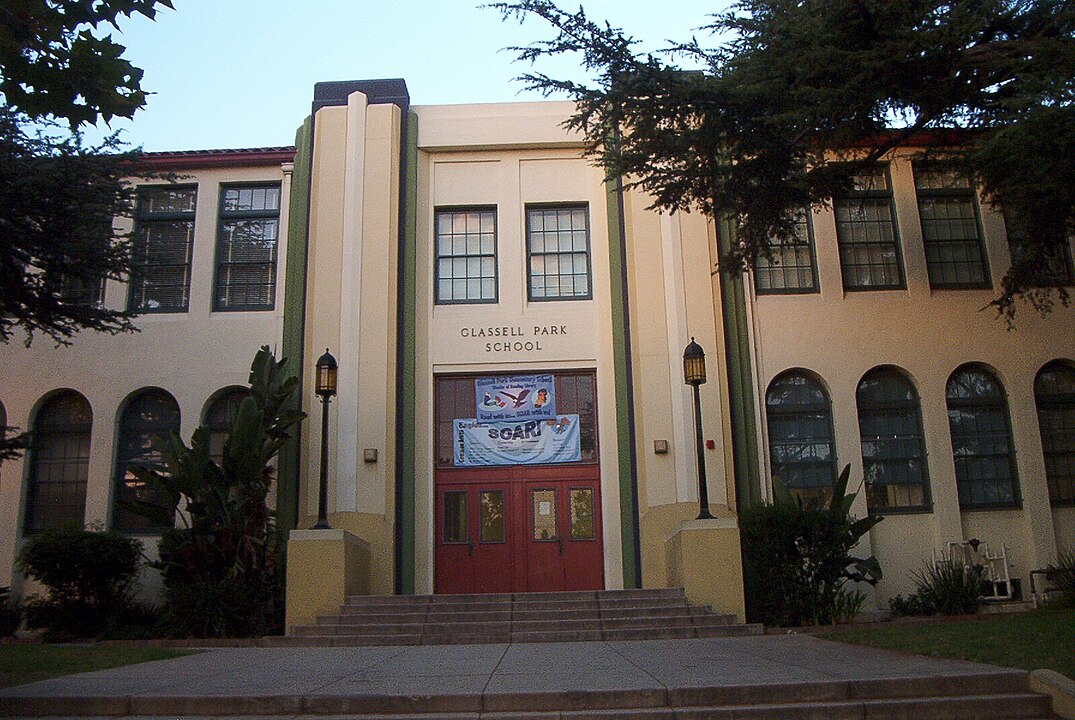
Glassell Park was once considered one of the more budget-friendly neighbourhoods in greater L.A., offering hillside views for less. As the region’s housing shortage deepened, home-buyers and speculators moved eastward. Renovations, infill building and rising rent prices followed, and now what used to be “cheap by Los Angeles standards” is solidly in the high-cost bracket. This shift illustrates how affordability often migrates outward until it’s swallowed by the same market pressures.
Denver’s Five Points, Colorado
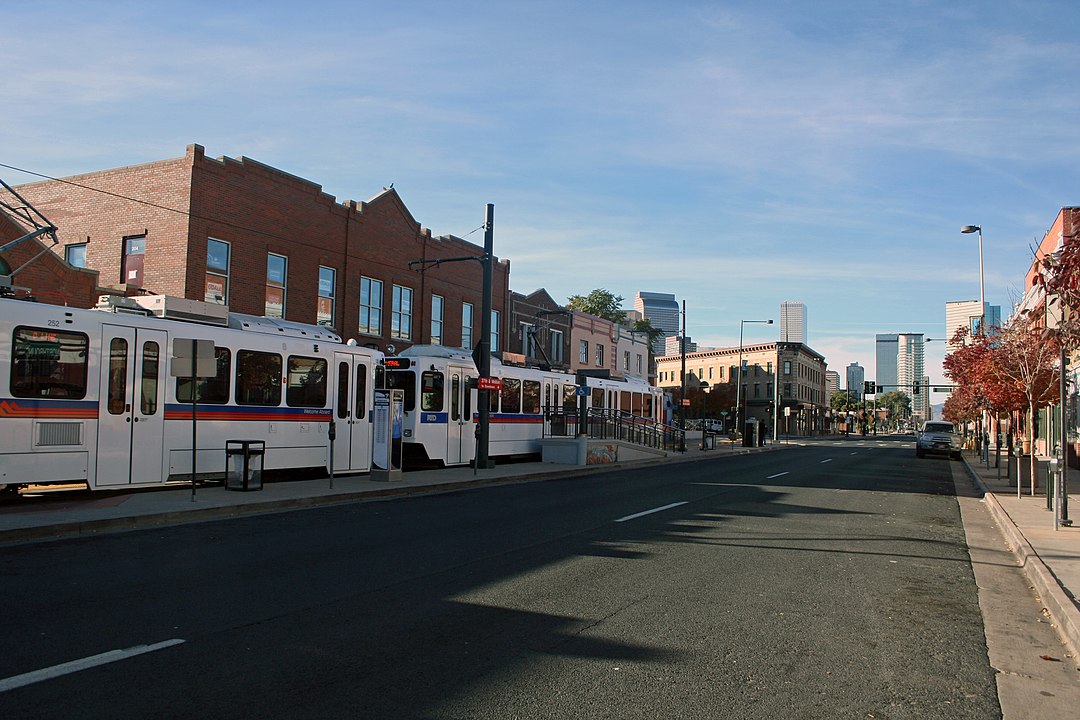
Once a historic but overlooked neighbourhood of Denver, Five Points offered older homes at modest prices. With the Denver metro’s rapid growth and influx of young professionals, Five Points became a target for redevelopment. The rejuvenation of its cultural district, new transit stations and influx of amenities made it desirable—and expensive. Today it’s emblematic of how central-city locations regain premium status once market forces align.
Miami’s Flagami, Florida
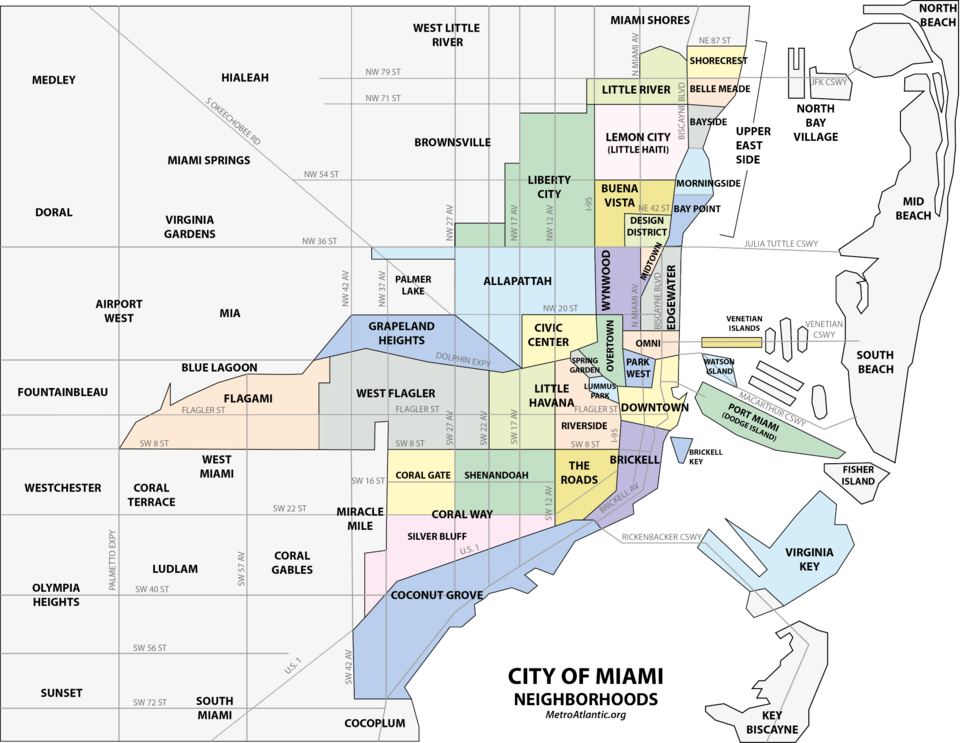
Flagami, once one of Miami’s more affordable neighbourhoods, has seen home-price appreciation as the city’s international appeal surged. Demand from global buyers, along with limited inventory, has pushed prices up. What once provided a possible mainland alternative is now expensive by local standards. For many, the neighborhood that once offered modest affordability now sits outside what younger middle-class buyers can easily access.
Phoenix’s Estrella Village, Arizona
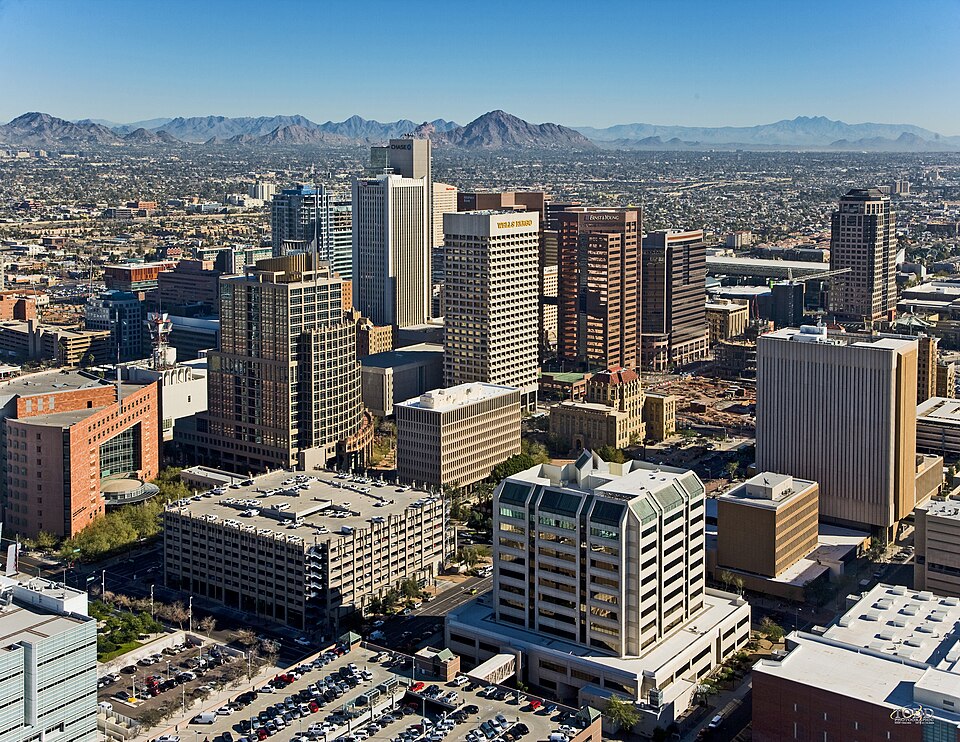
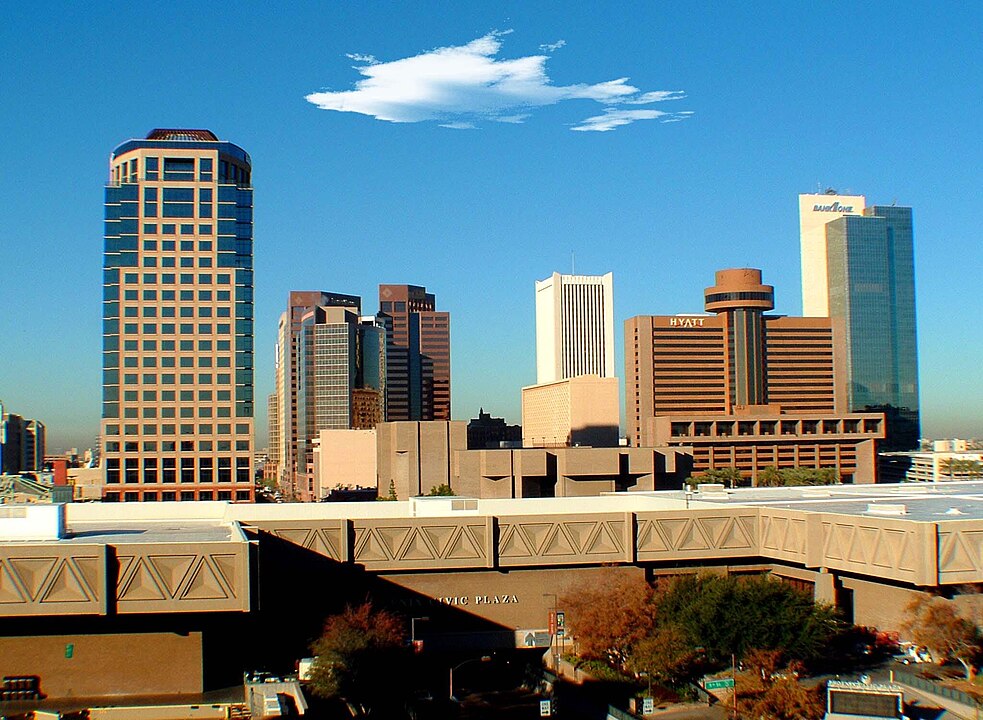
As Phoenix boomed, Estrella Village stood out for its relative affordability despite being within commuting distance of central metro jobs. But population growth, home-builder focus and land-use pressures shifted affordability into scarcity. The region’s price floor has risen, and Estrella Village now commands a level of price that would have once startled earlier buyers. It serves as a cautionary tale of how even traditionally “value” suburbs can accelerate into mainstream high-cost territory.
Chicago’s West Garfield Park, Illinois
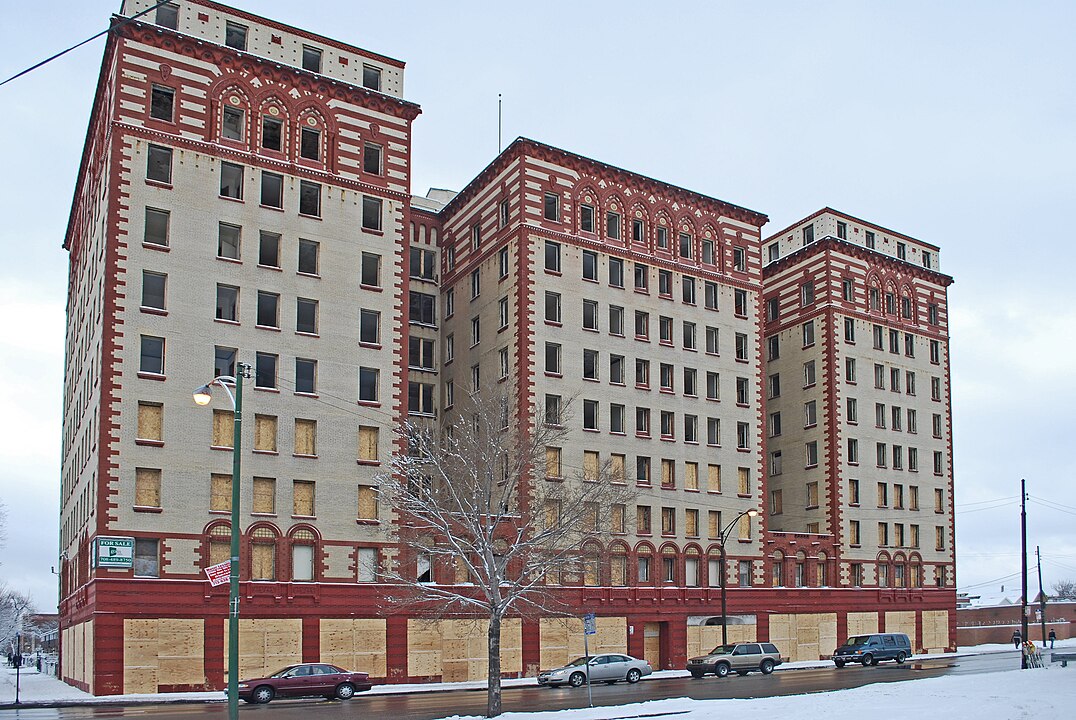
West Garfield Park was long one of Chicago’s more affordable neighbourhoods, older stock, fewer amenities, and lower demand. In recent years, however, a renewed interest in urban living, investments in infrastructure, and spill-over from pricier neighbourhoods have made it increasingly competitive. While it still might seem affordable compared to the city’s elite enclaves, the relative value has shrunk markedly. The step-up from entry housing to mid-level now looks steeper than ever.
Boston’s South End, Massachusetts
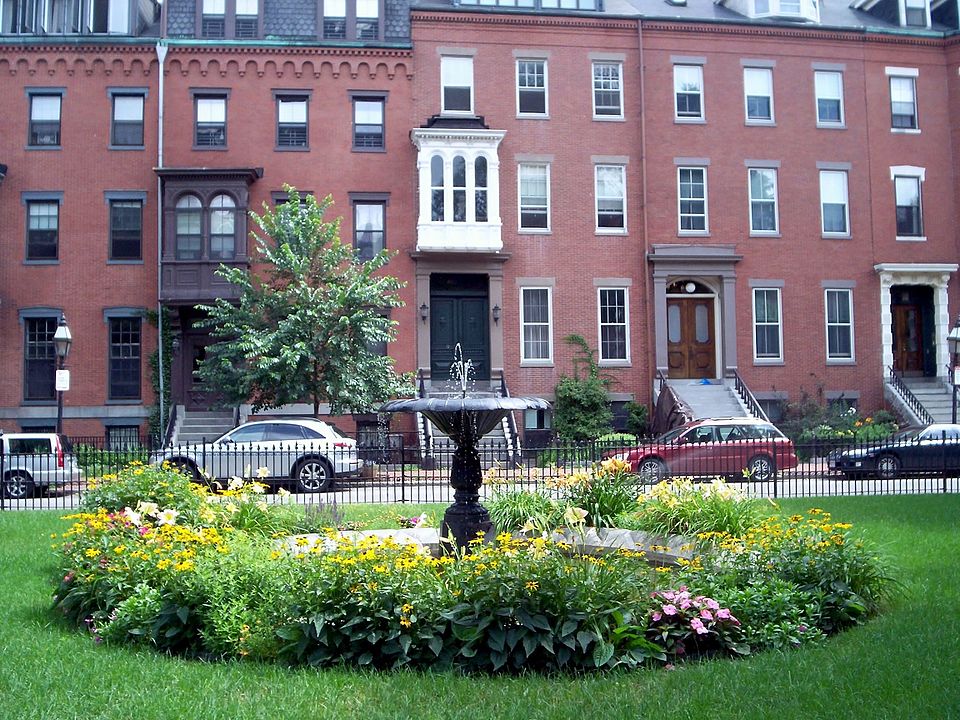
The South End long had a storied past and older housing, which historically made it comparatively more accessible than newer luxury districts. The combination of historic charm and downtown proximity made it a target for investment, renovations and upscale retail. Once lower-priced units have been replaced by high-end conversions, and brand-new luxury homes now define the market. For buyers hoping for an entry-point into the city, the game has changed.
Portland’s Alberta Arts District, Oregon

The Alberta Arts District once offered something of a hidden gem: creative energy, affordable housing and a strong neighbourhood community. As Portland itself attracted more residents seeking a lifestyle alternative, that district entered a wave of attention. Renovations, cafés, new construction trended upward, driving housing costs higher. What once invited risk-it-for-reward now requires deeper pockets to participate.
San Francisco’s Mission Bay, California
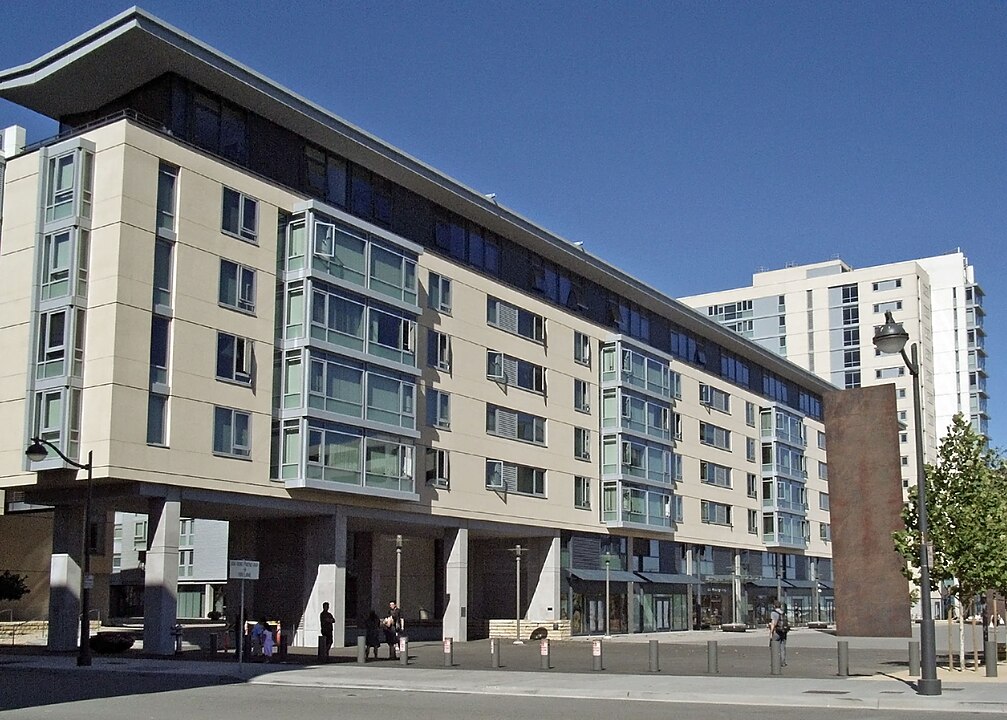
Mission Bay illustrates the apex of transformation. Formerly a relatively modest industrial zone adjacent to San Francisco proper, massive new development, biotech campuses and waterfront renewal have made it one of the city’s most expensive neighbourhoods. The “once affordable” label might seem generous now, but the trajectory is unmistakable: affordability has evaporated as demand, amenities and speculative investment converged.
Atlanta’s East Point, Georgia
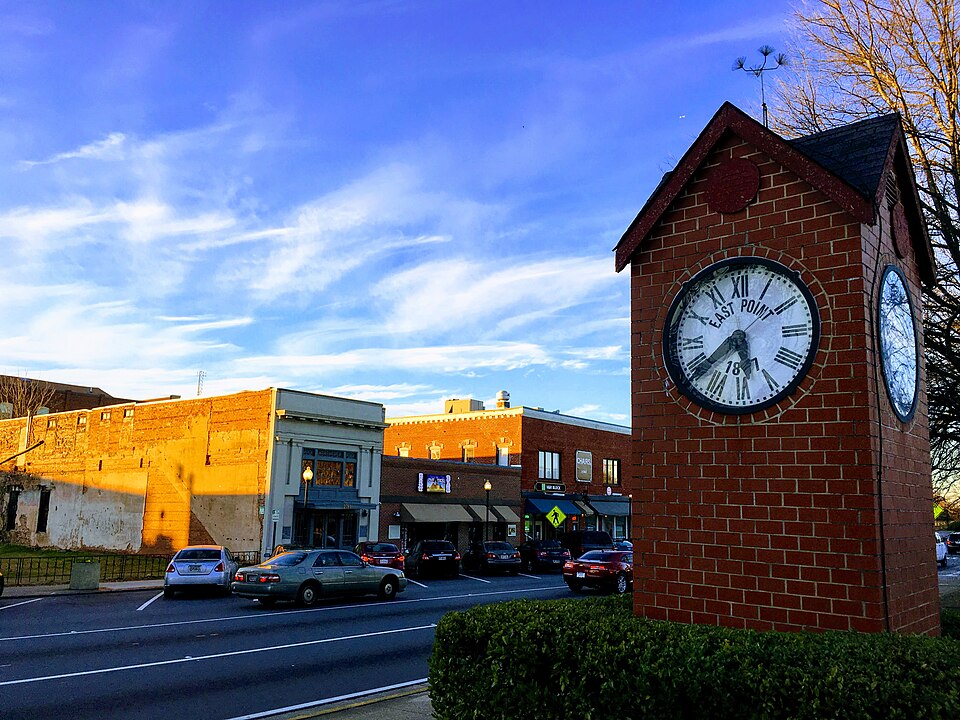
East Point, once a suburban alternative for value-conscious buyers, has been caught in the metro Atlanta growth swirl. Transit expansions, redevelopment of older housing stock and proximity to the airport and city core have turned what was once affordable into a more premium zone. The transition reveals how suburban affordability is not immune from metropolitan dynamics. Location, infrastructure and migration patterns all help dictate when affordability disappears.
Minneapolis’s North Loop, Minnesota
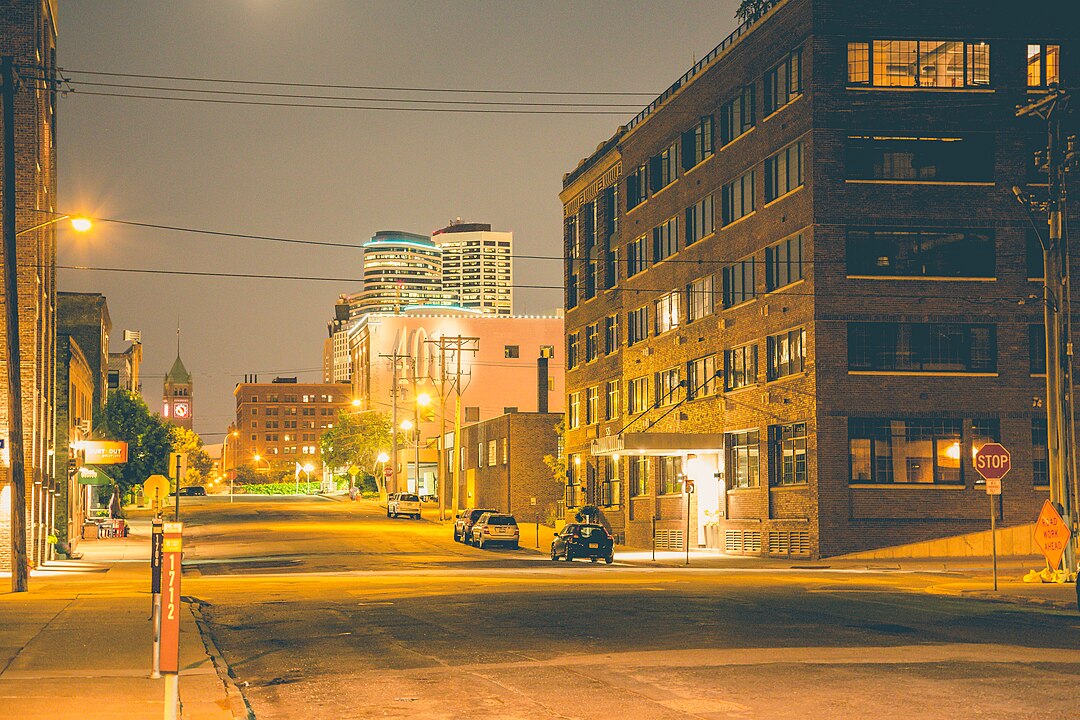
Minneapolis’s North Loop area once offered warehouse conversions and modest residential value minutes from downtown. As the city’s downtown revitalised, loft-living became fashionable, and the price of those post-industrial homes surged. What was a mid-tier option is now firmly at the high end. The lesson: proximity to core urban amenities increasingly translates to premium pricing, even in markets once thought insulated.