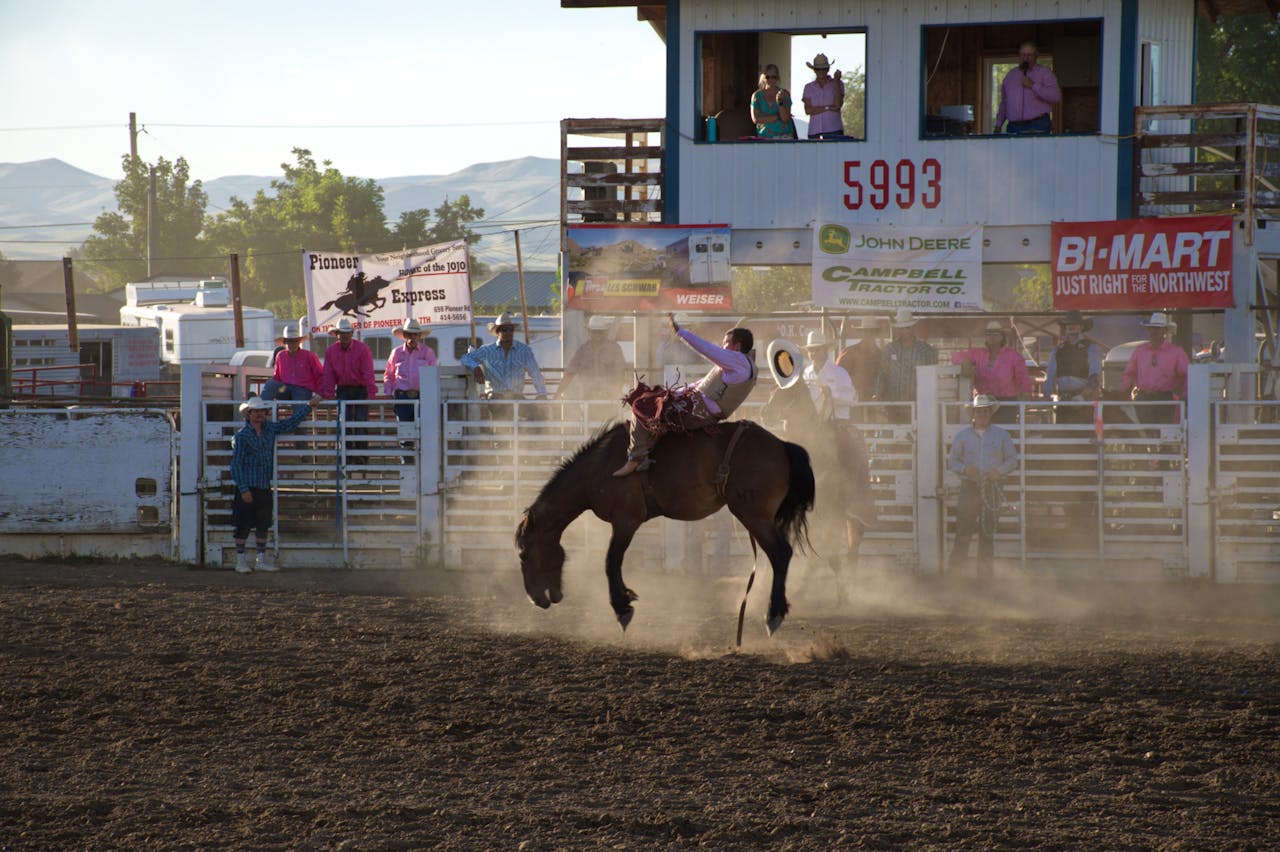
The American Old West left a lasting mark on culture, language, and everyday speech. Many phrases commonly used today have roots in cowboy life, frontier towns, and pioneer experiences. These sayings often survive without awareness of their origins. Understanding their history reveals a unique connection to American resilience, humor, and ingenuity.
“Don’t Shoot the Messenger”
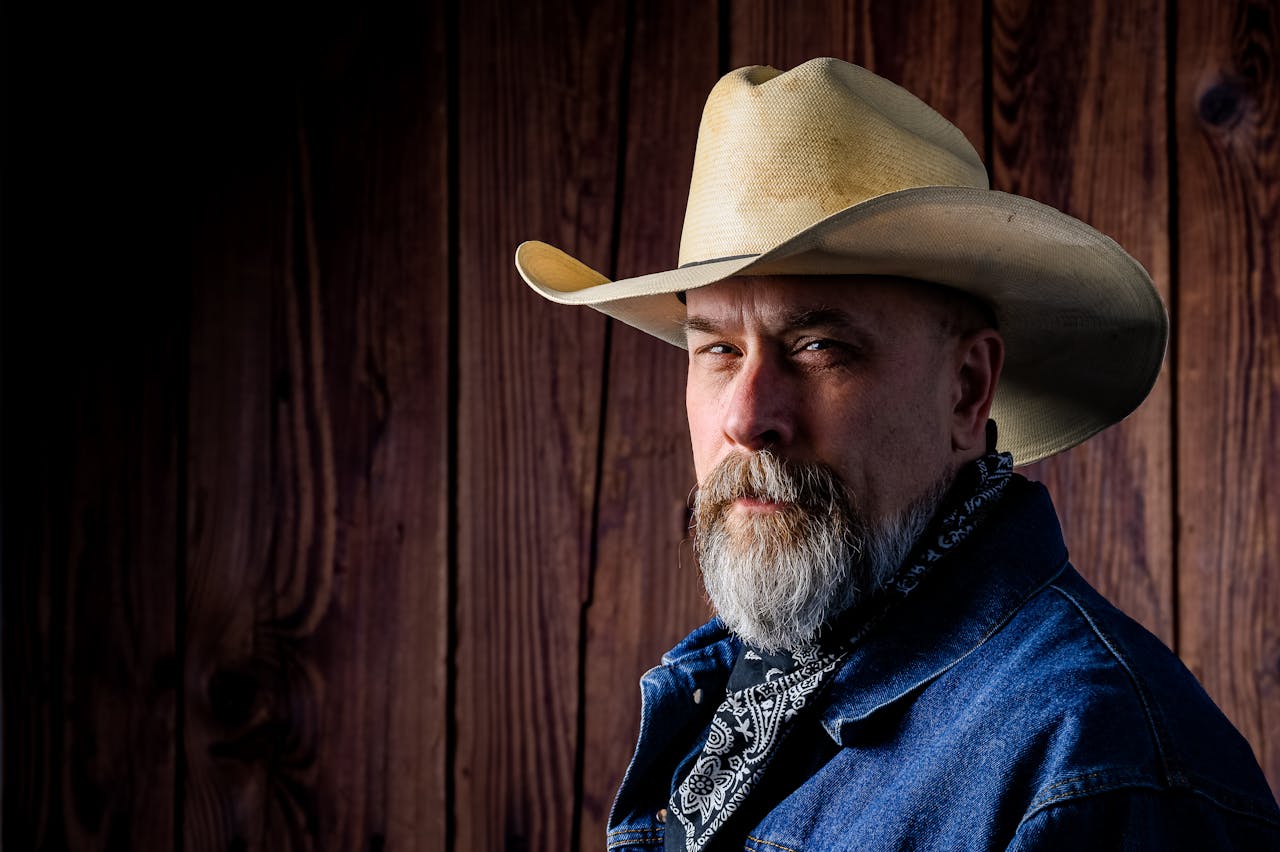
Originating from frontier disputes, this phrase warned against blaming the bearer of bad news. Cowboys and townsfolk often relied on runners or riders to deliver sensitive information. The saying persists today as a reminder to separate news from the person delivering it. Its use reflects the practical caution and direct communication style of the Old West.
“Bite the Bullet”
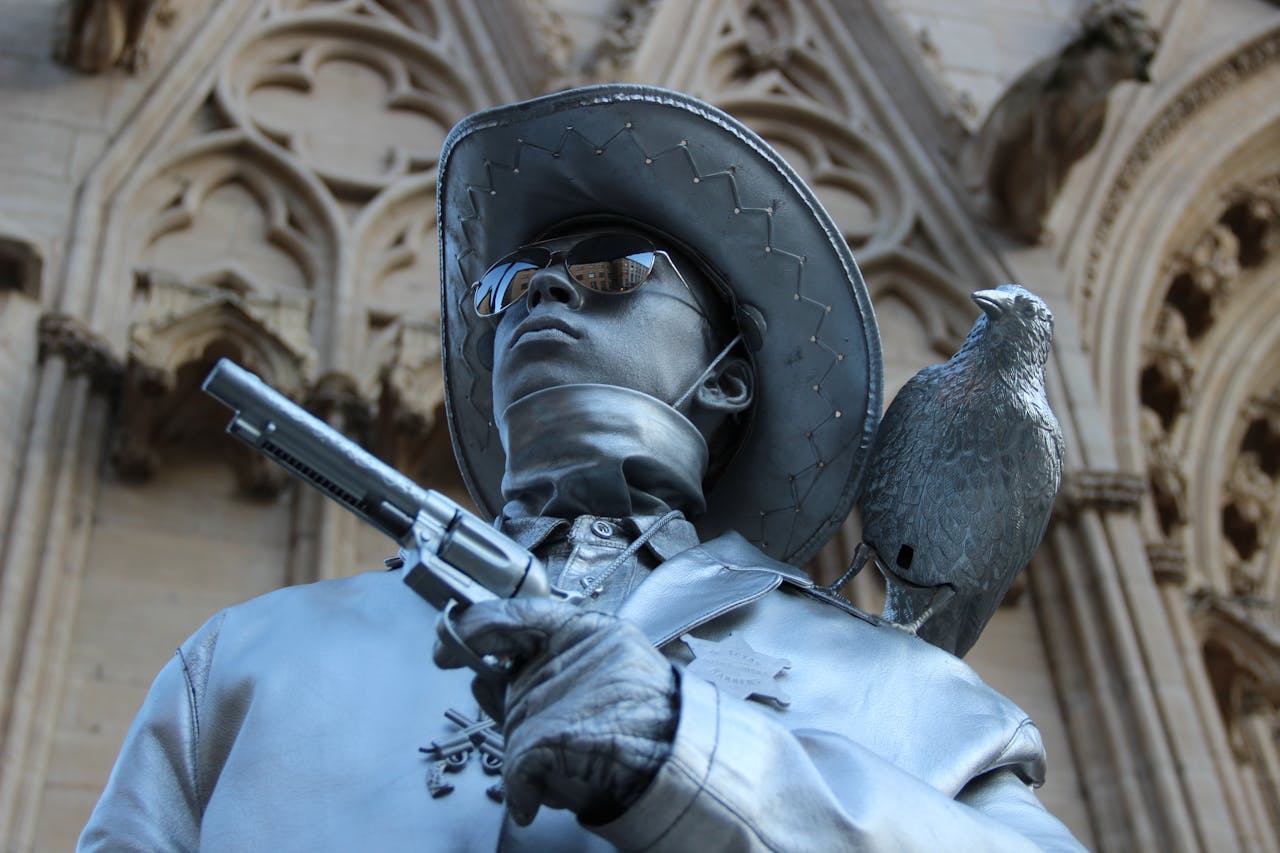
This phrase comes from battlefield and frontier medical practices, where soldiers or pioneers bit bullets during surgery. Pain management was crude, requiring fortitude and courage. Today, it means enduring hardship or facing challenges directly. Its survival in modern language reflects the rugged mentality valued in frontier culture.
“Hitting the Trail”
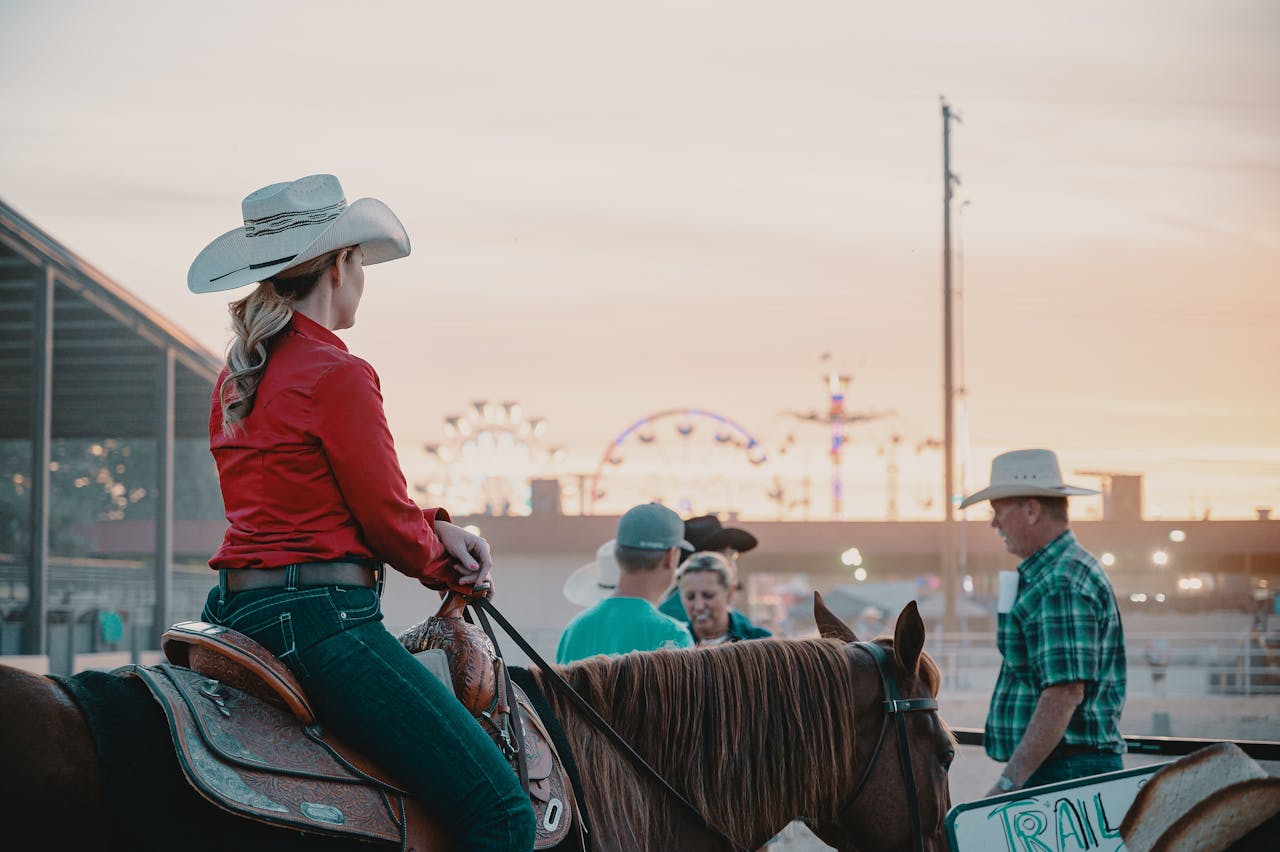
Used by cowboys and wagon trains, this phrase described setting out on a journey. Trails connected remote settlements and guided travel across difficult terrain. Today, it refers to starting a journey or leaving a place. Its persistence highlights America’s pioneering spirit and love of mobility.
“Riding Shotgun”

Originally referring to armed guards sitting beside stagecoach drivers, the phrase implied protection against bandits. Modern use denotes sitting in the front passenger seat of a vehicle. Its continued usage shows how frontier security practices influenced everyday language. The phrase evokes vigilance and responsibility.
“Mad as a Hatter”

Frontier and mining communities popularized this saying, linking odd behavior to mercury poisoning in hat-making. Today, it describes extreme anger or eccentricity. The expression survived through storytelling and literature. It demonstrates how occupational hazards became embedded in cultural idioms.
“Kick the Bucket”

This phrase, possibly tied to slaughterhouse practices, became a colloquialism for death. In the Old West, it described literal actions in rural settings. Today, it is widely used in casual conversation. Its survival shows the blending of frontier realism with humor in everyday speech.
“Break the Ice”

Used to describe initiating conversation in isolated frontier towns, this phrase referred to literally breaking river ice for travel. It evolved to mean easing social tension. Its continued use reflects the pragmatic and community-oriented problem-solving of pioneer life. Early settlers valued communication as much as survival.
“Penny Ante”

Gambling was a staple of saloons, and “penny ante” described low-stakes games. Today, it refers to minor or insignificant matters. Its persistence reflects the influence of frontier leisure activities on modern expressions. Gambling culture shaped both social interaction and colloquial language.
“Up the Creek”

Originating from canoe and river travel, being “up the creek without a paddle” described helpless situations. Today, it indicates being in trouble without solutions. Frontier settlers often faced environmental challenges requiring ingenuity. The phrase honors adaptability in the face of difficulty.
“Saved by the Bell”

This expression may trace to saloon or mining practices where a bell signaled intervention or reprieve. Today, it describes narrowly avoiding trouble or disaster. Its origin highlights how early American communities used practical signals and alerts to coordinate actions. Frontier ingenuity influenced everyday speech.
“Barking Up the Wrong Tree”
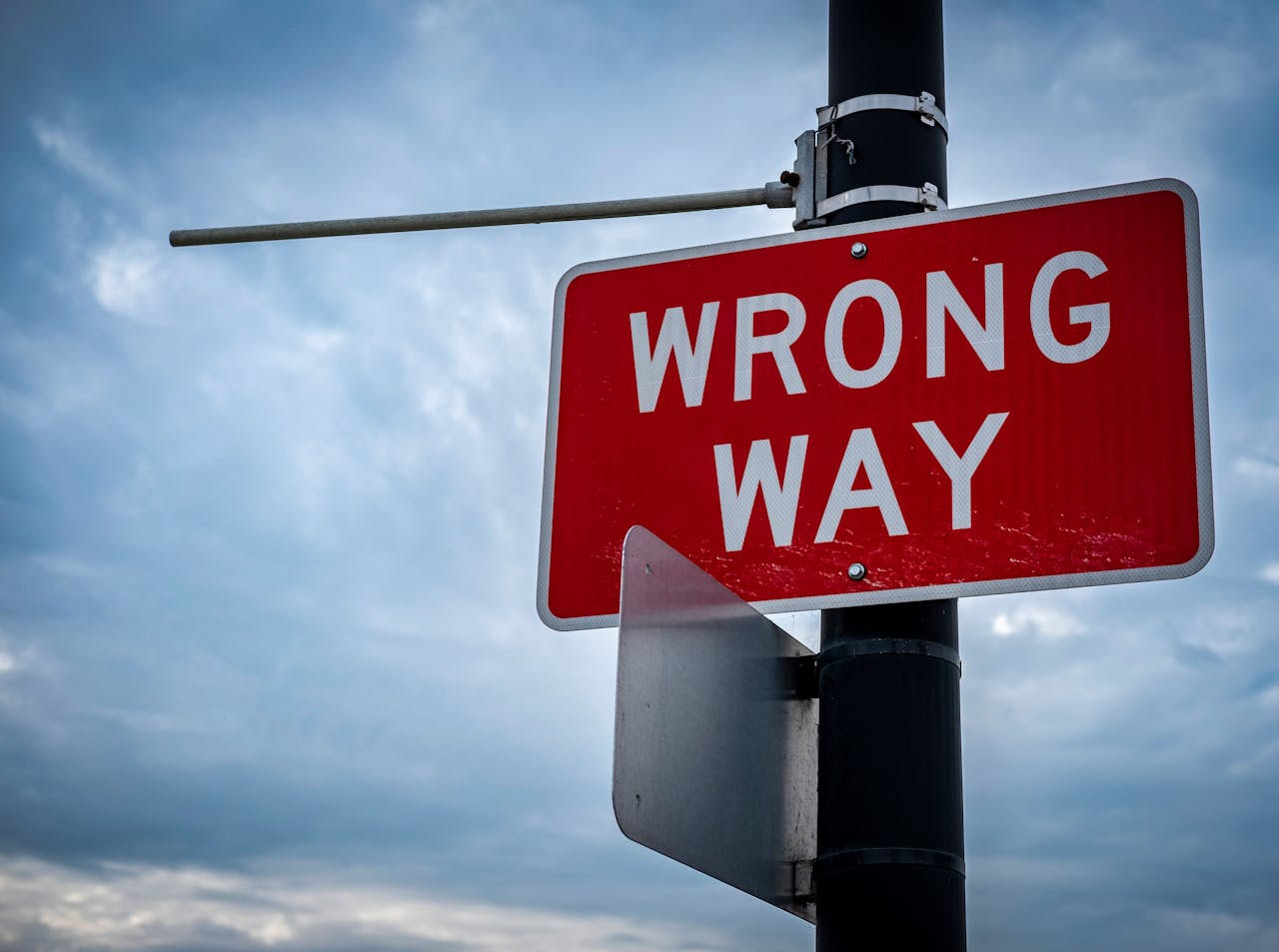
Hunting and frontier tracking gave rise to this saying when dogs pursued prey in the wrong location. Today, it means pursuing a mistaken course. Its persistence illustrates how frontier hunting culture embedded itself into figurative language. Problem-solving and observation were essential survival skills.
“Wild Goose Chase”
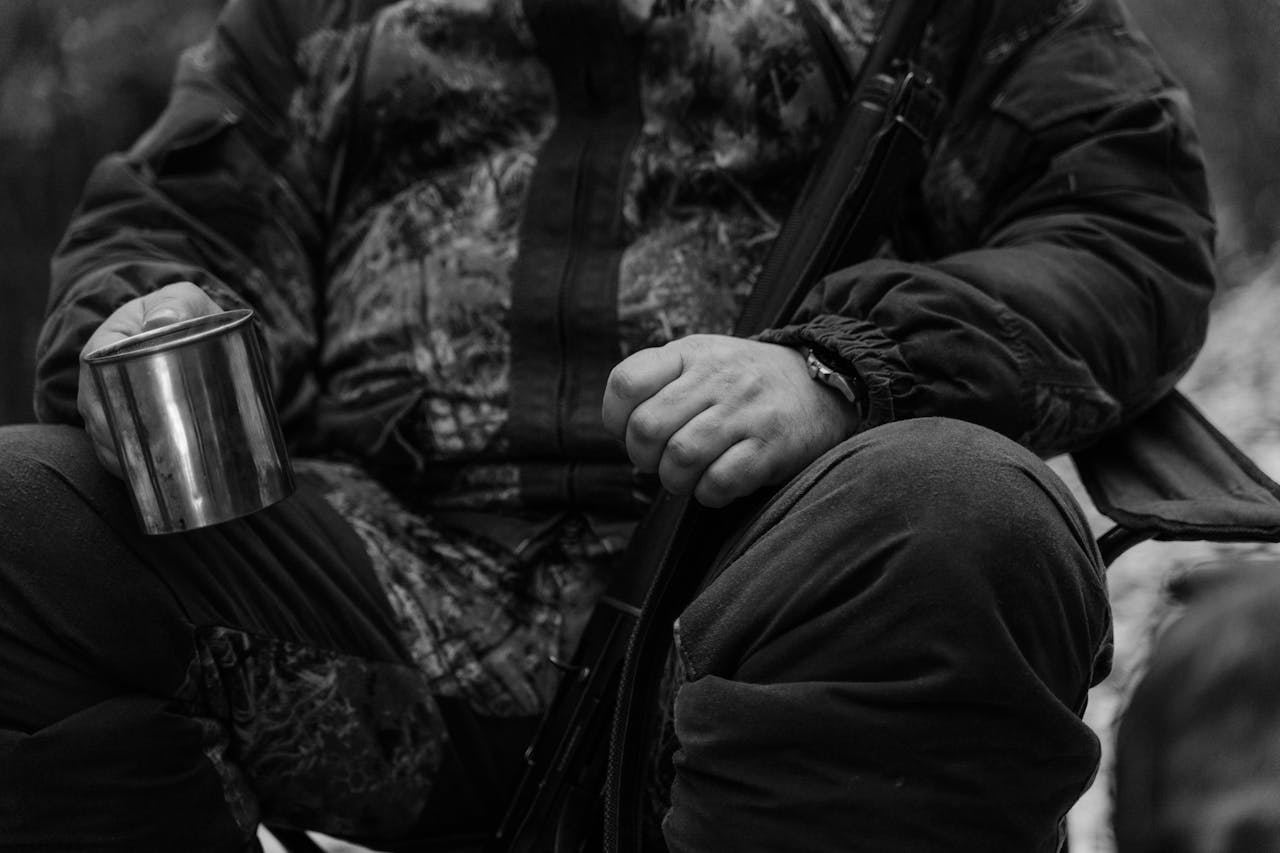
In frontier times, this described futile pursuits during hunting or exploration. Today, it means a pointless endeavor. The phrase conveys the unpredictability and challenge of pioneer life. Its continued use reflects admiration for effort, persistence, and perseverance, even in vain.
“Chew the Fat”

Cowboys and settlers used this phrase to describe leisurely conversation while relaxing after work. Today, it still refers to friendly, long discussions. Its survival highlights the social habits of frontier communities. Storytelling and conversation were essential for morale and cultural continuity.
“Hold Your Horses”
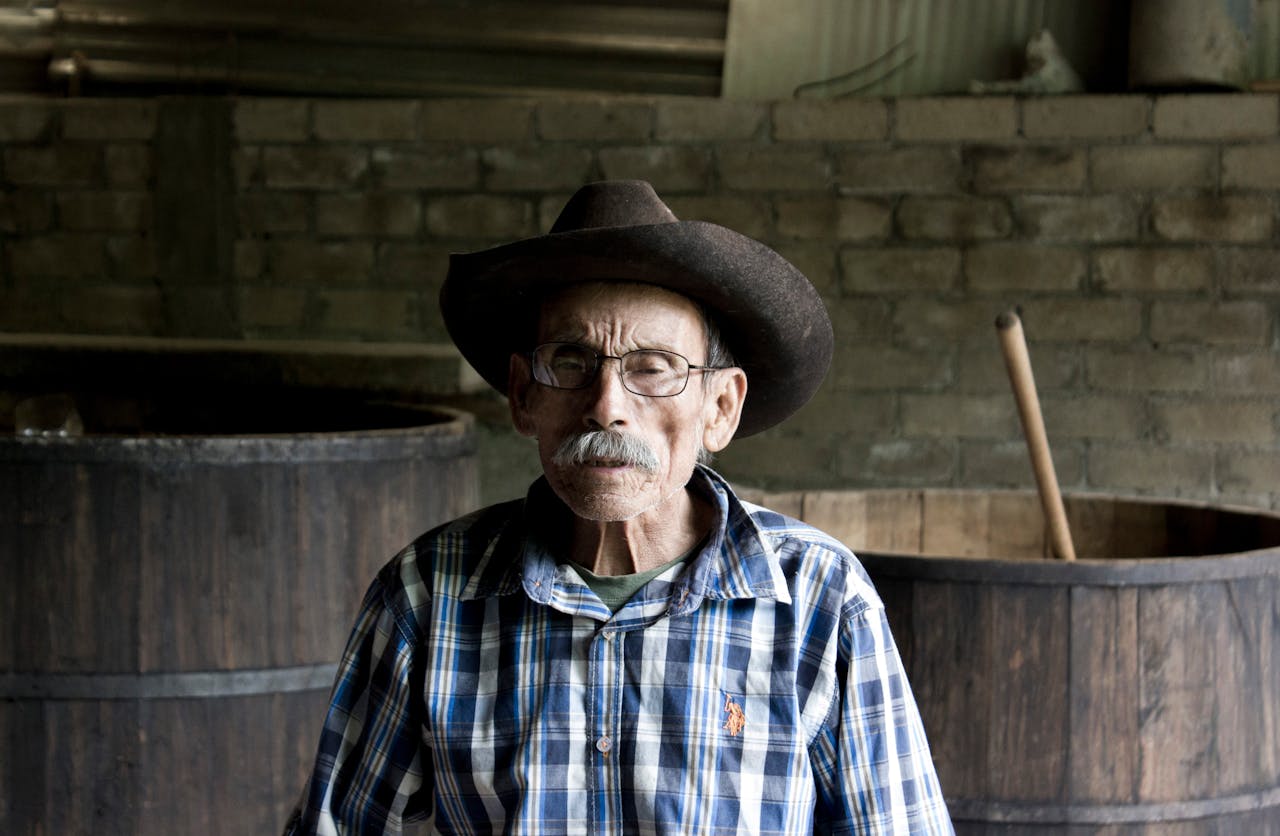
Frontier life demanded patience and control, especially when managing livestock. The phrase advised caution or delay in action. Today, it signals the need to wait or remain calm. Its endurance in everyday language preserves the practical wisdom of cowboy culture.