
America has a long history of banning foods for reasons that range from safety worries to surprisingly quirky laws. Some of these foods vanished from shelves for decades while others were only blocked in certain states, leaving people confused about why a harmless snack or ingredient suddenly became forbidden. These bans often reveal how public fears, shifting science, and political pressure shaped what families could or could not eat. Today these strange stories feel both funny and fascinating because they show how everyday foods can spark national debates. Here are fourteen odd items that were once ruled off limits in ways that still surprise people.
Raw Milk Sales
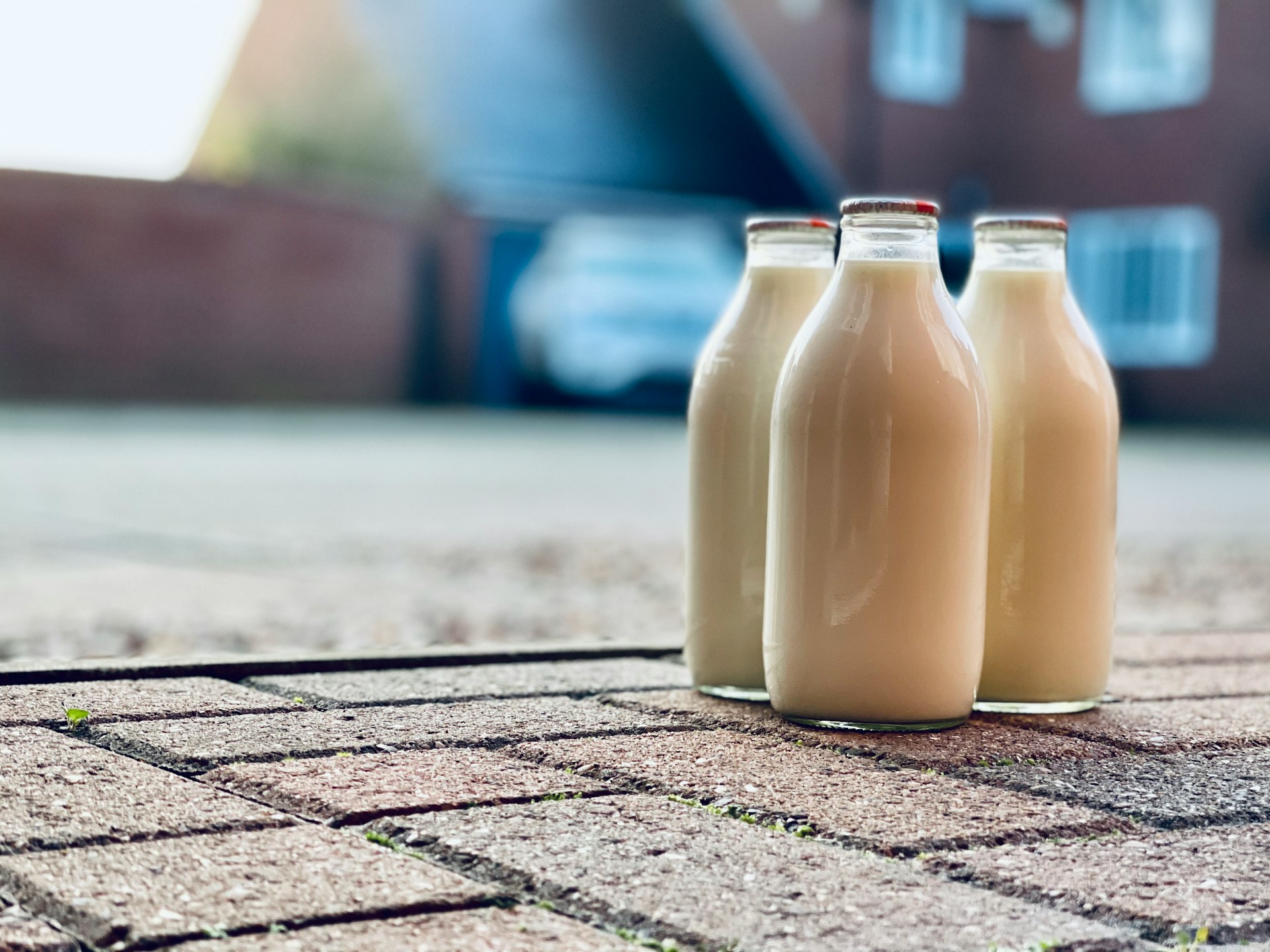
Raw milk became illegal in many states due to rising concerns about bacteria before modern pasteurization systems made dairy safer. Health officials feared outbreaks and pushed for strict rules that banned the sale of unpasteurized milk to the general public. Farmers and loyal drinkers disagreed, insisting raw milk had flavor and benefits worth keeping, which fueled long-running arguments. Even now some states continue restrictions while others allow limited sales with warning labels. The back-and-forth reflects how food rules often combine safety science with local tradition and stubborn nostalgia for simpler farm days.
Haggis With Sheep Lung
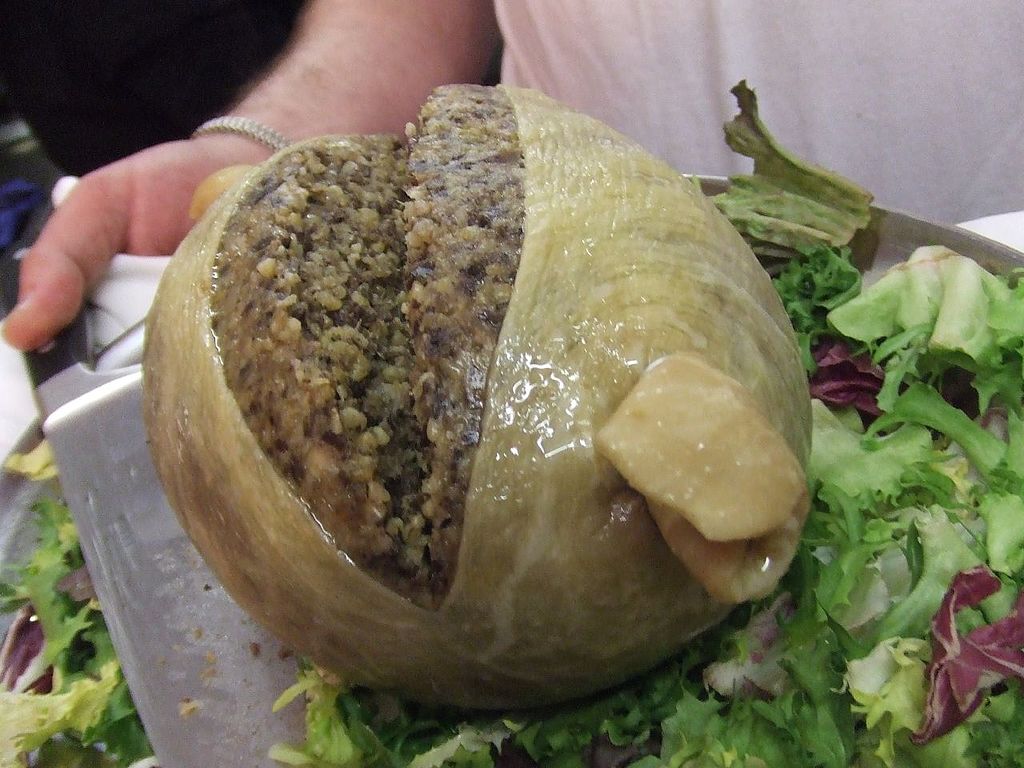
Haggis containing sheep lung was banned in the United States after regulators declared that air-exposed lung tissue could carry contaminants considered unsafe. The rule surprised many Scottish Americans who saw the dish as a cultural staple and celebrated it during winter gatherings. For decades importers tried to argue for safer preparation methods but the lung restriction held firm. Even today the original version cannot be sold, forcing alternative recipes that purists claim miss the signature texture. The ban remains one of the most peculiar examples of cultural food colliding with American safety codes.
Kinder Surprise Eggs
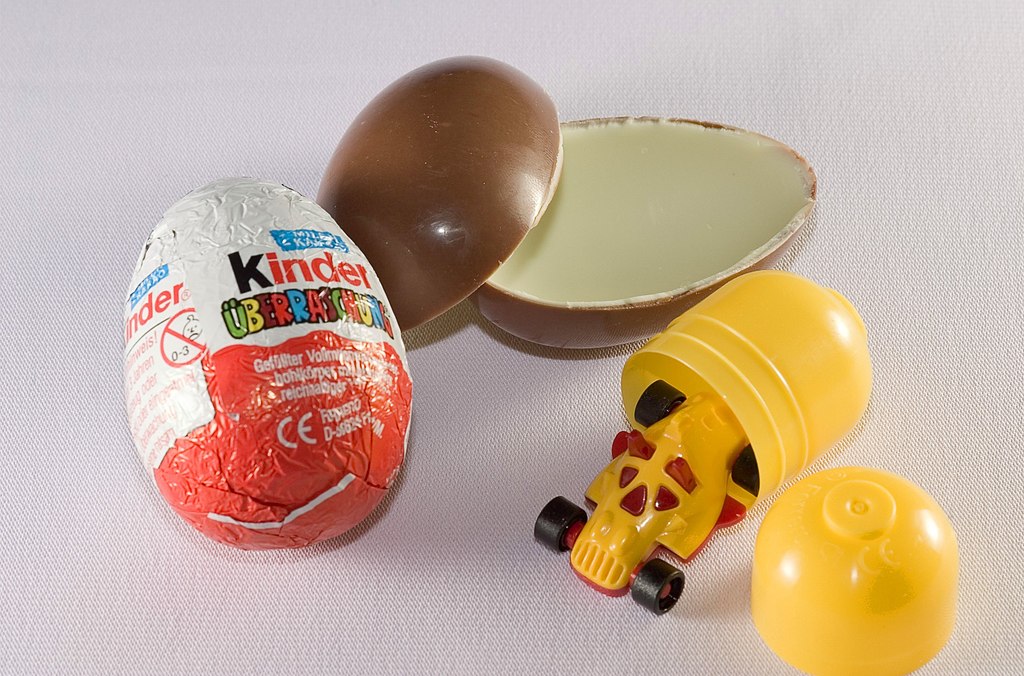
Kinder Surprise Eggs were once banned nationwide because U.S. law forbids embedding non-food objects inside edible items. Regulators worried a hidden toy could pose a choking risk which led border agents to seize thousands of eggs every year. Families traveling from abroad were stunned to learn a chocolate treat was considered contraband. The ban lasted for decades until a redesigned version with a separated inner capsule finally passed inspection. The long prohibition turned these innocent sweets into a tiny symbol of strict U.S. safety rules and a childhood curiosity smuggled in carry-on bags.
Shark Fin Soup
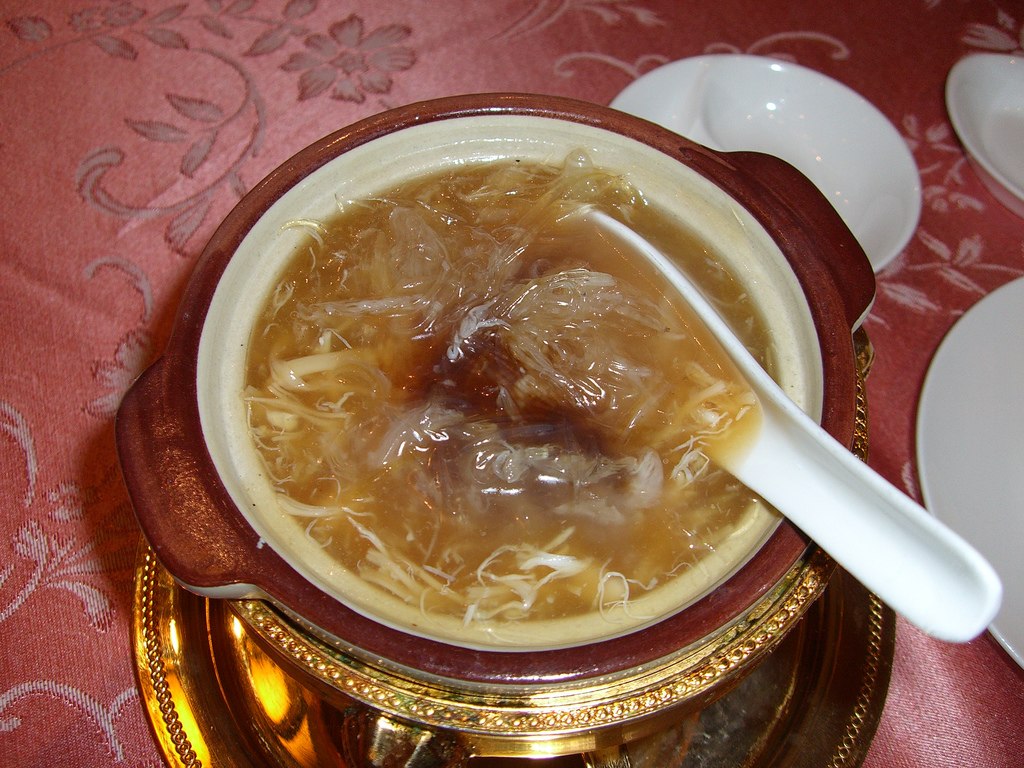
Several U.S. states banned shark fin soup to help protect threatened shark species after reports revealed widespread fin harvesting that harmed marine ecosystems. The soup had long been served at special celebrations, especially in some Asian American communities, which made the ban both emotional and controversial. Conservation groups pushed hard for restrictions claiming the dish encouraged unsustainable fishing practices. Restaurants adapted by offering alternative soups that mimicked the original texture. The ban highlighted how food laws can intersect with cultural tradition, wildlife protection, and changing public awareness about the ocean.
Horse Meat
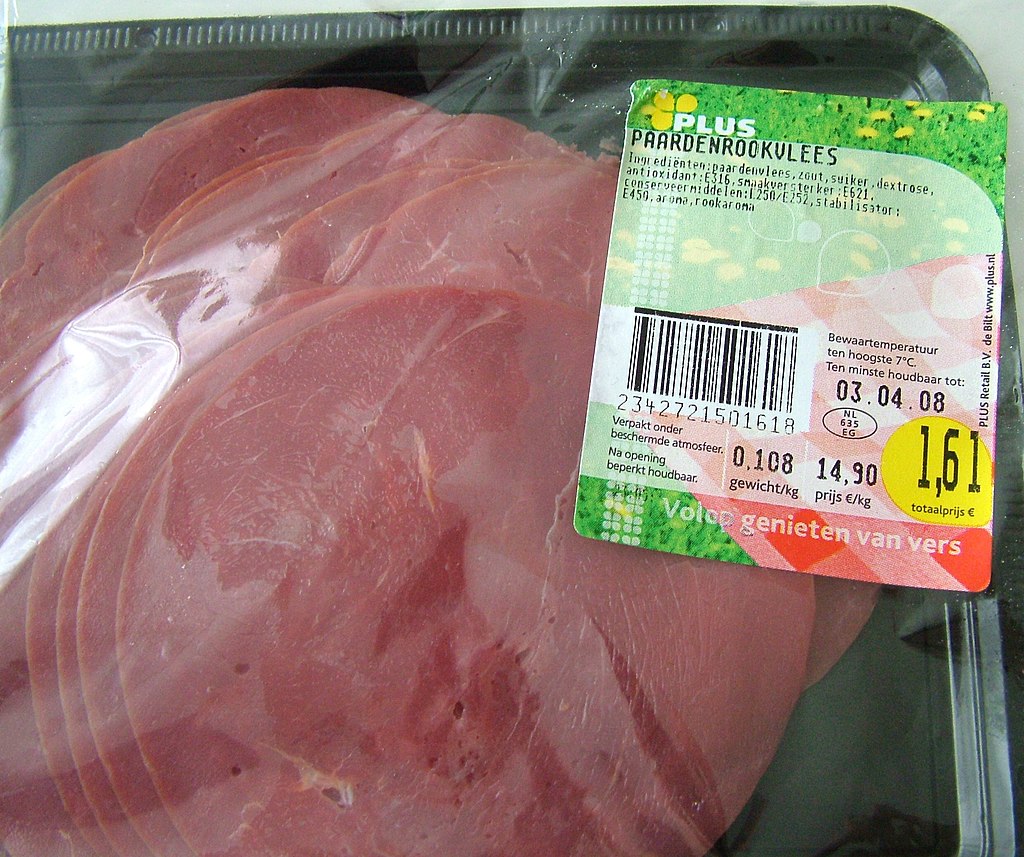
Horse meat became restricted in the United States due to a patchwork of regulations surrounding slaughterhouse licensing and public opposition. Many Americans viewed horses as companions rather than livestock which stirred ethical debates and pushed lawmakers to limit processing facilities. As licenses expired and federal funding rules shifted, the industry faded and commercial sale became effectively impossible. The ban reflects how cultural values often drive food laws more than taste or safety. It also shows how a once-ordinary product in some countries became socially unacceptable in the U.S. almost overnight.
Fugu
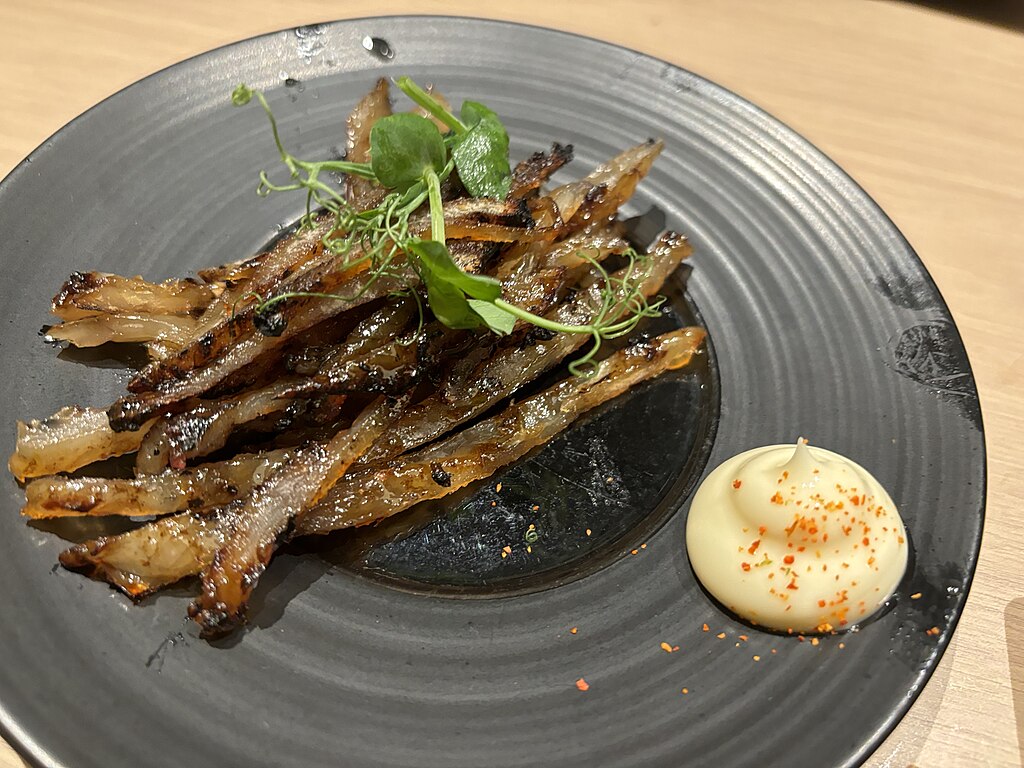
Fugu, or pufferfish, was heavily restricted because it contains a potent toxin that can be deadly if prepared incorrectly. Only chefs with specialized training were allowed to handle it, and importing the fish required strict oversight. Most Americans saw it as an unnecessary gamble which kept demand low but curiosity high. Despite its danger devoted diners considered it a delicacy worth protecting. The restrictions remain a testament to how certain foods demand extraordinary caution even in a nation known for culinary adventure.
Blackcurrants
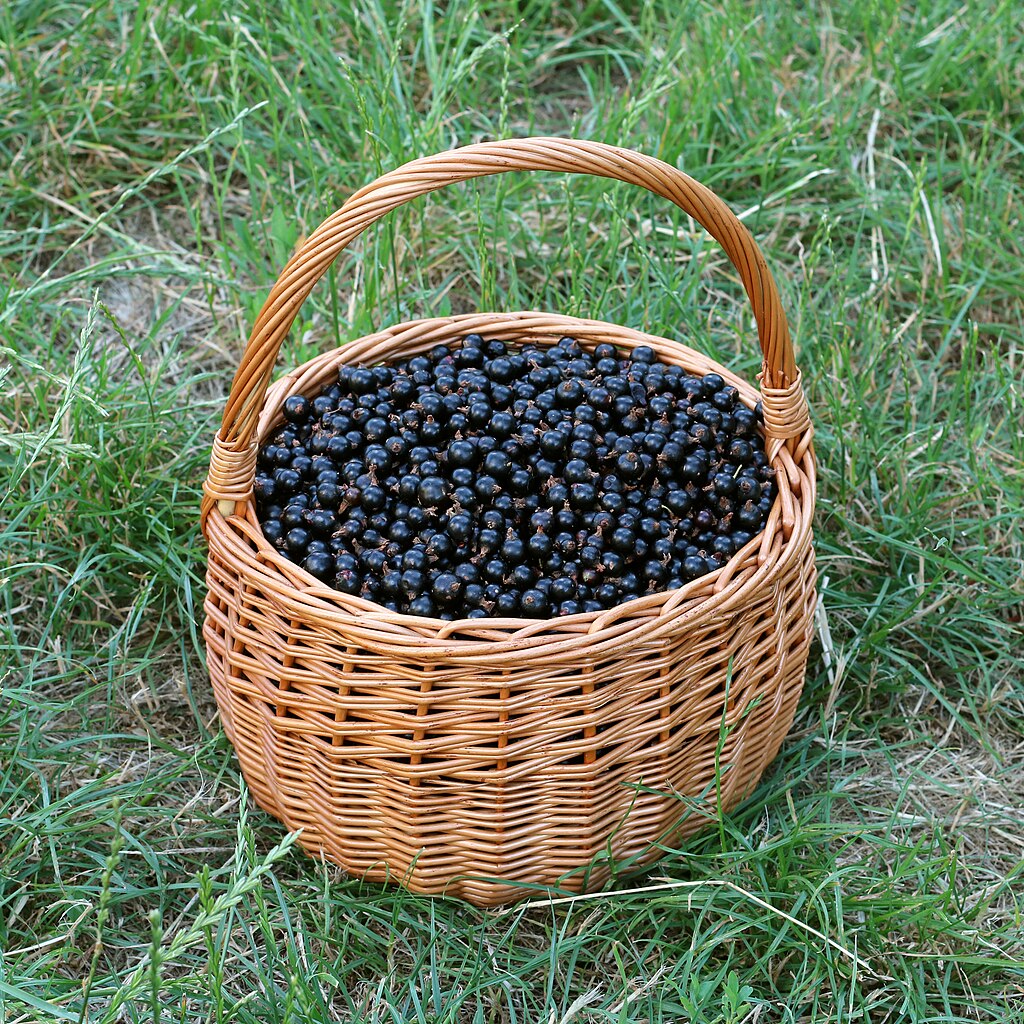
Blackcurrants were banned for much of the twentieth century because scientists believed they carried a disease that threatened the nation’s pine forests. The ban spread across states and lasted for decades leaving the berry almost unknown in U.S. grocery stores. Farmers who once grew them had to switch crops even as the fruit stayed popular overseas. Only in recent years have some states relaxed the rules allowing limited cultivation. The saga turned a simple berry into a quirky botanical outlaw and a favorite story among gardeners who enjoy unusual produce.
Absinthe

Absinthe was banned in the United States for nearly a century due to fears that a compound in its wormwood ingredient caused hallucinations and moral decline. Early rumors exaggerated its effects and lawmakers reacted by outlawing the spirit entirely. For decades Americans viewed absinthe as a forbidden drink associated with mischief and bohemian artists. Modern science later debunked the myths leading to a controlled reintroduction of regulated versions. The long ban stands as one of the most dramatic examples of how rumor and fear can reshape a food law for generations.
Trans Fats In Packaged Foods
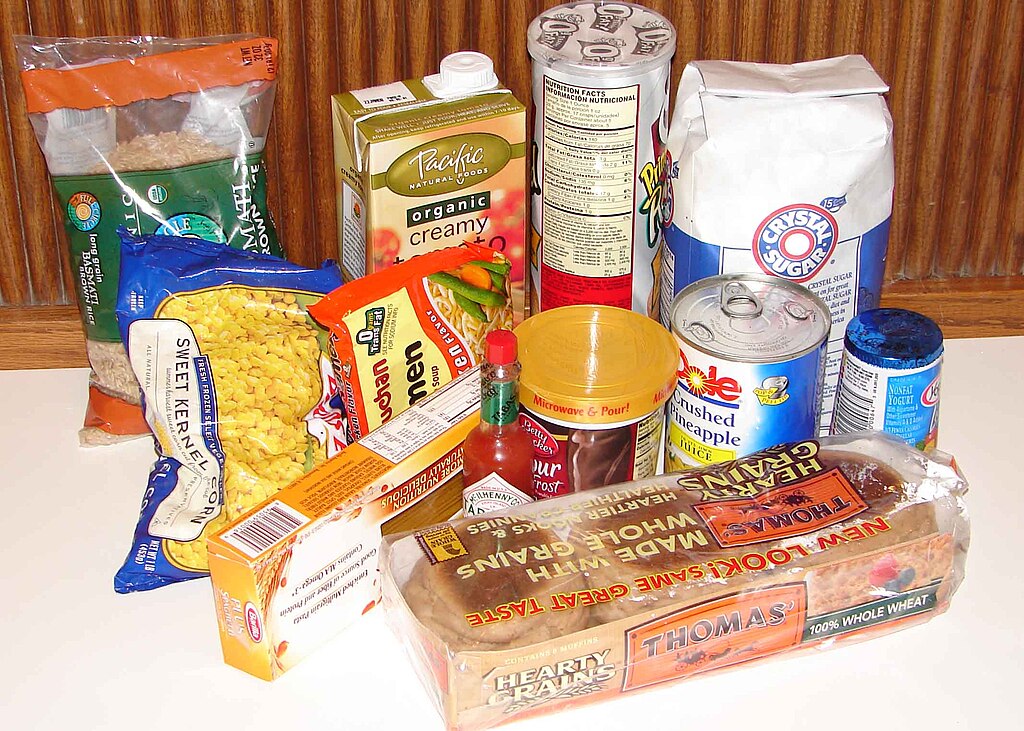
Artificial trans fats were widely banned after research linked them to heart disease prompting regulators to phase them out of packaged and restaurant foods. Many Americans remembered eating snacks once loaded with these oils unaware of the long-term health concerns. As rules tightened manufacturers reformulated products to comply which changed the flavor and texture of some nostalgic items. The ban became a major milestone in modern nutrition policy and reflected a shift toward transparency in ingredient labels. Today the absence of trans fats is considered a quiet public-health victory woven into everyday grocery shopping.
Foie Gras
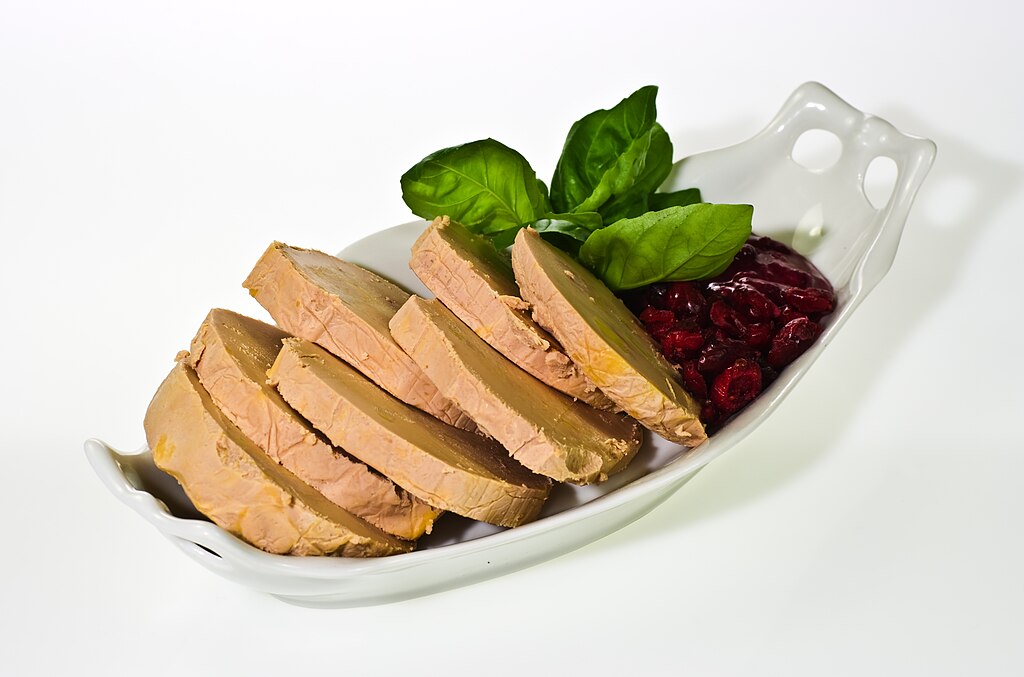
Foie gras faced bans in certain cities due to concerns about animal welfare linked to traditional production methods. Restaurants fought the restrictions arguing the dish was a culinary tradition while activists pushed for reforms citing ethical issues. Court battles, temporary pauses, and reinstated bans kept the status volatile for years. Diners sometimes sought out the dish during brief legal windows treating it like a rare indulgence. The debate highlighted how passion for food can collide with evolving standards of humane treatment and modern dining values.
Mirabelle Plums
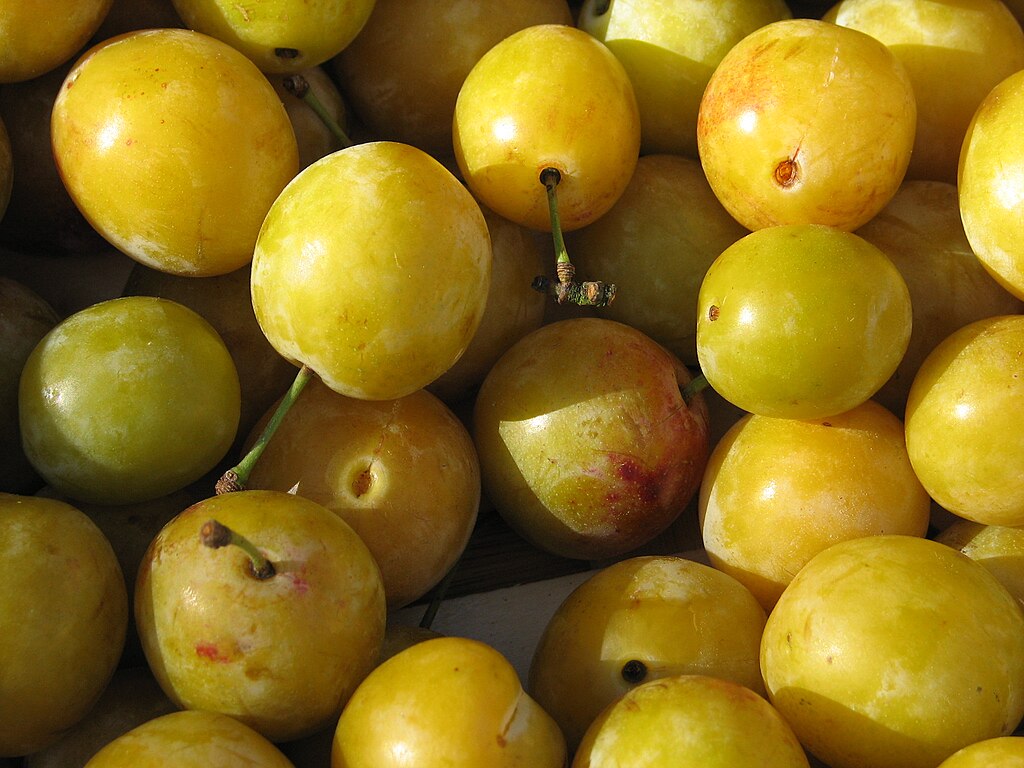
Mirabelle plums were once banned from entering the United States because France protected them under a strict geographic-origin rule that limited exports. The fruit became a quiet legend among travelers who tasted them abroad yet could not bring them home no matter how carefully they packed their suitcases. For decades Americans heard stories about their sweetness without ever seeing them in stores, which only fueled curiosity. The ban turned this simple golden plum into a sought-after delicacy and a symbol of how international trade rules can shape even the humblest foods. Though restrictions eased later, the long prohibition still fascinates fruit lovers.
Sea Turtles
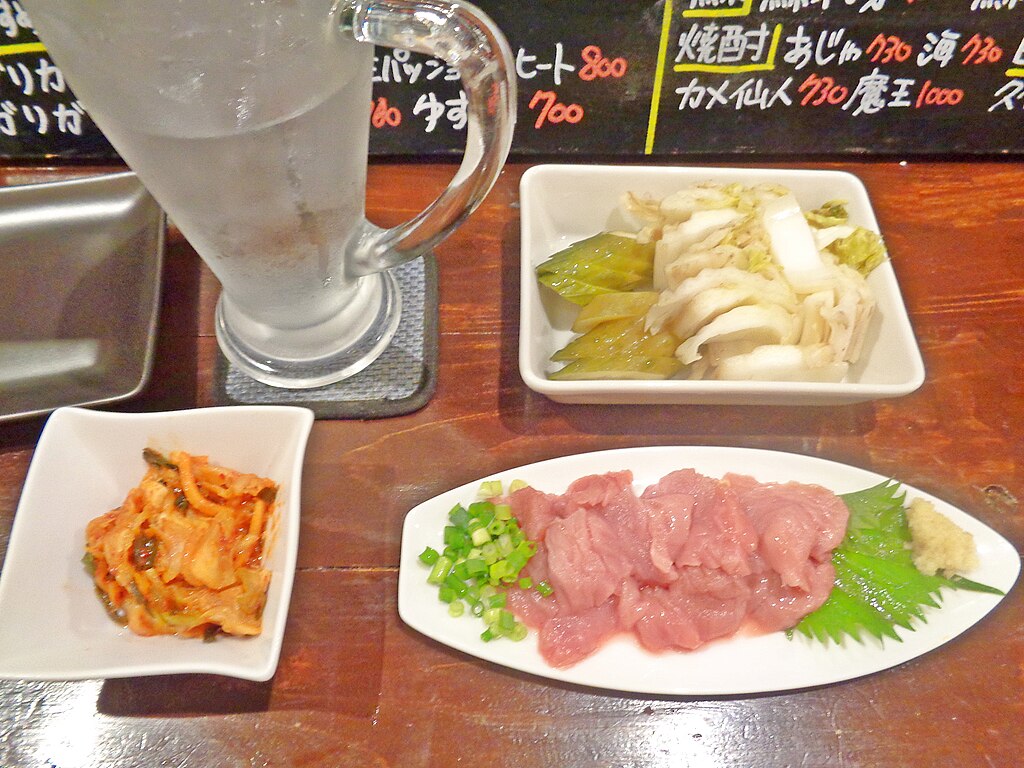
Sea turtle dishes were once served in parts of the United States until protections under federal law banned their harvest to save endangered populations. Turtle soup and related dishes soon disappeared entirely as conservation efforts took priority. Coastal communities that once relied on traditional recipes had to adapt to changing laws and environmental awareness. Today the ban is considered essential for species recovery and widely supported by marine advocates. It shows how food customs sometimes evolve to reflect new responsibility toward vulnerable wildlife.
Casu Marzu
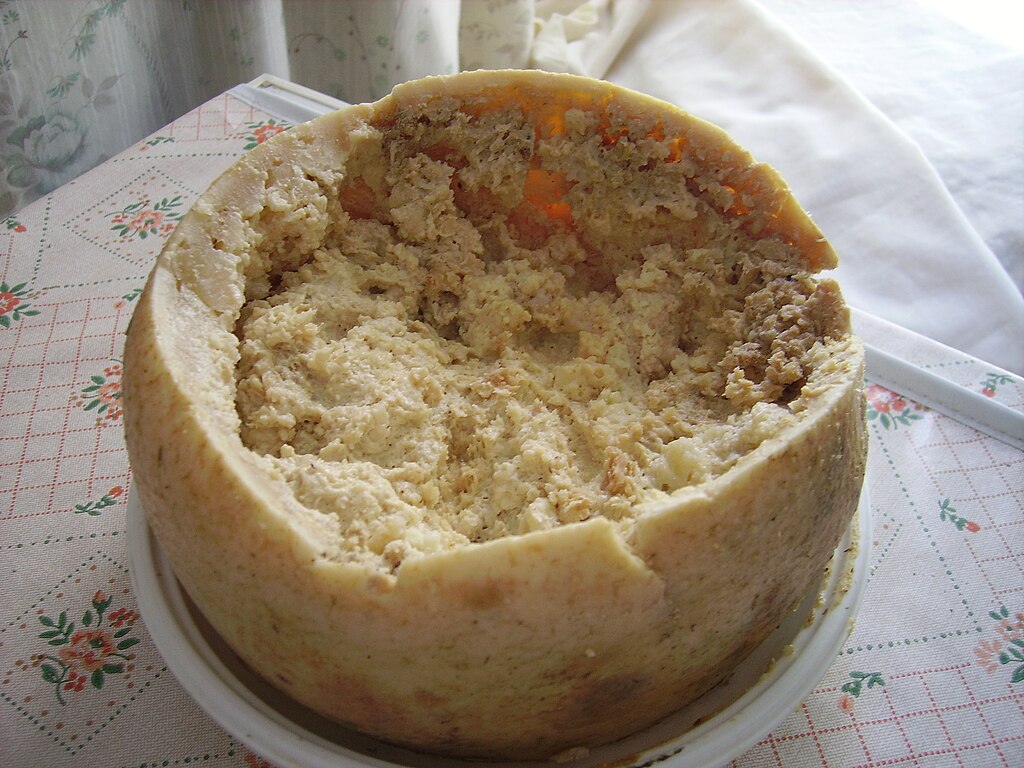
Casu marzu, a cheese containing live larvae, was banned in the United States for obvious health and safety reasons. The dish remained famous mostly through travel shows which treated it as a shocking delicacy. U.S. food-safety regulators kept strict boundaries preventing its import or sale even as curious food lovers debated its cultural roots. For many Americans the cheese became a symbol of where culinary daring meets regulatory limits. Its long standing prohibition continues to spark conversation about the line between tradition and food safety.
Roadside Home Canned Goods
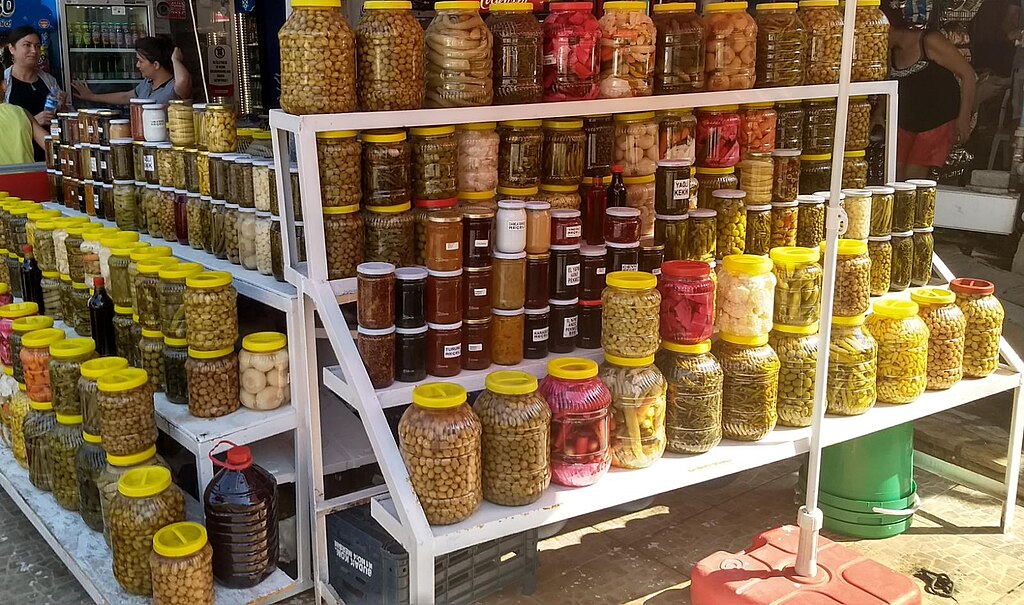
Home canned goods sold at roadside stands were restricted in many states due to risks of botulism and inconsistent sterilization. Regulators insisted that only certified kitchens could sell preserved foods to the public which forced hobby canners to move into approved facilities. Shoppers who once loved buying jars from roadside tables quickly noticed the change. The rules balanced local tradition with public health even though many families trusted recipes passed down for generations. The ban remains a reminder of how food safety guidelines reshape old fashioned commerce.
These fourteen foods show how cultural tradition science safety and shifting public values shape what Americans are allowed to cook sell and taste. While some bans faded others remain woven into the nation’s culinary laws reminding us how quickly an everyday ingredient can become forbidden. Each story reveals how food culture is never just about flavor but about identity protection and the evolving rules that guide what we bring to the table.