Many of cinema’s most chilling villains didn’t come from pure imagination—they were shaped by real individuals whose stories were even more unsettling than fiction. Some were inspired by criminals, others by misunderstood loners, and a few were based on surprisingly ordinary people. These inspirations added a layer of realism that made these villains unforgettable. Understanding their origins reveals how closely movies can mirror real life. Here are the hidden stories behind some of your favorite on-screen antagonists.
Hannibal Lecter
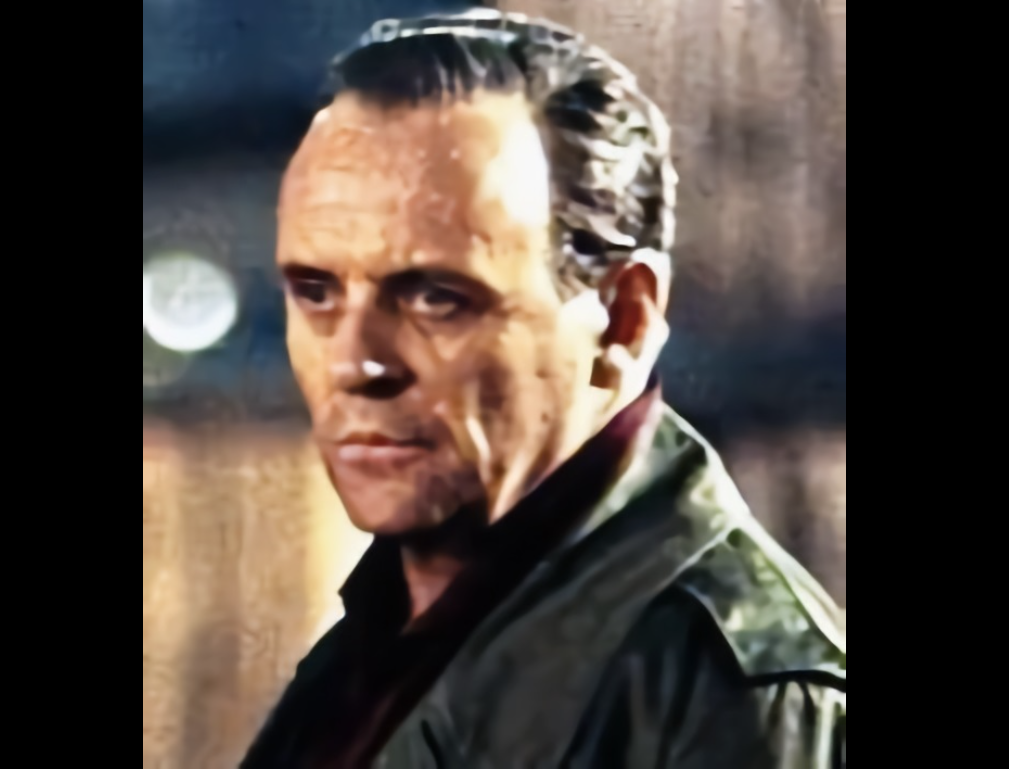
Hannibal Lecter’s cold precision and unsettling calm were shaped by a real-life doctor imprisoned for murder. His sophisticated mannerisms and medical knowledge made him more terrifying because they felt authentic rather than exaggerated. The creator behind the character reportedly met an inmate with a similar unsettling presence, inspiring aspects of Lecter’s personality. This connection gave the villain a chilling realism that audiences immediately felt. It’s a reminder that sometimes fiction doesn’t stray far from reality.
Norman Bates
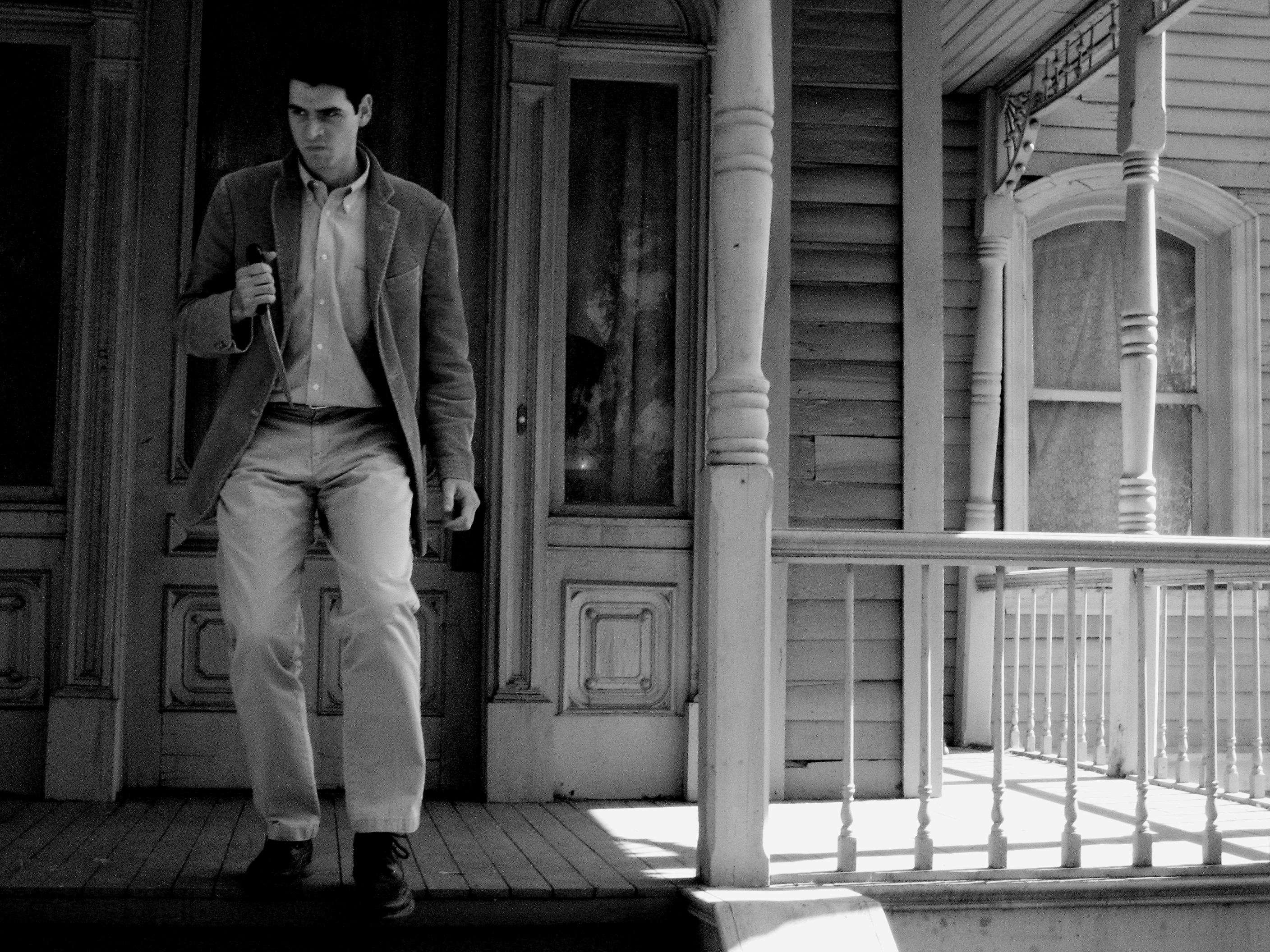
Norman Bates emerged from the disturbing history of a reclusive man whose odd behavior fascinated the public. His unhealthy attachment to his mother and quiet demeanor became defining character traits. The real individual’s home contained dark secrets that shocked investigators, influencing parts of Bates’ backstory. The film used these real elements to create a villain who felt both sympathetic and terrifying. His everyday appearance made him even more unsettling.
Annie Wilkes
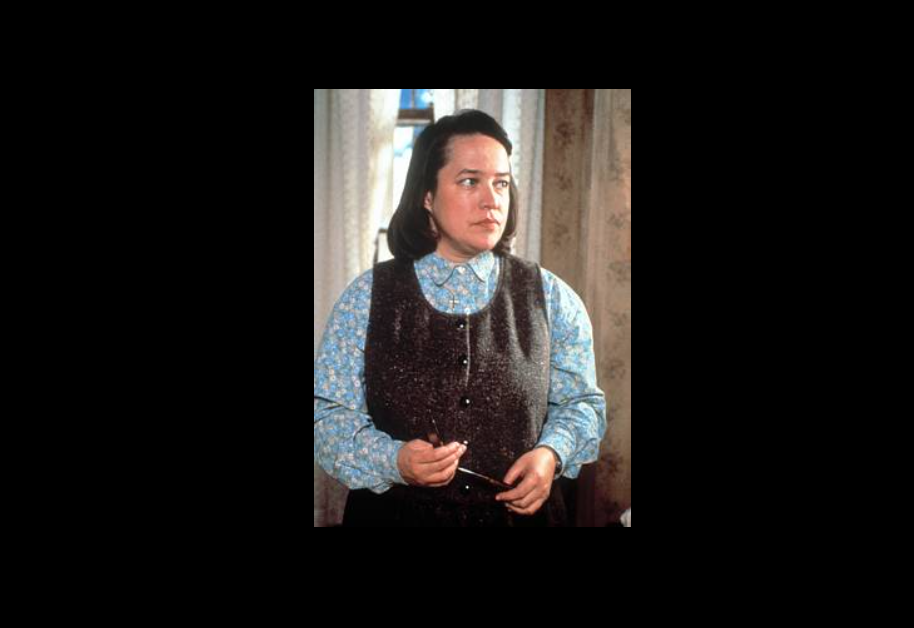
The terrifying captor from a beloved author’s nightmare was grounded in a real-life admirer who went too far. The idea of someone appearing harmless yet holding dangerous obsessions made Annie Wilkes unforgettable. Her unpredictable behavior and emotional swings were drawn from real cases of fixation and unhealthy fandom. This mix of reality and fiction created a villain who felt possible in the real world. It amplified the fear by making the threat seem close to home.
Leatherface
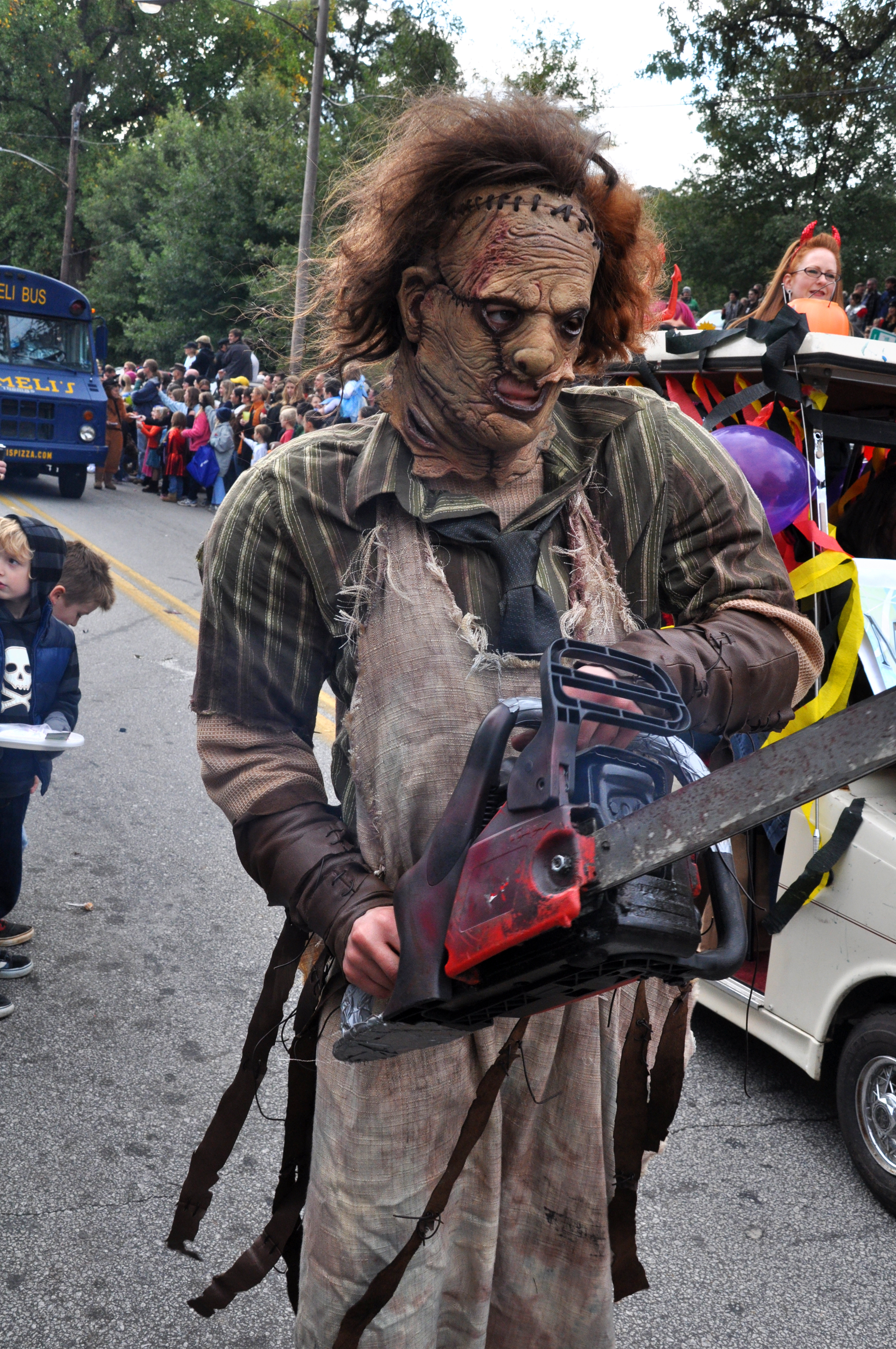
Leatherface’s shocking design and brutal tendencies were partially inspired by a man with a horrifying double life. While the film exaggerated many elements, the idea of someone living quietly while hiding grotesque habits came directly from reality. This grounded the terror in a way that resonated deeply with audiences. The idea that evil could live in isolation made the character legendary. It blurred the line between fiction and terrifying truth.
Keyser Söze
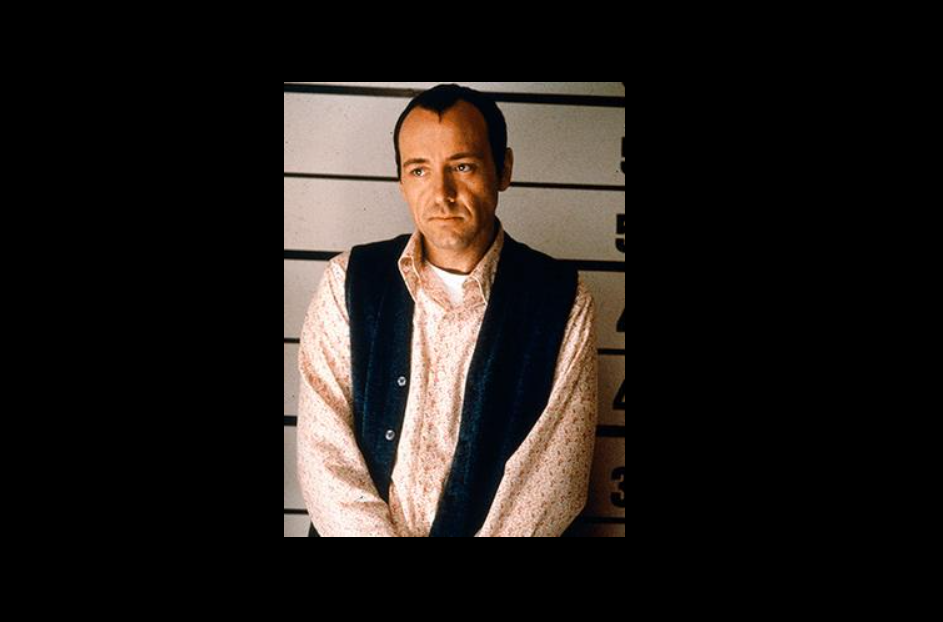
The mysterious criminal mastermind was inspired by real-life drug lords who operated with ruthless anonymity. His quiet presence and ability to manipulate others echoed true stories of criminals who stayed in the shadows. The character’s shifting identity reflected how such figures often erased their own traces. The result was a villain who felt believable despite his mythic aura. His unpredictability made him a cinematic standout.
The Joker (Heath Ledger’s Version)
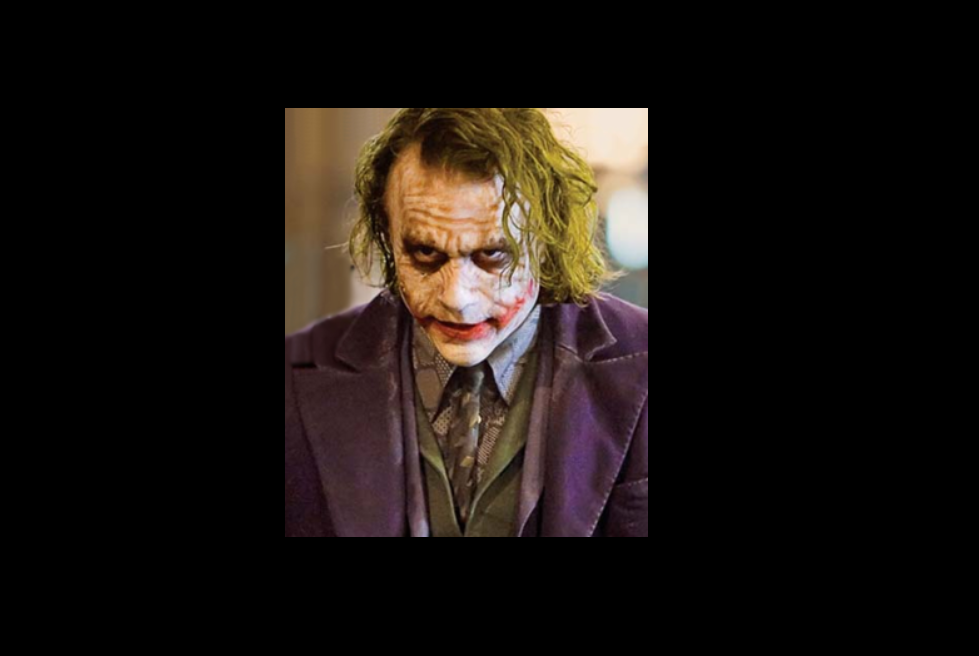
While not based on one person, this version of the Joker drew heavily from real-life anarchists and criminals who challenged social norms. His unpredictable nature reflected individuals known for creating chaos without clear motives. The character’s mannerisms and philosophy mirrored those who lived on society’s fringes. This grounding in real-world behavior made him disturbingly authentic. His chaotic logic resonated because it felt uncomfortably possible.
Anton Chigurh
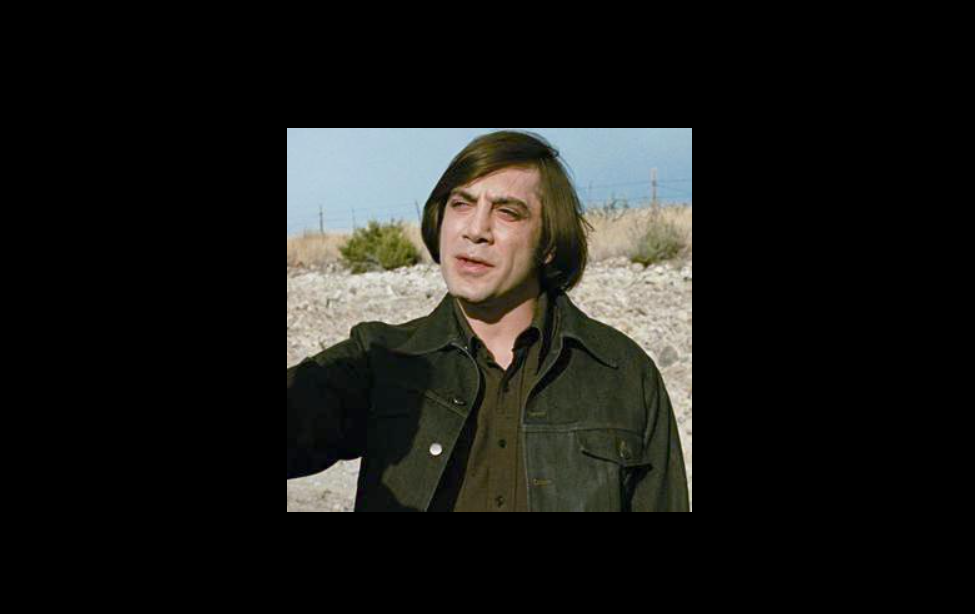
Chigurh’s emotionless personality was inspired by a real assassin known for his cold efficiency. His lack of empathy and reliance on twisted principles were traits observed in actual criminals. This realism allowed the character to feel like a force of nature rather than a typical villain. His consistent logic made him unpredictable and frightening. The connection to real violence amplified his impact on screen.
Count Orlok
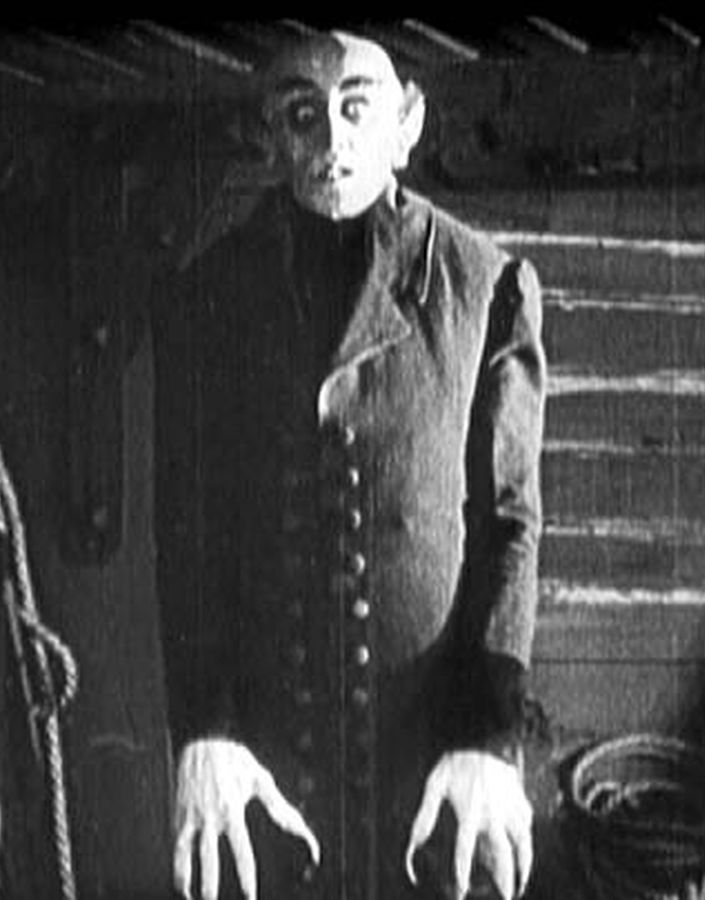
The creepy appearance of cinema’s first major vampire was modeled after unsettling individuals from early European folklore. Some were believed to avoid sunlight and had physical features that seemed unnatural. These cultural tales influenced his long fingers, pale features, and haunting movements. The character captured the visual fears of the time. He became an immortal symbol of early horror grounded in old-world superstition.
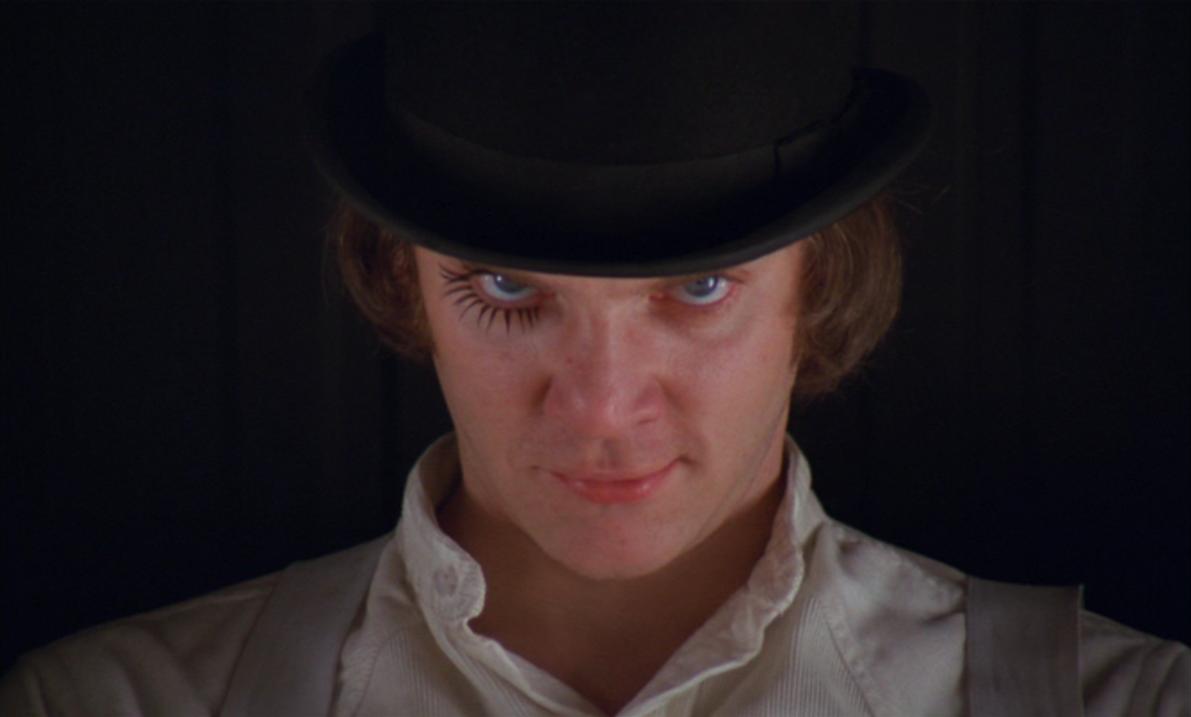
Alex DeLarge
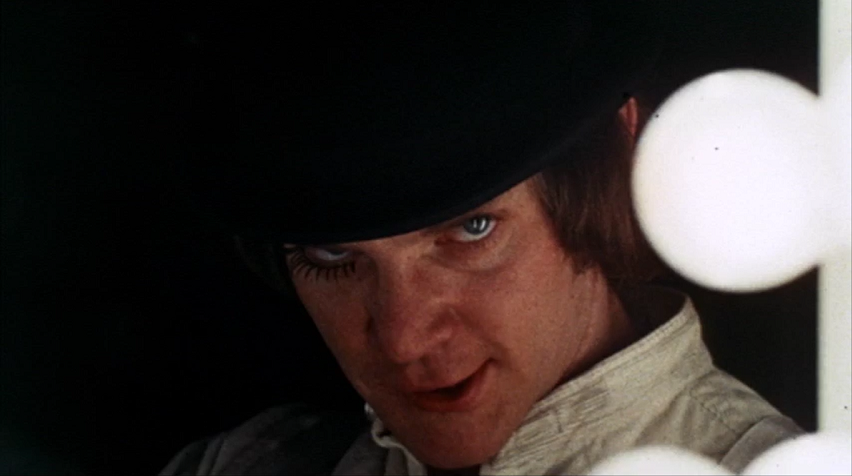
The disturbing teen criminal was shaped by real individuals who rebelled against societal structure. His violent tendencies were exaggerated, but his attitude reflected youth groups known for their chaotic energy. The creator observed trends in rebellious youth culture and incorporated them into Alex’s personality. This made his behavior strangely relatable despite its brutality. The character became a symbol of unchecked impulse.
Hans Gruber
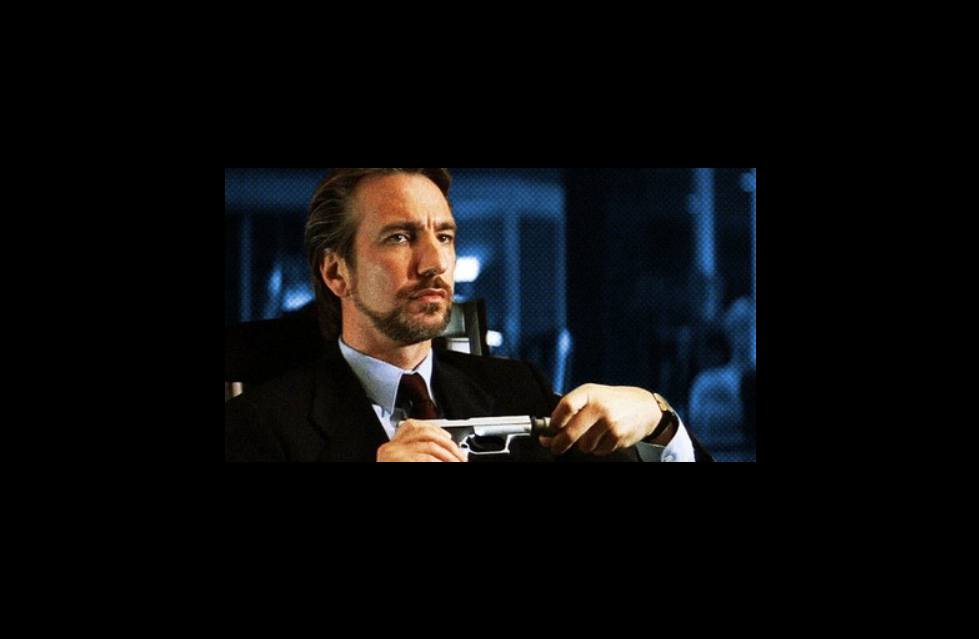
Although fictional, Gruber’s suave criminality drew influence from real corporate thieves and masterminds. His composed nature and strategic thinking echoed those who manipulated financial systems. His polished demeanor made him stand out from typical action villains. You could imagine him walking through a boardroom instead of a crime scene. This realism contributed to his lasting popularity.
Amon Goeth
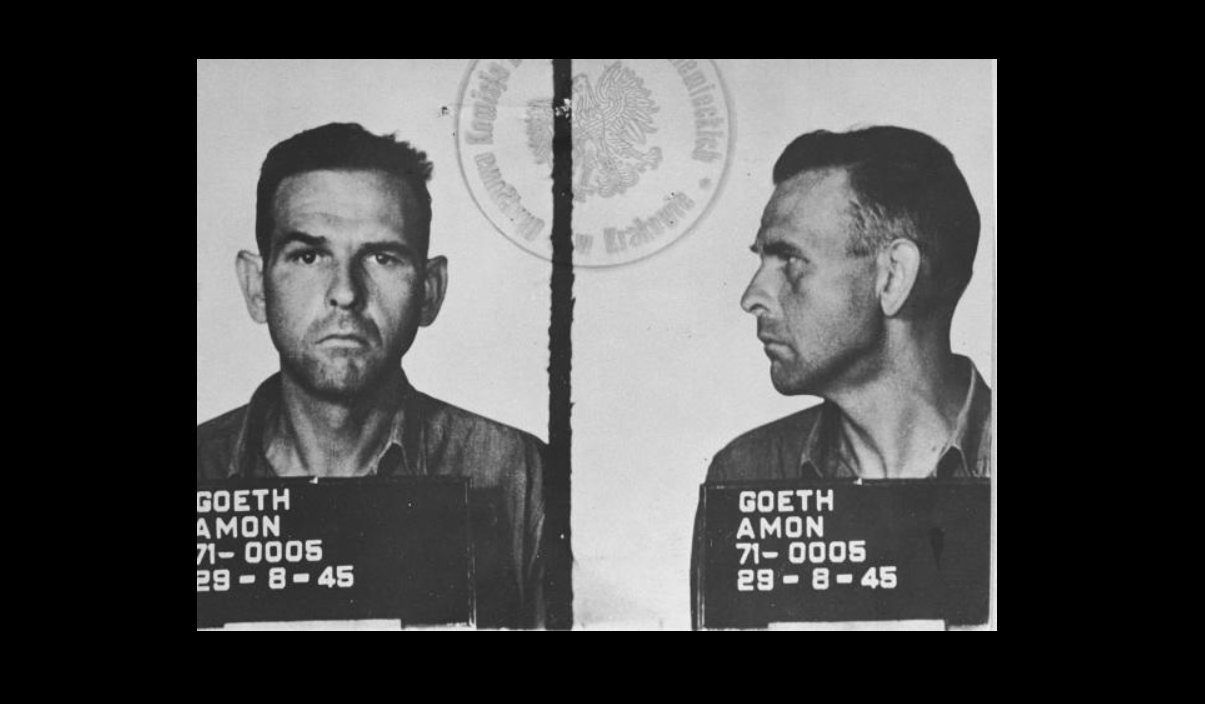
This villain was a direct portrayal of a historical figure whose cruelty was well documented. His actions, though shocking, reflected real behavior recorded by witnesses. His cold demeanor and lack of empathy echoed actual testimony from survivors. The film grounded his characterization in history rather than fiction. This made him one of the most chilling villains ever depicted.
Bill the Butcher
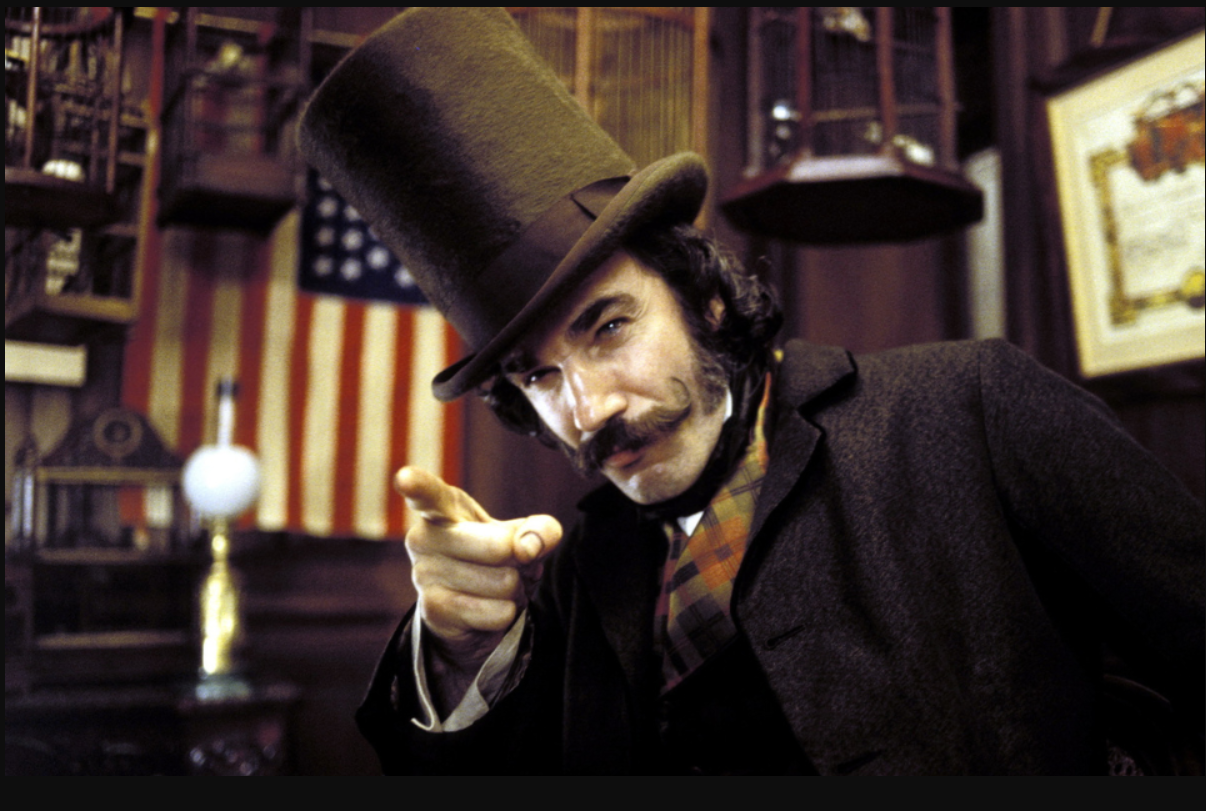
This character was heavily inspired by a real historical gang leader with a fierce personality. His mannerisms, beliefs, and leadership tactics were drawn from accounts of 19th-century street gangs. The movie amplified certain elements but kept the core of his personality intact. This blend of fact and fiction created a complex antagonist. He represented a real chapter of American history with a dramatic flair.
Patrick Bateman
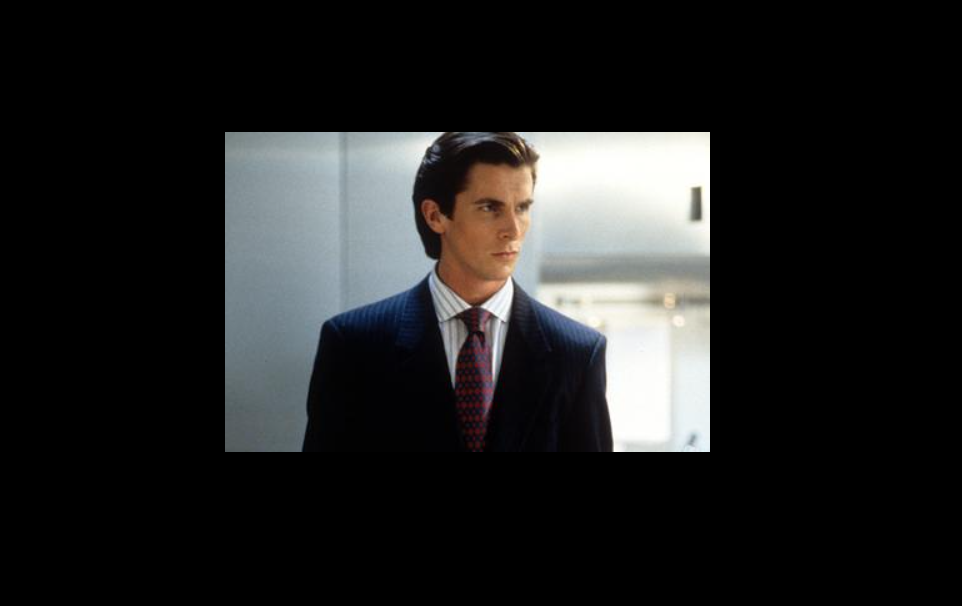
Bateman’s obsession with status and image was modeled after real Wall Street personalities known for excess. His detachment from emotion reflected individuals who prioritized wealth above all else. While his violent tendencies were exaggerated, his lifestyle mirrored real stories from the era. This made the character simultaneously absurd and disturbingly realistic. He symbolized the dangers of unchecked ego.
Jaws’ Quint (as a Villain Figure)
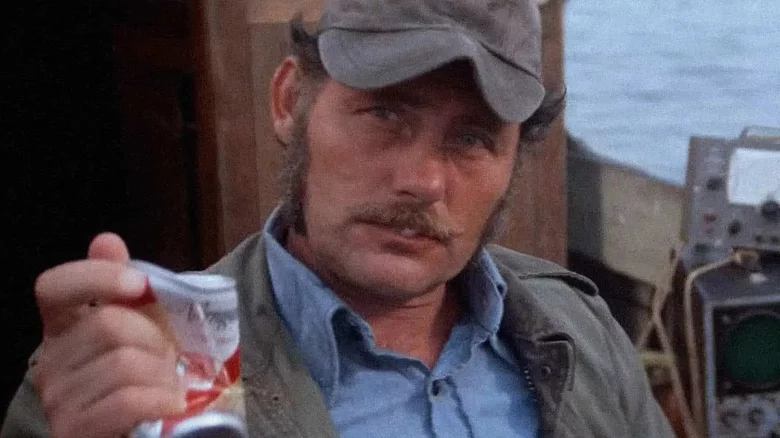
Quint’s hardened personality and intense demeanor were influenced by real fishermen known for dangerous obsessions. His personal vendettas and reckless bravery were traits seen in individuals who battled the sea daily. While not the main villain, his darker qualities gave him an antagonistic edge. His obsession felt grounded in real maritime culture. This complexity made him memorable.